10 Historic Disco Events That Influenced Fashion and Decor Trends
When you think about the most iconic moments in disco history, it's clear how much they've shaped today's fashion and decor. From Studio 54's dazzling grand opening to the chaotic Disco Demolition Night, each event left an indelible mark. Chic's unforgettable 'Le Freak' performance set the standard for glam fashion, while Paradise Garage became a hub for eclectic style and inclusivity.
Ever wondered how these events continue to influence modern trends? Let's explore how the shimmer of disco balls and the boldness of '70s attire still resonate in our wardrobes and homes today.
Studio 54's Grand Opening
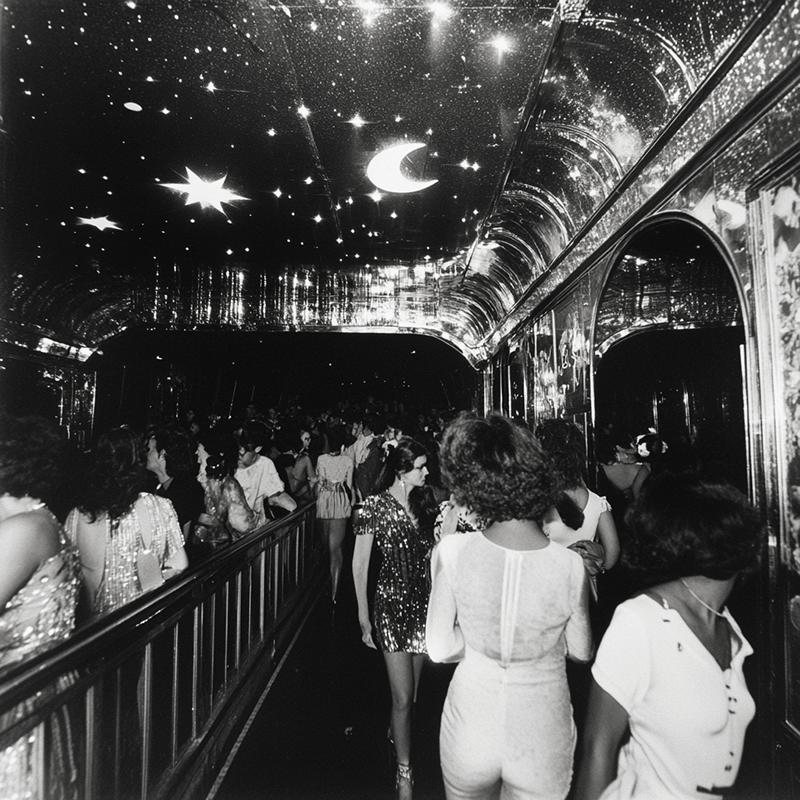
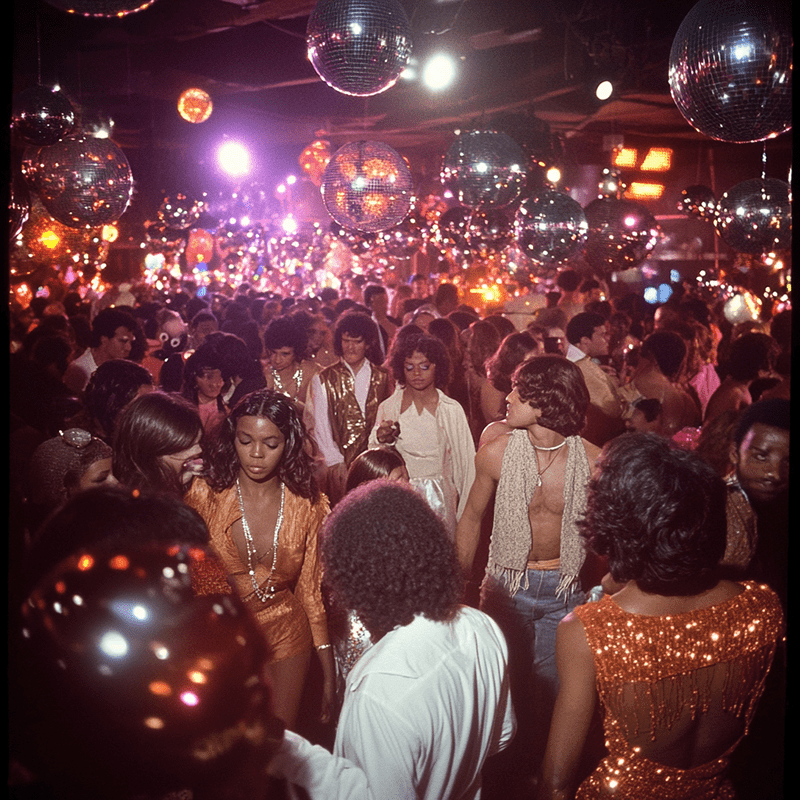
Studio 54's grand opening in 1977 dazzled New York City, attracting celebrities like Cher, Andy Warhol, and Diana Ross. Upon entering the club, guests were greeted by extravagant decor featuring mirrored walls and a moon-and-stars ceiling, perfectly complementing the disco fashion of the era. The VIP room with a balcony added an extra layer of exclusivity, creating a mystique that made everyone eager to get inside.
Beyond the decor, Studio 54 boasted pioneering lighting and sound systems that transformed the nightclub experience, setting new standards for clubs worldwide. The hedonistic atmosphere served as the ideal backdrop for the wild parties synonymous with Studio 54, where celebrities and socialites mingled with artists and fashion icons.
The club's strict door policy ensured that only the most stylish and daring gained entry, making it a hotspot for disco fashion trends. Sequins, glitter, and bold colors were the norm, inspiring guests with the glamorous outfits around them. Studio 54 was more than just a nightclub; it was the birthplace of a fashion revolution.
Disco Demolition Night
Disco Demolition Night, a pivotal event in 1979, is often cited when discussing the decline of disco. The palpable backlash saw fans destroying records and rioting, symbolizing a broader cultural shift. This anti-disco sentiment extended beyond music, influencing fashion and decor trends away from the glitzy disco style.
Cultural Backlash Impact
On July 12, 1979, Disco Demolition Night at Comiskey Park in Chicago culminated in a violent backlash against disco music, revealing a deep cultural divide between rock and disco fans. Orchestrated by rock DJ Steve Dahl, who detested disco's commercial success, the event saw thousands of attendees bringing disco records to be destroyed as a dramatic display of their disdain.
The destruction of the records escalated into a full-blown riot, with fans storming the field, causing significant damage to the stadium and forcing the cancellation of the scheduled baseball game. This incident not only signified a cultural clash but also marked a pivotal moment in music history, symbolizing the decline of the disco era.
Disco Demolition Night's impact extended beyond music, influencing fashion and decor trends. As the cultural tide turned away from disco, the era's flashy, glitter-infused styles gave way to the edgier aesthetics of punk and new wave. This event highlighted how deeply music preferences were intertwined with broader cultural and stylistic trends.
Anti-Disco Sentiment
The anti-disco sentiment that fueled Disco Demolition Night on July 12, 1979, was a powerful reaction against the genre's overwhelming influence on both music and lifestyle trends. Organized by radio DJ Steve Dahl and White Sox owner Bill Veeck, the event at Comiskey Park in Chicago quickly descended into chaos as fans eagerly destroyed disco records on the field. This wasn't just about the music; it was a statement against the cultural shift that disco had brought about.
The anti-disco sentiment manifested in several ways:
- Music Industry Saturation: Disco's dominance in the charts left rock and other genres sidelined, frustrating many music fans.
- Fashion Backlash: The flashy, glamorous disco fashion clashed with the more subdued, rebellious styles preferred by rock and punk enthusiasts.
- Lifestyle Rejection: Disco's association with nightlife and hedonism conflicted with more conservative or traditional values.
- Economic Factors: The expense associated with disco's lavish lifestyle and decor was seen as extravagant during a time of economic difficulty for many.
Disco Demolition Night is remembered as a pivotal moment in music history, symbolizing a dramatic cultural shift and a rejection of disco's widespread influence on fashion and lifestyle trends.
The Rise of Saturday Night Fever
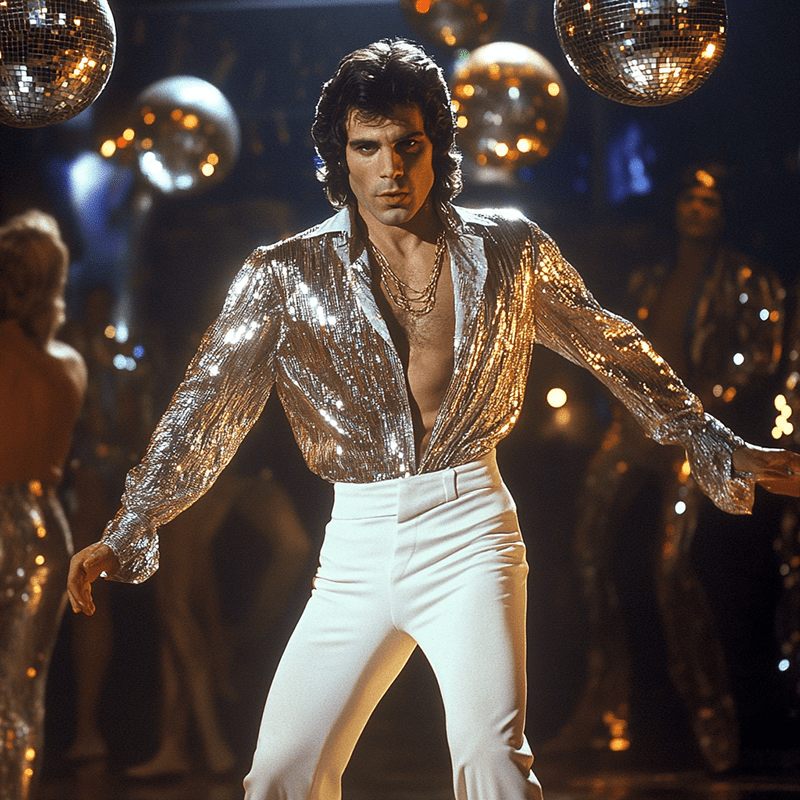
Frequently celebrated as a cultural milestone, 'Saturday Night Fever' burst onto the scene in 1977, forever altering fashion and decor trends. The movie didn't just showcase John Travolta's dance moves; it ignited Disco Fever across the globe.
With its release, fashion shifted towards tight-fitting, high-waisted pants, unbuttoned shirts, and gold chains. Travolta's iconic style became the epitome of cool, influencing wardrobes everywhere.
The film's impact extended beyond clothing. The soundtrack, dominated by the Bee Gees, became a cultural phenomenon, shaping the music and dance scene of the period. 'Saturday Night Fever' made disco mainstream, and this newfound popularity influenced home and club decor. Disco balls, vibrant colors, and mirrored surfaces became must-have elements, transforming ordinary spaces into disco havens.
The influence of 'Saturday Night Fever' was inescapable. Its success led to the mainstream acceptance and commercialization of disco culture, impacting not just fashion but also lifestyle choices. People adopted the flashy, exuberant style, making disco an enduring part of the cultural landscape. This film didn't just reflect a trend; it created a movement that still resonates today.
Chic's "Le Freak" Performance
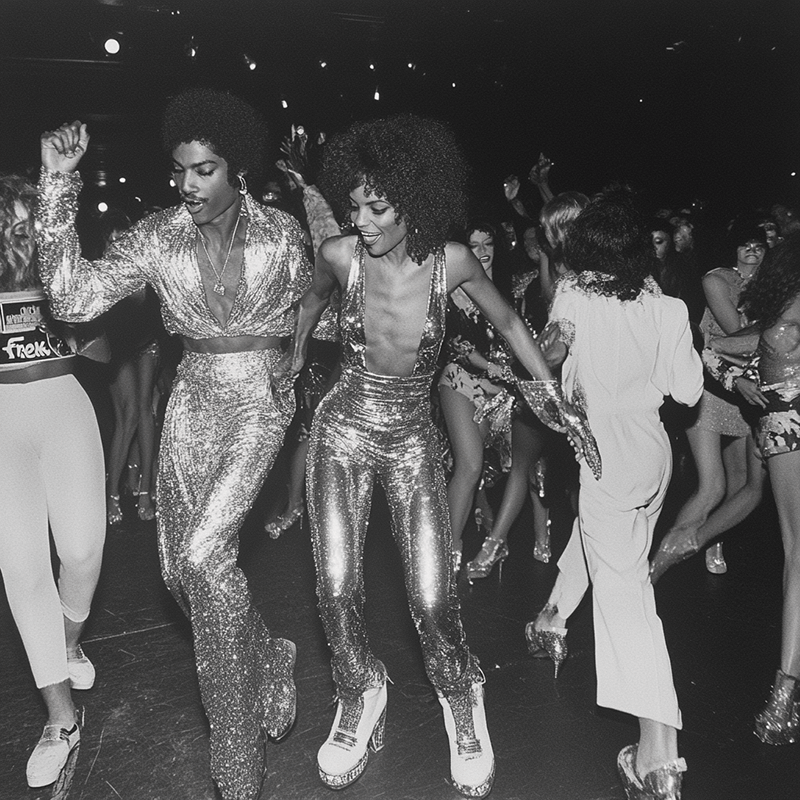
Chic's iconic 'Le Freak' performance at Studio 54 epitomized disco fashion. Their stylish outfits and electrifying energy sparked a fashion revolution of sequined dresses and platform shoes. On the dance floor, their infectious rhythm inspired self-expression that defined the disco era.
Iconic Fashion Statement
Chic's unforgettable 'Le Freak' performance at Studio 54 in 1978 set the gold standard for disco fashion with its sleek and glamorous outfits. This moment showcased how Chic's fusion of fashion and music created an iconic statement that defined the disco era. Their appearance was a visual feast of glitzy, high-energy aesthetics, leaving a lasting impression on the fashion world.
Chic's 'Le Freak' performance influenced disco fashion in several key ways:
- Glamorous Attire: The band's outfits, adorned with sequins and luxurious fabrics, became synonymous with disco fashion.
- Polished Look: Their coordinated ensembles emphasized a refined and put-together appearance, setting trends for both men and women.
- Bold Accessories: Oversized accessories, such as statement jewelry and glittering belts, added drama and excitement to their stage presence.
- Dance-Ready Style: Their clothing wasn't only stylish but also designed for movement, allowing for energetic performances without restriction.
Dance Floor Revolution
The electrifying performance of 'Le Freak' at Studio 54 in 1978 ignited a dance floor revolution, blending high-energy music with avant-garde fashion and decor. This pivotal moment in disco history not only elevated Chic's status but also redefined disco culture. As 'Le Freak's' infectious beats filled the club, attendees were enveloped in an atmosphere where high fashion and dazzling decor were paramount.
'Le Freak' quickly became a disco anthem, inspiring bold and glamorous dance floor looks. Sequins, metallic fabrics, and platform shoes became synonymous with the song's vibrant energy. Studio 54, renowned for its opulence, embraced this trend with mirrored surfaces, strobe lights, and extravagant designs that accentuated the music's pulsating rhythm.
Chic's performance set a new standard for disco events, leaving a lasting impact on fashion and decor trends of the era. The fusion of dynamic music with striking visuals created an unforgettable experience, making 'Le Freak' a timeless symbol of the disco era's glamorous and rebellious spirit.
The Disco Inferno Trend
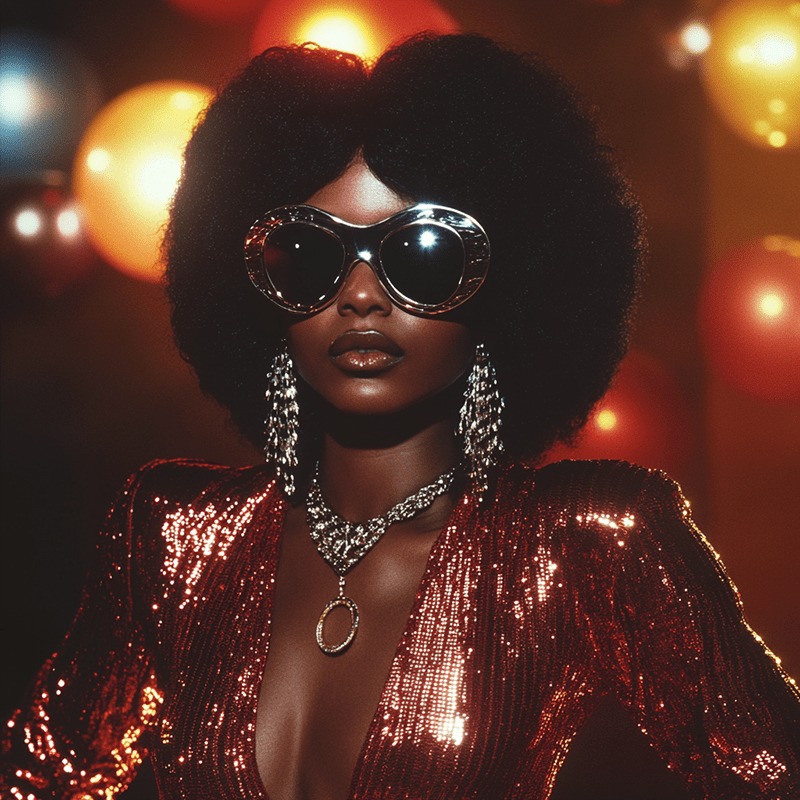
Inspired by the electrifying hit 'Disco Inferno' by The Trammps, this trend catapulted disco music and fashion into the limelight with its energetic beat and danceable rhythm. Released in 1976, the song became an anthem of the disco era, sparking a fashion revolution that defined 1970s disco style.
The Disco Inferno trend wasn't just about music; it was a celebration of exuberance and flair. Bold colors, shimmering fabrics, and flashy accessories mirrored the vibrant spirit of the times. 'Disco Inferno' influenced not only clothing but also interior design, with disco-themed parties epitomizing glamour through the fusion of music, fashion, and decor.
Capture the essence of the Disco Inferno trend with these elements:
- Bold Colors: Bright reds, electric blues, and dazzling golds.
- Shimmering Fabrics: Sequins, satin, and metallic materials.
- Flashy Accessories: Oversized sunglasses, chunky jewelry, and platform shoes.
- Glamorous Decor: Mirror balls, neon lights, and reflective surfaces to create a disco vibe.
The Bee Gees' Influence
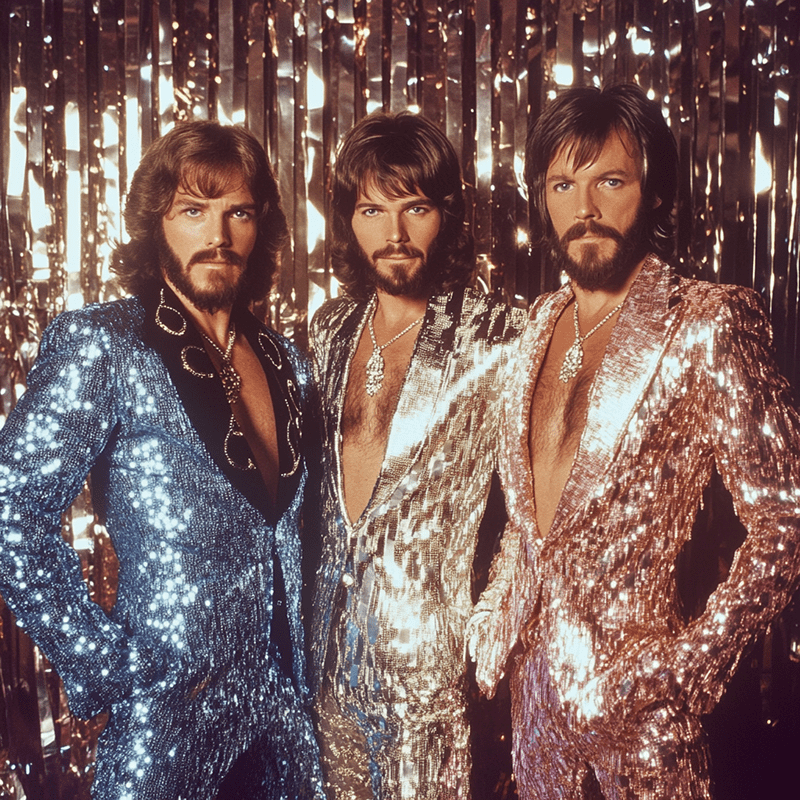
During the peak of the disco era, the Bee Gees' music and style became a defining influence on both fashion and decor trends. Their contributions to the 'Saturday Night Fever' soundtrack played a pivotal role in popularizing disco music. Their iconic falsetto vocals and infectious beats dominated dance floors and inspired countless fashion statements.
The Bee Gees' signature look was unmistakable—tight-fitting suits, open-collared shirts, and voluminous hair. This ensemble became synonymous with the disco age and was widely emulated. People donned similar styles at discos and parties, capturing that effortlessly cool vibe. Their influence extended to hairstyles and accessories, setting trends that defined the 1970s aesthetic.
In addition to fashion, the Bee Gees' impact seeped into decor trends. The flashy, exuberant style of disco was reflected in home designs, featuring bold colors, mirrored surfaces, and glamorous touches that mirrored the energy of disco music. Their legacy didn't fade with the end of the disco period; it continued to inspire retro and nostalgic styles, proving the timeless appeal of their influence.
Donna Summer's Fashion Impact
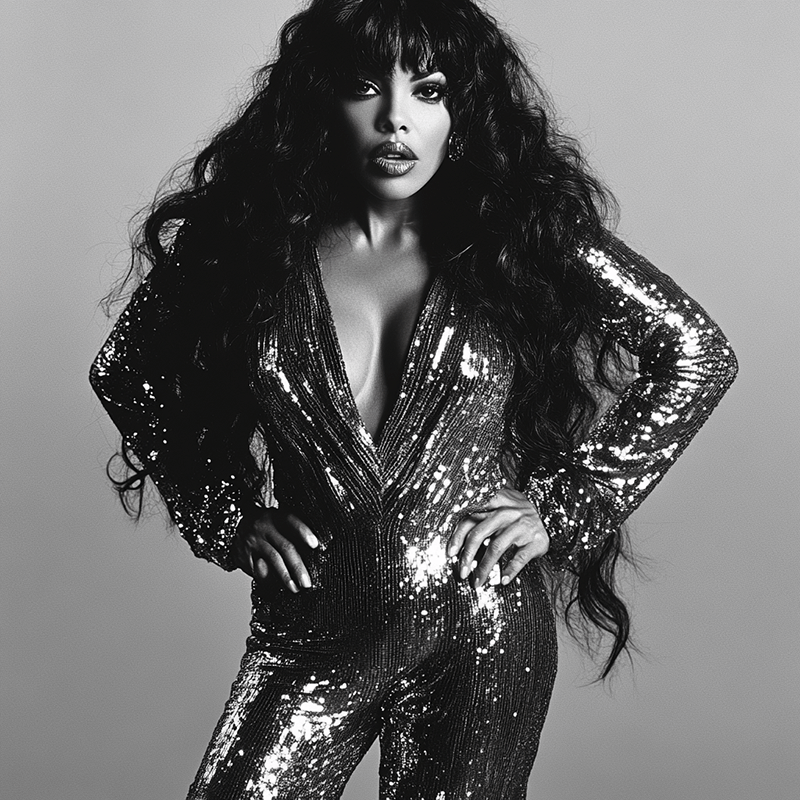
Donna Summer's dazzling fashion choices set the stage for the disco era's style revolution. Her name is synonymous with disco fashion, embodying the spirit of the 1970s through her iconic wardrobe. Summer popularized sequined dresses and glamorous jumpsuits, making them essential for anyone wanting to capture the era's essence. Her hit songs like 'Hot Stuff' and 'Last Dance' not only ruled the dance floors but also inspired bold, flashy fashion trends.
Donna Summer's signature look—characterized by flowing hair, shimmering fabrics, and statement jewelry—became the blueprint for disco fashion. Her influence was evident in every disco club, where people dressed to dance the night away. Her impact extended beyond music to how people expressed themselves through clothing.
Four key elements of Donna Summer's fashion impact include:
- Sequined Dresses: She made sequins a hallmark of disco fashion.
- Glamorous Jumpsuits: These outfits combined comfort and style, becoming a disco staple.
- Flowing Hair: Her voluminous hair set a trend for the era.
- Statement Jewelry: Bold, eye-catching pieces were essential to her wardrobe and the disco scene.
The Glitter and Glamour of Disco Balls
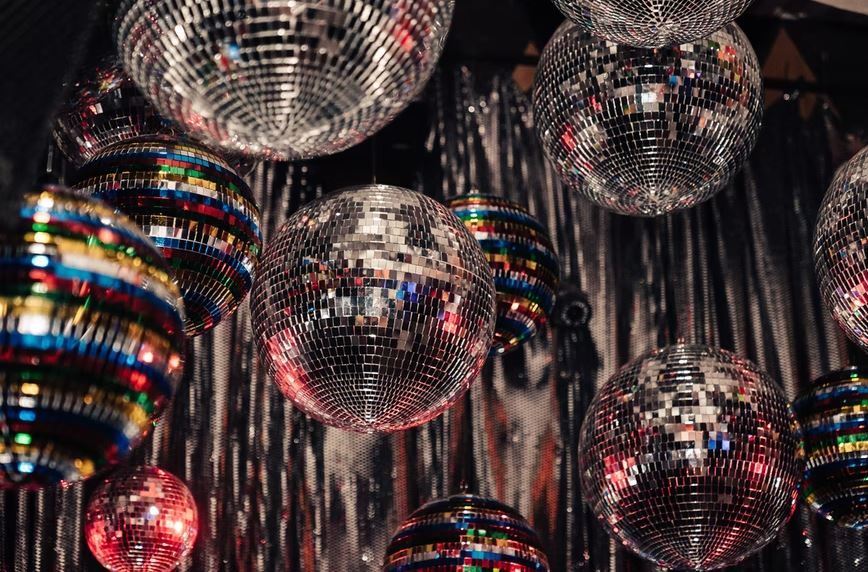
The mesmerizing sparkle of a disco ball is synonymous with the vibrant energy of the disco era. First appearing in the 1920s, disco balls reached iconic status in the 1970s, with their mirrored surfaces and rotating capabilities creating dazzling light reflections that defined the period.
Stepping into a disco club, the ambiance was instantly set by the shimmering lights bouncing off the disco ball, making every dance move feel electric.
This glimmering effect transcended the dance floor, influencing fashion trends as designers incorporated sequins, metallic fabrics, and glitter into their collections. Sparkling dresses and flashy outfits became synonymous with disco style, as the allure of the disco ball inspired everyone to shine and stand out.
Today, the nostalgic and glamorous appeal of the disco ball endures. Whether featured at modern events or as a statement piece in home decor, its ability to captivate and enchant persists. The disco ball's legacy continues to influence fashion and decor trends, proving that some styles truly stand the test of time.
The Influence of The Loft
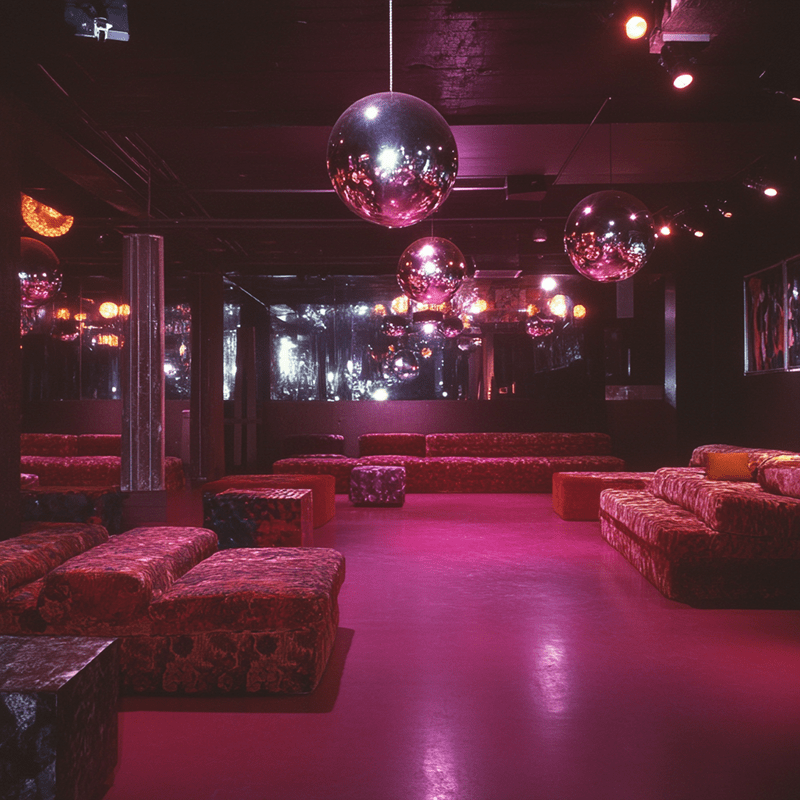
You can't talk about disco without mentioning The Loft, where David Mancuso created a groundbreaking club experience. The Loft's open and inclusive atmosphere championed community and self-expression. Its revolutionary sound system set new standards, influencing both fashion and decor trends with its focus on quality and innovation.
David Mancuso's Vision
David Mancuso's 'The Loft' parties in the early 1970s didn't just revolutionize the club scene; they reshaped fashion and decor trends with their unique, inclusive atmosphere. Stepping into one of Mancuso's gatherings meant entering a world where high-quality sound systems and eclectic music selections set the tone for the night. The Loft parties became a haven for creativity, influencing not just how music was experienced but also how people dressed and decorated their spaces.
Mancuso's vision was clear and transformative:
- Sound Systems: He prioritized high-fidelity audio, elevating the importance of quality sound in both clubs and home setups.
- Innovative Lighting: Mancuso's inventive lighting techniques introduced a new aesthetic that impacted club decor and home interiors.
- Eclectic Fashion: Attendees often showcased free-spirited, unique styles that reflected the vibrant energy of the parties, influencing broader fashion trends.
- Non-Traditional Venues: By hosting parties in unconventional spaces, Mancuso inspired creative approaches to both event planning and home decoration.
Through these elements, David Mancuso's 'The Loft' parties left an indelible mark on fashion and decor, fostering a sense of community and creativity that still resonates today.
Open and Inclusive Atmosphere
Frequently celebrated for its open and inclusive atmosphere, The Loft was a haven where diverse music lovers could freely express themselves and connect. Founded by David Mancuso, The Loft became a sanctuary for LGBTQ and minority communities, offering a safe space to dance, socialize, and celebrate unity. This sense of acceptance and freedom of expression resonated not just through the music but also permeated fashion and decor trends.
At The Loft, the environment was far from a typical nightclub scene. The intimate setting and communal vibe encouraged a unique aesthetic that celebrated individuality and acceptance. Fashion at The Loft was all about self-expression, with attendees donning outfits that highlighted their personal style and creativity. The decor was eclectic and vibrant, designed to create a welcoming atmosphere.
Here's a glimpse of what made The Loft special:
| Aspect | Description | Influence |
|---|---|---|
| Atmosphere | Inclusive, welcoming | Encouraged self-expression |
| Founder | David Mancuso | Created a safe space |
| Community | LGBTQ and minority communities | Fostered unity and acceptance |
| Fashion | Creative and individualistic | Influenced personal style |
| Decor | Eclectic and vibrant | Inspired home and event decor trends |
The Loft's impact extended far beyond the dance floor—it was a movement that shaped a generation's approach to fashion, decor, and personal identity.
Revolutionary Sound System
The Loft's revolutionary sound system transformed the disco music experience, setting a new benchmark for audio quality in nightclubs. Upon entering The Loft, you'd immediately sense the difference. The club's innovative use of high-quality sound equipment, such as Klipschorn speakers, ensured that every beat was crystal clear and every bass note resonated deeply. This wasn't merely about loud music; it was about crafting an immersive auditory experience.
Comparing The Loft to other iconic venues like Studio 54, its influence is evident. Superior sound systems became a defining feature of the disco era, fundamentally altering nightclub operations. This revolution in audio technology significantly impacted the ambiance of these venues and the way people experienced music and dance.
Key influences of The Loft's sound system on clubs and trends include:
- Enhanced Audio Quality: High-quality sound systems became essential for attracting discerning crowds.
- Immersive Experiences: Sound evolved to be a core element of the clubbing experience, beyond mere background noise.
- Interior Design Adaptations: Clubs redesigned their spaces to optimize acoustics.
- Fashion Trends: Items like platform shoes gained popularity, enhancing the sensory experience.
The Loft's dedication to superior sound engineering paved the way for future music venues and events around the world.
Paradise Garage's Legacy
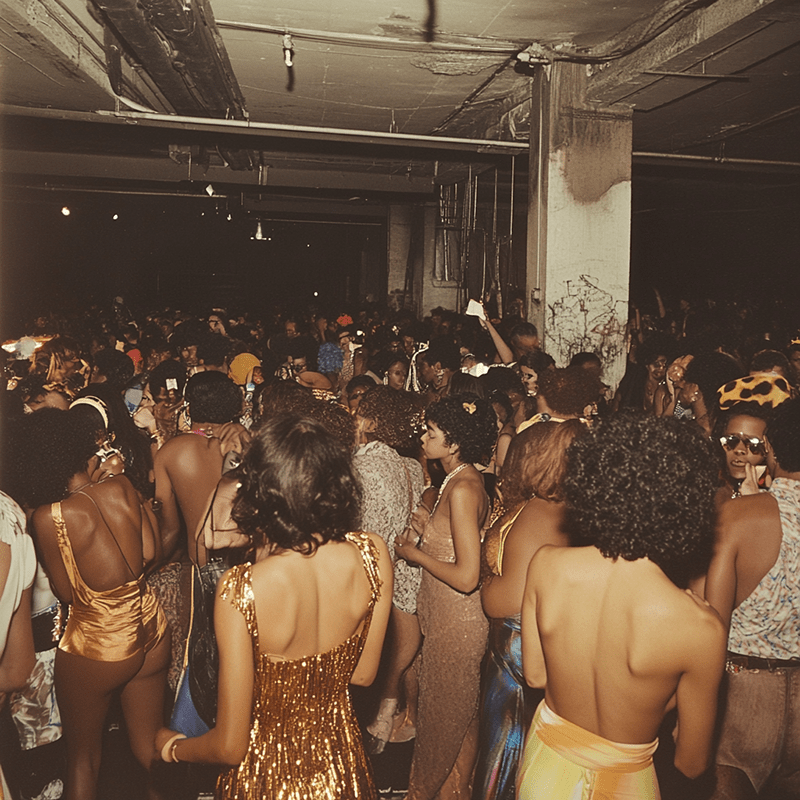
Paradise Garage's influence in shaping fashion and decor trends is unparalleled. This legendary New York City nightclub was a beacon for disco music, known for its creative blend of sound, inclusivity, and vibrant energy. Attracting a diverse and eclectic crowd, Paradise Garage was more than just a music venue; it was a crucible of evolving fashion and decor trends.
The groundbreaking sound system and DJ Larry Levan's eclectic music choices set a pulsating tone that directly influenced the era's fashion. Attendees embraced bold, expressive styles, mirroring the club's energy in their outfits. Sequins, metallic fabrics, and flamboyant designs became synonymous with the vibrant dance floor.
The club's inclusive environment played a crucial role in shaping these trends. People from all walks of life gathered, bringing their unique fashion sensibilities, which blended into a diverse yet cohesive style statement.
Today, Paradise Garage's legacy continues to resonate in modern fashion and decor, emphasizing creativity, boldness, and inclusivity. This demonstrates how a nightclub in New York City could shape global trends, making disco an enduring cultural force.
Conclusion
You've witnessed how ten historic disco events have shaped fashion and decor trends, from the glamorous opening of Studio 54 to the glittering influence of disco balls. These moments left a lasting impact, inspiring bold colors, shimmering fabrics, and inclusive environments.
As you embrace retro styles and nostalgic looks, remember the legacy of disco that continues to resonate today. Let your wardrobe sparkle and your home shine with the timeless allure of disco's golden age.