10 Historic Venues That Captured the Essence of Disco Decor
Imagine stepping into a world where glittering disco balls, neon lights, and mirrored walls transport you to a dazzling, otherworldly atmosphere. From the infamous Studio 54 to the eclectic Danceteria, these venues weren't just nightclubs—they were cultural landmarks that defined an era.
The Limelight's Gothic Revival architecture and The Saint's futuristic designs added to their unique allure. As you explore each venue's distinctive approach to capturing the essence of disco decor, you'll discover stories of legendary nights and influential personalities that made these spaces iconic.
Studio 54

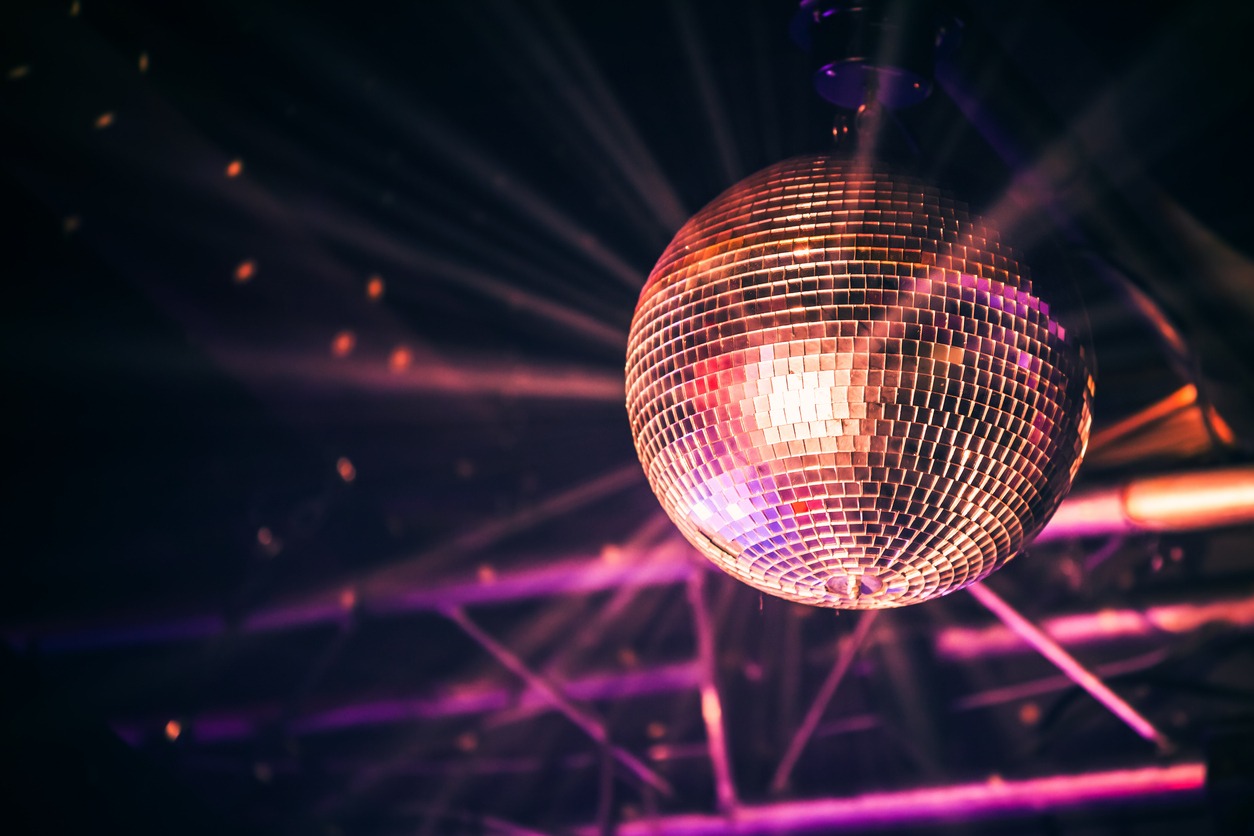
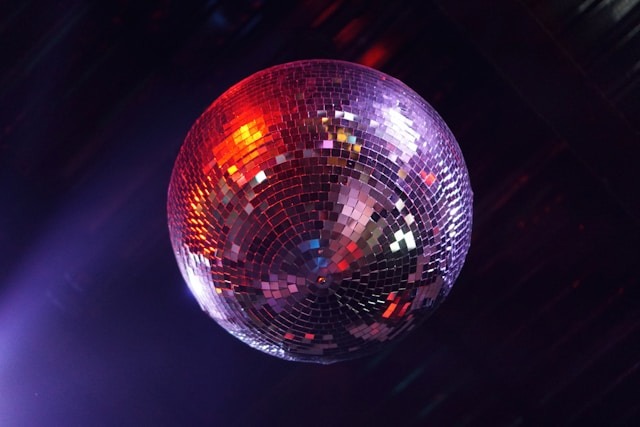
Studio 54 was the quintessential nightclub of the 1970s, famed for its exclusive guest list, dazzling decor, and unforgettable parties. Entering its doors, you were immediately immersed in a world of shimmering decorations and vibrant neon lights. The heart of the club was the legendary dance floor, where the energy was palpable and the music was continuous. Under the iconic disco ball, you felt like you were at the core of the disco era.
The venue's interior was spectacular. With its extravagant decor, Studio 54 perfectly encapsulated the essence of the disco period. Guests arrived in sequin jumpsuits, metallic dresses, and flared pants, each striving to outshine the others. It wasn't just about looking fabulous; it was about embodying the spirit of the night, channeling your inner disco king or queen.
The pulsating beats from top DJs filled the air, creating an atmosphere so electric that you couldn't help but dance the night away. Studio 54 wasn't merely a nightclub; it was a cultural phenomenon that epitomized the glamour and exuberance of the disco era.
The Limelight
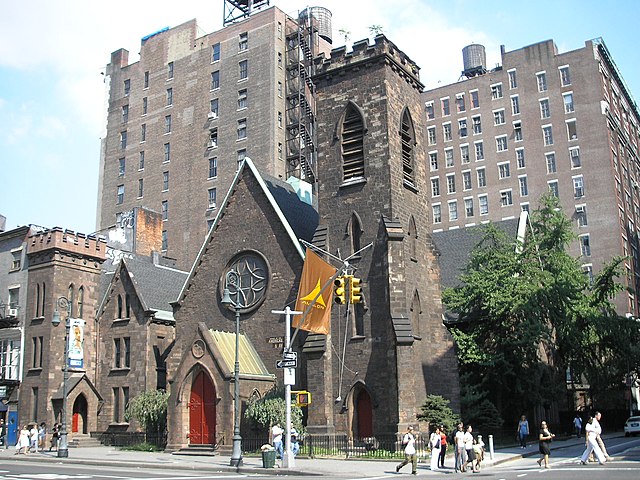
Step into The Limelight, a Gothic Revival church transformed into an iconic disco nightlife hub. Religious iconography blends seamlessly with modern club elements, making The Limelight a magnet for celebrities and partygoers, capturing the essence of the disco era.
Architectural Gothic Revival Influence
Entering The Limelight, you were immediately struck by the captivating blend of Gothic Revival architecture and the energetic pulse of disco. The stained glass windows and ornate details contrasted beautifully with the vibrant, modern decor, creating an immersive experience. The venue, originally a 19th-century church, seamlessly melded historic grandeur with contemporary flair.
Dancing beneath the grand arches and intricate ceilings, you felt an unparalleled sense of majesty. The dramatic Gothic Revival features provided a unique, surreal backdrop for the lively disco scene. This juxtaposition of sacred architecture with a hedonistic atmosphere added layers of intrigue and excitement to your night out.
Every corner of The Limelight offered a visual feast, where history and modernity coexisted harmoniously. The stained glass windows filtered the club's flashing lights, casting a kaleidoscope of colors that danced along with you. The Limelight wasn't just a place to dance; it was an experience where history and modernity collided brilliantly, making each visit unforgettable.
Iconic Disco Nightlife Hub
The Limelight, with its rich history and extravagant disco parties, became an iconic nightlife hub that drew in celebrities and partygoers alike. Located in New York City, this renowned nightclub operated from the 1980s to the 2000s, capturing the essence of the disco era like no other venue. Housed in a historic church, The Limelight's unique setting added an intriguing twist to its vibrant disco atmosphere.
Inside, the stained glass windows and gothic architecture provided a striking backdrop for legendary dance parties. It wasn't just the architecture that made The Limelight special; the club's cutting-edge music, immersive light shows, and extravagant themed events made every night unforgettable. Celebrities flocked to The Limelight, drawn by its wild and inclusive atmosphere that welcomed everyone.
The Limelight didn't just host parties; it created experiences that captured the essence of New York City's disco scene. Its blend of historical charm and modern flair made it a celebrated icon of nightlife history. Whether you were a regular or a newcomer, The Limelight offered an unparalleled glimpse into the glitz and glamour of disco's heyday.
Paradise Garage
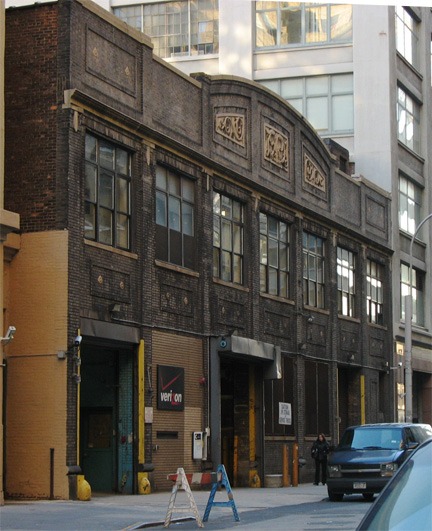
Located in the heart of New York City, Paradise Garage was a beacon for disco enthusiasts and underground dance music lovers. This legendary nightclub, known for its diverse crowd, epitomized the disco era. Understanding the story of Paradise Garage offers a profound insight into the essence of disco culture.
The club's resident DJ, Larry Levan, was celebrated for his eclectic mixes that kept the dance floor alive. His seamless blending of tracks was instrumental in shaping the musical landscape of the late 1970s and early 1980s. Paradise Garage was more than just a nightclub; it was an inclusive haven for the LGBTQ+ community, providing a safe and welcoming environment for all.
Unlike many venues of the time, Paradise Garage featured minimalistic décor, focusing on music and the energy of the crowd. This approach created an immersive experience, prioritizing sound over visuals. The club's emphasis on music left a lasting legacy, influencing contemporary dance music and club culture. Paradise Garage remains a landmark in the history of disco and electronic music.
Danceteria
Imagine Danceteria as a vibrant, multi-level nightclub where each floor pulsates with different music genres, offering a unique experience on every level. The artistic decor, featuring retro neon signs and mirrored walls, encapsulated the essence of the disco era. Celebrity sightings were frequent, with icons like Madonna and Duran Duran performing, making Danceteria a cultural landmark of its time.
Multi-Level Dance Floors
Imagine stepping into Danceteria, where multi-level dance floors invite you to explore a world of diverse music and vibrant energy. Picture yourself on a Saturday night, dressed in flared pants, moving between floors, each pulsating with its own unique rhythm.
At Danceteria, every level offers a different vibe and genre of music. You might start on the ground floor with some classic disco beats, then ascend to the next level for a taste of new wave or punk. Each DJ curates a distinct atmosphere, ensuring there's something for everyone. This multi-level layout isn't just about variety; it's about exploration. As you navigate from one floor to another, you encounter new sounds, new people, and new experiences.
The design of Danceteria encourages adventure, making the night feel like an excursion. The tiered dance floors create dynamic spaces where you can dance, socialize, and lose yourself in the moment. This pioneering setup cemented Danceteria's reputation as a cutting-edge venue, embracing the diversity and creativity of the nightlife scene.
Artistic Decor Elements
Step into Danceteria, and you'll immediately notice the diverse art installations that capture the vibrant essence of the disco period. The iconic disco ball casts shimmering light patterns across the room, while neon lights pulse rhythmically, setting the perfect vibe for a night of dancing and self-expression.
Graffiti walls, adorned with bold and rebellious art, reflect the raw creativity of the time. These walls blend seamlessly with the venue's industrial chic design, featuring exposed steel beams and concrete floors that give the space an edgy, urban feel. The avant-garde design elements, from abstract sculptures to unconventional furniture, create an atmosphere that's both daring and inviting.
Vibrant colors dominate every corner, from the electric blues and hot pinks of the dance floors to the vivid murals that decorate the lounge areas. This explosion of color, combined with the inventive lighting and unique decor, immerses you in a sensory experience that blurs the line between art and nightlife. Danceteria's artistic decor elements make it a hub for creativity and cutting-edge entertainment, solidifying its place in history as a quintessential disco venue.
Celebrity Sightings Galore
Immerse yourself in the vibrant decor of Danceteria, where you might find yourself mingling with some of the most iconic figures of the disco era. This legendary New York City nightclub attracted stars throughout the 1970s and 1980s, becoming a prime venue for exclusive parties and high-profile events. The club's eclectic atmosphere, with multiple floors offering different music genres, set the stage for unforgettable encounters.
Picture stepping into Danceteria and encountering:
- Madonna: Before achieving global stardom, Madonna was a regular, even performing her early hits here.
- Keith Haring: The influential artist frequently mingled with the crowd, drawing inspiration from the club's dynamic scene.
- Grace Jones: The enigmatic singer and actress elevated the venue's glamour with her appearances.
- Andy Warhol: The pop art legend was a frequent guest, solidifying the club's status as a cultural epicenter.
These moments contributed to Danceteria's historic significance, shaping music, fashion, and nightlife culture. Whether you were an artist, musician, or fan, the potential for celebrity sightings made every night at Danceteria unforgettable.
The Roxy
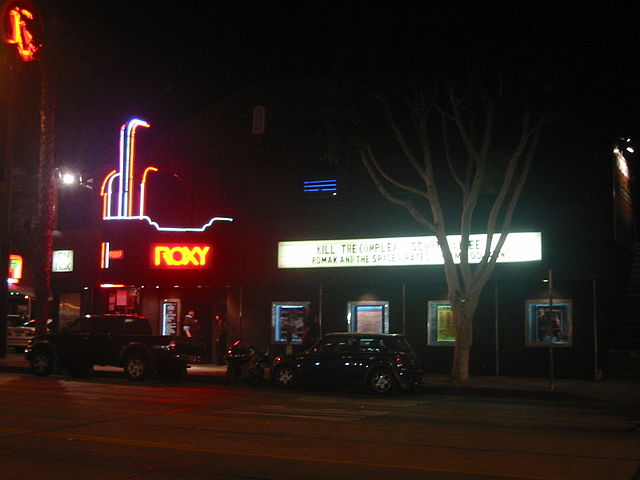
Located in New York City's West Village, The Roxy was a legendary nightclub that opened its doors in 1978, quickly becoming a cornerstone for both the disco and punk music scenes. As you stepped inside, you were immediately enveloped in disco ball extravagance. Glittering spheres hung from the ceiling, casting dazzling light across the vast dance floor. The venue's vibrant light displays created an electrifying atmosphere that perfectly complemented the pulsating beats of disco and the raw energy of punk.
The Roxy wasn't just about the music; it was also a pivotal part of the underground music scene. It hosted iconic parties and performances by renowned artists like Grace Jones and Madonna, who helped define the period's sound. Attending a night at The Roxy meant immersing yourself in a world where groundbreaking music and cutting-edge fashion collided.
Fashion statement pieces were everywhere you looked. Patrons wore everything from sequined dresses to leather jackets, embodying the eclectic and daring spirit of the time. The Roxy's historical significance in shaping the nightlife culture of the 1970s and 1980s cemented its status as a disco-era landmark, making it an unforgettable experience for anyone who walked through its doors.
Xenon
While The Roxy defined a raw, eclectic vibe, Xenon in Manhattan's Midtown East epitomized the sleek, futuristic allure of the disco era. Stepping into Xenon was like entering another world, characterized by its mirrored walls, neon lights, and state-of-the-art sound and lighting systems. These elements combined to create an electrifying atmosphere that was impossible to resist.
Xenon's appeal extended beyond its decor. The venue was a magnet for disco enthusiasts and the glitterati of the late 1970s. The dance floor was frequently packed with celebrities and socialites, all drawn to the club's pulsating music and revolutionary vibe. Iconic DJs like Jellybean Benitez and Nicky Siano spun records that kept the crowd moving until dawn.
The club's futuristic aesthetics made it a standout in New York City's nightlife scene. Here are some reasons why Xenon was unforgettable:
- Mirrored Walls: Amplified the dazzling lights and created an immersive experience.
- Neon Lights: Added a vibrant, otherworldly glow to the dance floor.
- Cutting-edge Sound Systems: Ensured the music was felt as much as heard.
- Celebrity Clientele: Enhanced its allure and made it a social hotspot.
Xenon truly captured the essence of disco decor and remains an iconic memory of that time period.
Electric Circus

Electric Circus, a legendary nightclub in New York City, mesmerized visitors with its vibrant neon lights and futuristic design. Upon entering, guests were immediately enveloped in a burst of colors and shapes, creating the sensation of stepping into an alternate dimension. Renowned for its dazzling disco ball displays, the venue featured massive mirrored spheres that reflected light in every direction, producing a kaleidoscopic spectacle.
The club's dancefloor experience was unparalleled, with the floor itself seeming to pulse in sync with the music, drawing guests into its electrifying ambiance. Neon lights lined the walls and ceilings, casting an ethereal glow over the crowd.
| Feature | Description | Atmosphere |
|---|---|---|
| Disco Ball Extravagance | Massive mirrored balls reflecting light | Kaleidoscope of movement |
| Futuristic Neon | Vibrant lights lining walls and ceilings | Otherworldly glow |
| Immersive Dancefloor | Floor pulsating with music | Electrifying |
| Art Installations | Cutting-edge technology and art | Ultimate disco fantasy |
Electric Circus wasn't just a club; it was a cultural landmark. Its unique blend of art installations and advanced technology set a new standard for nightlife, offering guests the ultimate disco fantasy through its immersive decor and pulsating beats.
Hurrah
When you walked into Hurrah, the iconic dance floor with its dazzling lights and retro charm instantly drew you in. Celebrities mingled with the crowd, adding to the venue's allure. From the glittering decor to the star-studded sightings, Hurrah epitomized the glamor of the disco era.
Iconic Dance Floor Design
Located in the heart of New York City, Hurrah's dance floor became an iconic symbol of the disco era, drawing celebrities and partygoers alike. The design captured the essence of the time, offering a memorable, immersive experience. Dominated by a massive disco ball and vibrant LED lights, the space was electrifying. Sparkling decorations and vivid colors enhanced the atmosphere, ensuring every night felt celebratory.
Stepping onto Hurrah's dance floor, visitors were instantly transported into a world of rhythm and energy. The immersive design incorporated several key elements:
- Disco ball and LED lights: These features created a captivating light show, setting the perfect mood for dancing.
- Sparkling decorations and vibrant colors: They adorned the club, making it feel glamorous and lively.
- State-of-the-art sound system: It ensured the music was always pumping, keeping the energy high.
- Spacious dance floor: Designed to accommodate large crowds, it allowed everyone to participate in the fun.
Hurrah's dance floor was a true masterpiece of disco decor.
Celebrity Sightings Galore
At Hurrah, celebrities often mingled with the crowd, adding an extra layer of excitement to the vibrant atmosphere. VIP sightings were common, with paparazzi capturing every glamorous encounter. Imagine Andy Warhol chatting with Liza Minnelli or Bianca Jagger making a grand entrance; these star-studded events were truly iconic.
The dance floor was a stage for celebrity dance-offs that everyone talked about. Grace Jones might be seen sharing moves with Calvin Klein, creating unforgettable scenes that added to the club's allure. The energy was palpable, as famous faces joined in the fun, making each night a spectacular affair.
These celebrity sightings weren't just about the stars themselves but also about the magnetic draw they added to venues like Studio 54 and The Saint. The aura of luxury and extravagance was amplified by these high-profile guests, turning every night into a star-studded spectacle. The combination of dazzling decor and celebrity presence made these historic venues the epitome of the disco era's glitz and glamour.
The Saint
The Saint, located in New York City's East Village, became legendary for its extravagant parties and cutting-edge music, perfectly capturing the essence of the disco era. Renowned for its unforgettable events, the venue attracted nightlife enthusiasts from all over. With its futuristic atmosphere, featuring mirrored walls and innovative lighting, The Saint transported you to another dimension.
More than just a dance club, The Saint offered an unparalleled experience. Here's what made it stand out:
- Legendary parties: Spectacular events that drew both celebrities and everyday revelers.
- Futuristic atmosphere: Space-age design elements like mirrored walls and sunken dance floors.
- Cutting-edge music: A state-of-the-art sound system that kept you grooving to the latest tracks.
- Unique design: A massive dance floor and multiple levels for an immersive nightlife experience.
When reminiscing about disco's golden days, remember The Saint as a symbol of that unforgettable time.
Palladium
Step into the Palladium, and you're immediately immersed in a world of shimmering decorations, neon lights, and the vibrant spirit of the 1970s disco scene. The venue's grand ballroom was a dazzling display of Palladium's interior design, where every inch was adorned with sparkling elements that reflected the era's glitz and glamour. The neon lights added an electrifying aura, making the dance floor the heart of the action.
Palladium wasn't just about the décor; it was also renowned for its guest list exclusivity. Celebrities, artists, and socialites all flocked to the venue, making it a legendary nightlife destination. You'd find yourself mingling with iconic figures, all drawn by the allure of this disco haven.
The dance floor was where disco fashion truly shone. Guests showcased their best dance moves in flashy outfits, from sequined dresses to bell-bottom pants, all moving to groovy hits spun by renowned DJs.
Here's a glimpse into the Palladium experience:
| Feature | Description | Impact |
|---|---|---|
| Interior Design | Shimmering, neon-lit ballroom | Captured disco's vibrant spirit |
| Guest List Exclusivity | Celebrities, artists, socialites | Solidified venue's iconic status |
| Dance Floor | Central hub for dancing | Highlighted disco culture |
| DJs | Renowned figures spinning groovy hits | Enriched musical experience |
| Fashion | Sequins, bell-bottoms, flashy outfits | Represented disco period fashion |
Embrace the legacy of Palladium, a true icon of New York City's disco era.
Conclusion
You've just experienced a tour through the most iconic disco venues that defined an era of glitz, glamour, and innovative design. Each club, from Studio 54 to Palladium, brought its unique flair, creating unforgettable experiences for everyone who stepped inside. These legendary spaces didn't just host parties; they shaped the cultural landscape of their time. Put on your dancing shoes and let these memories inspire your next night out.