10 Landmark Moments in Disco Fashion History
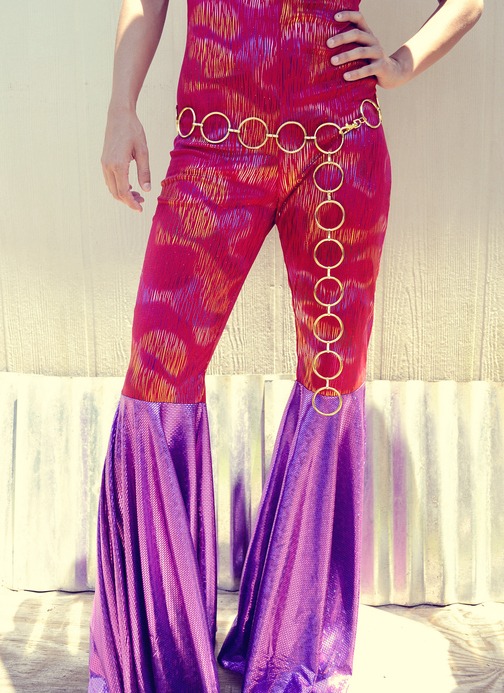
When you think of disco fashion, glittering jumpsuits and towering platform shoes likely come to mind. However, the sartorial splendor of disco is far richer and more nuanced than just sequins and flares.
Bell-bottoms made dancing easier, while metallic fabrics shimmered under club lights. Each fashion choice was a statement, embodying the era's celebration of individuality and exuberance. Iconic outfits worn by Diana Ross and John Travolta, along with daring gender-bending styles, also played a pivotal role in shaping disco fashion's unforgettable legacy.
The Rise of Bell-Bottoms
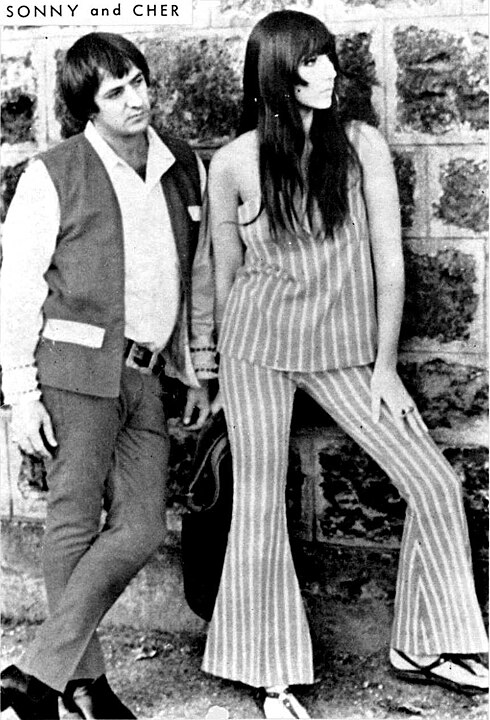
Bell-bottoms surged in popularity in the late 1960s and became a defining feature of 1970s disco fashion. These wide-legged, flared pants were ubiquitous on dance floors, swishing to the beats of the era. The unique silhouette of bell-bottoms wasn't just about making a fashion statement; it was about freedom of movement, allowing wearers to dance effortlessly.
Disco fashion emphasized standing out, and bell-bottoms were often crafted from bold, vibrant fabrics that caught the light. Celebrities like John Travolta in 'Saturday Night Fever' epitomized the disco spirit, making bell-bottoms essential for emulating that iconic look.
The rise of bell-bottoms symbolized broader fashion liberation and experimentation. Embracing this style meant participating in a cultural shift that valued self-expression and individuality, making bell-bottoms an enduring symbol of one of fashion's most dynamic periods.
Platform Shoes Take Over
Platform shoes became an essential element of 1970s disco fashion, adding both height and glamour to every outfit. These shoes weren't merely about increasing stature; they were integral to the vibrant, bold aesthetic that defined the era. Platform shoes perfectly complemented the wide-legged, flared trousers that were popular, creating a striking silhouette that demanded attention on the dance floor.
The allure of platform shoes was inescapable, especially with celebrities like Elton John and ABBA frequently seen wearing them on stage and in public. Their influence cemented platform shoes as an undeniable fashion statement. Often featuring glitter, metallic accents, and bold colors, these shoes enhanced the disco fashion vibe, ensuring anyone wearing them stood out in any crowd.
Platform shoes symbolized the bold and extravagant style of disco culture. They were more than just footwear; they were a declaration of readiness to embrace the night's energy and excitement. With every step, platform shoes echoed the spirit of the disco era, making them an iconic centerpiece of 1970s fashion. For anyone looking to capture the true essence of disco, wearing platform shoes was indispensable.
Jumpsuits Dominate Dance Floors
Jumpsuits became a disco fashion sensation, offering a stylish and practical one-piece outfit for dancing the night away. Celebrities like Cher and Elvis Presley played a significant role in popularizing jumpsuits, turning them into must-have items for any serious disco-goer. These outfits were often sequined, brightly colored, and form-fitting, ensuring you stood out on the dance floor and accentuated your every move.
The versatility of jumpsuits made them perfect for the energetic disco scene. They provided comfort and ease of movement while maintaining a glamorous look. Whether you were doing the Hustle or the Electric Slide, jumpsuits ensured you did it in style.
Jumpsuits symbolized the carefree and liberated spirit of the disco age. They embodied the essence of 1970s dance culture, reflecting a time when fashion was about expressing freedom and joy. Wearing a jumpsuit meant being part of a cultural movement that celebrated life and music.
Metallic Fabrics Shine
Metallic fabrics took center stage in disco fashion, adding a shimmering and eye-catching quality to every outfit. When you think of a disco dance floor, it's hard not to envision the dazzling impact of metallic fabrics. These materials, especially lamé, were crucial for creating the glamorous, reflective looks that defined the period.
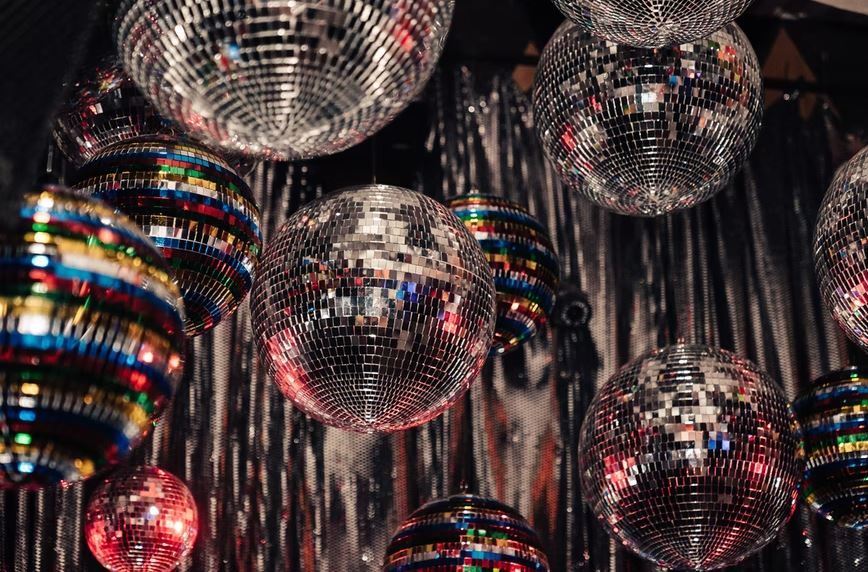
Silver and gold metallic fabrics were particularly favored for their ability to catch and reflect the pulsating lights of discotheques, turning every movement into a mesmerizing display. Designers like Halston and Yves Saint Laurent recognized the power of metallic fabrics and incorporated them into their collections, elevating disco fashion to new heights.
The glitz and glamour of metallic fabrics symbolized the opulence and exuberance of the entire disco culture. Here's a quick breakdown of what made metallic fabrics so iconic:
- Reflective Quality: Silver and gold fabrics turned dance floors into dazzling light shows.
- Designer Endorsement: Halston and Yves Saint Laurent made metallics a fashion statement.
- Cultural Symbolism: Represented the glitz and glamour of the disco period.
- Glam Rock Influence: Borrowed elements from glam rock, adding a rebellious edge.
With metallic fabrics, every night out felt like a celebration of style and sparkle.
The Afro Hairstyle Trend
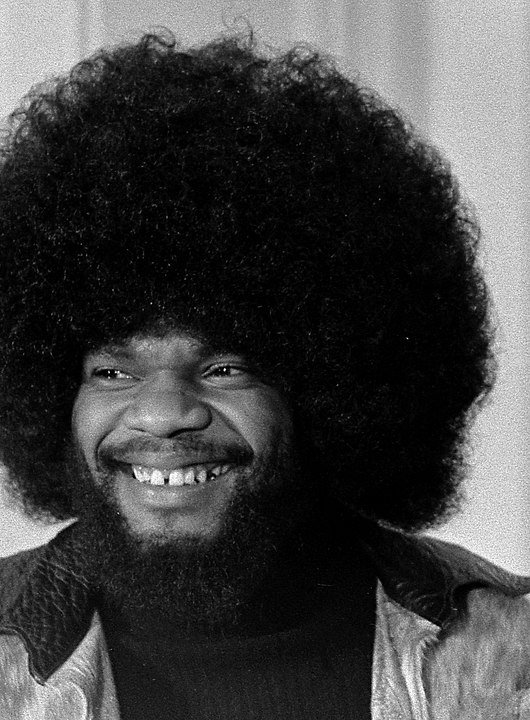
As metallic fabrics brought a dazzling touch to disco fashion, the Afro hairstyle emerged in the 1970s as a powerful symbol of cultural pride and identity. Embraced by many African Americans, this iconic hairstyle rejected Eurocentric beauty norms and celebrated natural hair textures. The Afro was more than a fashion statement; it was a bold declaration of resistance and empowerment, deeply significant during the Civil Rights Movement.
Icons like Pam Grier and Jimi Hendrix helped popularize the Afro, making it an essential element of disco fashion. Their influence inspired countless individuals to embrace their natural beauty. The Afro varied in size, from modest puffs to towering halos, with techniques like picking and shaping used to achieve the desired volume.
Interestingly, the Afro transcended racial boundaries, symbolizing unity and self-expression in the 1970s fashion scene. It wasn't confined to any one group; people from diverse backgrounds adopted the Afro, making it a universal emblem of individuality. Picture the vibrant disco dance floors with the Afro's striking presence, adding undeniable flair and cultural significance to the era's fashion landscape.
Feathered Haircuts Popularize
Feathered haircuts surged in popularity during the 1970s, offering a soft, natural look with layered, feather-like ends. This hairstyle, epitomized by the iconic Farrah Fawcett, became a hallmark of the disco era. Fawcett's signature 'Farrah Flick' wasn't merely a hairstyle; it was a cultural phenomenon that cemented the feathered cut as a preferred style for both men and women.
Achieving this voluminous and dynamic look involved several key techniques:
- Layering and Texturizing: Precise layering and texturizing were essential to create feather-like ends that bounced and flowed effortlessly.
- Middle Part: Most feathered hairstyles featured a middle part, which framed the face symmetrically.
- Gentle Waves: Soft waves added to the carefree, effortless aesthetic that made the style so appealing.
- Volume: The feathered haircut naturally added volume and movement, making hair appear fuller and more dynamic.
Diana Ross's Iconic Outfits
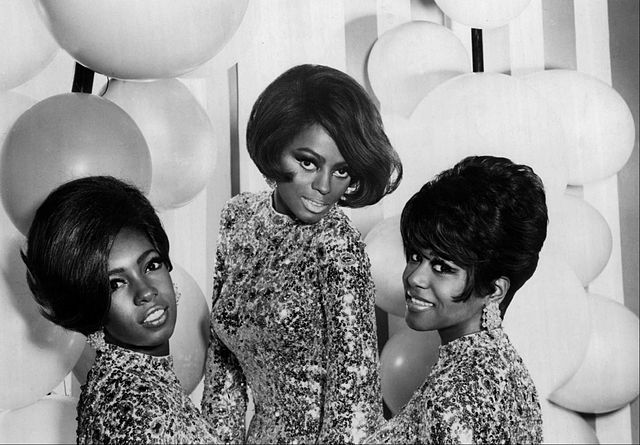
Diana Ross's iconic outfits are synonymous with disco fashion. Her glittering gowns and sequined jumpsuits epitomized glamour and captured the essence of the disco era. Ross's bold, statement-making looks remain unforgettable and define an era of dazzling fashion.
Glitter and Glamour
When Diana Ross stepped onto the stage in her sequined gowns and glamorous jumpsuits, she didn't just perform—she commanded the spotlight and defined disco fashion. Much like John Travolta's iconic white suit in 'Saturday Night Fever,' Ross's outfits became synonymous with the disco era. She mesmerized audiences with her glittering ensembles, each one more dazzling than the last.
Ross's fashion sense was a perfect blend of opulence and elegance. Here are four standout elements of her iconic style:
- Bold Colors: She often wore vibrant hues like gold, silver, and red, which exuded luxury and caught the audience's eye.
- Form-Fitting Silhouettes: Her outfits were tailored to accentuate her figure, creating a sleek, sophisticated look.
- Dramatic Capes: These added an element of theatricality to her performances, making her even more enthralling.
- Eye-Catching Accessories: From oversized earrings to sparkling necklaces, her accessories always complemented her glamorous outfits.
Diana Ross's glittering fashion choices cemented her status as a disco fashion icon. Her ability to combine bold colors, form-fitting designs, and dramatic accessories set her apart, making every performance unforgettable and defining an era of glitter and glamour.
Sequins and Sparkles
Diana Ross's iconic outfits, adorned with sequins and sparkles, epitomized the glitz and glamour of disco fashion. Her dazzling stage costumes, designed by the legendary Bob Mackie, immediately come to mind when you think of disco. These elaborate ensembles featured sequined gowns and sparkling jumpsuits that caught the light and captured the essence of the disco era.
Ross's fashion choices weren't just about looking good; they helped define the opulent aesthetic of the 1970s nightlife scene. Sequins and sparkles became synonymous with disco, and no one wore them better than Diana Ross. Her outfits were so striking that they didn't just light up the stage; they also inspired countless disco-goers to adopt the glitzy style in their own wardrobes.
Whether you were hitting the dance floor or just wanted to feel a bit more fabulous, Diana Ross showed you how to make sequins and sparkles work. Her influence extended far beyond her performances, encouraging a whole generation to shimmer and shine.
John Travolta's Disco Suit
In 'Saturday Night Fever,' John Travolta's white suit, with its wide black collar and flared trousers, became an enduring icon of 1970s disco fashion. It's impossible to think about disco without picturing Travolta's unforgettable look as Tony Manero. This suit didn't just outfit a character; it set the stage for an entire fashion movement.
Let's paint a picture of this iconic ensemble:
- White Suit: The sleek silhouette captured the flashy, glamorous aesthetic of the disco era.
- Wide Black Collar: The contrasting collar added a bold touch that drew attention and set trends.
- Flared Trousers: These trousers weren't just a style statement; they were a dance floor necessity, offering freedom of movement.
- Influence: Travolta's character popularized the look, making it synonymous with disco fashion.
Travolta's white suit isn't just a piece of clothing; it's a cultural relic. It influenced fashion trends far beyond the disco scene, embedding itself in broader pop culture. Even decades later, this suit remains a symbol of the 70s, proving how powerful fashion can be in defining an age.
Studio 54 Fashion Moments
John Travolta's iconic white suit may have set the stage, but Studio 54 cemented itself as the ultimate playground for disco fashion. The legendary New York City nightclub became a fashion hotspot, where attendees flaunted their most glamorous and extravagant outfits. The club's strict door policy enforced a high-fashion dress code, creating an environment where only the chicest and most elaborate disco fashions were welcomed.
Think of the dazzling ensembles worn by regulars like Bianca Jagger, Liza Minnelli, and Andy Warhol. These celebrities didn't just attend the club; they defined the fashion standard of the era. Bianca Jagger's dramatic entrance on a white horse, draped in an ethereal red gown, epitomized Studio 54's flair for the theatrical. Liza Minnelli's sequined jumpsuits and Andy Warhol's eclectic attire further solidified the club's influence on 1970s style.
Studio 54's impact on fashion extended beyond its velvet ropes. The trends birthed within its walls inspired designers and influenced mainstream fashion. From shimmering fabrics and bold patterns to sky-high platforms, Studio 54's disco fashions left an indelible mark on the fashion world.
Gender-Bending Styles Emerge
Gender-bending styles burst onto the disco scene, challenging traditional norms with androgynous looks popularized by icons like David Bowie. The 1970s saw unisex fashion trends blur gender lines, encouraging men and women to adopt similar styles.
Disco culture thrived on this experimentation, with the dance floor serving as a stage for gender-defying outfits. Jumpsuits, platform shoes, and glittery accessories were worn by everyone, regardless of gender.
Icons like Grace Jones and Mick Jagger became poster children for gender-fluid fashion, inspiring countless others to venture into and adopt gender-bending styles. Their bold choices made unisex fashion not just acceptable, but desirable.
Here's a snapshot of what these styles looked like:
- Jumpsuits: Both men and women rocked jumpsuits, creating a uniform look that defied traditional gender expectations.
- Platform shoes: High heels weren't just for women; platform shoes became a staple for men too, adding flair and height.
- Bold makeup: Eyeliner, glitter, and colorful makeup were used by everyone, making faces as dazzling as the disco lights.
- Androgynous haircuts: Short, styled cuts blurred gender lines and became a symbol of disco's inclusive spirit.
Disco's gender-bending styles transformed fashion, leaving a lasting impact that resonates today.
Conclusion
You've now journeyed through the iconic moments that defined disco fashion. From bell-bottoms to platform shoes, shimmering metallics to iconic jumpsuits, each trend captured the era's spirit.
Recall Diana Ross's dazzling outfits, John Travolta's legendary disco suit, and the unforgettable nights at Studio 54. Embrace the gender-bending styles that challenged norms and celebrated freedom. Disco fashion wasn't merely a trend; it was a cultural movement that continues to influence us today. Keep the boogie alive!