10 Legendary Designers Who Defined Disco Fashion
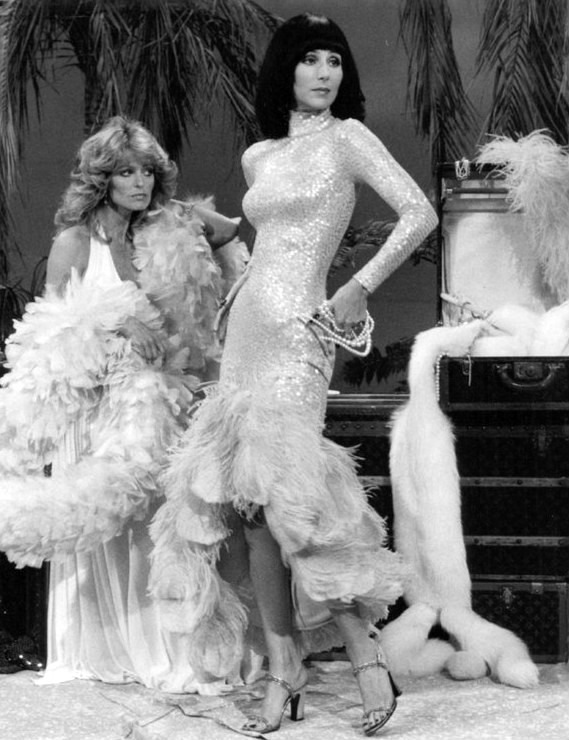
When you think of disco fashion, it's impossible not to remember the iconic designs that lit up the dance floors of the 1970s. Ten legendary designers were pivotal in defining this glamorous period. Halston's minimalist elegance and Yves Saint Laurent's sporty chic set the stage, while Diane Von Fürstenberg's wrap dress became a symbol of empowerment.
Gianni Versace's bold patterns and Stephen Burrows' colorful creations pushed the boundaries. From Norma Kamali's daring silhouettes to the unique styles of Roy Halston Frowick, Thea Porter, and Ossie Clark, each designer brought something unforgettable. These visionaries shaped an entire fashion movement, leaving a lasting impact on the industry.
Halston
Halston redefined American fashion during the disco era with his minimalist yet glamorous designs. Iconic pieces like the Ultrasuede trench coat and jersey halter top dresses became synonymous with 1970s style. His ability to merge simplicity with luxury made his creations stand out in an age known for its flamboyance.
A key innovation was Halston's pioneering use of Ultrasuede, a lightweight, durable fabric that was both practical and stylish. This material made his designs wrinkle-free and easy to maintain, perfectly suited for the fast-paced urban lifestyle. His modern, sleek lines and versatile pieces resonated widely, helping shape the future of American fashion.
Halston's creativity extended beyond clothing. He introduced a unisex line and designed outfits for the US Olympic team, showcasing his versatility. His inventive approach to materials and design left a lasting impact on contemporary fashion. Halston's legacy is a testament to his genius in merging minimalism with glamour, forever altering the landscape of American fashion.
Yves Saint Laurent
Yves Saint Laurent redefined 1970s fashion by introducing YSL Rive Gauche sportswear, which transformed the way people approached mix-and-match style. He broke away from the traditional ensemble model, allowing individuals to combine different pieces to create unique looks. His designs catered to the jet set lifestyle, making it easy to move seamlessly from New York to Paris to Milan with a versatile wardrobe.
Saint Laurent's innovative use of materials like wool crepe and silk didn't just revolutionize the fashion industry; it made high fashion accessible and practical for everyday wear. This adaptability was perfect for the transatlantic flights that became popular during the disco era. One could pack a few key YSL pieces and still look effortlessly chic wherever they landed.
While Halston Frowick focused on minimalism and fluidity, Yves Saint Laurent brought a youthful energy to the scene. His designs weren't just about looking good but feeling free and expressive. The YSL Rive Gauche line encouraged experimentation and a liberated approach to fashion. In the world of disco, where self-expression was paramount, Saint Laurent's influence was undeniable.
Diane Von Fürstenberg
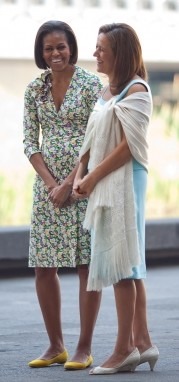
When you think of Diane Von Fürstenberg, the iconic wrap dress immediately comes to mind. Her bold patterns and vibrant colors distinguished her creations, making them emblematic of the disco era. Her designs not only revolutionized fashion but also empowered women by offering both style and versatility.
Iconic Wrap Dress Creation
In 1974, Diane von Fürstenberg revolutionized 1970s fashion with the creation of the iconic wrap dress. This garment wasn't just a style statement; it epitomized female empowerment and liberation. With its simple yet elegant design, the wrap dress flattered all body types, making it a versatile choice for women everywhere. It seamlessly transitioned from a day at the office to a night out dancing, capturing the essence of the disco era.
Von Fürstenberg's wrap dress quickly gained immense popularity. By 1976, over five million dresses had been sold, solidifying its status as a cultural and fashion phenomenon. It represented a shift in how women viewed themselves and their wardrobes. The ease and comfort of the wrap dress allowed women to express their individuality without sacrificing style.
Today, the wrap dress remains a timeless staple, underscoring its lasting impact on fashion and its enduring appeal. When reflecting on 70s disco fashion, Diane von Fürstenberg's wrap dress stands out as a defining piece, epitomizing the period's spirit of freedom and self-expression.
Bold Patterns and Colors
Building on the success of the wrap dress, Diane von Fürstenberg captivated the fashion world with her bold patterns and vibrant colors, perfectly embodying the disco era's exuberant spirit. Her designs celebrated the period's penchant for flamboyance and self-expression. Wearing one of her creations was more than donning a dress; it was making a statement.
Von Fürstenberg's unique approach to fashion set her apart. She fearlessly mixed daring prints with striking hues, creating pieces that were both eye-catching and sophisticated. These bold patterns and vibrant colors allowed women to express their personalities with confidence and flair. The disco era was all about standing out, and her designs provided the perfect canvas for individual expression.
Her iconic wrap dress, with its flattering silhouette, became a symbol of independence and empowerment. However, it was her fearless use of prints and colors that truly defined her contribution to disco fashion. Each piece celebrated the freedom and joy of the 1970s. Von Fürstenberg didn't just follow trends; she set them, solidifying her place as a pioneer in the world of fashion.
Gianni Versace
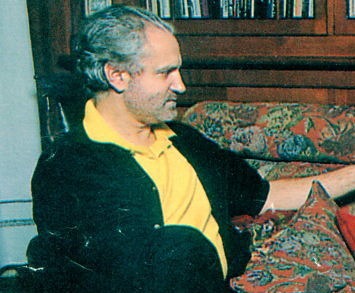
Gianni Versace's bold, vibrant patterns epitomize disco fashion. His glamorous and sensual silhouettes made every wearer feel like a star on the dance floor. Versace's distinctive designs, featuring eye-catching colors and luxurious details, perfectly captured the spirit of the disco era.
Bold, Vibrant Patterns
Gianni Versace's bold and vibrant patterns, often infused with baroque-inspired motifs and animal prints, epitomized the glamorous essence of 1970s disco fashion. His designs were a visual feast, merging intricate patterns with bright, eye-catching colors that perfectly captured the flamboyant spirit of the disco era. When you think of disco fashion, it's impossible not to picture Versace's iconic prints, which celebrities like Elton John and Madonna flaunted with pride.
Versace didn't just follow trends; he created them. His inventive approach to mixing patterns and textures set him apart in the fashion world. The Medusa logo and opulent prints became synonymous with luxury and excess, reflecting the lavish lifestyle favored by disco-goers. His influence was evident everywhere, from the dance floors of Studio 54 to the red carpets of Hollywood.
Glamorous, Sensual Silhouettes
Embracing the same boldness seen in his patterns, Versace's glamorous, sensual silhouettes became iconic symbols of 1970s disco fashion. His designs weren't merely garments; they were statements. Each figure-flattering dress was a celebration of the female form, setting Versace apart from the minimalist styles of Saint Laurent or the streamlined elegance of Halston. Versace's creations epitomized opulence and luxury.
He knew how to make an entrance with his use of intricate baroque-inspired motifs and the signature Medusa head logos, adding a unique flair to his pieces. His creative use of materials like silk, leather, and metal mesh ensured that his designs weren't only visually stunning but also decadently rich to the touch.
These elements combined to create silhouettes that were both glamorous and undeniably sensual, making you feel like a disco queen ready to own the dance floor. The legacy of Versace's daring and provocative aesthetic continues to influence fashion today. His ability to blend bold prints with intricate details and luxurious materials set a high bar for disco fashion, making his work timeless and unforgettable.
Stephen Burrows
View this post on Instagram
Stephen Burrows, a groundbreaking African American designer, captivated the fashion world with his vibrant, colorful jersey dresses and signature 'lettuce' hem. His innovative approach to design, featuring wavy-edged finishes, made his pieces iconic during the disco era. His garments seemed to dance with movement, embodying the spirit of 1970s nightlife.
Burrows' impact extended beyond bold colors and unique hems; he played a pivotal role in the historic Battle of Versailles in 1973. This fashion showdown pitted top American designers against their French counterparts. As one of the featured designers, Burrows brought a fresh, distinctly American flair to the event. His use of stretch fabrics and unique silhouettes challenged traditional fashion norms and left a lasting impression on the industry.
Celebrities like Diana Ross and Liza Minnelli adored his creations, often flaunting his designs at high-profile events. Burrows' visionary style defined disco fashion and paved the way for future generations of designers to innovate boldly. With every stitch, he celebrated individuality and movement, forever changing the landscape of fashion.
Bob Mackie
Bob Mackie elevated disco fashion with his extravagant, flamboyant designs, epitomizing the glitz and glamour of the disco era. Known for his haute couture approach, Mackie's creations featured intricate beadwork, shimmering sequins, and luxurious feathers, making each piece a show-stopper.
You might recognize Mackie's iconic costumes on celebrities like Cher, Diana Ross, and Elton John. His designs weren't just clothing; they were statements, transforming his clients into dazzling figures on stage and screen.
Mackie's influence extends beyond the '70s. His blend of haute couture with the flashy spirit of disco continues to inspire contemporary designers today. His emphasis on detail and drama remains a prominent feature in modern fashion and costume design.
Mackie's legacy in disco fashion is undeniable, cementing him as one of the legendary designers who defined an unforgettable epoch. When you think of the ultimate disco look, remember it was Mackie who set the bar high.
Norma Kamali
Norma Kamali, a trailblazing American fashion designer, gained fame in the 1970s for her innovative and daring designs. Her pioneering approach to fashion broke away from traditional norms, making her a key figure in defining the bold and avant-garde style of the disco era.
Kamali's designs were characterized by their experimental nature, often drawing inspiration from retro influences and the intricate creations of Charles James. One of her most iconic contributions to fashion is the sleeping bag coat. This standout piece wasn't just a garment but a symbol of the period's fashion experimentation and willingness to push boundaries. Kamali's work extended beyond outerwear, embodying the spirit of disco with vibrant colors, unique textures, and daring silhouettes.
Key aspects of Norma Kamali's influence during the disco era include:
- Pioneering Designs: Challenged traditional fashion norms with creative and experimental pieces.
- Retro Influences: Drew inspiration from past styles, adding her modern twist.
- Sleeping Bag Coat: Became a standout symbol of fashion experimentation.
- Bold and Avant-Garde Style: Defined the disco era with her unique approach.
Norma Kamali's fearless designs continue to inspire and resonate in the fashion world today.
Roy Halston Frowick
Roy Halston Frowick's minimalist aesthetic epitomizes disco fashion. His iconic designs at Studio 54, characterized by sleek lines and a neutral palette, encapsulated the era's essence. Halston's creations transcended mere clothing, becoming symbols of relaxed urban sophistication.
Signature Minimalist Aesthetic
Roy Halston Frowick revolutionized disco fashion in the 1970s with his signature minimalist aesthetic, characterized by clean lines and luxurious fabrics. Halston's designs embraced simplicity and elegance, redefining American fashion. His use of materials like Ultrasuede, paired with a modern and sophisticated look, set him apart. The minimalist aesthetic he championed was all about effortless chic, making his creations timeless in the ever-evolving world of fashion.
Key elements of Halston's minimalist aesthetic include:
- Clean Lines: Sleek, uncomplicated silhouettes that accentuated the body's natural contours.
- Luxurious Fabrics: High-quality materials such as Ultrasuede and silk, adding a touch of opulence.
- Simplicity: Minimal embellishments, focusing on the beauty of the fabric and the precision of the cut.
- Modern Sophistication: Forward-thinking designs capturing contemporary elegance.
Halston's minimalist aesthetic was more than a style; it was a fashion revolution. By eliminating the superfluous, he allowed the essence of his designs to shine, creating looks that were both sophisticated and effortlessly chic.
Iconic Studio 54 Looks
Halston's Studio 54 looks, characterized by clean lines and luxurious fabrics, epitomized disco fashion. His minimalist yet glamorous creations, often crafted from materials like Ultrasuede, set the gold standard for the era.
Studio 54 was synonymous with celebrities in Halston's designs. Icons like Bianca Jagger, Liza Minnelli, and Elizabeth Taylor frequently wore his signature Halstonette dresses and bias-cut gowns. These outfits weren't merely clothes; they were statements of elegance and freedom, capturing the spirit of the disco age.
Halston's influence extended beyond Studio 54. He pioneered unisex clothing lines and even designed uniforms for the US Olympic team. However, it was those unforgettable nights at Studio 54 that solidified his legacy. Each outfit blended simplicity with opulence, ensuring that anyone dressed in Halston felt like the star of the night.
Thea Porter
In the 1970s, Thea Porter revolutionized fashion with her bohemian and exotic designs that captivated both celebrities and fashion enthusiasts. As a British designer, Porter pioneered a distinctive blend of bohemian fashion that incorporated vintage textiles, rich fabrics, and intricate embellishments. Her creations stood out for their luxurious and free-spirited style, making her a favorite among the era's elite.
Porter's signature 'Gypsy' style featured:
- Billowing sleeves
- Layered fabrics
- Nomadic luxury
- Intricate embellishments
These elements combined to create a sense of opulence and carefree elegance that resonated with iconic figures such as Elizabeth Taylor, Faye Dunaway, and members of Pink Floyd. Her designs transcended mere clothing to become statements of individuality and artistic expression.
If you have ever encountered one of her vintage pieces, you'll understand why they're so highly prized today. They represent a time when fashion was about more than just appearance—it was about a lifestyle.
Thea Porter's influence on fashion continues to be celebrated, as her timeless designs remain sought after by collectors and fashion aficionados who appreciate her groundbreaking approach to bohemian luxury.
Ossie Clark
Ossie Clark, a visionary British designer, captured the essence of the 1970s with his flowing silhouettes and bold prints. His collaboration with textile designer Celia Birtwell resulted in some of the most iconic and influential designs of the era. Alongside contemporaries such as Yves Saint Laurent and Halston, Clark was a pivotal figure in the fashion world, leaving a lasting impact on disco fashion.
Clark's creations epitomized the free-spirited and glamorous vibe of the 70s. His romantic silhouettes and daring prints were beloved by celebrities like Mick Jagger and Marianne Faithfull. By blending fluid lines with vibrant patterns, he created a look that was both chic and effortlessly cool. This unique style not only defined the decade but continues to inspire contemporary fashion designers and vintage enthusiasts worldwide.
Ossie Clark's designs embodied the exuberance and individuality of the time, making him a staple in London's fashion scene. Whether you admire Yves Saint Laurent's sophisticated elegance or Halston's minimalist glamour, Clark's work offers a distinctive and timeless appeal that remains influential today.
Conclusion
You've now glimpsed the creativity of the designers who defined disco fashion. Their innovative styles and bold approaches didn't just shape the 1970s; they set the stage for future fashion revolutions.
From Halston's sleek lines to Von Fürstenberg's empowering wrap dresses, each designer brought something unique to the dance floor. So next time you slip into something flashy and fabulous, remember you're channeling the spirit of these trailblazing legends. Keep the disco spirit alive!