From Art Deco to Neon Lights: Miami’s Iconic Design Influence on Pop Culture
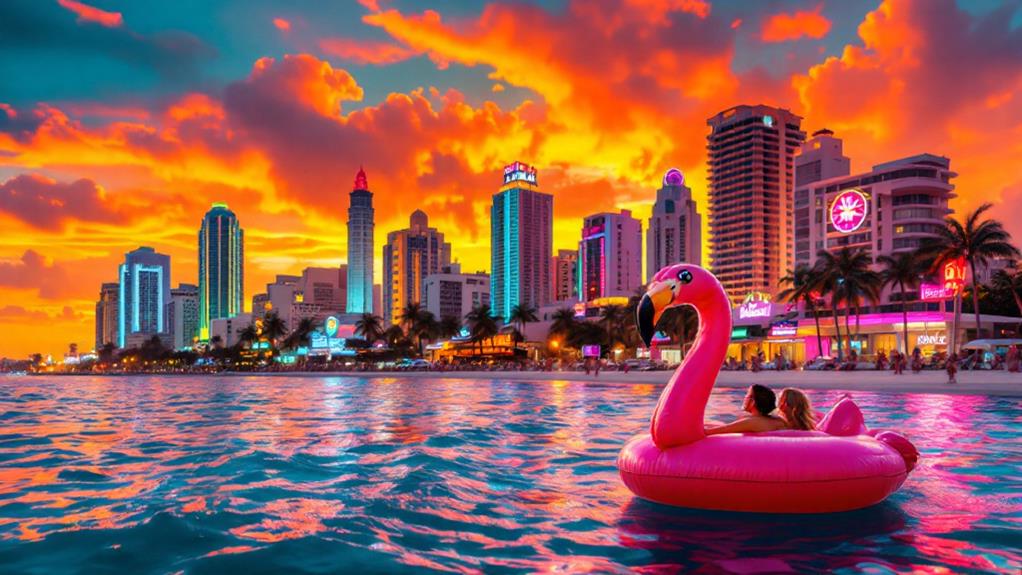
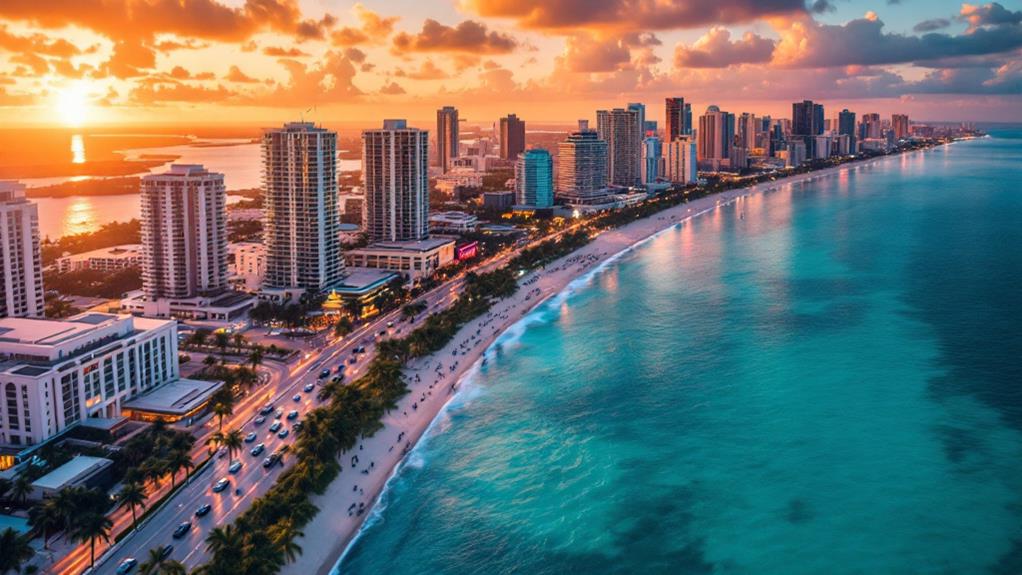
Miami's iconic design aesthetic has left an everlasting impression on pop culture. From the Art Deco buildings of South Beach to the neon-lit streets, the city's visual language has shaped everything from architecture to fashion. You've seen it in TV shows like Miami Vice, which sparked a pastel revolution, and in countless music videos featuring Ocean Drive's lively backdrop. The city's influence extends to graphic design, with its retro-futuristic flair inspiring creators worldwide. Even as Miami's skyline evolves, its unique blend of Art Deco, Miami Modern, and neon continues to enthrall audiences. There's more to uncover about how this tropical sanctuary has shaped our cultural landscape.
Art Deco's Arrival in Miami
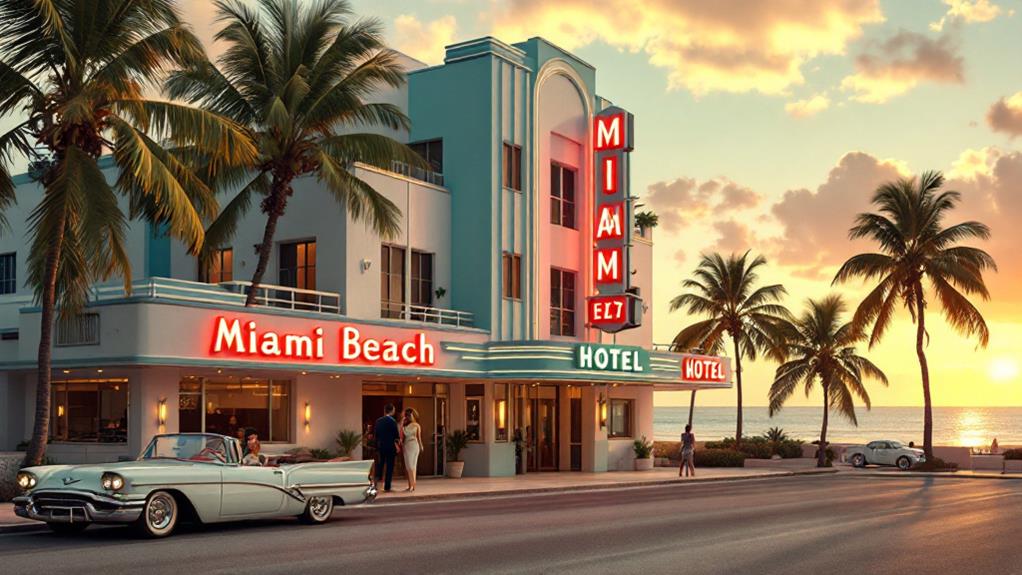
In the wake of the Roaring Twenties, Miami adopted a bold new architectural style that would forever transform its terrain. Art Deco, with its geometric shapes, vibrant colors, and sleek designs, swept through the city like a tropical storm, reshaping its skyline and identity.
You might wonder how this distinctive style took root in Miami. The catalyst was the devastating 1926 hurricane, which necessitated widespread rebuilding. As the city rose from the rubble, designers and developers seized the opportunity to welcome the cutting-edge Art Deco aesthetic. Efforts initiated by the Miami Design Preservation League in 1979 played a crucial role in preserving the approximately 800 iconic Art Deco buildings that now define the city's landscape.
Throughout the 1920s and 1930s, Miami's landscape blossomed with pastel-hued buildings adorned with chrome trim and nautical motifs. These structures weren't just eye-catching; they were a siren call to wealthy tourists and celebrities seeking a glamorous escape. The establishment of the South Beach Art Deco Historic District and its subsequent recognition on the National Register of Historic Places have cemented Miami's Art Deco legacy.
The Birth of Miami Modern
Structural evolution rarely stands still, and Miami was no exception. As the mid-20th century approached, the city's architectural landscape began to shift from the iconic Art Deco style to a new, innovative design movement known as Miami Modern, or MiMo. This fresh approach to architecture blended futuristic Space Age influences with the vibrant, tropical charm of Miami's unique setting.
MiMo's distinctive features included:
- Bold, sweeping lines that created a sense of movement
- Curvilinear forms that echoed the curves of Miami's beaches
- Innovative use of materials like glass, steel, and concrete
Prominent examples of MiMo architecture, such as the renowned Fontainebleau Miami Beach and the Eden Roc Hotel, showcased this new design aesthetic. These structures became symbols of Miami's evolving identity, bridging the gap between the city's Art Deco past and its contemporary future.
The birth of Miami Modern marked a significant shift in the city's architectural landscape, further cementing Miami's reputation as a hub of innovative design. This new style would go on to influence popular culture, contributing to the city's image as a glamorous, tropical paradise. The iconic Seven Mile Bridge and the picturesque Matheson Hammock Park have also served as captivating filming locations, showcasing Miami's natural beauty and cinematic appeal.
Neon Nights: South Beach's Glow
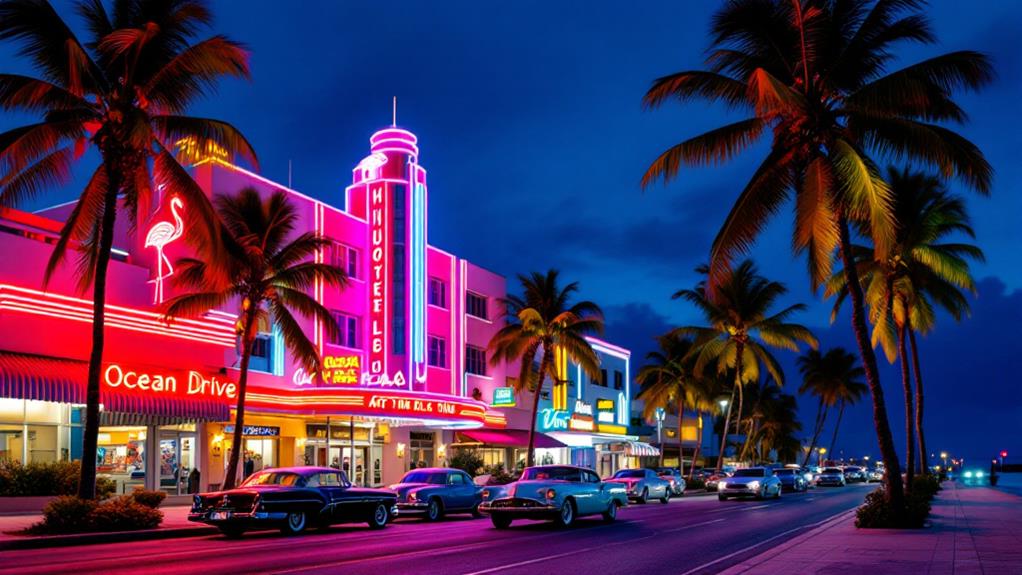
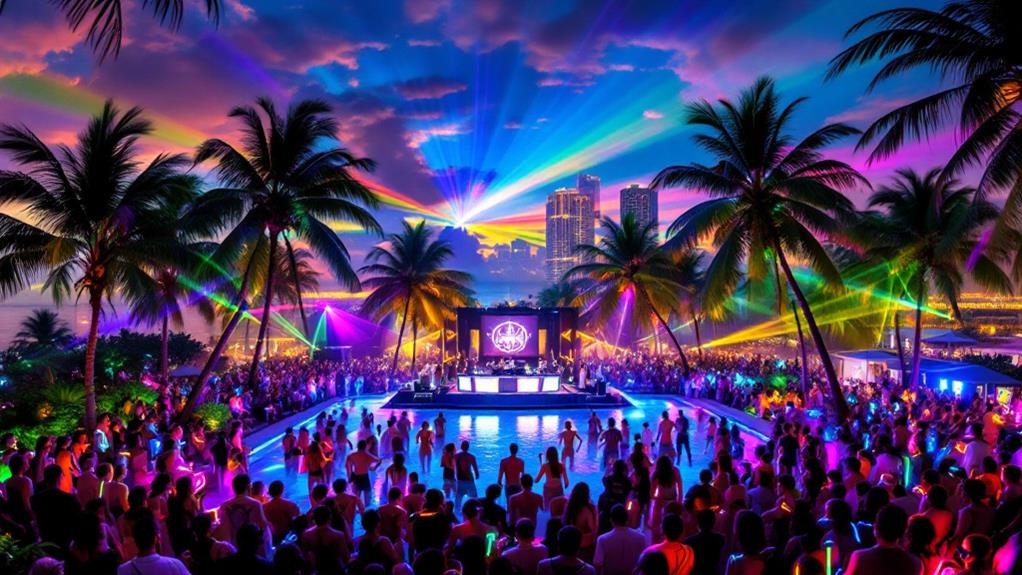
As Miami's design evolved, so did its nighttime persona. You'll find the Art Deco Historic District transformed after sunset, as neon lighting breathes life into the cityscape. The lively neon accents adorning hotels, restaurants, and clubs along Ocean Drive and Collins Avenue create an enthralling, retro-futuristic ambiance that's uniquely Miami.
Iconic establishments like the Clevelander South Beach, Colony Hotel, and Breakwater South Beach showcase dazzling neon signs that have become synonymous with the city's pulsating nightlife. These glowing guideposts draw you into a world where the past and present collide in a spectacular display of color and light.
The preservation and restoration of historic neon signage have been essential in maintaining the district's dynamic atmosphere. This commitment to neon has cemented its place in Miami's visual identity, making it a frequent star in films, TV shows, and advertisements that aim to capture the city's essence.
As you stroll through South Beach at night, you'll be immersed in a glowing wonderland that's become an enduring symbol of Miami's vibrant culture and design influence.
Miami Vice and Pastel Revolution
Miami's influence on pop culture reached new heights with the debut of "Miami Vice" in 1984. The TV series catapulted the city's iconic art deco and pastel-colored visual appeal into living rooms across America, sparking a design revolution that would reshape fashion, music, and popular culture for years to come.
As you watched "Miami Vice," you couldn't help but be mesmerized by:
- The vibrant palette of Miami's art deco architectural design
- The stylish pastel suits worn by the show's protagonists
- The neon-lit nightlife that pulsed with energy and excess
This visual feast inspired a broader "pastel revolution" in 1980s fashion and design. Suddenly, everyone wanted a piece of Miami's tropical hedonism. Neon colors, sharp silhouettes, and bold geometric shapes became hallmarks of the era's style.
The impact of "Miami Vice" on pop culture can't be overstated. Its enduring popularity has influenced countless films, TV shows, and music videos, keeping Miami's iconic design aesthetic alive in the public imagination. You'll still see echoes of this pastel-infused, neon-lit world in contemporary media, proving that Miami's visual allure continues to enthrall audiences decades later.
Architectural Landmarks in Pop Culture
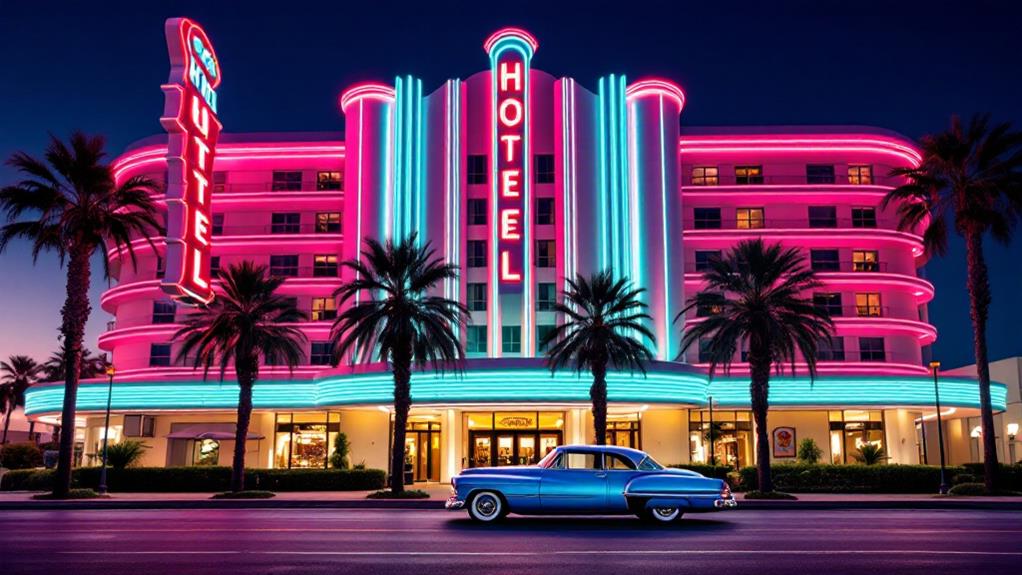
Iconic designer landmarks have cemented Miami's status as a pop culture powerhouse. You'll recognize the Art Deco-styled Fontainebleau Miami Beach from films like Goldfinger, The Bodyguard, and Scarface. This architectural gem showcases Miami's unique blend of glamour and design.
As you stroll down Ocean Drive, you can't miss the neon-lit façade of the Colony Hotel, which has graced your TV screens in Miami Vice and Dexter. The city's iconic architecture extends beyond hotels, with the Miami Marine Stadium's dramatic cantilevered roof serving as a backdrop for music videos and commercials.
Miami's skyline wouldn't be complete without the sleek, futuristic Miami Tower. You've likely seen this architectural marvel representing the city in science fiction movies and TV shows. Don't forget the curved, art deco-inspired Fisher Island Ferry Terminal, a landmark that's become synonymous with Miami's visual identity in various TV series and films.
These architectural landmarks have become integral to Miami's representation in pop culture, solidifying the city's reputation as a design-forward destination that continues to enthrall audiences worldwide.
Fashion's Love Affair With Miami
The energetic pulse of Miami's design scene has long enthralled the fashion world. You'll find the city's influence in everything from high-end runway collections to popular streetwear. Miami's unique blend of Art Deco architecture and tropical motifs has inspired designers like Gianni Versace, who famously opened his mansion on Ocean Drive in 1992.
The city's vivid colors and modern design aesthetics have been welcomed by brands like Tommy Hilfiger, Guess, and Victoria's Secret. They've incorporated Miami's spirited nightlife and beach culture into their collections, creating a distinct design style that's recognizable worldwide.
Miami's fashion impact extends beyond clothing, influencing:
- Swimwear with bold patterns and cuts
- Resort-wear featuring lightweight fabrics and tropical prints
- Accessories adorned with Art Deco-inspired geometric shapes
The Kardashian-Jenner family has further popularized Miami's fashionable lifestyle through their reality TV shows, sparking trends in beachwear and accessories. Luxury labels like Dior, Chanel, and Louis Vuitton have also recognized Miami's status as a global fashion capital, opening flagship stores that often incorporate elements of the city's iconic architecture. This fusion of Art Deco and MiMo design continues to shape runway shows, resort collections, and retail spaces, cementing Miami's place in the fashion world.
Miami's Influence on Graphic Design
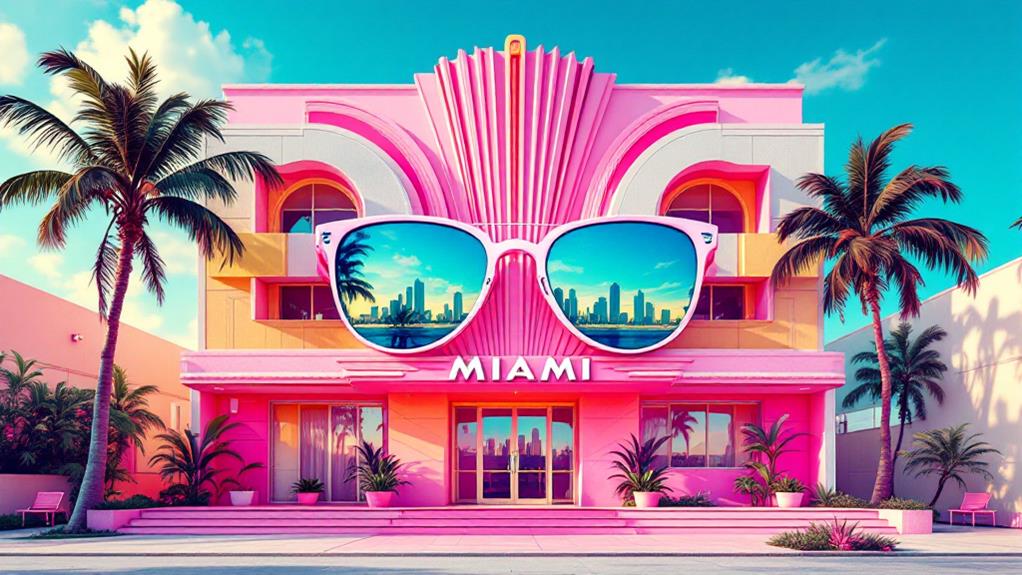
Bursting with color and retro-futuristic flair, Miami's design aesthetic has left an enduring, lasting, and unforgettable mark on the world of graphic design. You'll find its influence everywhere, from album covers to movie posters, as designers draw inspiration from the city's vibrant Art Deco architecture and neon-lit streets.
Miami's iconic visual elements have become go-to tropes in advertising and branding. You'll recognize the pastel color palettes, geometric patterns, and streamlined aesthetics that define the city's built environment. These elements blend vintage glamour with a tropical, futuristic feel, creating a unique style that's both nostalgic and forward-looking.
The impact of Miami Vice can't be overstated. This television series popularized a design aesthetic that continues to engage graphic designers today. You'll spot its influence in the saturated colors and 1980s flair of countless contemporary designs.
As you investigate the world of graphic design, you'll encounter a whole genre of "Miami Vice-inspired" graphics. These designs capture the essence of Miami's retro-futuristic style, proving that the city's visual legacy continues to shape and inspire creative minds across the globe.
Music Videos and Miami Aesthetics
Miami's visual allure extends far beyond graphic design, mesmerizing music video directors and artists alike. The city's Art Deco Historic District has become a go-to backdrop for countless music videos, showcasing its iconic Ocean Drive and distinctive architecture. You'll find Miami's art deco style prominently featured in Gloria Estefan's "Coming Out of the Dark," which highlighted the Carlyle Hotel's classic facade.
As you investigate Miami's influence on music videos, you'll notice:
- Vibrant pastel-hued buildings contrasting against clear blue skies
- Geometric patterns and chrome accents adorning art deco architecture
- Neon lights illuminating the streets, creating a captivating nighttime ambiance
Pitbull's "Give Me Everything" embraced these elements, incorporating the district's unique visual appeal. Even Beyoncé's "Lemonade" visual album captured the vintage charm of Miami's art deco neighborhoods. The recurring use of Miami's aesthetic in contemporary music videos demonstrates the enduring impact of the city's design on pop culture. From its art deco style to its neon lights, Miami's Art Deco Historic District continues to provide a visually stunning backdrop that reverberates with artists and audiences worldwide.
Miami's Architectural Future
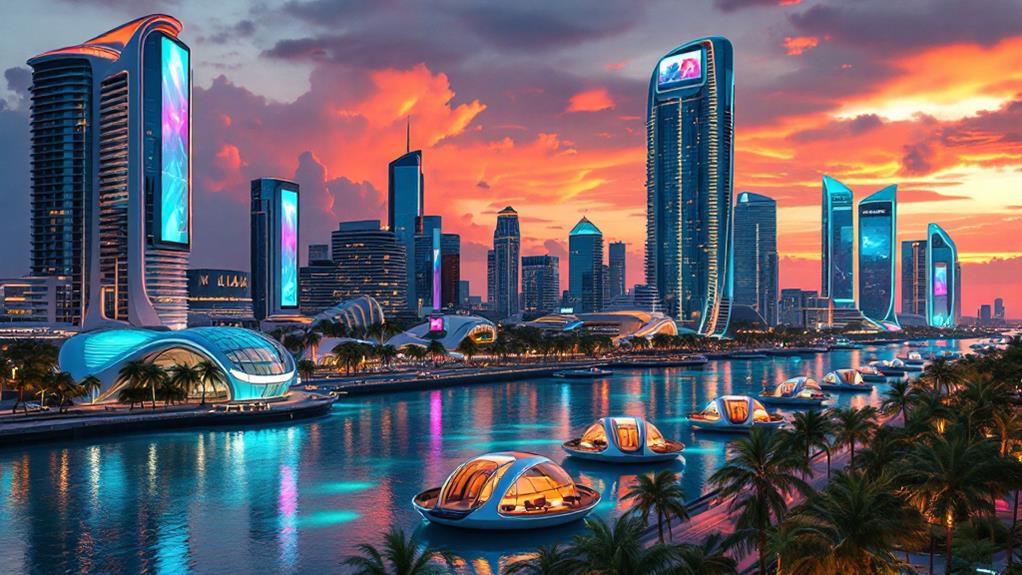
As you investigate Miami's designer's horizon, you'll see a skyline that's rapidly changing. The city's architectural future is embracing sustainability and innovative design, creating a harmonious blend of state-of-the-art technology and tropical sensibility.
You'll notice modern buildings of glass, steel, and concrete rising up, maximizing natural light and offering breathtaking panoramic views. These structures aren't just about aesthetics; they're pushing the boundaries of eco-friendly design and functionality.
Two standout examples of Miami's architectural evolution are the Pérez Art Museum Miami and the Patricia and Phillip Frost Museum of Science. These iconic buildings showcase the city's commitment to forward-thinking development and its status as a global hub for design and innovation.
But it's not just about new construction. You'll find adaptive reuse projects breathing new life into historic buildings, seamlessly fusing old and new to create dynamic urban spaces. This approach preserves Miami's rich architectural heritage while propelling it into the future.
As you traverse the city, you'll witness firsthand how Miami's architectural landscape continues to evolve, reflecting its vibrant culture and progressive spirit.