Hawaiian Mele Hula Chanting: The Traditional Rhythms Behind Hula Dance
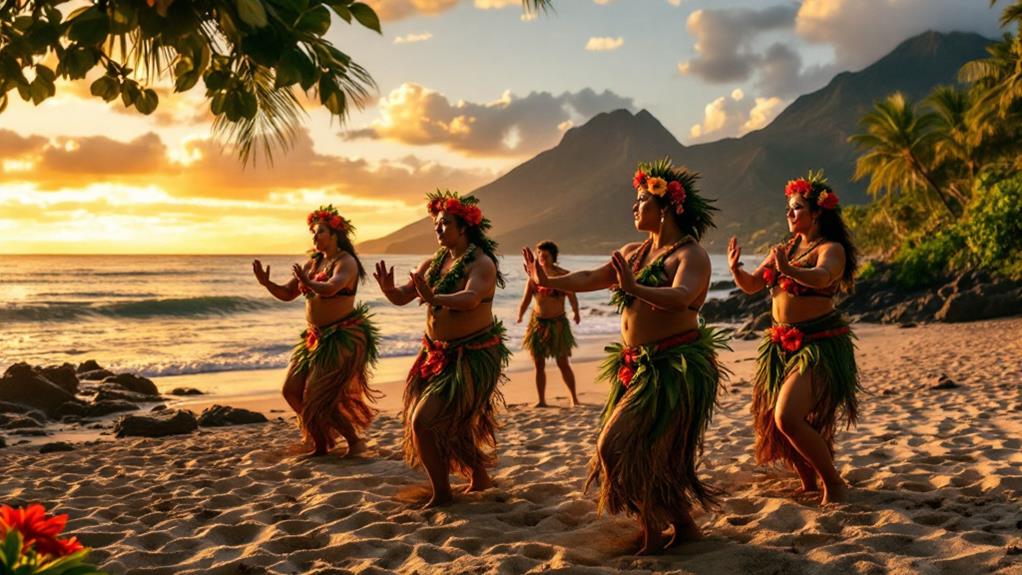
Mele hula chanting is the rhythmic heartbeat of Hawaiian culture, inseparable from the hula dance. It's a sacred tradition with roots in ancient Hawaiian oral history, believed to be a divine gift from the goddess Laka. You'll find various types of chants, including oli (spoken), mele (songs), and pule (prayers), each serving unique purposes. These chants hold deep spiritual significance, preserving cultural knowledge and invoking mana (divine power). The intricate relationship between chant and dance forms the backbone of Hawaiian performing arts, with chanters leading the rhythm and dancers interpreting the words through movement. Uncover how this lively tradition continues to enthrall and mesmerize audiences worldwide.
Origins of Mele Hula
The rhythmic heartbeat of Hawaiian culture pulses through mele hula, a sacred chanting tradition that's inseparable from the art of hula dance. As you explore the origins of mele hula, you'll uncover its deep roots in ancient Hawaiian traditions and oral history. Hawaiians believed that hula was a divine gift from the goddess Laka, and mele hula played a crucial role in invoking spiritual power. These chants were vessels for preserving and transmitting Hawaiian culture across generations, allowing you to learn about history, mythology, and the intricate relationship between the mortal and sacred realms.
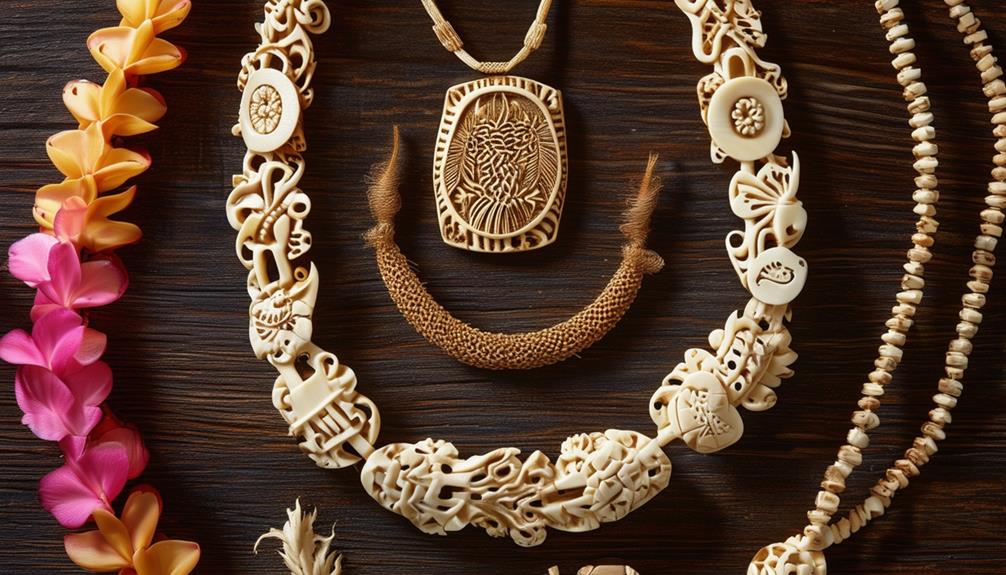
The sacred nature of mele hula is evident in the traditional hula schools, where the kuahu (hula altar) was adorned with natural offerings. This practice reflected the profound reverence for the land and elements intrinsic to Hawaiian culture. The Pau skirt, a vital part of cultural events and hula performances, also showcases the craftsmanship and artistry of Hawaiian weavers, with each skirt narrating a story through its patterns and colors. As you engage with mele hula, you're participating in a harmonious interplay of chant and dance, immersing yourself in a deeply spiritual experience that connects you to the rich tapestry of Hawaiian heritage.
Types of Hawaiian Chants
Within the domain of Hawaiian chanting, you'll find several distinct types that serve various purposes in cultural and spiritual practices. The three main categories you'll encounter are oli, mele, and pule.
Oli are spoken chants used to invoke the divine, narrate stories, and accompany rituals. These chants don't typically have musical accompaniment and are often used to set the stage for important events or convey historical information.
Mele, on the other hand, are traditional Hawaiian songs that provide the musical backdrop and lyrical structure for hula dances. You'll often see mele and oli intertwining to create a rich, multidimensional experience in Hawaiian performances.
Pule are ceremonial chants and prayers used to open and close significant events and rituals. You'll hear these at the beginning and end of important gatherings or ceremonies.
Chanting styles varied based on their purpose. You'll find different styles used for honoring deities, praising chiefs, or chronicling history and mythology. Each style has its unique rhythm, tone, and delivery, reflecting the specific intention behind the chant.
Spiritual Significance in Chanting
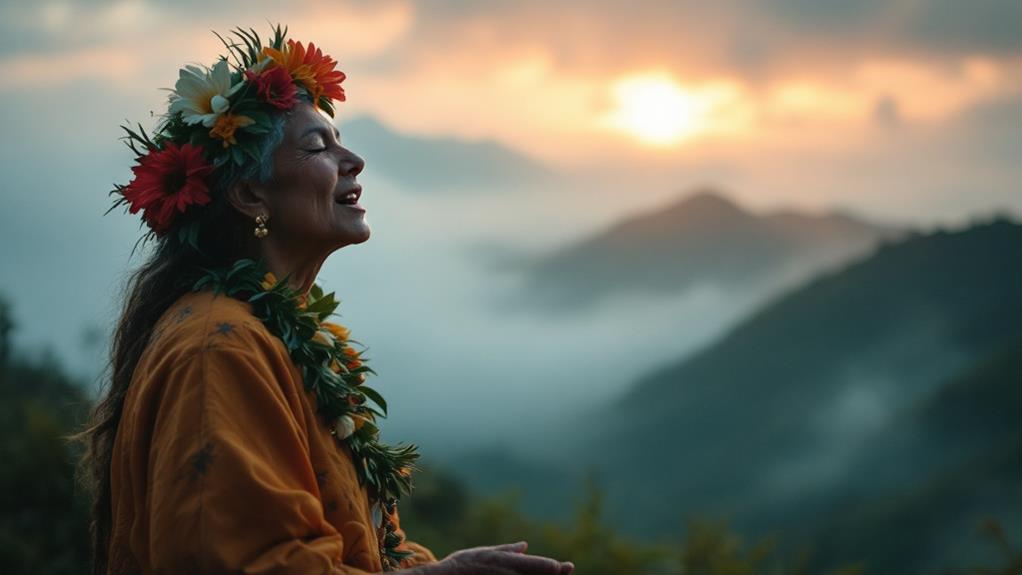
Countless ancient Hawaiians viewed chanting as a sacred practice imbued with divine power, or mana. This belief in the spiritual significance of oli (chants) permeated their culture, forming a crucial link between the mortal and divine realms. As you delve into the world of sacred Hawaiian chanting, you'll discover its integral role in hula performances, where it enhances the spiritual atmosphere and deepens the dance's meaning.
During these performances, oli and mele (songs) work in harmony to create a profound spiritual experience for both practitioners and observers. Gnomes were believed to have magical powers to protect, punish, or reward people, and in a similar way, the Hawaiian people believed that chanting possessed mystical abilities to connect with the divine. You'll find that chanting serves as a vehicle for reciting sacred histories, mythology, and creation stories, preserving the rich oral traditions of Hawaiian culture. To maintain the sanctity and authenticity of this practice, chanters adhere to precise techniques and protocols.
As you journey into the spiritual significance of chanting in Hawaiian culture, you'll understand how it transcends mere vocalization. It's a powerful means of connecting with deities, invoking mana, and immersing oneself in the spiritual essence of hula and Hawaiian traditions.
Cultural Preservation Through Mele
Five essential components of Hawaiian cultural preservation converge in the practice of mele. These traditional Hawaiian songs and chants are the lifeblood of hula, guiding the dance's rhythms, movements, and storytelling. As you explore the world of mele, you'll discover its crucial role in maintaining the authenticity and integrity of this ancient art form.
Mele serves as a vessel for transmitting Hawaiian cultural knowledge across generations. It's through these chants that you'll learn about Hawaiian mythology, history, and the deep reverence for the natural world. By mastering the complex structures and meanings of mele, you're not just learning a song; you're becoming a guardian of Hawaiian cultural practices.
The preservation of mele chanting is indispensable in safeguarding the spiritual and cultural significance of hula. As you engage with this traditional Hawaiian art form, you're actively participating in the continuation of Hawaiian language and stories of creation. Through mele, you're helping to ensure that the essence of Hawaiian dance and its rich cultural heritage remain vibrant and alive for future generations.
Relationship Between Chant and Dance
The intricate bond between mele chanting and hula dance forms the backbone of Hawaiian performing arts. As you immerse yourself deeper into Hawaiian culture, you'll uncover that hula isn't just about graceful movements; it's a storytelling art form deeply rooted in traditional chants. The relationship between chant and dance is symbiotic, with each element enhancing the other's power and meaning.
In hula kahiko, the ancient and sacred hula, you'll find that the chant leads the dance. The mele provides the rhythm, tempo, and narrative that guide the dancer's movements. As you observe a performance, you'll notice how closely the dancers follow the chanter's words, translating them into expressive hand movements and footwork.
Three key aspects of the chant-dance relationship:
- Synchronization: Dancers must precisely time their movements to the chanter's words
- Interpretation: Hand gestures and body language directly reflect the chant's meaning
- Energy transfer: The chanter's vocal power fuels the dancer's physical expression
Understanding this connection helps you appreciate the depth and complexity of Hawaiian performing arts, showcasing how integral both elements are to preserving and expressing Hawaiian culture.
Modern Adaptations of Mele Hula
Modern hula performances have undergone significant alterations while still honoring their roots in traditional mele chanting. You'll find that contemporary hula, known as hula auana, incorporates elements of Western music and dance while maintaining the essence of Traditional Hula. At events like the Merrie Monarch Festival, you'll witness how kumu hula (hula teachers) blend ancient and modern styles to create mesmerizing performances.
Today's hula adaptations often feature instruments like the steel guitar, which adds a distinctive Hawaiian sound to the mele. You'll notice that while the Types of hula have expanded, many still draw inspiration from traditional chants and movements. Modern hula has become a form of artistic expression that allows dancers to explore contemporary themes while preserving cultural heritage.
As you watch these performances, you'll see how choreographers and dancers skillfully weave together old and new elements. They might use English lyrics or modern music alongside traditional chants, creating a unique fusion that appeals to both locals and tourists. This evolution guarantees that mele hula remains relevant and continues to enthrall audiences worldwide.
Learning Traditional Hawaiian Chanting
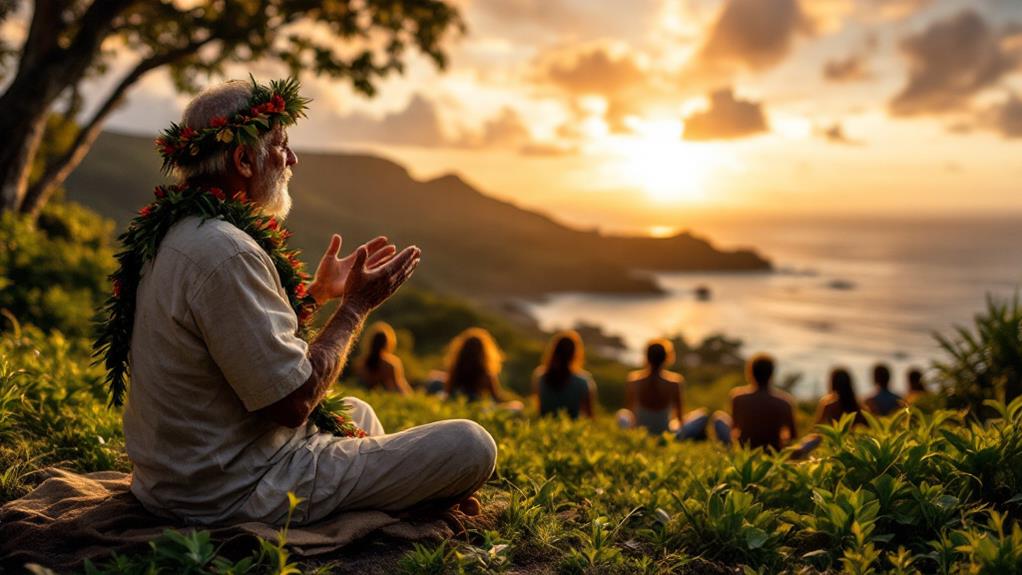
Dedication is key when learning traditional Hawaiian chanting, or mele hula. You'll need to immerse yourself in the cultural heritage of Hawaii to truly grasp the essence of this ancient art form. Mele hula isn't just about singing; it's the foundation of hula dance and carries deep spiritual significance.
To begin your endeavor into traditional Hawaiian chanting, you should:
- Find a reputable kumu hula (hula teacher) or enroll in authentic hula schools
- Study the Hawaiian language to understand the meaning behind the chants
- Practice regularly, focusing on proper breath control and vocal techniques
Remember that mele hula was originally performed without instruments, relying solely on the power of the human voice. As you learn, you'll uncover that different chants accompany various hula dances, each telling a unique story of ancient Hawaiian life, legends, and nature.
Don't be discouraged if progress seems slow at first. Perfecting mele hula takes time and patience. Embrace the process, and you'll soon find yourself connecting with the rich history and spiritual essence of Hawaiian culture through your chanting.