How Did Disco Fashion Influence Nightlife and Club Culture?
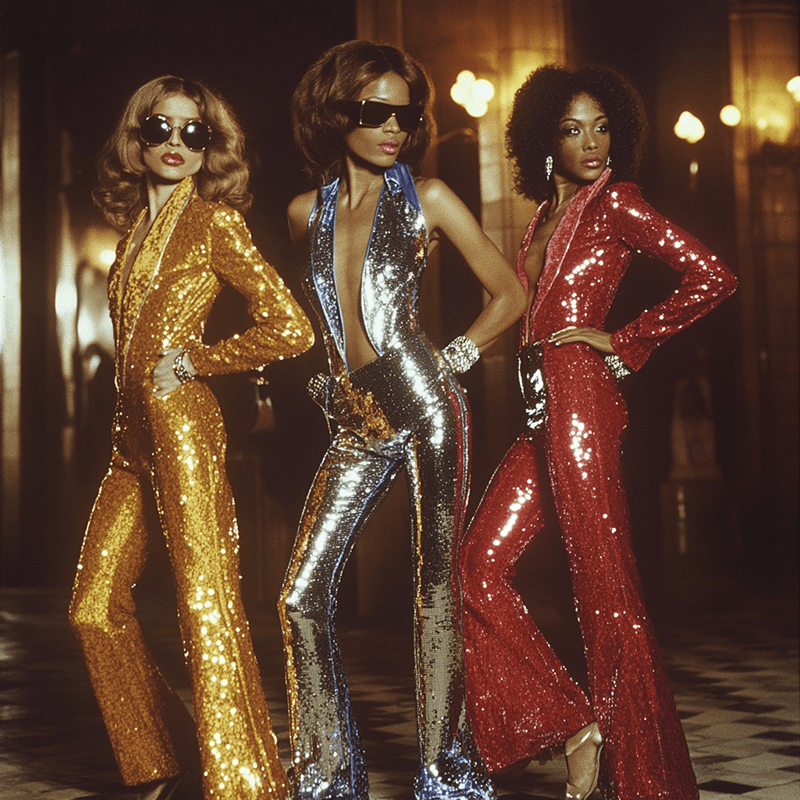
Disco fashion redefined nightlife and club culture in the 1970s. Sequins, glitter, and platform shoes weren't just fashion choices; they became symbols of a vibrant social scene. Clubs transformed into dazzling arenas where self-expression and inclusivity thrived. The energetic ambiance was driven not only by music but also by the bold, expressive styles of party-goers.
These elements created an unforgettable period, highlighting the deep, lasting impact disco fashion had on modern trends and cultural expressions. What catalyzed this shift was a blend of music, fashion innovation, and a desire for social liberation.
Emergence of Disco Fashion
Disco fashion exploded in the 1970s, illuminating nightlife with sequins, glitter, and bold colors. This vibrant trend was more than just flashy styles; it was a statement of individuality and exuberance. Entering a disco club, the atmosphere was electric, and the influence of disco fashion was unmistakable.
People embraced the disco craze with platform shoes, bell-bottoms, and polyester suits, each piece reflecting a love for extravagance and flamboyance. Wide lapels and bold patterns became synonymous with disco culture, turning club goers into walking works of art.
Disco fashion wasn't limited to clothing; it shaped the entire ambiance of nightclubs, transforming them into glittering havens of self-expression. In these clubs, a sense of liberation flourished as bold and creative outfits celebrated individuality. Sparkling attire and daring styles fostered a carefree, expressive nightlife, where everyone could shine. Disco fashion was pivotal in defining the nightlife scene, turning ordinary nights into unforgettable experiences filled with dazzling lights and rhythmic beats.
Key Elements of Disco Style
Ever wondered what made the 1970s nightlife so visually captivating? It was the dazzling disco fashion that turned heads and set the stage for the vibrant disco era. This style was all about making a statement with flashy and glamorous outfits. Think sequins, glitter, and bold colors that caught the light and the eye.
At the heart of disco culture, people flaunted platform shoes that added height and drama. Bell-bottoms were a staple, flaring out with exaggerated silhouettes that swayed to the beat. Wide lapels and polyester suits brought a sleek yet bold look to the dance floor. These iconic elements weren't just reserved for club-goers; they permeated mainstream fashion, influencing everyday clothing choices.
Bold patterns and exaggerated shapes were the norm, reflecting the period's spirit of self-expression and individuality. Disco fashion celebrated inclusivity and diversity, welcoming everyone to express themselves freely.
This vibrant style didn't just influence what people wore; it shaped the very essence of nightlife, creating an atmosphere where everyone could shine. So, next time you think of the disco era, remember it was the fashion that made the culture truly unforgettable.
Fashion Icons of the Disco Era
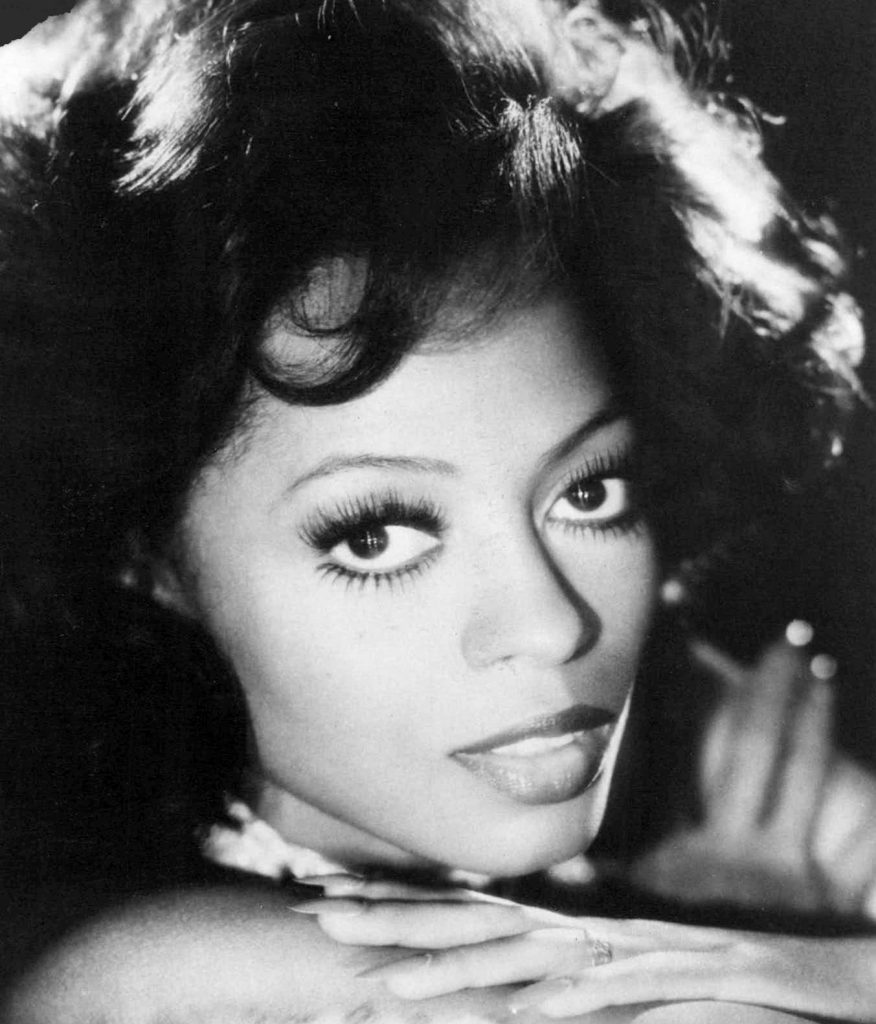
Several fashion icons of the disco era, such as Diana Ross and Donna Summer, defined the glitzy and extravagant style that continues to influence club culture today. Diana Ross, with her sequined gowns and glamorous hair, became a guiding light of disco fashion. Her appearances at Studio 54, the legendary nightclub, set high standards for party-goers who sought to emulate her dazzling look.
Donna Summer, the 'Queen of Disco,' was known not only for her powerful voice but also for her bold fashion choices. Her stage outfits, often featuring metallic fabrics and daring cuts, became a vital part of the disco aesthetic. These styles weren't limited to performers but trickled down to club regulars who wanted to stand out on the dance floor.
Studio 54 was a fashion playground where icons like Andy Warhol and Grace Jones showcased avant-garde and bold looks. Grace Jones, in particular, pushed boundaries with her androgynous and edgy style.
Cher's flamboyant outfits, complete with sequins and feathers, and Liza Minnelli's sparkling ensembles further embodied disco's over-the-top spirit. Pat Cleveland, the elegant supermodel, brought vibrancy and sophistication, making her a trendsetter both on and off the dance floor.
Influence on Nightlife Venues
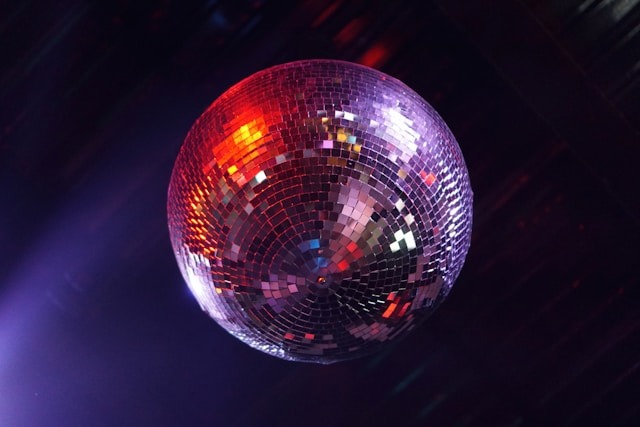
Nightlife venues embraced the glitzy and glamorous essence of disco fashion, transforming into extravagant spaces that mirrored the bold and flashy outfits of their patrons. Iconic clubs like Studio 54 in New York City epitomized this transformation, becoming hubs of opulence and spectacle. Entering these venues, you were immediately enveloped in a world where sequins, glitter, and bold colors illuminated every corner, creating an immersive experience.
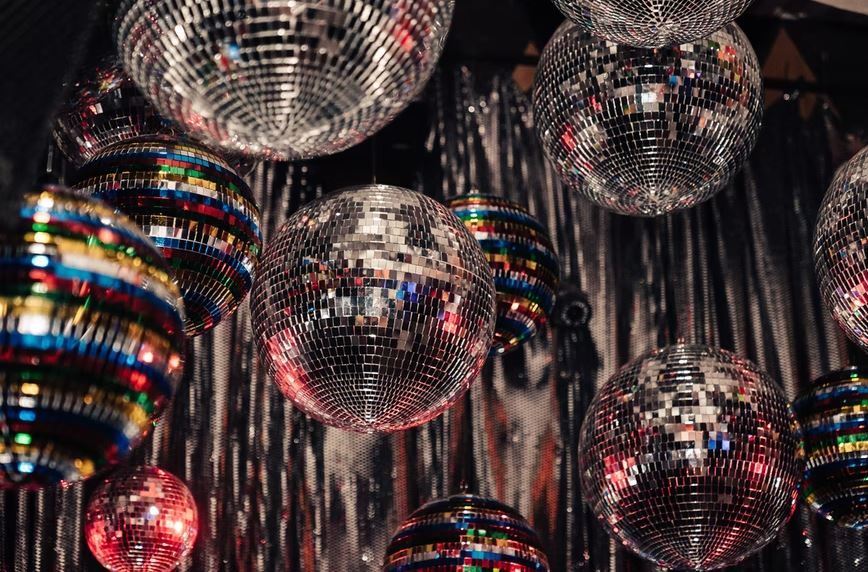
These venues weren't just about the music; they were about the entire atmosphere. The interiors often featured mirrored walls, strobe lights, and elaborate decor that complemented the exaggerated silhouettes of disco fashion. The focus on self-expression through clothing influenced the design and vibe of these clubs.
Disco fashion shaped nightlife venues in several ways:
- Decor: Mirrored surfaces and glittering elements reflected the glitz of patrons' outfits.
- Lighting: Strobe lights and neon signage enhanced the flashy ambiance.
- Dance Floors: Spacious and illuminated dance floors encouraged free movement and showcased fashion.
- Atmosphere: A sense of freedom and extravagance invited everyone to be bold and expressive.
In essence, disco fashion transformed nightlife venues into vibrant, dynamic spaces where the dance floor wasn't just a place to move, but a stage to shine.
Impact on Music and Dance
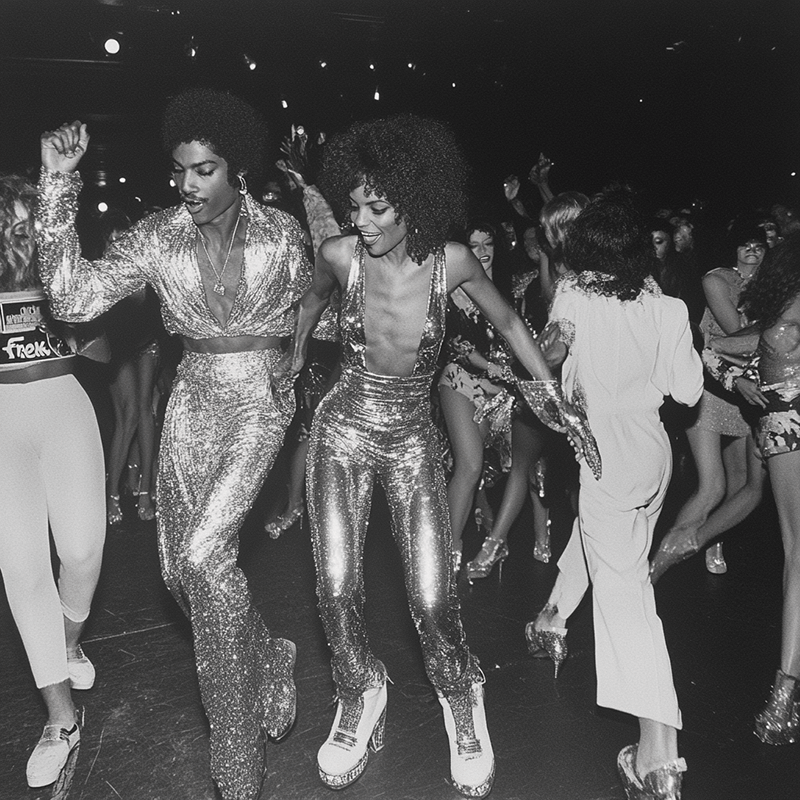
Disco fashion significantly influenced the evolution of dance styles such as the Hustle and Electric Slide, transforming the dance floor into a lively showcase of movement and style. DJs of the disco era curated their sets to match the vibrant atmosphere, contributing to the rise of electronic dance music and remix culture. The club environment was further enhanced by extravagant outfits and elaborate light shows, making each night a multisensory experience.
Evolution of Dance Styles
The flashy, glamorous outfits of disco fashion revolutionized dance styles by enabling more expressive and dynamic movements on the dance floor. Sequined dresses, glittery tops, and bold colors introduced a new visual dimension, making every dance move more captivating.
The evolution of dance styles like the Hustle and the Electric Slide was closely tied to the vibrant and energetic fashion trends of the era. Platform shoes and bell-bottoms not only epitomized disco fashion but also facilitated fluid and exaggerated dance moves integral to disco culture. These outfits weren't just about aesthetics; they played a crucial role in shaping dance styles.
The interplay between dance and fashion during the disco era created a symbiotic relationship that defined the vibrant atmosphere of disco clubs:
- Sequined and glittery outfits: Added visual sparkle to every dance move.
- Platform shoes: Facilitated smooth, exaggerated movements.
- Bell-bottoms: Enabled fluid leg movements.
- Bold colors: Enhanced visibility and excitement in clubs.
These elements combined to create a dance culture where fashion and movement were inseparably intertwined.
DJ and Disco Era
During the disco era, visionary DJs like David Mancuso and Francis Grasso revolutionized music and dance scenes with innovative techniques in beatmatching and track extensions. They didn't just play music; they crafted immersive experiences that kept people dancing all night long.
Mancuso, famous for his legendary Loft parties, meticulously curated musical journeys that seamlessly blended tracks, creating a continuous flow that resonated with the crowd's energy and emotions.
These DJs not only shaped the music but also transformed how it was experienced. The advent of synthesizers and advancements in sound system technology, including mixers and loudspeakers, elevated the club experience to new heights. The dance floor was filled with rich, layered sounds that engulfed every corner.
Disco's impact extended beyond the music itself. Independent labels quickly recognized the genre's potential and began releasing 12-inch singles, allowing DJs to extend tracks and keep the dance floor vibrant.
This era's transformative approach to music and dance laid the foundation for modern club culture, making the DJ the heartbeat of nightlife. With every beat, DJs like David Mancuso turned the dance floor into a euphoric escape.
Club Atmosphere Transformation
View this post on Instagram
As DJs like David Mancuso shaped musical landscapes, disco fashion transformed club atmospheres with its flashy, glamorous outfits and energetic vibe. Stepping into a disco club meant encountering vibrant colors, sequins, and glitter that created an electrifying visual experience, compelling you to dance the night away.
The exaggerated silhouettes and platform shoes weren't just fashion statements; they encouraged self-expression on the dance floor.
Disco fashion and music redefined both appearance and movement within the club scene. Iconic moves like the Hustle and Electric Slide became synonymous with the era, turning every night at the club into an opportunity to showcase your best steps. Here's how disco fashion and music combined to transform the club atmosphere:
- Visual Spectacle: Bold colors and glitter caught the light, making the dance floor a dazzling display.
- Energetic Vibe: The music's upbeat tempo matched the flashy attire, creating an infectious energy.
- Freedom of Expression: Fashion allowed for bold and expressive dance movements.
- Immersive Experience: The fusion of music and fashion turned clubs into realms of glamour and excess, inviting full immersion.
In the disco scene, clubbing transcended music; it was a complete sensory experience.
Disco Fashion and Self-Expression
Disco fashion's bold colors, sequins, and glitter allowed you to celebrate yourself vividly and unapologetically. In the nightlife scene, your attire became a canvas for self-expression. Iconic pieces like platform shoes and bell-bottoms weren't just clothes; they were statements of individuality. When you walked into a disco club, your glitzy and glamorous outfit reflected the vibrant and energetic atmosphere, making the night feel like a celebration of unique styles.
Disco culture embraced individuality, encouraging everyone to make bold style statements. People experimented with extravagant and flamboyant outfits, pushing the boundaries of conventional fashion. This freedom in clothing choices allowed you to showcase your personality in ways that might've been stifled in other settings. The nightlife and club culture thrived on this diversity, with the dance floor becoming a stage where you could be whoever you wanted to be.
The fashion of the disco era didn't just influence what you wore; it shaped the entire club experience. The more daring and dazzling your outfit, the more you contributed to the electric atmosphere that defined disco nightlife. Your style wasn't just about fashion; it was a form of self-expression adding to the collective energy of the disco scene.
Inclusivity in Disco Culture
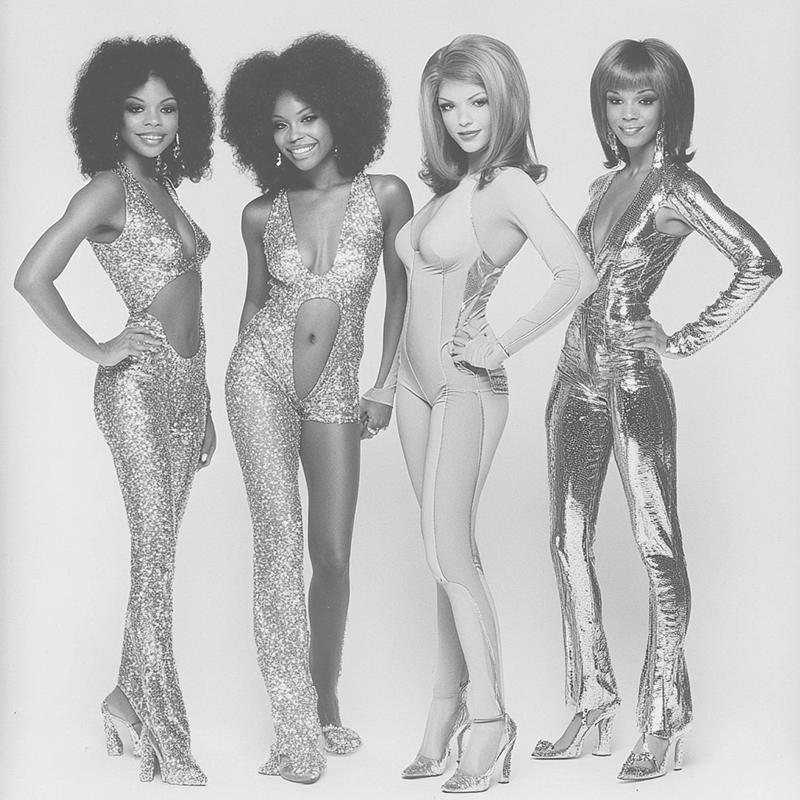
Disco culture broke social barriers and embraced diverse identities, making nightlife more inclusive. Clubs like Paradise Garage and Studio 54 became safe havens for self-expression. This inclusivity enriched the music scene and empowered marginalized communities to celebrate their unique identities.
Breaking Social Barriers
Disco culture shattered social barriers by creating inclusive spaces where marginalized groups could thrive and express themselves freely. Disco clubs became sanctuaries for African Americans and the LGBTQ+ community, offering them a platform to showcase their individuality without fear of discrimination. This period welcomed all races, genders, and sexual orientations, breaking down societal prejudices and fostering unity.
By embracing inclusivity, disco culture promoted diversity and acceptance, contributing to a sense of community among individuals who felt ostracized by mainstream society. The vibrant nightlife scene was characterized by its open-mindedness and celebration of differences.
Key ways disco culture broke social barriers include:
- Safe Spaces: Clubs provided a refuge for marginalized groups to express themselves.
- Diverse Participation: People from various backgrounds danced together, symbolizing unity.
- Fashion Expression: Disco fashion empowered individuals, offering a platform for self-expression.
- Music and Dance: The universal enjoyment of music and dance transcended social divides.
Embracing Diverse Identities
Celebrating diverse identities, the disco era created vibrant, inclusive environments where everyone could freely express themselves. Disco clubs became sanctuaries for marginalized communities, including LGBTQ+ individuals, African Americans, and women. This emphasis on inclusivity allowed people from all backgrounds to come together, share the dance floor, and embrace their unique styles.
Disco fashion played a pivotal role in promoting inclusivity. Bold, glamorous outfits encouraged self-expression and individuality. Sequins, platform shoes, and extravagant accessories were more than just fashion statements; they were declarations of identity.
| Element | Impact |
|---|---|
| Bold Outfits | Encouraged self-expression |
| Diverse Music | United people from different backgrounds |
| Dance Floors | Became spaces of freedom and unity |
| Nightclubs | Provided safe havens for marginalized groups |
The inclusive atmosphere of disco culture sparked a nightlife revolution. Nightclubs became places where everyone, regardless of their background, could feel accepted and celebrated. This wasn't just about having a good time; it was about creating a community where diverse identities were not just tolerated but celebrated. Disco's legacy of inclusivity set a precedent. By championing diversity and acceptance, it paved the way for future generations to create spaces where everyone could feel they belonged.
Legacy of Disco Fashion
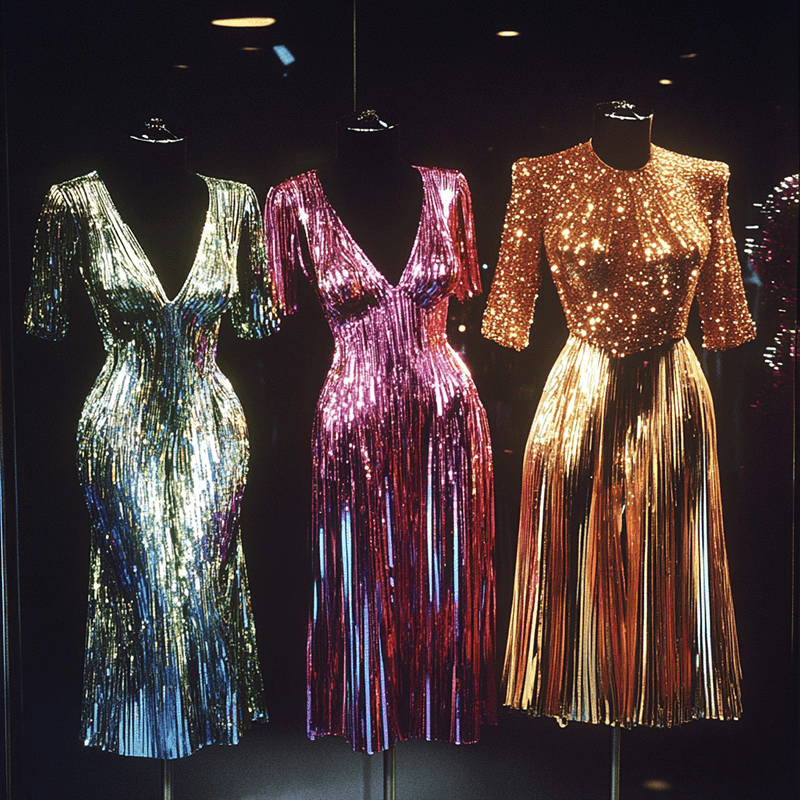
The legacy of disco fashion lives on through its bold colors, sequins, and glitter that continue to inspire modern trends. This influential cultural movement of the '70s, deeply intertwined with dance music, laid the groundwork for a fashion revolution. Disco fashion didn't just make a statement—it celebrated self-expression and individuality through extravagant outfits and daring silhouettes.
You can see the lasting impact of disco fashion in various contemporary settings. Iconic styles like platform shoes and bell-bottom pants have made notable comebacks, gracing runways and street fashion alike.
Here are some ways disco fashion continues to shape the fashion industry:
- Runway Collections: High-end designers often incorporate disco-inspired elements, reimagining the glitz and glam for today's audience.
- Retro Revivals: Vintage clothing stores frequently carry disco-era pieces, showcasing their timeless appeal.
- Music Festivals: Modern festivals channel the disco vibe, encouraging attendees to adopt bold, glittery ensembles.
- Pop Culture: Movies, TV shows, and music videos often nod to disco fashion, keeping its spirit alive.
Disco fashion's legacy remains a vibrant and influential force, continuously shaping trends and styles. Its celebration of individuality and flamboyance assures it will never fade away.
Conclusion
Disco fashion significantly transformed nightlife and club culture by introducing flashy, glamorous outfits and bold styles. Key elements such as sequins and platform shoes set the stage for unforgettable party experiences.
This fashion movement was about more than just clothes; it emphasized self-expression, inclusivity, and creating an immersive atmosphere. Disco fashion's legacy continues to influence today's trends, celebrating individuality and vibrant energy.