How Did Disco Fashion Reflect Social Changes in the 1970s?
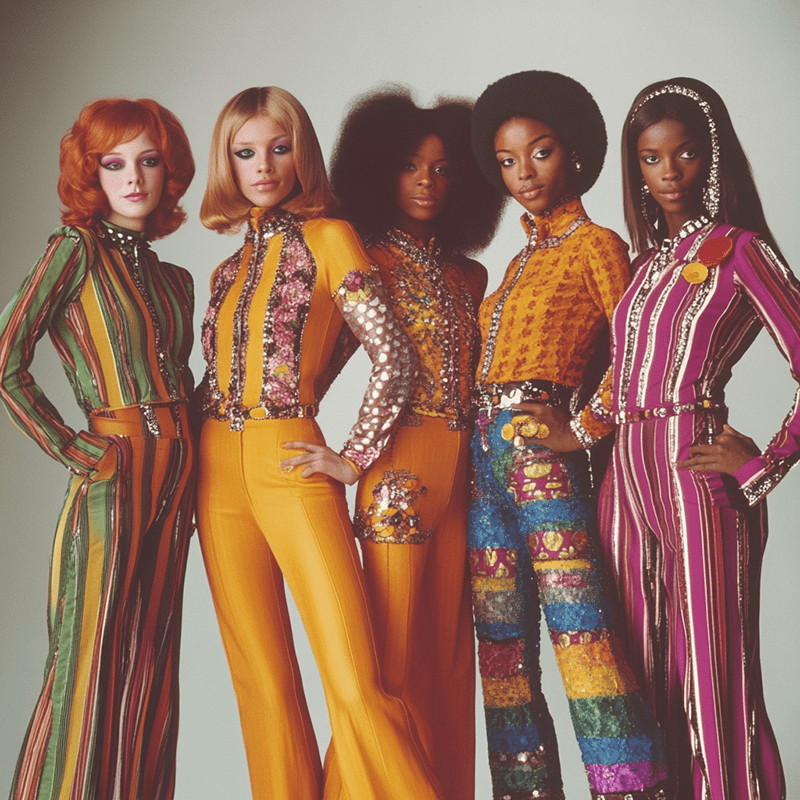
Disco fashion in the 1970s was more than just flashy outfits and bold colors; it was a cultural statement reflecting significant social changes. The period's flamboyant styles broke away from the subdued norms of previous decades and challenged societal structures.
Gender-bending clothing and unisex jumpsuits symbolized a shift towards inclusivity and self-expression. These fashion choices mirrored broader societal changes, particularly in the realms of gender equality and sexual liberation. The dance floor became a space where these social movements converged, highlighting the intricate relationship between fashion and social progress.
The Rise of Disco Fashion
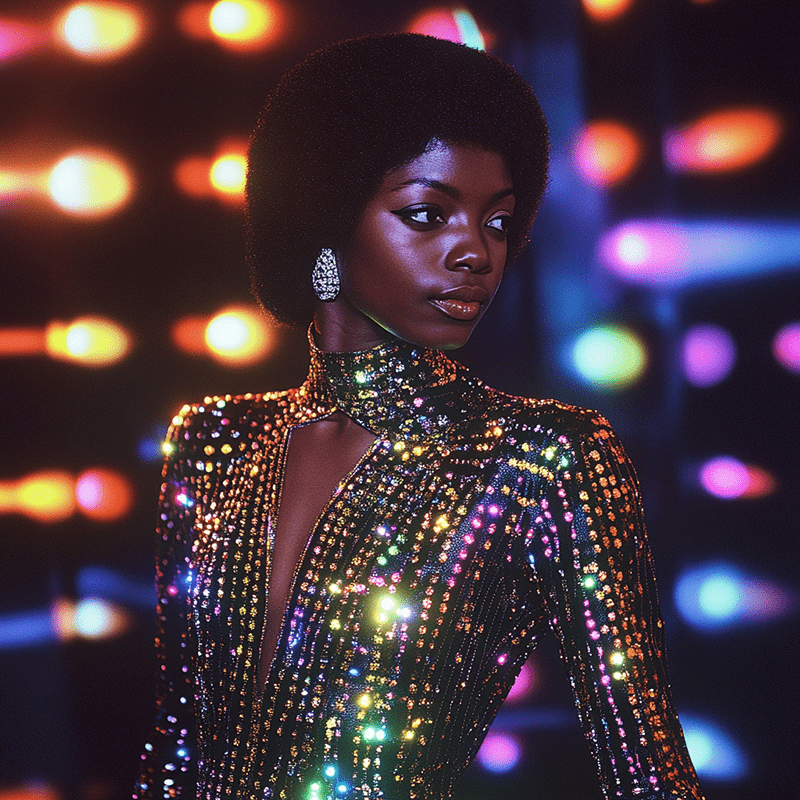
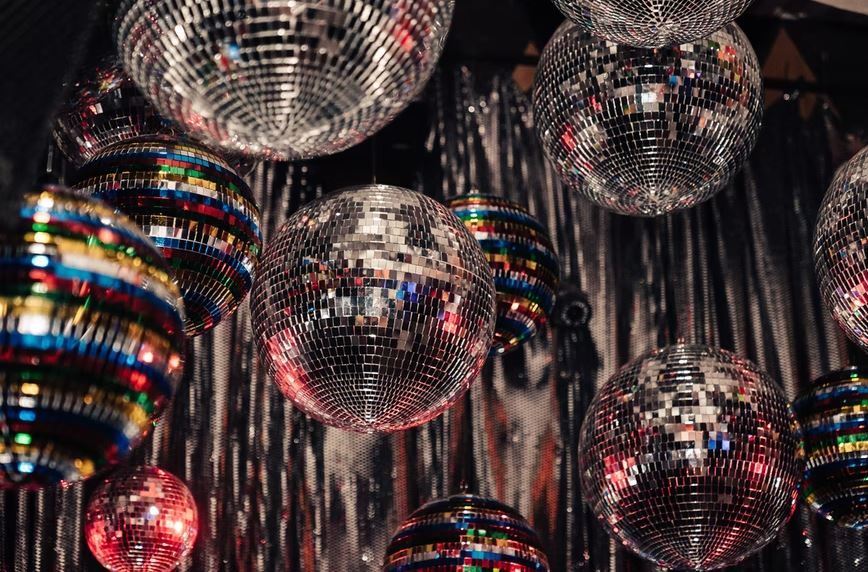
During the 1970s, disco fashion emerged as a dazzling response to the period's cultural and social shifts. The vibrant energy of the era was reflected in bold, bright colors and flashy styles. This shift wasn't just about clothes; it was a statement of glamour and excess, rebelling against the subdued styles of previous decades. The nightlife scene thrived, driving a desire for outfits that could shine under the disco ball.
Form-fitting silhouettes became a hallmark, accentuating the body's curves for dynamic dancing. Whether wearing flowy gowns or minidresses paired with hot pants, each outfit was designed to stand out. Sequins, feathers, and dangly earrings added layers of sparkle, exuding extravagance.
Disco fashion was about more than appearance; it was about feeling liberated. The clothes offered an escape from everyday life, mirroring the era's emphasis on nightlife and dancing as forms of escapism. Each night out was an opportunity to embody this newfound freedom and express oneself through vibrant, eye-catching attire.
Gender Norms and Androgyny
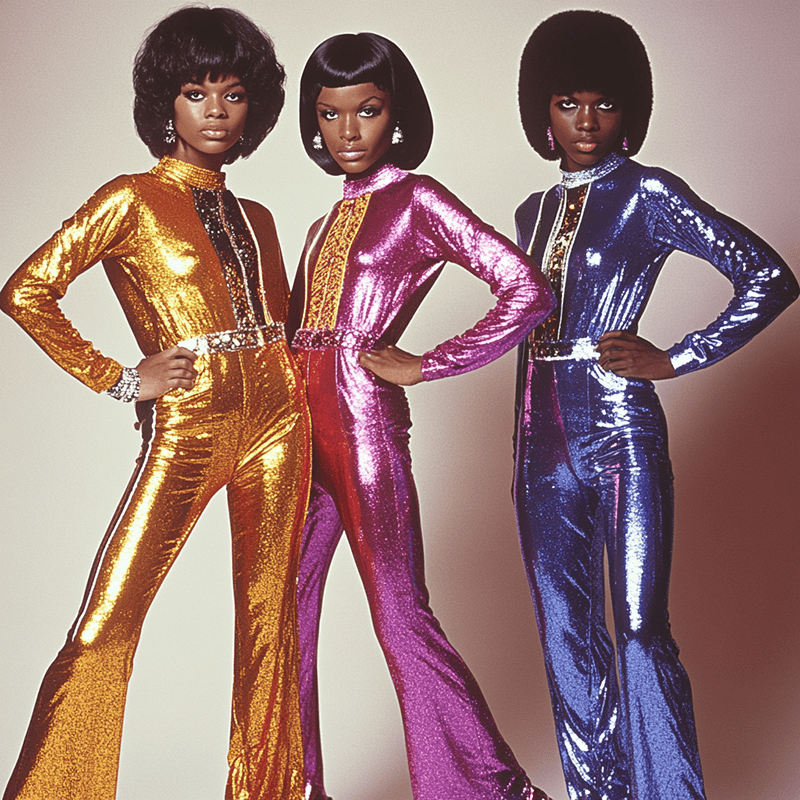
Challenging traditional gender norms, disco fashion embraced androgyny, allowing everyone to express themselves freely. Men welcomed flamboyant and embellished clothing, blurring the lines between masculine and feminine fashion. Women adopted sleek, tailored suits and pantsuits, reflecting a shift towards power dressing and gender equality.
Key aspects of how disco fashion reflected changing attitudes towards gender roles and self-expression include:
- Unisex Jumpsuits: Worn by all genders, emphasizing fluidity in fashion and breaking down gender-specific clothing barriers.
- Platform Shoes: These iconic shoes were worn by all genders, symbolizing a departure from traditional gender norms.
- Flamboyant Clothing for Men: Men adorned themselves in sequins, glitter, and bright colors, challenging conventional masculine attire.
- Tailored Suits for Women: Women's adoption of pantsuits and tailored outfits highlighted a shift towards power dressing and gender equality.
Disco fashion celebrated fluidity in fashion, encouraging individuals to express themselves regardless of gender stereotypes. The androgynous styles of the 1970s symbolized changing attitudes, where self-expression and breaking away from traditional gender roles became more accepted and celebrated.
Influence of Music and Dance
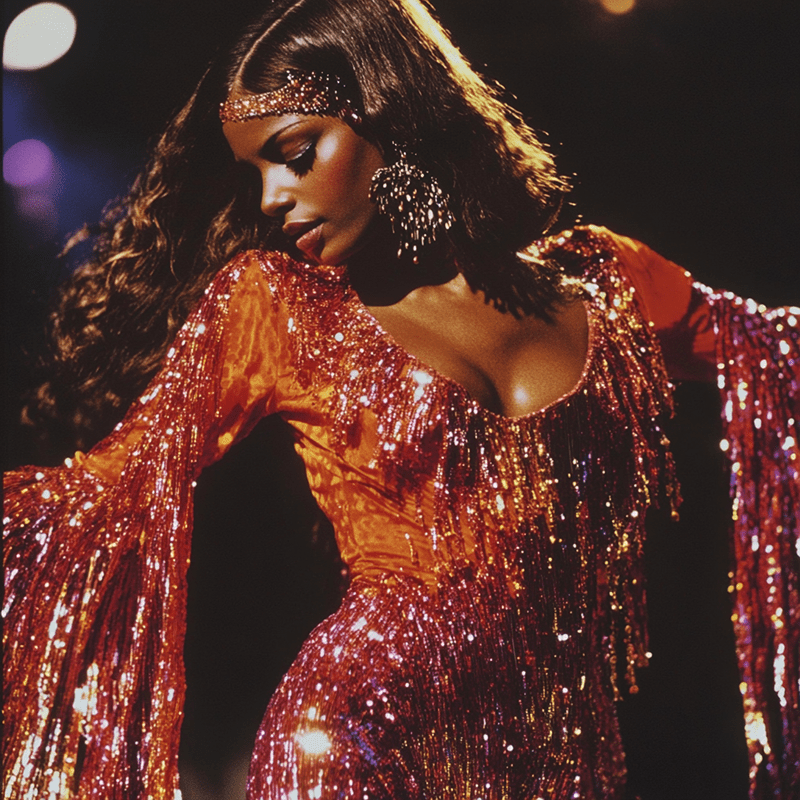
The electrifying beats and rhythms of disco music directly influenced the bold and vibrant fashion choices of the 1970s. Immersing yourself in the energetic music and dance culture, you adopted disco fashion that mirrored the pulsating atmosphere of discotheques.
The vibrant nature of the music was echoed in the bold colors and dazzling textures of disco attire, with sequins and glitter becoming essential elements of your wardrobe. Disco fashion didn't just reflect your love for the music; it was an expression of the hedonistic and carefree spirit that dominated the nightlife scene.
Outfits were flashy and glamorous, designed to catch the light and make you shine on the dance floor. Sequins and glitter added a touch of extravagance, while the vibrant colors ensured you stood out in the crowd. The energetic beats of disco music encouraged you to adopt daring cuts and form-fitting silhouettes, allowing you to move freely and confidently.
Platform shoes, oversized sunglasses, and statement jewelry weren't just accessories but extensions of your personality, enhancing the flamboyant style emblematic of the period. Disco fashion was more than clothing; it was a celebration of freedom and self-expression.
Bold Colors and Fabrics
Disco fashion was characterized by daring colors and bold fabrics, capturing the era's exuberance and spirit of liberation. Neon hues and metallic shades were ubiquitous, symbolizing the period's energy and freedom. The fabrics—polyester, spandex, and lurex—offered both stretch and shine, perfectly aligning with the decade's daring aesthetic.
Four key elements defined disco fashion:
- Daring Colors: Neon hues and metallic shades made bold statements.
- Fabrics: Polyester, spandex, and lurex provided flexibility and sparkle.
- Prints: Psychedelic patterns and geometric shapes reflected a carefree and experimental attitude.
- Silhouettes: Form-fitting styles like wrap dresses and jumpsuits emphasized body positivity and confidence.
These fashion choices were more than just trends; they mirrored deeper social changes. The bold colors and fabrics represented a break from conservative norms, promoting individuality and self-expression. By embracing such daring fashion, people participated in a cultural movement celebrating freedom, experimentation, and a new sense of identity.
Iconic Disco Outfits
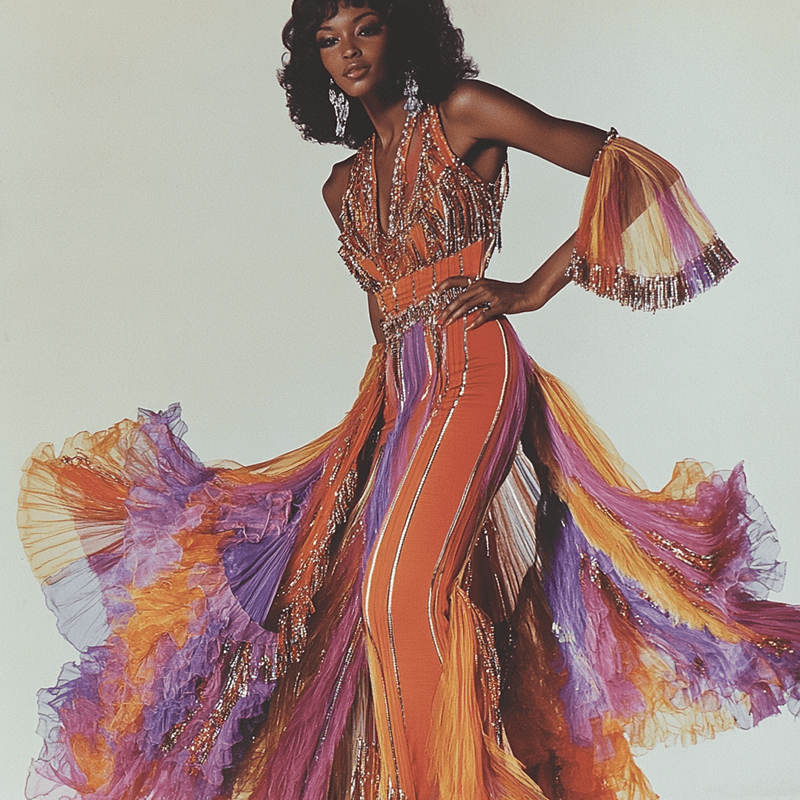
Have you ever imagined stepping into the vibrant world of the 1970s, where iconic disco outfits dazzled with their bright colors, crushed velvet, feathers, and sequins? These glamorous and bold evening wear choices epitomized the flashy fashion of the era.
For women, flowy gowns with halter necklines, minidresses, and hot pants made loud statements on the dance floor. Men embraced form-fitting suits and trousers, showcasing a blend of sophistication and glamour that was unmistakable.
Disco outfits were all about self-expression, allowing individuals to flaunt their unique styles extravagantly. Chic layers, funky patterns, and wrap-style dresses reflected a time focused on liberation and breaking away from traditional norms.
Accessories played a significant role as well. Dangly earrings and stacked bangles added extra glitz, enhancing the overall disco look. These outfits symbolized the freedom and exuberance of the 70s, transforming ordinary evenings into dazzling nights of dance and celebration. Ready to channel your inner disco diva?
Platform Shoes and Accessories
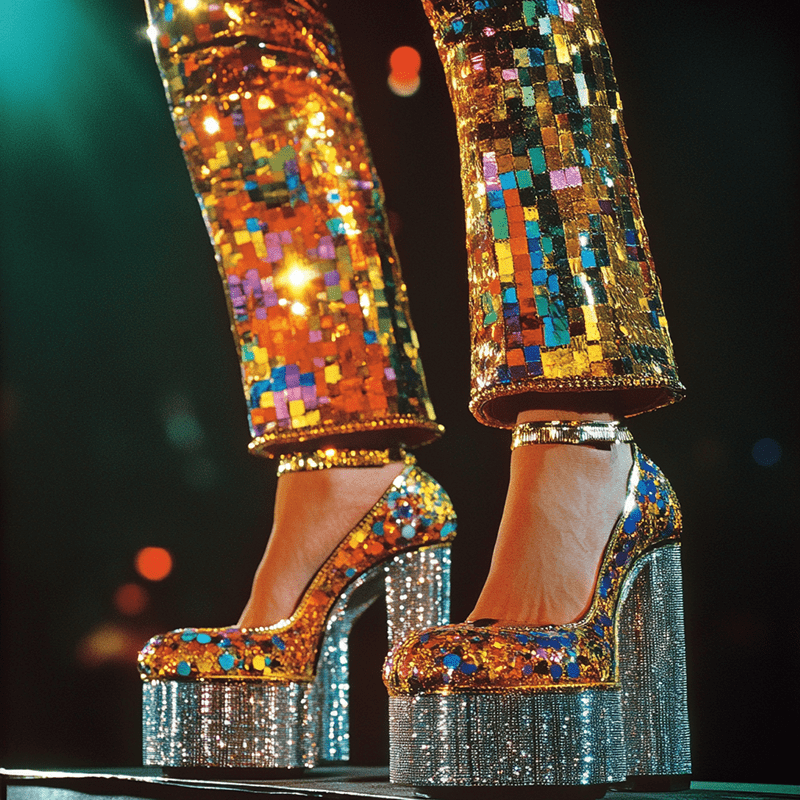
Disco fashion would be incomplete without acknowledging the bold statements made by platform shoes and flamboyant accessories. These towering shoes and vibrant adornments transcended gender norms, becoming cultural icons. They epitomized the extravagant spirit of the disco era, ensuring every outfit made a striking impression.
Bold Footwear Statements
Towering platform shoes were essential for anyone wanting to make a bold statement on the disco dance floor in the 1970s. These iconic pieces of disco fashion didn't just add height; they symbolized empowerment and confidence. Strutting in platform shoes made you feel larger-than-life, ready to own the dance floor and embrace the social changes of the time.
Disco fashion in the 1970s was about more than just appearance; it was about making a statement. Platform shoes, with their glittery, metallic, or brightly colored finishes, were the perfect bold footwear choice to complement flashy disco outfits. They reflected a desire for self-expression and individuality, mirroring the broader societal shifts toward liberation and personal freedom.
Key elements that made platform shoes a disco staple included:
- Height: Heels of up to 4-6 inches gave an elevated presence.
- Design: Glittery, metallic, and brightly colored finishes made them visually striking.
- Accessories: Chunky platform sandals and shoes with colorful embellishments matched flamboyant disco attire.
- Symbolism: They represented empowerment, confidence, and a break from traditional norms.
Celebrate the bold footwear statements of the 1970s disco era and feel the empowerment they brought to the dance floor.
Gender-Bending Styles
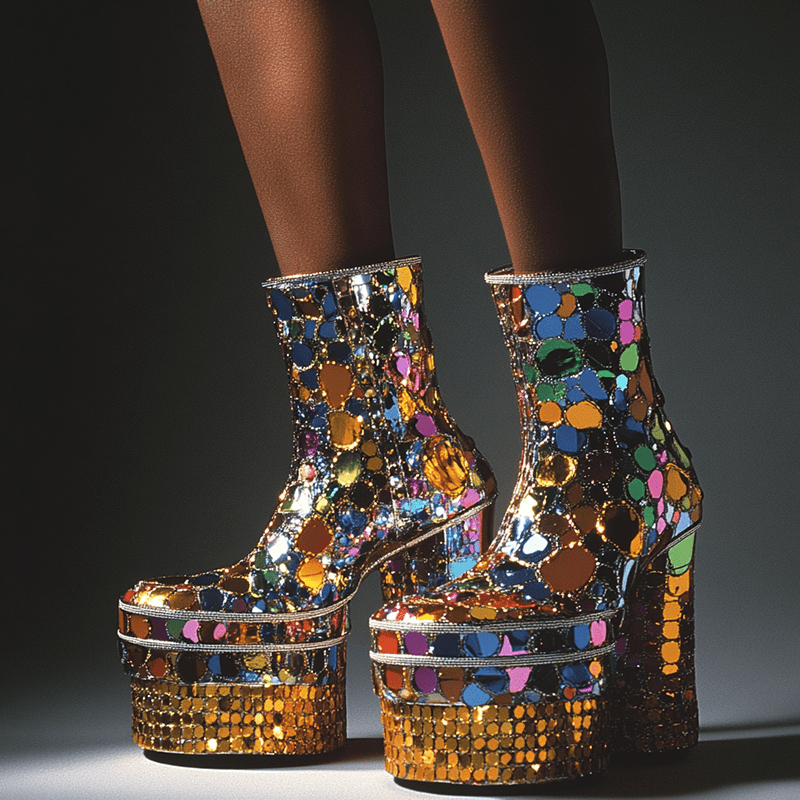
Platform shoes not only made bold fashion statements but also challenged traditional gender norms, with both men and women embracing these elevated and flamboyant styles. During the disco era, these shoes symbolized unisex fashion, enabling everyone to adopt a more gender-neutral wardrobe. The high, chunky soles elevated your look—both literally and figuratively—pushing the boundaries of self-expression.
Bold accessories were integral to this movement. Oversized sunglasses, chunky jewelry, and colorful scarves added a touch of glamour and extravagance to any outfit. Whether it was a metallic belt or oversized hoop earrings, the key was to stand out and blur the gender lines. Feather boas and sequined headbands added a playful and extravagant touch, reflecting the period's acceptance of flamboyant styles.
Wide-brimmed hats and statement belts were also popular unisex choices, enhancing the androgynous appeal of disco fashion. These accessories weren't just about aesthetics; they were about making a statement against rigid gender norms. By adopting these bold and flashy elements, individuals contributed to a broader social shift towards greater individuality and self-expression.
Cultural Influence Symbols
Disco fashion's iconic platform shoes and bold accessories epitomized the 1970s' spirit of extravagance and self-expression. These items transcended mere fashion statements; they were powerful symbols of the era's cultural influence and social transformations.
Platform shoes, with their elevated soles, not only emphasized bold and extravagant styles but also allowed wearers to stand out and express their individuality. The added height symbolized a social elevation, reflecting a vibrant attitude toward life and fashion.
Accessories were equally significant in disco fashion, encapsulating the same themes. Metallic and shiny fabrics mirrored the disco era's love for glitz and glamour, symbolizing a collective desire for opulence and extravagance.
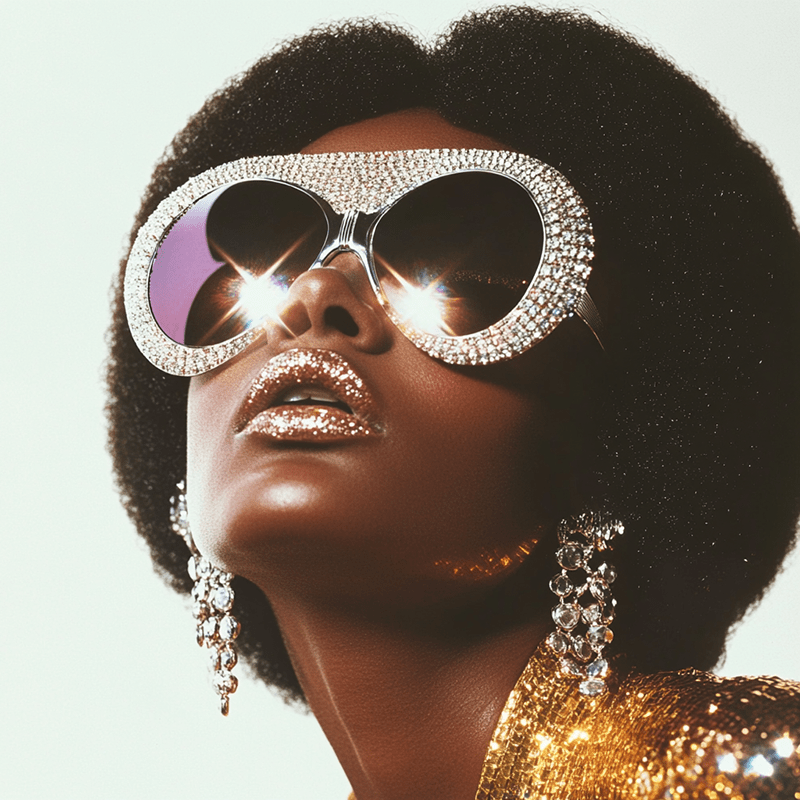
Key accessories that contributed to the disco vibe included:
- Oversized Sunglasses: These exaggerated frames served as statements of self-expression and individuality.
- Chunky Jewelry: Bold and eye-catching, these pieces highlighted the era's celebration of extravagant styles.
- Sequined Headbands: Adding a touch of sparkle, these headbands symbolized the vibrant and playful attitude of the 1970s.
- Disco Ball Earrings: Reflecting light and attention, these accessories paid homage to the era's love for dance and social interaction.
Disco and Social Liberation
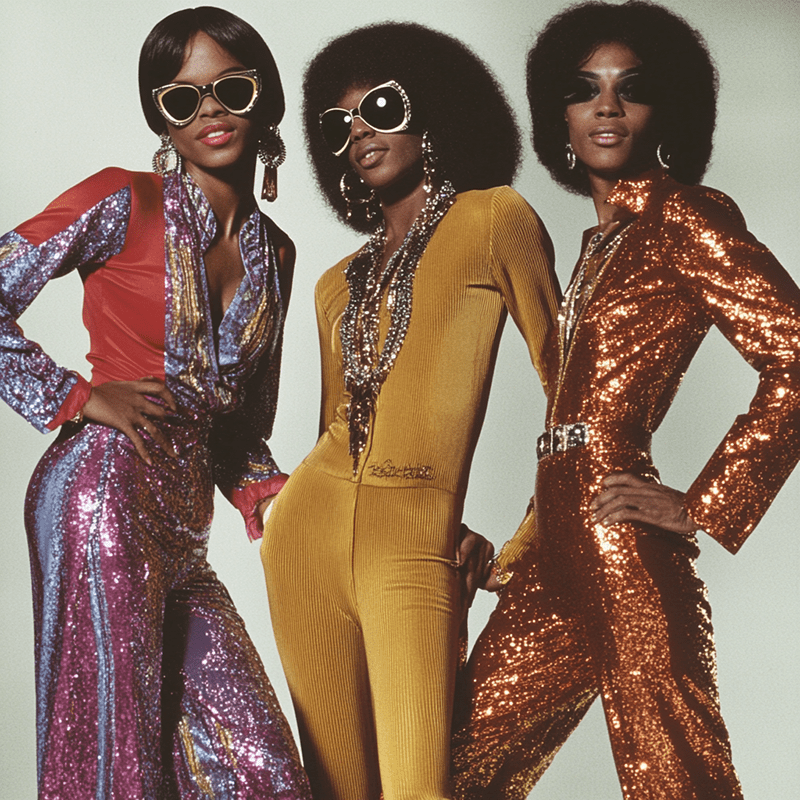
Disco fashion in the 1970s epitomized the era's social liberation and quest for self-expression. It wasn't merely about clothes but a vibrant reflection of significant social changes. People embraced flamboyant styles featuring bold colors, sequins, and dramatic silhouettes as powerful statements of individuality and freedom. By donning these eye-catching outfits, individuals showcased their hedonistic lifestyles and the cultural shift towards a more liberated society.
Promoting inclusivity and diversity, disco fashion invited everyone to the dance floor. Whether you preferred glamorous jumpsuits or shimmering mini dresses, the disco scene catered to various tastes, allowing people to express their unique identities and break free from traditional fashion norms.
The flashy and extravagant nature of disco fashion also offered a form of escapism. Wearing sparkling outfits wasn't just about dressing up; it was about celebrating a carefree, party-centric lifestyle. This fashion movement provided a respite from societal pressures, encouraging people to revel in the moment and embrace a sense of freedom and joy.
Breaking Fashion Traditions
By adopting bold colors, sequins, and glitter in everyday clothing, 1970s disco fashion shattered traditional norms and redefined what it meant to dress up. This vibrant and daring style reflected significant societal changes, where freedom and self-expression became central themes. People used disco fashion as a form of celebration, breaking free from conservative dress codes and embracing a more open and expressive society.
Disco fashion's departure from tradition can be seen in several key ways:
- Bold Colors: Bright and unconventional color combinations replaced the muted tones of previous decades, symbolizing a break from the past.
- Sequins and Glitter: Sparkling elements in clothing became everyday attire, representing a shift towards glamour and excess.
- Platform Shoes: These towering footwear choices emphasized individuality and a carefree lifestyle, challenging conventional fashion norms.
- Flamboyant Styles: Revealing silhouettes and flashy accessories embodied the period's hedonistic and escapist ethos.
These elements of disco fashion weren't just about aesthetics; they were about celebrating individuality and freedom. The emphasis on bold self-expression mirrored the cultural shift towards a more liberated and joyous approach to life in the 1970s.
Nightclubs and Fashion Statements
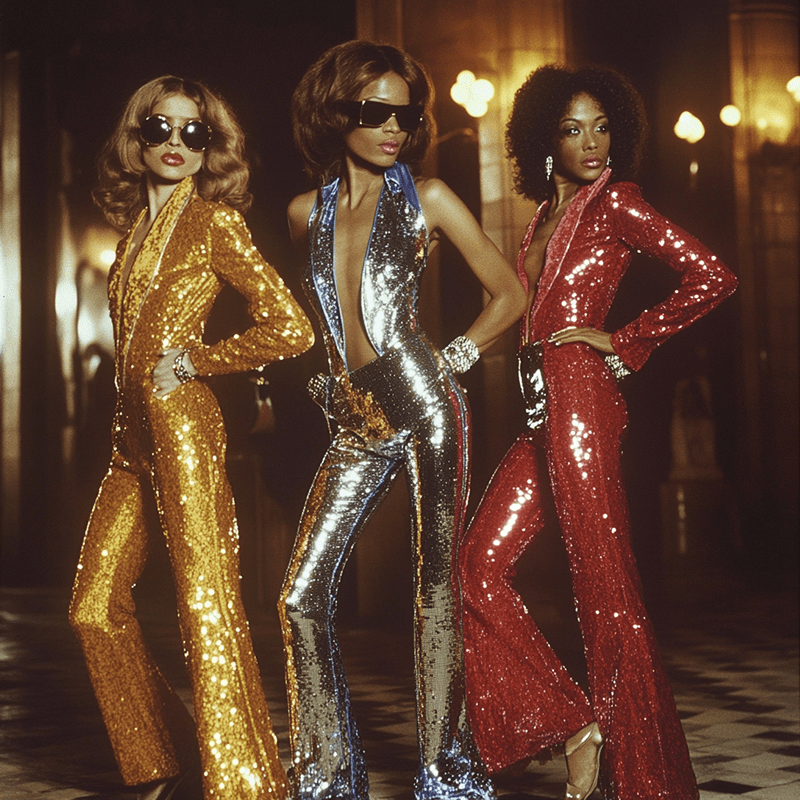
Stepping into a 1970s nightclub, you were immediately captivated by the vibrant dance floor attire. Bold colors, sequins, and glitter weren't just trends; they were bold statements of self-expression and liberation. Gender-bending styles also emerged, breaking traditional fashion barriers and embracing inclusivity.
Vibrant Dance Floor Attire
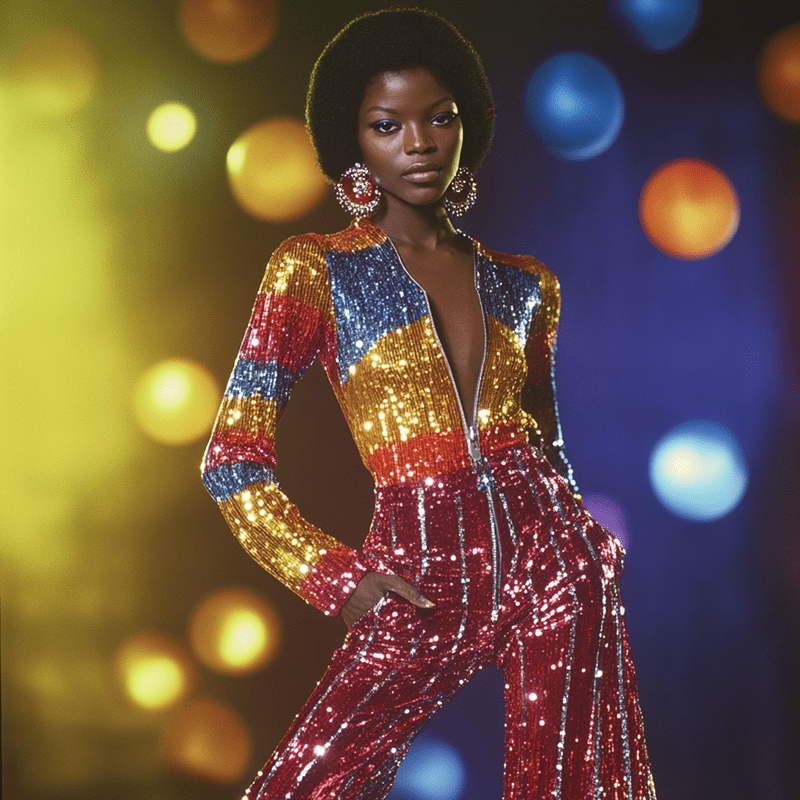
Step onto a 1970s disco dance floor, and you'll find yourself immersed in a sea of vibrant, eye-catching attire that epitomizes self-expression and liberation. Disco fashion made a statement with its dazzling outfits, designed to catch the nightclub lights. Sequins and glitter adorned many garments, reflecting the era's flamboyant and exuberant spirit. Bold colors were a staple, ensuring you couldn't help but be noticed.
The dance floor was a realm where body-hugging silhouettes reigned supreme, highlighting the wearer's freedom and confidence. Platform shoes added height and drama, making every step feel like part of a performance. Extravagant accessories such as oversized sunglasses, chunky jewelry, and flashy belts were essential to complete the look.
Key elements of vibrant dance floor attire included:
- Sequins and Glitter: Essential for catching the light and drawing attention.
- Bold Colors: From electric blues to fiery reds, bold colors were everywhere.
- Body-Hugging Silhouettes: Outfits that accentuated curves and physique.
- Platform Shoes: Elevated footwear that added flair to every dance move.
Disco fashion wasn't just about looking good; it was about celebrating hedonism, inclusivity, and breaking free from societal norms.
Gender-Bending Style Trends
In the pulsating heart of 1970s nightclubs, gender-bending style trends shattered traditional fashion norms and celebrated individuality. Disco fashion led this revolution, with men and women alike donning flamboyant outfits that defied conventional gender roles. Men sported glittery shirts, tight pants, and towering platform shoes, while women flaunted sequined dresses and bold makeup. The nightclub fashion scene became a vibrant canvas for self-expression, where societal norms were challenged and redefined.
The androgynous styles prevalent in disco clubs symbolized a broader cultural shift, with people embracing clothing that allowed them to express their true selves without fear of judgment. This period of disco fashion promoted inclusivity, encouraging everyone to celebrate their unique sense of style. It wasn't just about looking good on the dance floor; it was about making a statement and pushing boundaries.
These daring and extravagant choices reflected a growing desire for freedom and authenticity. By breaking free from conventional fashion rules, individuals showcased their individuality and contributed to a more accepting and diverse society. Disco fashion's gender-bending style trends were a powerful indication of the transformative social changes of the 1970s.
Lasting Impact on Modern Style
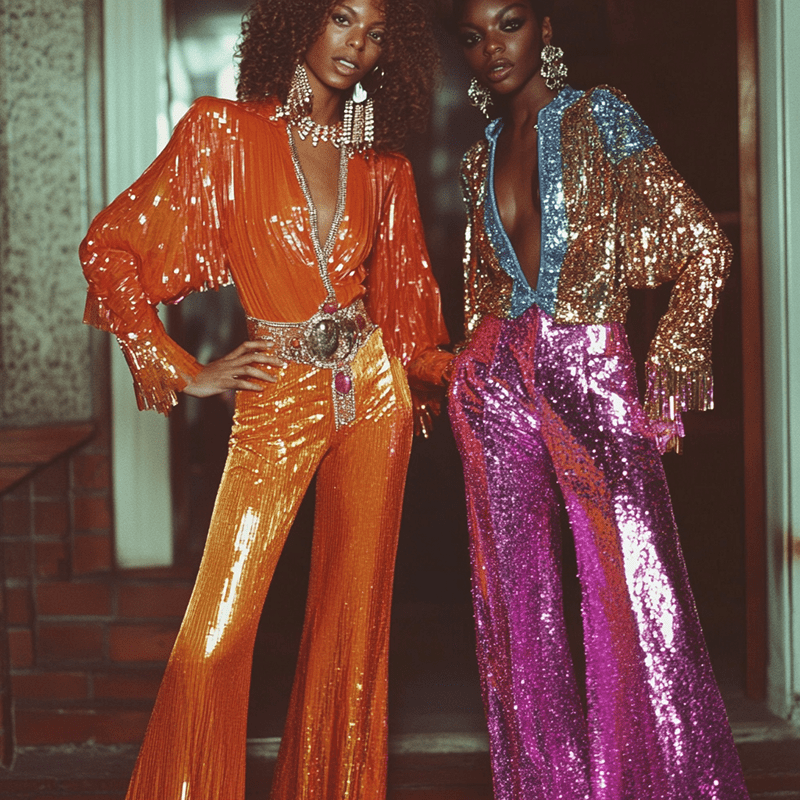
The vibrant and extravagant fashion of the 1970s disco era continues to significantly influence contemporary style. Disco fashion, characterized by bold colors, shiny fabrics, and flashy details, reflected the social changes of the 1970s and has indelibly shaped modern fashion. Contemporary designers frequently draw inspiration from the disco era's daring and glamorous aesthetics, integrating bold colors and gender-neutral elements into their collections.
Accessories, a hallmark of disco fashion, have also made a resurgence. Dangly earrings and stacked bangles, once essential in the 1970s, are now prominent in modern wardrobes. The influence of disco fashion on present-day style is evident in various aspects:
- Evening Wear: Disco-inspired party dresses featuring bright colors, sequins, and crushed velvet.
- Gowns and Minidresses: Flowy gowns with halter necklines and minidresses continue to inspire designers.
- Accessories: Dangly earrings and stacked bangles are popular once again.
- Gender-Neutral Fashion: The androgynous styles of the disco period help blur gender boundaries in contemporary fashion.
These elements highlight how the disco era's fashion continues to shape and influence modern style.
Conclusion
By embracing disco fashion, individuals championed the social changes of the 1970s. They celebrated freedom with bold colors, broke gender norms with androgynous styles, and danced to the rhythm of self-expression.
Outfits weren't merely clothes; they were statements of individuality and rebellion. Adopting iconic disco looks was more than following a trend—it was becoming part of a movement that challenged and reshaped societal norms, leaving a lasting impact on modern style.