How Did Nerds Transition From Marginalized to Mainstream?
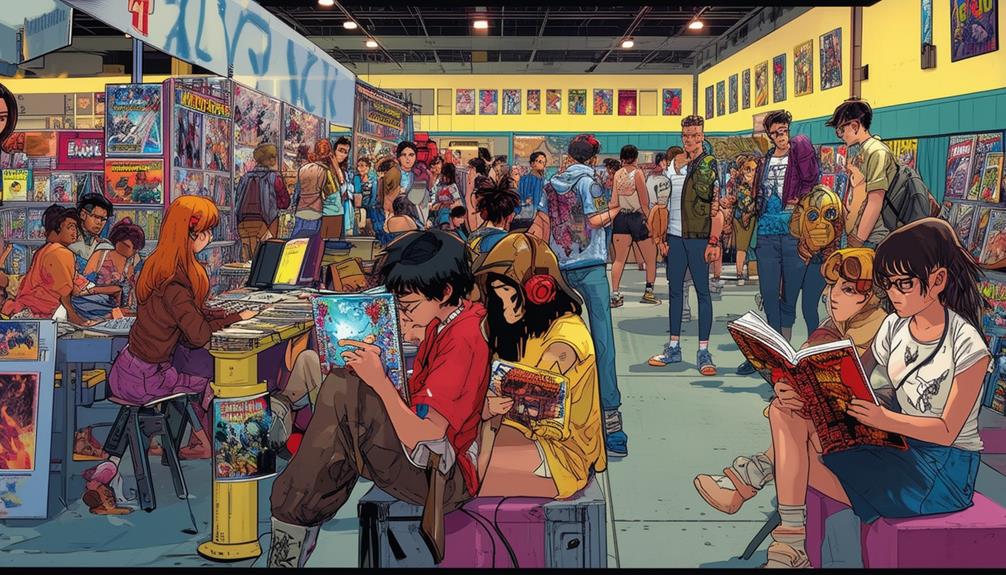
Nerds transitioned from the fringes of society to mainstream acceptance through a series of interconnected changes. TV shows like 'The Big Bang Theory' helped to normalize geek culture, while tech icons like Steve Jobs made technology both cool and ubiquitous. Comic Cons played a significant role in bringing fans together and celebrating nerd culture. Online communities also fostered this evolution by providing spaces for like-minded individuals to connect and share their passions.
Let's explore these factors to understand this fascinating shift.
Historical Context
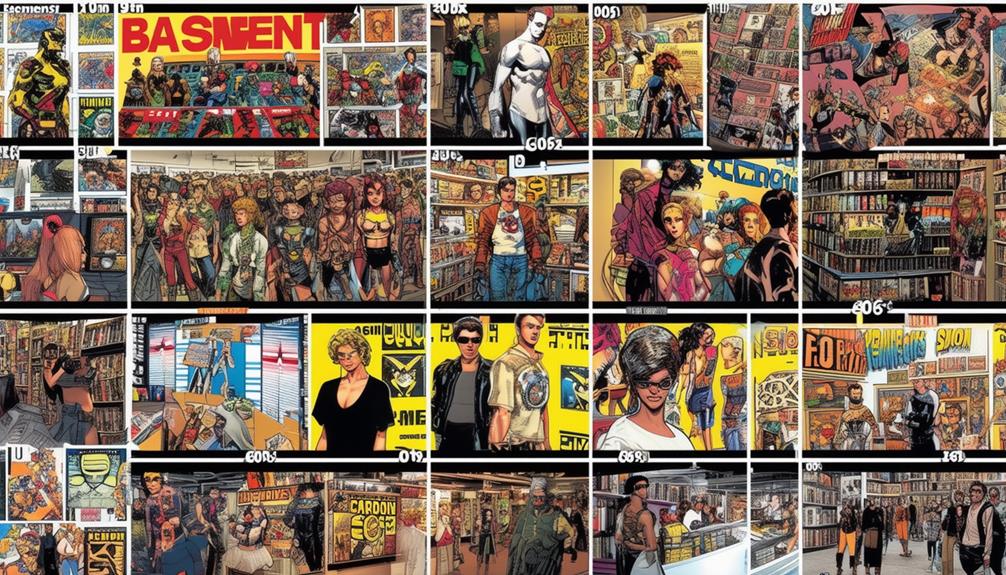
In the 1970s, nerd culture began to coalesce around interests like sci-fi, fantasy, and gaming. Despite this emerging community, society largely marginalized these hobbies. Mainstream industries often stigmatized them, leading to bullying and social isolation for enthusiasts. Those passionate about financially unrewarding hobbies like comic books and role-playing games were frequently undervalued.
The term 'nerd,' popularized by Dr. Seuss, captured this socially awkward yet intellectually curious persona. During this era, real estate and entertainment were booming, making hobbies like gaming and sci-fi seem trivial by comparison. However, conventions like Comic Con provided a haven for these interests. These events offered supportive spaces where people could share their love for comics, science fiction, and fantasy without judgment.
Comic Con became an essential community hub, allowing nerd culture to thrive despite societal pressures. It wasn't just a meeting place but a sanctuary where like-minded individuals could celebrate their passions openly. By fostering such environments, the early nerd culture laid the groundwork for broader acceptance and eventual mainstreaming in subsequent years.
Nerd Culture in Media
As nerd culture found sanctuary in conventions like Comic Con, its growing visibility in media began reshaping these once-marginalized interests into celebrated mainstream phenomena. Blockbuster films started featuring nerdy protagonists who were previously bullied outcasts. This change began with the success of movies like Iron Man, where the nerdy archetype was redefined as cool and intelligent.
Subscription services now cater to nerdy preferences, reflecting the shift from stigmatization to mainstream acceptance of nerdy hobbies. Shows like 'The Big Bang Theory' and films from the Marvel Cinematic Universe have brought nerd culture into pop culture, making it more accessible and relatable.
Here's a breakdown of how nerdy elements have infiltrated pop culture:
| Element | Example |
|---|---|
| Sci-Fi & Fantasy | 'Star Wars,' 'Harry Potter' |
| Superheroes | Marvel and DC films |
| Gaming | 'Stranger Things,' esports coverage |
| Tech Innovators | Portrayals of Steve Jobs, Bill Gates |
Tech giants like Steve Jobs and Bill Gates also brought nerd culture to the forefront by transforming personal computers and popularizing gaming. Their influence, combined with the media's acceptance of nerdy themes, has facilitated the shift of nerd culture from marginalized to mainstream.
Rise of Comic Cons
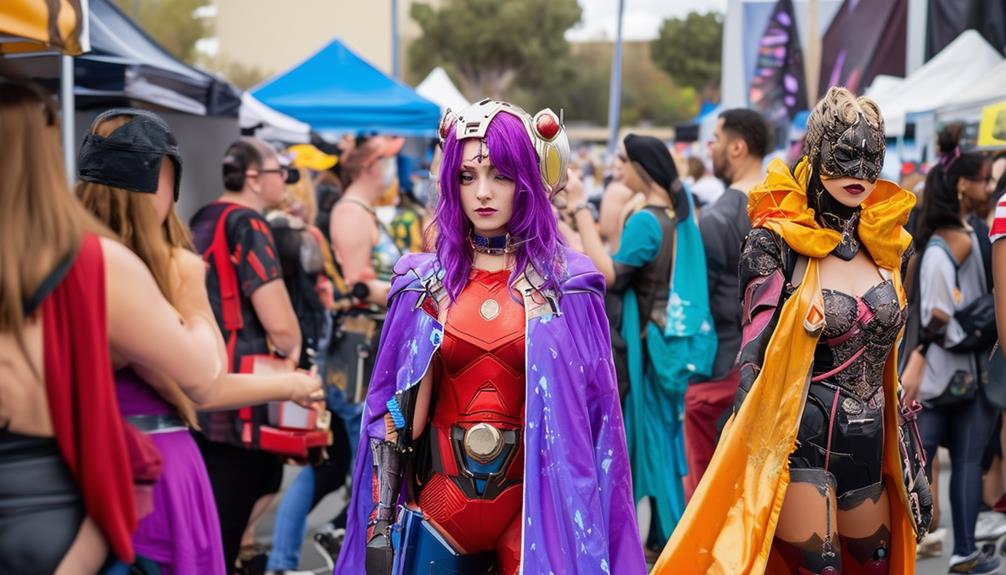
Comic Cons have surged in popularity, drawing both fans and celebrities.
These events now celebrate more than just comics; they're vibrant showcases for cosplay and major celebrity appearances.
Featuring top stars and elaborate costumes, Comic Cons have become a cornerstone of mainstream entertainment.
Popularity of Cosplay
Comic Cons have surged in popularity, drawing millions of fans who revel in the art of cosplay. Events like San Diego Comic-Con magnetically pull attendees who don intricate costumes of their favorite fictional characters. Cosplay transcends mere costume-wearing; it involves embodying a character, showcasing creativity, and connecting with like-minded individuals.
At Comic Cons, cosplayers participate in competitions that highlight their craftsmanship and dedication. These contests are now major attractions, providing a platform for fans to display their detailed and imaginative creations.
Social media has significantly contributed to the spread of cosplay awareness, enabling enthusiasts to share their work globally and inspire others to join the community.
Comic Cons offer a welcoming space for expressing love for pop culture without judgment. They've evolved into cultural phenomena where fans celebrate their interests openly. By dressing up and stepping into the shoes of beloved characters, attendees become active participants in a vibrant, inclusive community.
Celebrity Appearances Increase
Celebrity appearances at Comic Cons have surged, drawing fans from all over and transforming these events into must-attend spectacles. The allure of seeing your favorite actors from popular franchises up close is undeniable. These celebrity appearances haven't only legitimized nerd culture but have also attracted mainstream attention, blurring the lines between niche and popular entertainment.
Attending a Comic Con offers the unique opportunity to interact with actors who bring beloved characters to life. Celebrity panels provide in-depth insights into the making of your favorite shows and movies, while autograph sessions offer memorable keepsakes and personal interactions. These experiences foster a sense of community and shared enthusiasm among fans.
The rise of celebrities at Comic Cons has greatly contributed to the normalization and acceptance of nerd culture in mainstream society. By participating in these events, celebrities endorse the culture, making it more accessible to everyone. Consequently, what was once a marginalized interest has now become a celebrated mainstream phenomenon, largely thanks to the influential presence of celebrities at these iconic conventions.
Tech Industry Influence
The rise of Silicon Valley is inseparable from the influence of tech visionaries like Steve Jobs and Bill Gates. Their innovations not only revolutionized technology but also popularized nerd culture, making it a mainstream phenomenon.
These industry leaders impacted various aspects of society, including fashion and entertainment.
Rise of Silicon Valley
The rise of Silicon Valley in the 1970s and 1980s, driven by tech giants like Apple and Microsoft, revolutionized personal computing and shifted the perception of nerds from outcasts to influential innovators. Silicon Valley emerged as a hub for technological innovation, providing fertile ground for talents like Steve Jobs and Bill Gates. They didn't just create products; they transformed how people interacted with technology.
Steve Jobs and the Apple II played a pivotal role in this transformation. The sleek design and user-friendly interface of Apple's products made computing accessible to the average person. Similarly, Bill Gates' work with Microsoft ensured that personal computers became fundamental household items. These innovations brought nerd culture into the spotlight.
The influence of these tech giants extended beyond their products. The charisma and forward-thinking of pioneers like Jobs turned them into cultural icons. As a result, nerd culture began to be seen as not just acceptable, but aspirational. Silicon Valley's success stories demonstrated that being a nerd could lead to significant societal impact, thereby normalizing and celebrating nerd culture in the mainstream.
Tech Billionaire Celebrities
Tech billionaire celebrities like Elon Musk and Mark Zuckerberg have fundamentally changed how society perceives and engages with technology. These individuals aren't merely leaders of tech enterprises but cultural icons whose influence extends beyond their industries.
Elon Musk's ventures, including Tesla and SpaceX, have brought space exploration and electric vehicles into mainstream conversation. His active presence on social media has also made technological advancements more accessible and exciting to the general public.
Similarly, Mark Zuckerberg's creation of Facebook revolutionized social interaction, enabling billions to connect online. The platform's influence on daily life is significant, affecting social norms and even political landscapes.
Steve Jobs and Bill Gates laid the foundation for this transformation. Jobs revolutionized personal computing with Apple, making technology both desirable and user-friendly. His charisma and vision popularized nerd culture. Meanwhile, Gates' success with Microsoft underscored the importance of software, making computers indispensable.
These tech giants have turned their companies into household names, shifting nerd culture from the margins to the mainstream. In doing so, they've shown that technological innovation is for everyone, changing society's perception of what it means to be a 'nerd.'
Popular TV Shows
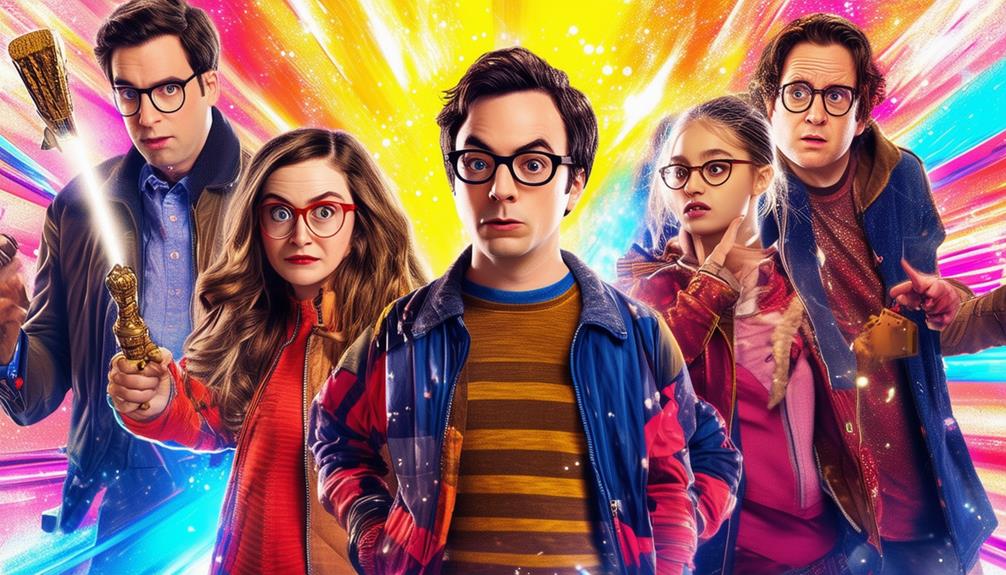
TV shows like 'The Big Bang Theory' and 'Stranger Things' have played pivotal roles in bringing nerd culture into the mainstream. 'The Big Bang Theory' portrayed nerds as central characters, with individuals like Sheldon Cooper and Leonard Hofstadter becoming iconic symbols of geek culture. The show's popularity helped break down stereotypes by showcasing nerds' intelligence and quirks in a comedic and endearing light. This shift made it cool to be smart and passionate about comic books, science, and technology.
'Stranger Things' took a different yet equally impactful approach by focusing on a group of nerdy kids who become heroes. The show resonated deeply with audiences by highlighting the power of geek culture and its triumph in the face of adversity. This narrative gave nerds a heroic, relatable image, further erasing negative stereotypes.
Additionally, shows like 'Rick and Morty' have combined intelligence, humor, and sci-fi elements, appealing to a broad audience. These TV shows have collectively contributed to the mainstream acceptance and celebration of nerd culture, making it a prominent part of modern entertainment.
Blockbuster Movies
Building on the momentum created by TV shows, blockbuster movies in the 1990s like 'The Matrix' and 'The Mummy' played a significant role in bringing nerd culture to a mainstream audience. These films, with their intricate plots and groundbreaking special effects, appealed to both die-hard fans and casual moviegoers, leading to the sci-fi and fantasy genres gaining unprecedented visibility and acceptance.
Iconic releases such as 'Star Wars: Episode I' and 'The Sixth Sense' further captured the attention of a wider audience, making once-niche interests more popular. This shift was pivotal in changing the perception of nerds from marginalized to mainstream.
Here are three key ways blockbuster movies contributed to this transformation:
- Wider Appeal: The success of films like 'The Matrix' demonstrated that complex, nerdy themes could captivate a broad audience.
- Cultural Impact: Blockbuster hits created shared cultural moments, integrating nerdy interests into everyday conversation.
- Increased Visibility: The popularity of these movies shone a spotlight on nerd culture, normalizing it.
Online Communities
Online communities have revolutionized how enthusiasts connect and share their passions. They offer essential spaces where individuals can engage with like-minded people to discuss niche topics that mightn't be popular in their immediate social circles. Platforms such as Reddit, forums, and chat rooms have become indispensable for enthusiasts to bond over shared interests, whether it's a love for obscure sci-fi series or in-depth explorations into complex video games.
Online gaming communities, particularly those centered around MMORPGs like World of Warcraft, have also played a significant role. These virtual worlds provide more than just gameplay; they serve as social hubs where players can form lasting friendships and collaborate on in-game missions. The sense of belonging in these spaces is invaluable.
Additionally, specialized websites and blogs cater to specific interests, creating a rich tapestry of content that celebrates enthusiast culture. Whether you're into comic books, tech gadgets, or anime, there's a dedicated corner of the internet for you.
The internet has been crucial in mainstreaming enthusiast culture by connecting people worldwide, amplifying their voices, and showcasing the depth and diversity of their interests.
Fashion and Trends
As you connect with fellow enthusiasts online, you'll notice that nerd culture has made a significant impact on fashion and trends. What once was characterized by pocket protectors and oversized glasses has evolved into something much more stylish. Now, trendy graphic tees, geek chic accessories, and cosplay outfits dominate the scene.
Online platforms like Pinterest and Instagram have played a pivotal role in popularizing nerd-inspired fashion. They allow enthusiasts to showcase their unique styles and find inspiration from others. You can see this influence in the rise of retro video game and superhero-themed clothing. It's not just about wearing your fandom; it's about celebrating it in style.
Here's a closer look at how nerd culture has influenced fashion trends:
- Graphic Tees: From classic Marvel heroes to obscure anime references, graphic tees have become a staple.
- Cosplay: Events like Comic-Con have brought elaborate costumes into the spotlight, influencing everyday fashion.
- Exclusive Collaborations: Mainstream brands partner with geek culture icons to create limited-edition clothing lines.
These trends show that nerd culture isn't just mainstream; it has become a driving force in the fashion world.
Acceptance and Inclusion
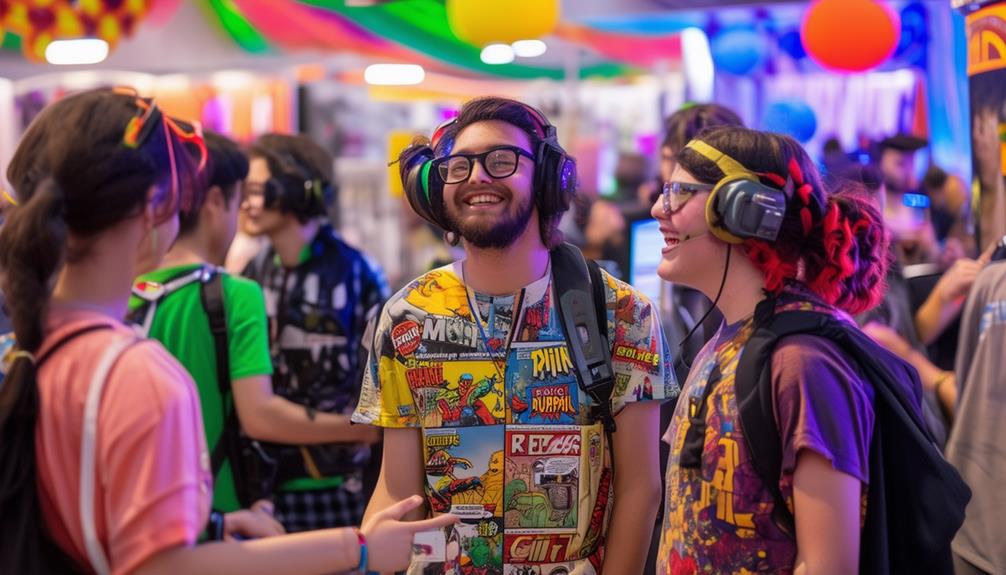
The rise of nerd culture to mainstream popularity has created a welcoming environment for marginalized groups, offering a sense of belonging and acceptance. Technology has played a pivotal role in this transformation, with platforms like social media and streaming services making nerd culture more accessible. These platforms enable the formation of communities that celebrate shared interests in gaming, comics, and science fiction, effectively diminishing the old stigma associated with the term 'nerd.'
Events like Comic Con have evolved beyond mere gatherings for comic book enthusiasts. They've become inclusive spaces that celebrate diversity in all its forms. These events feature cosplayers of various backgrounds, genders, and orientations, showcasing the acceptance and inclusivity that now characterize nerd culture. Attendees have the opportunity to meet like-minded individuals, fostering a strong sense of community.
The normalization of terms like 'geek' and 'nerd' signifies a significant shift in societal attitudes. What was once a label of exclusion is now a badge of honor. This broader acceptance helps individuals feel included, breaking down barriers and promoting a sense of unity among those who may have once felt marginalized.
Conclusion
Nerds transitioned from marginalized to mainstream through a confluence of media representation, technological innovation, and community building. TV shows and blockbuster movies began celebrating geek culture, while events like Comic Cons and online platforms provided inclusive spaces for enthusiasts.
Tech icons such as Steve Jobs and Bill Gates made being a nerd fashionable. Even fashion trends adopted the nerdy aesthetic. These combined elements have transformed nerd culture into a mainstream phenomenon, ensuring its lasting presence.