How Does Miami's Cuban Culture Impact Hollywood Films?
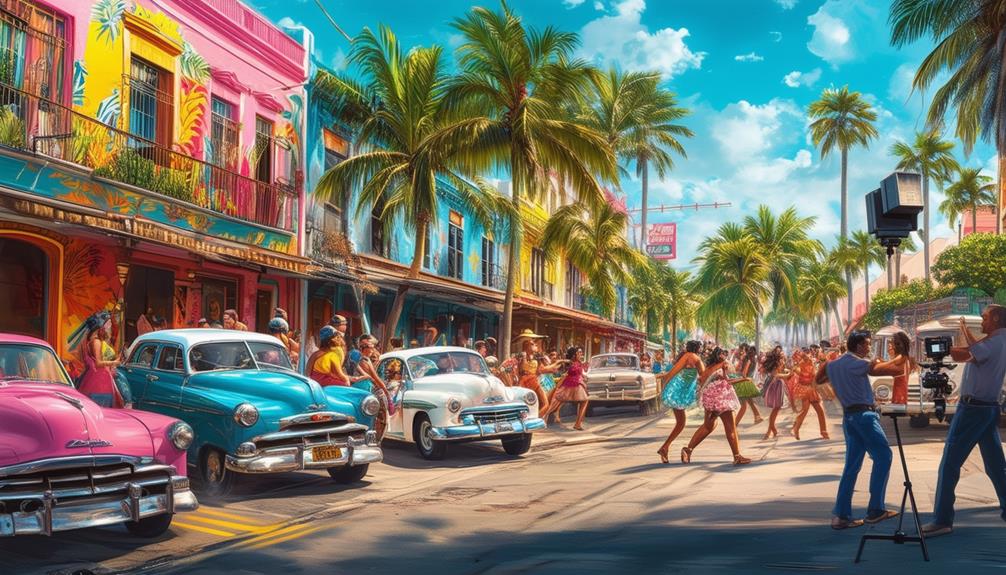
Miami's Cuban culture significantly shapes Hollywood films, enriching them with vibrant, authentic elements. Little Havana's colorful murals, the rhythms of salsa, and close-knit family dynamics provide an irreplaceable backdrop. Characters rooted in Cuban heritage add depth, creating multi-layered stories.
These cultural elements influence storytelling and character development, offering more than mere aesthetics. This interplay between culture and cinema is complex and fascinating, inviting deeper exploration.
Cuban Characters in Films
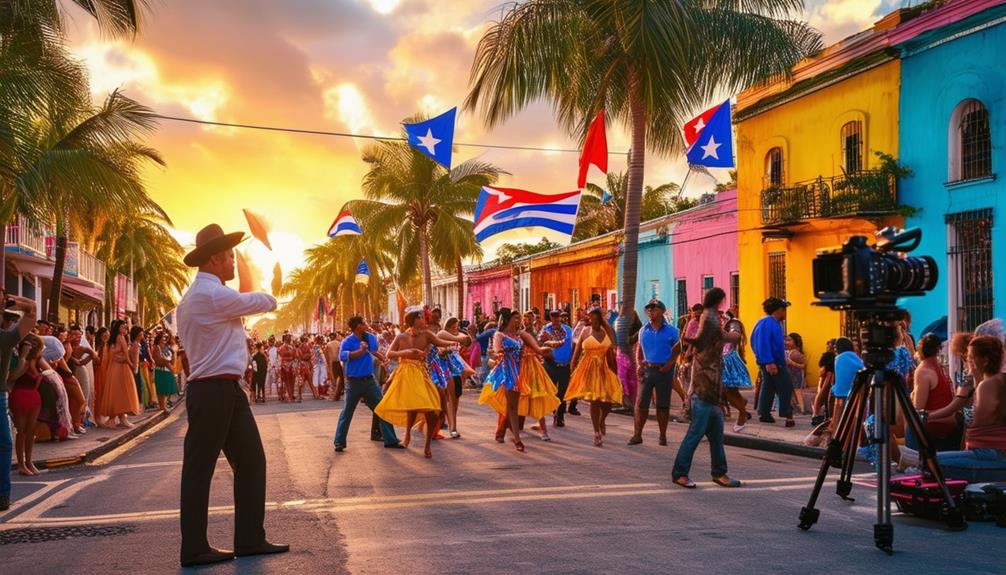
Miami's Cuban culture significantly influences how Cuban characters are portrayed in Hollywood films. The vibrant community in Miami often serves as a backdrop, lending authenticity and depth to these portrayals. This influence allows filmmakers to depict Cuban characters in ways that feel genuine, reflecting the real-life experiences of Cuban immigrants in Miami.
In Hollywood films, Cuban characters frequently mirror the cultural richness and diversity found in Miami's Cuban community. This is evident in details such as music, food, and interactions among characters. These elements don't merely add color; they ground the characters in a reality that audiences can connect with. The rich cultural heritage of Miami's Cuban populace provides filmmakers with a well of inspiration, enabling them to create multidimensional characters that resonate with viewers.
Moreover, Miami's Cuban culture infuses Hollywood films with a sense of place and identity. When a Cuban character appears on screen, their depiction is often influenced by the real-life dynamics of Miami's Cuban community. This connection enriches the narrative and ensures that the portrayal remains respectful and accurate.
Little Havana on Screen
When Hollywood films set their scenes in Miami, Little Havana's vibrant streets and rich Cuban culture often take center stage. The neighborhood's cultural representation is crucial for capturing the authentic essence of Cuban life on screen.
Authentic Cuban Imagery
Step into Little Havana on screen, and you'll instantly feel the vibrant pulse of authentic Cuban culture. Hollywood frequently spotlights Little Havana to depict the genuine spirit of Cuba, bringing to life its lively streets and dynamic atmosphere. Calle Ocho, the iconic 8th Street, often serves as the heart of these cinematic experiences, embodying the essence of Cuban American life.
Filmmakers love using Little Havana as a backdrop because it adds undeniable authenticity to their scenes. Whether it's bustling markets, lively music venues, or traditional Cuban restaurants, the neighborhood offers a rich tapestry of authentic Cuban imagery. This setting allows viewers to immerse themselves fully in the sights and sounds that define Cuban heritage.
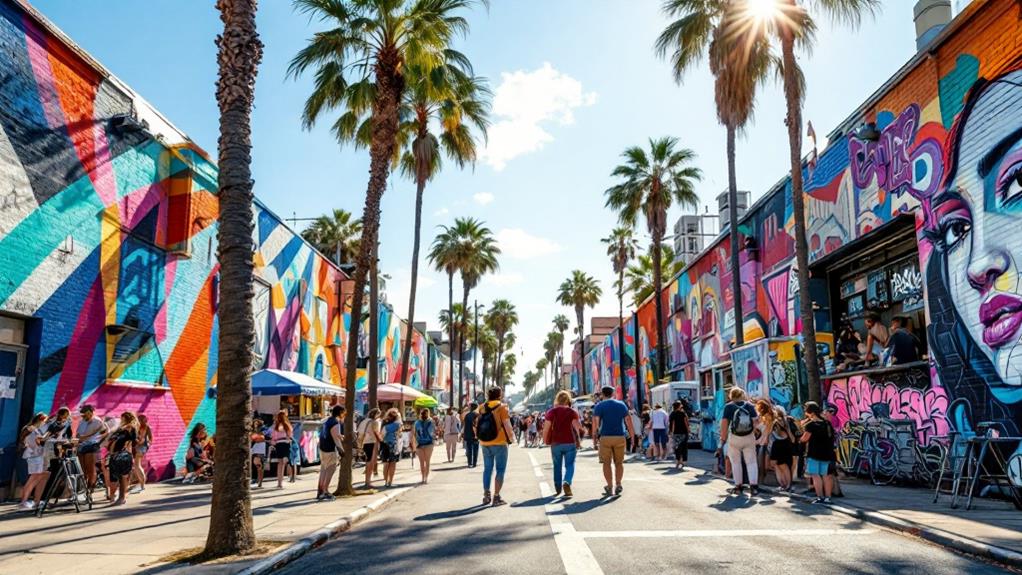
You can almost hear the rhythmic beats of salsa music and smell the aroma of Cuban cigars when watching a scene filmed in Little Havana. The vibrant murals, active domino parks, and unique shops all contribute to a cultural experience that feels genuinely Cuban.
Cultural Representation Importance
Through Hollywood's lens, Little Havana's on-screen representation underscores the importance of cultural heritage. Hollywood films set in this vibrant Miami neighborhood do more than entertain; they introduce audiences to the rich tapestry of Cuban culture. This cultural impact extends beyond the screen, providing a glimpse into the heart of Miami's Cuban community.
Preservation of Heritage: Hollywood films set in Little Havana help preserve Cuban identity and history. They showcase traditions, from lively music to iconic cuisine, ensuring these cultural elements remain visible and celebrated globally.
Educational Insight: These films offer valuable insights into Miami's rich Cuban heritage. By depicting everyday life, they educate audiences about the struggles and triumphs of the Cuban-American experience.
Enhanced Visibility: On-screen portrayals contribute to the visibility and recognition of Miami's Cuban culture. They bring the colorful streets and vibrant atmosphere of Little Havana into the mainstream, ensuring this unique heritage gains the acknowledgment it deserves.
Local Talent Integration
Hollywood films set in Little Havana often leverage local Cuban talent to enhance authenticity and vibrant representation on screen. By incorporating Cuban immigrants and local talent from Little Havana, filmmakers ensure their depictions of Cuban culture are genuine. This is evident in the casting of actors, musicians, and other creatives from the community, who contribute their lived experiences to the storytelling.
The integration of local talent extends beyond casting. Directors and producers frequently collaborate with Cuban musicians to incorporate traditional music into their soundtracks, adding cultural depth. The distinctive atmosphere and architecture of Little Havana also enrich these films, providing a visually compelling backdrop.
Music and Dance Influence
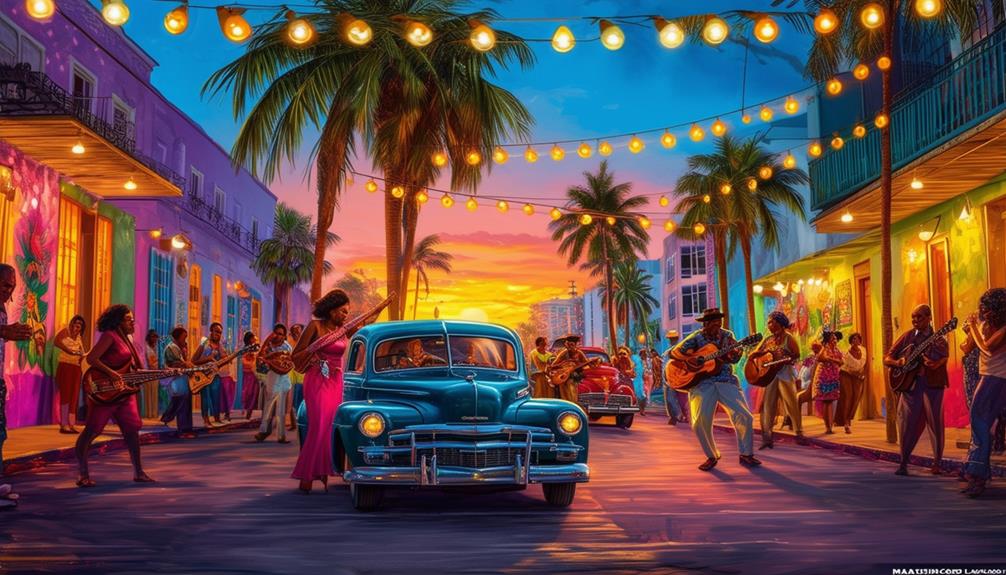
Cuban music and dance have significantly influenced the vibrant atmosphere of Hollywood films set in Miami. When watching these movies, the pulsating rhythms of salsa, mambo, and rumba add an authentic flair to the scenes. Miami's Cuban culture vividly comes to life through lively dance sequences and iconic Cuban beats, making the city feel dynamic and alive.
These elements impact the films in several ways:
- Authenticity: Cuban music in soundtracks lends a genuine touch, making Miami's setting feel real and immersive.
- Energetic Atmosphere: Dance sequences packed with salsa and mambo routines inject contagious energy, enhancing entertainment value and keeping viewers engaged.
- Cultural Celebration: Incorporating Cuban-inspired music and dance celebrates Miami's rich cultural heritage, highlighting its diverse and vibrant community.
These elements are integral to storytelling, capturing the essence of Miami's Cuban influence. Hollywood films featuring Cuban music and dance sequences effectively mirror the spirited and multifaceted nature of Miami's Cuban culture, making them unforgettable.
Family Dynamics in Cinema
Hollywood films set in Miami often depict the profound bonds and intergenerational relationships characteristic of the city's Cuban culture. Families are portrayed as tight-knit units where loyalty, love, and sacrifice play central roles, reflecting the importance of family unity and support.
The influence of Miami's Cuban culture is evident in how extended family members are involved in each other's lives, emphasizing communal support systems and collective decision-making. This portrayal underscores the significance of traditions and respect for elders, both deeply ingrained in Cuban culture.
Immigrant Stories and Struggles
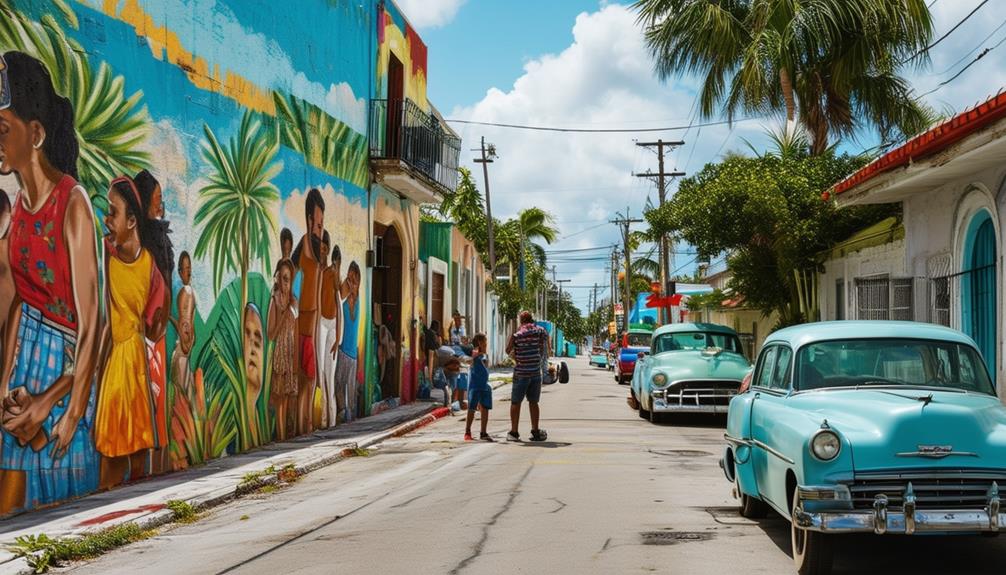
Hollywood films often portray the immigrant stories and struggles of Miami's Cuban community with striking authenticity. This focus adds genuine depth to the narratives, showcasing the hardships and triumphs of adapting to a new life.
Representation in Cinema
Hollywood films often depict the immigrant stories and struggles of Cuban Americans in Miami, offering a glimpse into their real-life experiences and challenges. These films frequently highlight how deeply Miami's Cuban culture influences the narrative, showcasing the path of Cuban immigrants as they navigate a new country and environment, emphasizing their determination and resilience.
In these films, you'll commonly observe:
- Identity Struggles: Characters grapple with balancing their Cuban heritage and new American identity.
- Pursuit of the American Dream: The quest for success and stability in a foreign land is a recurring theme.
- Sense of Belonging: Characters strive to find community and acceptance in Miami.
Miami's vibrant Cuban culture enriches these stories, making the characters' experiences more relatable and compelling. The portrayal of Cuban American characters in Hollywood films serves as a window into the diverse and rich heritage of the Cuban community.
Through the lens of Miami's Cuban culture, these films provide a nuanced portrayal of the unique challenges and triumphs faced by Cuban immigrants. This representation in cinema not only entertains but also educates and informs audiences about the Cuban American experience.
Authenticity of Narratives
The authenticity of Cuban American narratives in cinema hinges on accurately portraying the immigrant stories and struggles rooted in Miami's vibrant Cuban culture. Miami's Cuban community offers a wealth of real-life experiences that filmmakers can draw from to create more genuine and impactful stories.
When Hollywood films incorporate the unique struggles, triumphs, and experiences of Cuban immigrants, they're not just telling a story—they're honoring a community. Authentic immigrant stories bring depth and nuance, making characters more relatable and their experiences more compelling. This involves not only getting the accents right or showcasing cultural festivals but also capturing the resilience and complexity of Cuban immigrants' lives.
Hollywood filmmakers often turn to Miami's Cuban culture for inspiration, aiming to avoid stereotypes and instead reflect true stories. By doing so, they enrich their narratives and connect more deeply with audiences. Ultimately, the influence of Miami's Cuban culture on Hollywood films ensures that immigrant stories are told with the respect and authenticity they deserve.
Cuisine and Cultural Symbols
Miami's Cuban culture vividly enriches Hollywood films with its iconic cuisine and cultural symbols, adding layers of authenticity and vibrancy to scenes set in the city. When characters bite into Cuban sandwiches or savor pastelitos, it's not just about the food—it's about immersing viewers in the heart of Miami's Cuban experience. These culinary delights are more than mere props; they ground the narrative in reality.
Cultural symbols also play a significant role. Take dominoes, for example, often seen in lively games that reflect the community's social fabric. To create this rich tapestry, filmmakers often include:
- Cuban flag - A powerful emblem visually connecting scenes to Cuban heritage.
- Street art - Murals and graffiti from Cuban neighborhoods bring Miami's streets to life.
- Vibrant music - Salsa and mambo tunes enhance the setting's energy and authenticity.
These elements collectively contribute to an immersive and genuine portrayal of Miami's Cuban culture in films.
Language and Dialogue
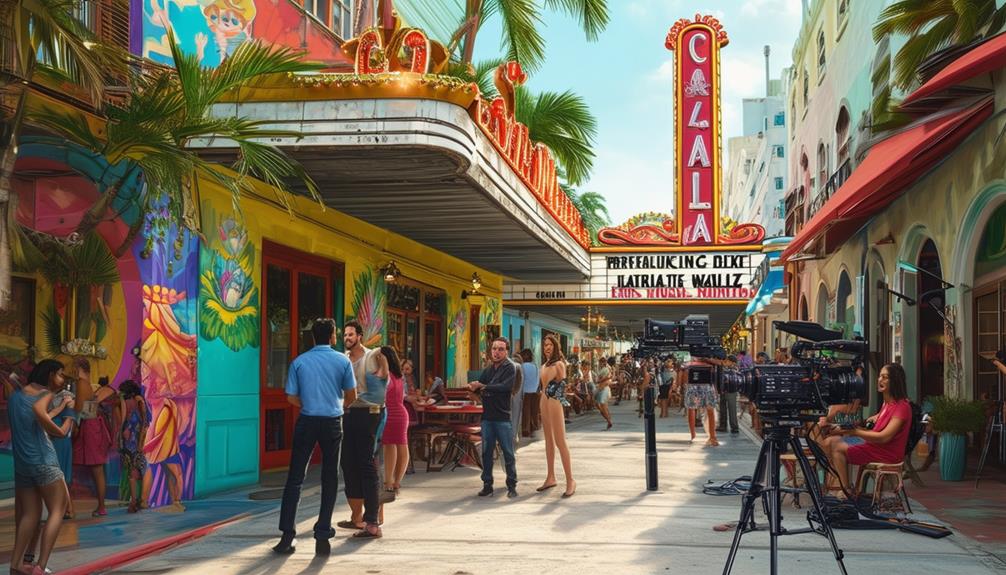
Incorporating Cuban Spanish and local dialects into dialogue adds authenticity to films set in Miami. Hearing characters engage in bilingual conversations immediately grounds the story in the city's vibrant, multicultural reality. Featuring Cuban slang and expressions isn't just about adding flavor; it's about accurately depicting how people actually speak. This linguistic richness deepens characters and makes their interactions more genuine.
Imagine a scene where two characters chat at a café in Little Havana. The casual switch between English and Cuban Spanish, using terms like 'asere' and 'chico,' adds layers to their personalities and relationships. You're not just watching a movie; you're experiencing the essence of Miami.
Hollywood films that tap into Miami's Cuban culture through language can resonate more deeply with both local and global audiences. Authentic dialogue isn't just a backdrop; it's an essential part of the storytelling.
Iconic Cuban Actors
Cuban actors such as Desi Arnaz, Andy Garcia, and Eva Mendes have significantly impacted Hollywood, showcasing remarkable talent and enriching the film industry. Desi Arnaz, best known for his role in 'I Love Lucy,' was a trailblazer for Cuban Americans in film and television. His charismatic presence and comedic timing made him a beloved figure, paving the way for future generations of Cuban actors.
Andy Garcia's impressive career further highlights the talent within the Cuban community. Known for his roles in films like 'The Godfather Part III' and 'Ocean's Eleven,' Garcia's performances have consistently earned critical acclaim. His ability to portray complex characters has made him a standout in Hollywood.
Eva Mendes, with Cuban heritage, has also made significant contributions to the industry. With roles in movies such as 'Hitch' and 'Training Day,' Mendes has demonstrated versatility and depth, representing the Cuban community with pride.
Here's a summary of their contributions:
- Desi Arnaz - Pioneer in television with 'I Love Lucy.'
- Andy Garcia - Acclaimed actor in major Hollywood films.
- Eva Mendes - Versatile actress with notable roles in diverse genres.
These actors haven't only showcased their talent but have also brought Cuban culture into the Hollywood spotlight.
Filmmaking in Miami
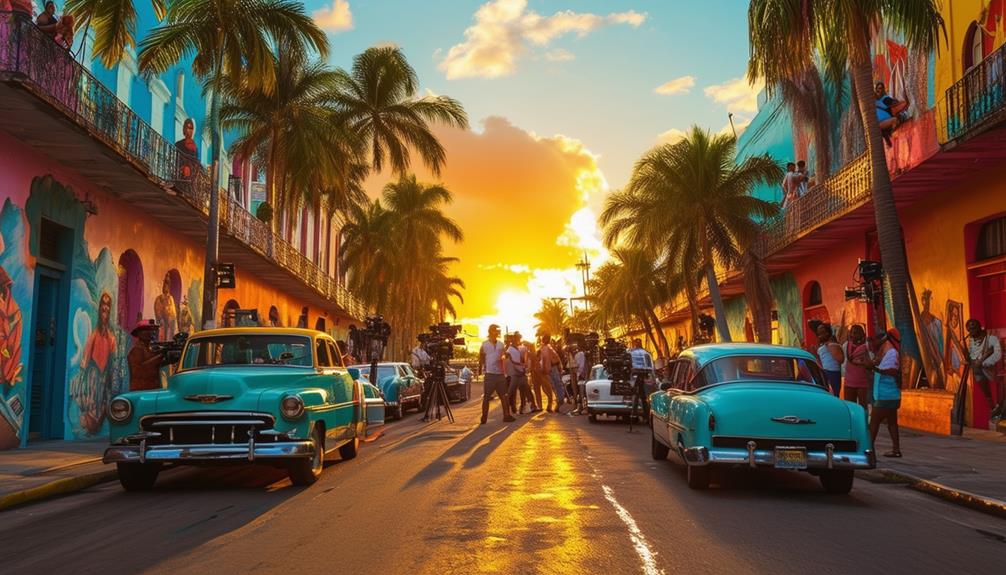
While iconic Cuban actors have left an indelible mark on Hollywood, Miami itself has become a magnet for filmmakers seeking to capture the essence of Cuban culture on screen. Miami's vibrant atmosphere and rich cultural heritage provide an authentic backdrop that Hollywood films can't resist. When you watch a movie set in Miami, you'll often notice how deeply Cuban influences are woven into the storytelling, characters, and settings.
Miami's Cuban community actively shapes the films shot there. Filmmakers frequently collaborate with local Cuban talent, ensuring that portrayals of Cuban culture are genuine and respectful. Whether it's musicians, actors, or local consultants, everyone contributes to bringing a slice of real Cuban life to the silver screen.
The impact of Miami's Cuban culture on Hollywood films goes beyond visual aesthetics. It infuses storytelling with unique themes and narratives that might otherwise be overlooked. By shooting in Miami, filmmakers tap into a rich cultural vein that adds depth and authenticity to their stories, making them resonate more deeply with audiences.
Conclusion
Miami's Cuban culture significantly enriches Hollywood films with vibrant characters, authentic settings, and compelling narratives. From the colorful streets of Little Havana to the rhythms of salsa and mambo, these elements add a unique flair to the screen.
By depicting tight-knit families, immigrant struggles, and flavorful cuisine, filmmakers create an immersive experience that resonates with audiences. So, next time you watch a film set in Miami, you'll appreciate the rich Cuban influence that makes it truly special.