How Geek and Nerd Culture Are Driving the Collectibles Market
Geek and nerd culture have transitioned from niche to mainstream, significantly impacting the collectibles market. This shift is evident in the heightened demand for comic books, anime merchandise, and gaming memorabilia. Nostalgia fuels interest in retro items, while digital collectibles and NFTs redefine collecting. Conventions and online platforms connect fans globally, driving the industry's growth. Have you ever wondered what's next for this booming sector?
Evolution of Geek Culture
Originally a niche subculture in the 1980s and 1990s, geek culture has undergone a significant transformation, largely driven by blockbuster films like "The Fellowship of the Ring" and the Marvel Cinematic Universe. Comic books, once considered just for kids, have become a cornerstone of this cultural shift. With the comic book industry peaking at $1.2 billion in sales in the US in 2019, its growing commercial viability and mainstream appeal are evident.
This evolution extends beyond comic books. The anime industry, valued at over $20 billion, has also carved out a significant space in the global market, with merchandise sales exceeding $5.2 billion. These figures demonstrate the diverse media that geek culture encompasses, each contributing to its widespread acceptance.
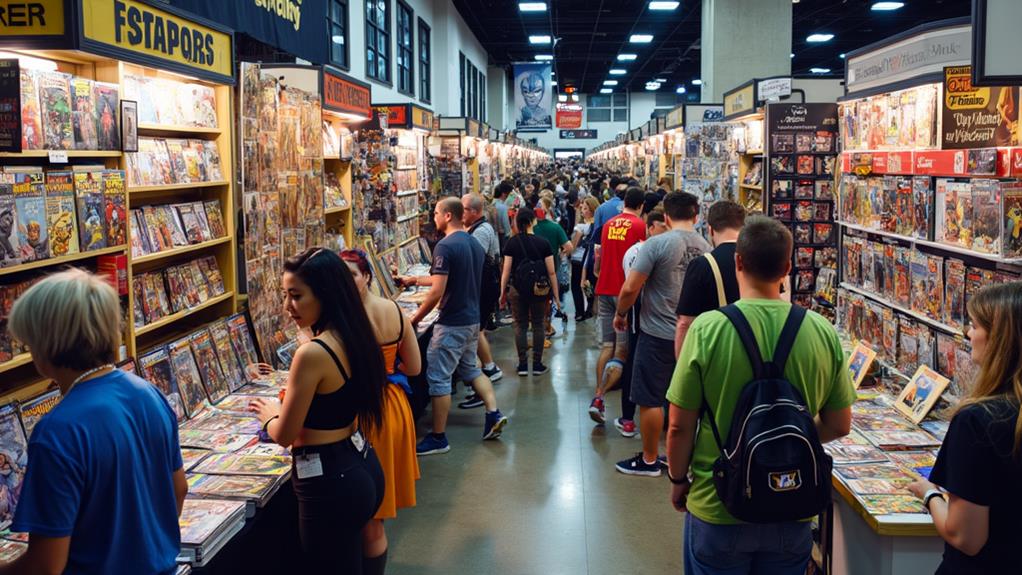
Events like San Diego Comic-Con, attracting around 130,000 attendees annually, highlight this cultural shift. These gatherings showcase a colorful community that celebrates everything from comic books to anime. Nostalgia-driven consumer behavior has further fueled demand for retro collectibles, blending historical interests with contemporary market trends. This indicates that geek culture, once niche, has become a significant force in the collectibles market today.
Influence of Streaming Services
As geek culture's mainstream appeal has grown, streaming services have played a pivotal role in amplifying its influence. Platforms like Disney+ and Netflix have made it easier for fans to access a wealth of geek-related content. For example, Disney+'s Marvel series like "Loki" have captivated audiences, causing a 39% spike in mobile app downloads. This surge in viewership has directly boosted the collectibles market, with fans eagerly seeking merchandise tied to their favorite shows and characters.
While comic book movies have traditionally driven interest in collectibles, streaming services have expanded this influence by spotlighting lesser-known characters. This has attracted families and diverse audiences, broadening the customer base for related merchandise. Netflix reported that over 100 million households watched anime in 2020, a 50% increase that underscores the growing interest in geek culture.
The Marvel Cinematic Universe's massive success, with its films grossing billions, has further fueled demand for collectibles. Streaming adaptations have made it easier for fans to engage with and invest in merchandise, creating new opportunities for collectors. Streaming services are undeniably shaping the future of geek collectibles.
Trends in Comic Books and Anime
Current trends in comic books and anime reveal a dynamic and rapidly evolving landscape that continues to captivate fans worldwide. The U.S. comic book industry saw its sales peak at $1.2 billion in 2019, rebounding from previous declines thanks to the enduring allure of superhero narratives. This resurgence is evident at events like San Diego Comic-Con, where roughly 130,000 enthusiasts gather annually to celebrate their favorite heroes.
Anime is also experiencing a golden period, valued at over $20 billion, with merchandise sales hitting $5.2 billion globally. Streaming services have played a significant role in this growth, with Netflix reporting over 100 million households tuned into anime in 2020, marking a 50% increase from the previous year. This surge in viewership has propelled manga sales to record highs, with titles like "My Hero Academia" and "Jujutsu Kaisen" leading the charge.
The synergy between comic books and anime is clear. Both sectors are thriving, driven by a passionate fanbase that enthusiastically attends events like Comic-Con and consumes content across multiple platforms. This ensures the collectibles market remains lively and ever-expanding.
Gaming Industry Growth
The gaming industry's explosive growth cannot be overlooked, now valued higher than both the film and music industries combined. Mobile games like "Pokémon Go" and the rise of e-sports have significantly driven revenue and created massive fan bases. Streaming platforms have further amplified this trend, turning gamers into influencers and expanding the reach of gaming culture.
Mobile Gaming Expansion
The rapid expansion of mobile gaming has revolutionized the gaming industry, surpassing the combined value of the film and music sectors. This growth is significantly driven by mobile gaming. Blockbuster titles such as "Pokémon Go," which has generated over $5 billion in revenue, underscore the substantial economic impact of mobile games.
In 2021, "Genshin Impact" emerged as a leading mobile title, further exemplifying the increasing popularity and profitability of mobile gaming. The rise of Battle Royale games like "Fortnite" and "PUBG" has attracted millions of players, showcasing mobile gaming's broad appeal across various demographics.
Gaming has become nearly universal, with 93% of children in the UK and 75% of US households engaging in gaming activities. Mobile gaming transcends generations and geographic boundaries, forming a thriving global community.
This surge in mobile gaming is also influencing the collectibles market. In-game purchases and exclusive digital items have become coveted collectibles, driven by the massive player base and the cultural significance of these mobile games.
E-Sports Popularity Surge
E-sports has experienced a meteoric rise in popularity, outpacing traditional entertainment sectors and capturing the attention of millions globally. The gaming industry now surpasses the combined value of the film and music industries, with e-sports playing a pivotal role in this growth. Major tournaments draw millions of online viewers and fill large arenas, highlighting competitive gaming's mainstream acceptance.
The surge in sponsorships and advertising is undeniable. The global e-sports market is projected to exceed $1.5 billion by 2023, as brands invest enthusiastically to connect with young audiences. Platforms like Twitch and YouTube are essential for e-sports, with millions of gamers streaming their gameplay and competitions, fostering a vibrant community and lucrative opportunities for content creators.
Mobile gaming titles such as "PUBG Mobile" and "Fortnite" have expanded e-sports participation beyond traditional gaming consoles. This inclusion allows a broader range of players to compete and engage in the competitive scene, further driving market growth. By engaging with this dynamic and rapidly evolving landscape, e-sports is reshaping entertainment and significantly impacting the collectibles market.
Streaming Platforms Influence
Streaming platforms have undeniably transformed the gaming industry, serving as the backbone of its explosive growth. Platforms like Twitch and YouTube have evolved into essential hubs for gaming content, fostering communities with loyal followings. These platforms not only showcase gameplay but also drive interest in related collectibles. When a popular streamer or YouTuber features a game, their massive audience often seeks out game-related memorabilia, significantly boosting the collectibles market.
Mobile gaming has also seen a surge, with titles like "Pokémon Go" generating over $5 billion. This success translates into a higher demand for Pokémon-themed collectibles. As streamers and content creators highlight these games, they amplify their reach and desirability. Fundamentally, streaming platforms act as powerful marketing engines, pushing gaming merchandise to a wider audience.
E-sports also benefit significantly from streaming. Professional arenas with sponsorships showcase gaming events to millions, enhancing the visibility of gaming-related merchandise. The reported 93% of UK children participating in gaming illustrates a broad, engaged audience that fuels the collectibles market. Through streaming, this audience becomes more connected and invested, driving up interest and value in game memorabilia and merchandise.
Fandom and Community Engagement
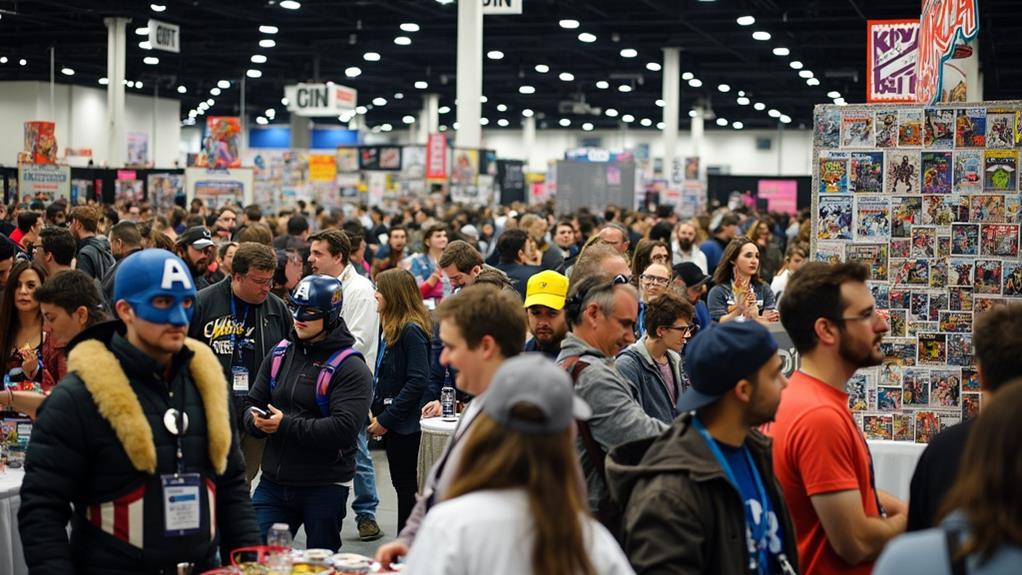
Fandoms play a crucial role in the collectibles market, fostering a sense of community and engagement among enthusiasts. Events like San Diego Comic-Con, which attracts around 130,000 attendees annually, highlight a vibrant community of collectors. These gatherings are not just about finding rare items; they're about connecting with others who share your passion.
The rise of digital marketplaces has made trading collectibles more accessible, allowing fans to buy, sell, and connect effortlessly. This increased accessibility strengthens community bonds, making it easier to find unique items that resonate with your interests and nostalgia.
Community engagement extends beyond trading. Local charity initiatives, such as Toys for Tots, benefit significantly from the enthusiasm of collectors. Your participation in these events not only supports worthy causes but also deepens your connection to the fandom.
To illustrate this lively community, consider these key aspects:
- Annual Conventions: Major events like San Diego Comic-Con.
- Digital Marketplaces: Improved accessibility for trading.
- Charity Initiatives: Local efforts like Toys for Tots.
Emotional connections to collectibles drive your spending, as personal investment in fandoms encourages you to seek unique items that reflect your passions.
Commercialization of Nerd Culture
Consumerism has significantly reshaped nerd culture, transforming collectibles into a billion-dollar industry. Nostalgia fuels this trend, as older fans eagerly reclaim pieces of their childhood, from retro games to comic books. The post-COVID boom in the collectibles market, bolstered by digital marketplaces, highlights how fandom passion has been effectively monetized.
Rise of Collectibles
How did the once niche world of geek culture transform into a booming collectibles market? It all began with you, the passionate fan. Whether it's trading cards, comic books, or anime merchandise, your enthusiasm has fueled a massive commercial surge. The post-Covid-19 pandemic era saw a significant spike in interest, driving a robust collectibles market where once niche items now hold mainstream appeal.
Consider these impressive figures:
- The comic book industry hit $1.2 billion in sales in the US in 2019.
- Anime merchandise sales soared to over $5.2 billion globally.
- Digital marketplaces and advanced data analytics have revolutionized how collectors buy, sell, and track trends.
These numbers demonstrate the power of fandom. Digital platforms enable you to find exactly what you're looking for, whether it's a rare trading card or a limited-edition comic book. With more data available, you can make informed decisions and anticipate market trends.
Nostalgia's Economic Impact
Amid the rise of geek and nerd culture in the collectibles market, nostalgia serves as a powerful economic driver. Retro games, comics, and memorabilia have experienced a surge in demand, particularly following the Covid-19 pandemic. This trend is not coincidental; older generations with increased financial resources are fueling this boom, seeking to reclaim pieces of their youth. Notably, trading cards and sneakers have seen heightened interest, driven by nostalgic memories.
The comic book industry, for instance, achieved $1.2 billion in sales in the US in 2019. Beloved franchises and characters that resonate with nostalgic fans significantly contribute to this success. Similarly, the anime sector reports merchandise sales exceeding $5.2 billion globally, indicating that nostalgia benefits both classic and contemporary series.
Digital platforms and marketplaces have revolutionized access for collectors, simplifying the process of finding and trading prized items. This increased accessibility enhances the economic impact of geek and nerd culture. Thus, engaging in collecting is more than acquiring items; it's about reconnecting with cherished memories, driving a vibrant and lucrative market.
Monetizing Fandom Passion
Why has the collectibles market flourished in recent years? The answer lies in the monetization of fandom passion. Post-COVID-19, nostalgia and a renewed interest in pop culture have driven people to seek out memorabilia from beloved franchises like Marvel and popular anime series. Digital platforms and marketplaces have simplified the process of buying and selling these items, fostering a booming billion-dollar global fandom market.
Consider these key factors driving this trend:
- Digital Marketplaces: Platforms like eBay and Etsy enable collectors to easily find and trade items such as trading cards, Funko POP! figures, and vintage collectibles.
- Professional Cosplay and Fan Art: Artists and creators can now monetize their passion through commissions and merchandise sales. Online marketplaces like Redbubble provide new avenues for revenue.
- Fusion of Digital and Physical Collectibles: The rise of NFTs has opened new revenue streams for artists and brands, blending emotional connections with financial investments.
These elements have transformed geek and nerd culture into a lucrative market. People, driven by their passion and nostalgia, are ready to invest in items that connect them to their favorite fandoms and creators.
Nostalgia in Collectibles
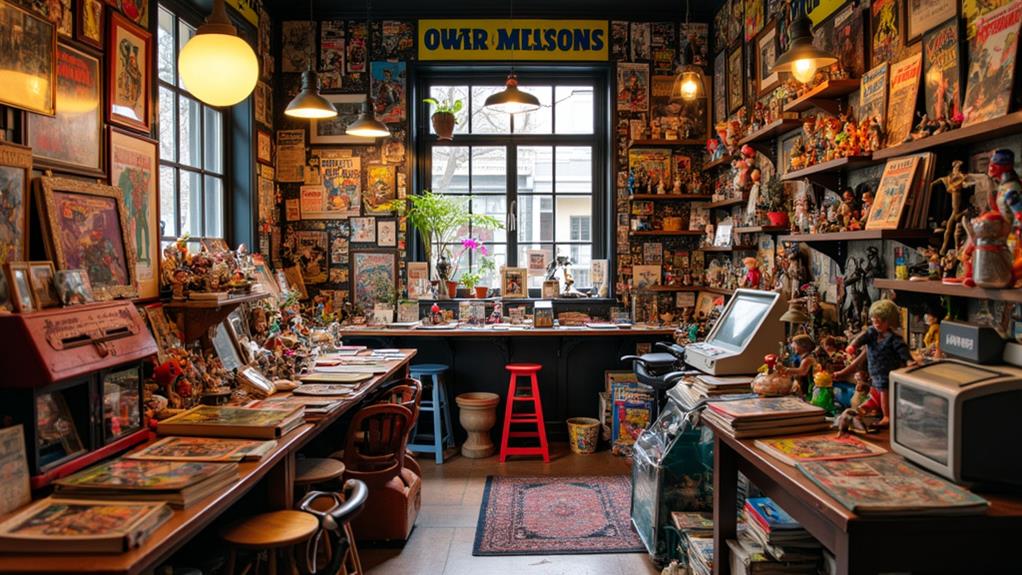
Nostalgia has emerged as a potent force in the collectibles market, driven by the emotional resonance of childhood memories. Collectibles like trading cards and retro toys have become more than mere objects; they are emotional touchstones that transport individuals back to simpler times. The pandemic intensified this nostalgic pull, as many sought comfort in familiar childhood favorites, leading to a significant post-Covid-19 surge in demand and prices for these cherished items.
Trading cards and vintage toys have made a notable comeback, reflecting enduring cultural trends. The emotional connection to these nostalgic collectibles often serves as the primary motivation for their purchase. It's not merely about owning a piece of the past; it's about reliving formative years.
Even in the digital age, nostalgia remains influential. The rise of digital collectibles and NFTs capitalizes on this emotional appeal, offering both physical artworks and digital versions that evoke past fandoms. The market's resilience, driven by nostalgia, demonstrates that people are willing to invest in items that remind them of their childhood.
Cosplay and Fandom Monetization
The cosplay industry has evolved into a thriving market where creativity meets commerce. As a cosplayer, you can now turn your passion into a lucrative business. Professional cosplayers earn income through various channels, such as sponsorships, competitions, and partnerships at conventions. This shift has opened up numerous avenues for monetization, allowing you to capitalize on your skills and creativity.
Consider these three key monetization opportunities in the cosplay world:
- Costume Creation and Sales: Skilled cosplayers often create and sell unique costumes and accessories, catering to the growing demand for high-quality, custom-made outfits.
- Online Platforms and Streaming: Platforms like Twitch and Patreon allow you to showcase your work to a broader audience and receive financial support from fans who appreciate your craft.
- Workshops and Tutorials: Offering workshops and tutorials enables you to share your expertise with others while generating supplementary income.
The rise of conventions and themed events provides even more opportunities to engage with fellow enthusiasts and monetize your passion. These events are ideal for networking, selling merchandise, and performing, further fueling the cosplay market. Immerse yourself in the vibrant world of cosplay and turn your fandom into a profitable venture!