How Has the Concept of 'Nerd' Changed Over the Decades?
The term 'nerd' has evolved significantly over the decades, reflecting broader societal changes. In the 1970s, being called a nerd often implied social isolation and awkwardness. However, by the 1980s, 'geek chic' began to emerge, driven by more positive portrayals in media. The 1990s and 2000s saw a further shift as technological skills became highly valued, integrating nerd culture into mainstream pop culture.
Today, the identity of being a nerd is celebrated and inclusive, highlighting shared passions and a sense of community. This transformation has profoundly impacted our understanding of belonging and collective interests.
Defining 'Nerd' in the 70s
In the 1970s, being labeled a 'nerd' typically meant you were seen as socially awkward and intensely focused on academic subjects. The term carried a heavily negative connotation, often marking you as an outcast who didn't fit into mainstream social circles. Nerds were generally portrayed as uncool, and their deep interest in subjects like mathematics, science, or technology made them easy targets for ridicule.
Being a nerd during this era often came with a sense of isolation. Popular culture didn't celebrate or even acknowledge the positive aspects of being knowledgeable or passionate about academic subjects. Instead, these traits were viewed as indicators of social ineptitude. The socially awkward behavior associated with nerds led to frequent marginalization and exclusion from many social activities that defined the high school and college experience at the time.
Being called a nerd wasn't a badge of honor; it was more likely a source of embarrassment. This label could significantly affect your social standing, making it challenging to find acceptance among your peers.
The 80s: Rise of Geek Chic
The 80s witnessed the rise of 'geek chic,' turning nerd culture into something fashionable and desirable. Enthusiasts of computers and video games no longer had to hide their passions; they could flaunt them. Films like 'Revenge of the Nerds' and TV shows like 'Family Ties' started to depict nerdy characters in a more positive light, making them relatable and even admirable.
Geek chic extended beyond attitude to fashion. Thick-rimmed glasses, button-up shirts, and pocket protectors became stylish statements, seen not only in classrooms or laboratories but also on the streets. The advent of home computers and video games in the 80s played a crucial role in the mainstream acceptance of geek culture. It became cool to be tech-savvy and knowledgeable about new technologies.
The shift in media portrayals significantly contributed to this transformation. Characters who were once the punchline of jokes became heroes and role models, challenging negative stereotypes. The 80s firmly established that being a nerd wasn't just acceptable—it was cool.
Geek chic had arrived, and it was here to stay.
Tech Boom of the 90s
During the 90s, the tech boom revolutionized communication, work, and access to information. This decade witnessed a surge of innovation, marked by the rise of the internet, personal computers, and mobile phones. Companies like Microsoft, Apple, and Amazon emerged as major players, reshaping the tech industry and laying the foundation for the modern technological era.
As technology advanced rapidly, nerd culture gained prominence. Skills and knowledge previously associated with 'nerds' became highly valuable. Being tech-savvy transitioned from a niche interest to a mainstream necessity. Owning a personal computer or having internet access at home became increasingly common.
The technological revolution democratized information, changing how people interacted with knowledge. Nerd culture thrived as forums, chat rooms, and early social networks provided spaces for like-minded individuals to connect and share ideas.
Despite the dot-com bubble burst in the late 90s, which saw many internet-based companies rise and fall, the groundwork for today's technological world was firmly established. The 90s tech boom not only transformed technology but also reshaped society's perception and value of nerd culture.
2000s: Nerds in Pop Culture
As the tech boom of the 90s redefined society, nerds began to occupy a more prominent and positive space in pop culture. By the 2000s, shows like 'The Big Bang Theory' and movies like 'Spider-Man' celebrated nerd culture, highlighting the humor and humanity of nerdy characters. Audiences could easily relate to Sheldon Cooper's quirky intellect or Peter Parker's struggle to balance life as a superhero and a student.
The 2010s took this a step further with superhero movies dominating the box office. Franchises like the Marvel Cinematic Universe made nerdy interests like comic books and superheroes mainstream. Fans no longer had to hide their love for Iron Man or Captain America; these characters became globally recognized icons.
In the 2020s, streaming platforms like Netflix and Amazon Prime continue to produce content that appeals to nerdy audiences. Shows like 'Stranger Things' and 'The Witcher' have blurred the lines between traditional nerds and mainstream viewers, making nerd culture more inclusive and widespread.
Here's a quick look at how nerds in pop culture have evolved:
| Decade | Key Shows/Movies |
|---|---|
| 2000s | 'The Big Bang Theory', 'Spider-Man' |
| 2010s | Marvel Cinematic Universe |
| 2020s | 'Stranger Things', 'The Witcher' |
The Impact of the Internet
The rise of the internet has significantly influenced nerd culture, enabling online communities to flourish and gain substantial influence. Memes and digital identities have become vital in how enthusiasts communicate and express themselves. Moreover, the unprecedented access to information has made it easier than ever to pursue niche interests.
Online Communities' Rising Influence
The rise of online communities has revolutionized how enthusiasts connect and share their passions. Platforms like Reddit, Discord, and Twitch have modernized engagement with nerd culture, making it easier to interact with like-minded individuals. These online spaces enable deep dives into niche interests, from discussing fan theories to sharing artwork and engaging in lively debates.
Reddit serves as a hub for discussions on topics ranging from comic books to video games. Discord offers real-time communication, allowing users to join servers dedicated to specific interests and participate in meaningful conversations. Meanwhile, Twitch has transformed gaming and other activities into spectator sports, enabling you to watch and interact with streamers who share your interests.
Virtual conventions and events have also gained popularity, allowing participation in panels, workshops, and meetups from the comfort of your home. These events can be as engaging and informative as their in-person counterparts, providing opportunities to learn, share, and grow within your community.
Internet Memes and Identity
Online communities have long fostered connections, but internet memes have taken it a step further by shaping and celebrating modern nerd identity. Memes offer a unique platform for nerds to express themselves and connect with like-minded individuals. They often reference popular movies, TV shows, video games, and other niche hobbies, making them a central element in redefining what it means to be a nerd.
By embracing the quirks and passions associated with nerd culture, internet memes have helped transform the term 'nerd' from a pejorative label into one of pride.
Here are three ways internet memes impact modern nerd identity:
- Cultural Unity: Memes create a shared language among nerds, allowing them to bond over common interests and experiences.
- Visibility and Representation: Memes bring niche hobbies and interests into the mainstream, giving nerds a platform to showcase their passions.
- Humor and Self-Acceptance: By highlighting the humorous aspects of nerd culture, memes promote self-acceptance and confidence among nerds.
Digital Access to Knowledge
With the advent of the internet, a wealth of knowledge is accessible instantly, no matter your location. This digital access has revolutionized how we learn and interact with information. Platforms like search engines and educational websites enable the exploration of diverse topics and interests without traditional barriers. A simple internet connection now provides access to vast amounts of information, reducing the dependency on physical libraries and conventional educational institutions.
The internet has also nurtured online communities where individuals can share knowledge, collaborate on projects, and engage in meaningful discussions. These communities serve as rich sources of information, offering insights and expertise from people around the world. Social media platforms further enhance this by allowing the sharing of articles, videos, and resources on various subjects, keeping you informed and updated.
E-learning platforms and online courses have expanded educational opportunities, enabling the acquisition of new skills and knowledge from the comfort of home. Whether your interest lies in coding, art, or history, courses are available to meet your needs. This democratization of learning has redefined the concept of education, making it more inclusive and accessible to all.
Mainstream Acceptance
Nerd culture has seamlessly integrated into mainstream society, as evidenced by its ubiquitous presence in popular media and daily life. This widespread acceptance has transformed previously niche interests into celebrated phenomena.
First, events like Comic-Con have grown from small gatherings into massive conventions that attract fans from diverse backgrounds, showcasing the broad appeal of nerd culture.
Second, the rise of technology has significantly contributed to this acceptance. Tech-savvy characters frequently appear in mainstream media, and video games, once considered niche, have become a dominant entertainment form enjoyed by millions.
Third, fashion trends like geek chic, featuring thick-rimmed glasses and comic book-inspired attire, further illustrate how elements of nerd culture have permeated everyday style.
Consider these points:
- Media Representation: Movies and TV shows featuring nerdy characters are now mainstream successes.
- Celebrity Influence: Public figures like Barack Obama, often seen as a 'cool nerd,' have helped redefine societal perceptions.
- Consumer Trends: The booming success of gaming and tech-based products highlights the widespread acceptance of nerd culture.
These changes underscore the deep integration of nerd culture into the mainstream.
Celebrating Diversity in Nerd Culture
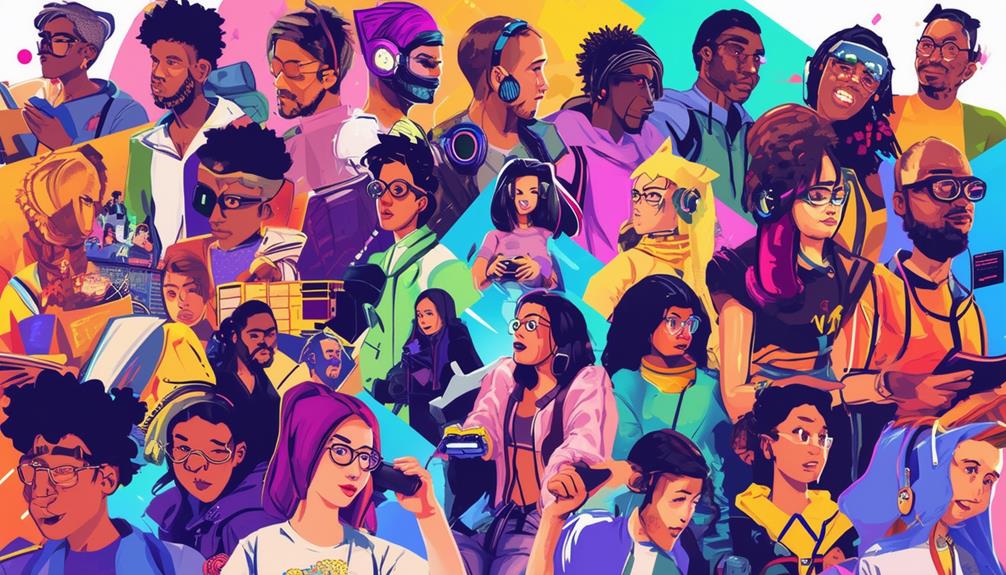
As nerd culture has evolved significantly, it now celebrates a diverse array of interests and individuals. Whether you're passionate about video games, comics, fantasy novels, or technology, there's a welcoming space for you within these inclusive communities. These communities promote acceptance and respect for everyone, regardless of their hobbies.
The concept of being a nerd has transformed, moving beyond traditional stereotypes. It's no longer limited to a narrow set of interests but instead embraces a broad spectrum of passions and expertise. This shift has fostered a celebration of individuality, encouraging you to share your unique interests and collections with fellow enthusiasts.
The Future of Being a Nerd
In the future, nerds will embrace mainstream culture while preserving their unique interests. Technological innovations will continue to shape how they engage with their passions. Diverse nerd communities will emerge, blending authenticity with widespread acceptance.
Nerds Embracing Mainstream Culture
Mainstream figures like Barack Obama and Tina Fey have embraced their nerdiness, helping to transform nerd culture into a celebrated aspect of popular society. This shift has been pivotal in breaking down barriers between diverse interests and mainstream culture. By openly identifying as nerds, these influential people have made it socially acceptable, even cool, to pursue passions like sci-fi, comic books, and gaming.
Events like Comic-Con, which began as small gatherings for comic book fans, now draw massive crowds and feature major Hollywood productions. This evolution reflects how nerd culture has integrated with mainstream society. The term 'cool nerd,' exemplified by figures like Barack Obama, signifies a positive shift in the perception of nerds today.
The future of being a nerd looks promising as integration with mainstream media continues. This transformation is shaping society in three key ways:
- Inclusivity: Nerd culture has become inclusive, welcoming diverse groups with a range of interests.
- Visibility: Nerd interests are prominently featured in mainstream media, from blockbuster movies to popular TV shows.
- Acceptance: There's growing acceptance of nerdy passions, making it easier for people to openly enjoy their hobbies without stigma.
Tech Innovations Shaping Nerds
With the rapid pace of technological advancements, nerds are now at the forefront of shaping the future. Today, tech innovations have transformed the perception of nerds, aligning their strengths with critical fields like coding, engineering, and artificial intelligence.
Your passion for technology and deep academic focus are no longer niche interests; they're essential skills driving progress in the tech industry.
The increasing demand for tech-savvy individuals in both the workforce and academia means your expertise is more valued than ever. Companies and institutions actively seek out those with the dedication and knowledge that nerds typically possess. This shift has led to greater acceptance and appreciation of nerd culture, making your contributions more visible and respected.
As technology continues to evolve, so does the role of the modern nerd. You're not just seen as someone who excels in tech-related fields; you're a key player in innovation.
From developing groundbreaking software to pioneering new scientific research, your work is fundamental to our increasingly connected world. Tech innovations don't just shape the future; they shape how society views and values the unique qualities that define nerds.
Diverse Nerd Communities Emerging
Nerd communities are evolving into diverse and inclusive spaces, embracing people from various backgrounds and interests. This transformation in nerd culture is reshaping perceptions and engagement with hobbies, from traditional comic books and gaming to emerging tech-related pursuits.
The future of nerd culture is about embracing varied passions, challenging old stereotypes, and pushing boundaries. Inclusive spaces like The Story School are at the forefront of this evolution, promoting diversity and shared passions among enthusiasts. These communities foster a sense of belonging and respect, celebrating individual interests and expertise.
As nerd culture continues to evolve, it's vital to recognize its broader spectrum and the positive impact it has on fostering community spirit.
Key aspects of emerging diverse nerd communities include:
- Diverse Interests: From coding and robotics to anime and fantasy literature, nerd culture now spans a wide range of hobbies and passions.
- Inclusive Spaces: Organizations and events actively promote diversity and inclusion, ensuring everyone feels welcome.
- Breaking Stereotypes: The modern nerd defies traditional labels, proving that expertise and enthusiasm come in many forms.
Embrace the future of nerd culture with an open mind and a welcoming heart!
Conclusion
The concept of 'nerd' has transformed significantly over the decades, evolving from a label for social outcasts in the 70s to a celebrated identity in contemporary culture. Today, nerd culture thrives on inclusivity and shared interests, fueled by the internet and mainstream acceptance. Embrace your passions and celebrate the diversity within nerd culture.
Look forward to a future where everyone's unique interests are valued and celebrated, fostering a community of innovation and creativity.