How Has the Portrayal of Geeks in Media Changed Over Time?
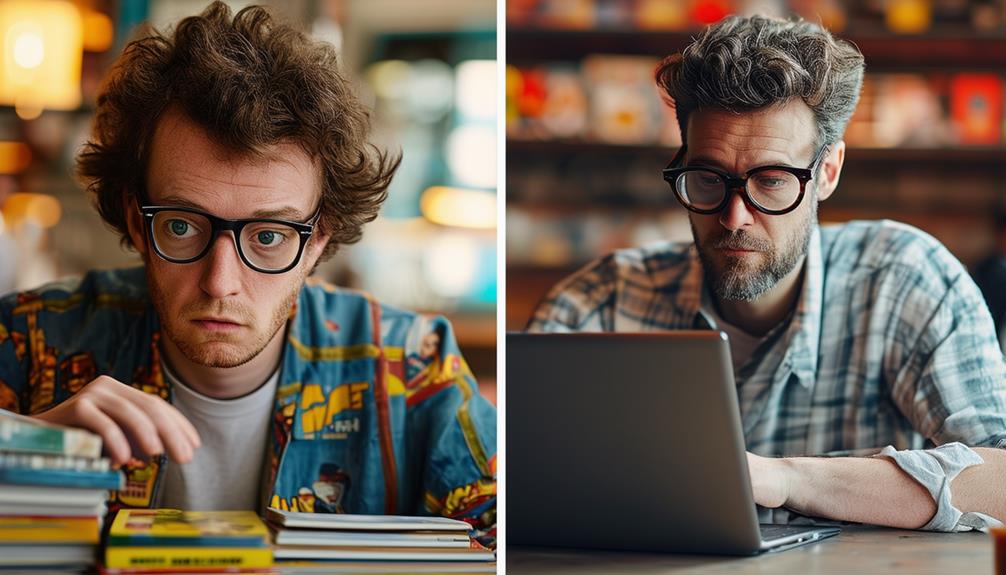
The portrayal of geeks in media has undergone a significant transformation over time, evolving from mere caricatures to multifaceted heroes. Initially, geeks were often depicted as socially inept and awkward, primarily serving as comic relief. However, this one-dimensional portrayal has shifted dramatically in recent years.
Characters who were once laughed at are now celebrated for their intelligence and depth, even influencing fashion trends with the rise of 'geek chic.' This transformation has been driven by a growing appreciation for intellectualism and a broader acceptance of diverse interests. Consequently, our view of geek culture has become more positive and inclusive, recognizing geeks as valuable contributors to society.
Early Stereotypes in Media
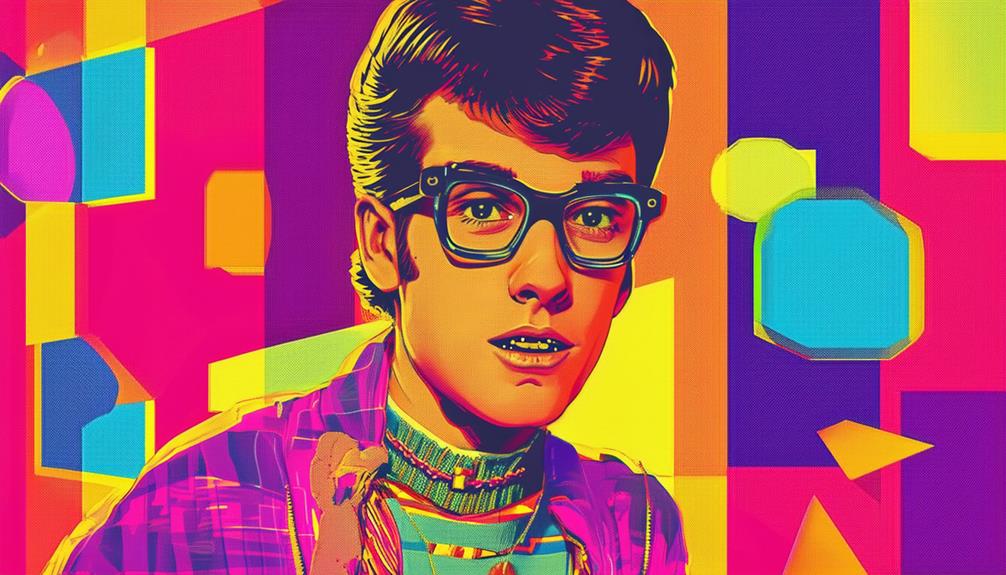
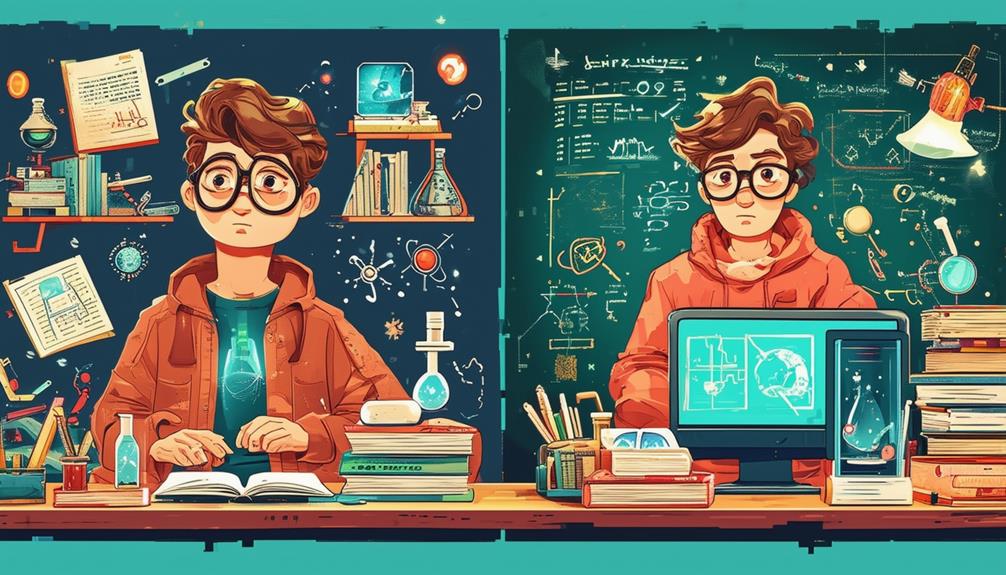
Early media often portrayed geeks as socially awkward yet highly intelligent, emphasizing their limited social skills for comedic effect. These characters were commonly depicted as outcasts or side characters, used to highlight their eccentricities and provide comic relief. Such portrayals reinforced negative stereotypes, painting geeks as unattractive, poorly dressed, and obsessed with niche interests.
In many shows and movies, geeks and nerds were shown as lacking social graces, struggling to fit in, and facing challenges in forming relationships. This limited their roles to specific, often ridiculed, archetypes and contributed to a broader stigmatization. Media depictions made intellectual pursuits or unconventional interests seem undesirable or laughable.
The focus on their awkwardness and intelligence often overshadowed the depth of these characters, reducing them to mere caricatures. By emphasizing their social shortcomings, early media reinforced the idea that being a geek or nerd was inherently negative. This portrayal had lasting effects, shaping public perception and sometimes even leading to real-life stigma for those who identified with or exhibited similar traits.
The Rise of Geek Chic
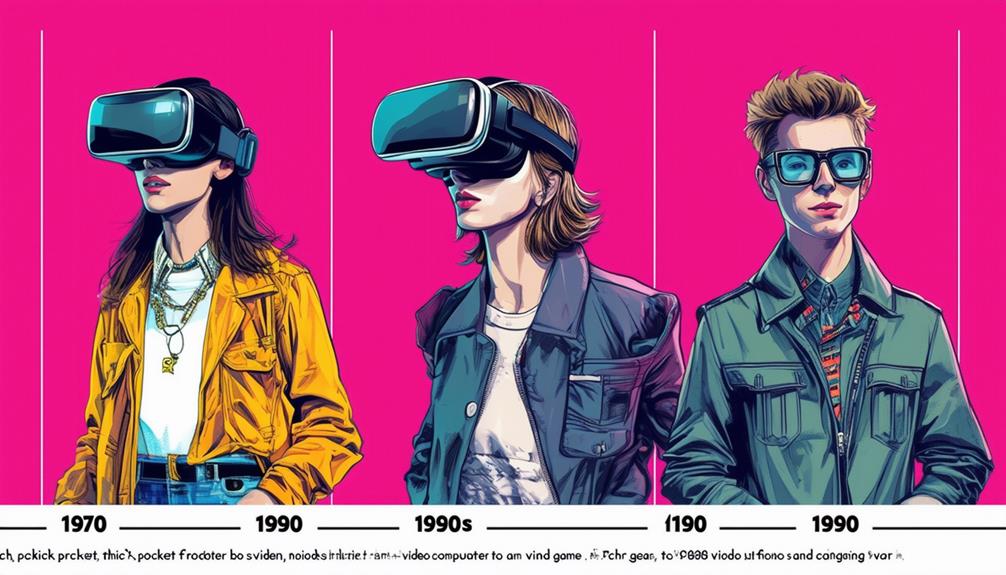
As media evolved, the portrayal of geeks shifted dramatically, giving rise to the trend known as geek chic. What was once considered unfashionable or niche has now become a celebrated part of mainstream fashion. Geek chic embraces a love for comics, video games, and technology, showcasing these interests through style.
Television shows, movies, and social media have played a significant role in popularizing geek chic. Characters who are smart, tech-savvy, and passionate about their hobbies have become role models, inspiring audiences to incorporate these elements into their own lives. This influence has permeated pop culture, leading to a broader acceptance and appreciation of geek culture.
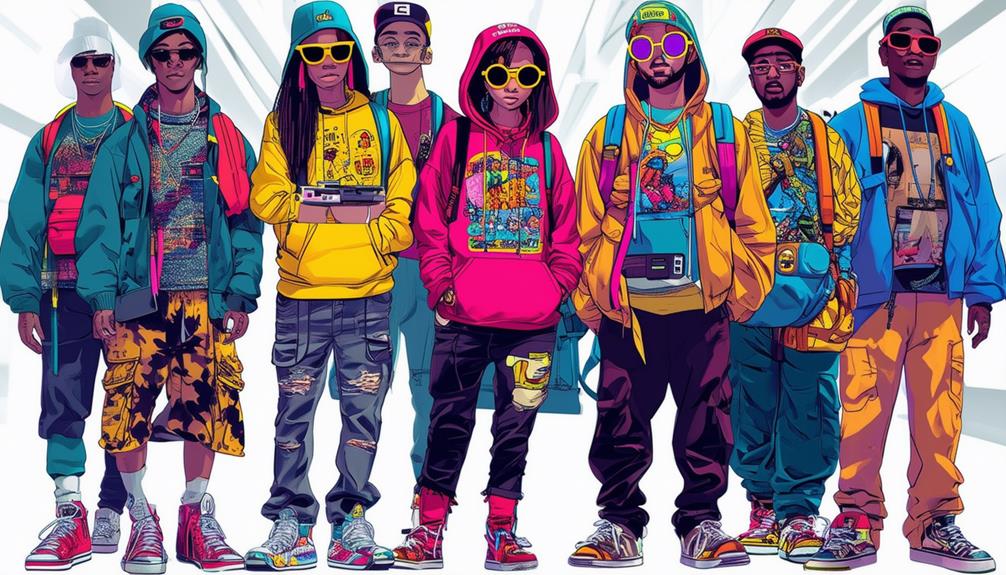
Geek chic's impact on mainstream fashion is undeniable. Graphic tees featuring favorite superheroes, iconic glasses once considered nerdy, and entire fashion lines inspired by video game aesthetics are now common. This trend celebrates individuality and intelligence, reflecting a shift in societal values.
Mainstream Acceptance and Popularity
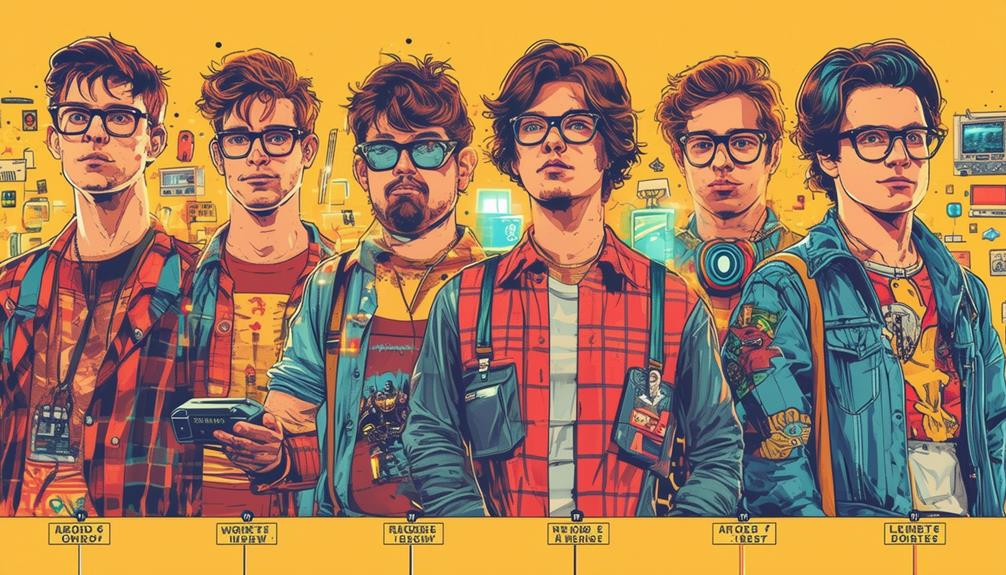
How did geeks go from social outcasts to celebrated figures in mainstream media? Geek culture has undergone a dramatic transformation, shifting from the fringes to the forefront of popular culture.
Shows like *The Big Bang Theory* and the Marvel Cinematic Universe have played pivotal roles in this change, normalizing and popularizing geek culture. These shows and movies depict geeks as intelligent, capable, and often heroic, contributing to their mainstream acceptance.
Geek characters are now celebrated for their unique skills and intelligence. This positive representation has reshaped public perception, presenting geeks as successful and admirable rather than awkward or socially inept. The acceptance of geek culture in media has challenged old stereotypes, offering a more inclusive and diverse portrayal.
This shift has also influenced real-world attitudes, making it trendy to be a geek. Fans proudly embrace their interests in comic books, science fiction, and technology without fear of ridicule. This mainstream acceptance has enhanced the popularity of geek culture and nurtured a more diverse and inclusive environment in storytelling, reflecting a broader range of experiences and backgrounds.
Diverse and Complex Characters
Modern media celebrates geeks with diverse and complex characters who shatter traditional stereotypes and add depth to their narratives. These characters come from varied backgrounds, interests, and identities, challenging outdated definitions. No longer just the socially awkward sidekicks, they exhibit emotional depth, nuanced relationships, and multifaceted personalities.
These portrayals highlight their strengths, intelligence, creativity, and unique perspectives. Geek characters now often navigate personal growth, societal issues, and moral dilemmas, enriching their stories. Instead of being one-dimensional, they're resilient and authentic, contributing significantly to the diversity of modern media.
These characters aren't only tech-savvy but also emotionally intelligent and socially aware, facing real-world challenges and triumphs. This evolution underscores the importance of representation and the value geeks bring to diverse storytelling. By showcasing these complex characters, media not only entertains but also reflects a broader spectrum of human experience, encouraging audiences to appreciate the depth and diversity within the geek community.
Future Trends in Geek Portrayal
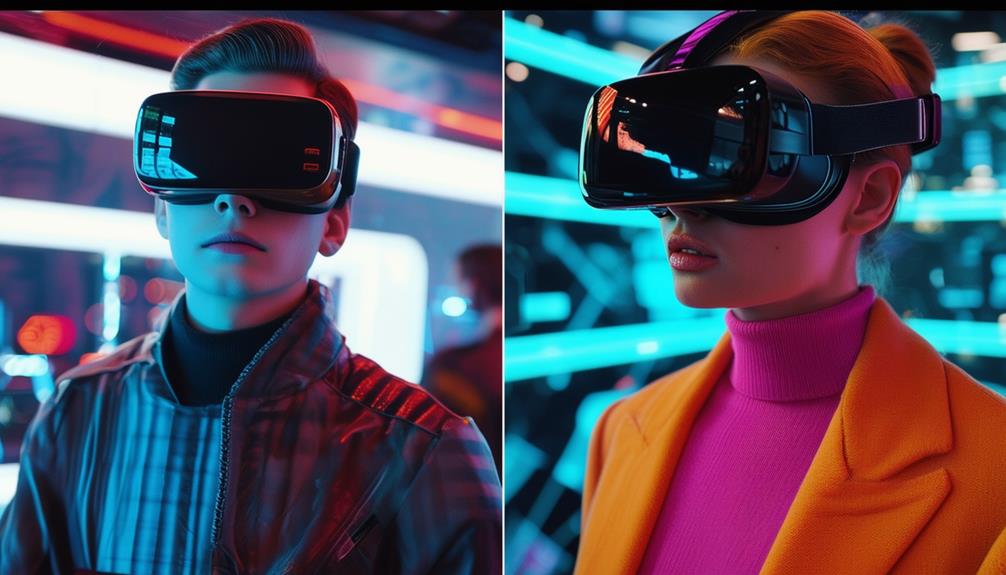
Looking ahead, the portrayal of geeks in media will continue to evolve, embracing more diverse, nuanced, and authentic representations. Geek characters will be depicted with greater depth and complexity, moving away from tired stereotypes. Future media will emphasize intersectionality, showcasing geeks from various backgrounds, identities, and experiences. This means more stories where geek characters are defined not just by their interests, but also by their unique personal journeys.
Expect inclusivity to play a major role in these portrayals. Geek characters will increasingly reflect real-world diversity, including different races, genders, sexual orientations, and abilities. This shift will make geek culture more relatable and multifaceted, offering a richer tapestry of narratives that resonate with a broader audience.
Diverse representations will help dismantle the monolithic image of what it means to be a geek. By embracing the many facets of geek culture, media will create more authentic and relatable characters. This trend won't only enrich storytelling but also foster greater acceptance and understanding of geek identities. Prepare for a future where geek characters are as varied and dynamic as the people watching them.
Conclusion
The portrayal of geeks in media has evolved from early stereotypes to a celebration of diverse and complex individuals. With the rise of geek chic and mainstream acceptance, geek culture has become more inclusive and authentic. As media continues to evolve, expect even more dynamic and positive representations of geeks. The future won't only accept but celebrate geek culture.