
Selecting and Caring for Stunning Crab Apple Trees
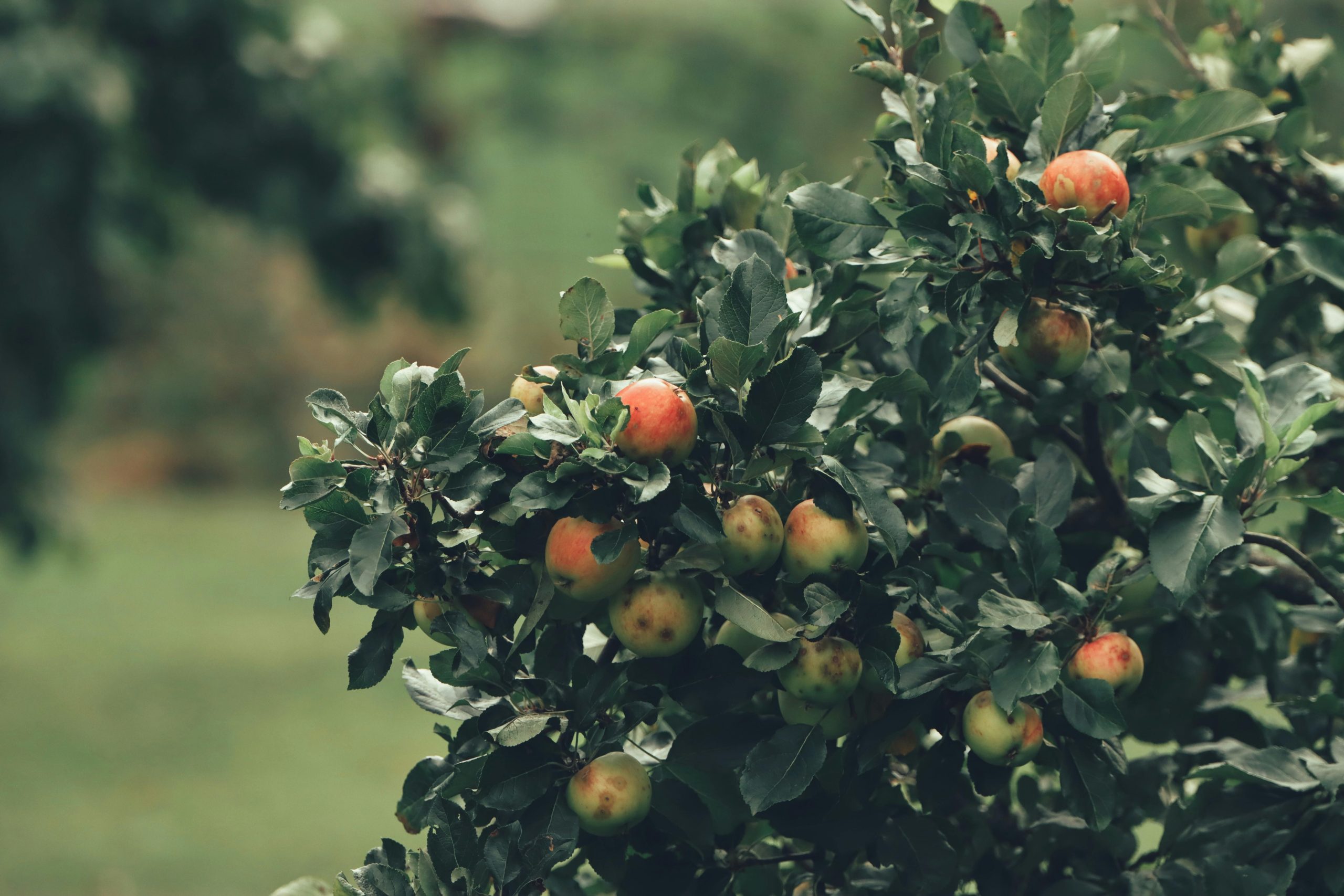
Crab apple trees can provide a pop of colour from spring all the way into autumn, bridging the gap between purely decorative trees and those grown for edible harvests. These smaller, ornamental apple trees often take centre stage in borders and lawns, contributing a delightful burst of seasonal beauty that enhances the entire garden. An experienced nursery specialist from ChrisBowers notes that crab apple trees have a timeless appeal, stating, “They offer splendid displays of blossom, reliable fruit production for both wildlife and the adventurous home cook, and serve as pollinators for other apple varieties. Their manageable size and charming appearance make them a favourite choice for those wanting something decorative but also functional.” Crab apple trees, although sometimes overshadowed by larger fruit-bearing relatives, are truly worth considering when you are looking at ways to enrich the landscape, especially if you are also exploring options for other fruit trees for sale.
Gardeners who are new to crab apple trees might wonder why these diminutive ornamental fruit trees deserve such focus. The answer lies in their visual allure, versatility, and relatively straightforward care routine. While their tiny apples may not be suitable for snacking straight off the branch—crab apples can be sharp, tangy, and occasionally quite bitter—they are marvellous in jams, jellies, and chutneys. They also boast a reputation for supporting native wildlife, including pollinators and birds. Crab apples can be dotted throughout gardens, orchards, and even in urban environments without requiring a great deal of space, making them an all-around winner in the eyes of both seasoned horticulturists and everyday garden enthusiasts.
Below is a detailed exploration of what makes crab apple trees an appealing option, as well as the practical steps for selecting and caring for them. From choosing the right variety to establishing robust growing conditions, this guide aims to illustrate why crab apple trees deserve a place in the horticultural spotlight.
The Appeal of Crab Apple Trees
Crab apple trees, botanically belonging to the Malus genus, are closely related to the standard apple tree but differ chiefly in the size of their fruit. Though their fruit may be smaller, crab apples bring a wide range of benefits to the garden, including decorative blossoms in spring, attractive leaf coloration, and clusters of colourful fruit that can last from late summer well into winter. Few trees can rival the multi-season interest that crab apples provide.
Throughout the spring, crab apple blossoms are a spectacle: abundant clusters of pink, white, or red flowers blanket the branches, often heralding the end of winter’s drabness. The blossoms can last for a few weeks, transforming the tree into a floral showstopper. By summertime, small fruitlets begin to develop, gradually maturing into spherical or oblong crab apples that vary in hue from yellow or green to brilliant reds and deep purples. Some varieties even have burgundy-tinged leaves or a coppery cast in their foliage, which enriches the aesthetic appeal.
Beyond ornamental beauty, these trees offer tangible ecological and culinary contributions. Because of their lengthy flowering period and abundant pollen, crab apples are reliable pollinators for other apple trees in an orchard, increasing the yield of fruit-bearing varieties nearby. The fruit that forms on crab apple trees provides a valuable food source for birds, particularly during the colder months. Moreover, those who enjoy cooking with seasonal produce can make jellies, sauces, and preserves from the tart, flavour-packed crab apples. In short, crab apple trees bring a combination of visual interest, practical benefits, and wildlife support that is hard to beat.
Selecting the Right Variety
With numerous crab apple varieties available, finding the best fit for your garden depends on several factors, including space considerations, desired fruit colour, flowering time, and your specific gardening goals. Some gardeners are drawn to exceptionally vibrant blossom displays, while others may emphasise the decorative quality of the fruit or appreciate varieties known for cooking potential. Familiar names among crab apple enthusiasts in Britain include cultivars like ‘Evereste’, ‘John Downie’, and ‘Red Sentinel,’ each possessing distinct aesthetic and practical traits.
‘Evereste’, for instance, is celebrated for its prolific white blossoms that start out with pink buds, followed by small, orange-red fruits. ‘John Downie’ is often chosen for culinary uses, as its fruits are a bit larger and particularly good for preserves. ‘Red Sentinel,’ meanwhile, provides clusters of small, cherry-like fruits that persist into winter, bringing a pop of festive colour when most other trees have shed their displays. Whichever variety resonates with you, it is wise to research how well it will grow in your local soil conditions and climate. For those exploring different fruit trees for sale, crab apples can also function as superb pollinators for orchard apple trees, so selecting varieties that bloom in tandem with your existing fruit trees can help ensure better overall productivity.
Another facet of selecting the right crab apple tree is recognising its typical growth habit. Some crab apple trees have a more upright, columnar shape, which is ideal for smaller gardens or tight spaces. Others spread outward, offering a broader canopy and creating a focal point in a lawn. Beyond that, paying attention to disease resistance is crucial. Many modern cultivars are bred to resist common apple ailments like scab, ensuring they remain aesthetically pleasing throughout the season. Taking the time to pick a variety well-suited to your space and needs can transform the tree from a simple ornamental afterthought into a thriving, beneficial addition to your landscape.
Planting for Success
Crab apple trees are typically sold bare-root or in containers, much like other ornamental or fruit-bearing trees. They can be planted in either the autumn or spring, though planting in autumn is often preferred, as it allows the tree’s roots to establish before winter sets in, ensuring a vigorous start the following growing season. Whether you opt for a bare-root or container-grown tree, it is essential to prepare the planting hole properly and protect the roots from damage or drying out. The planting location should receive plenty of sunlight—ideally at least six hours a day—because sunlight is pivotal for healthy growth and abundant flowering.
One of the advantages of crab apple trees is their adaptability to various soils. However, they do best in moderately fertile, well-drained soils that retain adequate moisture without becoming waterlogged. If the garden soil is heavy with clay, consider improving drainage by working in organic matter such as compost or well-rotted manure. Raised beds or planting on a slight mound can also help ensure that the roots do not sit in overly wet conditions. Conversely, very sandy soils can be enhanced with organic material to improve moisture retention and fertility.
To plant the tree, dig a hole that is wide enough to allow the roots to spread comfortably and deep enough so that the root collar (where the trunk transitions to roots) sits at the surface level once backfilled. In most cases, it is recommended to include some compost or well-rotted manure in the backfill mixture. Once you place the tree in the hole, refill gently and firm the soil around the roots to eliminate air pockets. Many gardeners also find staking helpful, especially in windy areas, to provide extra stability while the roots become established.
Soil Preparation and Planting Techniques
Soil preparation is an integral part of a crab apple tree’s success. The addition of compost, leaf mould, or other organic amendments increases soil fertility and structure, ensuring the developing root system has easy access to nutrients. If your chosen spot has a history of poor plant performance, taking the time to test the soil’s pH can prove invaluable. Crab apples thrive in neutral to slightly acidic soil, generally in the range of 6.0 to 7.0. If the soil is overly alkaline or too acidic, appropriate soil amendments can help correct the imbalance.
After putting the tree in its new home, it is very important to water it well. It helps the dirt settle around the roots and lessens the shock that can happen when plants are moved. Putting a layer of organic mulch around the tree's base, like wood chips or chopped bark, will help keep the soil wet, keep it at the right temperature, and keep weeds from growing. When you put down grass, it's best to keep it a few inches away from the trunk so that water doesn't build up and cause the bark to rot. If you put crab apples and water them regularly for the first year, especially during dry summer months, they will do better.
Ongoing Care and Maintenance
Crab apple trees generally require minimal maintenance once they are well established. By ensuring proper watering, fertilisation, and pruning, you can encourage a healthy structure and maximise the ornamental features that make these trees so appealing. Adequate watering is particularly vital during the first couple of years after planting, when the roots are still developing. Once the tree matures, its water needs lessen, although prolonged dry periods in summer might still warrant an occasional deep soak.
In early spring, many gardeners apply a balanced fertiliser around the drip line of the tree to provide a nutrient boost for the growing season. The choice of fertiliser can be guided by a soil test or general horticultural advice, but a well-balanced, slow-release option with an NPK ratio near 10-10-10 is usually suitable for crab apples. Maintaining a consistent layer of mulch around the base of the tree not only helps with moisture retention and weed suppression but also encourages beneficial microbial activity in the soil, further promoting healthy growth.
Pruning is one of the most important tasks for maintaining a crab apple tree’s shape, health, and abundance of blooms. Typically carried out in late winter or early spring, pruning helps remove any damaged, diseased, or crossing branches that might impede healthy growth. The aim is to create an open, airy canopy where light and air can circulate freely, reducing the risk of fungal problems. Most ornamental crab apples do not require heavy pruning, but an annual assessment and light shaping can keep them looking their best. Young trees benefit from formative pruning to establish a strong framework of branches. Removing suckers (the vigorous shoots that sometimes appear around the base) is also necessary to direct the tree’s energy into the main trunk and branches.
Common Pests and Diseases
Like all apple trees, crab apples can be subject to various pests and diseases, although hardy varieties often demonstrate strong resistance. Fungal issues such as apple scab can cause darkened lesions on leaves and fruit, resulting in early leaf drop. Powdery mildew, characterised by a white powdery coating on leaves, can hinder the tree’s photosynthesis if left unchecked. Fire blight, a bacterial disease, is identifiable by blackened blossoms and shoots that appear to have been scorched, which can spread quickly in warm, humid conditions.
To minimise these risks, selecting disease-resistant cultivars is a sound first step. Maintaining an open canopy through pruning also reduces moisture build-up, discouraging fungal growth. If you notice symptoms of disease, prompt removal of affected leaves or branches can help to contain the outbreak. In terms of pests, aphids, codling moth, and caterpillars are common culprits that can damage leaves and developing fruits. Beneficial insects, such as ladybirds and lacewings, can be encouraged by planting a diverse array of flowering plants. If an infestation becomes severe, organic or chemical controls can be employed carefully, but the key is early detection and intervention. Overall, a well-tended, healthy crab apple tree has robust natural defences, so vigilance coupled with good horticultural practices significantly reduces most pest and disease issues.
Enhancing Your Garden’s Appeal
Crab apple trees fit beautifully into a variety of garden settings. Their small stature and ornamental flowers make them suitable for cottage-style gardens, large borders, or even smaller urban plots where space is at a premium. While they are often planted as standalone specimens, crab apples can be grouped in a small orchard arrangement with other apple trees or stone fruits, facilitating cross-pollination and reinforcing a sense of visual harmony.
Pairing crab apple trees with complementary shrubs and perennials can create a layered, dynamic look. Throughout the year, as each plant has its moment to shine, the garden takes on a changing tapestry of colour. Many gardeners use crab apples as a structural focal point in a large herbaceous border, appreciating the changing display: pastel blossoms in spring, glossy fruit in late summer, and a luminous winter silhouette when the fruit lingers on bare branches. When viewed from the warmth of indoors in midwinter, a crab apple laden with berries can feel like a living Christmas decoration.
For wildlife enthusiasts, the tree’s fruit is a valuable resource for birds, and its profuse blossoms attract pollinators such as bees, butterflies, and hoverflies. If you aim to further support local wildlife, choosing flowering perennials that bloom at different times of the year can ensure a steady supply of pollen and nectar. Native hedgerows or mixed borders can complement crab apple trees both aesthetically and ecologically, creating a garden that teems with life and natural diversity. In the event you are also scanning local or online nurseries for fruit trees for sale, consider adding a crab apple to encourage pollinators to visit and boost yields in your broader orchard or fruit section of the garden.
The Joy of Harvest
Although crab apples are often labelled as ornamental, their fruit can be used in a wide range of culinary endeavours. The tartness of crab apples is excellent for making jellies, sauces, cider blends, and chutneys. In jams, their high pectin content contributes a lovely set, often without requiring additional thickening agents. Many crafters of homemade preserves find crab apples indispensable for adding colour and depth of flavour to mixed-fruit jams.
Some varieties are more suited for cooking than others, so if you plan on regularly using the fruit in the kitchen, selecting a cultivar like ‘John Downie’ can be particularly rewarding. Harvest typically begins in late summer or early autumn, though exact timing varies by variety and the regional climate. If left on the tree, the fruit can continue to provide ornamental value well into winter, feeding birds along the way. On the other hand, if you prefer to gather most of the fruit for culinary projects, aim to harvest before they become overripe or are taken by wildlife.
A Versatile Choice for British Gardens
Crab apple trees have been part of British horticultural tradition for centuries, frequently appearing in old estates and cottage gardens alike. Their compact habit has long made them suitable for small-scale growing, while their blossoms and colourful fruits are reminiscent of the quintessential English spring and autumn. Although some might initially overlook crab apples in favour of larger, more familiar fruit trees, any encounter with these ornamental gems often leaves a lasting impression.
Many older varieties have been preserved and cultivated, ensuring a diversity of blossom colours, growth habits, and fruiting patterns. Modern breeding has introduced trees that are more resistant to diseases like apple scab and mildew, making them even easier to care for. Whether you are beginning your horticultural journey or are an experienced gardener looking to expand your tree collection, crab apples can fill multiple roles: ornamental showpiece, wildlife magnet, pollination aid, and source of unique fruit for the kitchen. This versatility aligns well with the typical goals of a British gardener seeking beauty, productivity, and harmony with nature.
Conclusion
Crab apple trees are a rewarding addition to gardens of all shapes and sizes, offering a unique blend of ornamental value and practical benefits. Their generous displays of springtime blossoms, followed by colourful fruits that endure well into winter, ensure that they remain visually engaging throughout most of the year. These qualities, combined with their relatively compact form, make them a prime candidate for all manner of landscapes, from urban courtyards to sprawling countryside gardens. For those already looking at fruit trees for sale, crab apples can be a strategic choice to diversify a nascent orchard or to simply introduce a low-maintenance, high-impact specimen into an existing garden.
By selecting an appropriate variety, preparing the soil carefully, and applying a consistent regime of watering, feeding, and pruning, it is possible to establish a thriving crab apple tree that will flourish for decades. The most effective approach involves a balance of thoughtful selection and attentive care in the early years, combined with ongoing vigilance for pests or diseases. With these measures in place, the inherent charm of crab apple trees can be fully expressed, creating a multi-season spectacle that resonates with wildlife, visitors, and the gardener alike.
As the professional commentary from ChrisBowers emphasises, crab apple trees manage to remain user-friendly while providing numerous benefits. Whether you are enticed by their flurry of spring blooms, the splash of colour in autumn, or the joy of turning their tangy fruit into homemade jellies, these ornamental fruit trees deliver a wealth of rewards. They also foster a micro-ecosystem within the garden, drawing in pollinating insects and supporting birdlife through the colder months. In a gardening landscape that values both beauty and practicality, crab apples emerge as a charming and dependable staple. From the pollinator-friendly blossoms to the culinary delights of crab apple preserves, they capture the very essence of a well-rounded, productive, and visually captivating British garden.