The 1960s Love for Modular Furniture
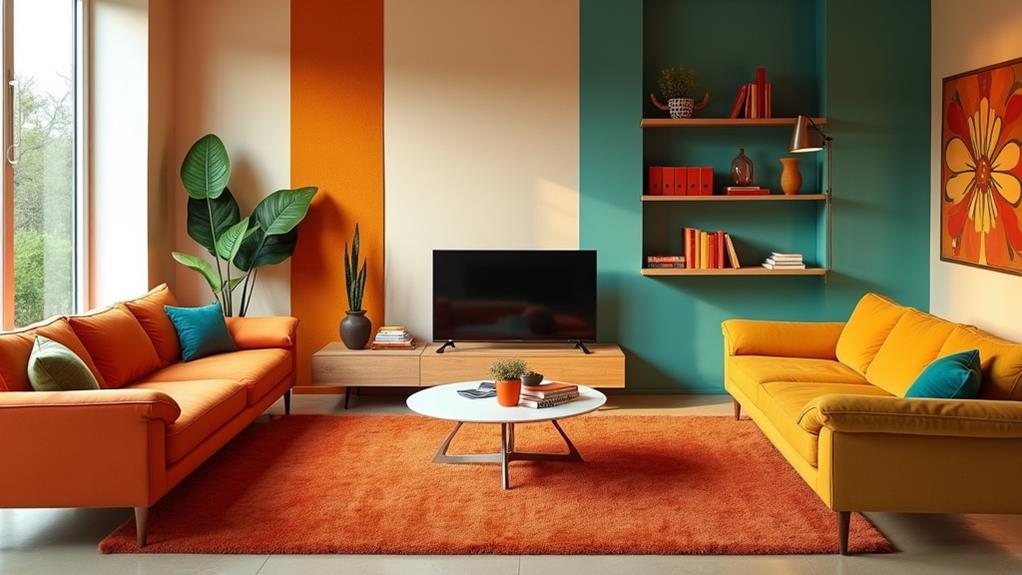
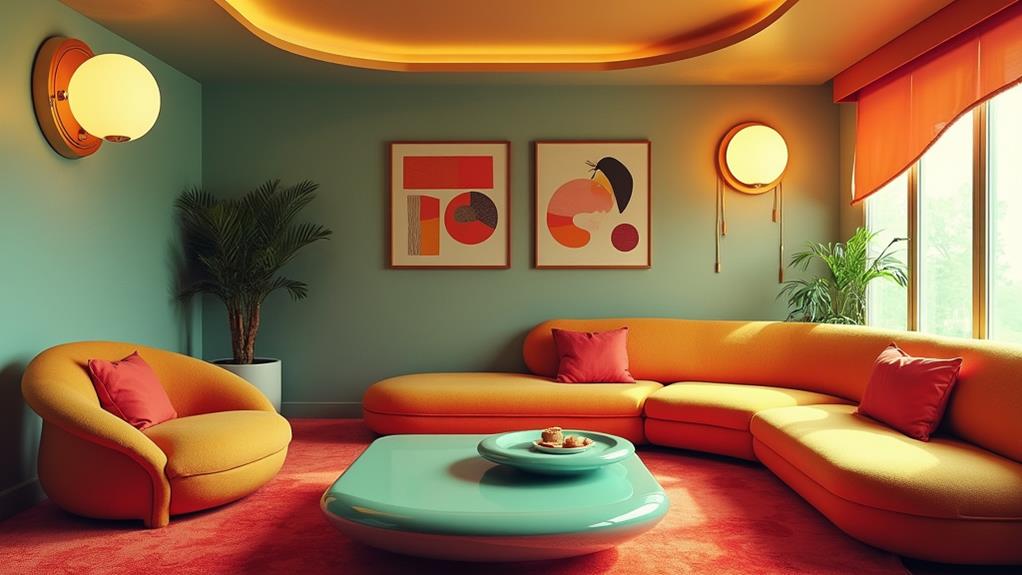
Picture stepping into a 1960s living room, where each piece of furniture is not only stylish but also modular, offering endless opportunities for personalization. Designers of the era, like Charles and Ray Eames, weren't merely creating furniture; they were crafting symbols of adaptability and modernity. You begin to ponder how these geometric forms and vibrant colors captivated a generation's imagination. What fueled this shift towards modularity, and how did it transform people's interactions with their living spaces? There is much more to uncover about this intriguing design revolution.
Overview of 1960s Modular Seating
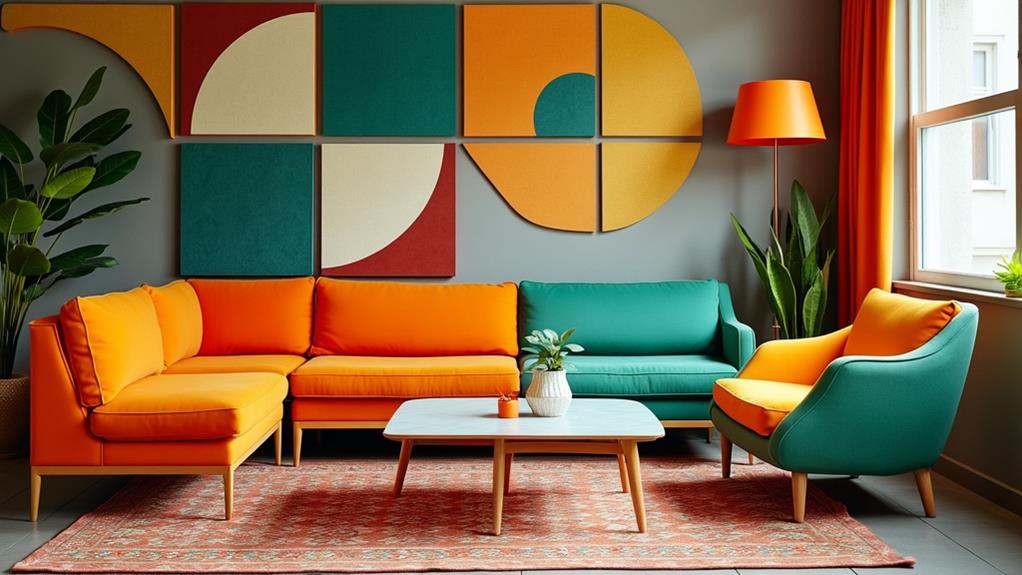
In the 1960s, modular seating revolutionized home and office interiors, offering unprecedented flexibility and personalization. These pieces ranged in price from $574 to $40,000, with an average selling price of $5,510, depending on factors like condition, rarity, and designer. The era's emphasis on quality craftsmanship and innovative design is evident in the materials used, including fabric, wood, and animal skin.
Modular furniture systems from this period were adaptable and ergonomic, easily meeting various living space needs. Popular styles included Mid-Century Modern, Modern, and Scandinavian Modern, all characterized by sleek lines and customizable configurations. These styles enabled homeowners and businesses to create dynamic environments that could evolve over time.
Notable designers such as George Nelson, Herman Miller, and Mario Bellini were pivotal in this movement, helping to establish modular furniture as a hallmark of 1960s decor. Whether you're a collector or simply appreciate design history, understanding the impact of 1960s modular seating offers valuable insights into the evolution of interior aesthetics and functionality.
Design Characteristics and Influential Designers
Exploring the design characteristics of 1960s modular furniture reveals iconic elements such as sleek lines, organic shapes, and a focus on adaptability. Renowned designers like Charles and Ray Eames and George Nelson transformed the era with their ergonomic and stylish pieces. They expertly combined materials like steel, wood, and various fabrics, creating designs that are both durable and aesthetically appealing.
Iconic Design Elements
During the dynamic design era of the 1960s, modular furniture revolutionized interiors with its customizable configurations and versatile functionality. This period emphasized flexibility and the seamless integration of furniture into various living spaces. Leading designers like George Nelson and Mario Bellini pioneered cutting-edge modular seating systems, merging sleek aesthetics with practical use. They utilized materials such as wood, steel, and diverse upholstery fabrics to achieve this blend.
Mid-Century Modern armchairs were celebrated for their ergonomic designs and organic shapes. Iconic designers like Charles and Ray Eames and Hans Wegner significantly influenced this trend, prioritizing comfort and style. High-quality materials, including leather, fabric, and chrome, were standard in both American and European modular sofas, underscoring durability and comfort for contemporary living.
A standout piece from the 1960s was the Malitte by Roberto Matta, epitomizing modularity by allowing users to rearrange the furniture to meet their individual needs and preferences. Modular furniture from this era wasn't just functional; it was a statement in avant-garde design.
Renowned Furniture Designers
Several iconic designers from the 1960s left an indelible mark on the world of modular furniture with their groundbreaking and distinct design philosophies. Charles and Ray Eames, for instance, are celebrated for their ergonomic designs that marry form and function seamlessly. Their pieces often reflect a keen understanding of human comfort and adaptability. George Nelson, another influential figure, emphasized versatile and adaptable seating systems, making it easy to rearrange and customize living spaces.
Hans Wegner's Mid-Century Modern armchairs stand out with their sleek lines and organic shapes, prioritizing comfort and functionality. Wood and varied fabrics were his materials of choice, encapsulating both beauty and practicality. On the other hand, designers like Roberto Matta and Diego Mattu pushed the envelope with creative configurations and luxurious materials.
| Designer | Key Characteristics | Notable Pieces |
|---|---|---|
| Charles and Ray Eames | Ergonomic, functional | Lounge Chair, Eames Modular Sofa |
| George Nelson | Versatile, adaptable | Coconut Chair, Nelson Modular System |
| Hans Wegner | Sleek lines, organic shapes | Shell Chair, Wishbone Chair |
| Roberto Matta | Customizable, creative | Malitte Seating |
With vintage pieces averaging $5,510, the craftsmanship and design of 1960s modular furniture continue to captivate and inspire.
Material and Craftsmanship
The 1960s modular furniture movement revolutionized interior design by emphasizing versatility and adaptability. Designers like George Nelson and Mario Bellini spearheaded this innovation, blending functionality with aesthetic appeal and reshaping modern living spaces.
Materials used in 1960s modular furniture were selected for their durability and style, featuring a mix of wood, steel, and various upholstery fabrics. Here's what made it iconic:
- Wood: Provided a warm, natural look, often used for frames and accents.
- Steel: Added strength and a sleek, modern touch.
- Upholstery fabrics: Offered comfort and came in lively colors and patterns.
- Leather: Used in luxury pieces, adding sophistication and durability.
- Velvet: Gave a plush, opulent feel to sofas and chairs.
Influential styles like Mid-Century Modern and Scandinavian Modern emphasized sleek lines and organic shapes. These designs were crafted with ergonomic principles to ensure comfort. Vintage Italian sofas from this era showcased luxurious materials, inventive shapes, and bold colors, encapsulating the essence of 1960s craftsmanship.
Popular Materials and Styles
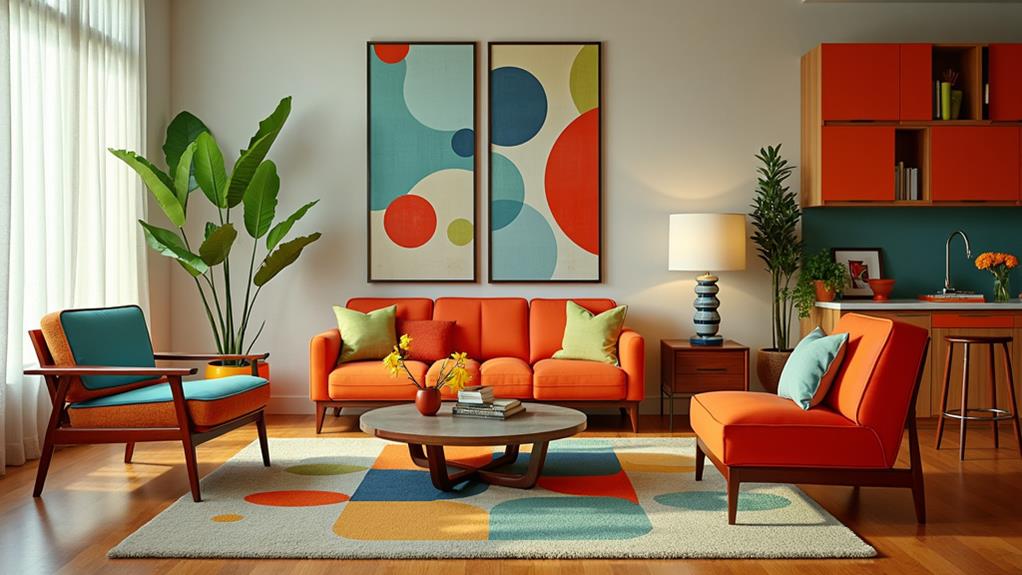
Modular furniture from the 1960s showcased versatile upholstery options, sleek wood designs, and innovative material combinations. Renowned designers like George Nelson and Mario Bellini utilized fabrics, leather, and metal to create pieces that were both functional and stylish. This era's emphasis on craftsmanship and modern aesthetics has made these items highly sought after, with their value reflecting their enduring appeal and quality.
Versatile Upholstery Choices
When exploring the versatile upholstery choices of 1960s modular furniture, you'll notice lively fabrics, leather, and animal skins dominating the scene. These materials reflected the bold aesthetic of the time, bringing a unique flair to each piece. Designers like Mario Bellini and George Nelson were renowned for their innovative use of materials and patterns, making modular furniture not just functional but also visually captivating.
Rich textures such as velvet and Bouclé fabric were common, adding comfort and visual interest to modular seating. These choices balanced style and ergonomic comfort, aligning with the Mid-Century Modern design ethos of organic shapes and sleek lines. The quality of upholstery used greatly influenced the market value and desirability of these pieces, with the average selling price around $5,510.
Notable features of 1960s modular furniture include:
- Vibrant fabrics: Bold colors and patterns made each piece stand out.
- Luxurious leather: Durable and stylish, perfect for both comfort and longevity.
- Animal skins: Exotic and unique, offering a touch of extravagance.
- Velvet: Soft and rich, providing a plush seating experience.
- Bouclé fabric: Textured and elegant, adding a sophisticated touch.
These versatile upholstery choices made 1960s modular furniture iconic and timeless.
Sleek Wood Designs
Step into the world of 1960s modular furniture, where sleek wood designs captivate with simplicity and elegance. Iconic designers like Charles and Ray Eames and Hans Wegner were pivotal during this era, utilizing materials such as walnut and teak. Their creations, characterized by clean lines and organic shapes, added warmth and sophistication to modern living spaces.
These modular systems often combined wood with various fabrics, allowing for customizable configurations to suit individual homes. Vintage Italian and Danish modular sofas from this period showcased luxurious wood finishes and innovative designs, highlighting craftsmanship and the use of natural materials. Notably, Haller systems epitomized this sleek, modular approach, blending functionality with aesthetic charm.
Here's a quick overview of popular materials and styles:
| Designer | Material | Style |
|---|---|---|
| Charles and Ray Eames | Walnut | Clean lines, organic shapes |
| Hans Wegner | Teak | Warm, inviting appeal |
| Italian Vintage | Mixed wood | Luxurious finishes |
| Danish Vintage | Mixed wood | Craftsmanship focus |
The average selling price for 1960s modular seating, including these sleek wood designs, is approximately $5,510. This enduring popularity underscores the timeless value of these iconic pieces, making them a valuable addition to any modern home.
Innovative Material Combinations
In the 1960s, modular furniture embraced innovative material combinations that seamlessly blended durability with aesthetic charm. This era saw the emergence of designs that not only emphasized practicality but also enhanced visual appeal, making homes both functional and stylish.
- Wood and Steel: This robust and elegant combination became a cornerstone of many modular pieces, offering strength and sophistication.
- Upholstery Fabrics: Featured prominently in George Nelson's modular seating systems, these fabrics allowed for customizable configurations to suit any decor.
- Leather and Velvet: Italian modular sofas often used these luxurious materials, showcasing bold colors and exquisite craftsmanship.
- Chrome and Faux Leather: American designs favored these durable materials, capturing the sleek lines and modernity of Mid-Century Modern style.
- Multifunctional Pieces: Reflecting the demand for adaptable living spaces, these pieces catered to contemporary lifestyles with their versatile designs.
These material combinations were not solely about aesthetics; they also prioritized functionality. Leather and velvet added a luxurious touch to Italian designs, while American pieces utilized chrome and faux leather for resilience and modern appeal. Upholstery fabrics in modular seating provided endless customization options, making living spaces highly adaptable. This thoughtful integration of materials and design principles made 1960s modular furniture a timeless choice, ideal for those seeking to blend style and versatility in their homes.
Pricing and Market Trends
Modular furniture from the 1960s, while nostalgic, commands contemporary prices that reflect its lasting appeal. If you're considering modular sofas from this era, expect a wide price range. On average, 1960s modular seating sells for around $5,510, but prices can start at $574 for more common pieces and reach up to $40,000 for rare, high-end items.
Several factors drive these prices. The enduring popularity of 1960s American modular sofas, celebrated for their timeless style and comfort, maintains high demand. Vintage Italian and Danish designs, known for superior craftsmanship and natural materials, often fetch higher prices due to their exceptional quality.
Condition, rarity, and designer reputation significantly influence pricing. Collectors are willing to pay premiums for pieces in excellent condition or those associated with iconic designers. Additionally, current trends show a growing interest in multifunctional and customizable furniture, aligning with the need for adaptable living spaces.
These evolving preferences could shape future market dynamics, potentially driving prices higher as demand for versatile and stylish modular furniture continues to grow.
Notable Design Innovations
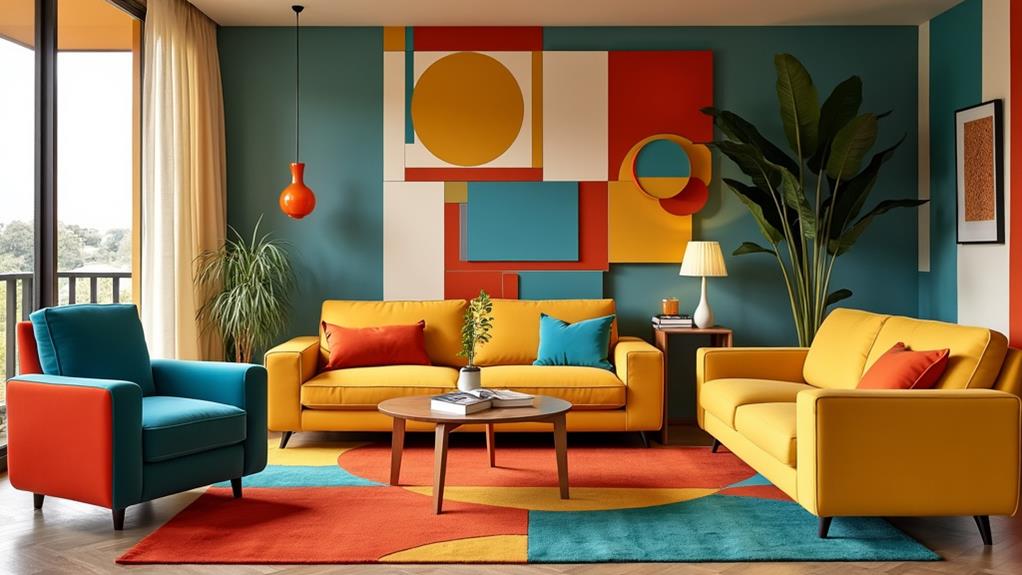
The 1960s marked a revolutionary era in modular furniture design, bringing forth innovations that redefined modern living. This period saw the introduction of concepts that allowed unparalleled customization of living spaces. George Nelson's designs epitomized adaptability and customizable configurations, enabling tailored living environments.
Roberto Matta's Malitte modular seating system exemplified creativity with its distinctive shapes, blending functionality with aesthetic appeal. These designs prioritized versatility alongside visual charm. Another pivotal innovation was the USM Haller system by Fritz Haller, which utilized steel tube and panel construction to offer endless possibilities for furniture personalization.
Key advancements from the 1960s include:
- George Nelson's customizable designs: Emphasized adaptability and personal configuration.
- Roberto Matta's Malitte system: Blended functionality with unique shapes.
- USM Haller system: Featured steel tube and panel construction for versatile solutions.
- Vintage Italian modular sofas: Combined luxurious materials like velvet and leather with creative shapes.
- Danish Scandinavian modern sectionals: Highlighted craftsmanship, simplicity, and multifunctionality.
These innovations made the 1960s a golden age for modular furniture, providing not just functional pieces, but opportunities to express personal style and adapt to the demands of modern living.
Historical Context of Modular Furniture
Design advancements in the 1960s significantly reshaped modern living, with modular furniture emerging as a key innovation. This era marked the advent of modular furniture as a response to evolving lifestyle needs, emphasizing adaptability and versatility in living spaces. Pioneers like Fritz Haller and Poul Cadovius introduced systems offering customizable configurations suitable for both small apartments and large homes.
The Mid-Century Modern design ethos, focusing on functionality, clean lines, and minimalist aesthetics, heavily influenced the modular movement. Economic and cultural shifts, including increased consumerism and urbanization, drove the demand for innovative furniture solutions that optimized space and usability without compromising style.
The USM Haller system exemplified the integration of industrial materials and engineering principles, establishing a foundation for future modular furniture designs. Fritz Haller's contributions were particularly significant, blending practicality with elegance, capturing the essence of the 1960s design landscape. This historical context underscores why modular furniture became a cornerstone of home design during this transformative decade.
Evolution of Modular Systems
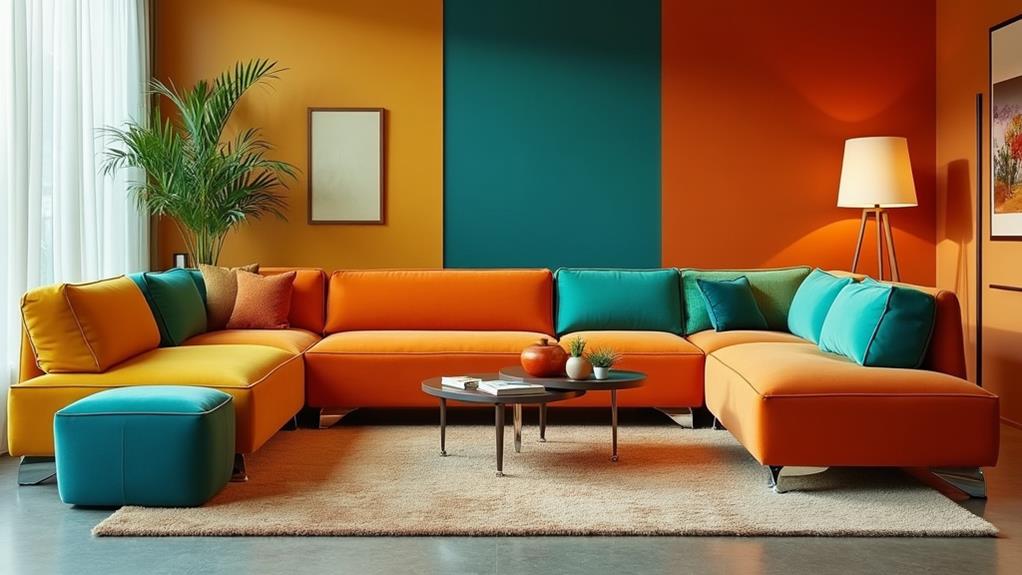
Building on the inventive spirit of the 1960s, modular furniture systems evolved to meet the changing demands of modern living. Designers like George Nelson and Roberto Matta led this evolution, emphasizing functionality and adaptability. Their designs, marked by clean lines and organic shapes, set the stage for a new chapter in home furnishings.
Key developments included:
- Abstracta System by Poul Cadovius: This Danish architect's creation allowed for both simple and complex configurations, blending aesthetics with practicality.
- USM Haller by Fritz Haller: Utilizing steel tubes and panels, this system remains timeless and adaptable, proving its enduring relevance.
- Customizable Seating: The introduction of flexible seating options that could be easily rearranged to fit diverse spaces and needs.
- Cultural Shift: Reflecting a move towards minimalism, consumers embraced furniture that offered both form and function.
- Timeless Design: The emphasis on clean lines and organic shapes guaranteed the longevity of these modular systems.
As you investigate modular furniture systems, you'll appreciate how these pioneering designs still influence contemporary interiors. They offer not just flexibility and functionality, but also a sleek, modern aesthetic that stands the test of time.