The 1960S Obsession With Lava Lamps and Funky Lighting
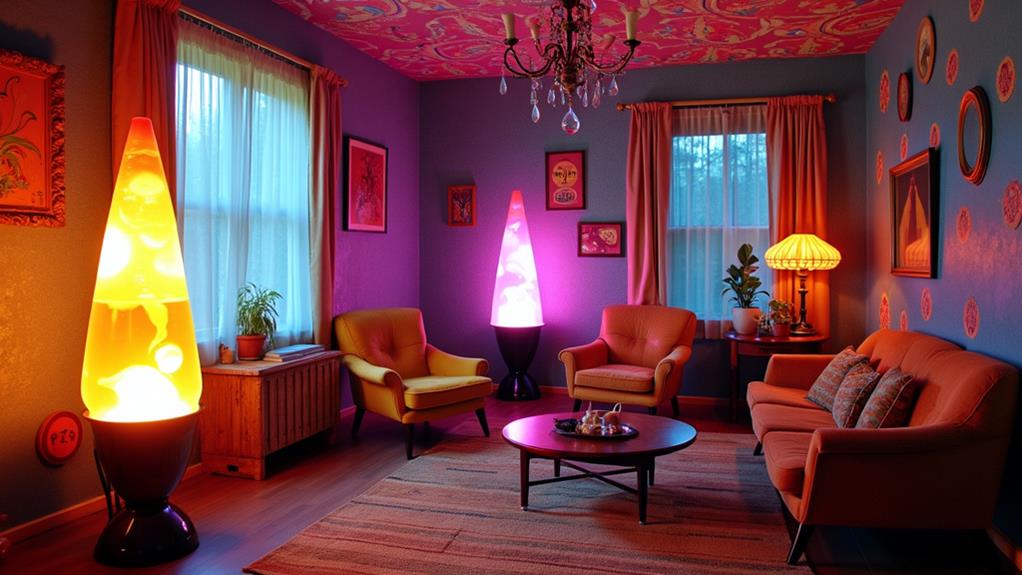
When reflecting on the 1960s, it's impossible to ignore the allure of lava lamps and distinctive lighting that defined the era's aesthetic. Edward Craven-Walker's invention of the Astro Lamp in 1963 wasn't just a design marvel; it became a symbol of the counterculture movement. These captivating lamps, with their dynamic, flowing wax, captured the imagination of a generation seeking individuality and relaxation. But what made these lamps so appealing, and why have they endured through the decades? Exploring their rise and lasting charm offers enlightening insights.
Historical Background
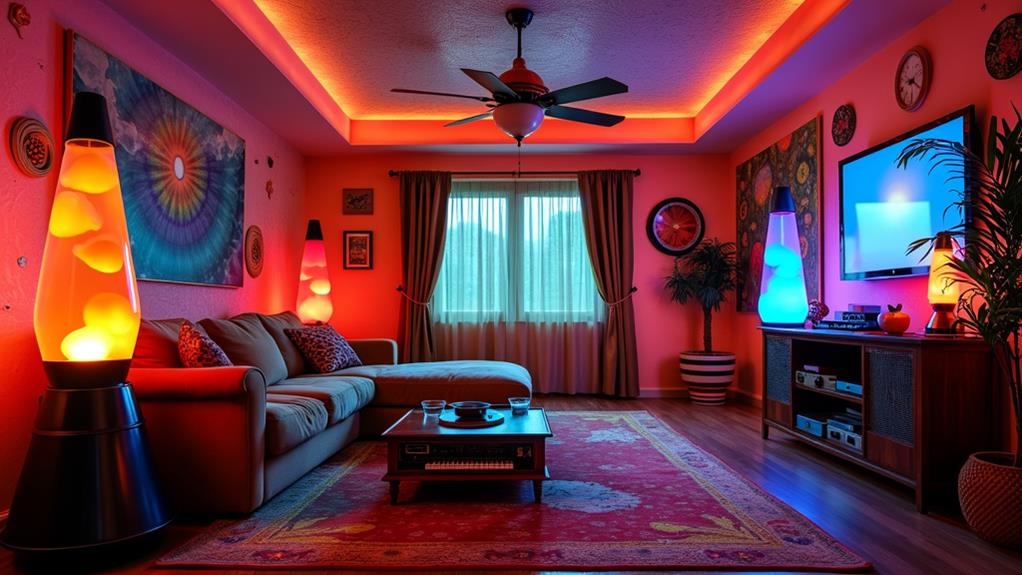
In the vibrant cultural landscape of the 1960s, lava lamps emerged as a symbol of the decade's experimental spirit. Introduced in Britain in 1963 by inventor Edward Craven-Walker, the lava lamp quickly became a popular decorative item. Inspired by a liquid-filled egg timer he observed in a pub, Craven-Walker's creation captivated imaginations with its mesmerizing, flowing blobs of wax.
The initial model, named the Astro Lamp, was designed to reflect the futuristic aesthetics of the Space Age. Its shape, reminiscent of a sci-fi rocket, aligned perfectly with the era's fascination with space exploration and modernity. The Astro Lamp wasn't just a light source; it was a symbol of the future, providing an exotic and hypnotic experience that resonated deeply with the counterculture movement.
Lava lamps became emblematic of the 1960s, capturing the attention of the Love Generation and serving as unique conversation pieces in homes worldwide. Since their inception, millions of lava lamps have been sold globally, solidifying their status as iconic fixtures. Edward Craven-Walker's legacy endures, influencing modern lighting design and continuing to enchant new generations.
Edward Craven-Walker
Edward Craven-Walker's innovative spirit led him to invent the lava lamp. His journey began in a British pub, where he noticed a homemade egg timer that sparked his imagination. Inspired, Craven-Walker decided to transform this simple concept into a captivating light fixture.
After two years of development, he perfected the formula that would become the hallmark of the lava lamp. His creation, the Astro Lamp, reflected the Space Age aesthetics of the 1960s. This rocket-shaped lamp wasn't just a light source; it was an art piece embodying the era's futuristic aspirations.
In 1964, Craven-Walker secured a patent for his unique wax-water mixture, enabling mass production. By 1965, American executives recognized its potential and acquired the rights to manufacture and market these lamps in the United States under the name Lava Lite.
Craven-Walker continued to innovate, expanding his product line under his company, Crestworth, which later became Mathmos. His enduring legacy in the lighting industry demonstrates how a simple idea can illuminate the world.
The Astro Lamp
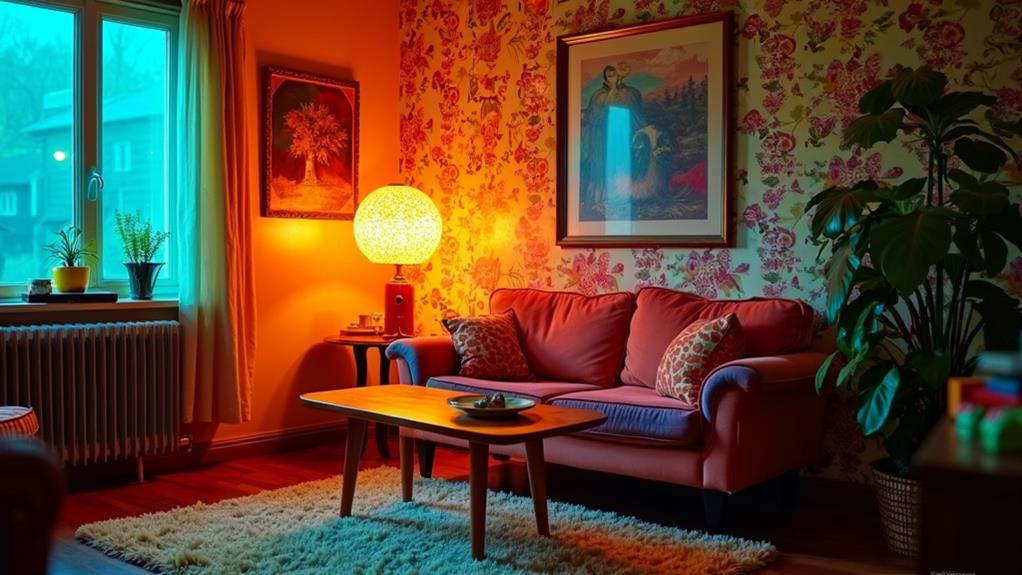
In the early 1960s, Edward Craven-Walker introduced the Astro Lamp, the first commercial lava lamp. Launched in 1963, this iconic piece of decor featured a sci-fi rocket shape that reflected the Space Exploration aesthetics of the era. Its futuristic design and the unique combination of water-based and wax-based liquids created a mesmerizing bubbling effect when heated, capturing the attention of many.
Production began in a small workshop in Poole, England, where Craven-Walker spent years perfecting the design through careful trial and error. By 1964, his efforts culminated in a patented product ready for the market. As the 1960s counterculture movement gained momentum, the Astro Lamp became a symbol of artistic expression and relaxation, embraced by the Love Generation.
Millions of Astro Lamps have since been sold worldwide, and vintage models are now highly sought after by collectors. This enduring popularity underscores their significant impact on home decor and pop culture, solidifying the Astro Lamp as a beloved symbol of a transformative time.
Design and Innovation
The design and innovation of lava lamps, with their sci-fi rocket aesthetics, perfectly captured the Space Era spirit of the 1960s. The unique liquid dynamics, featuring rising and falling wax blobs, added a mesmerizing touch to any room. Edward Craven-Walker's meticulous work on the wax-water formula and handcrafted production ensured each lamp was a technological marvel of its time.
Sci-fi Rocket Aesthetics
The 1960s witnessed a surge in fascination with space exploration, and the design of the original lava lamp, the Astro Lamp, perfectly encapsulated this cultural zeitgeist. Created by Edward Craven-Walker in 1963, the Astro Lamp showcased a sci-fi rocket shape that resonated with the Space Age aesthetics of the time. Its sleek, futuristic design was not just visually appealing but also embodied the era's spirit of technological innovation.
Looking at a lava lamp is like peering into a piece of art that mirrors the period's enthusiasm for space exploration. The design elements of the lava lamp were influenced by:
- The streamlined shapes of rockets and spacecraft
- The excitement surrounding space missions and moon landings
- The burgeoning interest in futuristic technology
- The desire for distinctive home decor that sparked joy and creativity
As the lava lamp's popularity soared, additional models like the Astro Mini and Astro Nordic were introduced. Each model retained the iconic sci-fi rocket aesthetic while incorporating unique features. This retro-futuristic design became a hallmark of the 1960s counterculture movement, symbolizing creativity and relaxation in home decor.
Unique Liquid Dynamics
While the sci-fi rocket aesthetics captured the imagination of the 1960s, the true allure of lava lamps lies in their unique liquid dynamics. Picture the soothing dance of colored wax as it rises and falls within the clear liquid. This captivating motion results from the interaction between two immiscible liquids of different densities. When heated, the heavier wax becomes buoyant, rises, cools, and then sinks, creating a continuous, mesmerizing cycle.
The original model, the Astro Lamp, embodied the Space Era spirit with its rocket-like shape. However, it's the dynamic flow within that truly sets it apart. Lava lamp manufacturers rely on this unique liquid dynamic to produce an unparalleled visual experience. The non-repetitive flow of the wax ensures that no two moments are ever the same, making each lamp's movement uniquely captivating.
Modern designs have evolved to incorporate energy-efficient LED bulbs, but the essence remains unchanged. The timeless appeal of lava lamps lies not just in their appearance but in their hypnotic, ever-changing liquid dance. This innovation in design and motion has entranced people for generations.
Technological 1960s Innovation
Step into the 1960s, a decade bursting with groundbreaking technological creativity, and you'll find the birth of the iconic lava lamp. Introduced in 1963 by British inventor Edward Craven-Walker, the lava lamp, originally named the Astro Lamp, encapsulated the sci-fi aesthetics of the Space Era. This period was marked by incredible strides in technology, and the lava lamp became an emblem of this inventive spirit.
Craven-Walker's invention operates on a simple yet fascinating principle: two liquids of different densities that don't mix. When the heat source at the bottom warms the wax, it creates a mesmerizing flow of rising and falling motion. This seemingly magical effect took two years of careful trial and error to perfect.
Key moments in the lava lamp's journey include:
- 1963: Launch of the Astro Lamp by Edward Craven-Walker.
- 1964: Securing a patent for the unique design.
- 1965: American executives purchase manufacturing rights, rebranding it as Lava Lite.
- Counterculture Symbol: The lamp becomes a symbol of artistic expression and relaxation.
The lava lamp's inventive design not only mirrored the technological advancements of the 1960s but also resonated deeply with the age's counterculture, making it a household staple for a generation seeking both novelty and tranquility.
Cultural Impact

Lava lamps didn't just light up rooms; they illuminated an entire cultural movement in the 1960s. As a symbol of the counterculture, the lava lamp embodied artistic expression and relaxation, perfectly fitting into the psychedelic period. Their swirling, colorful patterns were more than just mesmerizing; they encapsulated cultural relevance, representing a break from tradition and the acceptance of new, vibrant aesthetics.
Featured prominently in British television shows like "The Prisoner" and "Doctor Who," lava lamps enhanced their cultural relevance and became tied to iconic moments in pop culture. These appearances made them a must-have for anyone wanting to stay in tune with the times. Endorsements from notable figures like Ringo Starr further propelled their popularity, embedding them deeply within the youth culture of the period.
The demand for lava lamps surged, with millions sold globally. They became staples in dorm rooms and basements, symbolizing a collective desire for change and individuality. Their revival in the 1990s, especially after the release of "Austin Powers," demonstrated their lasting appeal and strong connection to retro aesthetics. Lava lamps remain a timeless piece of 1960s culture.
Manufacturing and Business
The history of lava lamps highlights the craftsmanship of Mathmos' British-made products and the changing U.S. manufacturing rights. Since Mathmos' rebranding in 1992, they have adhered to the original production methods, ensuring high quality. In contrast, U.S. manufacturing rights have changed hands multiple times, underscoring the lamp's enduring popularity.
Mathmos' British Craftsmanship
Mathmos' dedication to British craftsmanship and quality has been unwavering since Edward Craven-Walker invented the lava lamp in 1963. By keeping its manufacturing operations in the UK, Mathmos demonstrates its commitment to traditional production techniques and high standards. When you choose a Mathmos lava lamp, you invest in a piece of British heritage.
Cressida Granger, who acquired Mathmos in 1999, has continued to honor Craven-Walker's vision. Under her leadership, Mathmos has maintained its iconic designs and production methods, rebranding from its original name, Crestworth, but never straying from its roots. The original Astro Lamp is still made in England, using Craven-Walker's unique wax-water formula.
Despite the decline in British manufacturing, Mathmos stands as a symbol of domestic production. Here's why:
- Authenticity: Every Mathmos lava lamp is crafted in the UK, preserving the essence of the original design.
- Quality: The lamps are made using high-quality materials, ensuring durability and timeless appeal.
- Innovation: While honoring tradition, Mathmos continuously introduces new designs that captivate modern consumers.
- Global Reach: Mathmos has sold millions of lava lamps worldwide, blending nostalgia with contemporary style.
U.S. Manufacturing Rights
The U.S. manufacturing rights for lava lamps began in 1966, marking a significant milestone in the global spread of these iconic lighting fixtures. American companies were granted the opportunity to produce and market lava lamps locally, bringing the mesmerizing lights into countless U.S. homes and solidifying the lava lamp's place in American pop culture, especially during the 1960s.
However, these rights expired in 1985, paving the way for new business developments. Notably, in 2008, Lava Lite LLC acquired Haggerty Enterprises Inc.'s Lava World International business. Despite these changes, the original British manufacturer, Mathmos—founded by Edward Craven-Walker—continued its operations in the UK, maintaining its distinctive designs and high-quality production methods.
When Cressida Granger took sole ownership of Mathmos in 1999, she ensured the company retained its emphasis on British craftsmanship and innovation. This dedication has set Mathmos apart from its U.S. competitors, who have struggled to replicate the same level of uniqueness. The history of U.S. manufacturing rights underscores the enduring appeal and global reach of the lava lamp.
Collector Appeal

Collectors are often drawn to lava lamps for their distinctive motion and design, which render each lamp a unique work of art. The captivating flow of wax within the lamp creates a non-repetitive visual appeal, making each piece a singular artistic experience. Vintage models frequently command high prices at auctions due to their historical significance and rarity. The nostalgic allure of these lamps, combined with their iconic status from the 1960s counterculture, has fostered a dedicated community of collectors who celebrate their unique attributes and history.
Several factors contribute to the collector appeal of lava lamps:
- Unique Motion: The mesmerizing, ever-changing flow of wax captivates viewers, making each lamp a one-of-a-kind visual spectacle.
- Historical Significance: Vintage and limited edition models, such as the Astro Lamp, are highly valued for their rarity and connection to the 1960s.
- Nostalgic Charm: These lamps evoke memories of the counterculture era, enhancing their sentimental value.
- Aesthetic Variety: Collectors often seek specific color combinations and designs that reflect the period's cultural trends and personal preferences.
Market Trends
Market trends indicate that lava lamps have experienced a resurgence, particularly in the 1990s due to cultural phenomena like "Austin Powers." Modern designs now range from affordable to high-end collectibles, with many incorporating eco-friendly materials. The rise of online shopping has also made these nostalgic yet sustainable decor items accessible to a new generation.
Resurgence of Retro Style
Driven by a quest for unique and nostalgic decor, young consumers are spearheading a resurgence in retro items, with lava lamps making a notable comeback. This retro British icon, originally popularized in the 1960s, has re-entered the spotlight, attracting a new generation of enthusiasts. The market for lava lamps has seen substantial growth, echoing the spike in sales from 1998 when 800,000 units flew off the shelves, fueled by the resurgence of psychedelic aesthetics.
Online sales platforms have further bolstered this revival, making lava lamps more accessible to a diverse audience. Whether you're searching for a budget-friendly option or a high-end collectible, there's something for everyone.
- Nostalgia Factor: Lava lamps evoke a sense of the past, appealing to those who cherish retro vibes.
- Eco-Friendly Designs: New models focus on sustainability, aligning with modern eco-conscious values.
- Affordability: A wide price range ensures there's a lava lamp for every budget.
- Collectible Appeal: High-end versions attract serious collectors and enthusiasts.
This resurgence isn't just about decor; it's a cultural nod to the past, blending nostalgia with contemporary trends and reminding us why these iconic lights became beloved in the first place.
Evolving Design Trends
As the allure of retro decor continues to captivate, the design trends surrounding lava lamps have evolved to align with modern tastes and expectations. Today, the market for these nostalgic items is thriving, driven by new models and designs that appeal to younger audiences. Whether you're a collector or simply love the retro British aesthetic, there's a lava lamp for everyone.
Online sales platforms have made these iconic pieces more accessible than ever. You can find everything from budget-friendly options for casual buyers to high-end collectible pieces that can fetch significant sums. This broad price range ensures that anyone can enjoy the nostalgic charm of a lava lamp.
Eco-friendly designs are also gaining traction in the lava lamp market. These new models emphasize sustainability and energy efficiency while maintaining their classic, enchanting aesthetic. Integrating modern technology, such as LED lighting and smart home compatibility, is another emerging trend. These features ensure that lava lamps remain relevant in contemporary decor, seamlessly blending the old with the new.
Sustainable Lighting Options
Given the increasing consumer awareness of environmental issues, the market for sustainable lighting options has experienced significant growth. As you become more conscious of your environmental impact, you'll find a wide range of lighting solutions that prioritize sustainability. For example, modern lava lamps now utilize LED technology, which is not only energy-efficient but also has a longer lifespan compared to traditional bulbs.
Brands are also emphasizing the use of eco-friendly materials such as recycled or biodegradable components in their lighting products. This shift aligns perfectly with the growing demand for sustainable home decor. If you're looking to personalize your home lighting, the trend toward customizable options allows you to choose features like color-changing capabilities and smart home integration, all while keeping sustainability in mind.
Here are the key reasons to consider sustainable lighting options:
- Energy Efficiency: LED technology significantly reduces energy consumption and extends the product lifespan.
- Eco-Friendly Materials: The use of recycled or biodegradable materials helps reduce environmental impact.
- Customizable Lighting: Personalize your lighting with features like color changes and smart home integration.
- Easy Access: Online platforms make it simple to find and purchase eco-friendly lighting.
Switching to sustainable lighting is a practical step toward a greener future.
Maintenance Tips
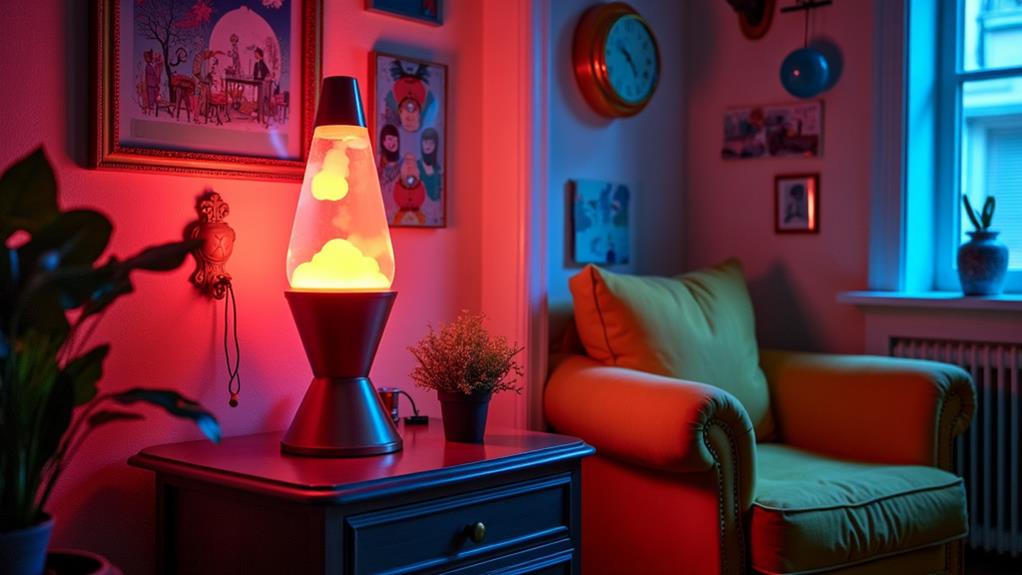
To keep your lava lamp in optimal condition, regularly clean it to prevent wax buildup, which can disrupt the fluid motion. Proper maintenance ensures it remains an intriguing centerpiece. Place your lamp in a stable environment, away from direct sunlight and extreme temperatures to maintain peak performance and prevent the liquid from becoming cloudy or the wax from hardening improperly.
Always use the recommended wattage for the light bulb. Incandescent bulbs are preferred because they provide adequate heat for proper wax movement. Some modern versions may use LEDs, but ensure they are specifically designed for lava lamps. Avoid shaking or tilting the lamp, as this can cause the wax to break apart and hinder its flow.
If you notice any issues, don't worry. Replacement parts like bulbs and wax are often available to restore your lamp's functionality and longevity. By following these maintenance tips, you'll ensure your lava lamp continues to captivate, just as it did in the groovy 1960s.
Modern Relevance
Maintaining your lava lamp ensures it remains a captivating addition to any space. Lava lamps continue to enchant modern audiences, serving as nostalgic decor that evokes the free-spirited essence of the 1960s counterculture. The resurgence of retro aesthetics has led a new generation to embrace lava lamps in college dorms and eclectic home settings.
However, the appeal of lava lamps extends beyond nostalgia. Modern designs now feature innovations like LED lighting and Bluetooth connectivity, appealing to tech-savvy users while preserving their classic allure. Here's why lava lamps are still relevant today:
- Nostalgic appeal: They evoke the free-spirited essence of the 1960s.
- Modern enhancements: Incorporation of features like LED lighting and Bluetooth connectivity.
- Collectible value: Vintage models are highly sought after and can fetch significant prices.
- Sustainability: Use of eco-friendly materials and energy-efficient options.
Vintage lava lamps are especially prized by collectors, with certain models valued for their historical significance and unique designs. Additionally, the move towards eco-friendly materials and energy-efficient technologies in modern lava lamps aligns with a growing trend towards sustainability in home decor.
Related posts