The 1960S Obsession With Sculptural Furniture
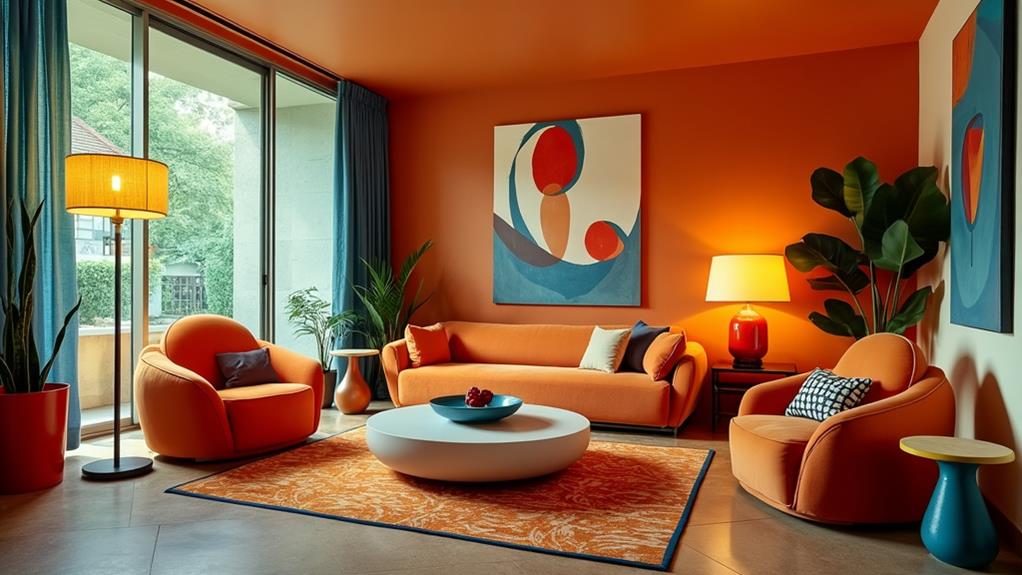
The 1960s saw a fascination with sculptural furniture, driven by a desire for individuality and rebellion against conformity. Designers like Eero Aarnio and Verner Panton weren't just creating furniture but crafting pieces of art that challenged traditional norms. Innovations in materials like molded fiberglass and polyurethane foam transformed design, altering how we interact with our living spaces. These designs remain iconic and captivating due to their unique blend of artistry and functionality.
Historical Context
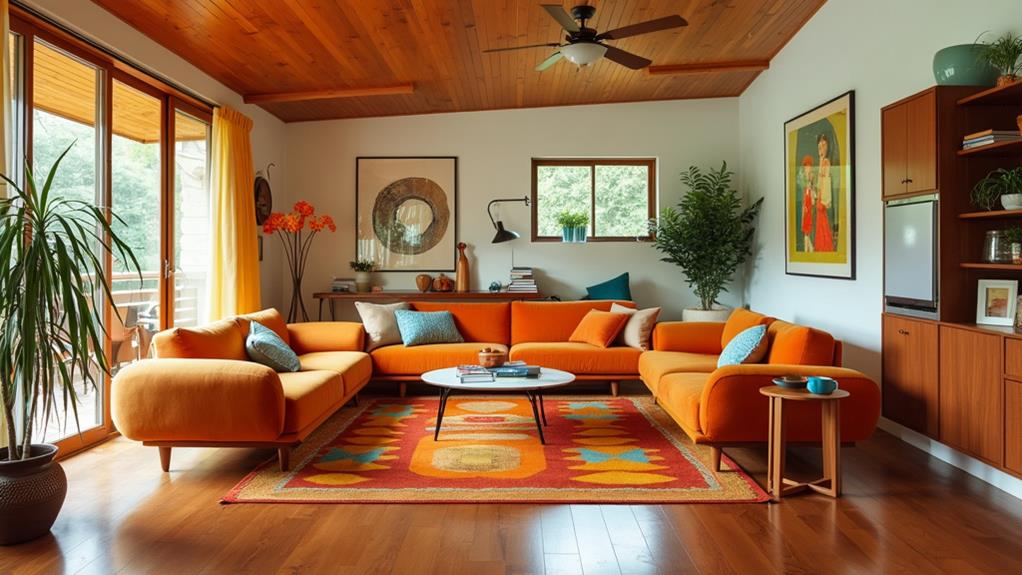
The 1960s marked a transformative era in furniture design, moving away from the rigid, linear forms of mid-century modernism towards more organic and sculptural shapes that prioritized comfort and versatility. This shift mirrored a broader cultural revolution emphasizing self-expression and individuality.
Sculptural furniture became a significant trend, with pioneering designers at the forefront. Iconic pieces such as Pierre Paulin's Pacha Lounge Chair and Michel Ducaroy's Togo chair exemplified this era's spirit of experimentation and innovation. These designs broke away from traditional norms, emphasizing fluid forms and a sense of playfulness.
The introduction of new materials like molded fiberglass and polyurethane foam was pivotal in this transformation. These materials allowed designers to create pieces that were both visually striking and functional, enabling greater freedom in form and structure. This resulted in furniture that was as much art as it was utility.
The Anti-Design movement further amplified these changes, promoting provocative and thought-provoking furniture that challenged conventional aesthetics. Sculptural furniture became a reflection of the 1960s' spirit, characterized by bold colors and imaginative forms.
Key Designers and Influences
Pioneering figures such as Eero Aarnio and Verner Panton revolutionized furniture design in the 1960s with their innovative creations. Aarnio's Ball Chair and Panton's Panton Chair redefined furniture aesthetics by utilizing creative forms and new materials. Their work, influenced by the Pop Art movement, embraced bold colors and playful designs, transforming each piece into a statement in any room.
Ettore Sottsass, a prominent figure in the Anti-Design movement, challenged traditional aesthetics with his playful and provocative designs. His work emphasized individuality and creativity, breaking away from conventional norms and pushing the boundaries of furniture design.
Joe Colombo's Tube Chair exemplified modular design and multifunctionality, aligning with the 1960s' focus on versatility and modern living solutions. His designs showcased how sculptural furniture could adapt to contemporary lifestyles.
Richard Sapper's contributions, such as the iconic Tizio lamp, seamlessly fused form and function. His visually striking yet highly practical designs epitomized the balance of art and usability, a hallmark of the era's design ethos.
Iconic Sculptural Pieces
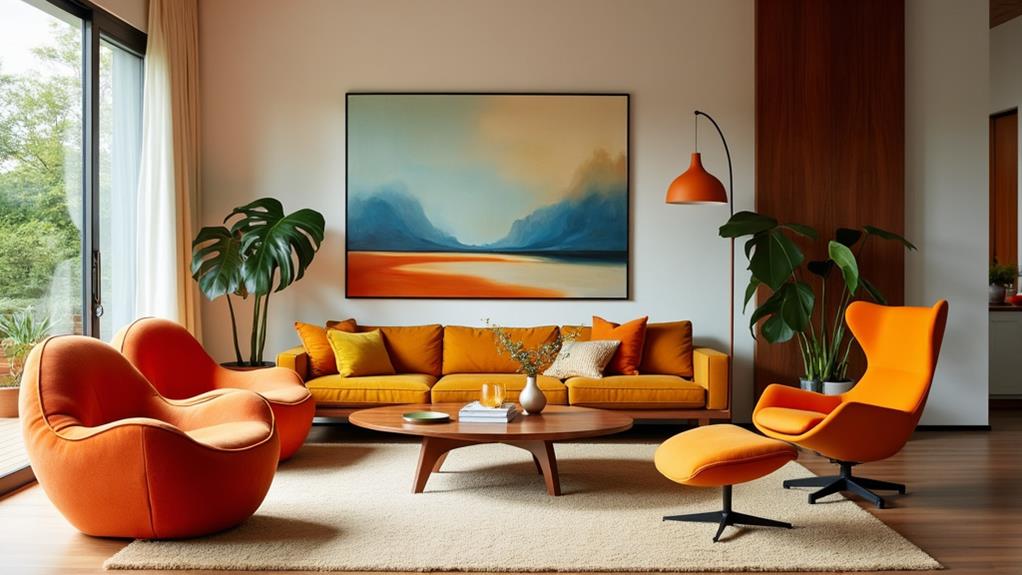
Elevating furniture to an art form, iconic sculptural pieces from the 1960s epitomized innovation and creativity. Each piece merged sculptural form with functional design, transforming everyday items into museum-worthy artifacts.
Take the Panton Chair by Verner Panton, designed in 1960. Crafted from a single mold of plastic, this iconic piece showcases a fluid, sculptural form that was revolutionary at the time. Similarly, Eero Aarnio's Ball Chair, introduced in 1966, isn't just a seat; it's an immersive experience. Its spherical shape creates a private nook, merging design with function brilliantly.
The Sacco beanbag, created by Gatti, Paolini, and Teodoro in 1968, redefined casual seating. Its organic, flexible form filled with polystyrene beads allows for a customizable lounging experience, embodying the essence of sculptural furniture. Joe Colombo's Tube Chair, launched in 1969, features a minimalist yet artistic tubular structure, emphasizing the balance between functionality and sculptural form.
Warren Platner's wire-frame furniture, especially the Platner Lounge Chair from 1966, combines elegance and modernist principles. The sculptural base made of curved steel rods demonstrates how functional design can also be a statement of art. These iconic pieces continue to inspire and captivate.
Materials and Techniques
In the 1960s, furniture designers began using innovative materials like plastics, fiberglass, and resin to create organic and playful forms. Techniques such as molding and casting enabled the production of pioneering designs, including iconic pieces like the Ball Chair and the Panton Chair. The introduction of high-density polyurethane foam elevated both comfort and aesthetics, resulting in the creation of the curvaceous Togo chair.
Innovative Material Choices
During the transformative 1960s, furniture designers embraced synthetic materials like fiberglass and plastics, reshaping the landscape of home decor. These groundbreaking materials allowed designers to explore new sculptural forms, defining the mid-century modern aesthetic. For example, Eero Aarnio's iconic Ball Chair utilized a molded fiberglass shell to offer both comfort and a futuristic look. This shift enabled designers to break free from the constraints of traditional materials, creating pieces that were as much art as they were furniture.
The period saw vibrant colors and finishes come into play, as exemplified by Verner Panton's Panton Chair. Made from polypropylene, this seamless, sculptural design could be easily mass-produced, making high design accessible to a broader audience. Techniques like injection molding and vacuum forming were revolutionary, enabling the creation of complex shapes that had previously been impossible.
These advancements made furniture more playful and imaginative, reflecting the cultural zeitgeist of the 1960s—a time marked by freedom and experimentation. By embracing these new materials and techniques, designers of the 1960s fundamentally changed how we think about and interact with furniture.
Crafting Organic Forms
The 1960s revolutionized furniture design by embracing new materials and techniques, enabling the creation of organic forms previously unimaginable. Designers like Pierre Paulin utilized molded plastics and high-resilience polyurethane foams to innovate pieces such as the Pacha Lounge Chair. These materials allowed for the production of lightweight, curvaceous, and modular chairs that seamlessly embodied organic aesthetics.
This era's approach is exemplified in the work of Eero Aarnio, whose Ball Chair captured the period's fascination with free-flowing, sculptural shapes. This iconic piece not only reflected the playful spirit of the 1960s but also showcased how advancements in manufacturing technologies made such designs more accessible. Techniques developed during this time allowed for the mass production of sculptural furniture, which had previously been exclusive and costly.
The use of vibrant colors and bold patterns in textiles further enhanced the organic forms of these designs. These playful elements infused a sense of whimsy and modernity into everyday furniture, transforming each chair or sofa into a statement piece within any room.
Cultural Impact
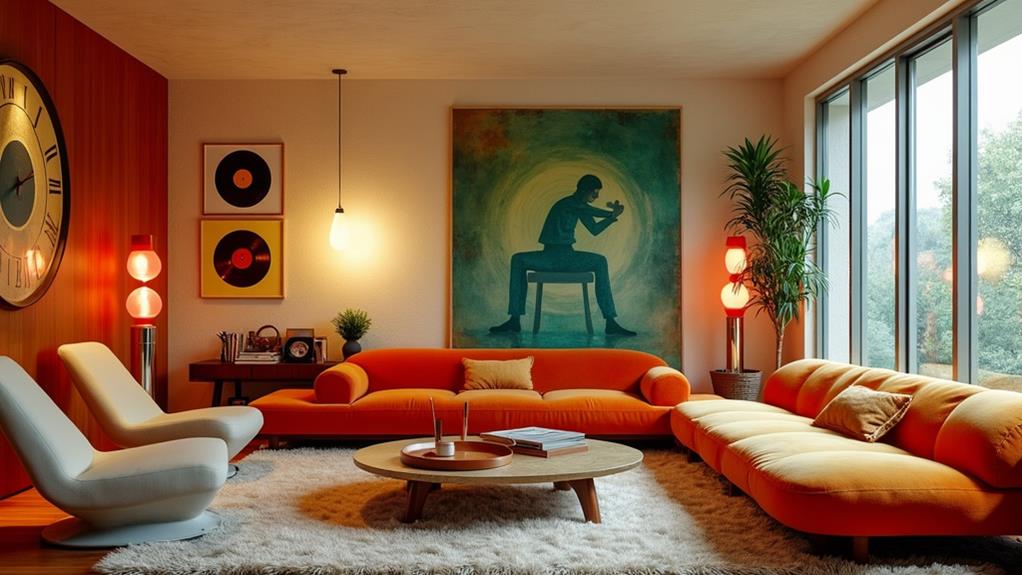
The 1960s were a period of significant cultural upheaval, and sculptural furniture vividly expressed the era's passion for individuality and innovation. These designs had a profound cultural impact, reflecting the time's embrace of self-expression and rejection of traditional norms. Iconic pieces like the Panton Chair and Eero Aarnio's Ball Chair were more than just furniture; they were statements of the Space Age and a bold departure from past conventions.
The Anti-Design movement, led by visionaries like Ettore Sottsass, challenged conventional aesthetics. This movement's provocative shapes and forms aligned perfectly with broader counterculture movements, resonating deeply with a generation eager for change. Designers like Joe Colombo and Richard Sapper infused their creations with futuristic concepts, drawing heavily from technological advancements and the optimistic outlook of the Space Age.
A comparison of some iconic 1960s sculptural furniture and their designers highlights their enduring impact:
| Designer | Iconic Piece |
|---|---|
| Verner Panton | Panton Chair |
| Eero Aarnio | Ball Chair |
| Ettore Sottsass | Carlton Bookcase |
| Joe Colombo | Elda Chair |
| Richard Sapper | Tizio Lamp |
These pieces continue to influence contemporary design, showcasing the enduring legacy of the 1960s sculptural furniture movement.
Mixing Styles at Home
Creating a dynamic and visually engaging space often involves incorporating sculptural furniture pieces that showcase your personal style through unique forms and materials. When blending different styles in your interior design, maintaining a harmonious balance is crucial. This ensures the room doesn't feel overcrowded and that each piece complements the overall aesthetic.
Start by identifying a few statement pieces, such as sculptural chairs or coffee tables, that can serve as focal points in your room. These pieces draw attention and spark conversation, anchoring your design scheme. A trained eye can help you select combinations that enhance your space's personality while adhering to cohesive design principles.
To successfully mix styles, consider the room's layout and color palette. Integrate sculptural furniture in a way that flows naturally, ensuring each piece contributes to the room without overwhelming it. Pay attention to textures and materials, blending them thoughtfully to create a unified look.
Incorporating affordable sculptural furniture options from popular retailers allows you to experiment with mixing styles without a significant financial investment. This approach makes it easier to refresh your space and explore different design combinations, keeping your home dynamic and engaging.
Affordable Options
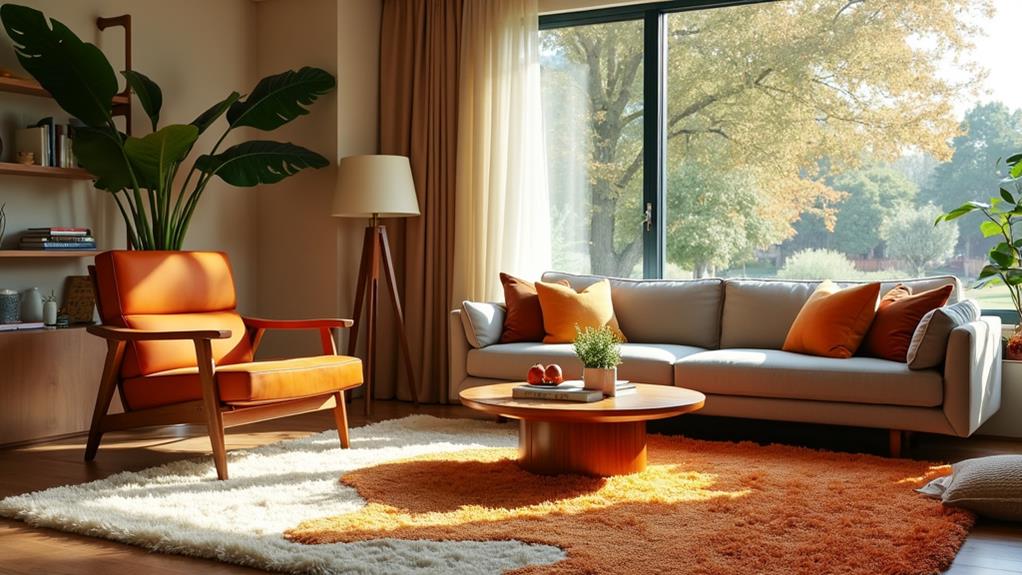
In the realm of affordable sculptural furniture, style need not be sacrificed. Pieces such as Crate & Barrel's Galisteo triangular black coffee table and West Elm's Hazel Coffee Table offer elegant designs at accessible prices. These budget-friendly options allow you to add a touch of artful elegance to your home without exceeding your budget.
Budget-Friendly Sculptural Pieces
Finding budget-friendly sculptural furniture doesn't mean sacrificing style or quality. Affordable options abound that allow you to bring a touch of elegance to your home without breaking the bank. For instance, the Galisteo triangular black coffee/end table from Crate & Barrel, priced around $299, offers a versatile and elegant design that stands out without being a strain on your wallet.
Another fantastic option is the Hazel Coffee Table by West Elm. With its rounded, voluminous shape, this table is often available for under $500. It's a stylish yet budget-friendly choice that can enhance any living room. Similarly, the Linen Sculptural Chair from AnthroLiving presents a modern take on the classic barrel-back silhouette. Typically priced around $499, this chair adds an artful touch to any space.
Many retailers aim to make design more accessible by offering stylish sculptural furniture at competitive prices. Online platforms often host sales and discounts, enabling you to find unique pieces for under $300. These opportunities make it easier to incorporate iconic designs into your home without stretching your budget.
Stylish Yet Affordable Finds
With numerous budget-friendly sculptural pieces available, stylish yet affordable finds are within reach for anyone looking to enhance their home decor. The Galisteo triangular black coffee/end table from Crate & Barrel exemplifies this trend. Its versatile and elegant design makes it an excellent option to add a sculptural touch to your living space without straining your budget.
West Elm's Hazel Coffee Table is another standout piece. With its rounded, voluminous shape, it serves as an artful centerpiece rooted in impeccable design aesthetics. This table demonstrates that you can incorporate sculptural furniture into your home without compromising on style or affordability.
For seating, the Linen Sculptural Chair from AnthroLiving offers a modern take on the barrel-back silhouette. This stylish and affordable accent piece complements diverse home interiors, adding a touch of sophistication and contemporary flair.
Many popular retailers now offer stylish sculptural furniture designs, making it easier than ever to find affordable options that enhance your living space. These pieces can significantly influence your design aesthetics, allowing you to enjoy high-end looks at a fraction of the cost.
Accessible Design Elegance
With the rise of accessible design elegance, finding affordable sculptural furniture that maintains style and quality is now easier than ever. Popular retailers offer bold geometric and artistic pieces that seamlessly blend form and function, ensuring your space remains both stylish and practical.
Consider these three standout pieces:
- Galisteo Triangular Black Coffee/End Table from Crate & Barrel: This versatile and elegant piece fits well with various decor styles. Its budget-friendly price ensures you don't have to compromise on aesthetics.
- West Elm's Hazel Coffee Table: Featuring a rounded, voluminous shape, the Hazel Coffee Table perfectly balances form and function, making it an attainable design choice.
- Linen Sculptural Chair from AnthroLiving: This modern barrel-back chair offers an artful enhancement to your space with its bold geometric design, all while staying affordable.
These accessible sculptural furniture pieces illustrate the trend of incorporating unique, impactful designs into everyday living without breaking the bank.
Future Trends
The future of sculptural furniture looks promising, with a growing demand driven by a shift towards comfort and playful aesthetics in contemporary design. Innovative materials are expected to play a key role, allowing designers to create unique, statement-making pieces that balance form and function. These trends emphasize that each piece should be visually striking, comfortable, and practical for modern lifestyles.
High-profile individuals and design enthusiasts are fueling this vibrant market, seeking distinctive items that reflect their personal style. Sustainability and eco-friendly practices are becoming significant factors in the production of sculptural furniture, as consumers increasingly value environmentally responsible choices. Designers are meeting this demand with pieces that are both aesthetically pleasing and environmentally friendly.
The eclectic nature of modern design makes it easy to integrate sculptural furniture into diverse interior styles. Whether blending historical elements with contemporary aesthetics or creating a completely modern look, these pieces add a unique touch to any space. Overall, the future of sculptural furniture is set to be dynamic, creative, and closely aligned with the values of modern consumers.