The 1960s Pop Art Influence on Home Accessories
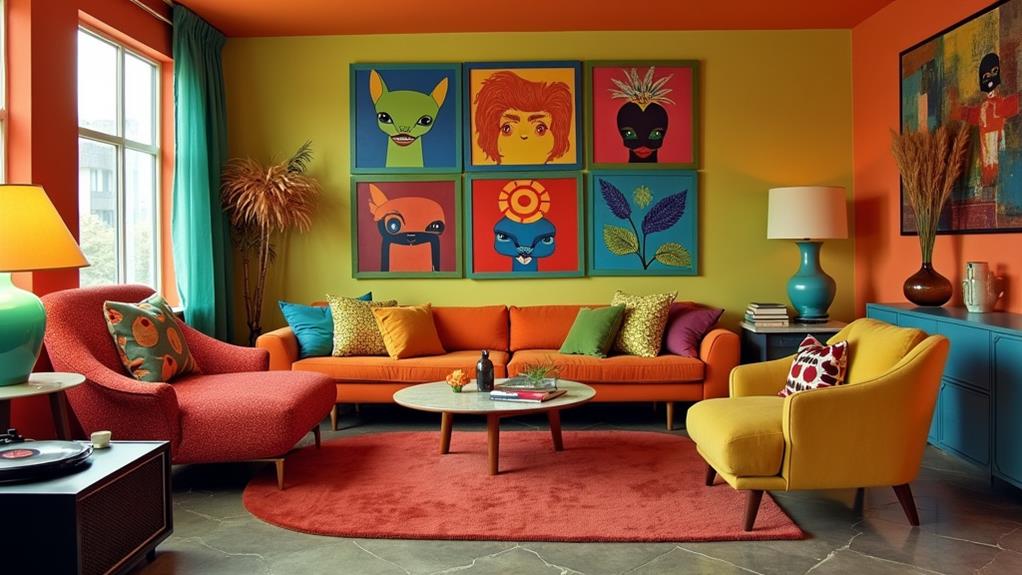
The 1960s Pop Art movement, characterized by bold colors and iconic imagery, transformed everyday items into vibrant artistic statements. Pop Art extended beyond canvases, infusing home accessories with a sense of playful expression. Artists like Andy Warhol and Roy Lichtenstein redefined household items by celebrating kitsch culture and incorporating whimsical designs. Their influence endures in contemporary decor, where elements such as vivid color schemes, graphic prints, and a blend of high and low art continue to resonate. How do these specific elements from that era persist in today's interior design trends?
Emergence of Pop Art
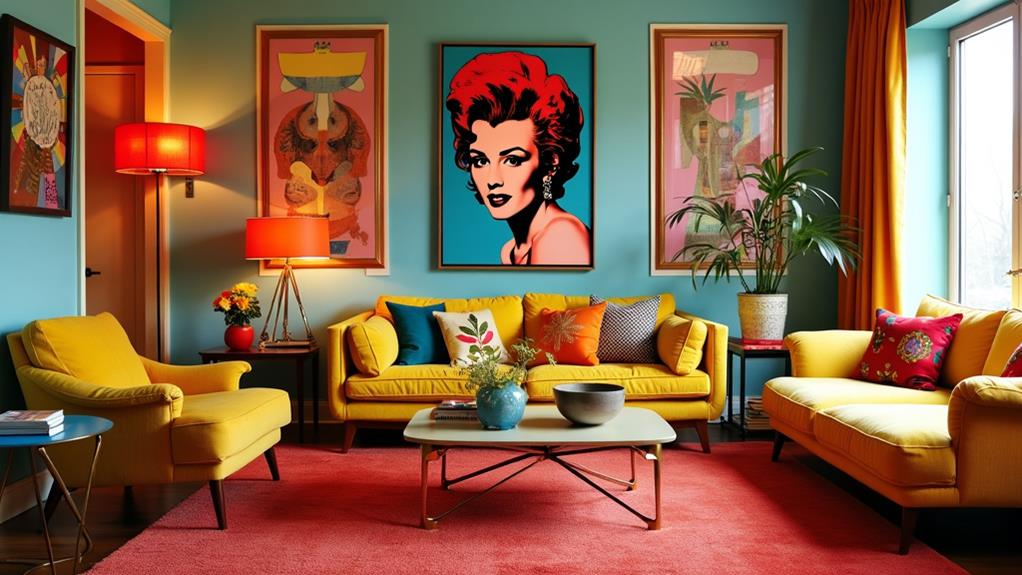
Pop Art emerged in the mid-1950s, challenging traditional art norms by integrating elements from popular culture, advertisements, and everyday objects. This movement marked a bold departure from conventional art, opting for a lively and accessible aesthetic. Key figures like Andy Warhol and Roy Lichtenstein led this revolution. Warhol's iconic works, such as his Campbell's Soup Cans, transformed mundane items into celebrated art pieces, bridging the gap between high art and mass consumer culture.
The movement gained prominence in the 1960s, characterized by its use of bright primary colors and playful patterns, contrasting sharply with the elitist ideals typically associated with high art. By employing mechanical reproduction techniques, Pop Art democratized art consumption, making it more approachable. This transformation altered societal perspectives, elevating everyday objects to newfound importance and reshaping cultural aesthetics.
Today, the legacy of Pop Art endures. Its vibrant motifs continue to influence modern interior decor, ensuring that the bold spirit of the 1960s remains a staple in contemporary design. Pop Art's impact is both profound and enduring.
Pop Art and Interior Design
In the mid-1960s, Pop Art's vibrant colors and whimsical patterns revolutionized interior design, transforming home accessories into dynamic expressions of creativity. Iconic imagery from advertisements and comics heavily influenced furniture and decor, often featuring bold primary colors. This movement celebrated popular culture, elevating everyday items to high art and encouraging visually stimulating enhancements to living spaces.
Celebrating Bold Colors
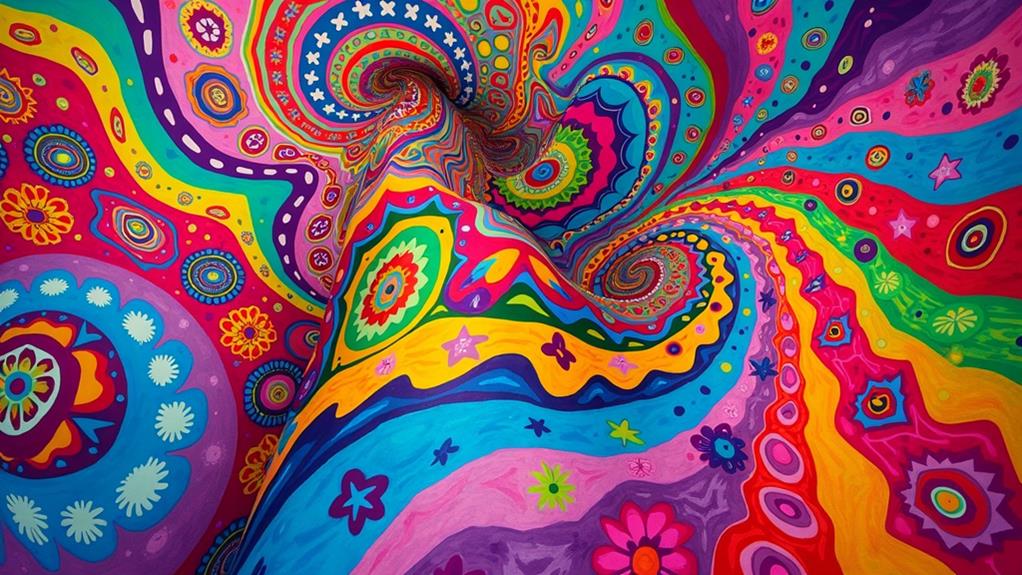
The 1960s Pop Art movement, known for its daring and dynamic use of color, revolutionized interior design by incorporating bold primary hues into home accessories. Vibrant color schemes, such as lively reds, blues, and yellows, became essential elements for creating a colorful interior. Iconic artists like Andy Warhol and Roy Lichtenstein popularized this style, using striking color contrasts and geometric patterns that influenced everything from furniture to textiles.
Incorporating these vivid hues into your home accessories adds visual interest and creates a playful and energetic atmosphere. Items such as cushions, lamps, and wall art featuring Pop Art designs can instantly liven up a room, making it feel more inviting. The mass production of these accessories during the 1960s made it easy to integrate these spirited color palettes into your home, allowing art to become a part of everyday life.
Andy Warhol's works, including the famous Campbell's Soup Cans, exemplify how everyday objects can be celebrated through bold colors, elevating them to artistic statements within home design. Adopting this lively aesthetic can transform your home into a dynamic and enchanting space.
Iconic Imagery Integration
The Pop Art movement revolutionized art by integrating iconic imagery from advertisements, comic strips, and popular culture into interior design. Thanks to artists like Andy Warhol and Roy Lichtenstein, motifs such as Warhol's Campbell's Soup Cans and Lichtenstein's comic-style paintings became prominent decor elements in homes during the 1960s. These instantly recognizable images transformed everyday objects into statement pieces that challenged traditional notions of art.
Incorporating the bright primary colors characteristic of Pop Art—bold reds, yellows, and blues—can create a lively atmosphere in your living space. Home accessories like cushions, wall art, and ceramics featuring these iconic designs make artistic expression accessible and relevant to everyday life. The playful and eclectic aesthetic of Pop Art imagery can energize any room, making it not just a living space, but a gallery of modern art.
The mass production emphasized by the Pop Art movement made these iconic designs affordable, allowing a wider audience to engage with and celebrate art. By integrating Pop Art into your home, you're not just decorating; you're participating in a cultural revolution that continues to inspire.
Celebrating Everyday Objects
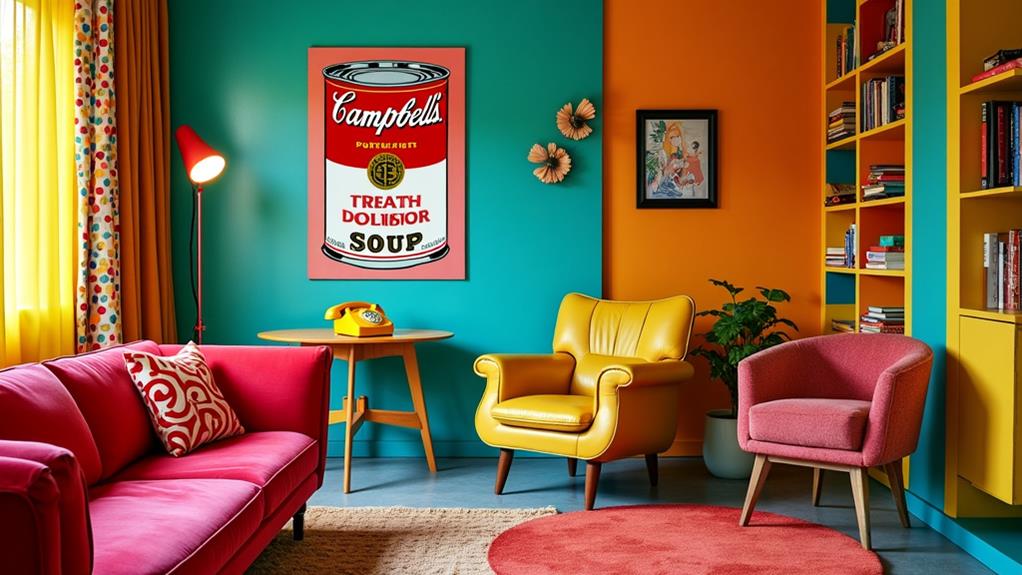
Through the lens of Pop Art, everyday objects gain newfound significance, transforming from mundane to magnificent. This revolutionary design style turns common household items and vintage advertisements into lively pieces of art that enliven your home decor. Artists like Andy Warhol and Roy Lichtenstein infused imagery from commercial products, comic books, and popular culture into their works, encouraging a reimagining of the artistic potential in everyday objects.
By incorporating vibrant colors and iconic designs, such as Warhol's Campbell's Soup Cans, Pop Art blurs the lines between fine art and consumer goods. This fusion makes these items central to contemporary interior design, allowing for expressions of individuality and creativity. Pop Art's ironic celebration of commonplace objects has inspired whimsical home accessories that reflect personal style.
Here's a quick guide to some iconic Pop Art influences on home accessories:
| Everyday Object | Pop Art Influence | Home Decor Application |
|---|---|---|
| Campbell's Soup Cans | Andy Warhol's artwork | Decorative kitchen canisters |
| Comic Book Panels | Roy Lichtenstein's style | Wall art and framed prints |
| Vintage Advertisements | Assorted Pop Artists | Retro-themed posters and cushions |
Embrace this playful re-evaluation of mundane items to transform your living space into a dynamic art gallery.
Kitsch and Consumer Culture
Pop Art's playful re-imagination of everyday items brought attention to kitsch and consumer culture. Cheap, popular art gained new respect, transforming mundane objects into celebrated icons. This shift elevated mass consumer culture, turning low-quality items into high-value products and changing how we perceive and value home accessories.
Retailers quickly embraced pop styling, leading to the mass production of kitsch items. Suddenly, lively and playful decor became accessible to a broader audience. Brightly colored, boldly designed accessories inspired by comic books and advertisements filled homes, creating an energetic atmosphere.
The modern throwaway culture of the period meant these kitsch accessories lost value quickly, but rapid consumption allowed for constant reinvention of home decor. Old items could be easily swapped out for new ones without much hassle or expense. The ever-changing nature of these accessories kept home environments fresh and exciting, reflecting the dynamic consumer culture of the 1960s. By embracing kitsch, you participated in a broader cultural movement that celebrated the ordinary, making your home a canvas for self-expression.
High-End Design Trends
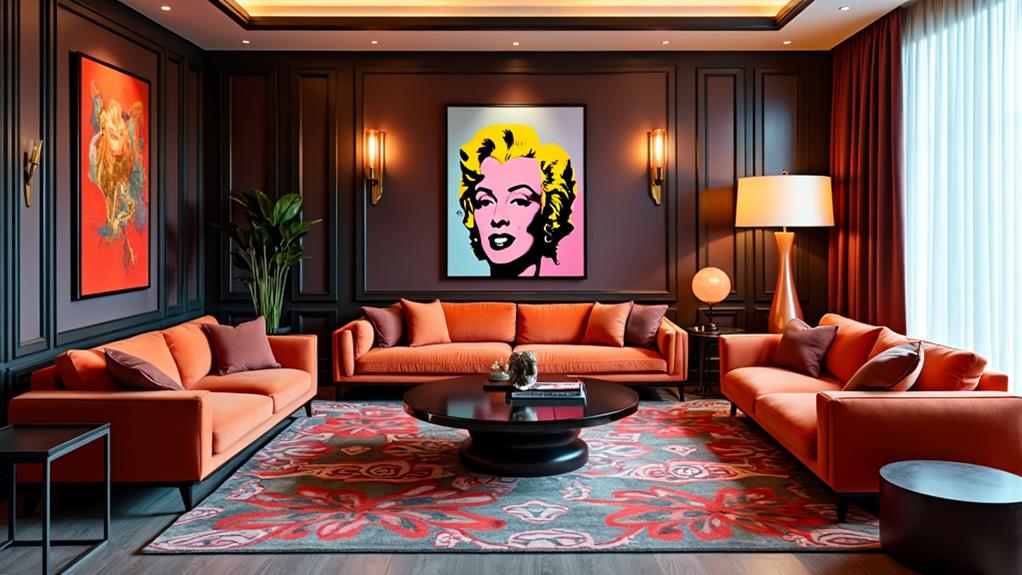
The 1960s high-end design trends embraced a bold and playful aesthetic, transforming interiors into lively showcases of modernity and creativity. Influenced by the Pop Art movement, this era saw the emergence of iconic design pieces that celebrated geometric shapes and bright primary hues, making spaces feel both energetic and contemporary.
Key iconic pieces from this period include:
| Iconic Piece | Designer | Key Features |
|---|---|---|
| Panton Chair | Verner Panton | Fluid forms, lively colors |
| Marshmallow Sofa | George Nelson | Quirky style, unconventional |
| Lips Chair | Adriano Gatto | Kitsch appeal, culturally iconic |
| Brillo Box | Andy Warhol | Mass-produced, elevated to art |
| Flower Pot Lamp | Verner Panton | Geometric patterns, bright colors |
Designers like George Nelson and Adriano Gatto blurred the lines between art and function, embodying the period's creative spirit. The Marshmallow Sofa and Lips Chair turned everyday objects into statement pieces. High-end design in the 1960s wasn't just about luxury; it embraced mass-produced elements, reflecting a cultural shift towards playful and expressive designs.
The use of geometric shapes and lively colors not only added visual interest but also captured the modernity of the time, making these pieces timeless icons in home accessories.
Legacy of Pop Art
Pop Art's timeless impact is evident in contemporary home accessories, where vivid colors and playful patterns prevail. Everyday items are elevated to art, reminiscent of Warhol's Campbell's Soup Cans, making your living space both engaging and culturally enriching. This movement encourages blending fun with functionality, reflecting modern aesthetics and individuality.
Timeless Artistic Impact
Pop Art's legacy, characterized by its bold colors and playful interpretations, has profoundly influenced design aesthetics, transforming everyday objects into celebrated works of art. This impact is evident in modern interior design, where wall decor often features motifs inspired by Pop Art icons like Andy Warhol. His Campbell's Soup Cans exemplify how consumer culture can be elevated to art, turning mundane items into iconic pieces that adorn contemporary homes.
The movement's emphasis on irony and acceptance of consumer culture has fundamentally changed our perception of home accessories. Pop Art blurred the lines between high art and commercial products, fostering a more democratic design approach. This shift is reflected in modern spaces through:
- Vibrant wall decor that captures Pop Art's playful essence.
- Bold, colorful furniture that blends whimsy with sophistication.
- Kitsch and mass-produced items that celebrate individuality and cultural references.
Everyday Object Elevation
Pop Art's enduring influence on design aesthetics naturally extends to the elevation of everyday objects. Artists like Andy Warhol, with iconic works such as his Campbell's Soup Cans, transformed mundane household items and commercial products into high art, blurring the lines between consumerism and artistic expression. These pieces prompt a re-evaluation of the aesthetic and cultural significance of objects often overlooked.
By celebrating kitsch, Pop Art redefined what could be considered legitimate art. This shift allowed mass-produced decor, once deemed trivial, to become integral to home accessories. Today, lively and engaging items featuring vintage advertisements and comic imagery infuse living spaces with humor and irony.
This elevation of everyday objects has fostered a cultural shift, making items traditionally dismissed as cheap or disposable valuable expressions of contemporary life and creativity. Pop Art-inspired accessories in your home invite an appreciation of the beauty in the mundane, merging high art with the everyday, and making surroundings both dynamic and thought-provoking.
Incorporating Pop Art Elements
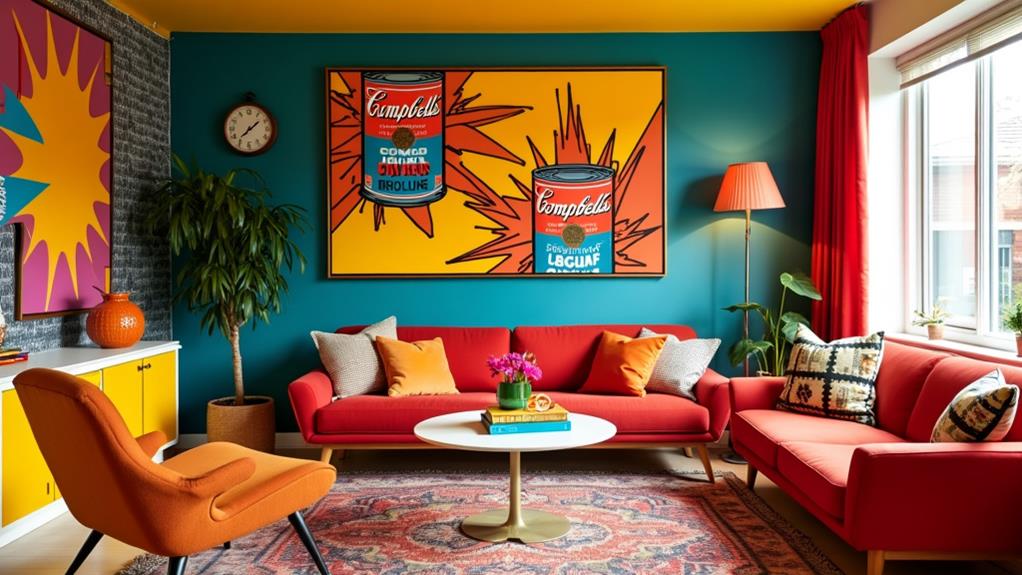
Incorporating Pop Art elements into your home accessories can transform your space into a lively and dynamic environment. Begin by using bold color palettes that reflect the lively reds, blues, and yellows typical of the Pop Art movement. These colors create a striking visual impact, especially when used in wall décor. Consider Andy Warhol's iconic works; incorporating similar imagery into cushions, throws, and rugs can instantly uplift your space.
Here are some tips to enhance your Pop Art style:
- Wall Décor: Choose pieces featuring Andy Warhol or Roy Lichtenstein's iconic imagery to act as focal points.
- Patterns and Textures: Use geometric patterns and playful textures in wallpaper or tableware to evoke the essence of Pop Art.
- Vintage-Inspired Accessories: Opt for quirky, retro kitchenware and homeware, such as mugs and utensils adorned with Pop Art designs.
Mixing and matching accessories from both modern and retro styles is another effective way to celebrate the diverse influences of the Pop Art movement. This approach allows you to personalize your space while maintaining a cohesive, lively aesthetic. By thoughtfully incorporating these elements, you can create a home that radiates joy and creativity.
Related posts