The 1960s Trend of Conversation Pits in Modern Homes
Imagine stepping into a modern home and discovering a cozy, sunken seating area evocative of the 1960s. These conversation pits aren't merely a nod to mid-century design; they create intimate spaces for meaningful social interactions, a refreshing change from the often isolating digital age. But how did this retro feature resurface, and why does it resonate so profoundly today? There's much to explore about the materials, multifunctional uses, and architectural highlights that make conversation pits a compelling choice for contemporary interiors.
Historical Context
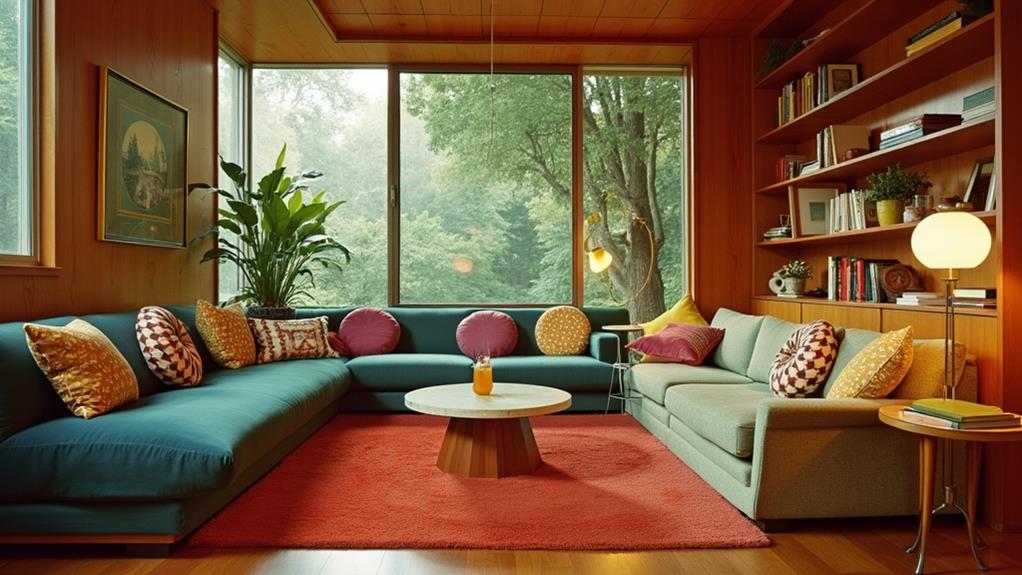
To understand the allure of conversation pits, it's essential to consider their historical context. Emerging in the 1950s, these social spaces became a hallmark of mid-century design. Characterized by their sunken seating arrangements, conversation pits were designed to promote intimate gatherings and foster connections among family and friends. Influential architects like Eero Saarinen, who designed the Miller House in 1952, played a crucial role in popularizing this architectural feature by emphasizing its ability to enhance social interaction within home environments.
During the 1960s and 1970s, mid-century modern architecture favored open and inviting spaces. Conversation pits epitomized this aesthetic, seamlessly integrating into living areas to encourage dialogue and companionship. Their frequent appearances in popular television shows of the era further amplified their appeal, making them a staple in residential architecture.
However, by the late 1970s, the allure of conversation pits began to wane. Safety concerns and a shift towards minimalist living spaces contributed to their decline. This marked a significant change in home design trends, as the once-popular feature fell out of favor, paving the way for new architectural styles.
Design Evolution
As you explore the design evolution of conversation pits, you'll observe a seamless blend of vintage charm and modern innovation. Homeowners today are incorporating cutting-edge materials like sustainable wood and sleek metals to revitalize these classic features. By merging nostalgic elements with contemporary style, they are creating both stylish and functional gathering spaces.
Blending Vintage and Modern
The design evolution of conversation pits from the 1960s exemplifies a seamless blend of vintage charm and modern sophistication. Originally celebrated for their mid-century modern aesthetics, these unique spaces have been reimagined with contemporary elements to suit today's interiors. Conversation pits create intimate spaces ideal for social gatherings, merging the nostalgic appeal of the past with the sleek lines and minimalist decor that define modern design.
Modern conversation pits incorporate functional features such as built-in storage and integrated technology, making them both practical and stylish. Warm tones and cozy furnishings align with seasonal trends, ensuring these spaces remain inviting year-round. The use of materials like leather and sustainable fabrics enhances comfort and reflects an environmental consciousness, adding another layer of appeal to these versatile areas.
| Feature | Vintage Charm | Modern Design |
|---|---|---|
| Aesthetic | Mid-century modern | Sleek lines, minimalist |
| Functionality | Simple, cozy space | Built-in storage, tech |
| Materials | Traditional fabrics | Leather, sustainable |
| Seasonal Styling | Classic tones | Warm, cozy furnishings |
Merging vintage charm with modern functionality, conversation pits offer intimate spaces that foster meaningful connections, making them a timeless feature in contemporary homes.
Innovative Materials Usage
Throughout the evolution of conversation pits, innovative materials have significantly influenced these spaces. In the 1960s, the advent of materials like fiberglass and molded plastics revolutionized furniture design for conversation pits. These materials enabled the creation of more sculptural and ergonomic forms, making the sunken areas both stylish and comfortable.
Designers continued to innovate by incorporating sustainable fabrics and textures, merging retro aesthetics with modern environmental consciousness. Upholstered seating in conversation pits often featured bold prints and vibrant colors, reflecting the pop culture of the era. This blend of pioneering materials and striking designs made conversation pits a focal point in many homes.
Functionality also improved with built-in storage solutions, maintaining a clean and uncluttered look while adding practicality. Materials such as concrete and wood were commonly used in the construction of sunken areas, allowing for seamless integration with both indoor and outdoor environments. These choices ensured that conversation pits not only looked appealing but also served multiple functions, making them a cherished feature in modern home design.
Social Benefits
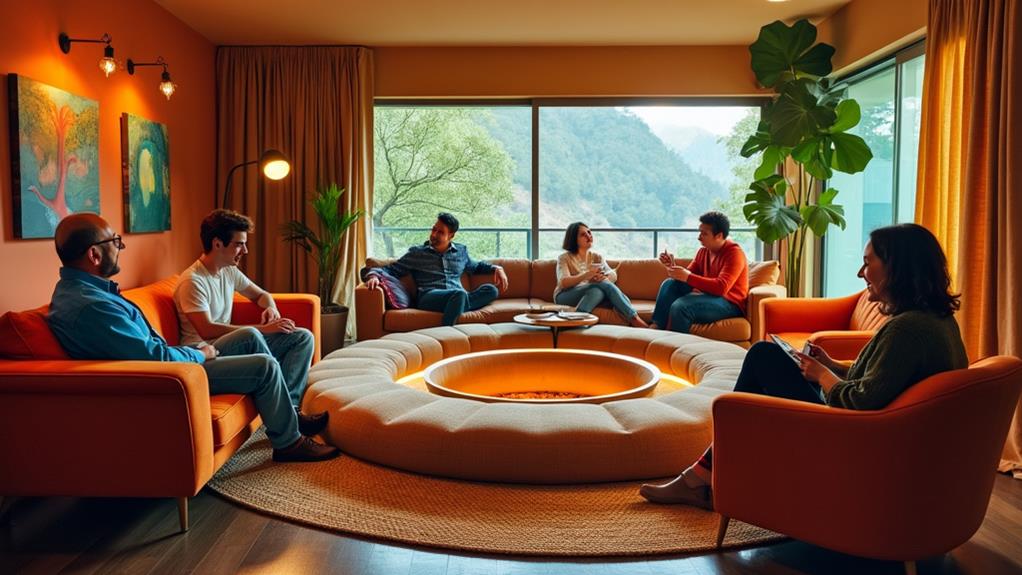
Incorporating a conversation pit into your home creates an intimate space that encourages deep conversations and promotes social interaction. The sunken design facilitates face-to-face engagement, making it easier to connect with family and friends. In today's fast-paced world, this dedicated area serves as a valuable retreat from digital distractions, enhancing the quality of your social experiences.
Encouraging Deep Conversations
Conversation pits, with their sunken design and built-in seating, create intimate spaces that naturally encourage deep, meaningful conversations. These environments foster a sense of safety and trust, making it easier for individuals to open up and share their thoughts. Seated in a conversation pit, you feel more connected to those around you, which helps reduce social anxiety. This setting promotes personal interaction, allowing for genuine exchanges without modern life's distractions.
The cozy, enclosed nature of conversation pits supports an atmosphere where emotional connections can flourish. You're more likely to engage in heartfelt discussions and build stronger relationships. The resurgence of these features in modern design reflects a desire to bring back meaningful interactions and create spaces that prioritize human connection in a technological landscape.
Consider the following benefits of conversation pits:
- Enhanced Trust: The snug setting builds a sense of safety and trust.
- Reduced Social Anxiety: The intimate design makes it easier for individuals to express themselves.
- Deep Emotional Connections: Face-to-face interactions foster genuine emotional bonds.
In a world where personal interaction is often sidelined, conversation pits offer a valuable space for meaningful conversations.
Promoting Social Interaction
Building on the emotional connections fostered by conversation pits, these spaces greatly promote social interaction. Their unique sunken design sets them apart from traditional seating arrangements, creating gathering areas that naturally encourage face-to-face interaction. In modern homes, conversation pits serve as social hubs where friends and family can engage in intimate conversations without the distractions often found in more conventional living areas.
The thoughtful layout of conversation pits, with built-in seating, allows for flexible group arrangements. Whether hosting a large gathering or a cozy get-together, these spaces can adapt to your needs, making everyone feel included and comfortable. Central features like coffee tables or fireplaces not only add to the cozy ambiance but also promote shared activities such as games, storytelling, or simply enjoying each other's company.
In a world where technology often isolates us, conversation pits in modern homes offer a refreshing change. They encourage meaningful conversations and foster a sense of community, making your home a place where social interaction thrives. If you're looking to improve your living space, consider the timeless appeal of conversation pits.
Creating Intimate Spaces
The appeal of conversation pits lies in their ability to create intimate environments that foster genuine social connections. Unlike traditional seating arrangements, conversation pits draw people closer together, encouraging deep conversations and shared experiences. The sunken design promotes a cozy atmosphere, making it easier to engage in meaningful social interactions.
By incorporating built-in seating, conversation pits enhance face-to-face communication, minimizing distractions and allowing for deeper connections. This intentional design helps improve emotional well-being by providing a dedicated space for connection. In an era where human interactions are often superficial due to technology, the resurgence of conversation pits in modern homes reflects a growing desire for authentic relationships and physical proximity.
Research indicates that environments designed for social interaction, such as conversation pits, can strengthen relationships and improve emotional health. These intimate spaces allow for an escape from digital noise, fostering genuine conversations that matter.
- Cozy Atmosphere: The sunken design creates a warm, inviting space.
- Face-to-Face Interaction: Built-in seating promotes deeper connections.
- Emotional Well-being: Dedicated spaces for social interaction improve mental health.
Embrace conversation pits to enrich your social life and emotional well-being.
Architectural Highlights
Highlighted by their groundbreaking design and social functionality, conversation pits have become a distinctive feature in contemporary architecture. The Miller House, designed by Eero Saarinen in 1952, stands as a quintessential example. Its sunken living area, centered around a geometric fireplace, exemplifies mid-century modern architecture's focus on creating intimate, social spaces. This architectural element fosters a cozy atmosphere, encouraging interaction and engagement.
Bruce Goff's innovative designs also significantly contributed to this trend. His Adah Robinson House, built in 1927, is one of the earliest examples, featuring a semicircular conversation pit that surrounds a central focal point. Goff's Nicol House, constructed in 1965, further showcases his eclectic approach, blending inventive architectural elements with functional living spaces.
Paul Rudolph's Cohen House, completed in 1955, exemplifies how conversation pits were integrated into mid-century modern homes to create intimate gathering spaces. Its sunken living area enhances the home's social dynamic, making it a hallmark of the period.
Lastly, Saarinen's TWA Flight Center, opened in 1962, demonstrates how conversation pits extended beyond residential design. The terminal's distinctive pit enhances both its architectural style and visitor experience, underlining the versatility and enduring appeal of this design trend.
Furniture Trends
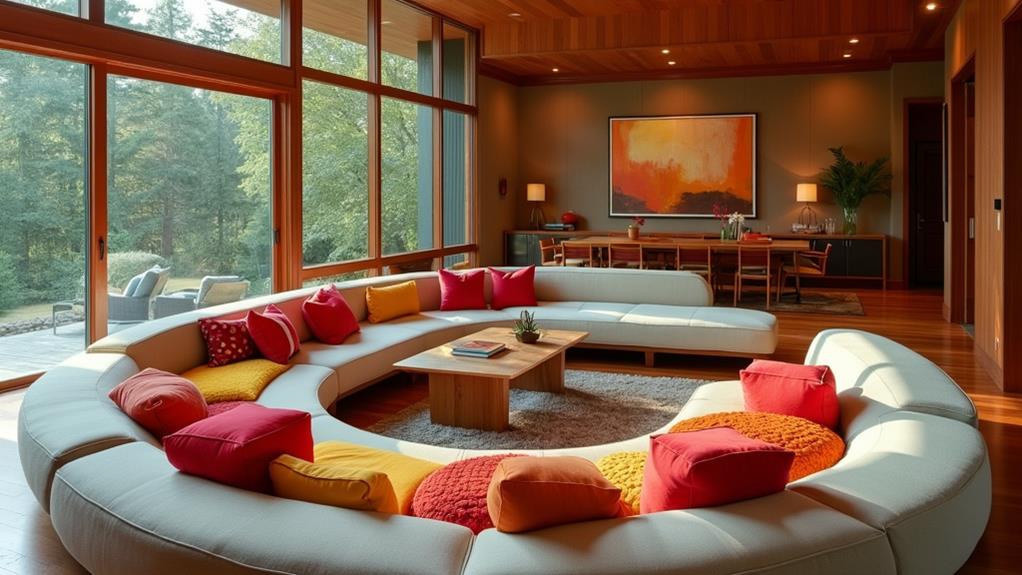
When furnishing a conversation pit, consider minimalist design choices to keep the space open and inviting. Retro-inspired seating can add a nostalgic touch while maintaining comfort and style. Functional versatility is key, so opt for modular pieces that can adapt to diverse social settings and storage needs.
Minimalist Design Choices
During the 1960s, minimalist furniture trends gained prominence, emphasizing sleek lines and functional designs that complemented the sunken nature of conversation pits. These trends continue to be celebrated in modern homes for their ability to create clean, uncluttered spaces that feel both inviting and sophisticated. Conversation pits, with their iconic designs, often featured low-slung sofas and modular seating that used overstuffed cushions to provide both comfort and visual appeal.
The emphasis on minimalist design was not solely about aesthetics; it aimed to create a functional living environment. Natural materials like wood and leather were commonly used, adding an organic touch to the modern homes of the time. Iconic designs such as Eero Saarinen's Tulip chair and the Noguchi coffee table became staples in conversation pits, enhancing their sleek and modern appeal.
- Natural Materials: Incorporating wood and leather highlights simplicity and an organic aesthetic.
- Iconic Designs: Items like the Tulip chair and Noguchi table became conversation pit staples.
- Functional Designs: Multifunctional furniture with built-in storage optimized space while maintaining a minimalist look.
These elements combined to create conversation pits that were both functional and visually stunning, embodying the best of 1960s minimalist design.
Retro-Inspired Seating
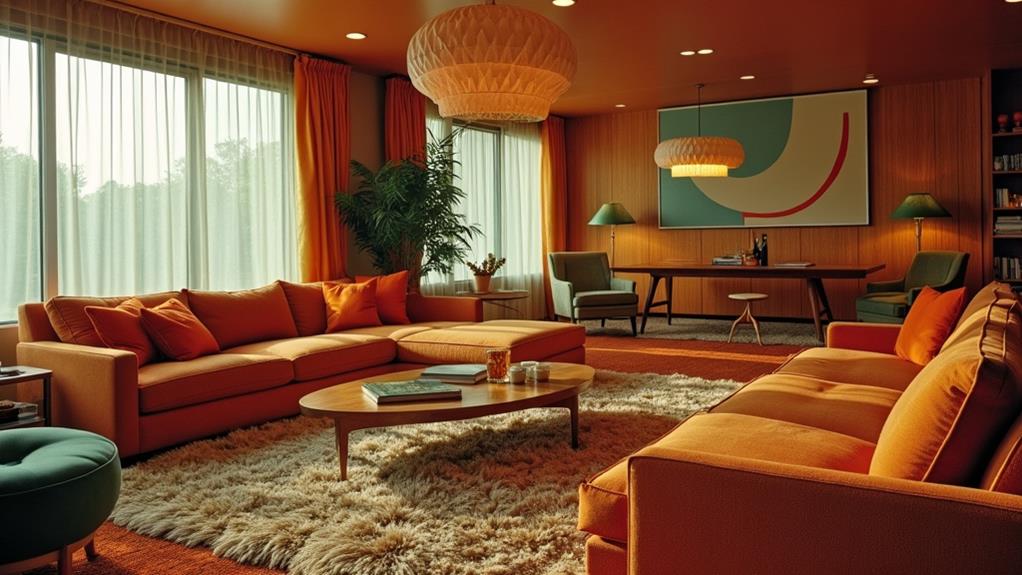
Retro-inspired seating was a hallmark of 1960s interior design, especially in the cozy conversation pits that defined the era. Low-slung sofas and oversized cushions created a relaxed ambiance, ideal for intimate gatherings. The vibrant colors and bold patterns typical of mid-century modern design added a playful, visually appealing touch.
One iconic piece from this period was the Eames Lounge Chair. Known for its ergonomic form and luxurious comfort, it became a staple in many homes. Tufted sectional sofas also gained popularity, offering both style and ample seating, embodying the retro design's emphasis on comfort and aesthetic appeal.
Materials like fiberglass and molded plastic were prevalent in 1960s furniture design, facilitating innovative shapes that fit snugly within conversation pits. Modular furniture was also favored for its flexibility, allowing homeowners to rearrange seating areas as needed. This adaptability created dynamic social spaces, making the conversation pit a central feature of home interiors.
Incorporating these retro-inspired seating trends can infuse modern homes with a nostalgic yet stylish touch.
Functional Versatility
Functional versatility in furniture has become a cornerstone of modern conversation pits. The influence of the 1960s is still evident, with a focus on low-slung sofas and modular seating that enhance both the intimate atmosphere and practical use of sunken areas.
Built-in seating solutions are not just visually appealing; they offer significant functional benefits. Often incorporating storage spaces, these designs ensure that every inch of your conversation pit serves a purpose. Multi-functional furniture, such as coffee tables that double as storage units, further increases the utility of these spaces, aligning perfectly with the streamlined, minimalist approach of mid-century modern design.
Key Features:
- Built-in Seating: Often includes hidden storage, keeping the area tidy and cohesive.
- Multi-functional Furniture: Items like convertible coffee tables add both utility and charm.
- Vibrant Upholstery: Bold colors and patterns make the space inviting and encourage social interaction.
Safety Concerns
Safety concerns surrounding conversation pits surged in the late 1970s, primarily due to the risk of falls and injuries, particularly among children and the elderly. These sunken living rooms, once cherished for their cozy and intimate atmosphere, quickly became tripping hazards. As a homeowner, you might have taken these safety concerns seriously, especially if you had young children or elderly family members. Accessibility issues also significantly impacted the popularity decline of conversation pits. People using mobility aids found it challenging to navigate these spaces, making them less practical in modern home design.
In response to these concerns, many homeowners began installing railings or barriers around their conversation pits to enhance safety and accessibility. Despite these measures, critics still deemed conversation pits hazardous, leading many to fill them in during renovations. The 1980s trend towards uniform floor designs and minimalism further encouraged homeowners to opt for level flooring throughout their living spaces. While conversation pits had their moment, the practical challenges they posed contributed to their decline in modern home design.
Modern Revivals
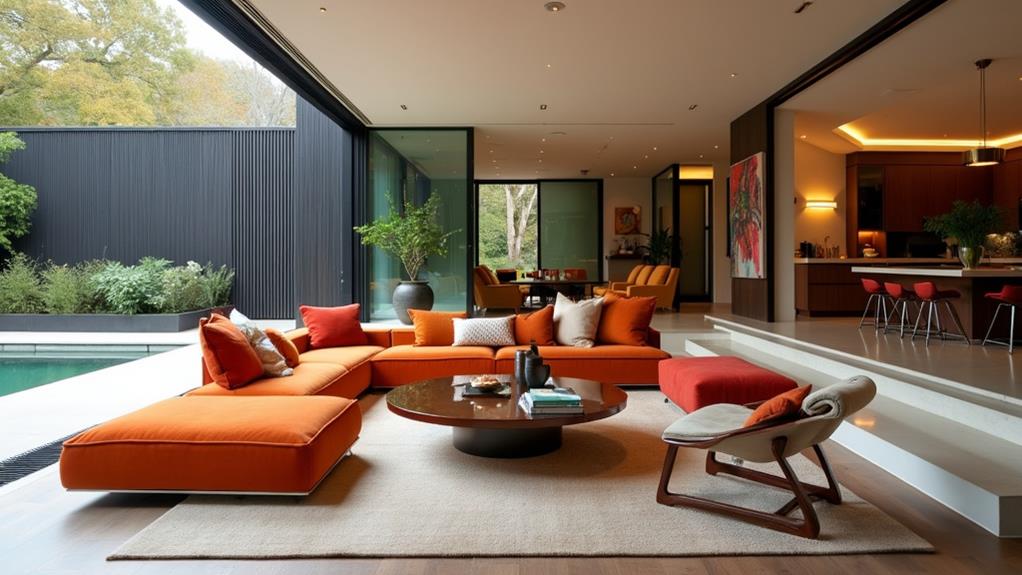
The resurgence of conversation pits in contemporary homes has gained traction as homeowners seek intimate, social spaces in our increasingly digital world. These cozy, recessed areas are making a comeback, blending modern aesthetics with the nostalgic charm of mid-century design. Today's designers are reimagining these spaces with sleek lines, sustainable materials, and multifunctional features like built-in storage, making them both stylish and practical.
Incorporating conversation pits into your home can transform an ordinary room into a unique social hub, perfect for fostering face-to-face interactions in an era dominated by technology. Modern designs emphasize comfort, with plush seating and integrated technology such as built-in sound systems, creating inviting spots for relaxation and gatherings.
- Enhanced Comfort: Plush seating and integrated technology ensure these spaces are welcoming.
- Sustainable and Stylish: Contemporary designs use eco-friendly materials while maintaining sleek, modern aesthetics.
- Adaptability: These pits fit seamlessly into various living environments, from urban lofts to suburban homes.
Ultimately, the revival of conversation pits reflects a desire to blend the best of mid-century design with the functionality and comfort of contemporary living, offering a perfect balance of style and social connectivity.
Famous Examples
Several iconic homes and buildings have adopted the concept of conversation pits, making them standout examples in architectural history. Eero Saarinen's Miller House, designed in 1952, features a prominent conversation pit that became an iconic representation of mid-century modern design and social interaction. This pit exemplifies how a well-designed space can become the heart of a home, fostering intimate gatherings.
Bruce Goff's Adah Robinson House, completed in 1927, is recognized as one of the earliest examples of a modern conversation pit. Goff's semicircular sunken area around a central fireplace set the stage for future designs, showing how residential architecture could be both functional and groundbreaking.
Saarinen's design prowess is also evident in the TWA Flight Center at JFK Airport, completed in 1962. The striking red conversation pit in the terminal exemplifies the blend of architectural creativity and social space, making it a memorable feature of modern design.
Paul Rudolph's Cohen House, built in 1955, showcases signature conversation pits that enhance living spaces. Meanwhile, Goff's Nicol House from 1965 reinforces the trend's influence on 1960s residential architecture, demonstrating creative approaches to integrating conversation pits into home designs.
Design Considerations
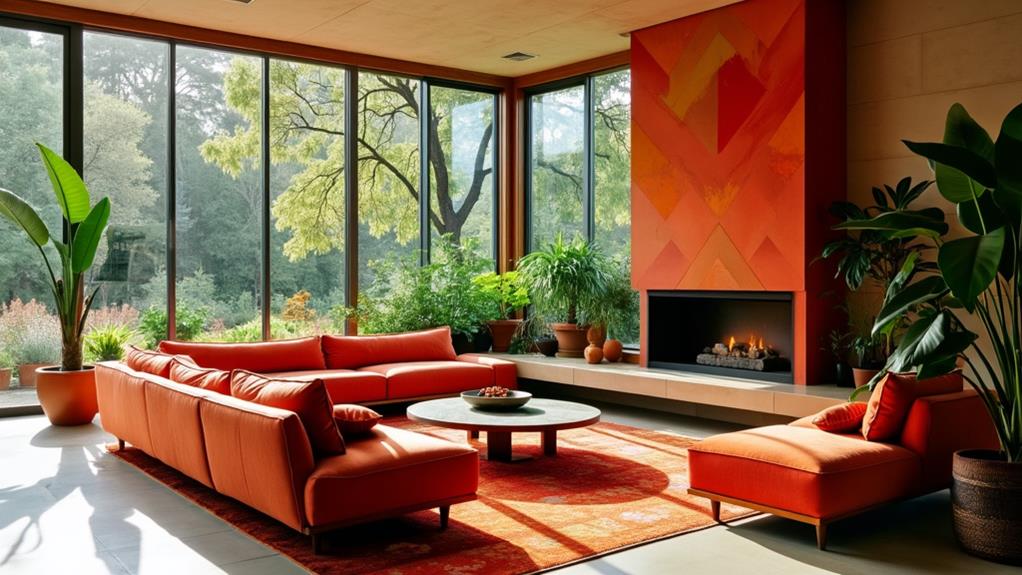
Admiring iconic conversation pits naturally leads us to consider the design elements that contribute to their charm and functionality. When creating a conversation pit, focus on the built-in, cushioned seating that wraps around a central feature like a coffee table or fireplace. This configuration promotes intimacy and social interaction, making it a staple in any modern sunken living room.
Typical dimensions range from 8 to 10 feet for smaller pits and 12 to 15 feet for larger ones, allowing for various configurations and styles. Furnishing the conversation pit with wall-to-wall carpeting, sectional sofas, and accent pieces like throw pillows enhances both comfort and aesthetics.
For accessibility, include a few small steps leading down into the sunken area. While this design choice enhances the cozy, informal atmosphere, it is essential to prioritize safety. Incorporating natural elements and an open layout fosters a connection with the surrounding environment and aligns with mid-century modern aesthetics.
- Promote intimacy and social interaction: Utilize built-in seating around a central feature.
- Enhance comfort and aesthetics: Use wall-to-wall carpeting and sectional sofas.
- Prioritize safety and accessibility: Include steps and open layouts.
Nostalgic Appeal
Reflecting a cultural shift towards informal social gatherings and a more relaxed lifestyle, conversation pits gained immense popularity in the 1960s. These sunken seating areas evoked a nostalgic appeal for communal spaces, reminiscent of ancient gathering practices like the Chinese kang and Japanese irori. As a homeowner, you might appreciate how conversation pits symbolized modernity and sophistication back then, seamlessly integrated into open-concept layouts that emphasized connectivity among family and friends.
The rise of television during the 1960s further influenced the design of conversation pits. They offered an inviting alternative for socializing, providing a communal space that countered the more solitary experience of watching TV. This design fostered face-to-face interaction, making conversation pits a cornerstone of mid-century design. You can imagine how these spaces encouraged deeper connections and more meaningful conversations.
Today, nostalgia for mid-century design has sparked a resurgence of interest in conversation pits. Millennials, in particular, are drawn to the intimate and communal atmosphere these features provide. By incorporating a conversation pit into your modern home, you're not only embracing a piece of design history but also creating a warm, inviting space for informal social gatherings and cherished moments with loved ones.