The 1970s Craze for Wall-to-Wall Carpeting
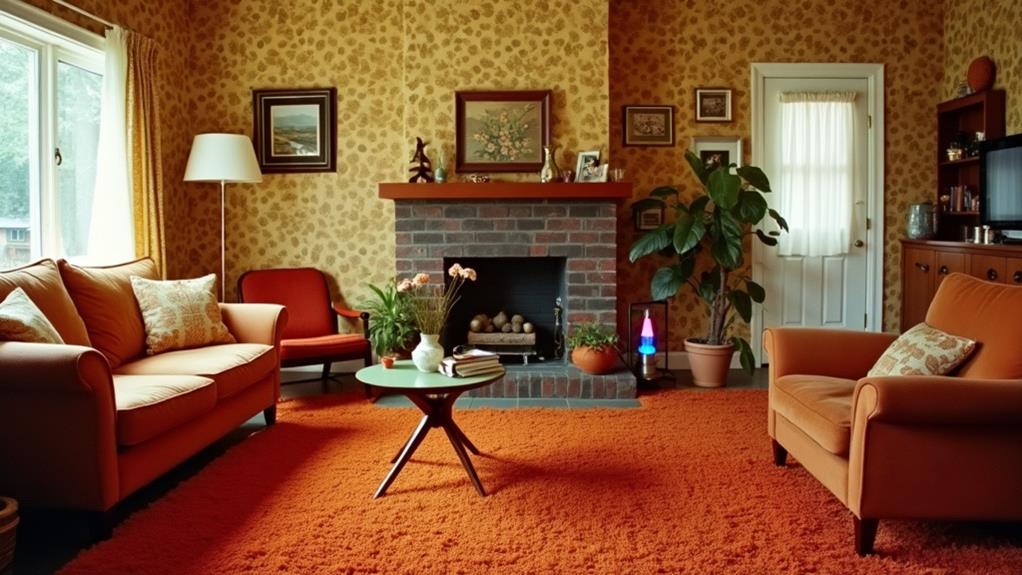
Imagine stepping into a home in the 1970s, and the first thing you notice is the vibrant, plush wall-to-wall carpeting underfoot. This decade saw an explosion in the popularity of these carpets, transforming living spaces into colorful havens of comfort. Have you ever wondered what sparked this trend and how it managed to leave a lasting mark on interior design? Understanding the factors behind this carpeting craze might just change your perspective on modern decor trends.
Historical Context of Wall-to-Wall Carpeting
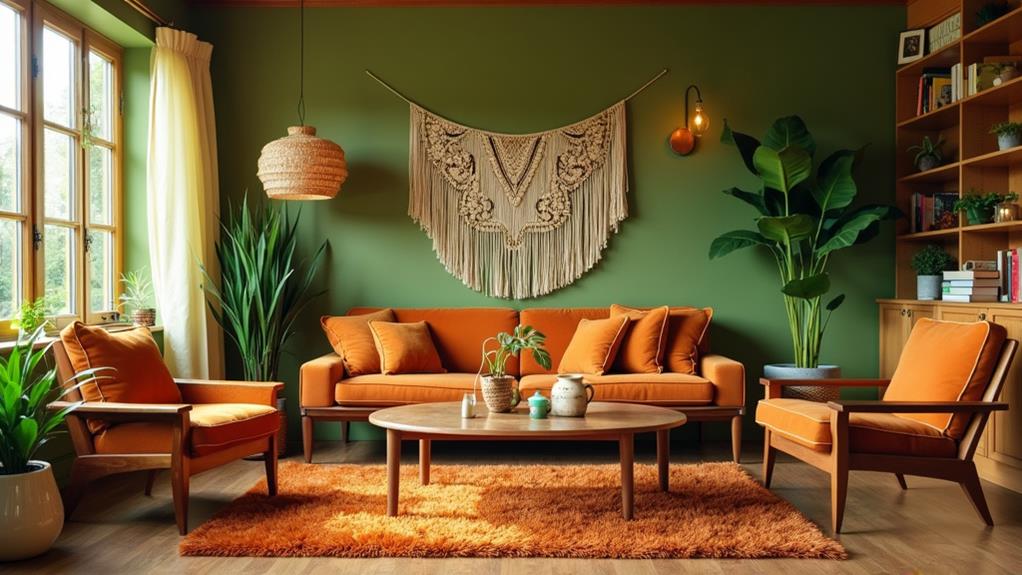
In the 1970s, wall-to-wall carpeting became a hallmark of home décor, reflecting the period's focus on comfort and style. Stepping into a home, one would immediately feel the plush, inviting texture of shag carpet underfoot, which was highly popular at the time. Shag carpets, known for their thick, plush texture and vibrant colors like avocado green and burnt orange, symbolized the bold aesthetic of the era. Carpet manufacturers were innovating during this decade, introducing new piles and textures that offered a wider variety of styles to consumers.
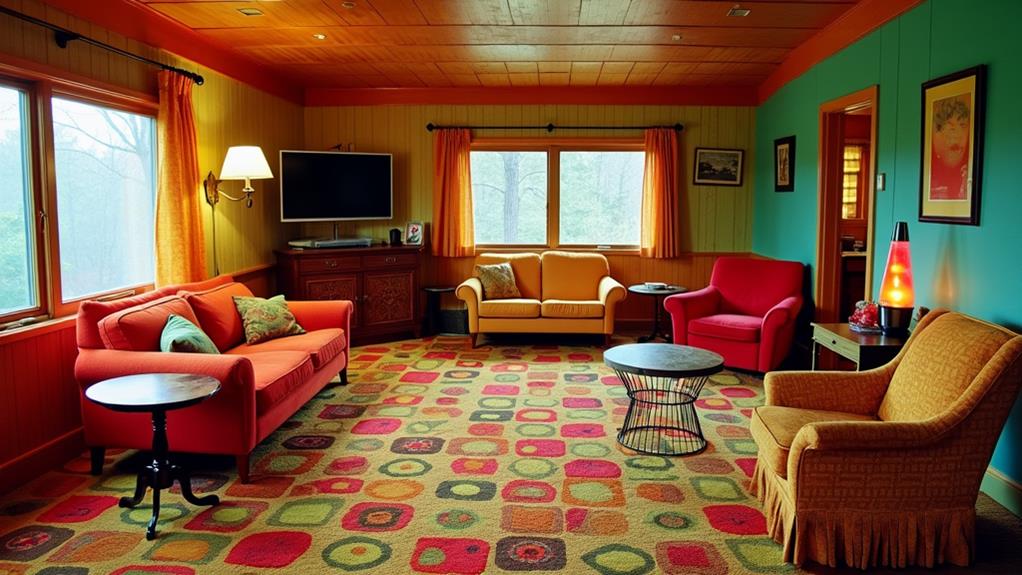
Carpet sales reached an all-time high in the 1970s, with many people embracing wall-to-wall carpeting as a defining feature of luxury and comfort. Designs often featured multicolored, layered, and imprinted patterns that catered to the eclectic tastes of the time. Manufacturers continued to innovate, creating carpets that were both functional and visually striking. Wall-to-wall carpeting evolved from a simple floor covering to a statement piece, reflecting the era's emphasis on creating a comfortable and stylish living environment. It was not just about covering the floor; it was about transforming the entire room.
Post-War Popularity Surge
In the post-war period, the popularity of wall-to-wall carpeting surged due to the economic boom and a desire for luxury. Technological advances made carpeting more affordable, allowing American households to adopt this trend. Consequently, carpeting became a symbol of status and comfort in homes nationwide.
Postwar Economic Boom
The postwar economic boom injected newfound prosperity and consumer confidence into American households, fueling a surge in residential carpet sales. As families enjoyed increased disposable income, many turned to home improvements, with wall-to-wall carpeting becoming a key feature. This period saw carpet sales skyrocket from 6 million square yards in 1951 to an astounding 400 million by 1968.
Why did wall-to-wall carpeting become so popular? Here are four key reasons:
- Economic Prosperity: The postwar economic boom provided families with the financial means to invest in home luxuries.
- Technological Advancements: Innovations in synthetic fibers like nylon and polyester made carpets more affordable and durable.
- Cultural Shifts: The mid-20th century marked a shift towards carpeted homes, with the 1970s embracing shag carpeting and lively earth-tone colors.
- Design Trends: Homeowners in the 1970s favored bold colors, such as avocado green and burnt orange, reflecting the period's evolving design preferences.
The combination of these factors made wall-to-wall carpeting a staple in American homes, symbolizing comfort and modern living. The use of bold colors and unique textures further showcased the dynamic nature of postwar interior design trends.
Symbol of Luxury
As the economic boom fueled a surge in carpet sales, wall-to-wall carpeting quickly emerged as a quintessential symbol of luxury in American homes. Post-war prosperity allowed families to invest in their living spaces, and carpeting became a prime choice for transforming interiors into cozy, opulent retreats. By the 1970s, this trend had firmly established itself in home decor, with carpet sales skyrocketing from 6 million square yards in 1951 to an astounding 400 million square yards by 1968.
The introduction of shag carpeting in vibrant colors like avocado green and burnt orange became a hallmark of the decade's aesthetic. These eye-catching designs represented more than just comfort; they were bold statements of affluence and modernity. Wall-to-wall carpeting wasn't merely about covering floors; it was about showcasing one's taste and elevating the entire ambiance of a home.
Prominent designers of the time championed the use of wall-to-wall carpet, emphasizing its role in creating warm, stylish interiors. As a result, carpeting became synonymous with the American Dream, similar to other modern luxuries like new appliances. It wasn't merely flooring; it was a lifestyle upgrade reflecting status and taste.
Technological Advances
The post-war era witnessed a significant rise in the popularity of wall-to-wall carpeting, transforming homes into stylish and comfortable spaces. Key technological advancements, particularly the introduction of tufted nylon and polyester fibers, played a crucial role in this trend. These new materials enhanced durability and affordability, making carpeting accessible to a wider range of homeowners.
Manufacturers continued to innovate by developing groundbreaking yarn types and dyeing techniques, resulting in a diverse array of textures and vibrant colors. The new color palette, which included earthy tones like avocado green, burnt orange, and brown, became iconic in 1970s home decor.
Shag carpets, known for their thick and plush textures, were a defining feature of this era. They promoted a casual and social lifestyle, aligning well with the cultural ethos of the time. The surge in popularity of shag carpets and other styles led to a dramatic increase in wall-to-wall carpeting installations.
Key points to consider:
- Introduction of tufted nylon and polyester for enhanced durability.
- Development of new dyeing techniques for vibrant colors.
- Popularity of shag carpets promoting a relaxed lifestyle.
- Sales skyrocketed from 6 million square yards in 1951 to 400 million in 1968.
1950s: Saxony Carpets
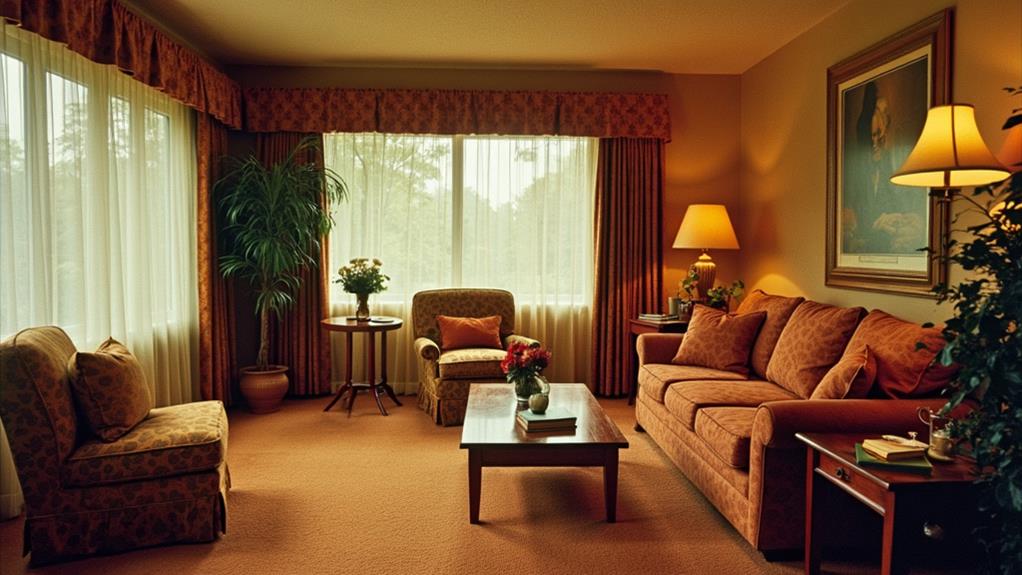
Why did Saxony carpets capture the imagination of homeowners in the 1970s? The answer lies in their combination of luxury and vibrant colors. Saxony carpets, known for their tightly twisted cut piles, offered a smooth surface and plush feel that fit perfectly into the evolving home design landscape of the time. As the 1970s rolled in, these carpets adapted to the decade's love for eclectic and bold decor, thanks to advancements in dyeing techniques that made vibrant colors more accessible.
You could find Saxony carpets in a variety of hues, from rich reds to deep blues, allowing homeowners to express their individuality through their flooring choices. This personalized touch marked a significant shift from the more uniform designs of previous decades. The plushness of Saxony carpets also provided a more refined alternative to the shag carpets that were gaining popularity, offering a balance between comfort and sophistication.
In an era when home interiors became a canvas for personal expression, Saxony carpets stood out as a staple. They reflected the broader trend towards creating unique, comfortable, and stylish living spaces, making them a beloved choice for many.
1960s: Technological Advancements
The luxurious appeal of Saxony carpets in the 1970s owes much to the era's technological advancements. Innovations in carpet manufacturing significantly enhanced wall-to-wall carpeting's accessibility and appeal. One key development was the introduction of synthetic fibers like nylon and polyester. These materials greatly increased durability and affordability, allowing more households to enjoy plush carpeting.
Technological advancements also brought improvements in tufting technology. This enabled manufacturers to produce carpets with varied pile heights and densities, giving them a rich, luxurious feel. The ability to create complex patterns and textures further enhanced the aesthetic appeal of 1970s carpets.
New dyeing techniques emerged, enabling the production of vibrant, bold colors that became iconic for the decade. These technological advancements had a profound impact on the 1970s carpet industry:
- Synthetic fibers – Enhanced durability and affordability.
- Tufting technology – Enabled varied pile heights and densities.
- Dyeing techniques – Introduced vibrant colors like avocado green and burnt orange.
- Pattern complexity – Made intricate textures and patterns possible.
These innovations collectively transformed the carpeting landscape, making the 1970s a standout period for wall-to-wall carpets.
1970s: Shag Carpets and Bold Colors

In the 1970s, shag carpeting epitomized the era's bold and expressive home decor. The thick, fluffy texture of shag carpets quickly became a staple in interior design, offering both comfort and a statement with vibrant colors like burnt orange, avocado green, and deep browns. These lively hues reflected the period's psychedelic and earthy aesthetics, infusing a sense of fun and self-expression into every room.
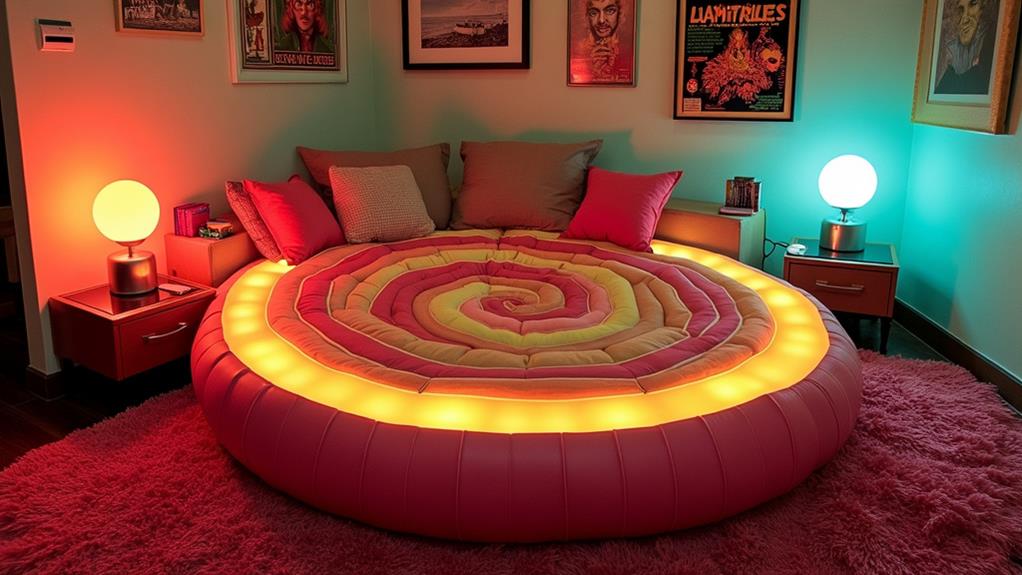
Shag carpets symbolized a shift towards a more casual, laid-back home environment. Social interactions often took place right on the floor, making these carpets both functional and fashionable. Manufacturers experimented with new yarn types and dyeing techniques, resulting in multi-colored and layered designs that added depth and visual appeal to interior spaces, making each room feel unique and inviting.
Intricate patterns were also a hallmark of 1970s shag carpets, emphasizing distinct visual aesthetics that resonated with the cultural movements of the decade. These carpets were more than just decor—they were a reflection of a lively, changing world.
Iconic 1970s Color Palette
Celebrated for its daring and eclectic style, the 1970s color palette for wall-to-wall carpeting injected lively energy into homes. Prominent earthy tones like avocado green, burnt orange, and deep browns reflected the period's dynamic and unique aesthetic. Shag carpets became a staple, their bold colors and plush textures inviting informal socializing and echoing the cultural ethos of the time.
Manufacturers embraced experimentation, leading to multi-colored and layered carpets that offered distinctive visual appeal. Innovations in yarn types and dyeing techniques expanded the range of carpet colors and patterns, making them a key element in both residential and commercial spaces. This experimentation fostered a sense of individuality and flair in every room.
Iconic 1970s carpet colors included:
- Avocado Green - A quintessential earthy tone that added a natural, calming vibe.
- Burnt Orange - This lively color brought warmth and energy into any space.
- Deep Browns - Offered a rich and grounding presence, perfect for cozy settings.
- Multi-Colored Patterns - Bold designs that became a hallmark of 1970s interior design, showcasing the period's love for eclectic and layered looks.
The 1970s carpeting trends encapsulated a spirit of creativity and boldness.
Influence of Color Television
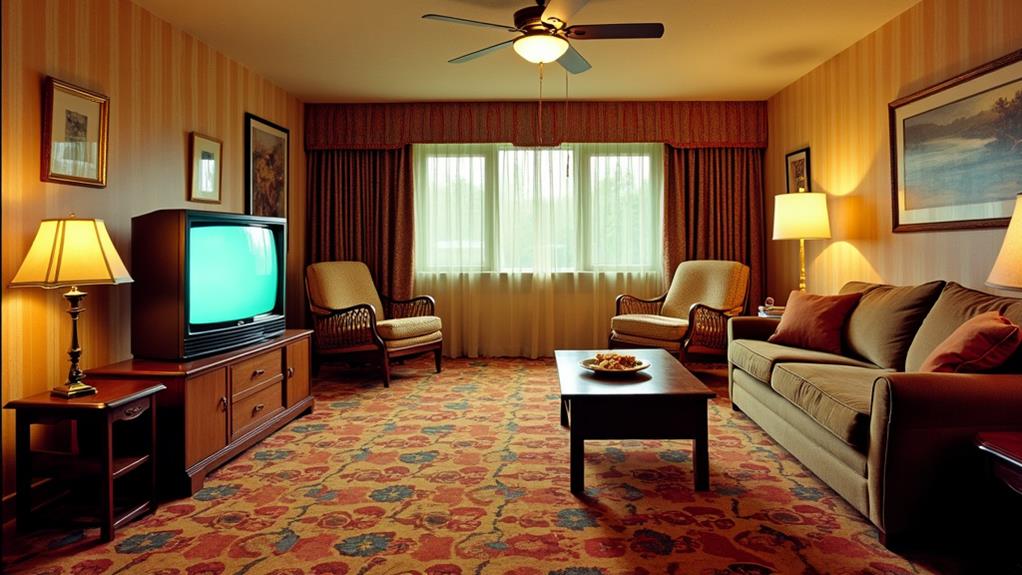
With the rise of color television in the 1960s and 1970s, homes saw a shift toward lively and bold carpeting. The vivid hues on screen inspired consumers to choose carpets in avocado green, burnt orange, and deep browns, enhancing the visual appeal of their interiors. This trend led manufacturers to create groundbreaking textures and patterns, making bold design choices a hallmark of the period.
Vibrant Color Trends
The 1970s carpet scene exploded with vibrant hues, mirroring the bold aesthetics of the era. Homes were adorned with colors like avocado green, burnt orange, and deep browns, highlighting the period's daring palette. Shag carpeting, with its thick and fluffy texture, became a hallmark feature, perfect for showcasing these vivid colors.
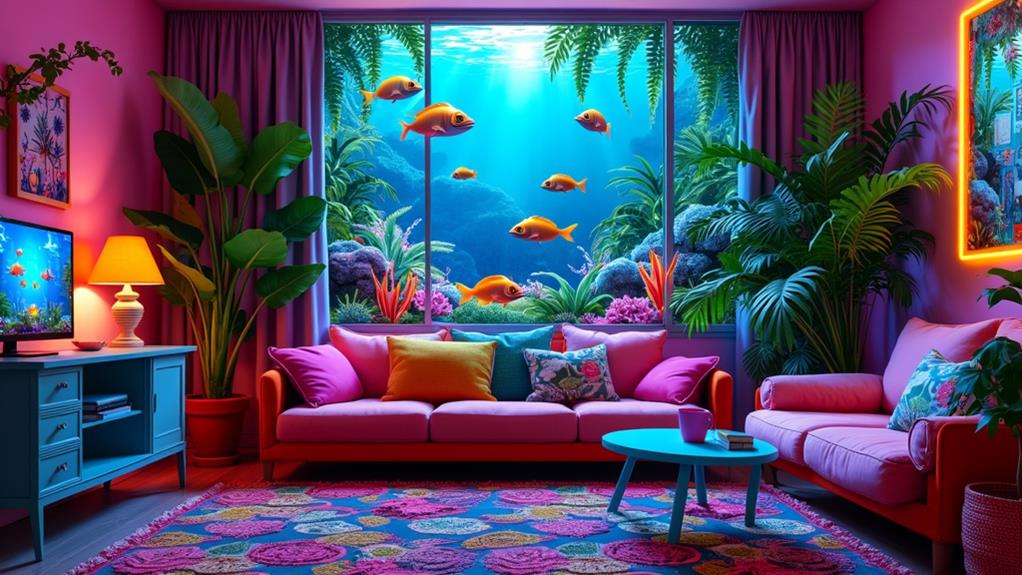
The advent of color television significantly influenced these trends. As viewers enjoyed dynamic visuals on their screens, they sought to replicate that vivacity in their homes. This spurred a demand for multi-colored carpets that matched the energy seen on TV. Advances in dyeing techniques broadened the available spectrum, blending bright and earthy tones.
Key color trends in 1970s carpeting included:
- Avocado Green: A staple that brought a natural feel indoors.
- Burnt Orange: Infused warmth and a bold pop of color.
- Shag Carpeting: Thick and luxurious, ideal for vivid hues.
- Eclectic Patterns: Combined bright and earthy tones, reflecting the decade's eclectic design ethos.
Enhanced Visual Appeal
Imagine turning on your brand-new color television in the 1970s and being captivated by the bright hues and intricate patterns on the screen. This technological marvel didn't just improve your viewing experience; it transformed your home decor choices. Suddenly, the vibrant colors you saw on TV, like avocado green, burnt orange, and deep browns, started appearing in your living room. These lively shades led to a surge in wall-to-wall carpeting, making carpets a central feature in home interiors.
You couldn't help but notice the intricate carpet patterns and textures that seemed to jump right out of the television and into your home. Shag carpeting, with its plush texture and bold colors, became a quintessential carpet style of the 1970s. Its comfort and visual appeal made it irresistible for homeowners keen to replicate the cozy, stylish atmospheres they saw on TV.
The influence of color television encouraged homeowners to experiment with multi-colored and layered designs, reflecting the psychedelic and experimental culture of the time. As sales of wall-to-wall carpeting skyrocketed, it became clear that the lively aesthetics popularized by television were here to stay.
Bold Design Choices
Embracing the lively influence of color television, homeowners in the 1970s enthusiastically adopted bold design choices in their home decor. The dynamic palettes seen on TV inspired a wave of creativity, leading people to incorporate striking and daring colors into their carpets. Earthy tones such as avocado green, burnt orange, and deep browns became immensely popular, reflecting the cultural zeitgeist and a strong desire for self-expression.
Shag carpeting, with its thick, plush texture, became a hallmark of the decade. This luxurious style offered a tactile response to the visually stimulating designs of the time. The innovative carpeting techniques allowed for multi-colored and layered designs, making carpets a central element of interior decoration. Homeowners didn't just view carpets as functional; they saw them as canvases for artistic expression, mirroring the lively and experimental spirit of the 1970s culture.
Key Characteristics of 1970s Carpeting Trends:
- Bold design choices inspired by color television.
- Earthy tones like avocado green and burnt orange.
- Shag carpeting with a thick, plush texture.
- Innovative multi-colored and layered designs.
Evolution of Carpet Textures
In the 1970s, carpet textures saw a significant transformation, marked by the rise of shag carpeting. The carpet industry became a hub of innovation, experimenting with various textures and yarn types. Shag carpets, with their thick, fluffy pile, fostered a cozy, floor-level social atmosphere. The vibrant colors of the era—avocado green, burnt orange, and earthy browns—were seamlessly integrated into these unique textures, creating a striking visual appeal in homes.
Manufacturers expanded beyond shag, introducing a range of textures to cater to diverse tastes. Plush, looped, and textured berbers gained popularity, each offering a distinct feel underfoot. Multi-colored, layered, and imprinted carpets reflected the bold aesthetic of the period, turning floors into canvases of self-expression.
These carpet textures were not just about aesthetics; they were part of a broader cultural movement. The shift from traditional flooring options to these bold, expressive choices symbolized a departure from the past. The evolution of carpet textures in the 1970s was not merely a trend; it was a statement of individuality and a celebration of vibrant living.
Designers and Cultural Impact
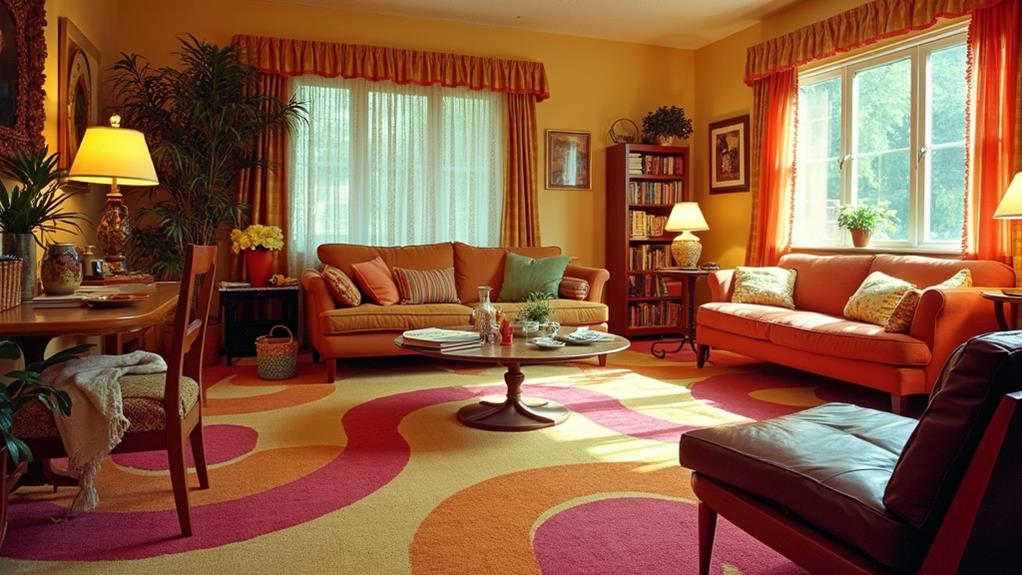
In the 1970s, designers embraced bold self-expression through the use of vibrant colors and unique textures in wall-to-wall carpeting, which became a hallmark of the era. Shag carpeting, in particular, epitomized this trend, reflecting the broader cultural shift towards naturalism and comfort. Influential designers like Jay Spectre and Ward Bennett were instrumental in this movement, incorporating wall-to-wall carpeting into sophisticated interiors and highlighting its luxurious appeal.
The cultural impact of 1970s carpeting was profound, influenced by several key factors:
- Color Palettes: Earthy tones such as avocado green, burnt orange, and chocolate brown were prevalent, aligning with the decade's natural and cozy aesthetic.
- Community Lifestyle: Shag carpeting represented the relaxed, communal lifestyle of the time, fostering floor-level socializing and comfort.
- Cultural Movements: The disco and emerging hip-hop scenes influenced the use of multi-colored, layered carpets with intricate patterns, capturing the era's lively spirit.
- Carpet Installation: Designers focused on seamless carpet installation, ensuring that the bold colors and intricate textures enhanced the overall ambiance of residential spaces.
Legacy and Modern Trends
The influence of 1970s wall-to-wall carpeting is evident in today's evolving carpet styles, which blend nostalgia with modern design elements. Homeowners are choosing plush, textured carpets in rich, lively colors reminiscent of the period's bold patterns and expressive choices. This fusion of retro charm and contemporary preferences underscores the enduring impact of past trends on modern interiors.
Evolving Carpet Styles
In the 1970s, shag carpeting became a household staple, characterized by its thick, fluffy texture and bold colors such as avocado green and burnt orange. This trend marked a significant shift in carpet styles, reflecting the era's cultural experimentation and a move towards more casual and inviting living spaces. Shag carpeting's lively color options and luxurious feel encouraged homeowners to embrace a new level of comfort and aesthetic appeal.
Manufacturers at the time experimented with diverse styles and yarn types, leading to creative designs that defined the period. Key developments included:
- Multi-colored carpets: Combining different hues and tones to create a dynamic, visually striking effect.
- Layered textures: Introducing depth and dimension, making carpets not just functional but also a focal point in home décor.
- Imprinted patterns: Adding intricate designs and motifs to enhance the visual interest of flooring.
- Wall-to-wall coverage: Ensuring a seamless, plush experience throughout the entire room.
Today, the legacy of 1970s carpet styles continues to influence modern trends. Designers often draw inspiration from the bold colors and textures of that period, indicating a cyclical return to the comfort and style of fabric-covered floors.
Nostalgia and Design Influence
Nostalgia significantly influences modern design trends, and the bold carpet styles of the 1970s are a prime example. This era's vibrant carpets and shaggy textures are making a comeback, reflecting a period characterized by self-expression and fun. Iconic shag carpeting in lively hues like burnt orange and avocado green symbolized the 1970s' cultural shift towards comfort and a relaxed lifestyle.
Today, nostalgia inspires designers to infuse retro aesthetics into contemporary interiors. The psychedelic patterns and layered textures from the 1970s encourage homeowners to explore unique flooring options that stand out. Recent fashion shows and design exhibitions have showcased modern takes on colorful carpeting, merging nostalgia with current design sensibilities. Embracing these bold designs is more than just decorating; it's a tribute to a time that celebrated individuality and creativity. So, when considering new carpet options, let the spirit of the 1970s guide your choices. A touch of nostalgia can add significant character to your home.
Modern Carpet Preferences
Modern carpet preferences have evolved considerably, merging the bold legacy of 1970s styles with contemporary trends. Wall-to-wall carpeting is making a notable comeback, fueled by a blend of nostalgia and modern design innovation. Unlike the avocado greens and burnt oranges of the past, today's carpets favor both vivid colors and subtle, natural textures.
To incorporate wall-to-wall carpeting into your home while aligning with current trends, consider the following guidelines:
- Color Palette: Opt for a mix of contemporary and retro colors. Rich hues like deep blues and emerald greens can add sophistication.
- Texture: Choose carpets that offer a variety of natural textures, such as wool or sisal, to create a cozy yet modern atmosphere.
- Patterns: Don't shy away from bold patterns. Geometric designs or even updated shag styles can provide a creative flair.
- Sustainability: Look for eco-friendly options. Many modern carpets are made from recycled materials, aligning with today's emphasis on sustainability.