The 1970s Craze for Waterbeds
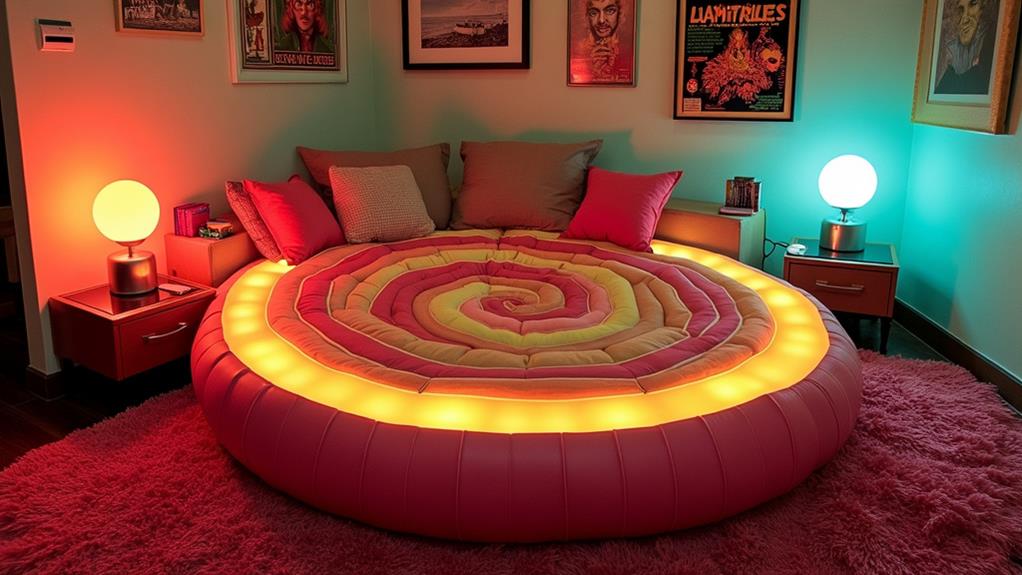
Imagine walking into a bedroom in the 1970s and seeing a bed that looks more like a futuristic lounge than a traditional mattress. Waterbeds, born from Charles Hall's 1968 master's thesis, quickly became symbols of luxury and countercultural ethos. These beds weren't just about comfort; they represented a bold leap into modern living. But what was it about waterbeds that captured the public's imagination so fiercely? And why did their popularity eventually wane? There's a lot more beneath the surface of this trend that shaped an entire period.
Origins of the Waterbed
The origins of the waterbed can be traced back to the late 1960s in California when Charles Hall, a design student at San Francisco State University, introduced a water-filled mattress as his master's thesis in 1968. Hall's innovative concept quickly garnered attention. His classmates experienced the waterbed overnight, marking its formal inception and sparking widespread interest in this unique sleeping solution.
Prior to Hall's breakthrough, there were earlier attempts at water-filled beds. In the 1800s, Dr. Neil Arnot developed hydrostatic beds for medical purposes. However, these early designs did not achieve mainstream success. The critical difference came with the invention of vinyl in the 1960s, which enabled leak-proof designs, making Hall's waterbed commercially viable.
Hall's creation emerged at an opportune moment. The cultural revolution of the 1960s, with its emphasis on comfort and intimacy, provided fertile ground for the waterbed's popularity. People claimed that waterbeds improved sleep comfort and intimacy, leading to their widespread adoption in the following decades. Charles Hall's master's thesis not only introduced a new type of mattress but also set the stage for a cultural phenomenon that would define a generation.
Technological Advancements
Technological advancements in the 1970s significantly transformed waterbeds, making them more practical and appealing. Innovations like leak-proof vinyl, adjustable water levels, and thermostatic controls addressed common concerns and added comfort. Celebrity endorsements further enhanced their popularity by highlighting these improved features.
Vinyl and Leak Prevention
In the late 1960s, the introduction of vinyl revolutionized waterbed technology by making them significantly more durable and user-friendly. Vinyl enabled the production of leak-resistant water mattresses, a substantial improvement over earlier versions. These waterbeds typically featured a bladder made of heavy-duty vinyl, minimizing the risk of punctures and leaks. This advancement was crucial for boosting consumer confidence in waterbeds, which had previously been plagued by maintenance issues.
Reinforced seams and multi-layer vinyl designs were instrumental in minimizing leakage incidents. By incorporating these elements, manufacturers could offer a more dependable product. Many waterbed models also included an additional safety liner or bladder within the design. This extra layer served as a safeguard, containing potential leaks and protecting the mattress frame and surrounding furniture.
Technological advancements in vinyl materials and construction methods not only enhanced the durability of waterbeds but also contributed to their rising popularity in the 1970s and 1980s. These innovations elevated waterbeds to a luxury item, appealing to a wide audience who valued both comfort and reliability. This leap in waterbed technology marked a significant milestone in the industry's history.
Comfort and Intimacy Claims
As advancements in vinyl improved the durability and reliability of waterbeds, the focus quickly shifted to enhancing comfort and intimacy. Waterbeds emerged as a revolutionary option for a restful night's sleep, utilizing hydraulic principles to provide even body support and eliminate pressure points. The ability to adjust water levels allowed for customizable firmness and comfort, which was particularly beneficial for individuals with conditions like arthritis.
During the cultural revolution of the 1960s and 70s, waterbeds were also marketed for their potential to enhance intimacy. The introduction of waveless versions reduced motion transfer, making shared experiences more enjoyable and less disruptive. This claim of increased intimacy resonated with many couples, enticing them to explore the unique sensation waterbeds offered.
With technological progress, features like thermostatic temperature control were added, allowing users to regulate the bed's warmth, thereby enhancing overall comfort and sleep quality. The combination of adjustable firmness, reduced motion, and controlled temperature made waterbeds a popular choice for those seeking both comfort and intimacy in their bedroom.
The allure of waterbeds in the 1970s was undeniable, offering not just a sleep solution but also the promise of improved intimate moments.
Celebrity Endorsements Impact
Celebrity endorsements significantly boosted the popularity of waterbeds in the 1970s, turning them from a niche product into a mainstream sensation. Notable figures like Hugh Hefner showcased extravagant waterbed designs, promoting them as symbols of luxury and status. Marketing campaigns featuring celebrities enjoying waterbeds made them a cultural phenomenon, embedding these unique beds into the zeitgeist of the period.
Rock bands, such as Jefferson Airplane, also played a crucial role in promoting waterbeds. Their endorsements resonated strongly with the counterculture movement, making waterbeds particularly appealing to young adults and significantly increasing their market share.
The late 1970s saw the introduction of waveless waterbeds, which minimized motion transfer and enhanced sleep comfort. Celebrity endorsements of these advanced designs highlighted the technological advancements, further elevating their appeal. High-end stores like Bloomingdale's capitalized on this trend by creating waterbed displays where both celebrities and consumers could experience the novelty firsthand.
- Hugh Hefner's luxury waterbed designs
- Rock bands like Jefferson Airplane's promotions
- High-end retail waterbed displays
These elements combined to establish waterbeds as a lasting icon of 1970s culture, driven largely by star power and technological innovation.
Peak Popularity
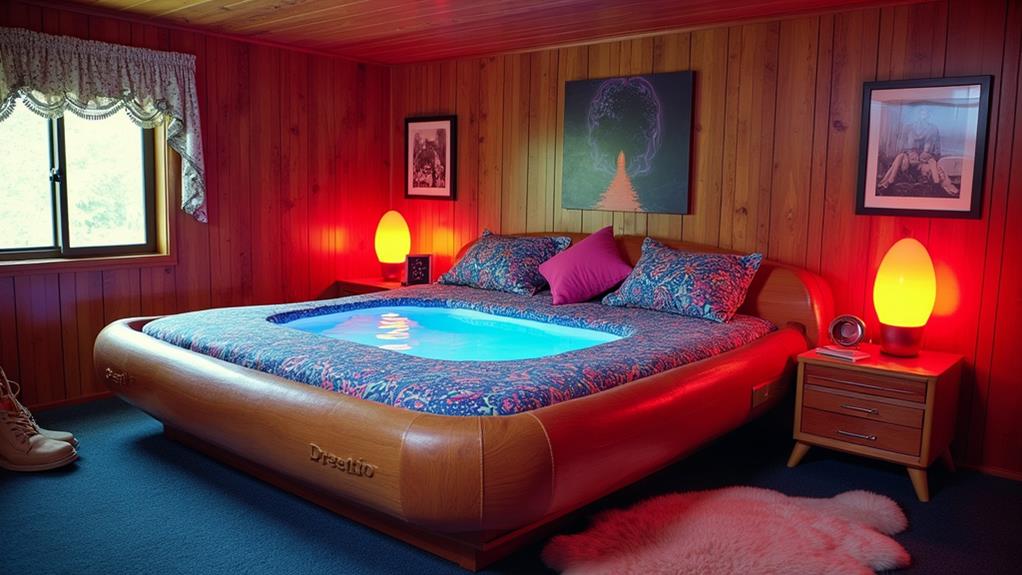
Discussing the peak popularity of waterbeds necessitates mentioning their cultural impact and celebrity endorsements. In the 1980s, figures like Hugh Hefner transformed waterbeds into symbols of luxury and intimacy, resonating with the ethos of the Sexual Revolution. This trend transitioned waterbeds from novelty items to mainstream fixtures in suburban homes, solidifying their status as essential bedroom features.
Celebrity Waterbed Enthusiasts
During the 1970s, waterbeds reached their peak popularity, bolstered by high-profile endorsements from celebrities who were drawn to their luxurious appeal. Hugh Hefner famously owned a king-size waterbed covered in Tasmanian possum hair, which became a symbol of opulence and comfort, solidifying the waterbed's status among the elite. These celebrity endorsements played a crucial role in making waterbeds a trendy item, often marketed as enhancing intimacy and relaxation.
Waterbeds were prominently displayed at Bloomingdale's in Manhattan, serving as social hotspots and meeting places for singles. These displays showcased not only the luxurious appeal of waterbeds but also their trendy, modern vibe. The presence of waterbeds in such high-end stores greatly contributed to their allure.
Members of the iconic band Jefferson Airplane were known to be enthusiastic waterbed users. Their association with the counterculture movement further elevated the waterbed's popularity and cultural significance.
- Hugh Hefner's opulent waterbed became a symbol of luxury.
- Waterbed displays at Bloomingdale's attracted trendy singles.
- Jefferson Airplane's endorsement added a countercultural appeal.
These celebrity endorsements and public displays helped waterbeds become a sought-after luxury item in the 1970s.
Cultural and Social Impact
Waterbeds gained cultural prominence in the 1970s, embodying the era's spirit of experimentation and liberation. They transcended mere furniture to become cultural symbols, closely associated with the Sexual Revolution. Marketed as enhancers of intimacy and relaxation, waterbeds resonated with the decade's yearning for novel and liberating experiences. Influential figures like Hugh Hefner played pivotal roles in their popularization, featuring waterbeds in opulent settings that exuded glamour and allure.
High-end retail displays, especially at stores like Bloomingdale's, turned waterbeds into social hubs. These displays attracted singles and curious onlookers, making the shopping experience a social event. This contributed to the waterbed's reputation as a fashionable and trendy item. Advertising campaigns of the time targeted younger audiences, portraying waterbeds as a fun and adventurous choice, perfectly in tune with the 1970s cultural zeitgeist.
Decline in Demand
Waterbed sales began declining in the 1990s, falling to less than 5% of the mattress market by 2013. This decline was driven by several factors, including increased competition from memory foam and hybrid mattresses.
Firstly, the novelty of waterbeds wore off, and they became associated with outdated stereotypes. Additionally, waterbeds required regular maintenance to prevent leaks and maintain comfort. The significant weight of a fully filled waterbed, often exceeding 1,600 pounds, made installation and relocation cumbersome. These maintenance challenges deterred potential buyers and shifted consumer perceptions, leading many to view waterbeds as high-maintenance and impractical.
Salespeople also started avoiding the direct promotion of waterbeds, which further reduced their market presence. As societal values evolved, customers preferred more convenient and less troublesome mattress options. Consequently, waterbeds, once a symbol of modernity, came to be seen as relics of the past.
In summary, the decline in waterbed demand was influenced by:
- Maintenance challenges: Regular upkeep and risk of leaks
- Consumer perceptions: Viewed as high-maintenance and outdated
- Competition: Rise of memory foam and hybrid mattresses
These factors combined to significantly reduce waterbed sales.
Maintenance Challenges
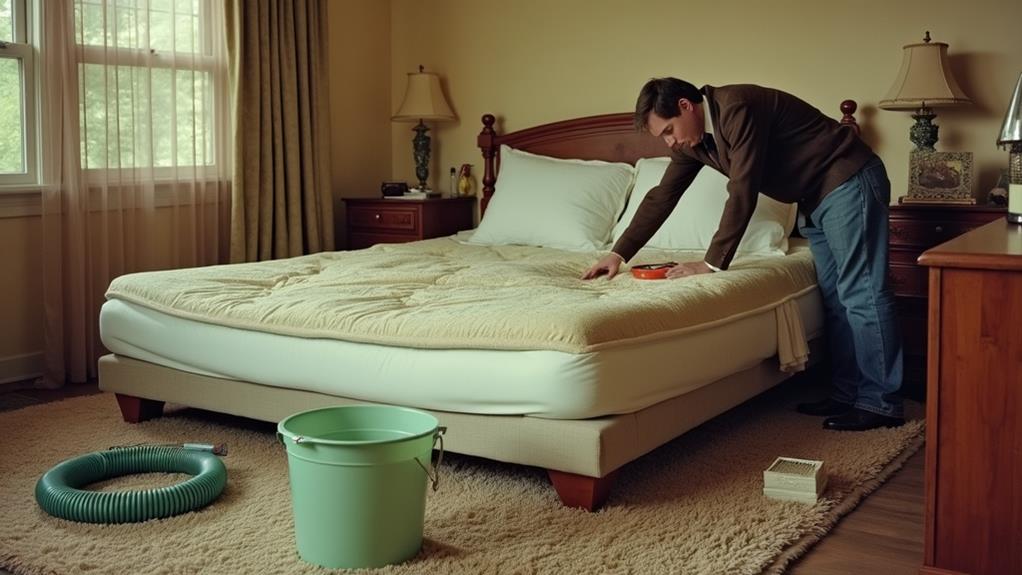
Maintaining a waterbed involves several challenges that can discourage potential buyers. Proper upkeep is crucial to ensure your waterbed remains in optimal condition, but the required tasks can be daunting. Regular checks for leaks, water level adjustments, and temperature monitoring are essential to avoid problems and maintain sleep quality. Leaks, in particular, pose a significant risk of property damage, leading many landlords to ban waterbeds in rental properties.
| Maintenance Task | Challenge |
|---|---|
| Checking for Leaks | Risk of property damage and landlord prohibitions |
| Adjusting Water Levels | Time-consuming and requires precision |
| Monitoring Temperature | Crucial for comfort, adding complexity |
The considerable weight of a fully filled waterbed, which can be up to 1,600 pounds, complicates moving and installation. If relocation is necessary, the bed must be entirely drained, making the process labor-intensive. Additionally, preventing algae growth and maintaining the vinyl bladder's integrity require regular treatments and cleaning, adding to the overall maintenance burden. These factors make waterbeds less appealing compared to traditional mattresses, highlighting the significant maintenance challenges associated with owning a waterbed.
Modern Adaptations
Embracing modern technology, today's waterbeds have significantly evolved from their 1970s counterparts. Modern waterbeds now feature soft-sided designs that mimic standard mattresses, offering the same supportive benefits without the pronounced wave action of older models. These advancements are achieved through compartmentalization, which effectively reduces wave motion and provides a more stable sleeping surface.
A standout feature of modern waterbeds is the integration of temperature control technology. This allows users to adjust the warmth of the water, ensuring personalized comfort throughout the night. Whether you prefer a cooler sleep environment or a toasty bed, temperature control makes it possible.
Key highlights include:
- Soft-sided designs: These mimic conventional mattresses while offering unique waterbed comfort.
- Temperature control: Customize the water temperature for ideal comfort.
- Reduced wave action: Compartmentalization minimizes motion, providing stability.
Interestingly, waterbeds have also found a niche in agricultural settings, particularly for livestock such as cows. This application reduces sores and infections, showcasing the versatility and ongoing relevance of waterbed technology. Despite their decline in mainstream popularity, accessories and components remain readily available, supporting a dedicated community of enthusiasts.
Cultural Impact
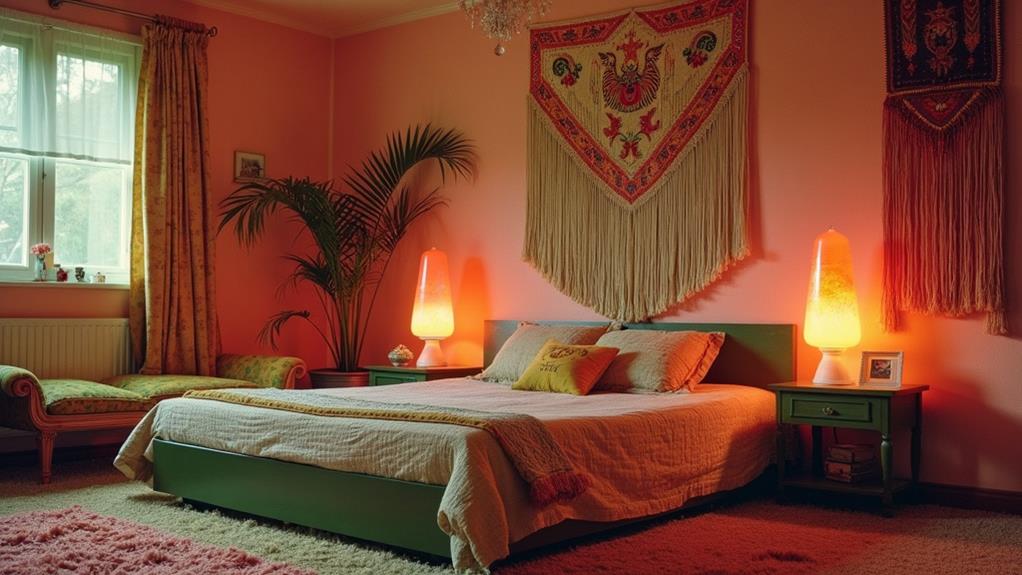
In the 1970s, waterbeds made a significant cultural impact, becoming emblematic of the Sexual Revolution. Marketed as enhancing both sleep and intimacy, they appealed particularly to the counterculture, which aimed to break traditional norms.
Influential figures like Hugh Hefner played a crucial role in popularizing waterbeds. Hefner's ownership of a luxurious model turned them into a trendy lifestyle choice, symbolizing a more liberated way of living.
Advertising campaigns targeted young adults, presenting waterbeds with a playful and adventurous image that emphasized relaxation and romance. This made waterbeds a must-have item for those adopting the era's free-spirited ethos.
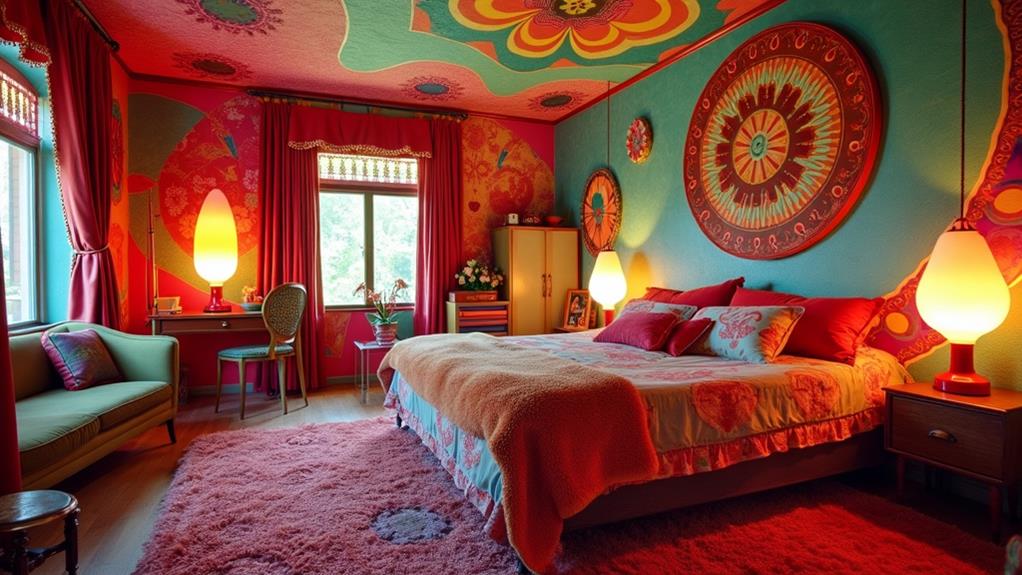
Retail displays in stores like Bloomingdale's made waterbeds social hotspots, where singles could meet and mingle, amplifying their cultural significance. The waterbed phenomenon even influenced interior design trends, encouraging bold colors and patterns that matched the vibrant aesthetics of the 1970s.
Legacy and Future
The legacy of waterbeds remains strong, symbolizing 1970s luxury and freedom, and evoking memories of the Sexual Revolution and youthful lifestyles. Although their market share peaked at 22% in 1987, waterbeds declined to less than 5% by 2013, facing stiff competition from memory foam and hybrid mattresses. Despite this, their iconic status in pop culture endures.
Today, modern adaptations of waterbeds, such as soft-sided and waveless designs, are finding niches in specific markets. Notably, they have been adopted in agriculture, offering unparalleled comfort for livestock. Despite their market decline, waterbeds maintain a loyal following, with enthusiasts praising their unique comfort and nostalgic value.
- Niche Markets: Waterbeds are creatively used in agricultural settings for livestock comfort.
- Modern Adaptations: Soft-sided and waveless designs address contemporary needs while retaining classic comfort.
- Dedicated Following: Enthusiasts continue to advocate for waterbeds, highlighting their unique benefits.
Looking to the future, waterbeds may experience a resurgence by blending traditional comfort with new mattress technologies. This innovative approach could attract a new generation of consumers who value both nostalgia and modern convenience.