The 1970s Love for Bold, Earthy Colors and Nature-Inspired Decor
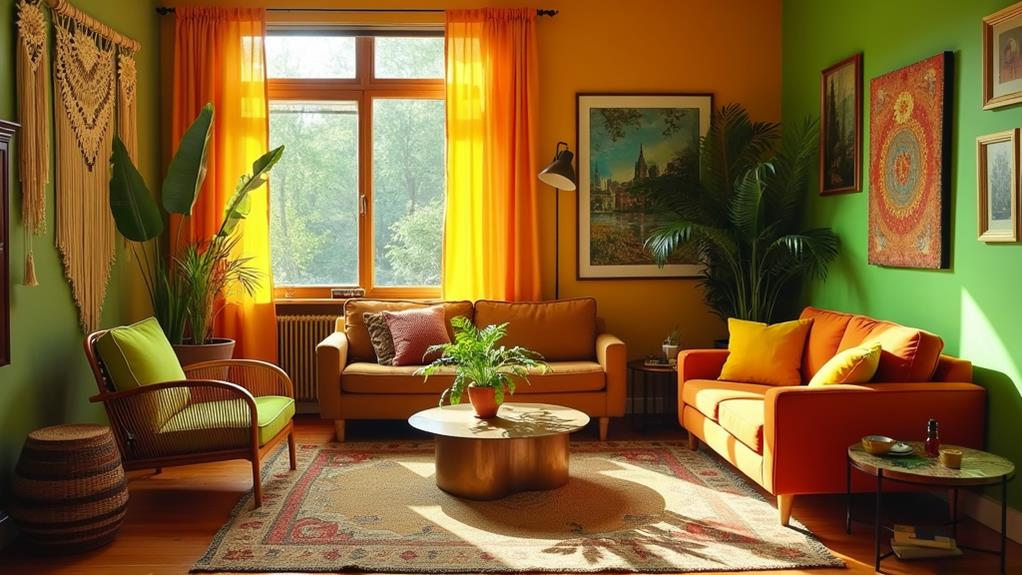
When considering the 1970s, one cannot overlook the era's fondness for bold, earthy colors and nature-inspired decor. Avocado green, burnt orange, and mustard yellow were more than just popular—they defined the decade's aesthetic. These hues didn't just make a statement; they created cozy, inviting spaces that felt connected to the natural world. Patterned textiles and natural materials also played a significant role in enhancing the overall atmosphere. What made these color choices so iconic, and how did they influence modern decor trends? There is much more to uncover about this fascinating blend of style and substance.
Color Trends of the 1970s
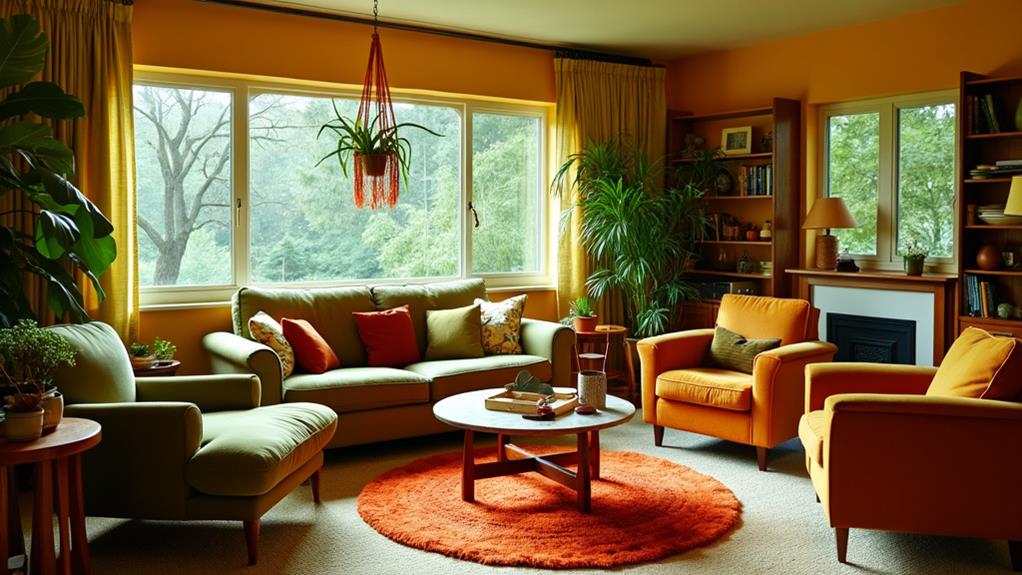
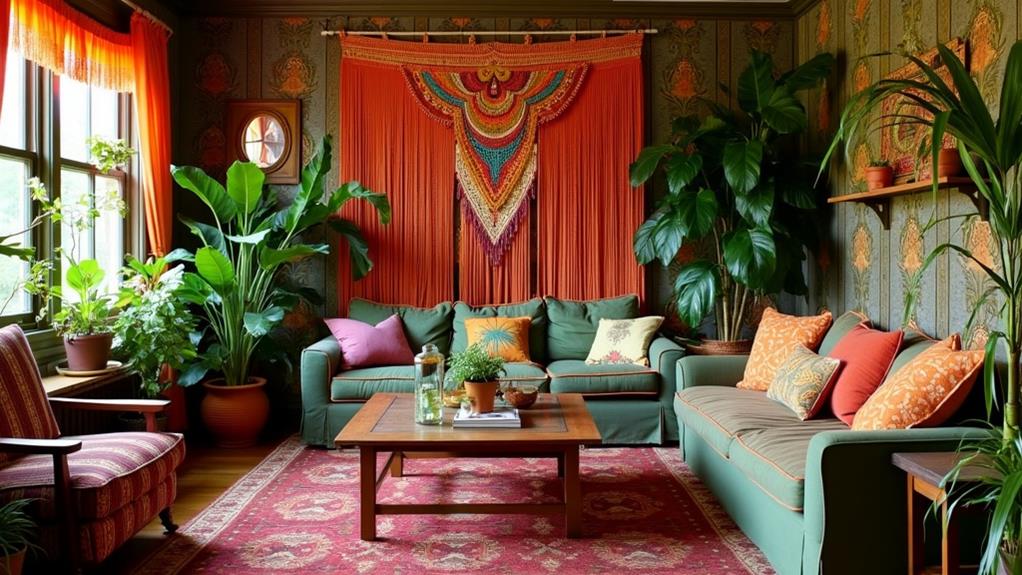
When you think of the 1970s, its iconic color trends come to mind, defined by earthy tones that created cozy and grounded atmospheres in interior spaces. Avocado green stood out as a hallmark of this era, often paired with burnt orange and mustard yellow. These colors reflected a broader cultural shift towards nature-inspired aesthetics.
Vivid and lively hues like tangerine tango and dazzling fuchsia also became prominent, expressing self-identity and leading to bold combinations in living rooms and playful accents throughout homes. Complementary contrasts and monochromatic schemes were popular, creating cohesion in decor and allowing for eclectic designs that combined lively colors with rich textures.
Retro metallics like shimmering golds and bronzes were integrated as accents, providing a touch of opulence. Meanwhile, creamy whites and moody grays served as neutral backdrops, balancing the vivid and earthy tones. The 1970s' love for nature-inspired colors influenced the inclusion of indoor plants and natural materials, enhancing comfort and relaxation in home decor.
Bold and Earthy Tones
The 1970s were characterized by a variety of design trends, with bold and earthy tones defining the period's aesthetic. These colors created a cozy, grounded ambiance in interior spaces, with shades like burnt orange, mustard yellow, and avocado green leading the way. The popularity of earthy tones stemmed from their connection to nature, influencing choices in materials and furnishings. Natural wood and textiles became staples, reinforcing a nature-inspired decor ethos.
Bold colors weren't just limited to earthy shades; lively hues like electric blue and hot pink also found their place in the 1970s palette. This fearless approach to color combinations meant contrasting hues were often used on walls and furnishings, creating dynamic and visually engaging spaces.
To encapsulate the essence of the 1970s bold and earthy tones:
- Warm Earthy Tones: Burnt orange, mustard yellow, and avocado green.
- Nature-Inspired Decor: Emphasis on natural wood and textiles.
- Dynamic Color Combinations: Contrasting hues for visual interest.
- Bold Colors: Electric blue and hot pink added liveliness.
Vivid and Vibrant Hues
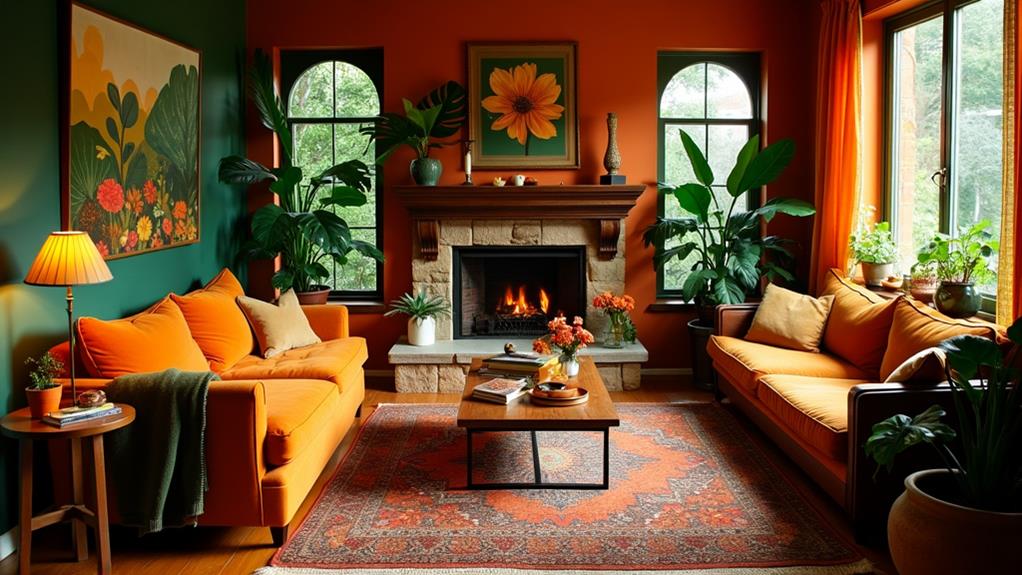
The 1970s were marked by bold, earthy tones that set the stage for a vibrant explosion of color, reflecting the decade's adventurous spirit. Tangerine tango and dazzling fuchsia were not merely colors but statements of self-expression and creativity. Picture a 1970s living room infused with electric blues and citrus limes, injecting playful energy into the space. These bold colors demanded attention and encouraged fearless combinations.
Interiors featured complementary contrasts and monochromatic schemes, creating dynamic and cohesive spaces. Earthy palettes, rich in browns and warm oranges, provided the perfect backdrop for these vivid shades. This blend evoked warmth and groundedness, making spaces feel both energetic and inviting. Nature-inspired decor tied these colors to the organic world, enhancing their appeal.
The resurgence of 1970s colors in modern design highlights their lasting influence. Contemporary interiors still embrace the boldness and vibrancy that defined that era. Clearly, the 1970s' love for vivid hues continues to inspire joy and creativity today.
Retro Metallics and Neutrals
Embracing retro metallics and neutrals from the 1970s adds sophistication and warmth to interior spaces. Shimmering golds and bronzes, popular in dining rooms and kitchens, create a touch of opulence. These metallic accents pair seamlessly with earthy tones, resulting in a design that feels both luxurious and natural. Neutrals like creamy whites and moody grays serve as crucial backdrops, allowing bolder colors to shine while maintaining a harmonious balance.
To incorporate these elements into your home, consider the following:
- Metallic Accents: Use shimmering golds and bronzes in lighting fixtures, furniture, and decorative accessories to add a touch of glamour.
- Earthy Tones: Pair metallic finishes with deep browns and greens to create a warm, layered look.
- Neutral Backdrops: Opt for creamy whites and moody grays as backdrops to balance the bold metallics and earthy tones.
- Modern Interpretations: Integrate retro metallics and neutrals into contemporary minimalist furnishings to showcase the enduring influence of 1970s design trends.
Color Combinations
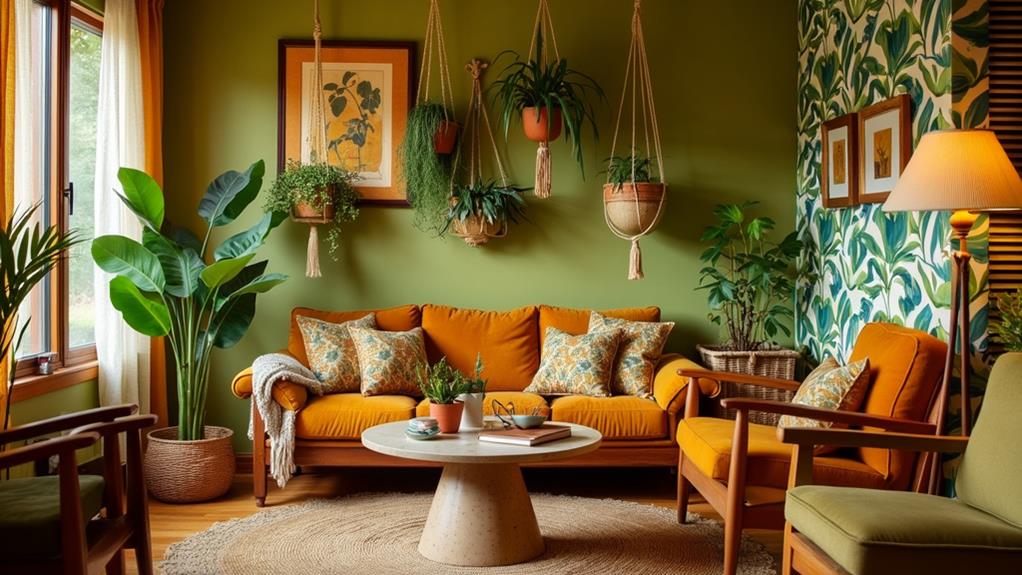
Bold color combinations defined the 1970s interior design landscape, infusing every room with vibrancy and energy. Earth tones like burnt orange, mustard yellow, and avocado green were prevalent, creating cozy and inviting atmospheres. Complementary color schemes were popular, pairing vivid hues such as tangerine and electric blue with these earthy shades to generate dynamic visual contrasts.
Living rooms often showcased rich color palettes with accent chairs in bold fabrics and patterned wallpaper, adding a touch of whimsy. Triadic color harmonies, blending three evenly spaced colors on the wheel—such as earthy greens, warm oranges, and deep purples—were another staple. This combination added depth and intrigue, making spaces stylish and eclectic.
Monochromatic schemes also had their moment, particularly in bedrooms, utilizing variations of a single color to create serene environments. Occasionally, these schemes appeared in other rooms, featuring bright accent walls paired with muted furnishings to capture the playful spirit of the 70s. These design choices were not just about making a statement but also about creating environments that felt both energetic and harmonious.
Bedroom and Personal Spaces
Creating a cozy retreat in the 1970s bedroom involved using earthy tones and bright shades to craft warm, inviting atmospheres. Colors like avocado green and burnt orange on bedding and curtains wrapped the space in a snug embrace. Bold patterns and rich textures, such as geometric motifs and floral prints, adorned textiles and decor, adding a lively flair.
To truly capture the 1970s vibe, consider these elements:
- Earthy Tones and Bright Shades: Use avocado green, mustard yellow, and burnt orange for bedding and curtains to create a warm, welcoming environment.
- Bold Patterns: Incorporate geometric patterns and floral prints on rugs, pillows, and wallpaper to add depth and character to your room.
- Indoor Plants: Enhance the natural feel with lush greenery. Ferns, spider plants, and hanging pots bring an outdoor touch inside, fostering a connection with nature.
- Vintage Pieces: Include low-profile furniture, oversized headboards, and eclectic decor items to evoke the relaxed, groovy aesthetic of the time, creating a stylish retreat.
These elements will help you achieve an authentic 1970s bedroom that is both inviting and stylish.
Modern Resurgence
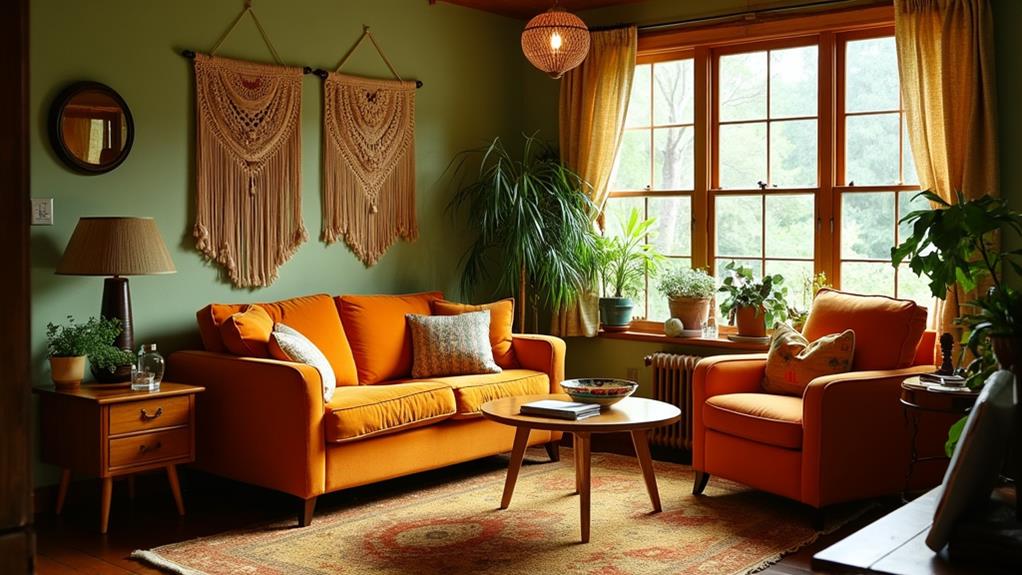
The charm of 1970s bedroom decor, with its earthy tones and bold patterns, is experiencing a modern resurgence. Shades like avocado green and harvest gold are now gracing contemporary interiors, adding a nostalgic yet fresh vibe to living spaces. This trend isn't just about mimicking the past but reinterpreting it with a modern twist.
A survey by 1stDibs found that 26% of decorators have noticed this trend, highlighting its growing appeal. Contemporary designers are selectively integrating vintage pieces with modern elements to create unique, dynamic spaces. Bold, earthy colors are paired with sleek furniture and modern accessories, blending comfort and style reminiscent of the 1970s with today's aesthetic preferences.
This trend is partly fueled by a longing for the relaxed, comfortable living spaces of the 70s, a sentiment that has grown stronger since the COVID-19 pandemic. Additionally, social media and sustainability trends are driving renewed interest in upcycling vintage items, merging eco-consciousness with a love for nostalgic decor.
Decorating Tips
Revamping your home with a 1970s-inspired decor doesn't mean sacrificing modern convenience. To achieve that retro vibe, start by embracing the era's love for warm, earthy tones like burnt orange, mustard yellow, and avocado green. These colors will instantly add a cozy ambiance to your space.
To further enhance your 70s theme, incorporate bold, patterned textiles. Floral prints and geometric designs on upholstery and curtains are perfect for creating visual interest and capturing the eclectic style of the decade. Don't be afraid to mix and match patterns for an authentic look.
Natural materials are crucial in achieving that 70s feel. Opt for furniture pieces made from wood, rattan, and stone. Rattan furniture, in particular, is a fantastic choice, bringing a touch of nature indoors and aligning with the 1970s emphasis on organic shapes and textures.
Finally, accessorize with vintage items. A few well-placed sunburst mirrors and lava lamps can make a striking statement. And don't forget the greenery! Indoor plants in macrame plant hangers not only look great but also connect with the eco-consciousness of the 70s.
Here are some tips to get you started:
- Use burnt orange and mustard yellow accents.
- Add bold, patterned textiles.
- Choose rattan furniture.
- Decorate with macrame plant hangers.
Related posts