The 1970s Macramé Craze: Wall Hangings and Plant Hangers
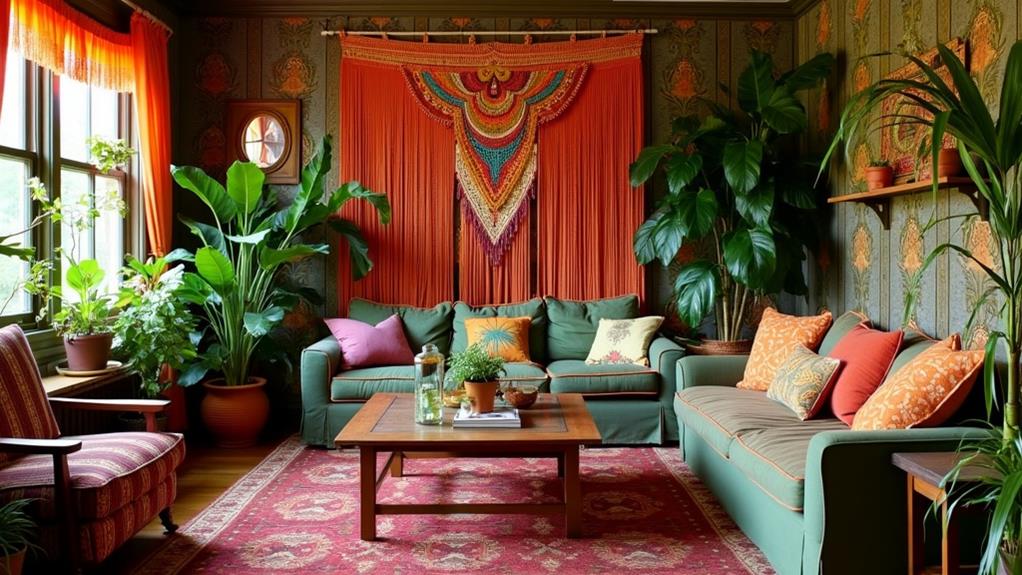
When you think of the 1970s, macramé wall hangings and plant hangers likely come to mind as iconic elements of home decor. These intricate creations, crafted with cotton twine and featuring earthy tones, perfectly captured the decade's embrace of handmade, natural aesthetics. But why did these items gain such popularity, and what techniques were used to create them? From the cultural impact of the hippie movement to the rise of indoor gardening, many factors contributed to this vibrant trend. Curious about how these pieces reflected the spirit of the times and how they're making a comeback today? Let's delve deeper.
Origins of Macramé
The origins of macramé can be traced back to the 13th century when Arab weavers began crafting intricate decorative fringes from excess threads on fabrics, a technique they referred to as "migramah." This unique art form spread to Spain during the Moorish conquest and subsequently reached Italy and other parts of Europe.
As the technique traveled, it evolved and adapted to various cultures. By the 19th century, European sailors had adopted macramé, using it to create practical items like hammocks and bell fringes during long sea voyages. These sailors played a crucial role in further disseminating the art form.
In the Victorian era, macramé became popular in interior decor. Publications such as "Sylvia's Book of Macramé Lace" showcased its versatility, featuring items like tablecloths, curtains, and even macramé plant holders. The intricate knotting techniques became symbols of sophistication and creativity.
Macramé's historical progression laid the foundation for its modern resurgence. The traditional skills honed over centuries have allowed for contemporary innovations, blending classic knot designs with modern aesthetics. Today, macramé plant hangers not only exhibit artistic flair but also emphasize sustainability, enhancing living spaces with natural beauty.
Rise to Popularity
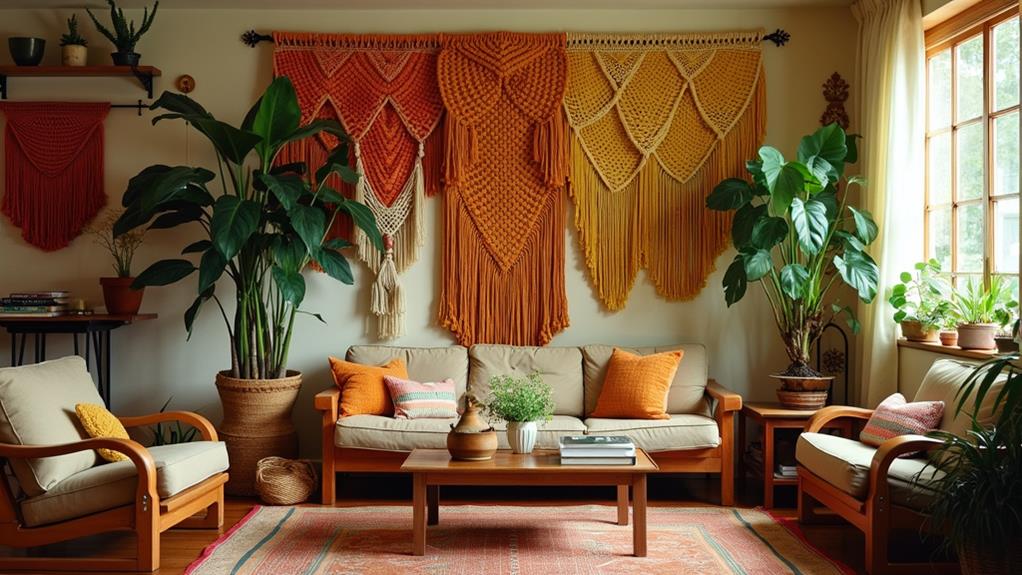
The 1970s saw macramé rise to prominence in home decor, captivating households with its unique blend of functionality and artistry. This era was characterized by a growing interest in handcrafted items, and macramé seamlessly fit into the bohemian aesthetic of the time. Intricate knot-tying techniques were employed to create stunning macramé wall hangings, adding texture and a touch of handmade charm to living spaces.
Macramé plant hangers became especially popular as indoor gardening experienced a resurgence. People delighted in displaying their greenery in creative and stylish ways, and macramé plant hangers provided an ideal solution. Made from materials like cotton twine, jute, and yarn, these hangers not only offered a practical way to bring nature indoors but also served as decorative elements.
As more people embraced the craft, macramé's popularity soared. Workshops and DIY kits became widely available, enabling individuals to create their own unique pieces. By the early 1980s, however, the trend began to decline, viewed as a relic of hippie culture. Nonetheless, its appeal never entirely disappeared, paving the way for its eventual revival in contemporary decor.
1970s Cultural Impact
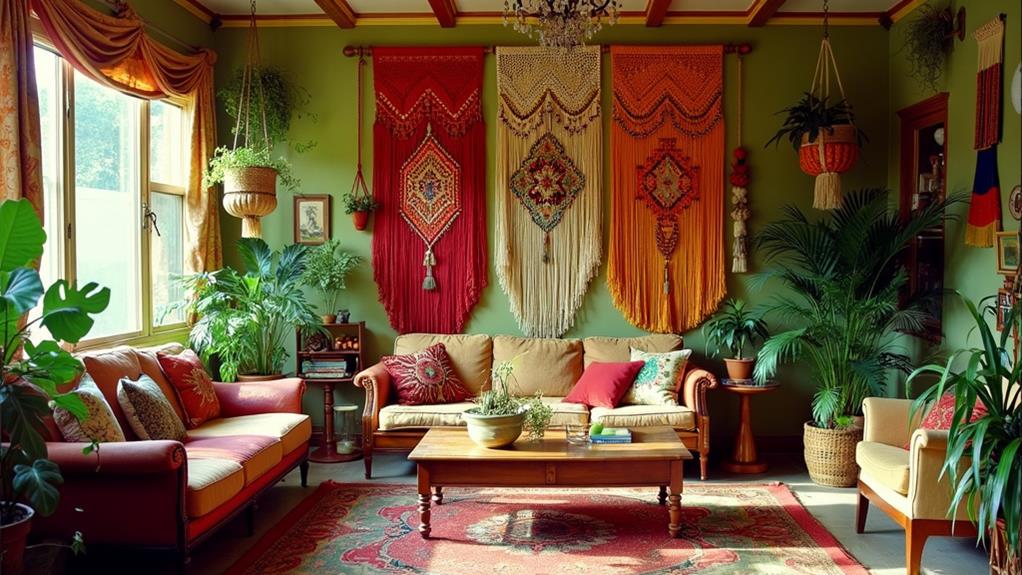
Macramé in the 1970s is intrinsically linked to the hippie aesthetic, vibrant color palettes, and the DIY craft movement. The era's preference for natural materials and bold designs made macramé a common feature in many homes, reflecting the cultural influences of the time and cementing its enduring appeal.
Hippie Aesthetic Influence
Embracing natural materials and handmade crafts, the 1970s macramé craze reflected the hippie aesthetic. Macramé wall hangings and plant hangers became popular home décor elements, embodying the free-spirited and eclectic tastes of the counterculture movement. These creations often featured earthy tones and organic shapes, aligning with the hippie values of sustainability and a deep connection to nature.
Macramé wasn't just about decoration; it was a statement. The shift towards more relaxed and informal home decor marked a departure from traditional furnishings. Embracing a DIY ethos allowed individuals to infuse their living spaces with a sense of individuality and artistic expression. Macramé pieces were more than just objects—they symbolized the broader cultural movement of the time.
As part of the 1970s cultural impact, macramé became synonymous with communal living and artistic freedom. It tangibly represented the hippie movement's ideals, seamlessly integrating into the lives of those who sought to break away from conventional norms and celebrate a more natural, handmade approach to living.
Vibrant Color Palettes
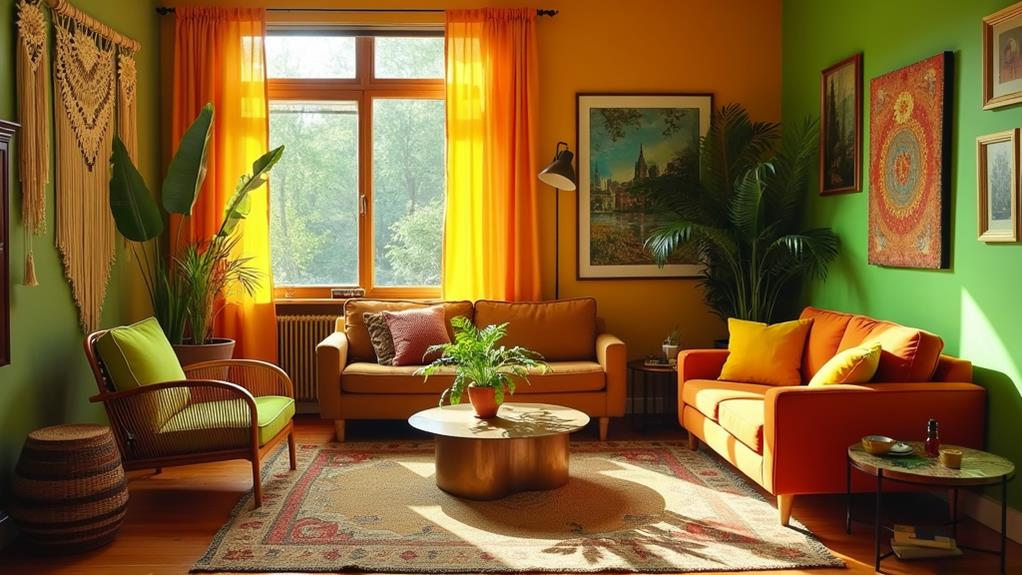
In the 1970s, macramé wasn't limited to earthy tones; it embraced vibrant color palettes that made bold statements. Bold hues like orange, avocado green, and deep brown reflected the era's eclectic and bohemian aesthetic. Macramé wall hangings and plant hangers were not just decor items—they were expressions of individuality. Numerous knots and patterns in bright, eye-catching colors turned these pieces into focal points in any room.
The revival of macramé coincided with a growing interest in nature and indoor gardening, leading to the creation of plant hangers that showcased colorful yarns and twines. These dynamic pieces didn't just hold plants; they brought bursts of color and life into indoor spaces. Many macramé hangers from this time featured a mix of colors and textures, adding visual interest and contributing to the warm, inviting atmosphere of homes.
The cultural impact of these vibrant macramé designs is still evident today. Contemporary artisans often draw inspiration from the bold color combinations and styles popularized in the 1970s, keeping the spirit of that colorful decade alive in modern decor.
DIY Craft Movement
The 1970s DIY craft movement saw macramé rise to prominence as people sought to inject personal creativity into their homes. Macramé home decor became a staple, with individuals creating intricate wall hangings and plant hangers that reflected their unique styles. This surge in handmade items was a direct reaction against the mass production and consumerism of the post-war economy.
Workshops and craft fairs flourished, offering opportunities to learn knot-tying techniques and create macramé pieces. These gatherings fostered a sense of community and shared creativity, making the craft accessible to a wide demographic, including young adults and families. Affordable materials like cotton twine and jute made it easy for everyone to engage with the DIY trend.
The popularity of macramé home decor wasn't just a fleeting fad; it laid the groundwork for future craft movements and emphasized the enduring appeal of handmade goods. By embracing macramé, individuals were part of a larger cultural shift that valued personal expression and creativity. This movement highlighted the timeless allure of crafts and their ability to bring people together.
Materials Used
In the 1970s, macramé's charm and durability were significantly influenced by the materials used. Cotton twine, jute, and yarn were popular choices, enabling intricate knotting techniques that showcased the artisans' skill. These materials also facilitated easier maintenance and ensured the longevity of macramé creations.
Common Knotting Techniques
Engaging in the art of macramé quickly reveals the importance of mastering common knotting techniques to create stunning designs. A fundamental knot to learn is the square knot, which serves as a versatile and stable foundation for many macramé projects. Practicing square knots allows you to craft intricate patterns and textures that are both visually appealing and structurally sound.
In addition to square knots, you'll also encounter essential techniques like half hitches and lark's head knots. Each of these knots contributes its unique flair to your creations, whether you're making a wall hanging or a plant hanger. Step-by-step tutorials often guide you through these techniques, making them accessible regardless of your skill level.
To enhance your macramé skills, consider these key points:
- Consistency is crucial: Uniform tension in your knots will improve the overall appearance of your macramé piece.
- Experiment with patterns: Combining different knots can create rich textures and intricate designs.
- Practice regularly: Consistent practice of these knotting techniques will refine your skills and boost your confidence.
Popular Material Choices
Material choices in macramé significantly influence the final look and feel of projects. In the 1970s, natural fibers like cotton twine, jute, and hemp were popular among macramé enthusiasts. These materials were chosen not only for their aesthetic appeal but also for their alignment with the era's growing eco-conscious mindset. Cotton twine was particularly favored for its softness and ease of knotting, making it ideal for creating detailed designs with square knots and half hitches.
The versatility of these materials allowed artisans to experiment with various lively colors and patterns, often reflecting the bohemian style popular at the time. Many macramé pieces featured embellishments like wooden beads and shells, enhancing the design and adding a touch of nature.
Today, the renewed interest in macramé has brought these classic materials back into the spotlight. Modern artisans continue to favor sustainable and organic options, ensuring that the art of macramé remains both beautiful and environmentally friendly.
Durability and Maintenance
Shifting from the popular material choices of the 1970s, we now examine the durability and maintenance of these materials in macramé projects. Macramé plant hangers from that era were primarily crafted from durable materials such as cotton twine, jute, and hemp. These materials contribute to the longevity of macramé pieces and effectively support various plant sizes.
The use of eco-friendly materials enhances the aesthetic appeal of macramé creations and aligns with sustainable living trends, making them a popular choice among environmentally-conscious consumers. Maintaining your macramé plant hangers is straightforward—occasional dusting is usually sufficient. If the fibers are properly treated, they can withstand moisture, ensuring longevity in both indoor and outdoor settings.
Many macramé products are designed to resist fraying and wear, thanks to the tight knots and high-quality fibers used in their construction. This makes them suitable for everyday use. Vintage macramé, particularly from the 1970s, often features intricate patterns made from robust materials that have stood the test of time.
- Durability: High-quality fibers and tight knots ensure longevity.
- Eco-Friendly: Utilizes sustainable materials like cotton, jute, and hemp.
- Low Maintenance: Simple dusting and moisture resistance make for easy care.
Knotting Techniques
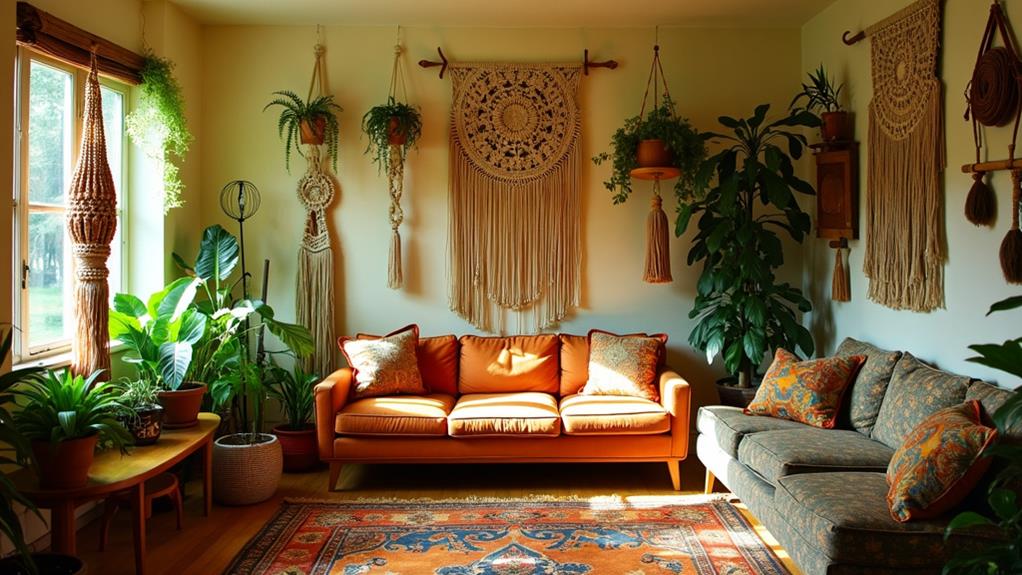
Mastering knotting techniques is essential for creating intricate macramé designs. Fundamental techniques include the square knot and the half hitch. The square knot, formed by interweaving two lengths of cord, is the backbone of many macramé creations. It is versatile enough to be used in both decorative and functional pieces, such as plant hangers.
Half hitches provide texture and depth to your work. These knots, often used in combination with square knots, allow you to craft elaborate patterns that enhance the aesthetic appeal of your projects. In the 1970s, macramé's popularity soared because it could transform simple materials like cotton twine and jute into beautiful, artistic pieces through these basic knotting methods.
For those looking to advance their skills, spiral knots and lark's head knots offer extra complexity and visual interest. Mastering these advanced techniques can turn a simple plant hanger into a striking home décor piece. Whether you are creating wall hangings or other macramé art, knowing these knotting techniques will enable you to explore your creativity and produce stunning, functional works.
Decline and Resurgence
Despite macramé's peak popularity in the 1970s, the trend started to wane by the mid-1980s, becoming pigeonholed as an outdated relic of hippie culture. Plant hangers and wall hangings, once ubiquitous in homes, fell out of favor. For a while, macramé seemed destined to be forgotten, overshadowed by newer, more modern decor trends.
However, macramé has experienced an unexpected resurgence in recent years. This revival is largely driven by the rising popularity of indoor plants and a growing interest in sustainable living. Plant hangers, in particular, have made a strong comeback, blending functionality with aesthetic appeal. Trade shows such as the IGC in Chicago have highlighted these macramé creations, showcasing their diverse styles and renewed relevance.
The resurgence isn't just limited to trade shows. Influential figures like Martha Stewart have endorsed macramé, especially as trendy wedding decor, amplifying its modern appeal. Furthermore, local workshops for making macramé hangers have sprung up, indicating a growing community interest in DIY projects.
This newfound appreciation for macramé bridges the gap between nostalgic craft and contemporary design.
Modern Trends
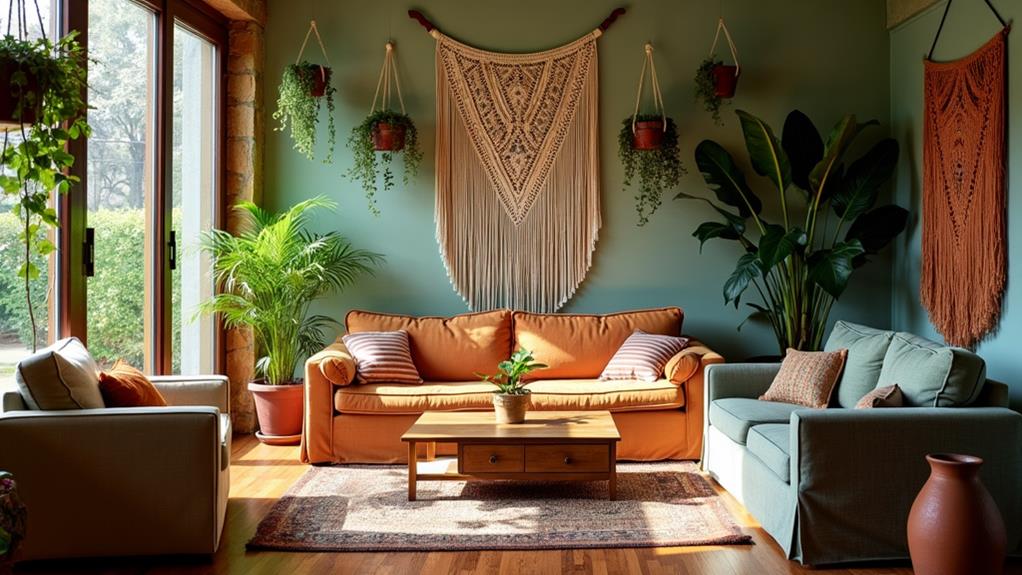
In today's design landscape, macramé is more than a nostalgic throwback; it's a vibrant and evolving trend. The resurgence is evident in the popularity of macramé hangers, particularly in garden centers and home décor stores. Trade shows like the IGC in Chicago prominently feature these intricate designs, highlighting their strong market presence. Even Martha Stewart has endorsed macramé décor as a chic wedding theme, adding contemporary sophistication to this vintage craft.
Local workshops are burgeoning, offering hands-on experiences for crafting macramé hangers. These workshops provide communal spaces for enthusiasts to engage with the craft, making it more accessible and enjoyable. The indoor plant trend has also fueled the demand for macramé, with #macrame amassing over 1.4 million posts on Instagram. This active online community shares ideas, inspiration, and tutorials, further driving its popularity.
Modern macramé designs favor eco-friendly materials like cotton, jute, and hemp. This aligns with today's consumer preferences for sustainable and artisanal products, making macramé both a stylish and responsible choice for home décor.
DIY Projects
DIY macramé projects have become a popular pastime for crafters of all skill levels, bolstered by numerous online tutorials that guide beginners through fundamental knot-tying techniques. This resurgence has enabled many to explore creative expressions through wall hangings and plant hangers, reminiscent of the 1970s macramé craze.
Local workshops provide a hands-on learning experience, allowing participants to create their own macramé items while fostering community engagement and creativity. These sessions offer personal guidance, making them ideal for those who prefer an interactive learning approach. Additionally, a variety of macramé patterns and kits are available for purchase, catering to different skill levels with both simple designs for beginners and intricate styles for more experienced crafters.
Embrace the nostalgia with digital downloads of vintage 70s macramé patterns, offering instant access to timeless designs and allowing you to recreate iconic looks from that era. For those interested in crafting sustainably, eco-friendly materials such as cotton and jute are recommended, aligning with today's environmentally-conscious trends.
- Discover the joy of creating handmade items.
- Connect with a community of like-minded crafters.
- Opt for sustainable materials for a greener crafting experience.
Buying Options
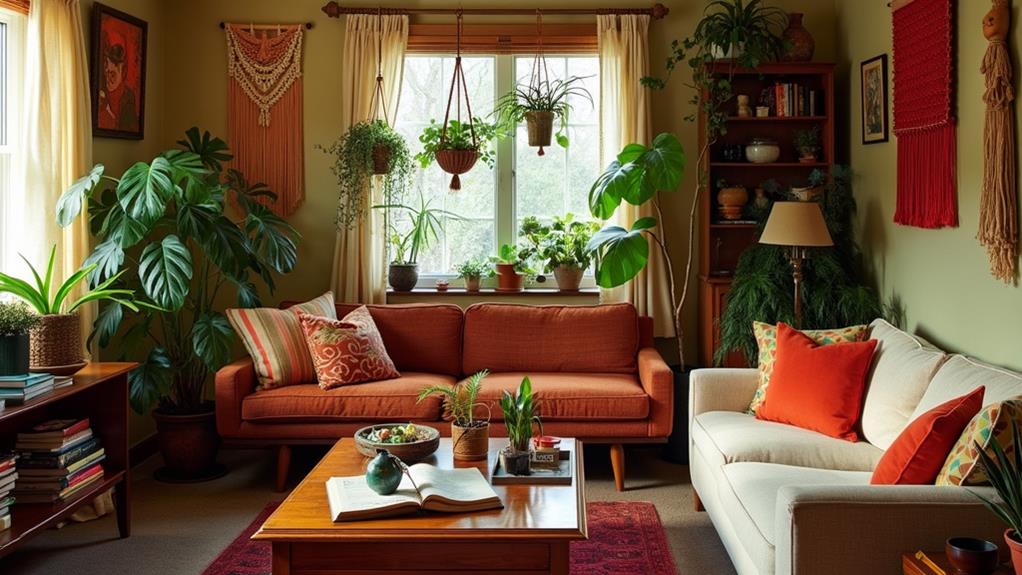
If you're looking to purchase macramé plant hangers, you have a variety of options to consider. Online retailers like primitiveplanters.com offer an extensive selection, and platforms such as Etsy feature numerous artisans who sell handmade macramé creations. Notable Etsy shops like Keyaiira and LinDecorMacrameStore have received high sales and customer satisfaction ratings for their unique and quality products.
For those interested in a nostalgic touch, digital downloads of vintage macramé patterns from the 1970s are available, typically priced between £2.27 to £2.92. These patterns are perfect for DIY enthusiasts who wish to recreate the charm of a vintage macramé hanging.
If sustainability is a priority, many modern macramé hangers are made from eco-friendly materials like sustainable cotton and jute. These options are increasingly available at garden centers and online shops, making it easier to find hangers that align with your environmental values.
Additionally, local workshops offer hands-on experiences for those keen to make their own macramé hangers. These workshops not only teach the craft but also foster community engagement, adding a personal touch to your macramé journey.
Community Stories
Amid the lively and free-spirited 1970s, macramé was more than just a craft—it was a communal experience. People fondly recall making or receiving macramé plant hangers and wall hangings, each piece tied with memories of friendship and the era's bohemian spirit. Community workshops and craft circles thrived, where neighbors gathered to master intricate knotting techniques. These gatherings were not just about creating beautiful items; they fostered a sense of camaraderie and shared creativity.
Local craft fairs were bustling with artisans showcasing their macramé creations. Plant hangers were especially popular, often seen hanging from ceilings at these vibrant events. These fairs were more than marketplaces; they were hubs of community engagement where stories and techniques were exchanged.
Today, the nostalgia for 1970s macramé has sparked a resurgence among younger generations. Platforms like Instagram are flooded with the #macrame hashtag, as people share their modern takes on this classic craft. Workshops and DIY events echo the collaborative spirit of the past, bringing people together to create and share.
- Community Workshops: Fostered creativity and camaraderie.
- Craft Fairs: Showcased diverse macramé creations.
- Social Media: Modern resurgence of shared experiences.