The 1970S Obsession With Earthy Tones and Natural Materials
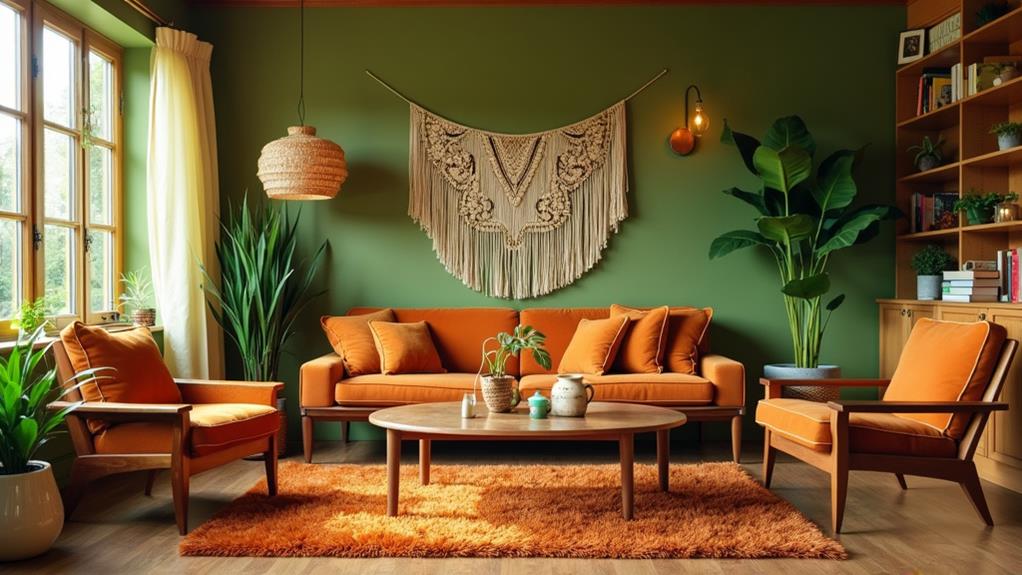
When you think about the 1970s, it's impossible to ignore the period's unique color palette and love for natural materials. Earthy tones like harvest gold, avocado green, and rustic browns were prevalent, creating a warm and inviting atmosphere. These colors weren't just about aesthetics; they reflected a growing environmental consciousness. However, the era wasn't limited to muted shades—vibrant hues like tangerine and electric blue added a splash of excitement. Imagine combining these dynamic colors with natural textures from wood and wicker. Curious how these elements came together to shape a design legacy that still influences us today? Let's explore further.
Warm and Earthy Tones
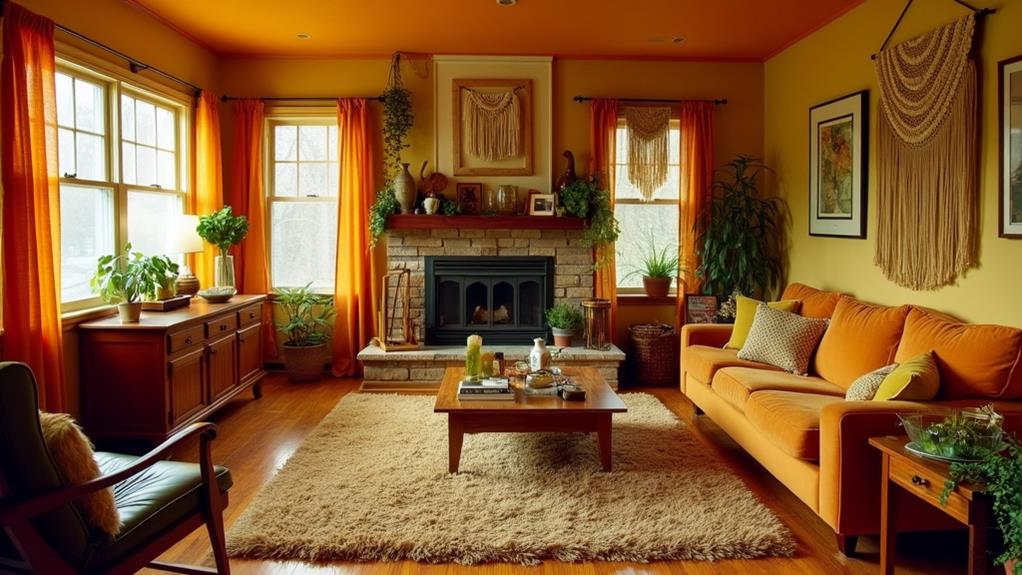
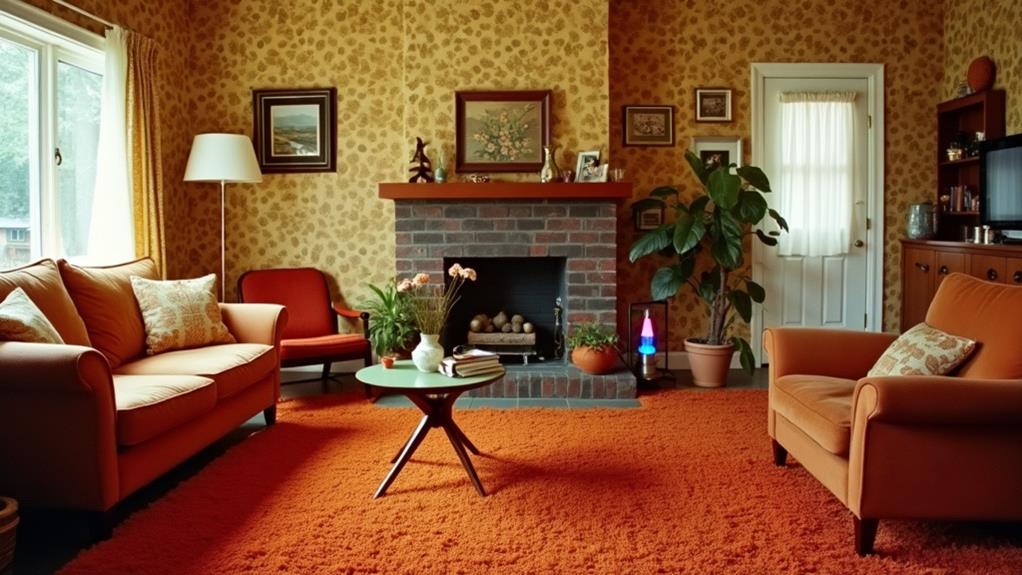
In the 1970s, warm and earthy tones like harvest gold, avocado green, and rustic browns dominated interior design, reflecting the decade's growing environmental consciousness. These colors were prevalent in living rooms and bedrooms, adorning walls, upholstery, bedding, and curtains, creating inviting and serene spaces.
Natural materials such as wood, wicker, and rattan were integral to enhancing these earthy palettes, reinforcing the organic feel of the interiors. This connection to nature was a reflection of the era's values, emphasizing sustainability and harmony with the environment.
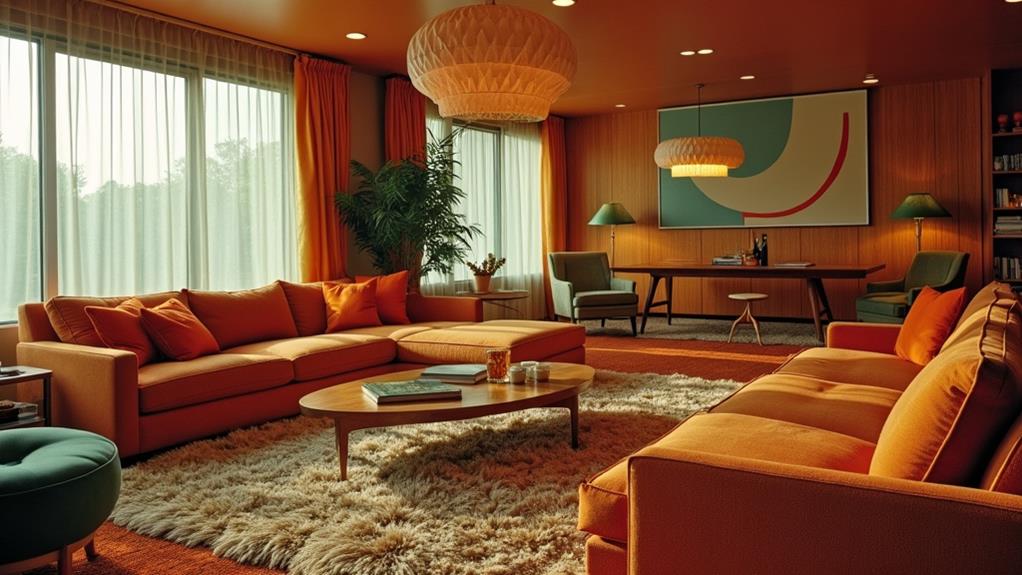
To add visual interest, lively accents like sunny oranges were incorporated into these earthy schemes. These pops of color brought richness and dynamism, ensuring the spaces remained cozy yet vibrant.
The impact of these 1970s design choices extended beyond the decade, laying the groundwork for future trends. The acceptance of warm hues and natural materials continues to inspire contemporary color palettes and aesthetics, demonstrating the enduring influence of this era.
Vivid and Vibrant Hues
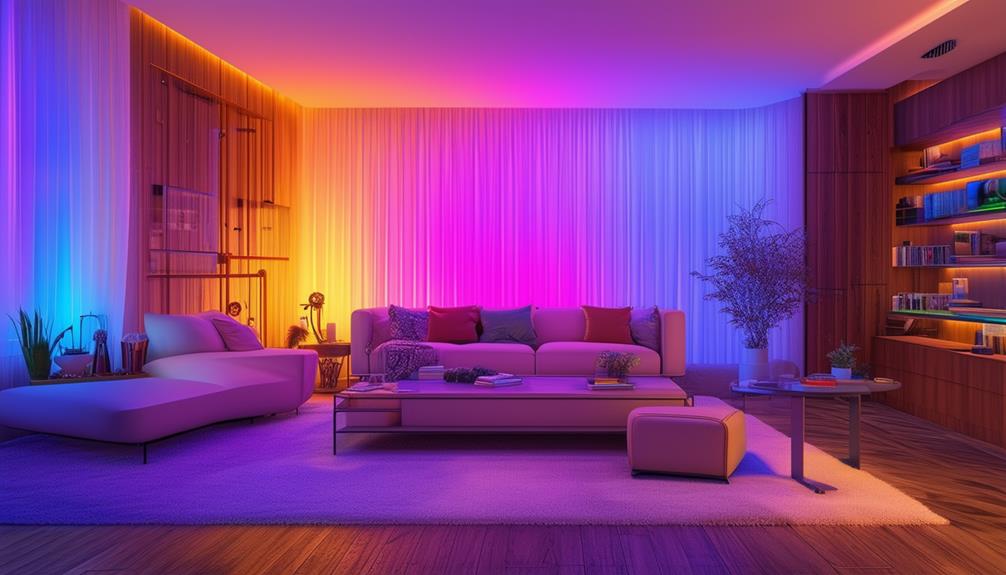
As the 1970s progressed, the era's bold acceptance of color brought vivid and lively hues into the spotlight. Tangerine tango, dazzling fuchsia, electric blue, and citrus lime emerged as prominent colors, reflecting a sense of optimism and self-expression. These vibrant tones transformed living rooms into dynamic spaces, often paired with geometric patterns and modern furnishings. Homeowners made bold choices, embracing individuality and combining contrasting colors that challenged conventional design norms.
The interplay between these vivid colors and earthy tones created visually striking contrasts, adding depth and excitement to interiors. By integrating these bright hues, designers achieved a sense of playfulness and creativity that defined the late 1970s. This period encouraged personal expression through home design, moving away from the subdued palettes of earlier years.
Even today, the influence of these bold color trends remains evident. Designers continue to incorporate these shades into modern aesthetics, evoking the same energy and enthusiasm. By embracing the spirit of the 1970s, you can create a space that feels both nostalgic and invigoratingly contemporary, infusing your home with a lively and engaging atmosphere.
Retro Metallics and Neutrals
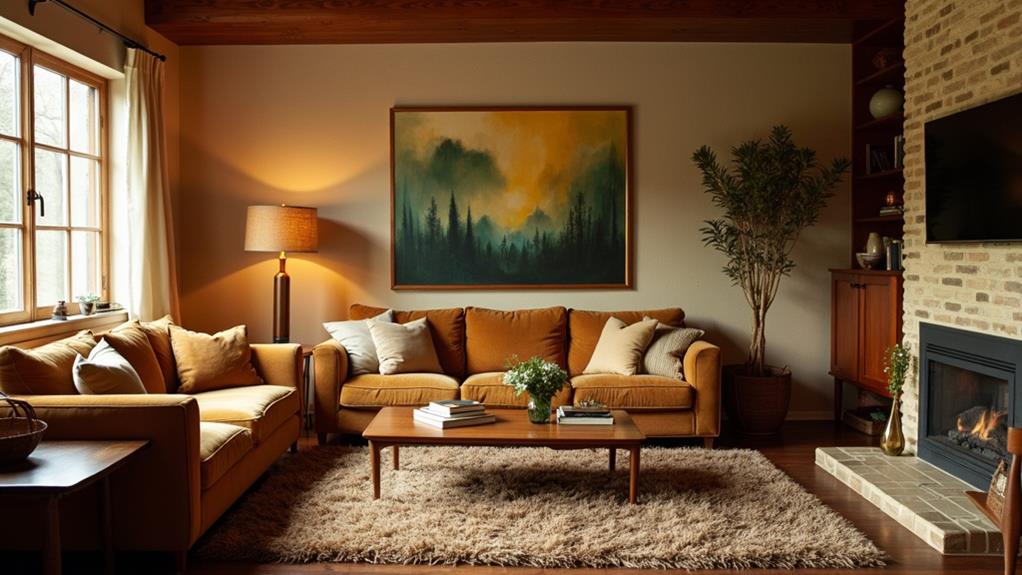
While vivid and lively hues injected energy into the 1970s, retro metallics and neutrals played a crucial role in balancing these bold choices. Shimmering golds and bronzes prominently adorned dining rooms, adding opulence and luxury through chandeliers and mirrors. These metallic finishes weren't merely decorative; they created a rich visual contrast when paired with earthy tones and natural materials, enhancing the overall warmth of interiors.
Creamy whites and moody grays served as perfect neutral backdrops, allowing bold colors to stand out while maintaining a balanced and cohesive aesthetic. These neutrals were popular in kitchens and living areas, providing a sense of calm amidst the lively decor. Retro metallics also appeared in furniture and lighting fixtures, reflecting the era's fascination with glamour and bold design choices.
- Opulent dining rooms: Shimmering golds and bronzes in chandeliers and mirrors.
- Balanced aesthetics: Creamy whites and moody grays as neutral backdrops.
- Rich visual contrast: Combining retro metallics with earthy tones.
Ultimately, the use of retro metallics and neutrals in the 1970s laid the groundwork for contemporary design trends, adding a nostalgic touch to modern aesthetics.
Complementary Contrasts
Embracing the spirit of the 1970s, complementary contrasts enlivened interiors with dynamic energy and bold self-expression. Electric blues paired with lively oranges created striking combinations emblematic of the era, adding depth and visual interest to any room.
Earthy tones like harvest gold and avocado green, when matched with rich browns, maintained a warm, cozy atmosphere. This blend of bold colors and natural materials, such as wood and rattan, underscored the 1970s' focus on organic aesthetics. These complementary contrasts promoted individuality through fearless color choices, making each space uniquely expressive.
Monochromatic schemes, using varying shades of a single hue, provided a cohesive look, particularly in living rooms and bedrooms, where harmony was essential. Triadic harmonies, combining three evenly spaced colors on the color wheel, added another layer of visual interest, making interiors feel dynamic and engaging.
Groovy Patterns and Textures
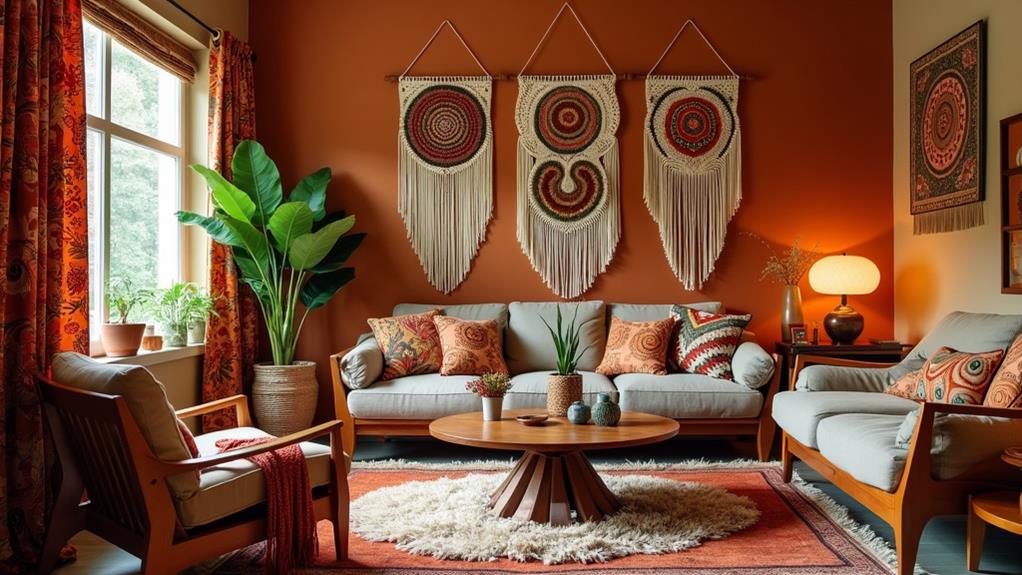
Building on the bold color schemes of the 1970s, groovy patterns and textures brought a new dimension to interior design. Bold patterns like paisley and floral prints, combined with geometric shapes, filled spaces with lively colors and a sense of individuality. These designs were a reflection of the era's cultural movements and the desire for self-expression.
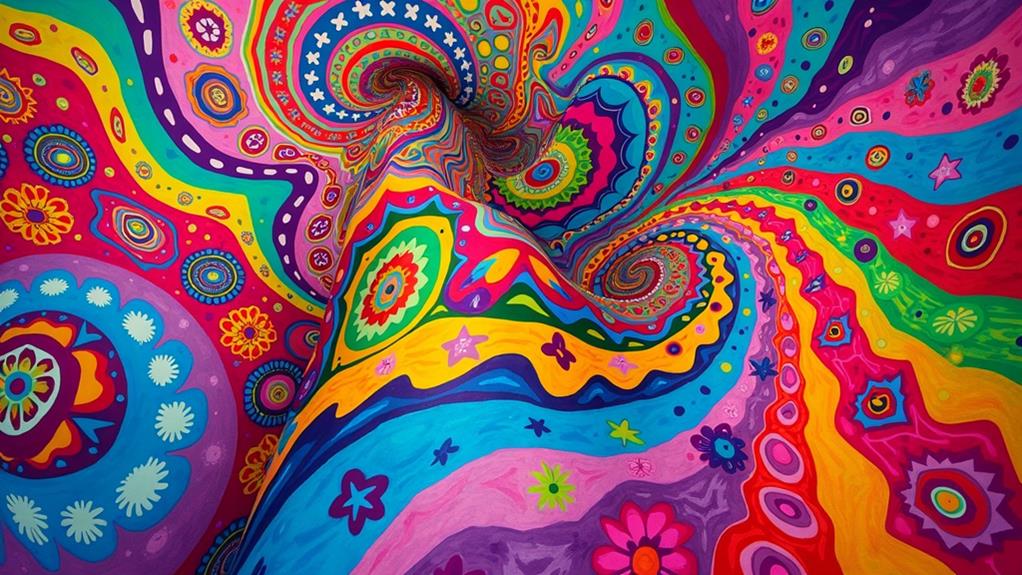
Textures played a significant role. Shag carpeting, macramé wall hangings, and suede upholstery added depth and visual interest, making spaces feel cozy and inviting. Psychedelic patterns introduced swirling, bright colors and optical illusions, creating dynamic and playful atmospheres.
Rattan and wicker furniture became staples, enhancing the natural feel of interiors while complementing earthy tones. The mix of diverse patterns and textures encouraged creativity, allowing for unique, personalized environments.
Key elements popular in 1970s design included:
- Floral prints and geometric shapes: Adding liveliness and a touch of nature to decor.
- Textures: From shag carpets to macramé, these added layers of depth.
- Psychedelic patterns: Infusing homes with bold, swirling colors and optical illusions.
Embrace these elements to capture the eclectic spirit of the 70s in your own space.
Natural Elements Indoors
As you explore the design trends of the 1970s, you'll notice a strong emphasis on incorporating natural elements into indoor spaces. Indoor plants became essential, adding vitality and tranquility to interiors. Textures such as shag carpeting and macramé details enhanced the tactile and organic feel of home environments, making them both cozy and inviting.
Embracing Indoor Plants
During the 1970s, indoor plants became a defining feature in home decor, reflecting the era's growing environmental awareness. Incorporating varieties like pothos, peace lilies, and spider plants enhanced the natural ambiance of interiors. These plants complemented the decade's earthy tones, such as avocado green and harvest gold, creating a cozy atmosphere.
The trend of integrating nature into indoor spaces was driven by a collective desire to connect with the natural world and emphasize organic materials. Displaying greenery in terrariums or macramé plant hangers—both popular at the time—added visual interest and texture, making homes feel warm and inviting.
Indoor plants served more than just decorative purposes; they also improved air quality, aligning with the health and wellness movements of the decade. By incorporating these plants, homeowners could create a healthier living environment and express their environmental consciousness.
- Popular plants: pothos, peace lilies, spider plants
- Display methods: terrariums, macramé plant hangers
- Benefits: improved air quality, cozy atmosphere, enhanced textures
Embracing indoor plants in the 1970s was a way to make home decor both aesthetically pleasing and beneficial.
Incorporating Natural Textures
In the 1970s, bringing nature indoors went beyond just incorporating indoor plants. The era's design philosophy emphasized natural textures to create warm and inviting spaces. Wood, rattan, and wicker were central to 1970s interiors, fostering a seamless connection between indoor and outdoor environments. These materials introduced an earthy tone, making homes feel cozy and grounded.
Shag carpeting became a hallmark of the decade, offering comfort and texture underfoot. Its plush feel complemented the era's preference for earthy tones, adding warmth to any room. Indoor plants and terrariums thrived alongside these elements, enhancing the natural aesthetic and promoting tranquility and well-being.
Textiles featuring bold patterns and organic materials, such as macramé and suede, added both visual interest and tactile experiences. These elements reflected the period's love for eclecticism and creativity. The use of natural stone and brick further contributed to the earthy ambiance, underscoring a desire for authenticity in home design.
Eclectic Style Mixing
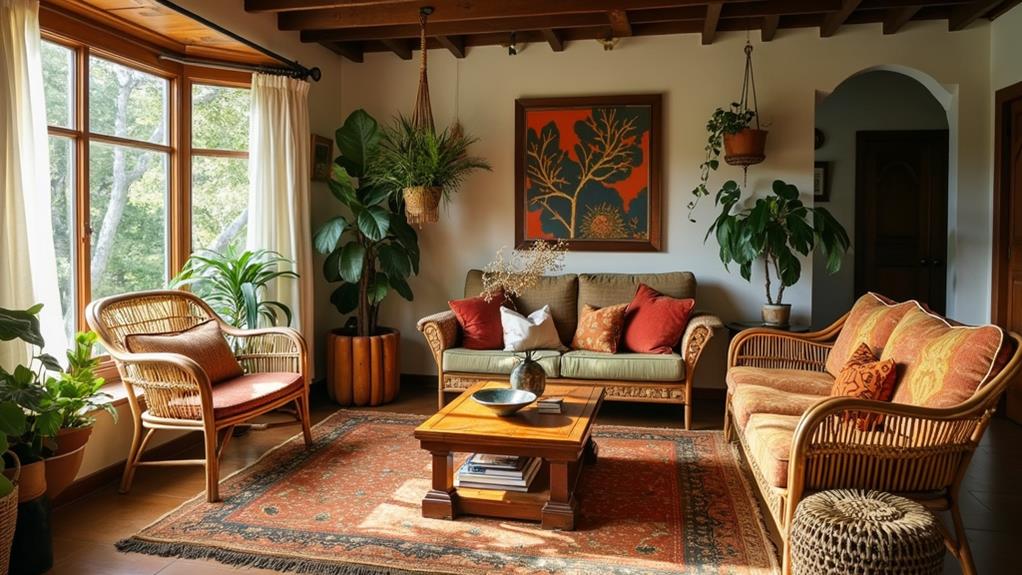
In the 1970s, it was easy to combine different eras to create unique interiors that reflected your personal style. By blending vintage pieces from the 1950s and 1960s with bold elements from the 1970s, you could achieve a striking mix of nostalgia and modernity. This eclectic approach allowed your home to showcase individuality through a diverse array of patterns, textures, and colors.
Combining Different Eras
Embracing an eclectic mix of different periods can transform your living space into a lively tapestry of history and personality. By blending earthy tones with retro metallics, you can create a unique and personalized environment. Imagine pairing mid-century modern furniture with bold 1970s colors like avocado green and harvest gold. This striking contrast between sleek lines and vivid hues brings both eras to life.
Incorporate vintage pieces with patterns and textures from different ages. Think shag carpeting alongside minimalist Scandinavian designs or geometric prints next to natural materials like wood and rattan. This eclectic approach allows for a playful exploration of individuality and creativity.
Consider these tips to enhance your space:
- Mix bold colors and vintage pieces: Combine 70s pop art with mid-century modern chairs for a dynamic look.
- Blend patterns and textures: Use macramé wall hangings with geometric prints on throw pillows.
- Incorporate natural materials: Add rattan furniture with retro metallic accents for a balanced, warm environment.
Vintage and Modern Fusion
Blending vintage and modern elements in your home can create an eclectic style that is both lively and unique. By mixing pieces from different periods, you can reflect your personality and bring individuality to your space. Start by incorporating vintage items like wicker furniture and shag rugs, grounding them with natural materials such as wood, rattan, and stone. These elements enhance earthy tones and create a warm color palette that feels inviting and connected to nature.
To add a modern twist to your vintage finds, consider bold colors and patterned wallpaper. These striking contrasts infuse energy into the room and reflect the playful eclecticism of the 1970s. Retro metallics like brass and chrome can also be integrated, offering a sleek, contemporary edge to the overall design.
The key to mastering vintage and modern fusion lies in balancing textures and tones. Pair warm earthy colors such as harvest gold and avocado green with lively accents inspired by pop art. This not only creates depth but also ensures your space is dynamic and visually engaging. Embrace the mix of styles and let your creativity flourish, celebrating the timeless trend of eclecticism in your home.
Legacy of 1970s Design
The design legacy of the 1970s goes beyond its vibrant patterns and bold choices, leaving a lasting impact on contemporary interiors. The era's penchant for earthy tones like avocado green, harvest gold, and rustic brown created warm color palettes that still resonate today. Natural materials such as wood, rattan, and wicker were integral to 1970s design, enhancing the organic feel of living spaces and fostering a seamless connection between indoor and outdoor environments.
Textured fabrics like shag carpeting and suede added a tactile element, making homes more inviting and comfortable. This era's focus on personalization and individuality allowed homeowners to create unique, character-filled spaces. The 1970s design legacy is evident in several contemporary trends:
- Vintage pieces: Incorporating classic 1970s furniture and decor into modern interiors for a nostalgic touch.
- Sustainable materials: A growing emphasis on eco-friendly resources reflects the decade's environmental awareness.
- Warm color palettes: Earthy tones continue to dominate, creating cozy and inviting atmospheres.
This enduring influence highlights the timeless appeal and adaptability of 1970s design principles.
Modern Revivals
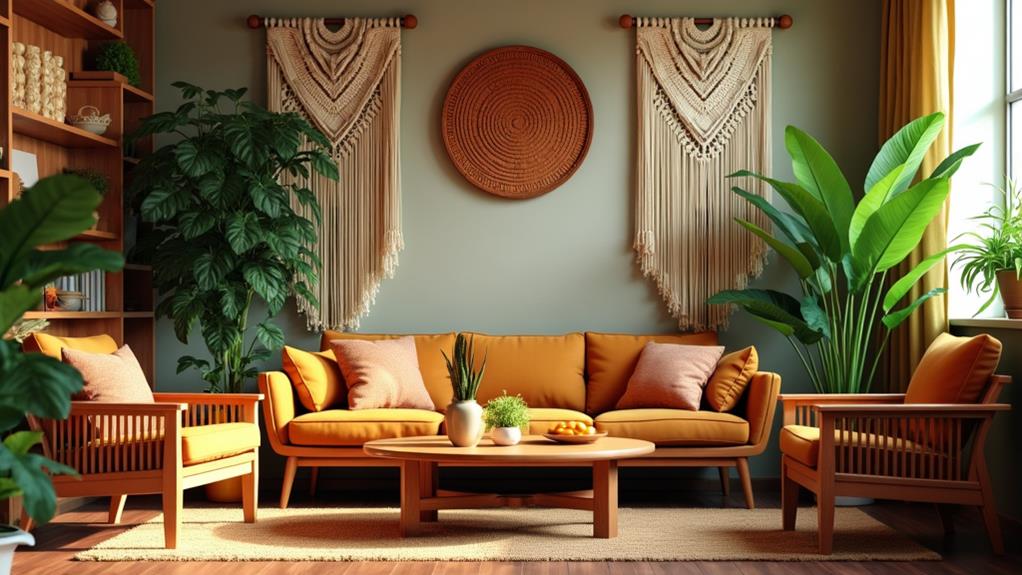
In today's interior design, there's a clear resurgence of 1970s elements, seamlessly integrated into modern homes. Earthy tones like terracotta, warm browns, and mustard yellows are back, creating inviting and cozy atmospheres. These colors are prominently featured on walls, furnishings, and decor, evoking a sense of nostalgia and comfort.
Natural materials such as rattan, shearling, and velvet are at the forefront, emphasizing texture and a relaxed aesthetic. These materials not only enhance visual appeal but also provide tactile comfort, making spaces feel warm and inviting.
Modern revivals of bold patterns, including geometric shapes and floral motifs, add a playful yet sophisticated touch to interiors. These patterns are subtly integrated, maintaining a balanced and understated approach that modern homeowners appreciate.
Curved furniture and soft silhouettes have replaced angular designs, promoting relaxation and social interaction. This shift mirrors the 1970s' focus on creating communal and welcoming spaces.