The 1970s Trend of Conversation Pits in Living Rooms
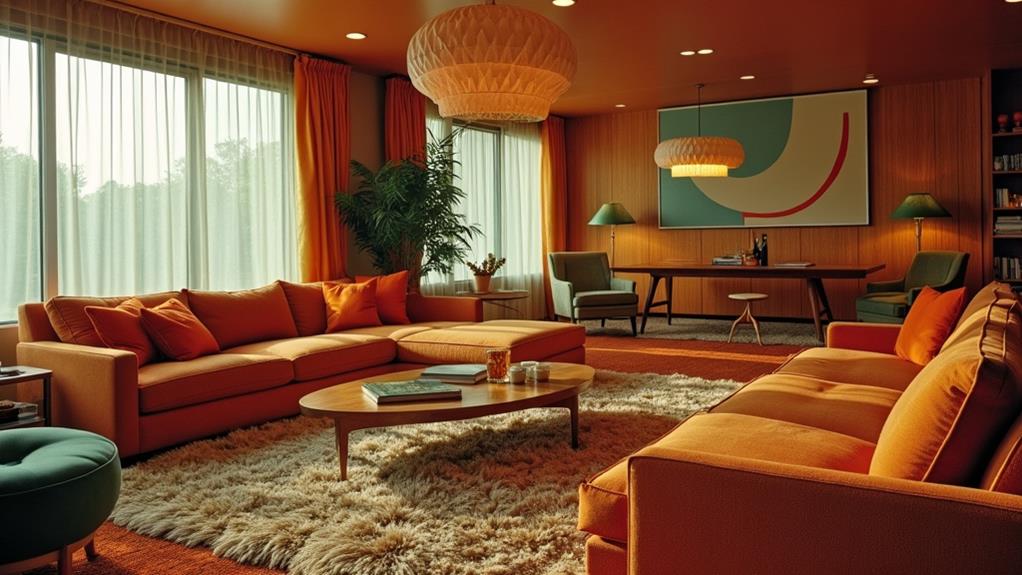
Imagine walking into a 1970s living room and encountering a conversation pit—a sunken area with built-in seating designed for intimate gatherings and cozy chats. These architectural features weren't just about aesthetics; they reflected a broader cultural shift towards simplicity and social connectivity. Have you ever wondered why these design choices became so iconic, despite safety concerns? What made them resonate so strongly with the decade's design ethos and lifestyle? As you explore the history and appeal of conversation pits, you'll discover the intriguing balance between form, function, and the human desire for connection.
Historical and Cultural Roots
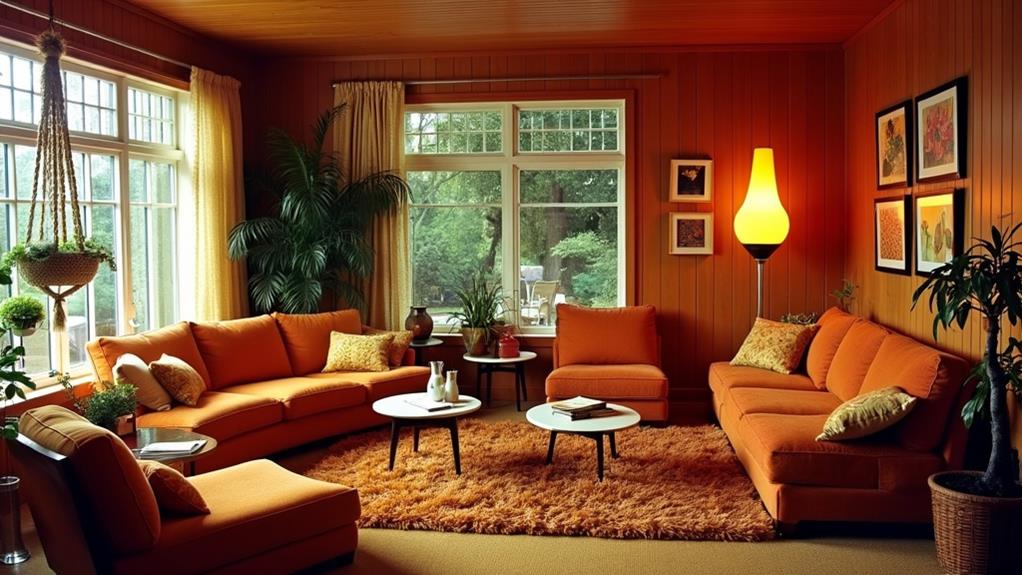
How did conversation pits become a hallmark of social interaction in living rooms? To understand this, we need to examine their historical and cultural origins. Communal seating is not a new concept; it dates back to ancient cultures. For instance, the Chinese kang and Japanese irori were early forms of conversation pits, designed for warmth and gathering. These ancient communal areas facilitated social interaction, fostering a sense of togetherness long before modern architecture emerged.
Fast forward to the 20th century, Bruce Goff's Adah Robinson House in 1927 marked a crucial shift. Goff incorporated a semicircular sunken area around a fireplace, blending the ancient concept into modern architecture. This change set the stage for Eero Saarinen's iconic Miller House in 1952, which popularized conversation pits. Saarinen's design emphasized social interaction within architectural spaces, making these pits a centerpiece for mid-century modern living rooms.
Rise in Popularity
The rise in popularity of conversation pits during the 1970s reflected the era's evolving architectural trends and social dynamics. Architects like Ward Bennett led the movement by simplifying living spaces and emphasizing intimate social areas. Conversation pits quickly became a hallmark of mid-century modern design, featured prominently in high-profile homes. A notable example is Eero Saarinen's Miller House, which showcased the concept's appeal for social interaction and cozy environments.
Younger demographics particularly favored conversation pits, as highlighted in a 1977 article. This trend reflected their desire for contemporary, adaptable living spaces that could meet diverse social needs. The aesthetic charm and functional design of these pits contributed to their popularity, creating spaces where people could gather comfortably and engage in meaningful conversations.
Despite some safety concerns, the allure of conversation pits was undeniable. Their unique ability to foster social engagement made them a distinctive feature in 1970s residential architecture. Homeowners sought to create inviting and cozy environments in their living rooms, and conversation pits offered an ideal solution, marking a significant period in the evolution of home design.
Design and Structure

In the 1970s, a common feature in living rooms was the conversation pit, a sunken seating area that became iconic in home design. These pits were designed to create an intimate gathering space, typically featuring built-in seating arranged around a central element like a coffee table or fireplace. The seating areas were usually one or two steps below the main floor level, adding architectural interest.
Conversation pits were distinctive in structure, often enclosed on at least three sides to foster a cozy atmosphere and provide clear sightlines across the room. Sizes varied, with smaller pits measuring around 8 to 10 feet in width, while larger ones could span 12 to 15 feet or more. Wall-to-wall carpeting was a common choice, enhancing comfort and the warm, inviting aesthetic popular in the 1970s.
The thoughtful design of these sunken living rooms made them perfect for fostering interaction, as the layout naturally encouraged face-to-face conversation. This is why conversation pits were such a beloved feature in homes of that era.
Safety and Accessibility
Conversation pits, while adding architectural flair and social charm to living rooms, soon raised significant safety and accessibility concerns. The sunken design, though trendy, posed risks, especially during social gatherings. Guests could easily misstep and fall into the pit, leading to potential injuries. Families with children or elderly members found these areas particularly problematic, and maneuvering the sunken space was a challenge for those with mobility constraints.
To address these issues, many homeowners installed railings or barriers around their conversation pits to prevent accidental falls. However, these modifications detracted from the open, inviting design that initially made conversation pits appealing. By the late 1970s, covering sunken pits became a common trend as homeowners sought to eliminate these hazards altogether.
Publications like Time magazine in 1963 highlighted the importance of incorporating safety features into conversation pit designs. As the 1980s approached, the shift towards level flooring designs gained momentum. This move improved accessibility and minimized trip hazards, marking the decline in the popularity of conversation pits. The focus on safety and accessibility ultimately led to the rise of more practical living room layouts.
1970s Resurgence
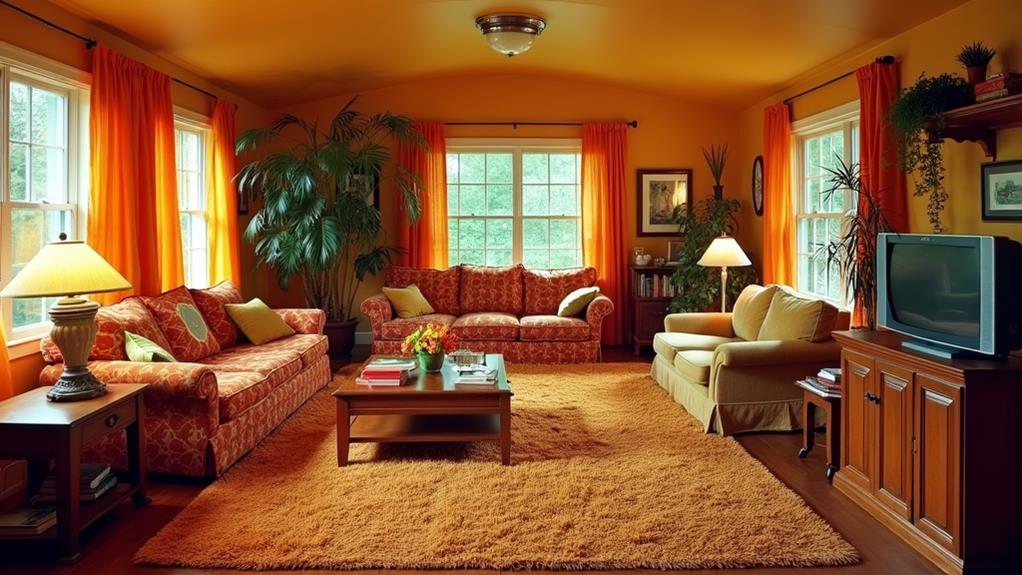
In the 1970s, conversation pits experienced a notable resurgence as part of a broader desire to simplify living spaces and encourage social interaction. Architects like Ward Bennett promoted these sunken living room areas, which were designed to reduce the need for excessive furniture and create inviting spaces for social gatherings. This trend particularly resonated with younger demographics seeking modern and functional design solutions.
The aesthetic appeal of conversation pits was significant. They provided a relaxed and informal atmosphere ideal for socializing. Here are four key reasons why they gained popularity during this decade:
- Modern Design: Conversation pits embodied contemporary architectural trends, aligning with the minimalist and open-space preferences of the 1970s.
- Social Interaction: These spaces were intentionally designed to foster face-to-face conversations, making living rooms more engaging and intimate.
- Flexibility: Conversation pits could be seamlessly integrated into various residential designs, from urban apartments to suburban homes.
- Aesthetic Appeal: Despite safety concerns, their visual charm and functionality appealed to many homeowners and architects.
Publications and articles from the 1970s frequently highlighted this trend, showcasing conversation pits as iconic home features. They symbolized the decade's embrace of open, inviting living spaces that combined functionality with style.
Modern Revival
In recent years, the modern revival of conversation pits has gained considerable traction, largely driven by the heightened desire for social interaction following the COVID-19 pandemic. This renewed interest is evident on social media platforms like Instagram and Twitter, where a single tweet advocating for the return of conversation pits garnered over 375,000 likes, signaling a widespread craving for intimate, community-focused spaces within homes.
Contemporary designs of conversation pits are being reimagined with innovative materials and aesthetics, making them suitable for both new constructions and renovations. Interior designers are now emphasizing the creation of distinct zones for conversation pits within open-plan layouts. This approach not only enhances social interaction but also adds a nostalgic charm to modern interiors.
The resurgence of conversation pits aligns with a broader trend towards mid-century modern design. Homeowners are blending vintage appeal with modern functionality, aiming to create spaces that feel both timeless and contemporary. Therefore, if you're considering a home renovation or new build, incorporating a conversation pit could be an excellent way to foster social interaction and introduce a touch of mid-century nostalgia into your living space.
Famous Examples
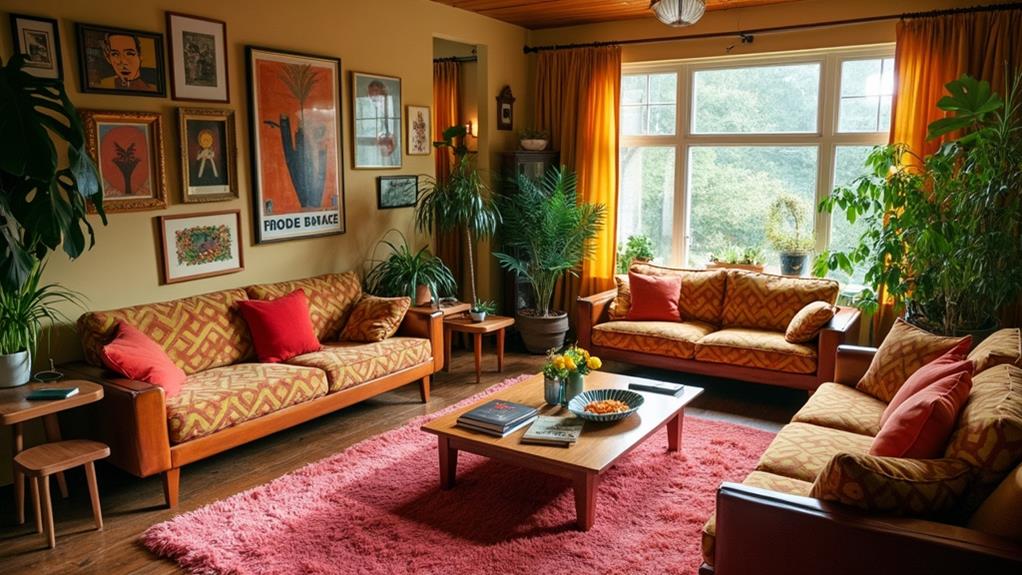
You can't discuss conversation pits without highlighting iconic designs like Eero Saarinen's Miller House or Bruce Goff's Adah Robinson House. These architectural masterpieces paved the way for their inclusion in celebrity residences and commercial spaces, such as Saarinen's TWA Terminal. Today, modern interpretations seamlessly blend retro charm with contemporary trends, underscoring their enduring appeal.
Iconic Architectural Designs
Conversation pits have left an indelible mark on architectural design, showcasing a unique blend of aesthetics and functionality. One standout example is the Miller House, designed by Eero Saarinen in 1958. This living room features a sunken seating area that promotes social interaction within an open-plan layout, utilizing angled steps for privacy and comfort.
Here are four iconic architectural designs that highlight the impact of conversation pits:
- Miller House: Eero Saarinen's design emphasizes social interaction with a sunken seating area that integrates seamlessly into the living room.
- Adah Robinson House: Designed by Bruce Goff in 1927, this early example features a semicircular sunken area around a central fireplace.
- TWA Terminal at JFK Airport: This early 1960s design includes conversation pits, underscoring their significance in public spaces.
- Milam Residence: Paul Rudolph's 1970s design in Ponte Vedra Beach revives the trend with a sunken area enhancing interactive home design.
These iconic architectural designs demonstrate how conversation pits have evolved over time, from early modern examples to the 1970s revival, blending comfort with social engagement.
Celebrity Homes Featuring Pits
Celebrity homes often set design trends, and the conversation pit is a prime example. These stylish, sunken living room spaces became iconic for their role in promoting social interaction and mid-century modern aesthetics. Don Draper's penthouse in "Mad Men" showcases a conversation pit that captures the cultural significance of the 1970s.
Fashion designer Halston embraced this trend by incorporating a luxurious conversation pit in his New York City penthouse, mirroring the elaborate social lifestyle and design aesthetics of the period. Elton John's Los Angeles home also featured a sunken living room with a conversation pit, reflecting his eclectic taste and the broader popularity of this design among celebrities.
Actress and singer Cher's 1970s home included a conversation pit, symbolizing modern living and fostering social interaction among high-profile figures. Notable architect Paul Rudolph designed a residence in Ponte Vedra Beach, Florida, that included a conversation pit, underscoring its appeal in upscale celebrity homes during the decade.
These examples illustrate how conversation pits became a hallmark of 1970s celebrity homes, combining style and functionality to create inviting spaces for socializing and relaxation.
Modern Interpretations and Trends
The conversation pit, often associated with the 1970s, has experienced a renaissance through modern reinterpretations that blend nostalgic charm with contemporary flair. High-profile venues like Spring Studios in New York City and the PUBLIC Hotel have embraced conversation pits to enhance social interaction, seamlessly integrating this retro design into today's open-plan layouts. These spaces foster community and connection, making them highly relevant in our current era.
The trend extends beyond public spaces. Collaborations such as Versace x Net-a-Porter have spotlighted the conversation pit, merging retro aesthetics with modern functionality. Similarly, Madhappy's social spaces feature conversation pits, underscoring the growing demand for inviting environments that facilitate face-to-face engagement.
Architectural firms are increasingly incorporating conversation pits into their projects, recognizing their role in promoting community and connection. This trend resonates strongly in our post-pandemic world, where social interaction is highly valued. The flexibility in design allows for a variety of shapes and materials, catering to contemporary tastes while preserving the nostalgic essence of the original 1970s conversation pits.
Modern interpretations highlight:
- Enhanced social interaction
- Seamless integration into open-plan layouts
- Innovative collaborations with fashion brands
- Architectural versatility
These elements ensure that conversation pits remain both relevant and appealing in today's design landscape.