The 1970s Trend of Hanging Beaded Curtains
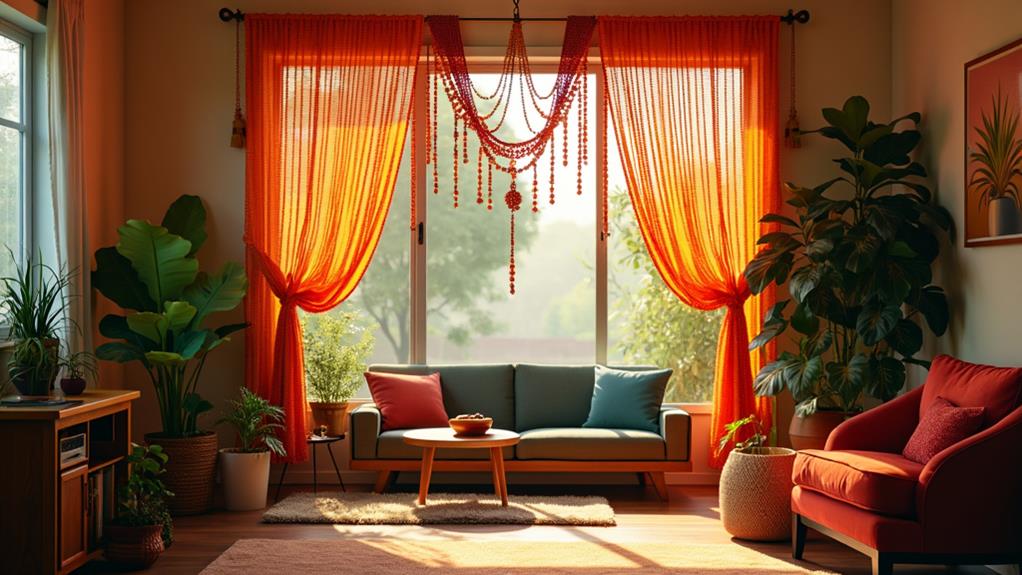
Beaded curtains, a hallmark of 1970s home decor, symbolized the era's embrace of a more relaxed and artistic lifestyle. Originating from Asian culture, these curtains provided a touch of privacy while reflecting the countercultural spirit of the time. Crafted from materials like plastic, glass, and bamboo, each set was unique, mirroring the individuality of its owner. But what made these playful designs so appealing during a decade defined by creativity and freedom? Let's explore how these decorative dividers became a staple of 70s decor.
Origins of Beaded Curtains
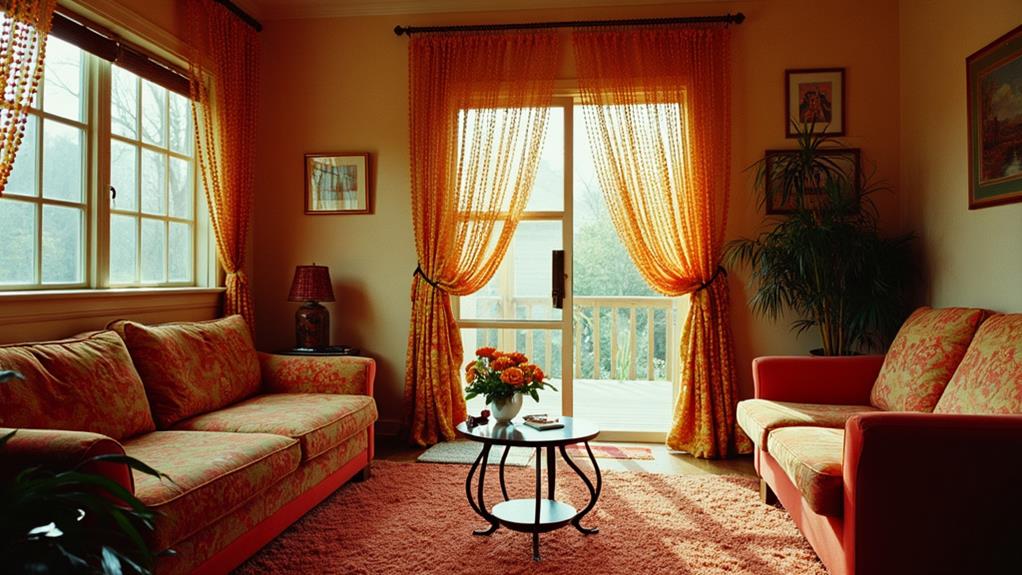
Beaded curtains have a rich history rooted in Asian culture, where they've been used for over 2,000 years as decorative space dividers. Initially, these curtains served as elegant and functional ways to partition rooms while allowing airflow and light to pass through. The intricate designs and craftsmanship highlighted their cultural significance and artistic expression.
By the early 1900s, beaded curtains had made their way to the West, becoming known as "portieres." They adorned the entryways of Edwardian parlors, adding sophistication and privacy. However, it was during the 1960s that beaded curtains truly surged in popularity in the United States. The counterculture and hippie movements embraced these lively, free-flowing decor elements, symbolizing a break from traditional norms.
In the 1970s, beaded curtains became a staple in bohemian decor, reflecting mid-century design trends. Celebrated for their playful, colorful appearance, they enhanced the relaxed and casual atmosphere of many homes. They were used not only as room dividers but also as artistic statements, embodying the era's spirit of creativity and individuality.
Materials and Designs
In the 1970s, beaded curtains made from plastic, wood, and glass offered diverse design possibilities. Choices ranged from colorful faceted beads that played with light to rustic wooden and bamboo beads for a natural feel. Customization allowed individuals to select unique patterns and color combinations, reflecting their personal style.
Popular Bead Materials
Throughout the 1970s, hanging beaded curtains became a quintessential element of home decor, largely due to the diverse range of materials used. Each material contributed its unique flair to the retro home decor trend.
Plastic beads were a popular choice due to their affordability and vibrant color options, making them perfect for bohemian decor. They were lightweight, durable, and easy to clean. Glass beads, on the other hand, brought an element of elegance and sophistication. Their ability to reflect light added a touch of glamour to any room.
Wooden beads appealed to those preferring an eco-conscious design. They provided a natural, earthy feel, aligning perfectly with the 1970s trends, and were often crafted into intricate patterns. Bamboo beads also gained popularity for their sustainability and lightweight properties, contributing to the bohemian vibe of the decade.
Here's a quick comparison of the popular bead materials:
| Material | Characteristics | Popularity Reason |
|---|---|---|
| Plastic Beads | Affordable, vibrant colors | Bohemian decor, easy to clean |
| Glass Beads | Elegant, light-reflecting | Adds glamour |
| Wooden Beads | Natural, earthy | Eco-conscious design |
| Bamboo Beads | Sustainable, lightweight | Bohemian vibe |
These materials helped make hanging beaded curtains a beloved fixture in 1970s homes.
Iconic Design Patterns
The choice of materials wasn't the only factor that made hanging beaded curtains a staple of 1970s decor; the design patterns played an equally significant role. These curtains often featured iconic patterns that captured the era's aesthetic. Mid-century designers favored floral and geometric designs, which added a unique touch to any room. These patterns were not just visually appealing but also exuded a playful movement, making them ideal as room dividers.
Vintage beaded curtains showcased intricate and colorful designs that highlighted the high-quality beads used in their creation. Whether round, faceted, or the popular Lollipop styles, these designs brought a lively and dynamic element to living spaces. The Lollipop style, available in 13 vibrant colors, was particularly eye-catching.
Beaded curtains were not merely decorative; they were functional as well. Acting as room dividers, they enhanced the ambiance with both their visual and auditory presence. The intricate patterns crafted from high-quality beads, often manufactured in the USA, ensured that these curtains stood the test of time, solidifying their place in 1970s decor.
Customization Options Available
You have a wealth of options to customize your beaded curtains to make them truly your own. You can choose from materials like glass beads, wooden beads, and lucite beads, each offering a distinct aesthetic. Glass beads add a touch of elegance, wooden beads provide a natural, earthy vibe, and lucite beads offer a modern, chic look.
Colors and bead styles are another area to let your creativity shine. Whether you prefer bold, lively colors or soft, muted tones, there are plenty of options. Bead styles range from classic round and faceted to playful lollipop shapes, enhancing the uniqueness of your beaded curtains.
Custom sizes ensure your beaded curtains fit perfectly in any doorway or window space. Many sellers will work with your specific dimensions, so you don't have to worry about ill-fitting designs. Adding decorative trims can further enhance the visual appeal, allowing you to tailor every detail to your liking.
For a truly unique touch, consider personalized designs. You can request specific patterns or themes that reflect your personal taste and home decor. With all these customization options, your beaded curtains will be a perfect fit for your space.
Popularity in the 1970s
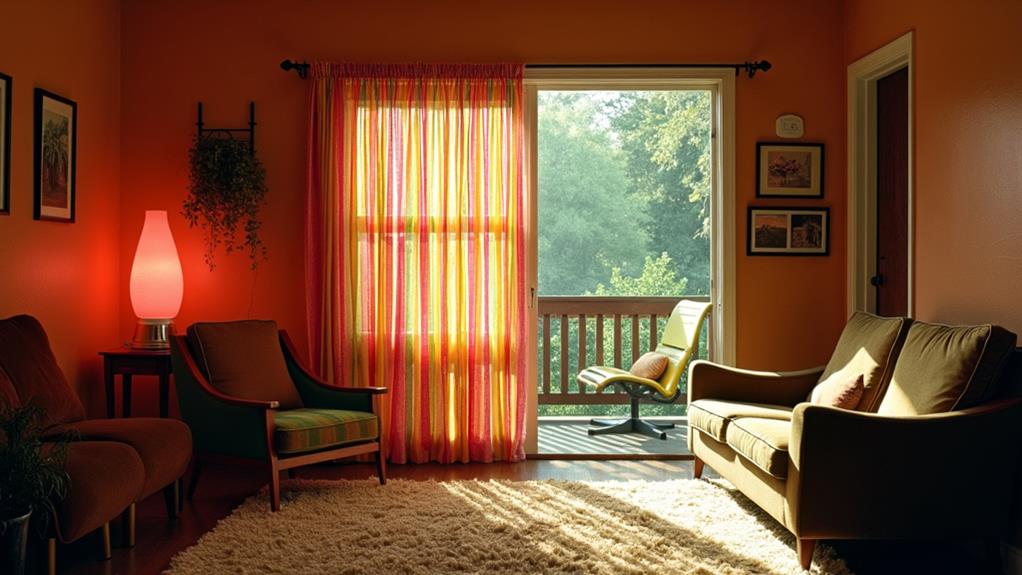
In the 1970s, beaded curtains became emblematic of the era's groovy, free-spirited aesthetic. They were commonly found in homes that embraced a bohemian vibe, reflecting the counterculture's emphasis on artistic expression and individuality. These curtains were not only stylish but also provided a practical solution for creating semi-private spaces in open-plan living areas.
Iconic Groovy Aesthetic
Hanging beaded curtains, iconic symbols of the 1970s groovy aesthetic, captured the spirit of the counterculture movement and bohemian lifestyle. These colorful decor pieces became hallmarks of the time, adding an eclectic and lively touch to any home. Whether used as room dividers or doorways, beaded curtains offered semi-privacy while infusing spaces with a playful, laid-back atmosphere.
During the 1970s, beaded curtains came in various materials, including colorful plastic beads, wood, and glass. Each type reflected the diverse and eclectic tastes of the period, contributing to the complete groovy aesthetic. The gentle movement of the beads and the soothing sound they made when clinking together created a calming backdrop, perfect for homes that embraced a relaxed, bohemian lifestyle.
Cultural Counterculture Symbol
The 1970s' fascination with beaded curtains transcended mere decorative appeal; it represented a deeper connection to the counterculture movement. These curtains epitomized the bohemian lifestyle, marking a clear departure from mainstream aesthetics. Walking through homes of the era, these decorative accents created a playful atmosphere, serving as room dividers and bold statements of individuality and self-expression.
Rooted in the 1960s but gaining significant traction in the 70s, beaded curtains became a staple in interior design. They were more than just an alternative to traditional window treatments; they symbolized a rejection of conventional norms. Choosing to hang these colorful strands in your home was an acceptance of a cultural counterculture that valued creativity and personal freedom above all.
Cultural Significance
Beaded curtains weren't merely a decorative trend in the 1970s; they symbolized a broader cultural movement. Embracing the counterculture ethos, these colorful home decor items reflected the era's values of freedom and individuality. They were a staple of the bohemian lifestyle, adding artistic expression and non-conformity to any space. Beaded curtains served as space dividers, creating semi-private areas that fostered creativity and personal style.
Historically, beaded curtains have been used as space dividers in Asian cultures for over 2,000 years. Their adoption in Western design during the 20th century added cultural depth. The gentle movement and sound of the beads contributed to a calming ambiance, aligning with the 1970s emphasis on relaxation and peace.
Today, vintage decor from this period, including beaded curtains, is celebrated for its nostalgic charm. These items capture the essence of mid-century design, showcasing the era's creativity and playfulness. Whether aiming to create a vintage-inspired space or simply appreciating artistic flair, beaded curtains offer a unique way to honor the spirit of the 1970s.
DIY Beaded Curtains
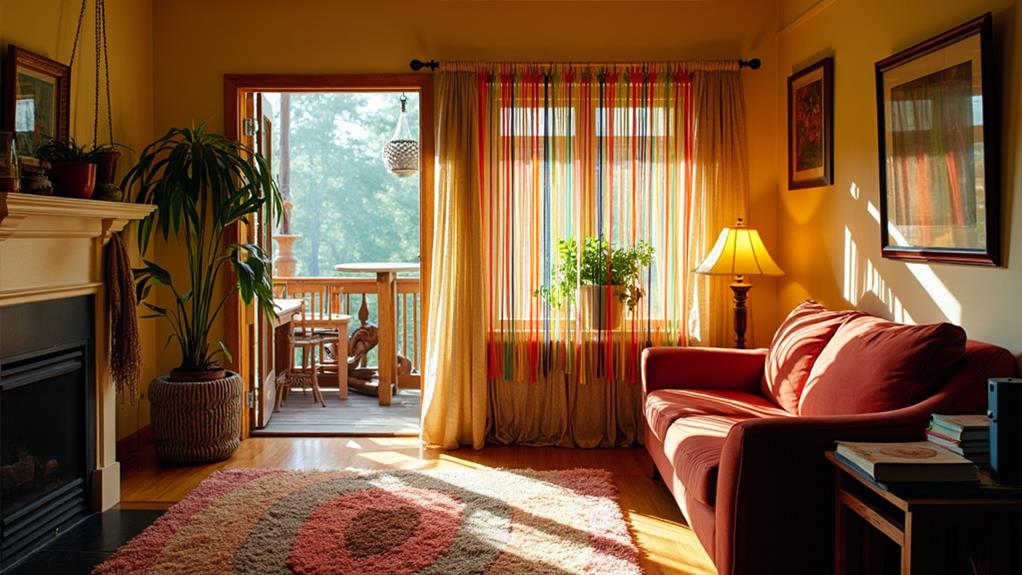
Creating your own DIY beaded curtains is a fun and rewarding way to personalize your space. By making your own, you can choose colors, bead types, and patterns that reflect your style and home decor themes. Start by measuring the width and length of the opening where you want to hang your beaded curtains, and don't forget to account for the space needed for mounting hardware.
Popular materials for DIY projects include wooden beads, acrylic beads, and natural elements like bamboo. For full coverage, you'll typically need about 24 bead strands per foot. Once you've gathered your materials, slide the bead strands into a mounted track for easy installation. This setup not only simplifies the process but also allows you to change designs whenever you want.
If you're new to crafting, DIY kits are a great option. These kits include all the necessary components—beads, thread, and mounting hardware—making it easier for beginners to create their own distinct curtains. Regardless of whether you use wooden beads for a rustic look or bamboo for a natural vibe, DIY beaded curtains offer endless possibilities for a personalized design that's distinctly yours.
Modern-Day Uses
Creating your own beaded curtains allows you to express personal style and creativity, and these versatile decor elements have numerous modern-day applications. Beaded curtains can serve as stylish room dividers, enhancing privacy while maintaining an open feel in your living space. They also make excellent decorative window treatments or wall hangings, fitting seamlessly into bohemian and eclectic interior designs.
In well-lit areas, these curtains function as creative suncatchers, casting colorful reflections and light patterns that add an enchanting touch to your home. You can select from various bead materials and customized lengths to perfectly match your decor style and preferences.
Beaded curtains are also popular for special events like weddings and parties. Their playful design adds a festive and elegant element to any celebration. Whether you aim to enhance privacy, create a focal point, or bring a touch of bohemian charm to your space, beaded curtains offer a versatile and stylish solution. Their modern-day applications are as varied as your imagination, making them a timeless enhancement to any home or event.
How to Hang Beaded Curtains
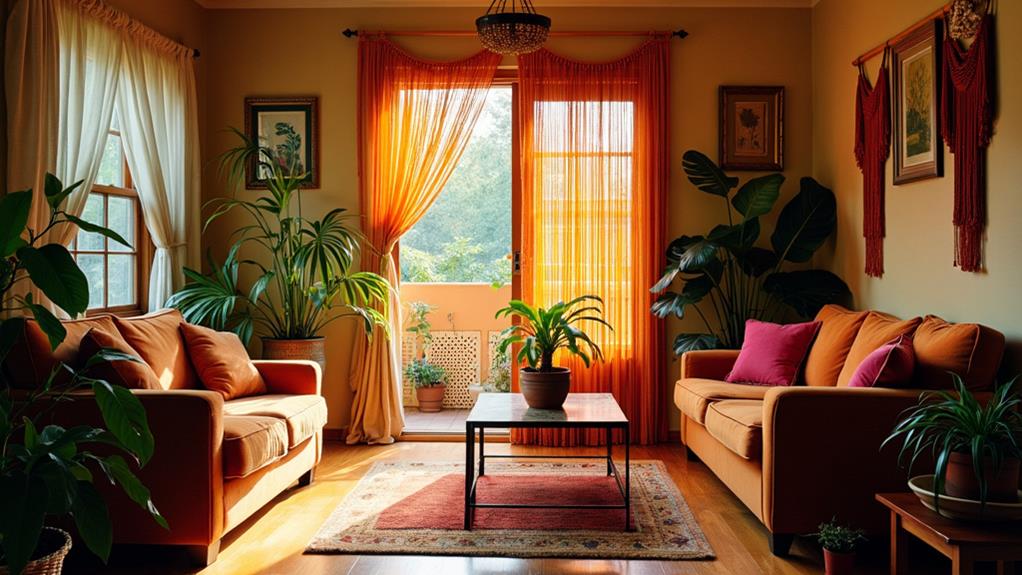
Before hanging your beaded curtains, accurately measure the width and height of the opening where they'll be placed. This ensures you account for any desired overlap or clearance at the top. Once you have your measurements, select a curtain rod or track that fits the space and can support the weight of the beaded strands.
Tools and Materials Needed:
| Task | Tools Needed |
|---|---|
| Measure width and height | Measuring tape |
| Install curtain rod | Drill, screws, rod |
| Hang beaded strands | Beaded curtains |
Steps to Follow:
- Measure the Opening:
- Use a measuring tape to determine the width and height.
- Consider any overlap or clearance needed.
- Select and Install the Curtain Rod:
- Choose a rod or track with suitable weight capacity.
- Secure the rod or track using a drill and screws, ensuring stability.
- Hang the Beaded Strands:
- Slide the beaded strands onto the rod.
- Ensure they hang freely for easy movement and visual appeal.
- Confirm the height allows comfortable passage while maintaining privacy.
Additional Considerations:
| Step | Considerations |
|---|---|
| Choose rod or track | Weight capacity |
| Secure mounting | Stability |
| Hang beaded strands | Aesthetic, privacy |
For an enhanced look, consider adding decorative trims or extra hooks. These additions can improve both the aesthetic appeal and functionality of your beaded curtains. Properly installed, they will not only look great but also provide the decorative and privacy benefits you seek.
Where to Buy Beaded Curtains
When you're ready to purchase beaded curtains, a variety of online options cater to different styles and budgets. Etsy is a notable platform for unique, handmade beaded curtains. Many sellers offer free shipping on orders over $35, allowing you to acquire beautiful pieces affordably.
Prices for beaded curtains start as low as $10 for basic strands. For more personalized options, custom sizes and handmade designs can reach up to $85. Etsy sellers frequently provide customization options, enabling you to select specific colors and sizes that perfectly match your home decor.
Whether you're aiming for a bohemian, vintage, or modern look, you'll find a variety of styles to explore. Seasonal sales and clearance items on platforms like Etsy and Amazon also offer budget-friendly choices, so you can enhance your space without overspending.
In addition to Etsy, other online retailers provide a broad selection of beaded curtains, catering to various tastes and preferences. With so many options, you're sure to find the perfect beaded curtains to add charm and personality to your home.