The 1980s Craze for Floral Chintz and Overstuffed Sofas
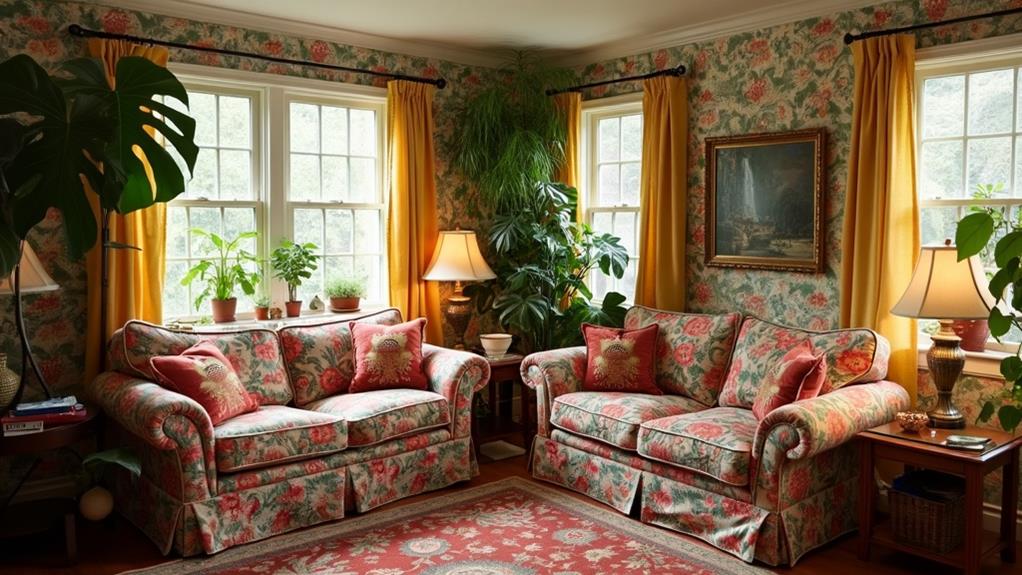
When you think about the 1980s, the bold embrace of floral chintz and overstuffed sofas likely comes to mind as hallmarks of interior design. Designers like Mario Buatta and Laura Ashley championed this aesthetic, moving away from minimalism to create warm, inviting spaces adorned with richly textured decor. Floral patterns were ubiquitous—gracing sofas, curtains, and pillows—imbuing homes with a cozy, expressive ambiance. But what drove this shift towards such lavish comfort, and how did it shape the design principles of the time? Let's delve into what made floral chintz and overstuffed sofas defining elements of 1980s interiors.
The Rise of Floral Chintz
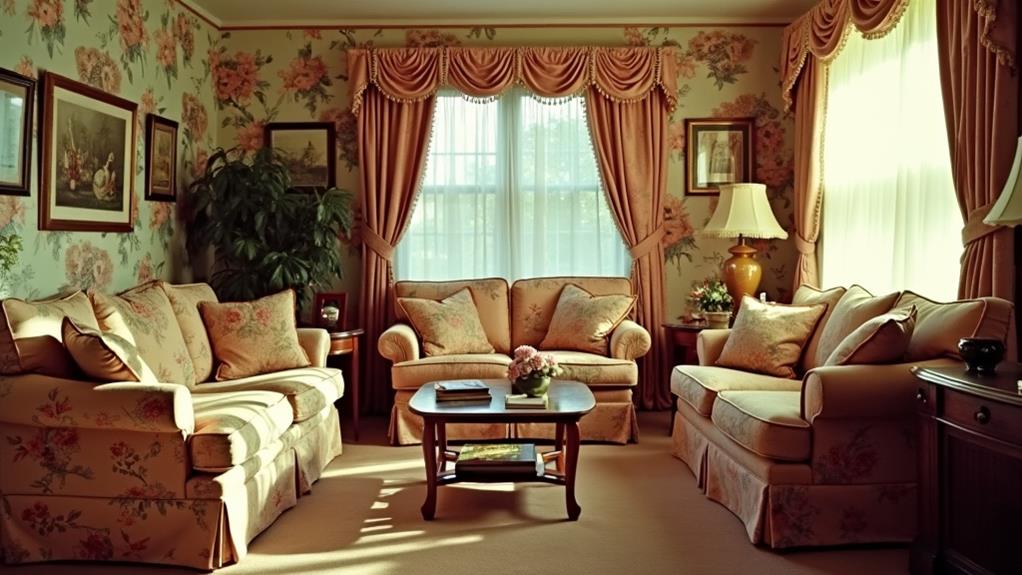
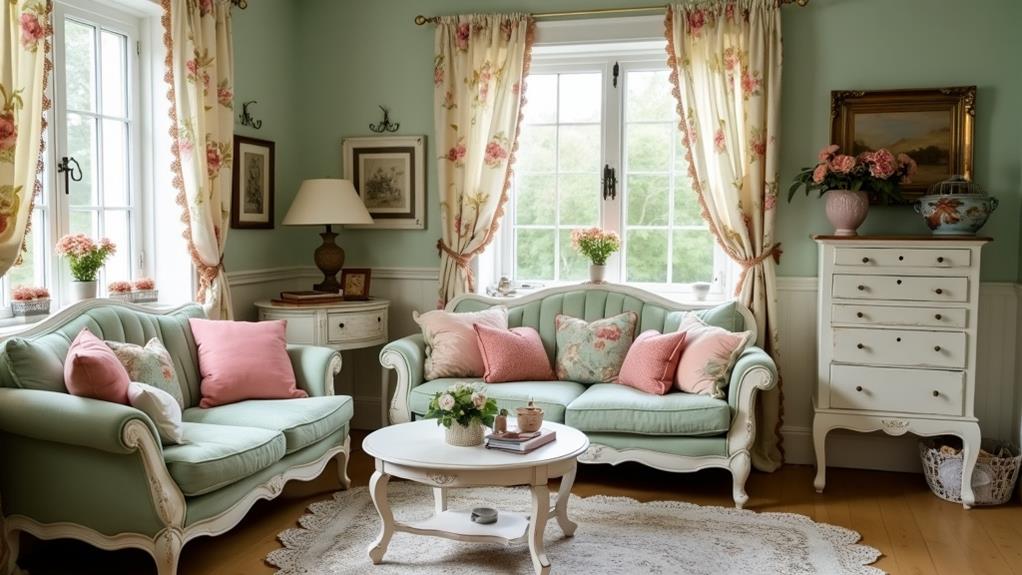
In the 1980s, floral chintz experienced a notable resurgence, largely due to interior designers like Mario Buatta who embraced its romantic and vibrant patterns. The colorful floral designs became ubiquitous, adorning everything from overstuffed sofas to curtains and pillows. This revival wasn't merely about fabric; it aimed to create a cozy aesthetic that brought warmth and comfort into homes.
Interior designers favored chintz for its ability to transform spaces with its nostalgic and eclectic designs. The trend offered a stark contrast to the sleek, minimalist styles that had previously dominated. Overstuffed sofas covered in matching floral chintz became the focal point of many living rooms, making spaces feel inviting and lived-in.
As you decorated your home, you likely found yourself attracted to the colorful patterns that chintz offered. It wasn't just about matching your sofa to your curtains; it involved layering textures and colors to create a rich and welcoming environment. The 1980s saw a cultural shift towards more expressive home decor, and floral chintz was at the forefront of this movement, helping to turn houses into homes filled with character and charm.
Iconic 1980s Designers
When you think of iconic 1980s designers, names like Mario Buatta and Laura Ashley come to mind for their signature chintz patterns and influential aesthetics. Buatta's lively designs and Ashley's romantic prints made floral chintz and overstuffed sofas must-haves in homes. Their work, along with contributions from designers like Sister Parish, shifted home decor towards a more personal and expressive style.
Signature Chintz Patterns
During the 1980s, iconic chintz patterns became a hallmark of traditional American décor, thanks to designers like Mario Buatta and Sister Parish. These signature patterns, with their lush floral prints, adorned overstuffed sofas and created a cozy atmosphere in countless homes. Laura Ashley's romantic designs epitomized the period, featuring blooms in pastel palettes that emphasized soft, feminine aesthetics.
Designers such as Charlotte Moss and Bunny Williams expertly blended chintz with other patterns like stripes and plaids to craft visually dynamic interiors. The appeal of these floral prints lay not only in their beauty but also in the comfort they brought to living spaces.
- Laura Ashley's floral designs: Emphasized romantic, pastel palettes.
- Charlotte Moss and Bunny Williams: Skillfully combined chintz with stripes and plaids.
- Overstuffed sofas: Adorned with elaborate chintz fabrics, contributing to a cozy atmosphere.
The chintz revival also saw brands like Colefax and Fowler gaining prominence. Their classic patterns continue to influence contemporary design trends, proving that the allure of chintz endures well beyond the 1980s.
Influential Design Aesthetics
Signature chintz patterns laid the groundwork, but it was the prominent designers of the 1980s who truly brought these floral prints to life in American homes. Designers like Mario Buatta and Sister Parish played crucial roles in popularizing floral chintz and overstuffed sofas in residential interiors. Their work embodied a sense of comfort and elegance that defined 1980s decor.
Laura Ashley, another key figure of the time, capitalized on this trend by producing lively patterns that quickly became synonymous with the decade. Her designs contributed greatly to the obsession with cozy aesthetics and layered interiors, transforming living spaces into plush, inviting retreats. Overstuffed sofas were more than just furniture; they symbolized a broader cultural shift towards comfort and relaxation.
The 1980s interior design landscape was eclectic, combining soft, feminine florals with the sleek lines of modern design. This eclectic nature allowed for bold chintz patterns to be seamlessly integrated into upholstery, draperies, and wallpaper, creating cohesive and inviting atmospheres in homes. Thanks to these influential designers, the 1980s became a decade remembered for its distinctive, cozy, and lively residential interiors.
Design Principles and Uses
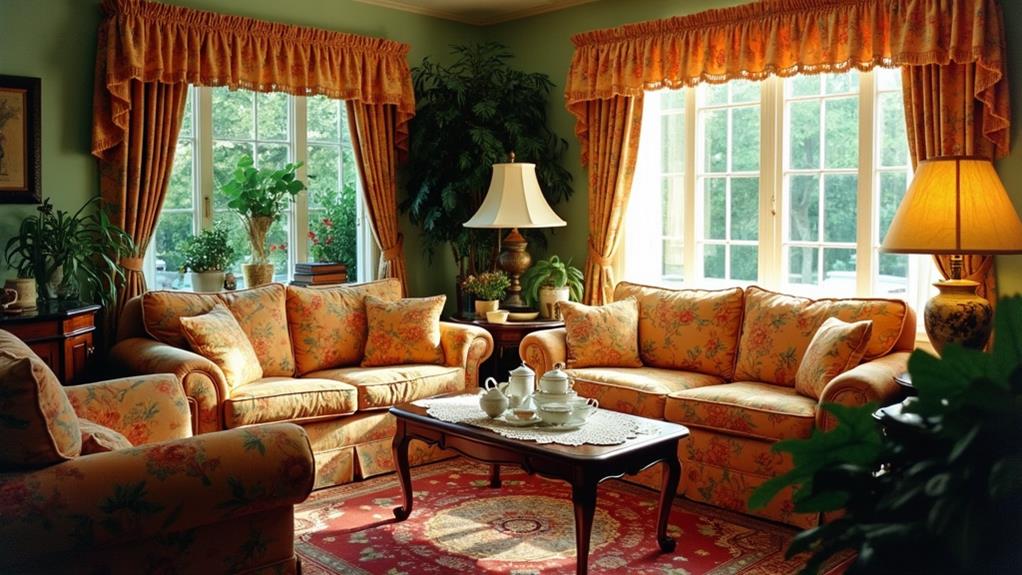
To maximize the impact of floral chintz, thoughtfully mix patterns and textures. Use chintz strategically on accent pieces like pillows and drapery to introduce lively color without overwhelming the space. Modern designs often pair chintz with sleek, minimalist elements to balance its boldness and achieve a fresh, contemporary look.
Mixing Patterns and Textures
Mixing patterns and textures, such as blending floral chintz with checks, plaids, and stripes, can instantly invigorate any room. By incorporating contrasting textures and patterns, you create visual intrigue and capture the eclectic spirit of the 1980s. Floral chintz, particularly on overstuffed sofas, serves as bold statement pieces that align perfectly with the maximalist design principles of that era.
To avoid overwhelming your space, consider using chintz as an accent fabric. Here are some tips:
- Accent pillows: Add chintz pillows to solid-colored sofas to create focal points.
- Upholstery mix: Pair chintz upholstery with luxurious fabrics like jacquards and damasks for a balanced, elegant look.
- Drapery details: Use chintz for window treatments to infuse a room with nostalgic charm without overpowering it.
Contemporary interpretations of chintz often embrace a "less is more" approach. By choosing unexpected color combinations and patterns, you can create unique focal points that feel modern yet nostalgic. Mixing patterns and textures allows you to make a bold statement while maintaining a cohesive and visually stimulating environment.
Strategic Accent Placements
Incorporating chintz strategically as an accent can transform your space, adding character without overwhelming the design. Using chintz fabrics with their signature floral patterns on pillows, upholstery, and drapery can create compelling focal points. This approach ensures the bold impact of chintz is felt without dominating the entire room.
Mixing chintz with complementary patterns like checks, plaids, and stripes, along with luxurious fabrics such as jacquards and linens, adds visual interest and depth. Remember, "less is more" regarding chintz. Use it sparingly to highlight key areas and maintain a balanced aesthetic. This is particularly important given chintz's high cost and striking visual presence.
Experimenting with unexpected color palettes like blue, black, white, and gold can refresh traditional styles and bring a modern twist to your decor. The versatility of chintz allows it to fit seamlessly into both casual and formal settings, from bohemian to contemporary interiors. With thoughtful placement, you can personalize your space, making it distinctly yours while celebrating the timeless appeal of floral patterns.
Modern Interpretation Techniques
Floral chintz can be seamlessly integrated into contemporary interiors by pairing it with structured designs. This approach preserves the romantic essence of chintz while adding a cleaner, more refined aesthetic. Emphasizing tailored lines, using chintz sparingly as accent upholstery can create eye-catching focal points without overwhelming the space.
Modern interpretations often blend floral chintz with other patterns like checks, plaids, and stripes. This combination adds visual interest and demonstrates the versatility of floral patterns. Incorporating chintz into pillows, drapery, or occasional chairs aligns with the "less is more" philosophy, enhancing the overall design without clutter.
- Accent upholstery: Use chintz in small doses for pillows or a single chair.
- Structured designs: Pair it with clean lines and contemporary furniture to balance the look.
- Visual interest: Mix chintz with other patterns like stripes and plaids.
Contemporary floral sofas now feature chic designs that fit well in both casual and formal settings. Designers like Michael S. Smith and Mark D. Sikes are reimagining floral chintz with fresh aesthetics, appealing to a younger audience seeking eclectic and vintage-inspired decor.
Modern Influences and Trends
As contemporary interiors shift away from minimalist aesthetics, the resurgence of floral chintz in home decor is making a bold statement. An increasing number of floral sofas are appearing, reflecting a broader trend in interior design. Unlike the overstuffed sofas of the past, today's floral sofas feature tailored designs that blend seamlessly with modern farmhouse styles and other popular aesthetics. This trend is not just about nostalgia but also about personalization and creating unique spaces with statement furniture.
Influential designers like Michael S. Smith and Mark D. Sikes are leading the way, revitalizing floral patterns to suit contemporary tastes. Their work aligns perfectly with the rising popularity of regencycore and cottagecore, which emphasize romantic and dramatic elements. These aesthetics are making floral chintz relevant again, offering a way to incorporate timeless beauty into your home.
Searches for floral sofas have surged by 60% on luxury decor sites like 1stDibs, indicating growing consumer demand for unique furniture pieces. New patterns and designs are constantly emerging, allowing you to find a floral sofa that fits your personal style while staying on-trend.
Floral Sofa Options and Pricing
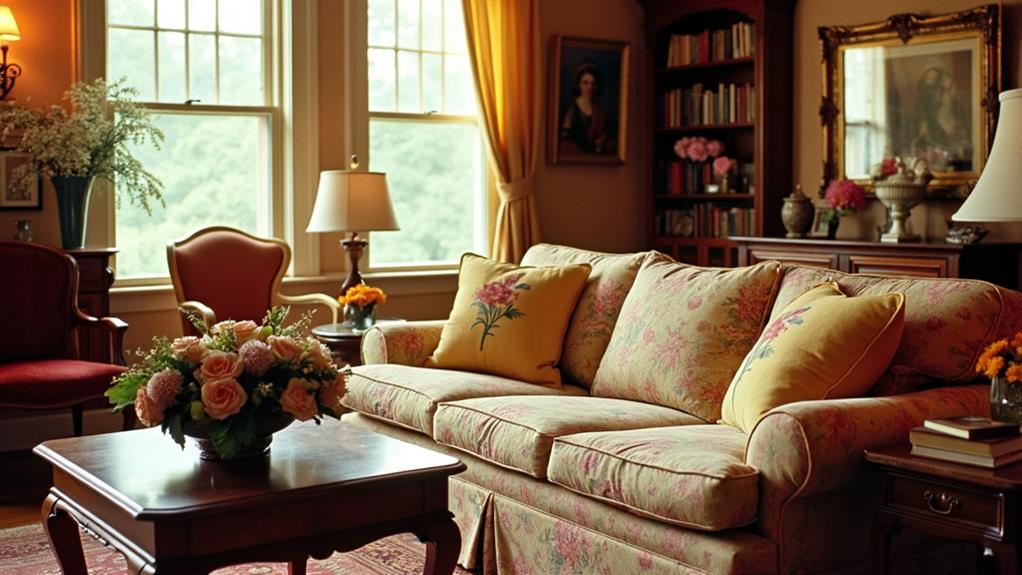
Finding the perfect floral sofa to suit your home and budget is now easier than ever. Today's market offers a wide range of floral sofas, catering to diverse tastes and varying pricing needs. Whether you are seeking a vintage charm or a modern interpretation, there's something for everyone.
Consider these options:
- 1970s Rattan Three-Seat Sofa: Priced at $875, it showcases a timeless vintage floral design, ideal for those who appreciate retro elegance.
- kbo Albany Loveseat: For $895, this loveseat features a unique take on floral upholstery with its West African pattern, perfect for adding a cultural flair to your space.
- Anthropologie's Valerie Pied-a-Tierre Sofa: At $2,698, this option combines solid and patterned fabric, offering a modern interpretation of floral designs for a contemporary home.
For those seeking a high-end floral option, the ISA Bergamo Sofa is adorned with red floral fabric and brass feet, priced at $5,450. This overstuffed sofa epitomizes luxury and sophistication. With so many floral designs available, you'll find options that fit your style and budget, ensuring your home exudes the charm and comfort you desire.
Maintenance and Care Tips
To keep your floral chintz sofa vibrant and long-lasting, adhere to proper maintenance techniques. Regular vacuuming is essential to eliminate dust and debris. Use gentle fabric cleaners specifically formulated for upholstery to preserve the delicate fibers of your floral chintz fabric. Avoid harsh chemicals, as they can compromise the fabric's integrity.
For immediate stain removal, act swiftly by spot cleaning with a damp cloth and mild detergent. Blot rather than rub to prevent the stain from spreading. Applying fabric protectors can significantly enhance the durability of your sofa, particularly in homes with pets or children.
Cotton chintz, celebrated for its softness and vivid patterns, demands more delicate care compared to synthetic blends. Schedule professional cleaning every 1-2 years to eliminate deep-seated dirt and preserve the fabric's quality. Professional cleaning ensures your sofa remains beautiful and comfortable for years.