The 1980s Love for Glass Coffee Tables
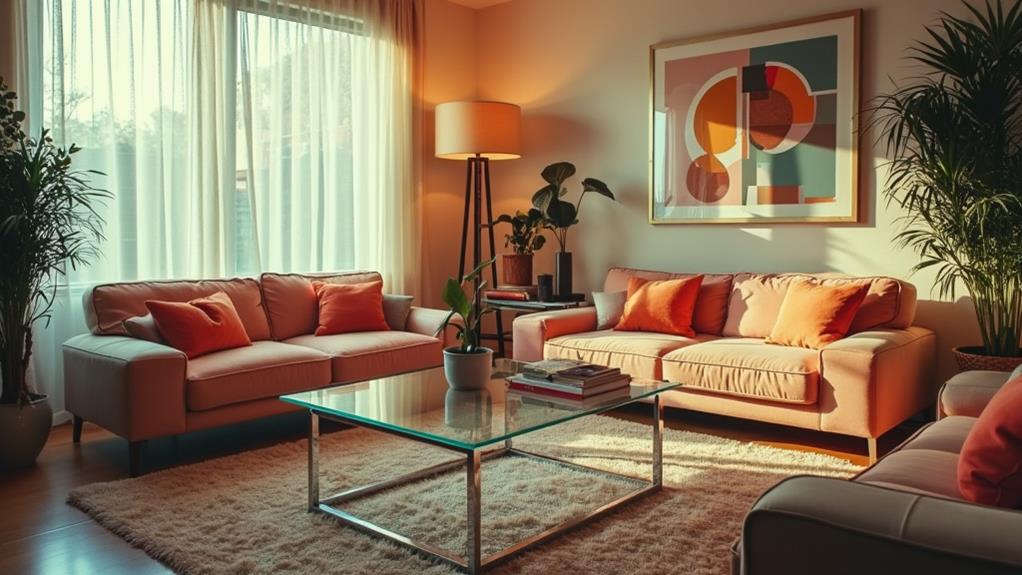
When you think about the 1980s, glass coffee tables often come to mind as a staple of the era's interior design. They weren't just functional pieces; they symbolized modernism and minimalism, frequently crafted with luxurious materials like brass and chrome. From the bold geometric shapes of iconic designs to the influence of postmodernism, these tables captured the essence of the decade. But what truly set them apart? And why do they continue to captivate collectors and decorators today? Let's delve into the craftsmanship and trends that made these tables timeless pieces in the world of design.
Evolution of Glass Coffee Tables
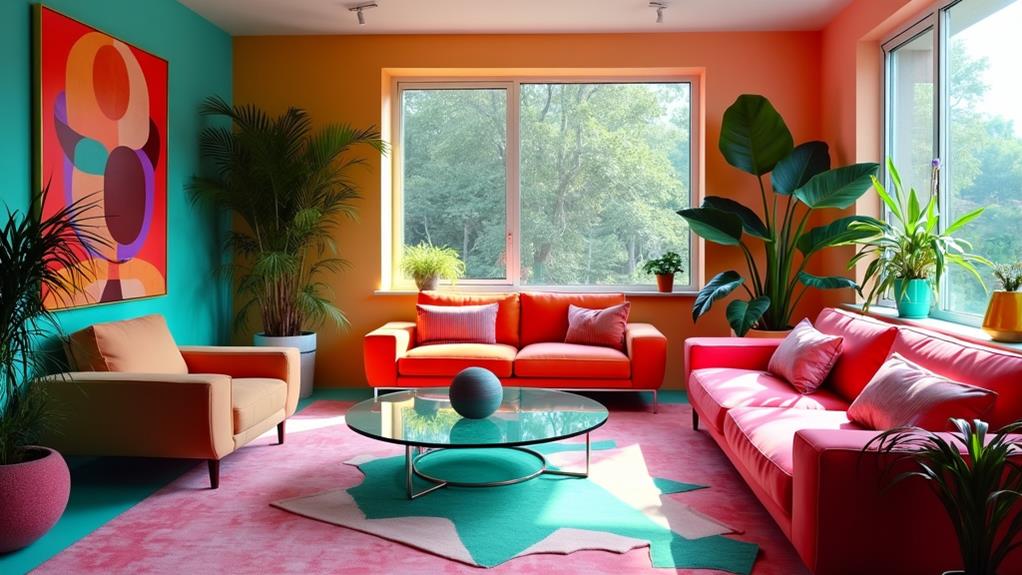
The evolution of glass coffee tables in the 1980s marks a significant shift towards modernism and minimalism in interior design. During this era, glass coffee tables transcended mere functionality to embody a new wave of aesthetic values. Characterized by sleek lines and minimalist designs, these tables reflected the modernist influences of the period.
Designers frequently paired glass tops with materials like brass, chrome, and wood, creating a captivating blend of artistry and utility. These modern coffee tables became highly sought after by collectors and homeowners. The transparency and lightness of glass contributed to an open and airy living space, a hallmark of 1980s interior design.
Bold geometric shapes and artistic bases typified these tables, underscoring their unique and stylish appeal. Today, the average selling price for these vintage pieces on platforms like 1stDibs is approximately $2,800. Particularly rare designs can command prices up to $120,000, reflecting their enduring value.
The resurgence of these tables on social media platforms like TikTok highlights their timeless appeal, as vintage aesthetics and distinctive designs continue to captivate home decor enthusiasts worldwide.
Iconic 1980s Designs
In the 1980s, glass coffee tables became iconic for their geometric and bold shapes, blending luxury and minimalism. Designs often featured glass tops supported by sculptural bases made from chrome, brass, or wood, creating a striking fusion of art and functionality. These tables, such as Hank Kwint's M1, showcased the period's penchant for thick glass and metal combinations, making them both stylish and collectible.
Geometric and Bold Shapes
During the 1980s, geometric and bold shapes dominated coffee table designs, reflecting the era's modern aesthetics and playful creativity. Glass tables featuring striking geometric shapes became iconic, epitomizing the decade's contemporary style. These vintage coffee tables often combined thick glass tops with sculptural bases made from metal or wood, which served as both supports and artistic statements.
Designers of the time embraced lively colors and innovative structures, merging functionality with a playful approach. The transparency of glass highlighted the intricate geometric forms below, creating a sense of lightness and openness in living spaces. Here are three standout features you might remember:
- Bold Angles: Coffee tables showcased sharp, angular forms that added a dynamic edge to any room.
- Sculptural Bases: These bases were both functional and visually engaging, often resembling abstract art pieces.
- Lively Colors: Bright hues and unexpected color combinations made these tables stand out, reflecting the decade's eclectic style.
These iconic designs have remained popular, their vintage appeal ensuring continued demand among collectors and interior designers alike.
Luxurious Material Combinations
While the 1980s were known for bold and geometric designs, it was the luxurious material combinations that truly set glass coffee tables apart. Designers of the era showcased opulence by pairing glass with brass, chrome, and marble, creating pieces that were not just aesthetically pleasing but also emblematic of a sophisticated lifestyle.
Iconic 1980s glass coffee tables often featured thick glass tops supported by bases crafted from stainless steel and brass. These materials added a touch of glamour while emphasizing the clean lines and geometric shapes characteristic of the decade. A prime example is the DIA Chrome Brass Swan Glass Top Coffee Table, which seamlessly blends art and functionality.
These tables were more than just functional; they were statement pieces that drew the eye and became focal points in any room. The transparency of glass combined with the rich textures of brass and other metals created a visually stunning effect. With vintage pieces fetching prices from $2,800 to $120,000, it is evident that these luxurious material combinations have stood the test of time, remaining highly desirable and collectible.
Sculptural and Artistic Bases
You can't discuss 1980s glass coffee tables without marveling at their sculptural and artistic bases. These pieces often featured bold, geometric shapes and luxurious aesthetics, reflecting the decade's fascination with modernism. The use of mixed materials, such as glass tops supported by intricately designed metal bases in brass or chrome, became a hallmark of 1980s design.
Iconic designs like the DIA Chrome Brass Swan Glass Top Coffee Table perfectly encapsulated this trend. These tables weren't merely functional; they were also forms of artistic expression. The sculptural bases drew inspiration from diverse art movements, creating a fusion of furniture and art that appealed to collectors and interior designers alike.
Key features include:
- Mixed Materials: Combining glass tops with metal bases made from brass or chrome.
- Geometric Shapes: Bold, geometric designs that stood out as statement pieces.
- Artistic Expression: Bases inspired by art movements, transforming tables into functional art.
Hollywood Regency and Mid-Century Modern styles of the 1980s further fueled the popularity of these sculptural bases, making them must-have items in chic living spaces.
Influence of Postmodernism
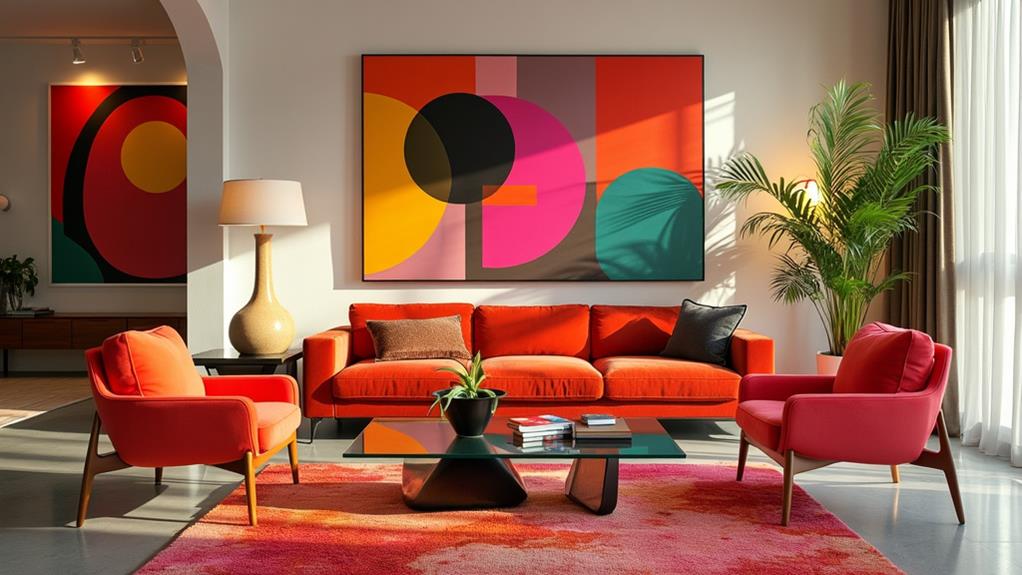
In the 1980s, postmodernism influenced glass coffee tables with bold geometric designs and a blend of materials like glass, chrome, and brass. These tables were not just functional pieces but also artistic expressions, reflecting the era's focus on aesthetic individualism. An example is the DIA Chrome Brass Swan Glass Top Coffee Table, which captured the playful and innovative spirit of postmodern design.
Bold Geometric Designs
The 1980s' embrace of postmodernism brought bold geometric designs to the forefront of furniture design, particularly in glass coffee tables. Iconic pieces like the M1 Coffee Table by Hank Kwint exemplified this fusion of artistry and functionality. These tables often featured thick glass tops supported by sculptural metal frames, reflecting Postmodern Italian influences.
Three standout features made these glass coffee tables unique:
- Bold Geometric Designs: Characterized by sharp angles, unusual shapes, and vibrant colors, these tables were visually striking.
- Luxurious Materials: Incorporating chrome and brass, many designs added a touch of opulence, aligning with the period's taste for luxury.
- Artistic Expression: More than just functional pieces, these tables served as signature artworks, marking a departure from traditional forms.
Collectors and modern decorators still seek out these 1980s artifacts, often paying around $2,800 for their distinctive designs. The bold geometric designs and sculptural metal frames ensured these pieces were not only aesthetically pleasing but also reflective of the period's creative spirit. For those who appreciate unique design, these tables remain timeless.
Mixing Natural Materials
While bold geometric designs dominated the 1980s, another intriguing trend emerged: the artful blending of natural materials with modern elements. This was particularly evident in glass coffee tables, where thick glass tops often rested on sculptural bases made from materials like brass, wood, and Italian marble. This blend wasn't merely about aesthetics; it celebrated the union of form and function, marrying the organic with the industrial.
Imagine a stunning wood coffee table with a sleek glass top supported by a gleaming brass base. This design epitomized the postmodern approach, which valued eclecticism and contrast. The use of Italian marble and travertine alongside glass added a touch of luxury, making these tables both beautiful and versatile for residential and commercial spaces.
Designs such as the M1 Coffee Table by Hank Kwint highlighted clean lines and geometric shapes, harmonizing perfectly with the natural materials used. The combination of lively colors and bold shapes in these pieces reflected the playful yet sophisticated spirit of postmodernism. Consequently, these unique tables became coveted by collectors and enthusiasts, encapsulating the 1980s' love for groundbreaking design.
Materials and Craftsmanship
Glass coffee tables from the 1980s exemplify the era's innovative use of materials and meticulous craftsmanship. These tables are more than just furniture; they represent a sophisticated fusion of luxury and precision design. The robust glass tops, often supported by a durable metal base, highlight a unique blend of resilience and elegance.
Many of these pieces feature brass and chrome accents, adding the quintessential touch of 1980s glamour. These materials were chosen not only for their aesthetic appeal but also because they epitomized the bold, opulent spirit of the decade. The craftsmanship of these tables, especially those with intricate metalwork, renders them both functional and highly collectible.
Key features that make these tables extraordinary include:
- Durability with elegance: Thick glass tops combined with metal bases ensure longevity without compromising style.
- Luxurious materials: Brass and chrome details echo the boldness of the 1980s.
- Geometric designs: Unique craftsmanship and artistic expressions make these tables highly desirable.
Italian Innovations
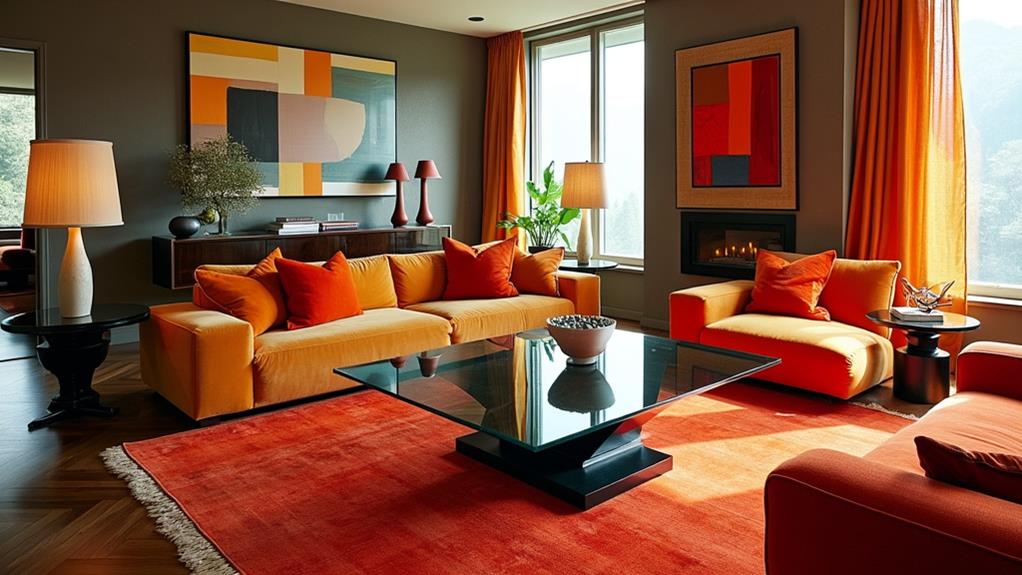
Italian coffee tables from the 1980s showcase a captivating fusion of geometric forms and organic materials. Designers artfully combined glass with marble, travertine, and sculptural metal bases, resulting in visually striking furniture. These tables transcended mere functionality to embody the modern aesthetic trends and exceptional craftsmanship of the era.
Geometric Shape Revolution
In the 1980s, Italy's design scene redefined the coffee table by embracing geometric shapes and merging artistry with functionality. Italian designers led this revolution, blending modernist principles with striking aesthetics to turn everyday furniture into art pieces, especially with glass top tables.
Key features of these designs included:
- Geometric Bases: Italian coffee tables often had angular, sculptural bases made from materials like marble and glass. These bases served not only as supports but also as focal points of the design.
- Contrasting Materials: Black lacquered wood paired with glass tops became a hallmark of Italian style. This combination highlighted a sleek, modernist appeal while adding depth and sophistication to any space.
- Iconic Designs: Many tables featured unexpected silhouettes and angular lines, making them highly sought after by collectors and interior designers. These pieces were not merely functional; they were statements of style and innovation.
Natural Material Fusion
In the 1980s, Italian designers advanced coffee table design by integrating glass with natural materials, pushing the boundaries of form and function. Coffee tables featuring pristine glass tops paired with bases of marble, travertine, or black lacquered wood emerged, melding modern aesthetics with traditional craftsmanship.
Envision a marble coffee table where the cool, solid base contrasts beautifully with a transparent glass top. This combination enhances visual appeal and ensures structural integrity. Similarly, glass fused with black lacquered bases offers a sleek, modern look that's undeniably sophisticated.
Italian innovation extended to wooden coffee tables with glass tops, incorporating sculptural bases made from finely crafted wood or iron. Typically measuring around H 17.72 in, W 37.41 in, and D 37.41 in, these tables offer balanced proportions that integrate seamlessly into varied interior styles.
The versatility and durability of these designs made them highly sought after in both residential and commercial spaces. Their unique style and blend of aesthetic and functional qualities rendered them timeless pieces, cherished across generations.
French Elegance
How do you capture the essence of 1980s French elegance in a single piece of furniture? Look no further than the quintessential French-style coffee table. These tables, with their sleek glass tops and intricate metal bases, embody the sophistication and artistic expression of the period. Often featuring black or smoked glass, they add a unique depth and aesthetic to any living space.
To truly appreciate these vintage pieces, consider their distinctive characteristics:
- Minimalist Designs: French coffee tables from the 1980s often boast clean lines and minimalist forms. The use of chrome or brass elements complements the glass tops, creating a refined and elegant appearance.
- Smoked Glass: This signature feature adds a touch of mystery and sophistication. The darkened hue of the glass top provides a striking contrast to the metal bases.
- Collectible Value: These tables are highly sought after by collectors and vintage enthusiasts. Prices can vary, but notable designs can fetch around €400 or more, depending on their condition and uniqueness.
Incorporating one of these tables into your home isn't just about furniture—it's about bringing a piece of French art and history into your daily life.
American Trends
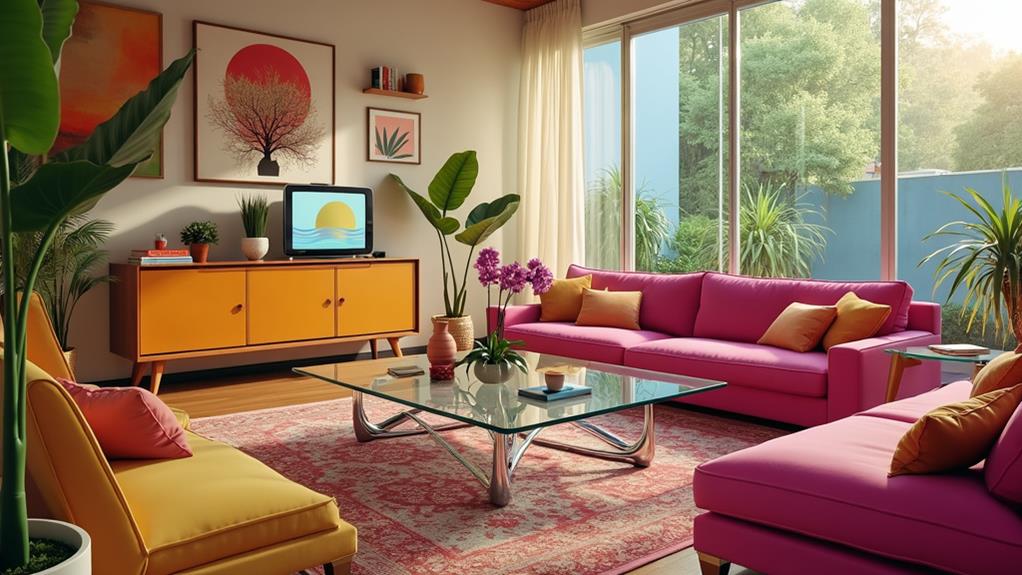
While French elegance defined one aspect of 1980s glass coffee tables, American trends took a different yet equally captivating direction. In the U.S., glass coffee tables became a hallmark of home décor, celebrated for their sleek design and ability to create an illusion of space in living areas. These tables were often seen in both real homes and iconic 80s movies, their transparent surfaces making rooms look larger and more open.
American designs frequently combined glass with metals like brass and chrome, creating stunning pieces that emphasized modern aesthetics and minimalist principles. These designs echoed the grandeur of Art Deco while embracing a streamlined, contemporary vibe. The versatility of a glass coffee table made it a perfect fit for both residential and commercial settings, offering a touch of elegance and modernity.
Today, the love for these tables remains strong. On platforms like 1stDibs, vintage 1980s glass coffee tables can fetch around $2,800, appealing to collectors and enthusiasts alike. With the resurgence of 1980s décor on social media, particularly TikTok, videos showcasing these tables abound, some even paired with a cup of Italian coffee to complete the nostalgic look.
Scandinavian Minimalism
Scandinavian minimalism, which emerged in the mid-20th century, emphasizes simplicity, functionality, and clean lines. This design philosophy aligns seamlessly with the sleek glass coffee tables of the 1980s. By focusing on a neutral color palette and natural materials, Scandinavian design often incorporates glass elements to enhance the lightness and openness of a space. Consequently, a glass-top coffee table fits effortlessly into a minimalist interior, offering both aesthetic appeal and practicality.
In the 1980s, the emphasis on craftsmanship and quality materials in Scandinavian design led to the creation of coffee tables featuring durable glass tops paired with understated wooden or metal bases. These elements adhered to the 'less is more' philosophy, ensuring the furniture complemented the room rather than overwhelming it.
Three key reasons why 1980s glass coffee tables were popular in Scandinavian minimalism are:
- Simplicity: Clean lines and uncluttered designs made these tables visually appealing and easy to integrate into any space.
- Functionality: Transparent glass tops created an illusion of more space, ideal for smaller rooms.
- Durability: High-quality materials ensured these pieces stood the test of time, embodying both style and substance.
The continued popularity of Scandinavian minimalism has led to a resurgence of interest in these vintage pieces, celebrating their timeless design.
Decorating Tips
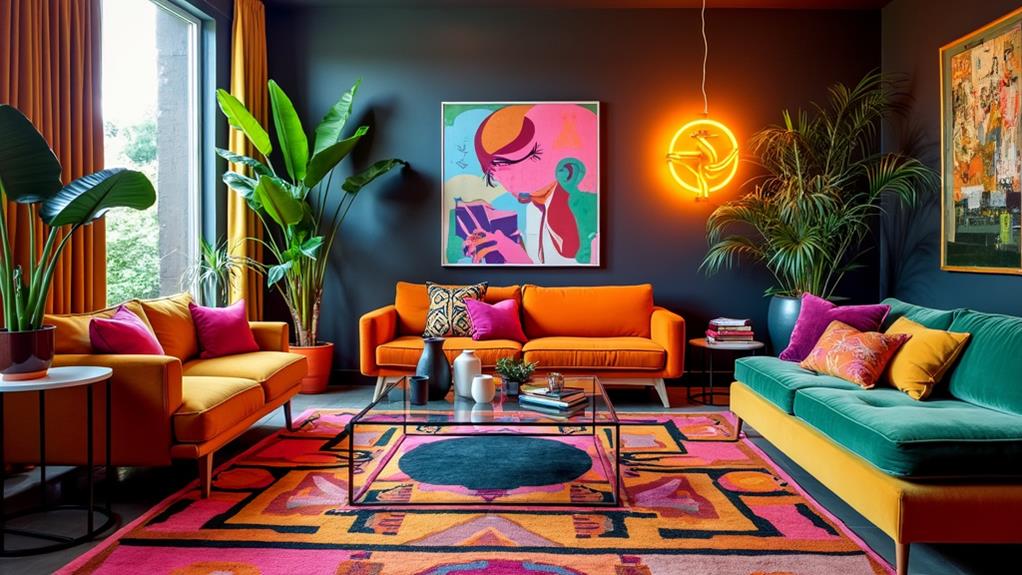
To enhance the appeal of your 1980s glass coffee table, integrate bold colors and geometric shapes into your decor. Start with lively throw pillows or rugs featuring geometric patterns to create a striking contrast against the sleek glass top. This not only highlights the table but also infuses the space with dynamic energy.
Pair your glass coffee table with materials like metal or wood to achieve a balanced aesthetic. Consider tables with unique bases, such as brass or chrome, which can serve as statement pieces and conversation starters. These bases add sophistication and underscore the craftsmanship of vintage designs.
Showcase your personal style by placing decorative items like colorful books, unique coasters, or sculptural centerpieces on the glass top. These elements maintain the table's functionality while enhancing its visual appeal. Position your table in well-lit areas or near windows to make the most of natural light, allowing the transparency and reflections of the glass to enrich the overall ambiance.
Collecting Vintage Pieces
Decorating your space with a 1980s glass coffee table requires more than just placement; it involves understanding the nuances of collecting vintage pieces. The allure of these tables has soared, with average prices on platforms like 1stDibs reaching around $2,800, and high-end pieces fetching up to $120,000.
This rising interest stems from their unique designs and craftsmanship, especially in styles like Mid-Century Modern and Hollywood Regency. So, how do you begin your collection?
- Identify Iconic Designs: Seek out tables by renowned designers such as Hank Kwint, known for limited production runs that enhance the pieces' collectibility and appeal.
- Prioritize Quality Materials: Focus on tables made from high-quality materials like glass and brass, which signify durability and luxurious 1980s aesthetics.
- Leverage Social Media: Platforms like TikTok have sparked a revival of 1980s aesthetics, creating vibrant communities of collectors who can offer valuable tips and leads.
Collecting vintage coffee tables from the 1980s goes beyond furniture ownership; it's about preserving a piece of design history that continues to inspire and impress.