The 1980s Love for Lacquered Furniture
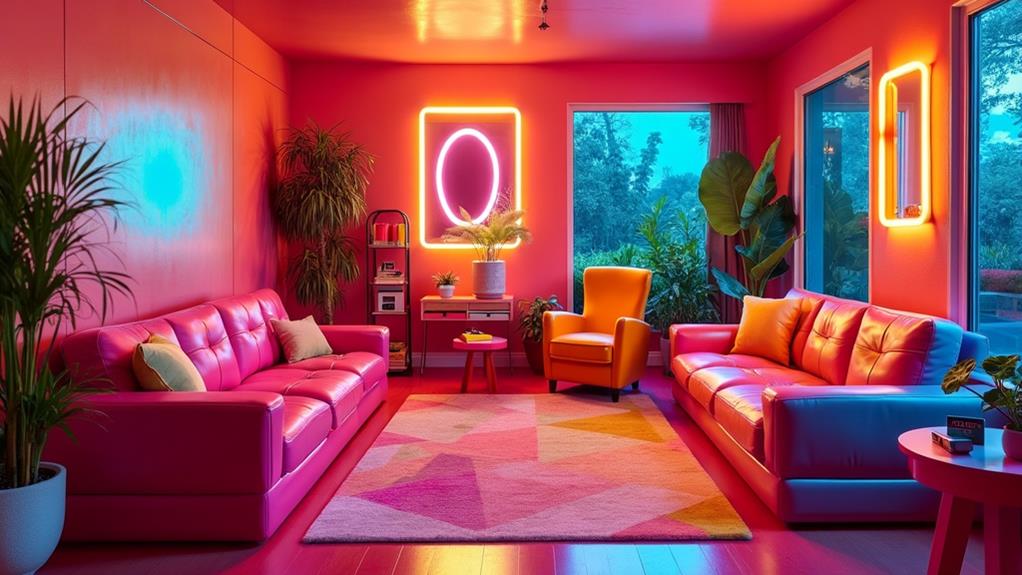
The 1980s saw a significant fascination with lacquered furniture, reflecting a cultural shift towards bold colors and geometric designs. This trend wasn't merely about achieving a shiny surface; it was about making a bold statement. Iconic pieces like the Parsons Table exemplified the minimalist yet striking aesthetic that defined the decade. But what drove this high-gloss trend, and why did it resonate so deeply with consumers? A closer look reveals a blend of retro and modern elements that made lacquered furniture a hallmark of 1980s interior design.
Overview of Lacquer Furniture
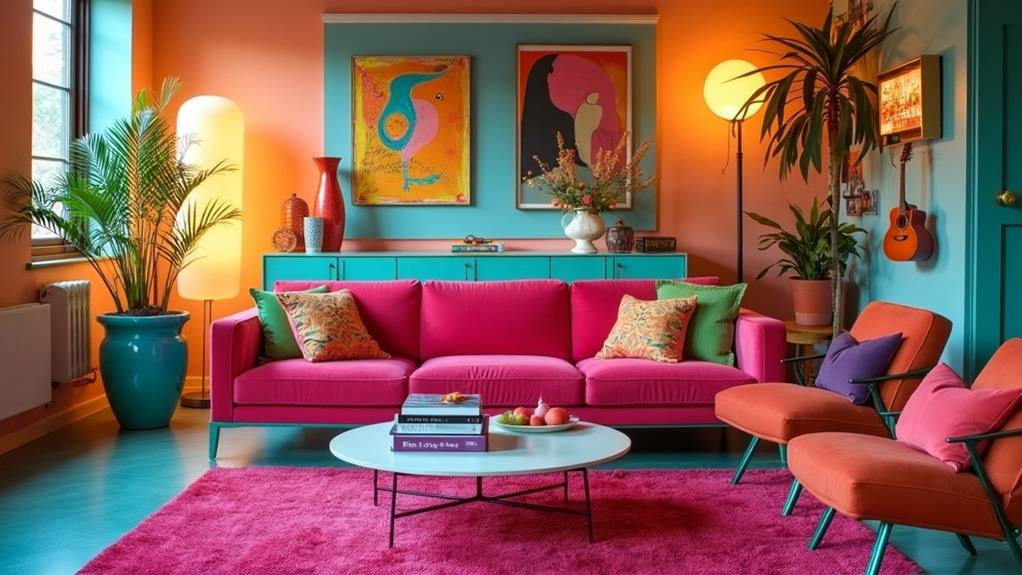
Lacquer furniture gained significant popularity in the 1980s, becoming a hallmark of the decade's bold and eclectic interior design trends with its striking glossy finish. This high-gloss appearance added depth and visual appeal, making lacquered pieces standout centerpieces in many homes. Typically available in lively colors and geometric shapes, lacquer furniture reflected light in a way that introduced a dynamic element to any space.
Commonly crafted from materials such as wood and acrylic, these pieces were coated with a high-gloss lacquer to achieve their sleek, polished look. This finishing touch was not solely for aesthetics; it also enhanced durability and made the furniture easier to clean and maintain.
In recent years, lacquer furniture has seen a resurgence in modern interior design, blending retro elements with contemporary styles. This revival appeals to a new generation of consumers seeking versatile and stylish options that can enhance any room, whether aiming for an eclectic, modern, or minimalist aesthetic.
Notable Brands and Designs
When exploring notable brands and designs of lacquer furniture from the 1980s, you'll find a vibrant blend of creativity and craftsmanship. TheuroStyle stands out for its sleek lacquered pieces that harmonize modern aesthetics with functionality, appealing to contemporary design enthusiasts who value postmodern furniture in excellent condition.
Barclay Butera Lifestyle made its mark with the Columbia Lacquered Coffee Table, seamlessly merging style and practicality. This piece exemplifies the decade's affinity for bold yet functional design, making it a perfect enhancement to any living space.
Jonathan Adler adds a unique touch with his lacquer cocktail tables, characterized by bold colors and playful designs. These tables can transform any room into a colorful, stylish haven, reflecting the creative spirit of 1980s furniture design.
Glossy red lacquer tables, inspired by the classic Parsons Table design, epitomize simplicity and elegance. Their minimalist approach made them staples in 1980s homes. Additionally, many lacquer furniture pieces come in matching sets, allowing for the creation of cohesive and stylish interiors that resonate with both retro and modern influences.
Historical Context
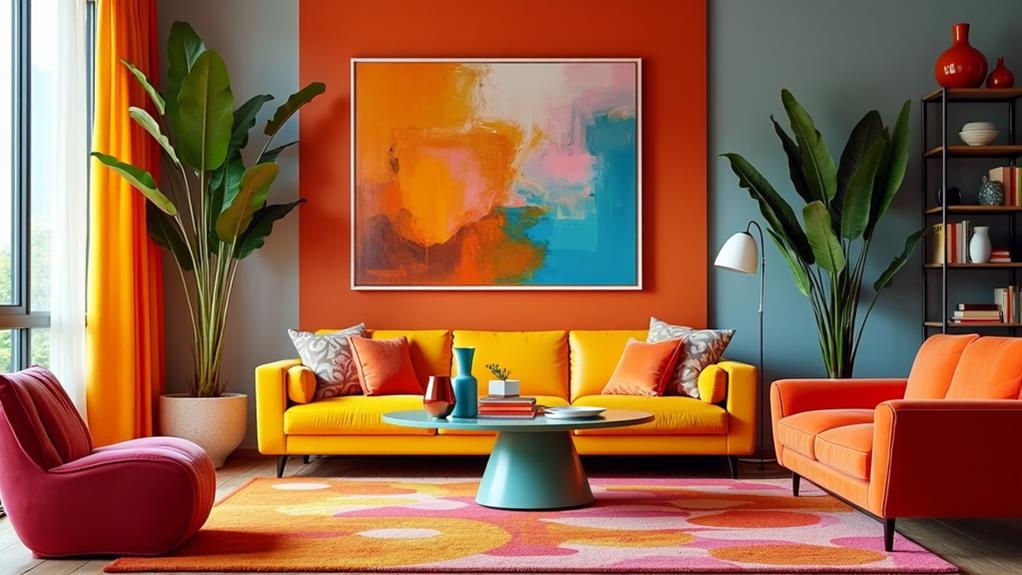
Lacquer furniture in the 1980s saw a revival that drew from its ancient cultural roots, where lacquer was traditionally used for both decoration and protection. The '80s redefined this medium with bold designs featuring geometric shapes and vibrant colors. This era seamlessly blended retro aesthetics with contemporary styles, creating a distinct and expressive design language.
Ancient Cultural Roots
Tracing the origins of lacquer furniture back to ancient cultures reveals a rich tapestry of craftsmanship and tradition that has significantly influenced modern design. In ancient China, lacquerware was highly prized for its durability and beauty. The earliest known pieces date back to the Shang Dynasty (circa 1600-1046 BCE), showcasing the meticulous skill required to apply lacquer to wood. These ancient techniques ensured the furniture's longevity, making it an enduring symbol of elegance.
Japanese artisans also made significant contributions to the lacquer tradition with their unique urushi techniques. Over centuries, they developed intricate designs and finishes that continue to inspire modern furniture. The durability of these lacquered pieces attests to the exceptional craftsmanship passed down through generations.
As European artisans discovered these techniques during the 18th and 19th centuries, they began incorporating them into their own decorative arts. This cross-cultural exchange laid the groundwork for lacquer furniture's resurgence in the 1980s. By then, the timeless appeal of lacquer, combined with a cultural shift towards bold colors and geometric shapes, led to a renewed appreciation for this ancient art form. Recognizing these roots enhances your appreciation of lacquer furniture's lasting impact.
Revival of Bold Designs
Rooted in ancient craftsmanship, lacquer furniture experienced a renaissance in the 1980s, characterized by its glossy finish and vibrant color schemes. This revival wasn't merely a nod to the past; it was a complete reimagining influenced by the post-modern movement and the Memphis Group. Lacquer furniture embraced geometric shapes and lively palettes, a stark departure from the minimalism of previous decades.
The introduction of iconic designs, such as the Parsons Table from the 1930s, laid the groundwork for this resurgence. These earlier designs highlighted the potential for geometric shapes and functionality in furniture, which the 1980s embraced wholeheartedly. The cultural shifts of the time favored expressive home decor, aligning perfectly with the broader trends toward individuality and bold aesthetics in design.
Lacquer furniture in the 1980s wasn't just about aesthetics; it was about making a statement. Pieces were designed to be functional yet visually striking, becoming staples in both retro and contemporary interior design. This period marked a significant shift, where bold colors and daring designs were not just acceptable but celebrated, helping to define the decade's unique and playful aesthetic.
Design Elements
In the 1980s, lacquered furniture was characterized by clean lines and minimalistic forms, reflecting the era's preference for geometric shapes and bold colors. Imagine a sleek cocktail table with a black lacquer finish, its glossy surface gleaming under the light. These tables often featured geometric shapes like rectangles and squares, creating a striking visual impact.
Contrasting colors, such as black and white, made bold statements and added a touch of drama to interiors. Mirrored surfaces were another hallmark of this period's lacquered furniture, adding depth and sophistication. Picture a sideboard with mirrored panels that catch and reflect light, making the room feel more expansive and luxurious.
Functionality was also a priority. Designs focused on practical use without sacrificing style. Consider a storage unit with clean lines and playful shapes like cubes, offering ample storage while serving as a conversation piece. These elements combined to create furniture that was visually appealing and highly functional, embodying the expressive aesthetic of 1980s design.
Current Trends
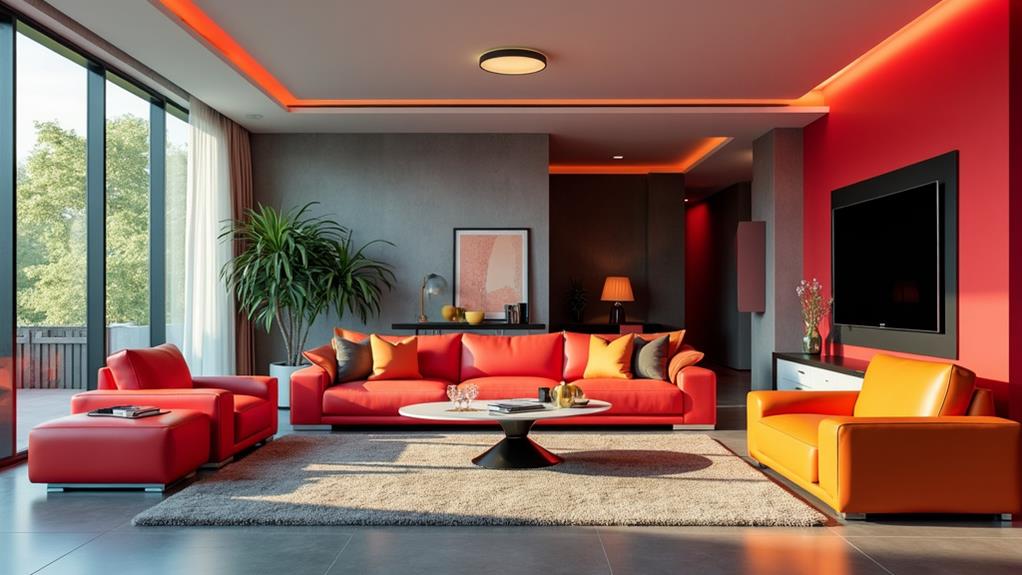
Lacquer furniture is experiencing a resurgence in contemporary design, frequently showcased in design magazines and online platforms with a variety of vibrant options. The vivid hues make them excellent statement pieces for any room, whether it's a bold red dresser or a sleek black coffee table. This type of furniture seamlessly integrates into eclectic and modern aesthetics.
Retro-inspired designs are also making a strong comeback, featuring glossy finishes and geometric shapes reminiscent of the 1980s but with a modern twist. These pieces not only fill a space but transform it, adding sophistication and a touch of nostalgia.
Additionally, current trends emphasize sustainable practices. Investing in lacquer furniture is not just about style; it's about making eco-friendly choices that promote longevity. These durable pieces reduce waste and support a more sustainable lifestyle.
Upcycling and DIY
The world of upcycling and DIY offers exciting opportunities to rejuvenate lacquered furniture. Transforming an old console table into a stunning living room centerpiece is achievable with just a few techniques. The TikTok community is a treasure trove of inspiration, with hashtags like #willettsupcycle amassing thousands of views, underscoring the popularity and creativity of DIY lacquer furniture projects.
A high gloss lacquer finish can provide a modern aesthetic. DIY enthusiasts frequently engage in re-lacquering, sharing valuable tips and techniques for maintaining and revitalizing surfaces. This cost-effective approach allows for achieving high-end looks on a budget. For example, flipping a sideboard can be quite lucrative, with resale values reaching approximately $350.
Color choices and design suggestions are popular topics among upcycling enthusiasts. This sense of community fosters shared creativity, guiding you to find the perfect look for your piece. Immerse yourself in the world of upcycling, and your living room could soon feature a beautifully restored, stylish, and budget-friendly piece.