The 1980S Obsession With Mirrored Walls
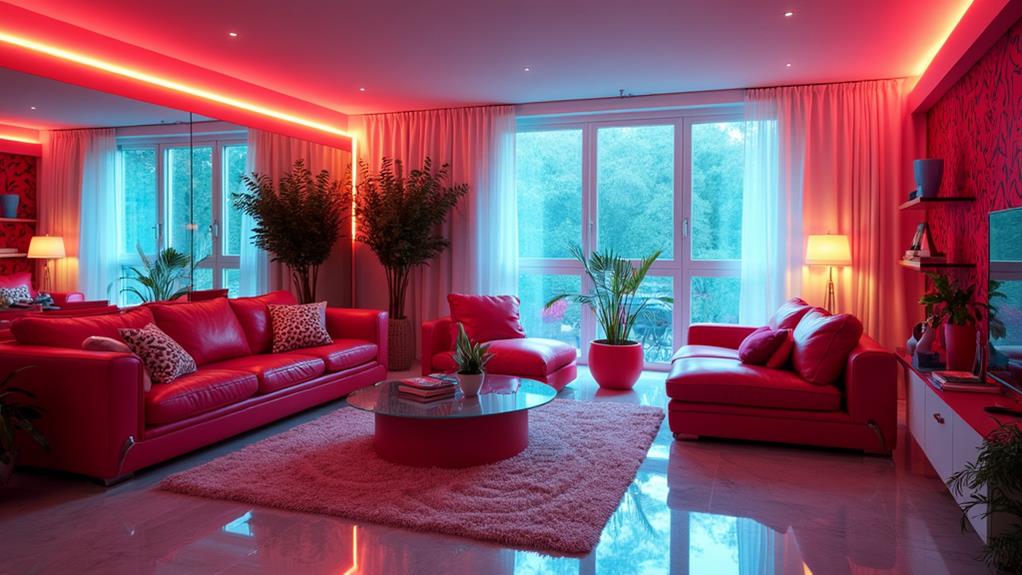
Imagine stepping into a home in the 1980s and being greeted by expansive mirrored walls that seem to double the room's size instantly. These reflective surfaces capture light and add a sense of glamour quintessential to that period. But what drove designers to adopt such a bold feature? Was it merely an aesthetic choice, or was there more at play in shaping suburban interiors? Let's explore the motivations and implications behind this enchanting design trend.
Historical Context and Trends
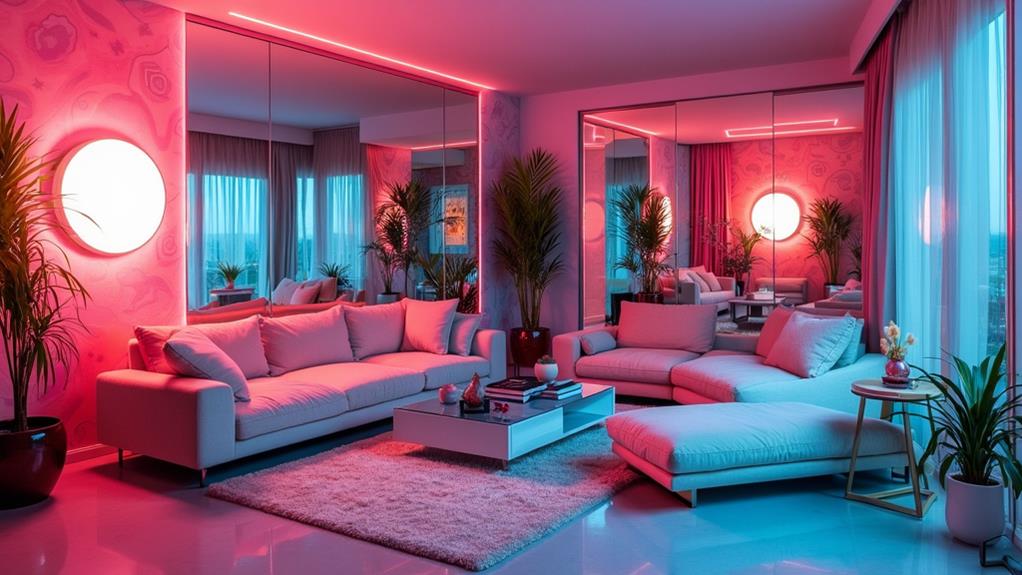
In the 1970s and 1980s, mirrored walls became a hallmark of home interior design, embodying the era's fascination with glamour and spaciousness. Suburban homes widely adopted this trend, creating a distinctive look that emphasized elegance and a sense of openness. The appeal of mirrored walls lay in their ability to enhance light and create the illusion of larger spaces, making them especially popular in smaller rooms where maximizing perceived space was a priority.
Mirrored walls were not just about aesthetics; they were practical solutions for making homes feel more expansive and bright. Upon entering a room adorned with mirrors, one would immediately notice how reflections played with light, amplifying the room's dimensions and adding a sophisticated touch.
However, as the 1980s gave way to the 1990s and early 2000s, interior design preferences shifted. What was once seen as glamorous began to feel dated, leading to the widespread removal of mirrored walls. Yet, trends are cyclical, and mirrored walls are now making a comeback. Modern designers appreciate their timeless ability to add light and sophistication to contemporary spaces, proving that some design elements never truly go out of style.
Design Inspirations
The 1980s fascination with mirrored walls wasn't solely about reflecting light; it was also about enhancing visual appeal in innovative ways. Designers like Frances Elkins and Miles Redd used mirrors to add depth and glamour to spaces. By strategically positioning mirrors, they transformed ordinary rooms into extraordinary showcases of style.
Enhancing Visual Appeal
Mirrored walls, a hallmark of 1980s interior design, can greatly enhance a room's visual appeal when approached thoughtfully. Adding an antique finish to a mirrored wall can infuse your space with chic, vintage character, a trend endorsed by top designers like Bunny Williams. This finish offers a sophisticated twist, making your room feel timeless and elegant.
To further augment the visual appeal, consider adding moulding around your mirrored walls. This simple yet effective technique creates striking focal points, as demonstrated by design resources like Domestic Bliss. The moulding adds depth and frames the mirror, making it an integral part of the room's architecture.
Hanging artwork over mirrored surfaces is another excellent way to add warmth and personality. Elle Decor emphasizes that this approach breaks up the reflective quality, preventing the space from feeling too sterile or cold. In dining rooms, mirrored walls can reflect light from chandeliers, boosting brightness and elegance, as noted by numerous interior design sources.
Don't be afraid to mix textures and styles; placing decorative mirrors over standard ones can create a luxurious effect, elevating the complete aesthetic. Utilize these strategies to transform your space into a visually stunning masterpiece.
Creative Reflective Techniques
Enhancing visual appeal is fundamental to mirrored wall design, but exploring creative reflective techniques can elevate your space even further. One approach is adding moulding around mirrored walls, creating focal points that naturally draw the eye and add sophistication, as seen in Domestic Bliss.
Incorporating artwork over mirrored walls is another excellent technique recommended by Elle Decor. This method adds warmth and personality while generating interesting reflections that enhance depth and character. Additionally, a mirrored backsplash in your kitchen can open up the space and reflect light, making the area look brighter and more inviting in contemporary designs.
An antique finish on mirrored walls can impart a chic, vintage appeal. Designer Bunny Williams emphasizes how this unique texture complements modern decor. Mixing different textures and styles, such as layering decorative mirrors over standard mirrored walls, can also create a luxurious, layered effect.
Here's a summary of these techniques:
| Technique | Description | Benefit |
|---|---|---|
| Moulding | Creates focal points | Adds sophistication |
| Artwork | Adds warmth and personality | Enhances depth and character |
| Mirrored Backsplash | Reflects light in kitchens | Makes space brighter and inviting |
| Antique Finish | Provides chic vintage appeal | Complements modern decor |
| Mixing Textures and Styles | Layers decorative mirrors | Creates a luxurious, layered effect |
Common Mistakes
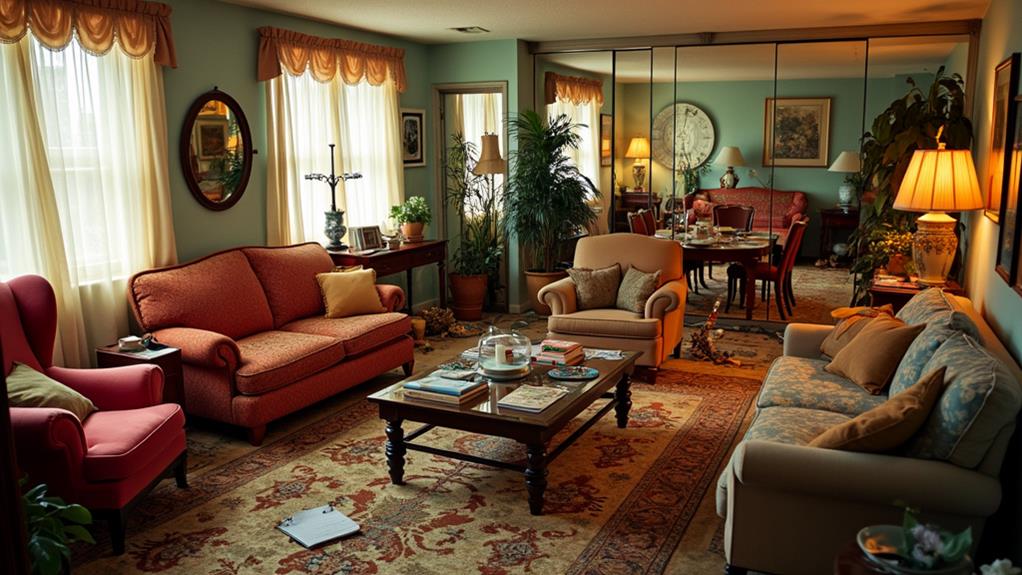
Integrating mirrored walls into your home can elevate its elegance and sophistication, but common mistakes can easily undermine this intention. Poor integration with existing decor can make the space feel overwhelming. To ensure they look great, balance their reflective quality with complementary design elements.
Using inappropriate furniture and accessories is another pitfall. Mirrored walls should be paired with sleek, modern pieces to avoid a disjointed, cluttered look. Opt for minimalist designs that won't compete with the reflective surfaces.
Overuse of mirrored surfaces can lead to visual chaos. Instead of covering every wall, strategically place mirrors to enhance light and space without overwhelming your senses. Balance is key to maintaining a chic, sophisticated atmosphere.
Incompatibility with outdated design features can also be problematic. Bold patterns and heavy textures can clash with the sleekness of mirrored walls, making them look out of place. Stick to modern, clean lines to preserve their contemporary appeal.
Lastly, a lack of cohesive color schemes can detract from your mirrored wall designs. Maintain a harmonious palette to ensure a unified, elegant look. By avoiding these common mistakes, you can make your mirrored walls a stunning focal point.
Online Resources
To enhance your mirrored walls, explore online platforms like Houzz and Pinterest for a plethora of design ideas. Visit design blogs such as Emily A. Clark and Cupcakes and Cashmere for expert advice on integrating mirrored walls into your decor. Additionally, check out Art.com and The Shade Store for elegant art pieces and window treatments to elevate your space.
Visual Inspiration Platforms
Are you looking for inspiration to incorporate mirrored walls into your home decor? Online resources are an excellent place to start. Platforms like Art.com offer a wide selection of art and prints that can enhance the aesthetic of mirrored walls, giving your space a unique, reflective charm. These mirrored elements can create an expansive look that feels both modern and stylish.
Houzz.com and Pinterest are invaluable for visual exploration. On these platforms, you can browse countless design ideas for incorporating mirrored walls into diverse interior styles. Whether you're aiming for a vintage vibe or a contemporary feel, you'll find ample inspiration to transform your home.
Instagram is another powerful tool. By following influential designers and decorators, you can explore trending designs and creative ways to use mirrored walls. The platform is filled with real-life examples that can spark your creativity and help you visualize how mirrored walls can work in your space.
Additionally, consider high-end window treatments from The Shade Store. These can complement your mirrored walls by balancing light reflection and enhancing the overall design aesthetic, ensuring your space looks both polished and cohesive.
Design Blogs Insights
Design blogs are a treasure trove of insights into the resurgence of mirrored walls, highlighting their transformative power in modern interiors. Blogs like Emily A. Clark and Cupcakes and Cashmere delve into how mirrored walls can enhance space and light. For instance, incorporating a mirrored bathroom can make a small space feel expansive and luxurious. They stress the importance of cohesive color schemes to ensure the mirrors blend seamlessly with your existing decor.
Platforms such as Houzz.com and Pinterest are invaluable for discovering creative mirrored wall designs. You can find imaginative applications, like a mirrored backsplash, which can add a touch of glamor and functionality to your kitchen. These visual discovery tools are perfect for sparking inspiration and seeing how others have successfully integrated mirrored elements into their homes.
Additionally, online resources like Art.com provide access to artwork that can be hung over mirrored walls to add warmth and personality. Design magazines such as House Beautiful and Better Homes & Gardens often feature trends and examples, reinforcing the role of mirrored walls in contemporary design. By leveraging these blogs and platforms, you can effectively incorporate mirrored walls into your home, making them a stylish and practical design choice.
Design Magazines
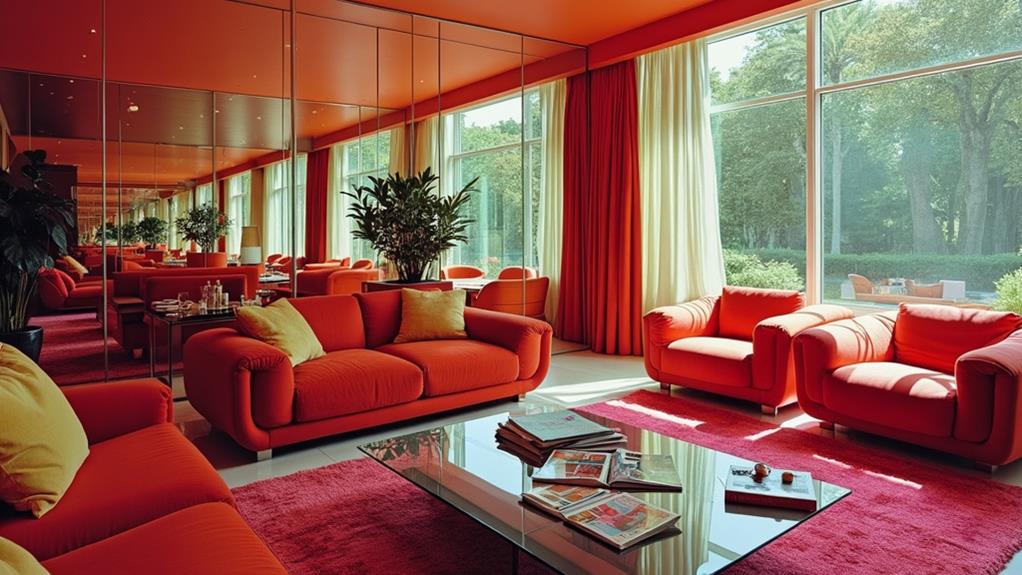
During the 1980s, design magazines like House Beautiful and Architectural Digest emerged as key influencers in home decor trends, often featuring mirrored walls as symbols of luxury and modernity. These publications showcased mirrored walls extensively, reflecting the era's fascination with bold aesthetics. One iconic mirrored bathroom frequently featured in these magazines demonstrated how mirrors could transform even the most mundane spaces into extraordinary ones.
Design magazines highlighted the use of mirrored walls to enhance light and space, often showcasing homes that incorporated this stylish element. By featuring diverse applications—from expansive living rooms to intimate dining areas—these magazines illustrated the versatility of mirrored walls. The widespread promotion of this style contributed to its adoption in suburban homes across the United States, making mirrored walls a hallmark of 1980s interior design.
However, the popularity of mirrored walls wasn't without its critics. As the decade came to a close, later publications began to critique the overwhelming use of mirrors, leading to a shift in trends. By the 1990s, more understated designs started to replace the reflective opulence that once dominated design magazines.
Benefits of Mirrored Walls
One of the primary benefits of mirrored walls is their ability to enhance the perception of space, making small rooms appear larger and more open. This feature was particularly popular in the compact designs of the 1980s. By strategically placing mirrored walls, you can create the illusion of a more expansive area, thereby increasing the overall comfort and functionality of your home.
Another significant advantage is how mirrored walls reflect light. They can substantially brighten dimly lit spaces by enhancing both natural and artificial light. This not only makes your rooms feel more inviting but also contributes to a lively and energetic atmosphere.
Mirrored walls also bring a chic aesthetic to your interiors. When designed thoughtfully, they offer a modern yet timeless look that was highly sought after in the 1980s. Additionally, using antiqued mirrors can introduce a vintage appeal, adding character and style to your decor.
- Perception of space: Mirrors make rooms feel larger.
- Light reflection: Improves both natural and artificial light.
- Aesthetic appeal: Adds a modern, chic, or vintage look.
Whether in dining rooms, living spaces, or kitchens, mirrored walls provide versatile and effective ways to enhance your home's ambiance.
Notable Examples
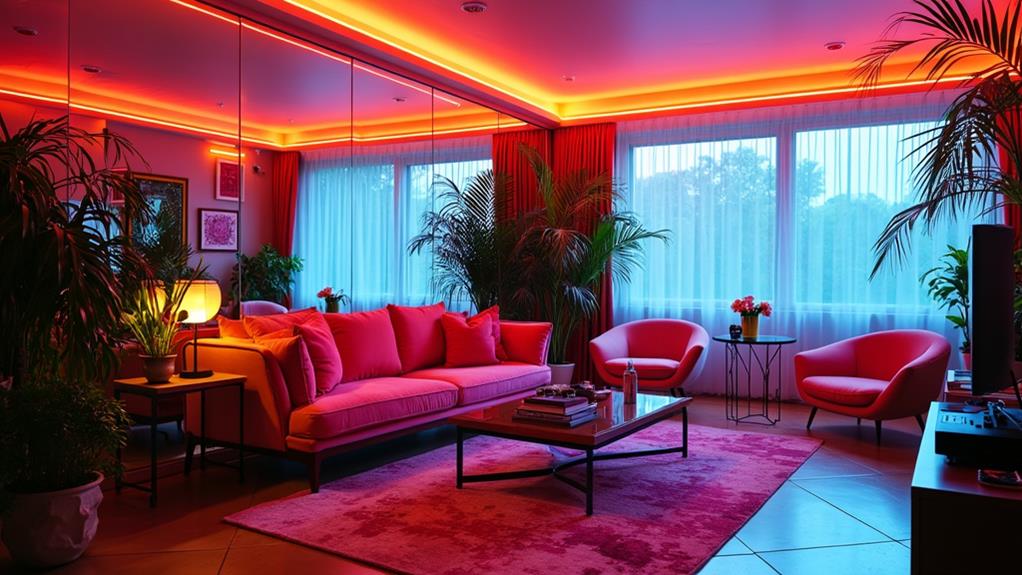
Mirrored walls didn't just enhance homes; they became iconic elements in the notable designs of the 1980s. Take Gilles Mendel's duplex, for example. His elegant mirrored living spaces perfectly capture the trend of using mirrors to elevate light and create a perception of vastness. The mirrored back of his living room always looks polished and sophisticated, embodying the 1980s aesthetic.
Bunny Williams added her own twist by incorporating antiqued mirrors into her designs. These mirrors didn't just reflect art and decor—they added vintage charm that was quintessentially '80s. Imagine walking into a room where the mirrored back not only elevates light but also offers a nostalgic touch.
Renea Abbott's stylish living room serves as another prime example. Her mirrored wall complements the decor, making the space feel luxurious and sophisticated, reflecting how mirrors can transform a room's ambiance.
Then there's Markham Roberts, who designed a mirrored dining room that captures the essence of 1980s glamour. The mirrored back in his dining area always looks expansive and inviting.