The 1990s Craze for Bean Bag Chairs
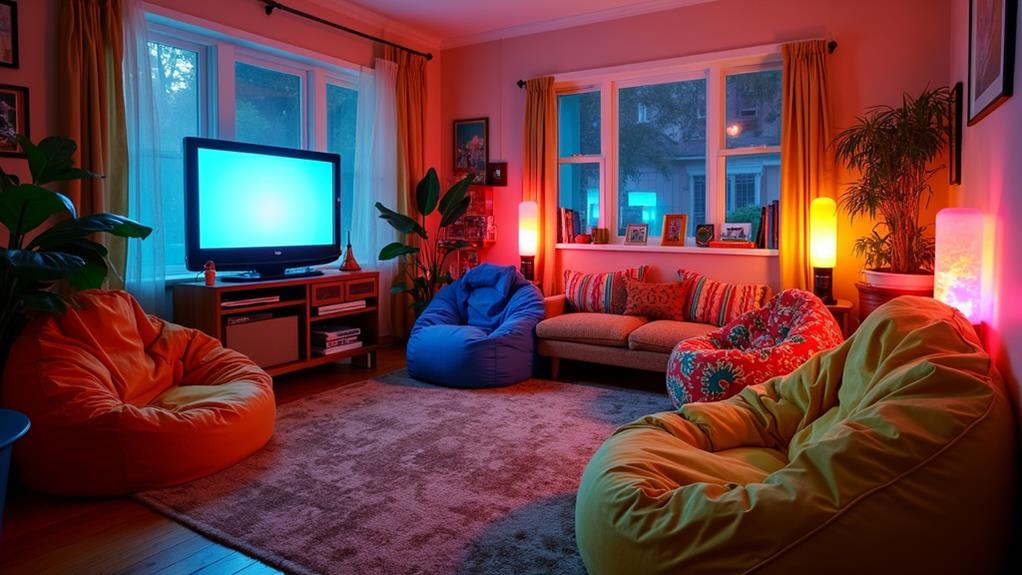
The 1990s saw bean bag chairs become essential in every cool, laid-back space. These colorful, comfy seats were more than just a trend; they marked a shift in how young adults approached casual living. What triggered this sudden revival? And how did bean bags evolve from novelty items to symbols of trendy, relaxed lifestyles? By exploring this phenomenon, you'll uncover surprising factors that fueled their popularity and their lasting impact on modern furniture trends.
The Origins of Bean Bags
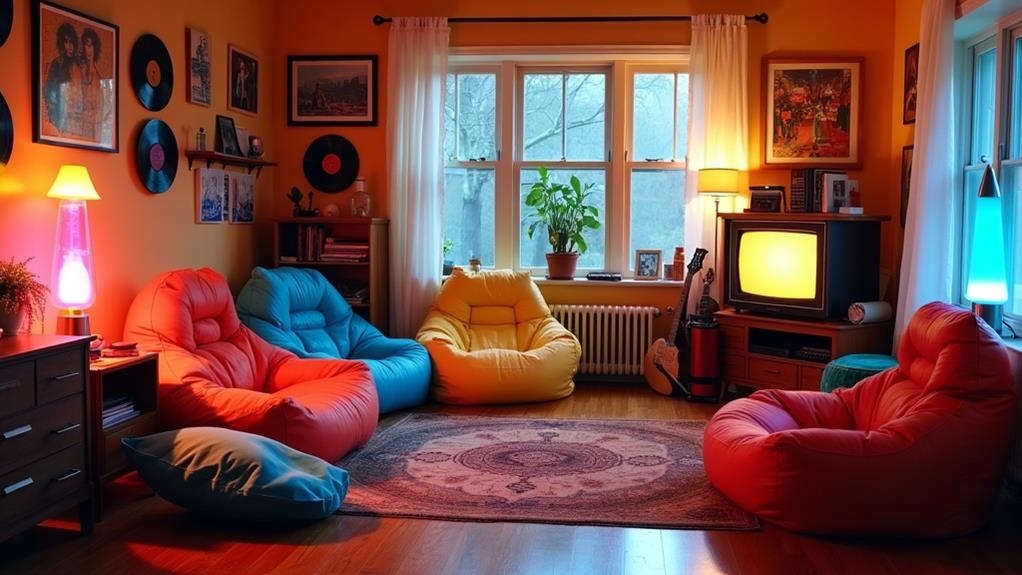
Bean bags have origins deeply rooted in ancient civilizations, serving purposes beyond modern seating. Around 2000 B.C., ancient Egyptians used leather pouches filled with dried beans or pebbles for games and recreational activities. These early versions were simple yet functional, laying the groundwork for diverse applications.
Various cultures, including jugglers, also utilized bean bags. Native Americans crafted them from pig bladders filled with beans, enhancing their juggling performances. This practice illustrates the adaptability and widespread appeal of bean bags across different societies.
In ancient China, bean bags were integrated into tai chi practices to promote mindfulness and control over body movements, demonstrating their use beyond mere play.
Modern bean bag chairs emerged in the late 1960s with the invention of the Sacco chair by Italian designers Piero Gatti, Cesare Paolini, and Franco Teodoro. Patented in 1968, it was filled with synthetic polyvinyl chloride beads. This innovative design, featuring a distinctive teardrop shape, became a symbol of casual comfort in the 1970s.
Evolution Into Modern Furniture
In the 1990s, bean bag chairs evolved into modern furniture, integrating creative design features and advanced materials. Manufacturers adhered to safety regulations and implemented childproof designs, bolstering their popularity in homes. Influenced by cultural trends, bean bags became fashionable, appearing in dorm rooms and casual living spaces globally.
Innovative Design Features
During the 1990s, bean bag chairs underwent a significant transformation, incorporating innovative design features that elevated them beyond casual seating. With a focus on safety and functionality, they seamlessly integrated into modern furniture. Childproof zippers and durable materials addressed previous safety concerns, making them safer for homes with children.
The evolution continued with companies introducing various shapes and sizes, such as oversized loungers and ergonomic designs, making these chairs appealing to adults and suitable for modern living spaces. High-quality fabrics like brushed cotton twill and velveteen enhanced their aesthetic appeal, allowing bean bags to look stylish in any interior setting.
Personalization also became a trend, offering a selection of colors, patterns, and themes to match individual tastes and home decor. Practical features like pockets for storage and removable, washable covers added to their functionality and ease of maintenance. These advancements ensured that bean bags were no longer just for kids but a versatile addition to any home.
Material Advancements
Throughout the 1990s, manufacturers revolutionized bean bag chairs by introducing advanced materials like nylon and polyester, significantly enhancing their durability and appeal. These robust materials replaced earlier options such as leather and PVC, ensuring that bean bag chairs could endure more wear and tear. A notable material advancement was the adoption of expanded polystyrene (EPS) as the preferred filling. EPS offered superior comfort and support, making bean bag chairs more resilient and comfortable.
Safety improvements also addressed prior concerns with the introduction of childproof safety zippers, making bean bag chairs safer for homes with young children. This era also witnessed a significant evolution in design. Bean bags evolved beyond casual seating, coming in various shapes and sizes suitable for gaming, lounging, or even as unique pieces in living rooms. Stylish patterns and vibrant colors made them a versatile addition to both children's play areas and adult living spaces, appealing to a broader audience.
These material and design advancements solidified the bean bag chair's place in modern furniture, ensuring they became a durable and stylish seating option for everyone.
Cultural Influence
How did bean bag chairs, once seen as mere children's toys, transform into stylish, contemporary furniture pieces by the 1990s? The popularity of bean bags skyrocketed as they evolved into adaptable seating options that appealed to adults as well. During this period, creative designs emerged, incorporating diverse shapes, sizes, and playful themes. These reflected the 90s' emphasis on comfort and casual living, making bean bags a perfect fit for minimalist aesthetics and ergonomic preferences.
Celebrities played a significant role in this transformation. Celebrity endorsements and appearances in popular media solidified bean bags as trendy and desirable. When people saw their favorite stars lounging in bean bags on TV shows or in magazines, it was easy to envision one fitting perfectly into their own living rooms.
Safety regulations also contributed to the bean bag's modern appeal. The introduction of childproof designs and washable covers made them suitable for various environments, from homes to commercial spaces. These features didn't just make bean bags safer; they also made them more practical and durable, enhancing their appeal to a broader audience. By the 1990s, bean bag chairs had firmly established themselves as a staple in contemporary furniture.
1970s Popularity Surge
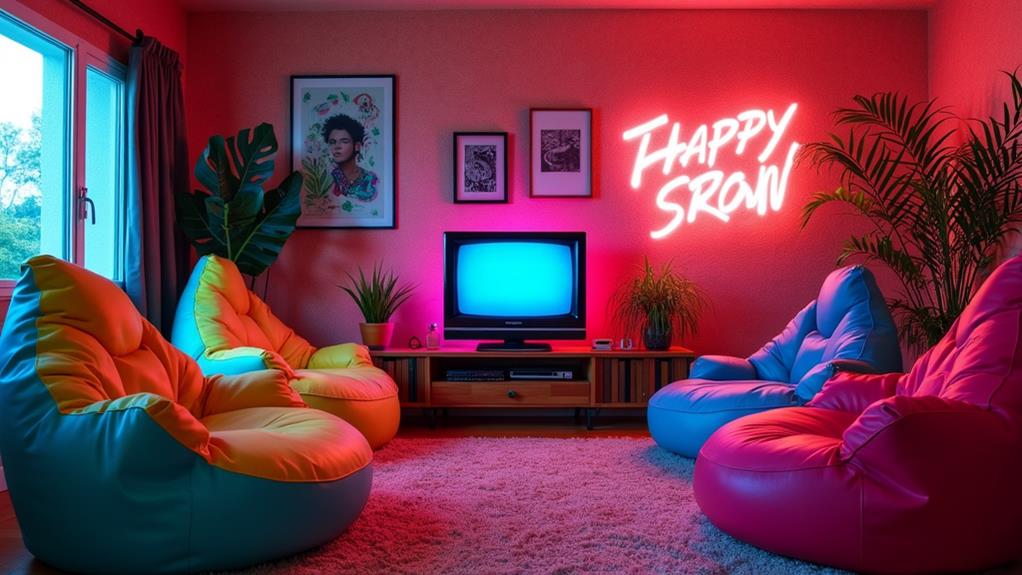
Amid the lively cultural shifts of the 1990s, bean bag chairs experienced a considerable resurgence in popularity. This revival wasn't confined to children; it spanned generations, appealing to college students and young professionals alike. The decade saw a flourish of innovative designs, with bean bags available in diverse shapes, sizes, and vibrant colors, making them a trendy addition to any furniture collection.
The introduction of enhanced safety features, such as childproof designs and safety zippers, significantly boosted consumer confidence. Bean bags became a staple in college dorms and casual living spaces, reflecting the era's shift towards informal and relaxed seating options. Nostalgia for 1970s bean bag trends also played a crucial role, attracting both new buyers and vintage enthusiasts.
Key factors contributing to their popularity increase included:
| Factor | Description |
|---|---|
| Nostalgia | Attraction to 1970s trends |
| Safety Regulations | Childproof designs and safety zippers |
| Versatile Design | Creative shapes, sizes, and vibrant colors |
| Casual Appeal | Essential in dorms and casual living spaces |
| Market Growth | Millions of units sold annually by late 1990s |
Decline in the 1980s
During the 1980s, bean bag chairs experienced a notable decline. Safety concerns and a consumer preference shift towards more structured, minimalist designs reduced their appeal. Additionally, increasing competition from newer furniture styles further diminished their popularity.
Safety Concerns Emerge
The surge in popularity of bean bag chairs during the 1970s and early 1980s soon gave way to serious safety concerns, particularly regarding the risks they posed to children. The filling materials in bean bag chairs posed suffocation and injury risks to young children, making child safety a significant issue.
By the late 1980s, alarming reports of injuries and even fatalities among children led manufacturers to rethink their designs. These tragic incidents prompted a wave of change in the industry, including the incorporation of safety zippers and other features to prevent children from accessing the potentially dangerous inner filling.
Pressure from safety organizations and consumer advocates led to the implementation of stricter guidelines in bean bag production to guarantee child safety. By the mid-1990s, over 12 million bean bags were recalled to meet new safety standards.
This period of heightened awareness and regulatory changes led to a decline in the popularity of bean bag chairs during the 1980s, as safety concerns overshadowed their initial appeal.
Changing Consumer Preferences
By the 1980s, bean bag chairs began to lose their appeal as consumers shifted towards new furniture trends. Preferences changed, with people favoring minimalist and more structured seating options, making bean bags seem clunky and outdated compared to the sleek, modern designs gaining popularity.
Safety concerns further diminished their popularity. Reports of injuries and even fatalities among children due to improper use of bean bags, along with the risks from escaping filling materials, made consumers cautious. These issues tarnished the once-popular bean bag's reputation.
Additionally, the market became saturated, leading to a decline in unique and creative designs. Consumers grew bored with the available options, accelerating the decline in popularity. Key factors contributing to this shift included:
- Safety issues: Reports of injuries and fatalities deterred potential buyers.
- Market saturation: An excess of similar products led to a lack of creativity.
- Perception shift: Bean bags were viewed as outdated compared to modern furniture trends.
However, despite the mainstream decline, a dedicated group of enthusiasts continued to cherish and collect vintage bean bags, preserving their nostalgic appeal.
Market Competition Increases
The 1980s saw a significant shift in furniture trends, resulting in increased market competition and the decline of bean bag chairs. New styles with structured seating gained popularity, rendering bean bags outdated and less appealing. Minimalist designs captured consumer interest, pushing bean bags into the background.
Market competition wasn't the only challenge. Safety concerns also emerged, notably injuries and fatalities involving children. This led to heightened scrutiny and impacted sales as consumers began to question the safety of these once-beloved items.
| Reasons for Decline | Details | Impact on Bean Bags |
|---|---|---|
| Market Competition | New structured furniture styles | Perceived as outdated |
| Safety Concerns | Child injuries and fatalities | Heightened scrutiny |
| Market Saturation | Overabundance of designs | Viewed as children's toys |
| Regulatory Changes | 1990s safety standards | 12 million recalled |
An oversaturated market made bean bag designs seem clunky and relegated them to children's furniture. This perception shift, combined with increased market competition and stricter safety standards, led to a significant decline in their mainstream appeal. By the end of the 1980s, bean bags had lost their iconic status.
1990s Revival
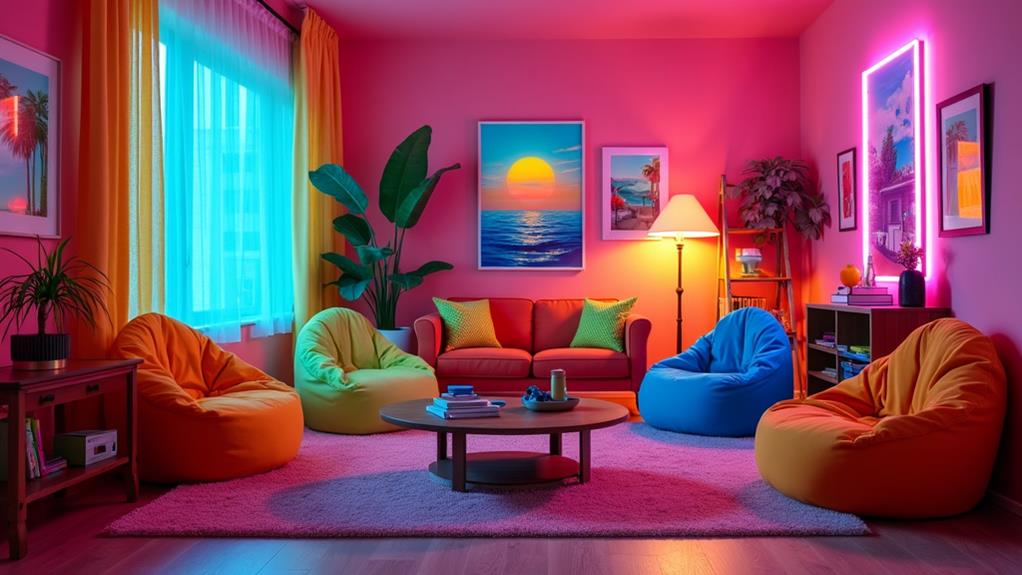
Amid the 1990s' wave of nostalgic revivals, bean bag chairs made a triumphant return, capturing the hearts of college students and young adults alike. These cozy, versatile seating options became a must-have for dorm rooms and living spaces, offering a casual and comfortable alternative to traditional furniture. Nostalgia played a huge role in this resurgence, as many adults sought to reintroduce bean bags into their homes to relive fond childhood memories.
Interior designers began to take notice, incorporating these playful pieces into modern décor. The 90s revival wasn't just about bringing back the old; it was about reimagining it. New styles and shapes emerged, catering to diverse tastes and preferences. You could find oversized bean bags or themed designs that matched any aesthetic.
- Pop culture influence: Movies and TV shows showcased bean bags as trendy accessories.
- Consumer demand: Young adults valued the comfort and casual vibe they provided.
- Design innovation: New styles and shapes met diverse consumer preferences.
Retailers capitalized on this trend, ensuring that these bean bags were not only stylish but also practical, with washable covers and durable materials. This revival truly marked a golden period for bean bag enthusiasts.
Safety and Design Improvements
In the 1990s, bean bag chairs saw significant safety and design improvements, making them more reliable for households. Manufacturers responded to renewed popularity by implementing strict safety regulations, including childproof designs and safety zippers to prevent accidental access to filling materials. These measures were crucial after over 12 million bean bags were recalled due to injuries and fatalities among children.
To enhance durability and safety, manufacturers introduced durable fabrics and reinforced seams. These materials ensured the longevity of the chairs, making them capable of withstanding regular use without compromising safety. For parents, this provided peace of mind, knowing these chairs wouldn't easily tear open and expose potentially dangerous filling materials.
Another key improvement was the introduction of washable covers, which made it easier to maintain hygiene. This feature was particularly beneficial for households with children, allowing the cover to be removed and washed, ensuring the bean bag remained clean and safe for everyday use.
These advancements helped bean bag chairs regain their status as a popular and safe seating option for both children and adults, appealing to a broad range of consumers.
Modern-Day Applications and Impact
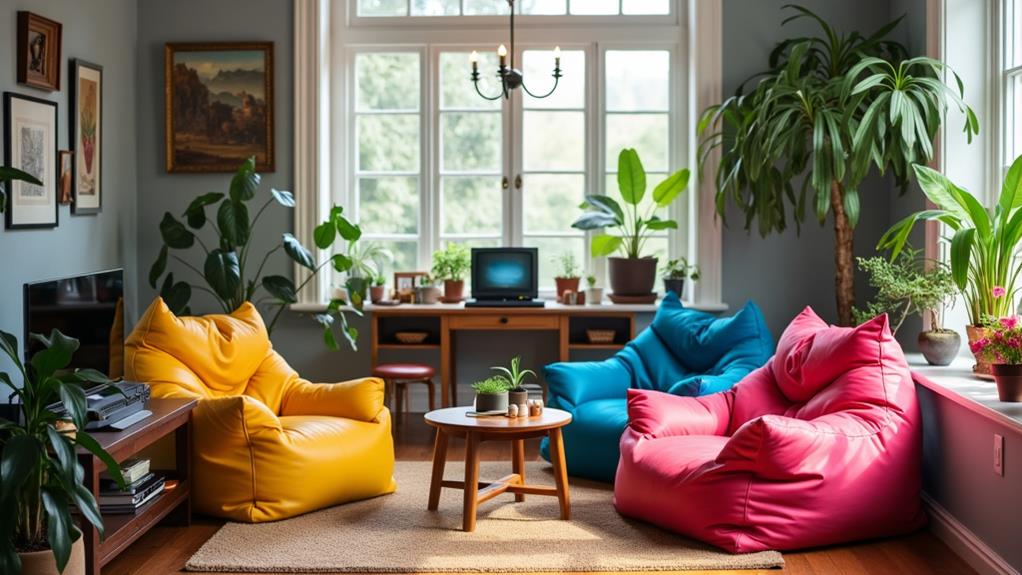
Modern bean bag chairs have evolved beyond living rooms, becoming versatile pieces of furniture suitable for various environments such as schools, cafes, and homes. Their adaptability makes them a staple in casual settings. Available in a range of shapes, sizes, and materials—including shredded memory foam and durable fabrics—bean bags cater to diverse consumer needs.
A key feature of contemporary bean bags is their customization options. Consumers can personalize them with unique colors, patterns, and even logos, ensuring they fit perfectly into any aesthetic. This level of personalization appeals to a wide audience, from children to adults.
Bean bags have also adapted to modern lifestyle trends, serving more than just seating purposes. They inspire new recreational activities and games, highlighting their cultural significance and versatility.
- Indoor and outdoor versatility: Suitable for any setting, whether it's a cozy living room or an outdoor patio.
- Personalization options: Customize your bean bag to match your style with numerous customization possibilities.
- Diverse materials and sizes: From memory foam to durable fabrics, there's a bean bag for everyone.