The 1990s Craze for Themed Rooms (e.g., Jungle, Underwater)
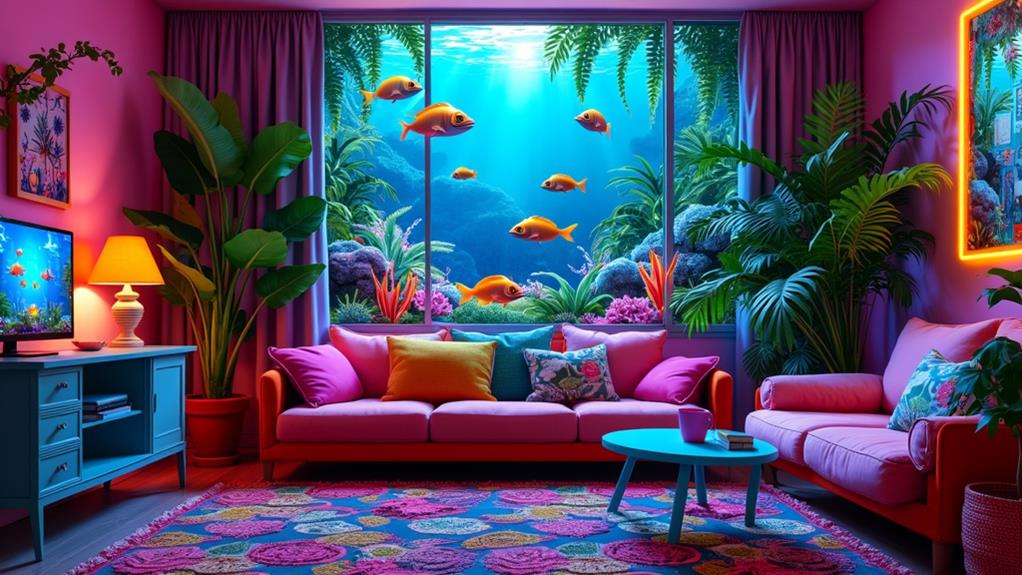
Imagine stepping into a 1990s hotel room where you're suddenly surrounded by lush faux vines or immersed in a serene underwater ambiance. Themed rooms became a significant trend, transforming ordinary stays into extraordinary experiences. From jungle retreats to oceanic escapes, each design aimed to captivate the imagination and enhance guest engagement. But what fueled this fascination, and how did it reshape the hospitality industry? Understanding these elements provides insights into past trends and their lasting impact on today's travel experiences.
Origins of Themed Rooms
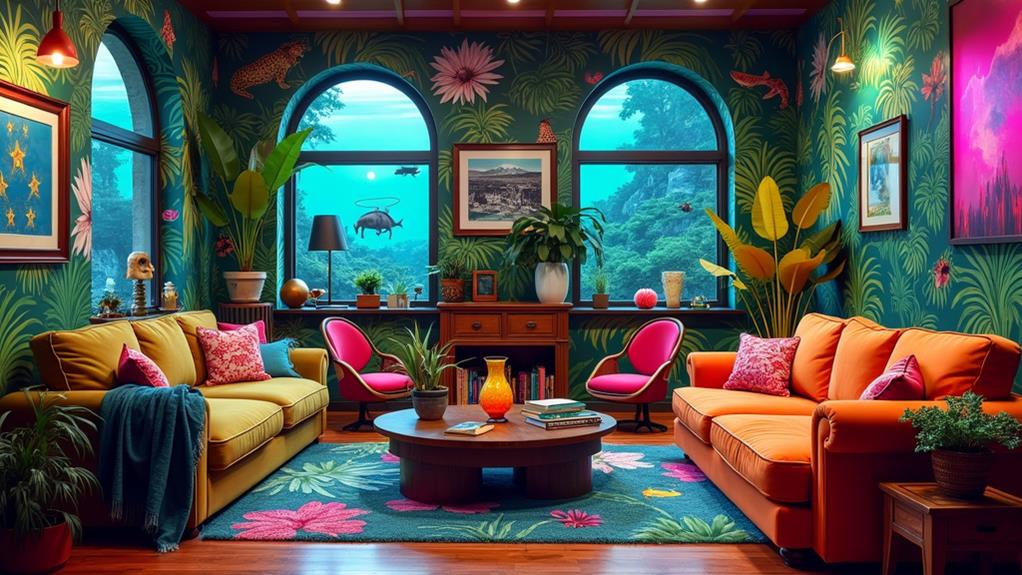
Themed rooms emerged in the 1990s as a creative response to the growing demand for unique and immersive experiences in hospitality. As travelers sought more than just a place to sleep, the rise of experiential travel pushed hoteliers to innovate. Themed rooms quickly became a way to offer these distinctive experiences, moving beyond traditional hotel designs.
Guests could find themselves transported to entirely different environments, whether it was a lush jungle or an enchanting underwater world. These rooms went beyond mere decor, creating captivating storylines that transformed a simple stay into an adventure. The sense of escape and the opportunity to experience something extraordinary resonated deeply with travelers.
Hoteliers recognized the potential of themed rooms to differentiate themselves from competitors. By investing in elaborate designs and storytelling elements, they could attract a broader audience and enhance guest satisfaction. This wasn't just a passing trend; it was a strategic move to engage guests on a deeper level.
Moreover, marketing strategies of the time leveraged the appeal of these unique spaces. Social media sharing became a powerful tool, making themed rooms an attractive option for travelers eager to create and share memorable experiences.
Popular Themes of the 1990s
As hoteliers explored themed rooms to captivate guests in the 1990s, certain designs quickly gained popularity. These themed hotel rooms became especially popular among families and children seeking unique experiences. Jungle-themed rooms, for example, often featured faux vines, animal prints, and tropical foliage, creating an environment reminiscent of rainforest adventures, making guests feel like they were on a safari.
Underwater-themed accommodations were another favorite. With blue lighting, marine murals, and water features, these rooms simulated an oceanic atmosphere that fascinated guests. For those intrigued by sea life, staying in one of these rooms felt like diving into an underwater paradise without getting wet.
Space-themed rooms also capitalized on the period's fascination with space exploration. Starry ceilings, futuristic furniture, and decor inspired by planets and galaxies made these rooms feel like journeys through the cosmos. These themed hotel rooms weren't just a novelty; they became a strategic marketing move, leading to increased occupancy rates and memorable guest experiences, often resulting in repeat visits and word-of-mouth promotion.
Design Inspirations
Crazy House's themed rooms draw deeply from the vibrant natural beauty of Vietnam's Central Highlands, offering guests an immersive escape. By celebrating local flora and fauna, rooms like the Honey Moon Room and Land Eagle Room create a direct connection to the surrounding environment. Each room is thoughtfully designed with minimal furniture, ensuring essential comfort without clutter, allowing the unique themes to take center stage.
The design inspirations behind these whimsical rooms are far from conventional. The architectural style mirrors natural forms, such as a giant banyan tree, making you feel as though you've stepped into a fantasy world. Surreal elements, influenced by Salvador Dali's melting aesthetics, add an extra layer of intrigue and creativity, making each visit an unforgettable experience.
Crazy House's eclectic approach challenges traditional hotel designs, transforming each room into a distinct journey. From the structure's organic shapes to the thematic nods to animals and nature, you'll find yourself enveloped in a setting that's both playful and thought-provoking. It's not just a place to sleep; it's a whimsical adventure that redefines what a stay can be.
Jungle Room Appeal
Upon entering the Jungle Room, you're instantly transported from urban life to a vibrant, immersive nature experience. Designed to celebrate Vietnam's Central Highlands, this room is more than a place to sleep—it's an adventure. The imaginative structures and vivid colors make it perfect for creating unforgettable memories.
Immersive Nature Experience
Step into the Jungle Room at Crazy House, and you'll find yourself enveloped in a rainforest-like environment that captures the essence of Vietnam's Central Highlands. This engaging nature experience immerses guests in a world filled with vibrant colors and natural elements, evoking the lush landscapes of the region. The room features whimsical tree-like structures and animal motifs that celebrate the local flora and fauna, making each moment feel like a new story unfolding.
Designed to seamlessly blend architecture with nature, the Jungle Room offers a surreal escape with a focus on comfort through minimalistic furnishings. The tranquility of the space is enhanced by the absence of distractions such as TVs or air conditioning, allowing the natural ambiance to take center stage.
| Feature | Description | Appeal |
|---|---|---|
| Natural Elements | Tree-like structures, animal motifs | Reflects local flora and fauna |
| Minimalistic Furnishings | Simple, comfortable furniture | Enhances immersive experience |
| Lively Colors | Bright, nature-inspired hues | Captures the essence of Central Highlands |
| Fanciful Design | Surreal architecture blending with nature | Creates a playful yet tranquil atmosphere |
The Jungle Room's appeal lies in its ability to provide a playful yet serene atmosphere, making it a popular choice for those seeking a unique and memorable stay in Dalat.
Unique Design Elements
The allure of the Jungle Room at Crazy House extends beyond its engaging nature experience; it lies in its meticulously crafted design elements that captivate and enchant visitors. Nestled in Vietnam's Central Highlands, Crazy House offers a unique escape into an exotic, playful world. The Jungle Room's vibrant, nature-inspired decor immerses you in an environment that celebrates the region's rich biodiversity.
Animal motifs and lush greenery dominate the room, making you feel like you've stepped into a living, breathing jungle. The minimalist layout and furnishings emphasize essential comforts, prioritizing a deeper connection to nature over modern amenities like TVs and air conditioning. This deliberate design choice enhances the room's unique charm and aids in disconnecting from the everyday hustle.
The surreal environment stimulates creativity, providing countless opportunities for striking photographs. Every corner of the room is designed to spark your imagination and deliver a memorable experience. The Jungle Room exemplifies the trend of themed rooms from the 1990s, focusing on engaging experiences that transport you to fantastical settings, making Crazy House a must-visit architectural marvel.
Escape From Urban Life
In stark contrast to the relentless pace of urban life, the Jungle Room at Crazy House offers an inviting escape into a world of natural wonder. Inspired by the lush landscapes of Vietnam's Central Highlands, this room immerses you in a setting far removed from the concrete jungle. The decor, rich with natural elements and animal-themed furnishings, appeals to anyone craving an adventurous retreat from city living.
The Jungle Room doesn't just offer visual appeal; it provides a fanciful atmosphere that makes you feel like you're in a primitive forest. The moment you step inside, the stresses of your urban environment begin to fade away. It's an experience designed to help you disconnect, relax, and rejuvenate.
This themed room exemplifies the 1990s trend where accommodations began to prioritize unique, nature-inspired designs. These designs weren't just about aesthetics; they catered to a growing desire among travelers for novel, comfortable escapes. The Jungle Room's allure lies in its ability to blend comfort with an escape into a fantastical, nature-infused setting. If you're looking to break free from urban monotony, this room provides the perfect sanctuary.
Underwater Room Magic
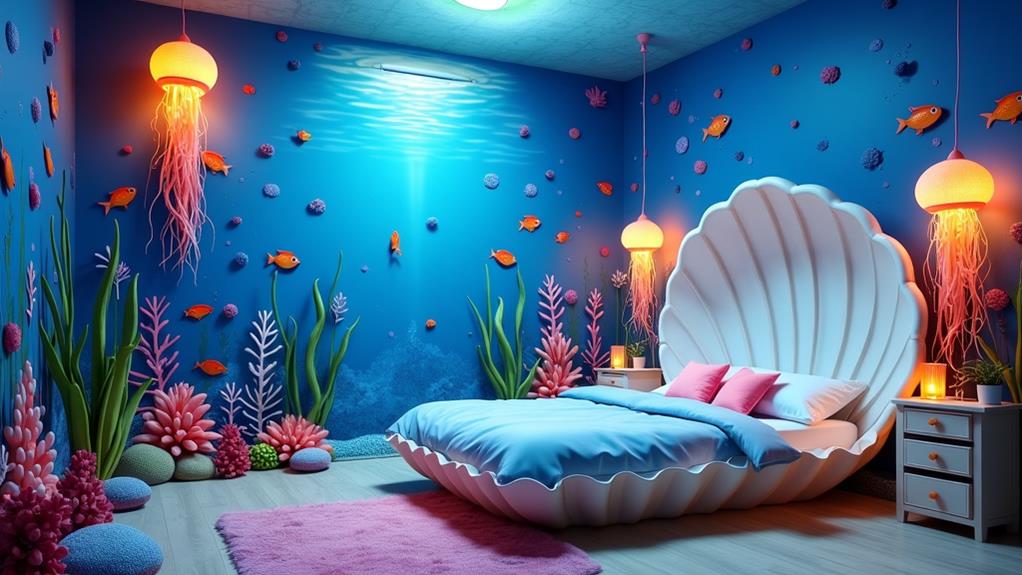
Imagine stepping into a room that feels like you've been transported beneath the ocean's surface. The Underwater Room concept, which gained popularity in the 1990s, brought the magic of the sea right to your doorstep. Upon entering, oceanic murals depicting lively coral reefs and schools of fish swimming through azure waters envelop you. Bubble effects add a touch of whimsy, enhancing the illusion of being submerged.
Furniture designed to resemble coral reefs further immerses you in this aquatic wonderland. Soft, ambient lighting mimics sunlight filtering through water, casting gentle, rippling shadows across the walls. These carefully crafted details create an enchanting, almost dreamlike atmosphere.
During the 1990s, travelers sought unique experiences beyond traditional hotel stays. Families and adventurous couples flocked to these thematic accommodations, looking for a break from the mundane. The popularity of the Underwater Room surged as it tapped into the era's growing interest in escapism and experiential travel. Hotels quickly adopted this trend, offering creatively designed spaces that transported guests to fantastical environments, making each stay a memorable adventure.
Impact on Hospitality
The 1990s saw a surge in thematic hotel rooms, transforming the hospitality industry by offering guests unique and engaging experiences far removed from traditional stays. Elaborate decor and interactive elements in these jungle and underwater-themed environments enhanced guest engagement and satisfaction, leading to higher occupancy rates.
Hotels began competing to outdo each other with more imaginative and extravagant themes, reshaping marketing strategies across the hospitality sector. Themed rooms often commanded premium pricing, increasing revenue and encouraging repeat visits. Guests were eager to experience new themes or revisit their favorites, maintaining a high level of excitement.
This trend underscored the importance of storytelling in hospitality. The design and ambiance of themed rooms created memorable narratives that guests loved to share, effectively increasing brand loyalty and attracting more customers. Therefore, the 1990s trend of themed rooms didn't just change where people stayed; it fundamentally altered how hotels operated and marketed themselves.
Iconic Examples
In considering iconic themed rooms from the 1990s, the whimsical Crazy House in Vietnam stands out, featuring imaginative architecture and vibrant designs. Similarly, Disney's themed rooms at Disneyland Hotel brought beloved characters and magical settings to life, creating a fairy tale experience for guests. These innovative spaces not only drew tourists but also paved the way for a new era of experiential travel.
Crazy House Rooms
Crazy House, with its iconic themed rooms like the Honey Moon Room and Land Eagle Room, often leaves visitors in awe. Each room is inspired by different animal species and countries, reflecting the rich heritage of Vietnam's Central Highlands. Designed by architect Dang Viet Nga, the rooms defy traditional hotel aesthetics, offering a surreal, nature-inspired escape.
The rooms are minimalist, focusing on fundamental comfort without modern amenities like TVs or air conditioning. This lack of distractions encourages full engagement with the fanciful, unconventional layouts. Every corner reveals a new, unexpected design element, making your stay a memorable expedition.
However, be prepared for a few quirks. Privacy might be an issue, as the rooms often lack basic features like "Do Not Disturb" signs. Frequent interruptions from staff and other guests can disrupt the themed experience, making it less serene. Despite these drawbacks, Crazy House remains a unique destination, challenging conventional notions of hotel design and offering an unforgettable voyage into the imaginative world of themed rooms.
Disney's Themed Rooms
Stepping into Disney's themed rooms is like entering a world where your favorite animated stories come to life. At Disney's Art of Animation Resort, you'll find designs inspired by beloved films like "Finding Nemo," "The Lion King," and "Cars." The lively decor and character-themed elements make each room an unforgettable experience.
For a swashbuckling adventure, check out the "Pirate Rooms" at Disney's Caribbean Beach Resort. These rooms feature nautical decor, treasure maps, and pirate ship beds, capturing the imaginations of families and young guests alike. If you're seeking a nature-inspired retreat, Disney's Wilderness Lodge offers "Bunk Bed Rooms" with a rustic, forest theme, providing a cozy atmosphere reminiscent of a national park lodge.
Here's what makes Disney's themed rooms stand out:
- Engaging Designs: Every detail, from the furniture to the wall art, is carefully crafted to reflect the theme.
- Family-Friendly: These rooms are designed with families in mind, offering both fun and comfort.
- Variety of Themes: From underwater adventures to jungle explorations, there's something for everyone.
- Memorable Experiences: Staying in a themed room adds an extra layer of magic to your Disney vacation.
Rates for these unique accommodations start around $300 per night, varying by season and availability.
Guest Experiences
During your stay at The Crazy House, you'll discover that rooms like the Honey Moon Room and Land Eagle Room provide a unique exploration of Vietnam's Central Highlands heritage and the animal kingdom. However, these themed experiences come with certain challenges. The rooms feature minimal furniture and lack modern amenities such as TVs and air conditioning, requiring guests to embrace a more fundamental comfort level and thematic design.
| Room | Theme | Key Features |
|---|---|---|
| Honey Moon Room | Central Highlands Heritage | Minimal furniture, no air conditioning |
| Land Eagle Room | Animal Kingdom | Thematic design, no TV |
| General Area | Zoo-like Atmosphere | Constant noise, daily visitors |
| Nighttime | Isolation | Limited activities, no staff engagement |
The unusual room layouts and the absence of "Do Not Disturb" signs can lead to discomfort and frequent interruptions. Daytime visitors create a zoo-like atmosphere, contributing to noise levels and making relaxation difficult. At night, the hotel's isolation is evident with limited staff engagement and activities, which can impact sleep quality. While the thematic design offers a unique experience, the absence of modern conveniences and persistent noise might make you miss the amenities of traditional hotels.
Influence on Modern Design
The 1990s fascination with themed rooms, like Jungle and Underwater spaces, significantly influenced modern design by challenging traditional hospitality norms. This trend emphasized creating immersive experiences, transforming ordinary spaces into unique environments that captivated guests with a sense of adventure. Modern design has integrated several key elements from this trend:
- Thematic Storytelling: Contemporary interiors often focus on storytelling, crafting moods and atmospheres that transcend mere functionality. Designers now weave narratives into spaces, making them memorable and engaging.
- Bold Elements: Mirroring the 1990s themed rooms, today's designs frequently incorporate bold colors, specialized lighting, and distinctive decor to create cohesive and engaging environments.
- Experiential Lodging: The hospitality industry, inspired by the 1990s trend, now explores niche markets, offering a broader range of experiential lodging options tailored to diverse interests and preferences.
- Personalization: Modern design prioritizes personalization. Boutique hotels and short-term rentals often feature unique decor and character, providing a distinct and personalized guest experience.
The influence of 1990s themed rooms is evident in the current focus on creating spaces that not only serve a functional purpose but also tell a story and evoke emotions.
Nostalgic Revival
The resurgence of themed rooms from the 1990s is captivating many, as nostalgic design trends gain popularity. These whimsical designs offer more than just accommodation; they provide an experience that transports guests back to childhood wonder. Modern travelers now seek out these unique stays for unforgettable memories.
Themed Room Popularity
In the 1990s, stepping into a themed room felt like entering a different world. Lively decor and imaginative designs brought fantasies to life, quickly gaining popularity, especially in the hospitality industry.
Driven by pop culture and the rise of family-oriented travel, themed rooms became a favorite for both children and adults seeking a playful escape. Imagine staying in a jungle room with lush greenery and exotic animal murals, or an underwater room with vivid marine life painted on the walls. These imaginative environments created lasting memories and offered a fun alternative to conventional hotel rooms.
Here are four reasons why themed rooms became so popular in the 1990s:
- Unique Experiences: Guests loved the novelty of staying in a room that felt like an adventure.
- Family Appeal: Themed rooms catered to families, making vacations more enjoyable for kids and parents.
- Pop Culture Influence: With TV shows and movies inspiring designs, themed rooms tapped into popular trends.
- Increased Occupancy: Hotels saw higher occupancy rates as tourists were drawn to these unique experiences.
Ultimately, the themed room craze of the 1990s set the stage for today's experiential travel trends.
Nostalgic Design Trends
The nostalgic design trends of the 1990s infused interior spaces with a sense of fun and adventure. Themed rooms, such as jungle and underwater concepts, aimed to immerse you in lively, imaginative environments. With bold colors, creative furnishings, and whimsical decor, they transformed ordinary spaces into fantastical escapes.
Hotels and guesthouses capitalized on this trend by offering themed accommodations as a savvy marketing strategy. For instance, Crazy House in Dalat, Vietnam, featured rooms inspired by nature and local culture, appealing to your sense of adventure and curiosity, making your stay feel like a unique expedition.
The 1990s revival of nostalgic design emphasized playful interior design, fostering an atmosphere of fun and escapism. For families and younger travelers, these spaces became destinations filled with excitement and exploration. By tapping into the desire for unique stays, themed rooms provided memorable experiences that transcended the ordinary. Whether you were exploring an underwater paradise or a lush jungle, the nostalgic design trends of the 1990s invited you to step into a world of imagination and wonder.
Experiential Stay Appeal
The nostalgic design trends of the 1990s led to the rise of experiential stays, where themed rooms invite guests into imaginative worlds. Picture stepping into a jungle paradise or an underwater haven; these unique environments captivate travelers seeking more than just a place to sleep. They crave engaging and memorable experiences.
Themed rooms, like those at Crazy House, often reflect local culture and nature, making your stay both memorable and deeply connected to its surroundings. These spaces are more than just whimsically designed rooms; they offer a playful atmosphere that allows you to escape reality, reminiscent of childhood adventures and fantasies. Whether you're a family on vacation or a couple looking for a romantic getaway, these rooms cater to all.
Key appeals of experiential stays include:
- Engaging Themes: Captivating environments like jungles or underwater worlds.
- Cultural Connection: Reflecting local culture and nature.
- Playful Design: Whimsical and nostalgic decor.
- Romantic Escapes: Unique spaces ideal for couples.
Experiential stays transform travel into a form of storytelling, where the novelty and thematic elements often outweigh traditional hospitality standards. It's no wonder these themed rooms have seen a nostalgic revival in recent years.