The 1990s Trend of Faux Finishes on Walls
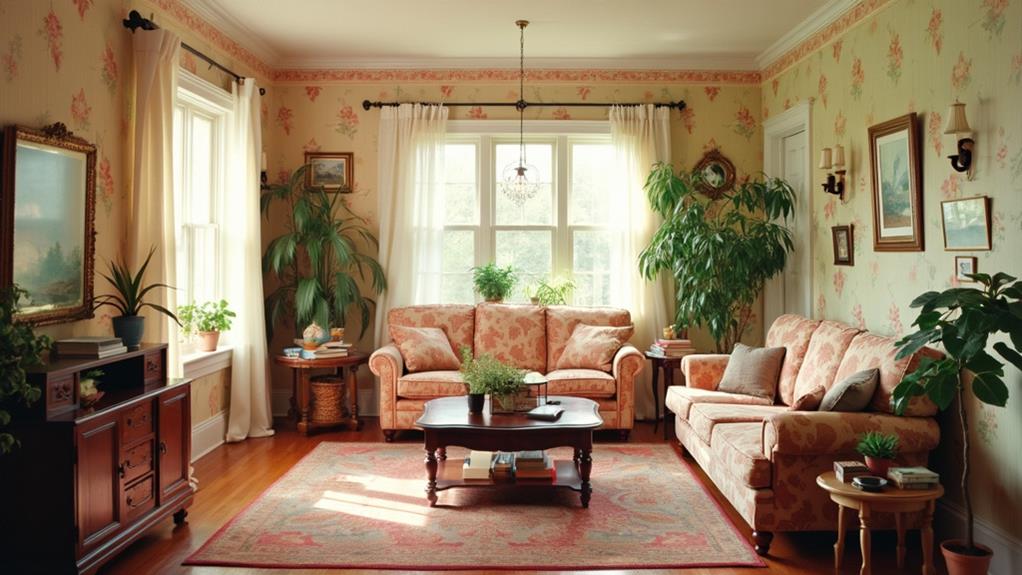
Remember the 1990s when faux finishes became a hallmark of interior design? Enter a room, and you'd often see walls with textures mimicking luxurious materials like marble or wood. Techniques such as sponge painting and color washing allowed homeowners to create unique, artistic statements without significant expense. But what made this trend so captivating, and what challenges did it pose for both DIY enthusiasts and professional artisans? Let's explore how these finishes transformed ordinary spaces and their lasting impact on modern design.
The Resurgence of Faux Finishes
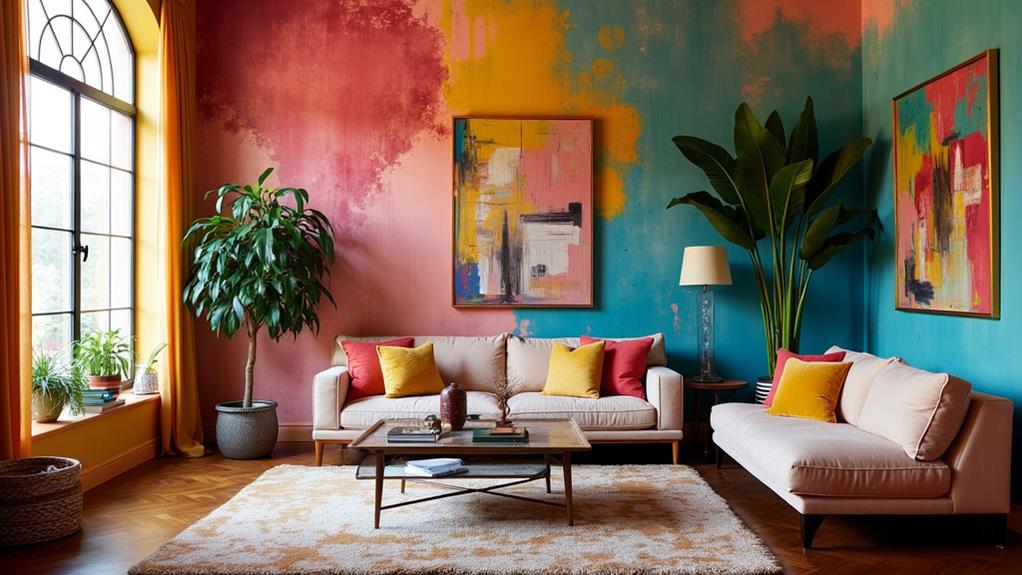
In the late 1980s to early 1990s, faux finishes experienced a notable resurgence as wallpaper fell out of favor, particularly in upscale homes in northern California. During this period, interior design trends shifted significantly, with homeowners gravitating toward more sophisticated aesthetics. Faux finishing emerged as the preferred choice, offering customized wall treatments that traditional paint could not match.
Decorative techniques such as marbleizing, graining, and trompe-l'œil allowed for unique and artistic expressions on walls, transforming spaces into works of art. These techniques gained particular popularity in high-end residential interiors, where the demand for one-of-a-kind designs was paramount. Homeowners sought professional faux finishers, who charged approximately $80 per hour, reflecting the specialized skills and intricate work involved.
The resurgence of faux finishes aligned perfectly with the growing desire for more complex and customized wall treatments. Instead of opting for plain colors, homeowners could now have walls that mimicked the look of marble, wood grain, or even three-dimensional illusions. This trend elevated general interior design and offered a level of sophistication that wallpaper could not provide.
Popular Techniques of the 1990s
The 1990s introduced a wave of innovative faux finishing techniques that captivated both homeowners and interior designers. Sponge painting became emblematic of the decade, involving the use of a sponge to dab glaze onto walls, creating textured designs that added depth and visual interest without overwhelming the space.
Color washing was another prevalent technique. By applying multiple hues of glaze in soft, layered strokes, it achieved subtle variations in color that rendered walls warm and inviting—ideal for creating a cozy ambiance.
Faux bois, or wood graining, allowed for the replication of the appearance of exotic woods, adding elegance and uniqueness to any room. This method enabled walls to emulate the rich look of materials like mahogany or oak without incurring high costs.
Rag painting offered an additional dimension of texture and pattern. By twisting rags and pressing them against a glazed wall, intricate designs emerged, providing a fun and creative option for decorative finishes.
Marbleizing and Graining
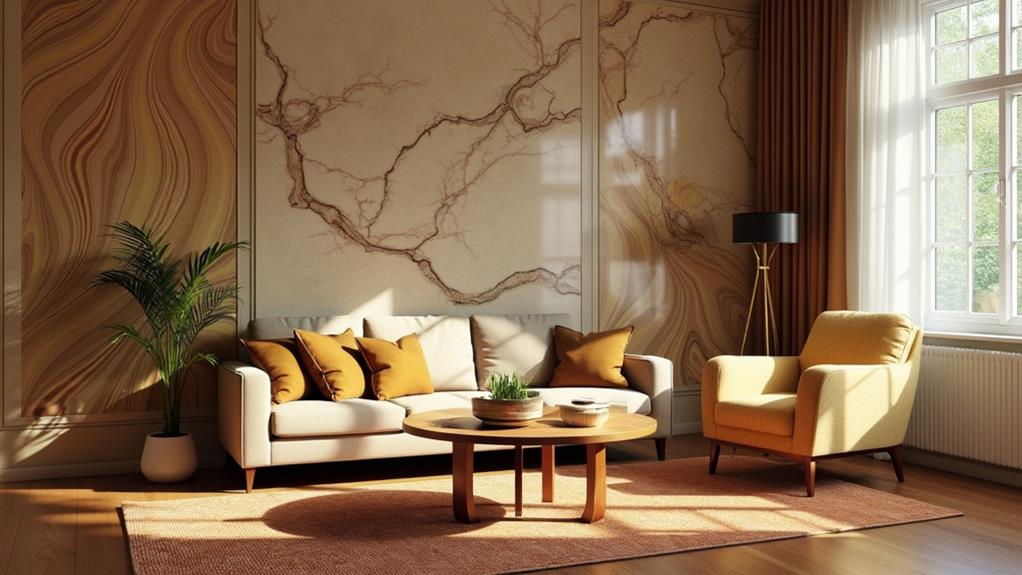
Marbleizing and graining techniques replicate the luxurious appearance of marble and exotic woods. These methods gained popularity in the 1990s as homeowners sought unique, customizable alternatives to wallpaper. Achieving these finishes requires skilled artisans and intricate layering, making them both elegant and labor-intensive.
Techniques and Materials
Transform your walls with faux finishing techniques like marbleizing and graining, which bring sophistication and depth to any space. Marbleizing replicates the luxurious look of real marble using materials such as plaster or glaze. This technique creates veined patterns and a polished finish, ideal for high-end residential spaces. Graining, or faux bois, mimics the natural beauty of wood grain textures through specialized painting techniques. This method allows you to recreate the appearance of various wood types, adding warmth and elegance to your home.
To master these decorative finishes, you'll need the right techniques and materials. For marbleizing, start with a plaster or glaze base, then use brushes, sponges, or rags to create intricate veining patterns. Graining involves replicating wood textures with paint and specialized tools. Both techniques allow for unique, customizable designs that can transform any room. Given their complexity, consider hiring a professional faux finish artisan, who typically charges around $80.00 per hour, to ensure a flawless result.
Popularity and Application
In the 1990s, marbleizing and graining became popular as homeowners sought luxurious yet cost-effective alternatives to genuine marble and exotic wood. These faux finishes provided a way to bring opulence to residential spaces without the hefty price tag. Marbleizing used plaster or glaze to create the illusion of real marble, offering a high-end look that was customizable and visually striking.
Graining, also known as faux bois, mimicked the appearance of exotic wood varieties. This technique allowed for the creation of rich wood textures on walls and furniture, adding warmth and sophistication without using actual wood. As wallpaper declined in popularity, these decorative wall treatments surged, allowing homeowners to tailor their interiors to their taste.
Professional faux finishers in the 1990s charged around $80 per hour due to the artisanal skill required to produce high-quality results. These techniques not only enhanced the visual appeal of homes but also offered practical solutions for transforming spaces without extensive renovations. The popularity of faux finishes during this time highlighted a shift towards personalized and unique interior design.
Color Washes and Striés
In the realm of faux finishes, color washes and striés are celebrated for their ability to add depth and texture to walls. Color washes entail applying multiple hues of glaze in a free-form manner, creating subtle variations and a rich, layered look. This technique gained popularity in the 1990s, offering homeowners a more dynamic alternative to plain painted walls. Striés involve glazing to create soft streaks of color that mimic the appearance of fabrics like linen, adding visual interest and sophistication to any room.
Both color washes and striés offer extensive customization options, allowing for unique wall treatments tailored to individual tastes. However, achieving professional results often requires a skilled artisan, as improper application can lead to uneven or unsatisfactory finishes. These techniques became popular as faux finishes surged in the late 80s and early 90s, replacing traditional wallpapers and providing trendy alternatives for home décor enthusiasts.
| Technique | Description | Key Benefit |
|---|---|---|
| Color Washes | Multiple hues of glaze in free-form | Depth and subtle variations |
| Striés | Glazing to create soft streaks of color | Mimics fabric textures |
| Customization | Tailored to individual taste | Unique wall treatments |
| Skilled Artisan | Professional application | Ensures even finishes |
| Trendy Alternative | Replaced traditional wallpapers | Modern visual interest |
Challenges and Common Pitfalls
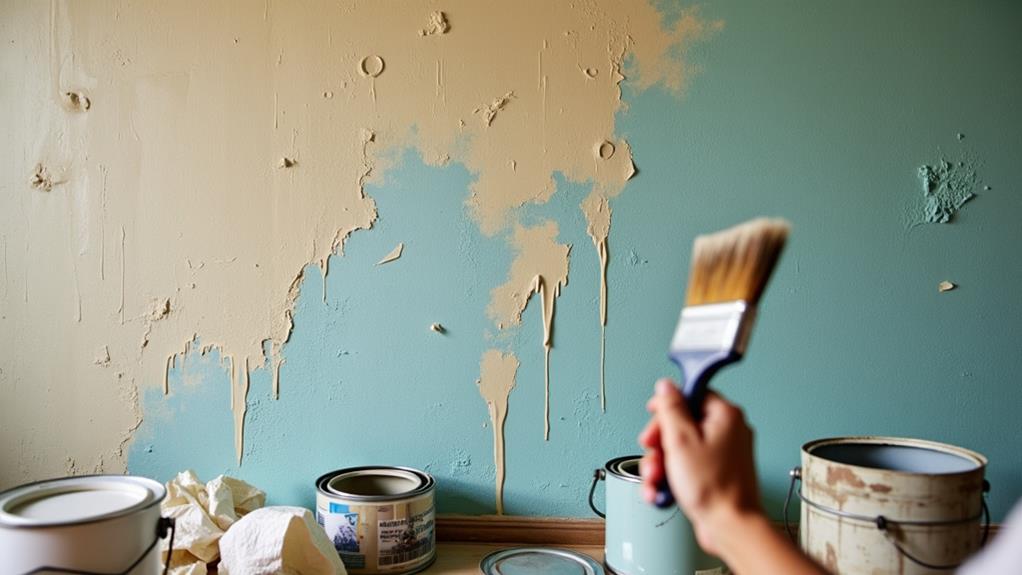
While color washes and striés add a refined touch to wall treatments, they come with their own set of challenges and pitfalls. DIY attempts at faux finishes can be particularly tricky without professional expertise, often resulting in uneven application and color mismatches that lead to unsatisfactory results. Additionally, intricate textured walls can become a maintenance nightmare, as dust and dirt easily settle into crevices, making cleaning cumbersome.
Outdated faux finishing techniques, such as sponge painting and rag stamping, have become less popular, leaving spaces with a dated aesthetic that's challenging to modernize. These methods often necessitate full priming and repainting, which can be labor-intensive and messy. Furthermore, textured walls present patching difficulties; repair attempts frequently result in conspicuous patches that are nearly impossible to blend without complete resurfacing.
If you're considering faux finishes, be prepared for maintenance challenges and the potential need for professional expertise. While these techniques can add depth and character to your walls, they can also bring a host of issues that may outweigh their initial appeal. Always weigh the pros and cons before diving into such a detailed project.
Legacy and Modern Adaptations
During the 1990s, faux finishes surged in popularity, offering homeowners creative alternatives to wallpaper with unique, personalized wall treatments. Techniques like sponge painting, rag painting, and color washing allowed for individualized expression, mirroring the era's aesthetics. Marbling and graining became widespread, emulating luxurious materials such as marble and wood.
Today, the legacy of 90s faux finishes is evident in contemporary interior design. Modern adaptations bring a fresh spin to these classic techniques, emphasizing lighter, brighter aesthetics. Advanced methods like Venetian plaster and metallic finishes have enhanced luxury design, offering unique treatments that elevate any space. Professional execution ensures these finishes cater to high-end markets, introducing bespoke designs into homes.
This evolution from traditional faux finishes to modern adaptations highlights a significant shift towards visually captivating yet sophisticated interiors. By blending the nostalgic charm of 90s aesthetics with the sleek elegance of contemporary design, you can create a harmonious fusion of past and present, transforming your walls into true works of art.