The 1990s Trend of Sponge-Painted Walls
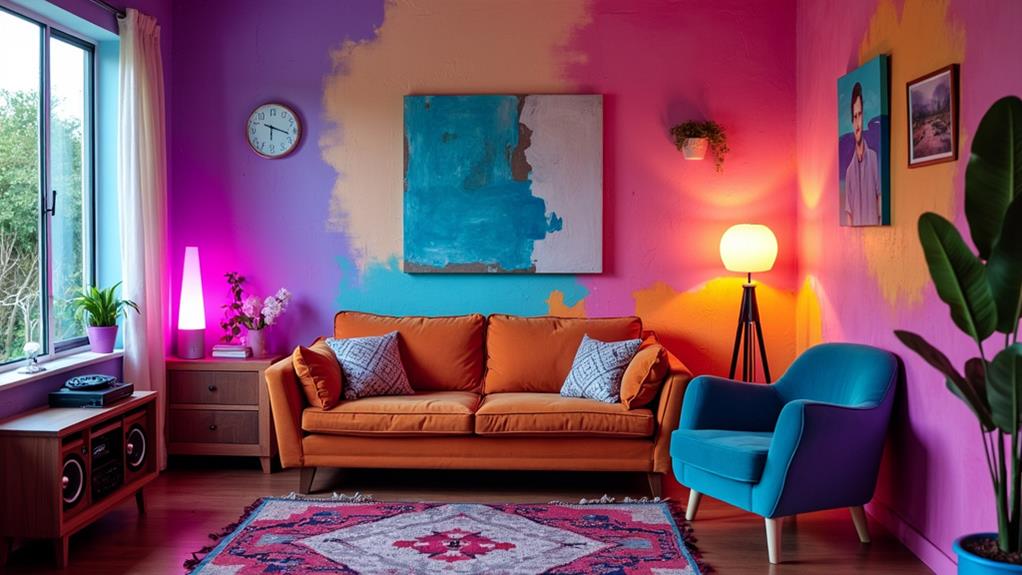
Imagine stepping into a room in the 1990s and seeing walls that resembled an artist's canvas, rich with texture and depth. Sponge painting broke the monotony of solid colors, offering homeowners a creative outlet. With a damp sponge, you applied a second layer of paint, creating a unique pattern. However, this trendy technique sometimes led to mixed results. How did this vibrant method become a symbol of the era, and what happened when the trend faded?
Overview of Sponge Painting
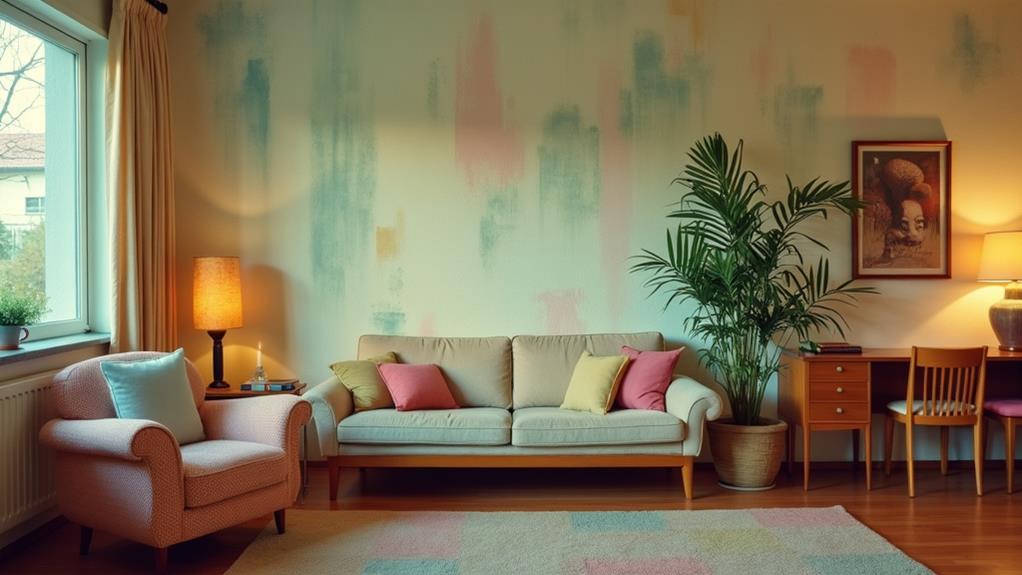
Sponge painting, a popular home decor trend that gained traction in the late 1990s, involves applying a second paint color over a solid base coat to create a textured effect. This technique uses a large, textured sponge to dab and blot the additional color onto the wall. The amount of paint and pressure applied can significantly alter the final appearance, allowing for a range of artistic designs or, at times, chaotic patterns.
Rooted in the DIY culture of the '90s, sponge painting empowered homeowners to move away from plain, solid colors and personalize their spaces. The results varied widely; some achieved stunning, artistic finishes, while others ended up with less desirable outcomes. Despite its initial charm and widespread popularity, sponge painting has since fallen out of favor. Today's homeowners often prefer modern, minimalist designs over the textured, sometimes messy, appearance of sponge-painted walls.
Sponge Painting Technique
To master sponge painting, start by thoroughly cleaning your walls and applying a solid base coat. Once the base coat is dry, use a large, textured sponge to dab and blot a second color, ensuring to overlap for a blended effect. Be mindful of the amount of paint used to prevent a messy outcome.
Sponge Application Steps
Creating a unique and textured look for your walls begins with applying a solid base color. Allow this base coat to dry completely before proceeding to the sponge painting technique. For this method, you will need a large, textured sponge to apply the second color. The key is to dab and blot the sponge onto the wall, rather than brushing or wiping, to achieve a varied and interesting effect.
Be cautious about the amount of paint you use on the sponge. Too much paint can result in a messy outcome, often likened to a "mud-tornado." For optimal results, lightly dip the sponge into the paint, then blot it on a paper towel or piece of cardboard to remove any excess.
Experiment with different overlapping techniques. You can either highlight more of the base color by spacing out your dabs or blend the colors by overlapping them more closely. This step allows for customization to suit your personal taste.
If you're working on surfaces like MDF, applying an oil-based primer before using water-based paints can be beneficial. This ensures better adhesion and durability, helping your sponge-painted walls look great for years to come.
Achieving Desired Texture
To achieve the desired texture in your sponge painting project, master the dabbing and blotting technique with your sponge. Begin by applying a solid base color to your walls and allowing it to dry completely. This foundation sets the stage for the textured effect you're aiming to create.
Once the base color is dry, use a large, textured sponge and dip it lightly into the second color. Dab and blot the sponge onto the wall, varying the pressure to achieve a more nuanced texture. Overlapping your dabs can help highlight the base color. Adjust the amount of paint on the sponge to control the texture's intensity, avoiding an overly muddy effect.
Experimenting with contemporary color combinations can modernize the classic sponge painting technique. Proper wall preparation, including the use of an oil-based primer if needed, ensures the best outcome. By paying attention to these details and refining your technique, you'll achieve a beautiful, textured finish that adds depth and character to any room.
Cultural Context
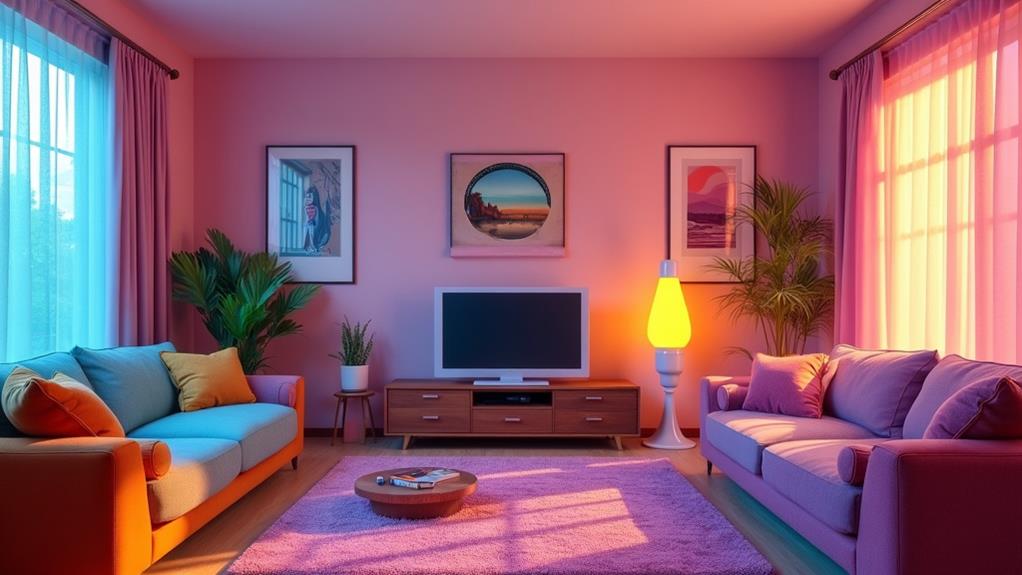
Sponge painting emerged in the late 1990s as a vibrant alternative to the solid color trends that had dominated home decor. This technique became significant in interior design, reflecting a broader movement toward creativity and personalization. During this period, many homeowners sought to break away from the uniformity of the Baby Boomer generation's decor, opting for a more eclectic and individualized aesthetic.
Sponge painting fit seamlessly into the DIY culture of the 90s, as people increasingly tackled home improvement projects themselves. It allowed for playful exploration of texture and color, embodying a collective nostalgia for artistic self-expression prevalent at the time.
However, this trend often led to unpredictable and varied results, sometimes with chaotic or even disastrous outcomes. It symbolized a period when people were willing to take risks in their design choices, embracing the imperfections of DIY projects. Looking back, many view these sponge-painted walls with humor, remembering the adventurous spirit they represented.
Results and Reactions
The results of sponge-painted walls in the 90s varied widely. Some turned out beautifully textured, while others appeared more like a mishap. People experimented with blending different media, but success was inconsistent. Today, many look back and laugh at their sponge-painted childhood rooms, appreciating the quirky charm of 90s decor.
Varied Visual Outcomes
The varied visual outcomes of sponge-painted walls in the 1990s left a lasting impression on home décor enthusiasts. Sponge painting promised beautiful, textured walls, but the results were often unpredictable. Aiming for an elegant accent wall could easily result in a chaotic mess resembling "a cat walked through tar." The technique's inconsistency meant that overlapping paint applications could either enhance the base color or muddle the appearance, leaving you with a wall that looked more haphazard than stylish.
The visual results varied greatly from room to room. While some homeowners achieved stunning, artistic effects, others faced less desirable outcomes. The mixed reactions were evident, with some people reminiscing fondly about their successful attempts and others laughing at their disastrous efforts. Platforms like TikTok are filled with nostalgic posts highlighting both the triumphs and the mishaps of sponge-painted rooms from the '90s.
Despite its humorous perception today, the sponge-painting craze of the 1990s undeniably left a mark. It reflects the period's experimental spirit and the unpredictable nature of DIY home décor trends.
Mixed-Media Approaches Attempted
In the 1990s, many DIY enthusiasts embraced mixed-media approaches by combining sponge painting with wallpaper to create unique home decor designs. This creative blend aimed to bring a personalized touch to interiors, often resulting in distinctively original outcomes.
By layering sponge-painted textures over stenciled patterns, various artistic effects could be achieved. However, the results were inconsistent:
- Enhanced Designs: When executed well, these combinations added depth and character to a room.
- Clashing Patterns: Often, the mix of techniques led to visuals that clashed with existing decor.
- Chaotic Results: Using different paint finishes alongside sponge techniques sometimes resulted in chaotic, unappealing rooms.
- Nostalgic Appeal: Despite mixed results, many people fondly recall these efforts and share them on platforms like TikTok, celebrating both successes and humorous failures.
Maintaining these intricate designs proved challenging over time, and the initial allure of mixed-media sponge painting waned. However, the trend remains a memorable chapter in the evolution of DIY home decor.
Retrospective Humor and Disbelief
How did we ever think sponge-painted walls were a good idea? Looking back, it's almost impossible not to laugh at the decorating trends of the 1990s. The results were wildly inconsistent, with some rooms turning out artistically appealing while others looked like a "cat walked through tar." Excessive paint application was a common issue, leading to chaotic and often unsightly outcomes.
The mixed media approach didn't fare much better. Combining sponge painting with wallpaper could lead to unpredictable, and sometimes disastrous, results. It's no wonder that many homeowners now view their past decorating choices with a mix of humor and disbelief. What seemed like a bold attempt at creativity has become a nostalgic and often cringe-worthy memory.
On TikTok, millennials are reminiscing about their childhood rooms, with 1.8 million views on videos discussing the sponge painting trend. These discussions highlight how deeply embedded this quirky chapter of DIY history is in our collective memory. Sponge painting has left a lasting mark on home decor, sparking conversations about the aesthetic choices of the '90s. It's a humorous reminder of how decorating trends can sometimes go spectacularly awry.
Legacy of Sponge Painting
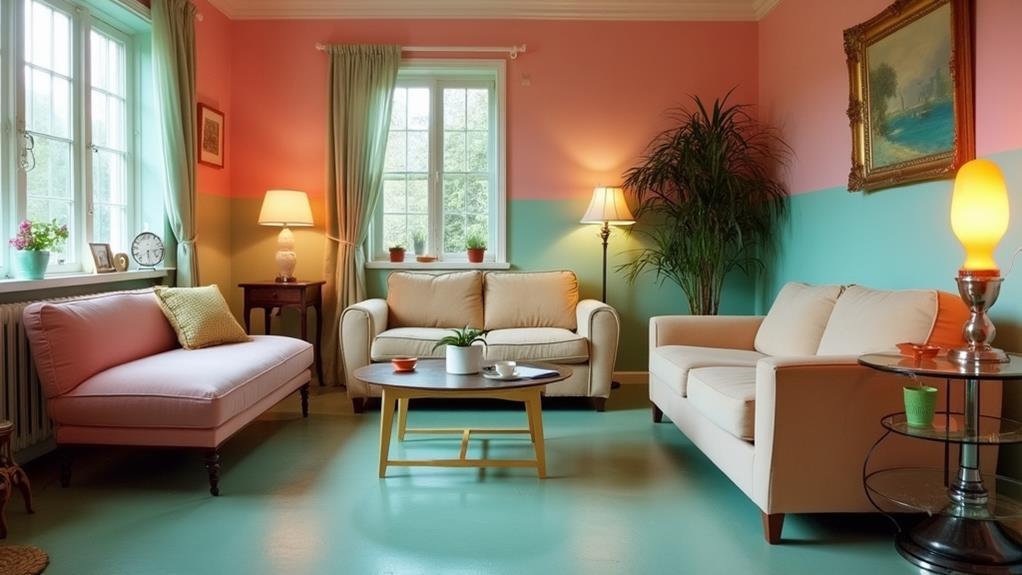
Sponge painting, a DIY trend from the late 1990s, has left a lasting impact on interior design. This technique allowed homeowners to add texture and visual interest to their walls, marking a cultural shift toward creativity and personalization. Though the results varied—sometimes humorously resembling patterns from a "cat walking through tar"—sponge painting represented a rebellion against the solid color trends that dominated previous decades.
Its influence is still evident today, shaping modern decor in several ways:
- DIY Empowerment: The simplicity of sponge painting empowered homeowners to take control of their own interior design projects.
- Textural Awareness: It emphasized the importance of texture in creating dynamic and engaging spaces.
- Creative Freedom: The technique encouraged experimentation and personalization, moving away from uniformity.
- Historical Nostalgia: Despite being considered outdated by some, sponge painting retains a nostalgic charm that captures the maximalist spirit of the 90s.
Critique of 90s Home Decor
Sponge painting, a hallmark of 90s home decor, received mixed reviews even during its heyday. While some appreciated its unique texture, others criticized its chaotic and uneven results, likening it to a "cat walking through tar." Achieving a polished look was often challenging, leaving many homeowners dissatisfied.
As design trends evolved, the popularity of sponge painting waned. Today, potential buyers favor modern, minimalist aesthetics with clean lines and smooth surfaces. If you're planning to sell your home, those sponge-painted walls could be a drawback. Social media comments increasingly reflect a preference for contemporary styles over 90s decor trends, including sponge painting.
The renewed interest in 90s decor has sparked discussions about modernization. Critics argue that sponge-painted walls can detract from a home's appeal, evoking a dated look that doesn't resonate with today's buyers. If you're serious about selling, consider updating your decor to attract modern buyers.
Fixing Sponge Painted Walls
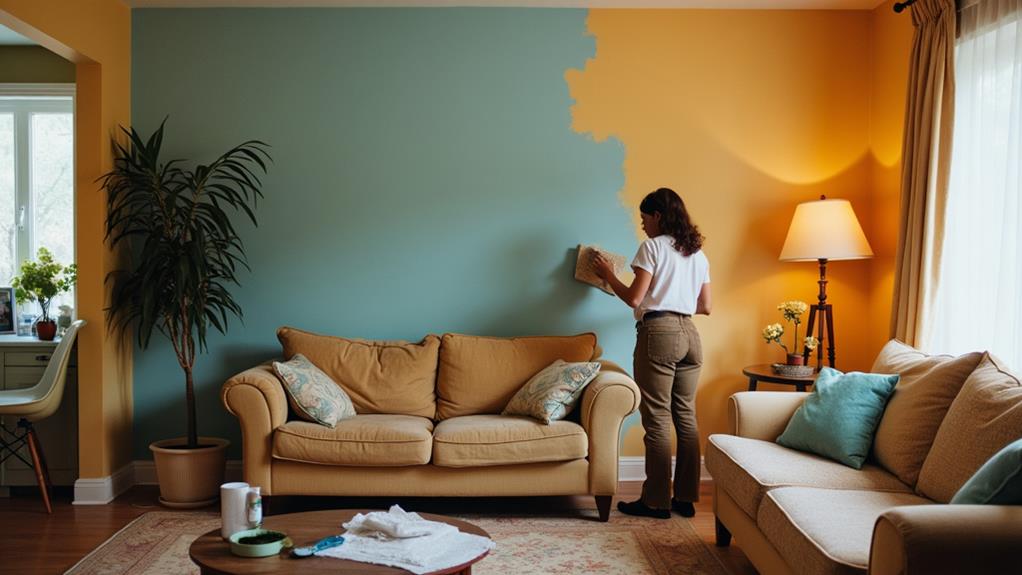
Fixing sponge-painted walls is simpler than it might appear. Begin by preparing the area: use painter's tape and tarp to cover floors and protect against splatter. If the sponge-painted texture is not to your liking, lightly sand the walls to create a smoother surface. Follow this with a thorough cleaning to remove any dust or residue, ensuring the primer adheres properly.
Here's a quick guide to get you started:
- Prepare the Area: Use painter's tape and tarp to cover floors and protect against splatter.
- Smooth the Surface: Lightly sand the walls if the sponge texture isn't desirable.
- Clean Thoroughly: Dust and residue-free walls facilitate better primer adhesion.
- Prime for Perfection: Apply a high-quality primer, possibly in two coats, for even coverage.
Once your walls are primed, choose a modern paint color that aligns with current trends. Earthy shades or neutral tones can significantly enhance your home's aesthetic appeal, an essential factor in the real estate market. By following these steps, you can transform dated sponge-painted walls into a stylish and contemporary look, impressing potential buyers or simply refreshing your living space.
Modern Painting Alternatives
After transforming your dated sponge-painted walls into a smooth canvas, consider modern painting alternatives to enhance your space. Faux finishes, stenciling, and accent walls offer creative options that add texture without the chaotic look of sponge painting. Techniques like ombre or gradient painting create a contemporary aesthetic that aligns with current design trends, adding sophistication to any room.
For depth and interest, textured wallpaper is an excellent choice. It avoids the mess and maintenance issues of sponge painting while delivering a polished finish. Minimalist designs featuring solid colors or subtle patterns have also gained popularity, emphasizing clean lines and simplicity over the maximalist approach of the 90s.
For an eco-friendly solution, consider using modern paint options that are better for the environment and your health. Advanced application methods, such as spray painting, allow for smoother finishes and easier touch-ups, offering a sleek and professional look. Embracing these modern alternatives provides a fresh, stylish update that's both practical and visually appealing.