The Evolution of Cosplay: From Fan Activity to Professional Career
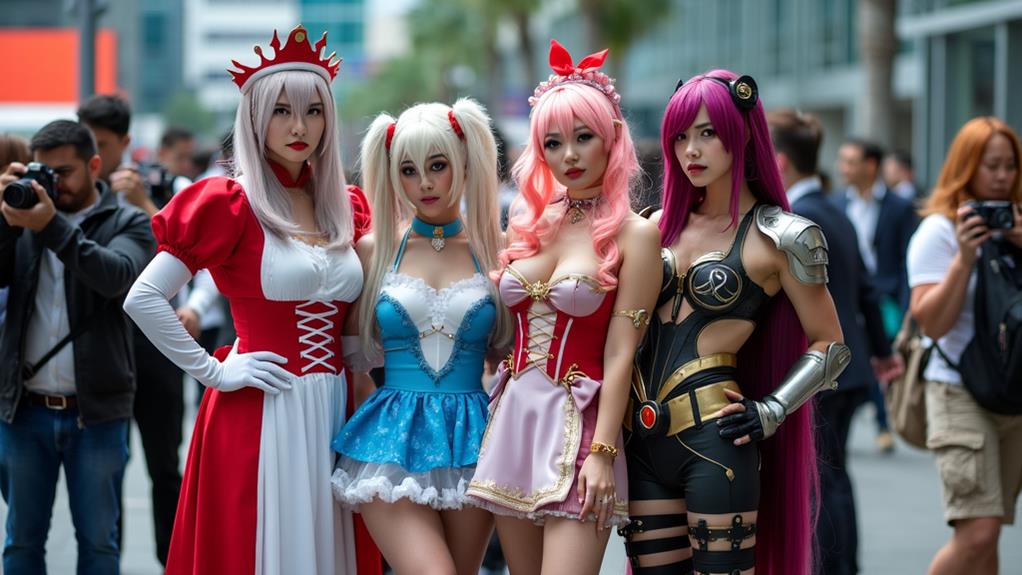
You've seen cosplay at conventions, but have you considered how it's evolved into a professional career? Once a niche hobby, cosplay has grown into a global phenomenon, propelled by social media and technological advancements. Enthusiasts now secure sponsorships and brand collaborations, transforming the landscape of this art form and its community. Are we witnessing the birth of a new industry, or is something deeper at play? Let's explore how cosplay's evolution has redefined what it means to be both a fan and a professional.
Origins of Cosplay
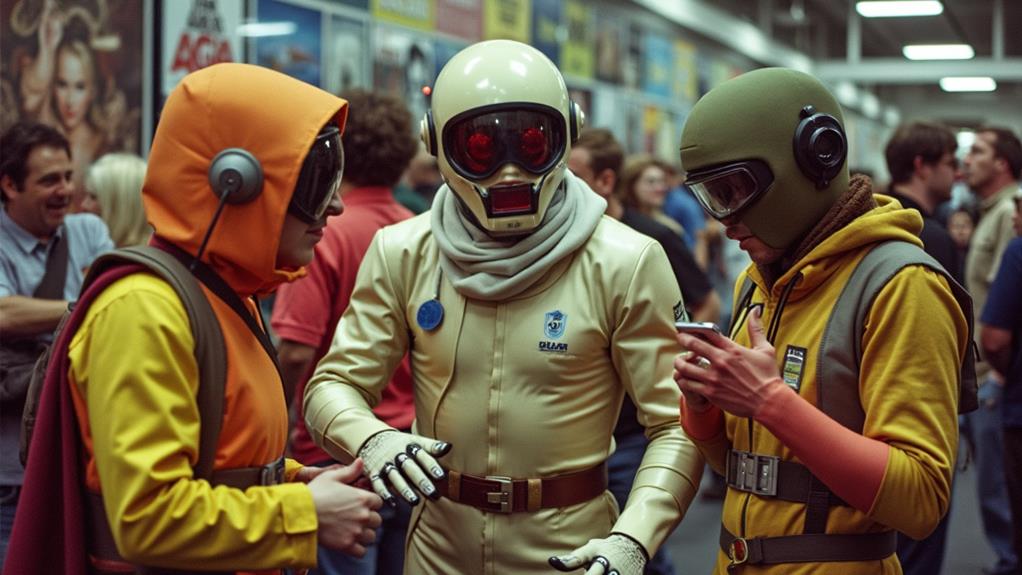
Cosplay, a portmanteau of "costume" and "play," has origins that date back to the early 20th century. The term "cosplay" itself was coined by Nobuyuki Takahashi in 1984 after attending the World Science Fiction Convention (Worldcon) in Los Angeles, where fan costuming was already a popular practice. The roots of cosplay can be traced further back to Myrtle Rebecca Douglas, who showcased her science fiction-inspired costume at the first Worldcon in 1939.
In Japan, cosplay began to gain traction in the 1970s. The launch of Comiket in 1975 marked a significant milestone, providing a platform for fans to display their character costumes. This interest in costuming was influenced by earlier traditions like masquerade balls and costume parties, which have been part of human culture since the 15th century.
The rise of professional cosplay in the 2000s indicated a shift from a mere hobby to viable career paths. Franchises began hiring cosplayers for promotional events, and themed establishments emerged, solidifying cosplay's place in popular culture. Thus, the origins of cosplay reflect a rich and evolving history of creative expression.
Early Cosplay in the U.S
The origins of cosplay in the U.S. can be traced back to the 1939 World Science Fiction Convention, where fans like Forrest J. Ackerman dressed as characters from popular literature and film. This event marked the beginning of cosplay, laying the foundation for a vibrant fan culture.
In 1972, the first official Star Trek convention significantly boosted the popularity of cosplay by introducing costume contests and masquerades. These events allowed fans to display their creativity and passion, further integrating cosplay into the fan experience.
The 1970s also saw the emergence of San Diego Comic-Con, which included formal costume judging and helped establish cosplay as a central element of fan culture. The growth of cosplay continued into the 1980s, driven by the rising popularity of anime and manga. The first anime convention in the U.S., AnimeCon, was held in New York City in 1981, marking a significant milestone for anime enthusiasts.
Conventions and Competitions
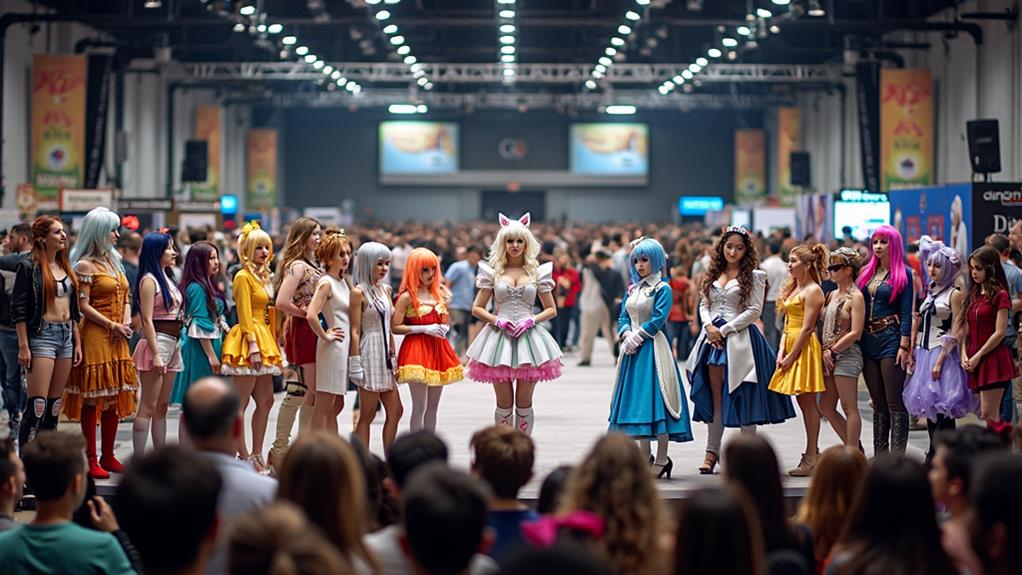
At conventions, the organized cosplay contest at the 1984 World Science Fiction Convention marked a pivotal moment in formalizing cosplay within fan culture. This milestone set the stage for future cosplay contests, highlighting the creativity and dedication of cosplayers.
Conventions like Anime Expo, which started in 1992, have seen a massive increase in attendance, from 1,750 to over 100,000 by 2019. This surge underscores the growing popularity of cosplay competitions. These events offer cosplayers a platform to showcase their talents in craftsmanship and presentation. Judging criteria often include accuracy, creativity, and general presentation, with awards that can greatly enhance a cosplayer's status within the community.
The World Cosplay Summit (WCS), established in 2003, has become a cornerstone for international cosplay. Teams from multiple countries compete, highlighting their skills in both performances and craftsmanship. Such competitions have varied over the years, ranging from informal gatherings to structured contests with categories for craftsmanship, performance, and skits.
Cosplay Goes Mainstream
During the 2000s, cosplay made a significant leap into mainstream culture, gaining attention through TV shows and films. This increased visibility transitioned cosplay from a niche fan activity to a prominent element of popular culture. Elaborate and creative costumes became more common, highlighting the growing craftsmanship within the community. Cosplayers began to appear in mainstream media, further validating and celebrating their work.
The fashion industry noticed this trend, leading to the creation of cosplay-inspired items that appealed to a broader audience. This crossover into everyday wear demonstrated cosplay's substantial influence. Social media platforms, such as Instagram and TikTok, played a pivotal role in this transformation. Cosplayers could share their creations with a global audience, gaining followers and connecting with like-minded individuals.
Major conventions started to emphasize cosplay as a central feature, often including dedicated competitions that attracted thousands of participants and spectators. The craftsmanship and creativity on display at these conventions solidified cosplay's place in popular culture. Consequently, what began as a fan activity has evolved into a respected and celebrated aspect of mainstream culture.
Future of Cosplay
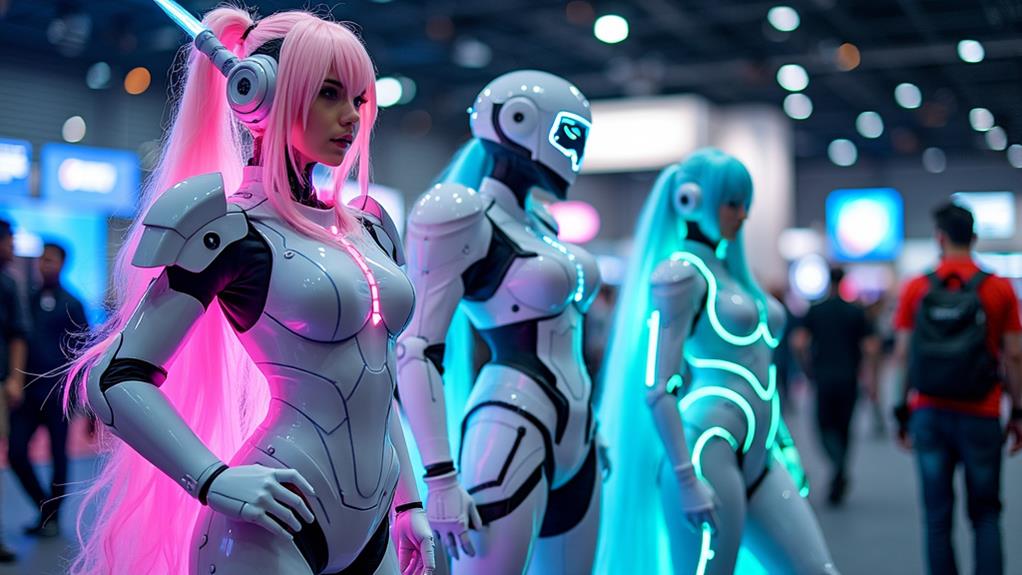
The future of cosplay promises exciting developments, driven by increasing global participation and technological advancements. With millions of enthusiasts worldwide, events and communities dedicated to cosplay are flourishing. Advances in technology, such as 3D printing and augmented reality, are revolutionizing costume design, enabling more intricate and interactive creations.
The recognition of cosplay as a legitimate art form is rising, offering more opportunities for enthusiasts to turn their passion into professional careers. This could involve modeling, content creation, or collaborating with brands. Creativity knows no bounds in this evolving landscape, and inclusivity is becoming a significant trend. Diverse representation across generations, genders, and backgrounds ensures that everyone can express themselves through cosplay.
Social media platforms play a vital role, enabling cosplayers to build communities, share techniques, and showcase their elaborate costumes to a global audience. As these platforms evolve, they will provide even more ways to connect with fellow enthusiasts and grow personal brands. The future of cosplay is bright, offering endless possibilities for creativity, representation, and professional growth.
Related posts