The Lava Lamp: A Psychedelic Icon of the 1960s
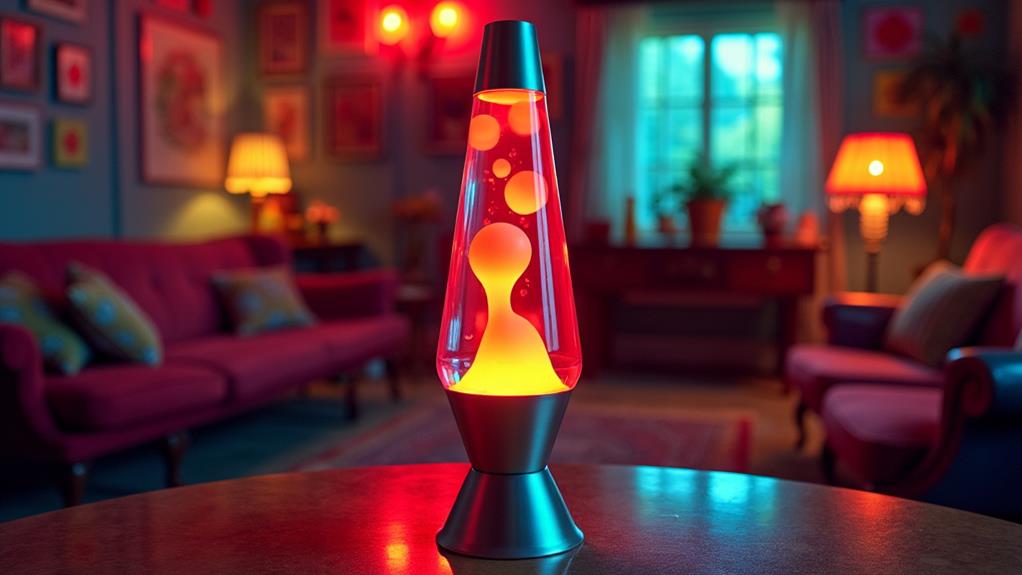
Imagine stepping into a room in the 1960s, and the first thing that catches your eye is the mesmerizing dance of wax blobs within a Lava Lamp. Created by Edward Craven Walker in 1963, this unique light fixture quickly became an icon of the era's counterculture and artistic rebellion. It's not just a lamp; it's a historical artifact that embodies the groundbreaking spirit of its time. But what is it about the Lava Lamp that captivated an entire generation, and why does its glow still resonate today?
Origins of the Lava Lamp
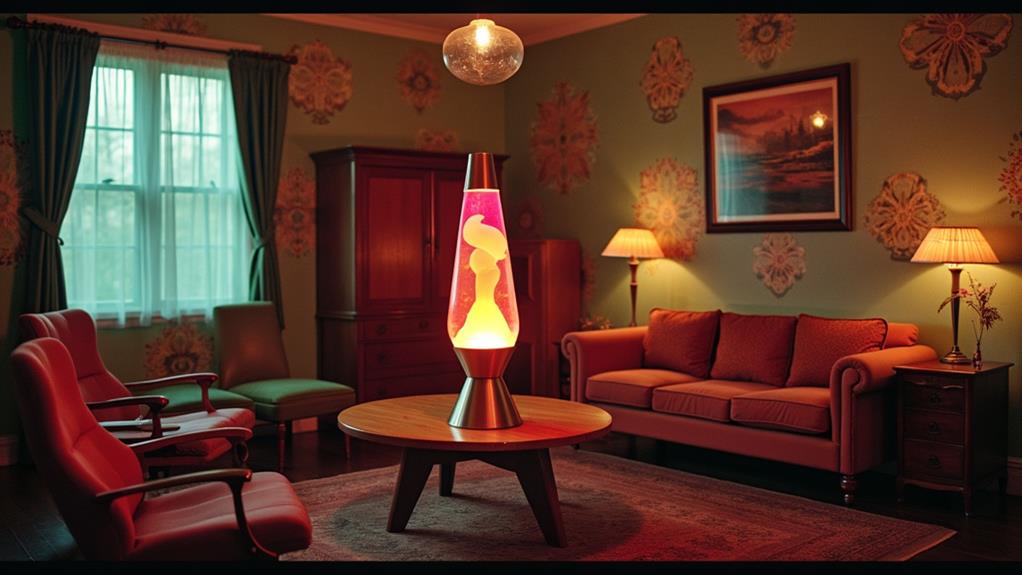
In 1963, inspired by an oil and water ornament he saw in a Hampshire pub, Edward Craven Walker invented the Lava Lamp. Fascinated by the interplay of liquids, Walker spent two years perfecting the wax-water formula that became the hallmark of the Lava Lamp. His dedication culminated in the creation of the Astro Lamp, which captured the futuristic essence of the Space Era.
To bring his vision to life, Walker founded Mathmos in September 1963. The company's name was inspired by a fictional lava-like substance in the film Barbarella, adding a touch of sci-fi allure.
Today, a Lava Lamp stands as a testament to Walker's relentless experimentation and ingenuity. The flowing, psychedelic patterns are a visual delight and a confirmation of Walker's pioneering spirit. The Lava Lamp has become an enduring icon, celebrated for its timeless ability to captivate and inspire.
Edward Craven Walker
While many recognize the Lava Lamp as a symbol of the 1960s counterculture, it was Edward Craven Walker who invented this iconic item. Inspired by a homemade egg timer he saw in a pub, Walker created the first commercial lava lamp, the Astro Lamp, in 1963. To further develop the lamp's unique wax-water formula, he founded the company Mathmos in September 1963.
Mathmos, named after a fictional substance in the film "Barbarella," embodied Walker's pioneering and creative spirit. Despite initial skepticism, Walker's determination led him to travel across the UK, promoting the lamp to doubtful audiences.
Walker's efforts paid off, and the lava lamp became immensely popular during the 1960s, symbolizing the psychedelic movement. His work with Mathmos ensured that the lava lamp remained more than a passing fad, becoming a lasting emblem of a time marked by creativity and rebellion.
Astro Lamp Debut
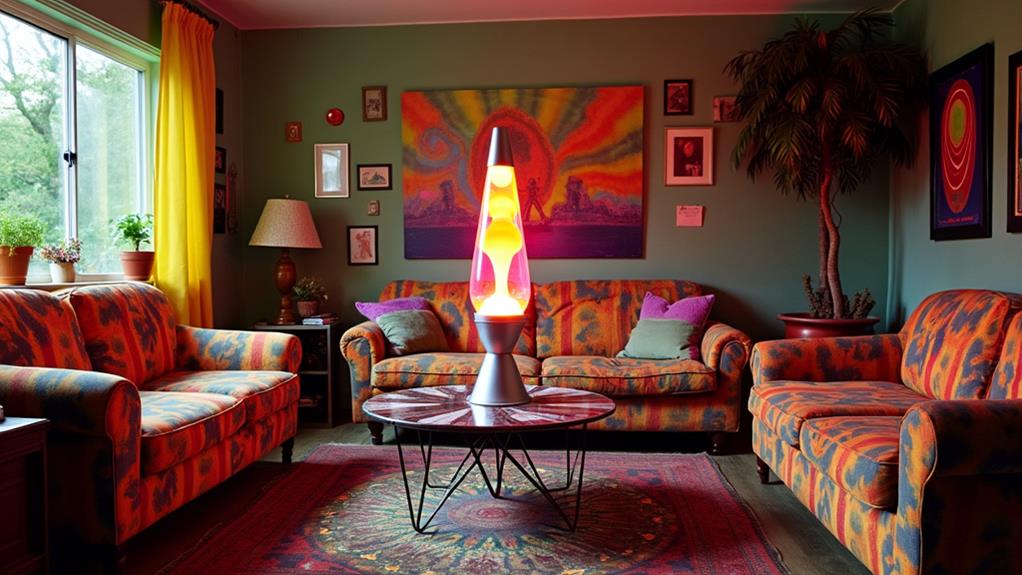
Edward Craven Walker's vision for the Astro Lamp, which debuted in 1963, was inspired by a quirky egg timer he saw in a pub. His innovative wax-water formula and Space Era design captivated the market, making an immediate impact. The lamp quickly became a symbol of the psychedelic 1960s, with millions sold soon after its release.
Edward Craven Walker's Vision
Edward Craven Walker's vision for the Astro Lamp, which debuted in 1963, was revolutionary. Inspired by a homemade egg timer he saw in a pub, Walker transformed this simple concept into a mesmerizing piece of art. The Astro Lamp featured a unique glass rocket shape filled with a specially formulated wax-water mixture. When heated, this mixture created hypnotic, flowing patterns emblematic of the psychedelic age.
Walker's dedication to craftsmanship was evident from the start. He began manufacturing the Astro Lamp in a small workshop in Poole, England, ensuring each lamp met his high standards for quality and innovation.
Key aspects of Walker's vision include:
- Design: The unique glass rocket shape set the Astro Lamp apart from ordinary lamps.
- Innovation: The mesmerizing movement of the wax-water mixture was unlike anything seen before.
- Craftsmanship: Each lamp was carefully made in a small workshop, highlighting Walker's commitment to excellence.
In 1964, Walker secured a patent for the Astro Lamp, paving the way for its international success. By 1965, American executives bought the rights and rebranded it as Lava Lite, solidifying its status as a psychedelic icon.
Initial Market Reaction
Despite Edward Craven Walker's groundbreaking vision and meticulous craftsmanship, the Astro Lamp's introduction in 1963 faced significant challenges. Both retailers and consumers were initially skeptical about the lamp's appeal and marketability. Early reactions were less than favorable, with some dismissing the product as "absolutely dreadful." This initial market response underscored the hurdles Walker encountered in promoting his innovative creation.
However, the lamp's fortunes began to change following its television debut in 1968 on the iconic series Doctor Who. This exposure significantly boosted its popularity. The distinctive design started to resonate with the youth culture of the mid-1960s, aligning perfectly with the burgeoning psychedelic movement. As the counterculture embraced the Astro Lamp, it evolved from a dismissed novelty into an iconic symbol of the era.
Design and Innovation
When the Astro Lamp debuted in 1963, it did more than just illuminate rooms; it ignited imaginations. Designed by Edward Craven Walker, this liquid-filled rocket-shaped lamp captivated consumers with its mesmerizing motion. As the first commercial lava lamp, it was crafted in a small workshop in Poole, England. The Astro Lamp's aesthetic drew inspiration from the Space Age, reflecting the 1960s' cultural fascination with space exploration.
Walker's innovative approach led to several significant milestones:
- Patent Secured: In 1964, a patent was secured for the Astro Lamp, protecting its distinctive design and functionality.
- Rebranding: In 1965, after American executives acquired the rights, the Astro Lamp was rebranded as Lava Lite in the U.S.
- Global Impact: The lamp's release marked the beginning of a global phenomenon, selling over 7 million units and becoming an icon of counterculture.
Edward Craven Walker's design and innovation established more than just a lamp; it created a legacy. The success of the Astro Lamp demonstrates how a simple yet unique idea can capture the spirit of an era and resonate across generations.
Counterculture Symbolism
The Lava Lamp's fluid motion and vibrant colors capture the essence of counterculture symbolism, serving as a striking emblem of rebellion against mainstream aesthetics and societal norms. During the 1960s, this iconic item was embraced by the counterculture movement, aligning seamlessly with the psychedelic art and music scene that defined the era. Initially a luxury decor item, it quickly morphed into a symbol of the peace-and-love generation, reflecting their quest for new artistic expressions and freedom.
You couldn't miss the Lava Lamp if you were attuned to the cultural zeitgeist of the 1960s. Its mesmerizing, ever-changing display paralleled the psychedelic experiences many sought through art and music. It wasn't just a lamp; it was a statement. The lamp's vibrant colors and fluid shapes echoed the time's creativity and free-spiritedness, making it a staple in the homes of those who championed unconventional thinking.
Prominently featured in popular media like "Doctor Who" and "The Prisoner," the Lava Lamp solidified its association with radical youth culture shifts. Even when it made a comeback in the 1990s, especially with "Austin Powers," it retained its nostalgic charm, standing as a timeless symbol of 1960s counterculture.
Cultural Impact
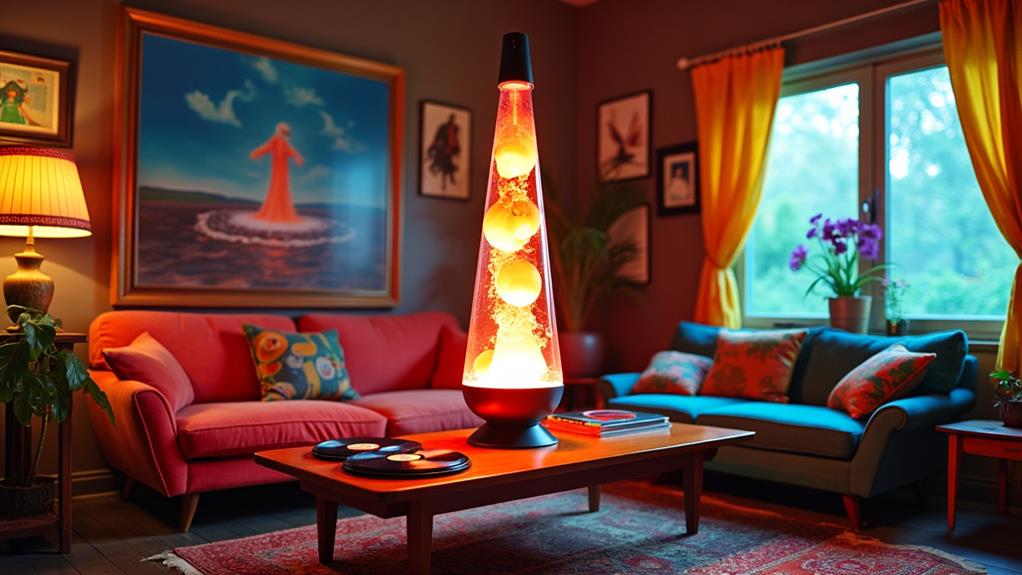
Initially perceived as a mere decorative item, the lava lamp soon transcended its original purpose to become a powerful cultural icon. As the 1960s counterculture embraced rebellion and a departure from mainstream society, the lava lamp emerged as a symbol of the psychedelic movement. Its calming motion and vibrant colors encapsulated the peace-and-love ethos of the time, creating a nostalgic connection that has endured through generations.
The lava lamp's visibility increased significantly thanks to key media appearances. Notably, it made its television debut on "Doctor Who" in 1968 and was featured in shows like "The Prisoner." These appearances enhanced its cultural significance and cemented its status as a hallmark of the groovy aesthetic.
Here are three reasons why the lava lamp became a cultural icon:
- Symbol of Rebellion: It represented a break from conventional decor, aligning with countercultural values.
- Media Presence: Its appearances in TV shows and films boosted its visibility.
- Psychedelic Connection: Its design visually represented the lively, free-spirited nature of the psychedelic movement.
The lava lamp's enduring appeal underscores its unique role in capturing the spirit of the 1960s.
Decline and Revival
Despite its strong start, the popularity of lava lamps significantly declined by the late 1970s. Shifting consumer tastes and a move away from the psychedelic aesthetic contributed to this downturn. While millions of units were produced annually in the late 1960s, production plummeted to around 1,000 units per year by the end of the decade. The decline was evident as this once-iconic piece of home decor fell out of favor.
However, the 1990s witnessed a remarkable resurgence in the lava lamp's popularity, largely driven by a wave of nostalgia. Films like "Austin Powers" played a significant role in rekindling interest, leading Mathmos to sell 800,000 units in 1998 alone. The nostalgia factor was undeniable as people longed for the quirky charm of retro culture.
Original models like the Astro Lamp continued to be produced in England, using Edward Craven Walker's original wax-water formula. This authenticity contributed to the revival, attracting both new fans and collectors. The lava lamp's unique aesthetic and calming visual effects helped reestablish its status as a popular decorative item. Its enduring charm ensured its relevance, securing a thriving market for vintage models.
Modern Production
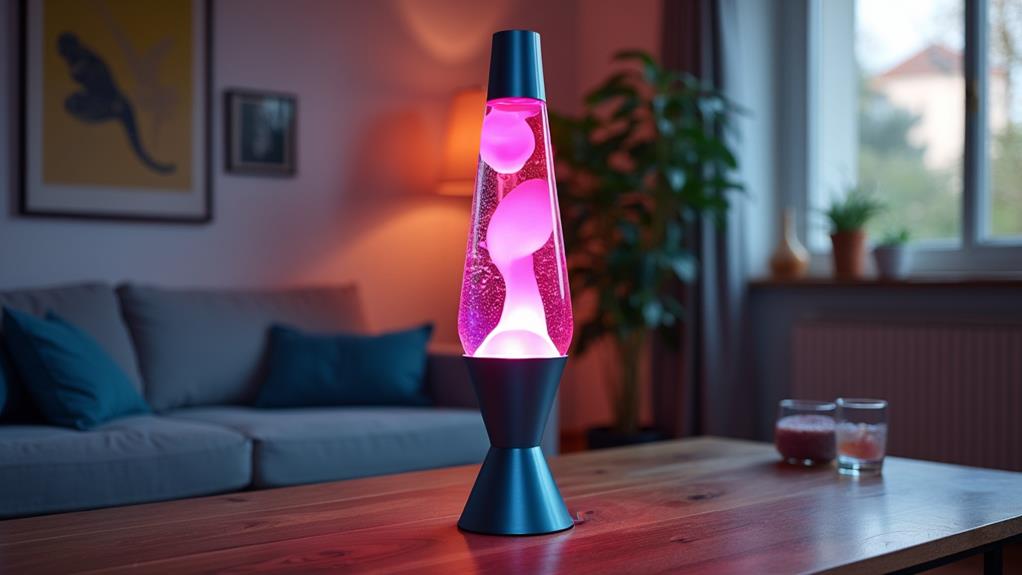
Lava lamps have evolved significantly since their mid-century inception, continuing to captivate audiences worldwide. Mathmos, the original manufacturer of the Astro Lamp, still produces these iconic lamps in England, adhering to Edward Craven Walker's original wax-water formula. Despite the expiration of the patent, Mathmos remains dedicated to quality and craftsmanship, hand-filling each lamp to ensure high standards, with prices starting at £50.
In their modern production process, Mathmos effectively combines traditional techniques with contemporary innovations. For instance, they employ robots in the metal spinning process to enhance efficiency without compromising quality. This approach allows them to meet current market demands while preserving the craftsmanship that made lava lamps renowned.
Key aspects of their production approach include:
- Traditional Methods: Hand-filling each lamp to maintain quality.
- Modern Innovations: Using robots for precise metal spinning.
- Commitment to Craftsmanship: Ensuring each lamp meets high standards.
In 2000, Mathmos sold an impressive 800,000 units, demonstrating the enduring popularity of these lamps. Looking ahead, their plans include launching a virtual museum to celebrate the rich history and legacy of lava lamps.
Unique Features
You'll be captivated by the mesmerizing wax movement in a lava lamp, as it dances and floats in a hypnotic display. Each lamp is meticulously crafted, with hand-filled bottles guaranteeing that no two are identical. This blend of dynamic movement and artisanal craftsmanship makes every lava lamp a unique piece of art.
Mesmerizing Wax Movement
The captivating wax movement of a lava lamp is a unique feature that enthralls viewers. Observing the blobs rise and fall induces a sense of tranquility and wonder. This hypnotic motion is created through the interaction of two immiscible liquids: a water-based solution and a wax-based substance. Here's how it works:
- Heating: The light source at the bottom heats the wax, causing it to expand and become less dense.
- Rising: The less dense wax rises to the top of the lamp.
- Cooling: At the top, the wax cools, becomes denser, and sinks back down.
This continuous cycle mimics life's rhythm, making the movement both mesmerizing and meditative. The secret to maintaining the perfect density balance in the wax is the addition of certain chemicals, ensuring that the blobs move in their signature flowing manner.
Despite originating in the 1960s, the design of the lava lamp remains largely unchanged, and for good reason. Its timeless appeal lies in the calming and psychedelic motion of the wax, drawing viewers into a state of relaxed contemplation.
Hand-Filled Bottles
While the mesmerizing motion of the wax captivates you, another aspect sets these iconic lamps apart: the hand-filled bottles. Each lava lamp bottle is meticulously filled with the unique wax-water formula developed by Edward Craven Walker. This careful process ensures both quality and consistency, highlighting the craftsmanship behind each lamp.
By hand-filling the bottles, artisans maintain precise control over the wax and water proportions, directly affecting the lamp's performance and visual appeal. Despite the rise of automation, Mathmos, the original manufacturer, preserves this traditional method. This commitment to craftsmanship retains the lamp's charm and authenticity, making each one a unique creation.
This labor-intensive approach also allows for the production of limited-edition models. These exclusive designs are highly sought after by collectors and enthusiasts, elevating the lava lamp to collectible status. The hand-filling method contrasts sharply with mass-produced alternatives, further enhancing its allure. By prioritizing craftsmanship over mass production, these hand-filled bottles ensure that your lava lamp is not just a light source, but a unique, collectible piece of art.
Legacy and Influence
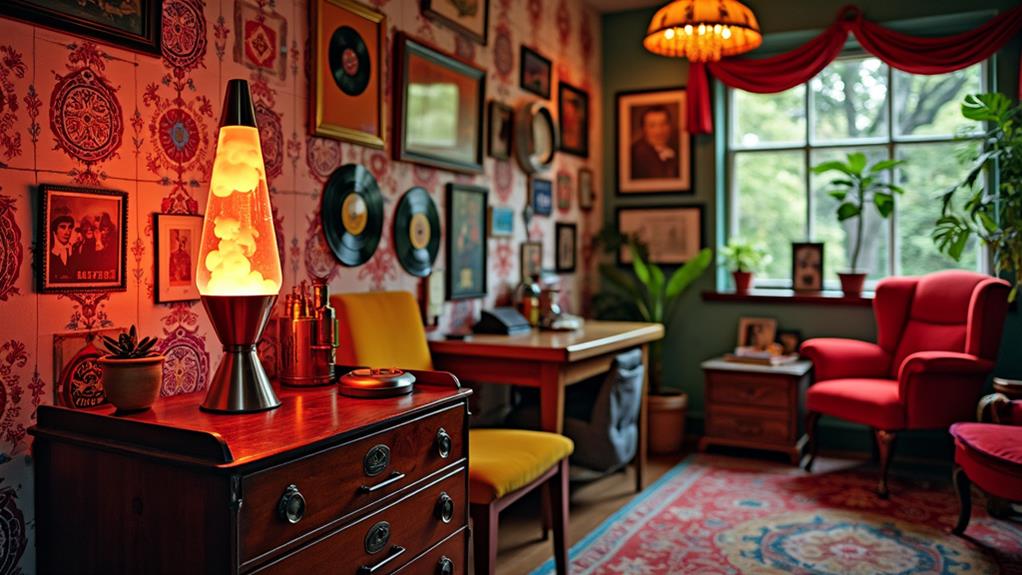
Since its inception in 1963, the lava lamp has left an indelible mark on popular culture, symbolizing the freewheeling spirit of the 1960s counterculture and psychedelic movements. Invented by Edward Craven Walker, this iconic fixture quickly became more than just a lamp; it was a piece of art, a social statement, and a symbol of the period's groovy aesthetic. The lava lamp's mesmerizing motion and unique design made it a staple in dorm rooms and social gatherings, embodying a sense of nostalgia that persists to this day.
The legacy of the lava lamp extends far beyond its initial popularity. Its frequent appearances in popular media, such as the TV series "Doctor Who" and "The Prisoner," cemented its status in pop culture. Even after a decline in the late 1970s, the lava lamp experienced a resurgence in the 1990s, driven by a wave of nostalgia and retro trends. In 1998 alone, over 800,000 units were sold.
To summarize the impact:
- Cultural Symbol: Represents 1960s counterculture and psychedelic movements.
- Media Presence: Featured in iconic TV shows.
- Resurgence: Welcomed by 1990s retro trends.
Celebrating its 50th anniversary in 2013, the lava lamp remains a lasting icon, influencing modern design and evoking nostalgia across generations.