The Return of Wallpaper Borders in the 1980s and 1990s
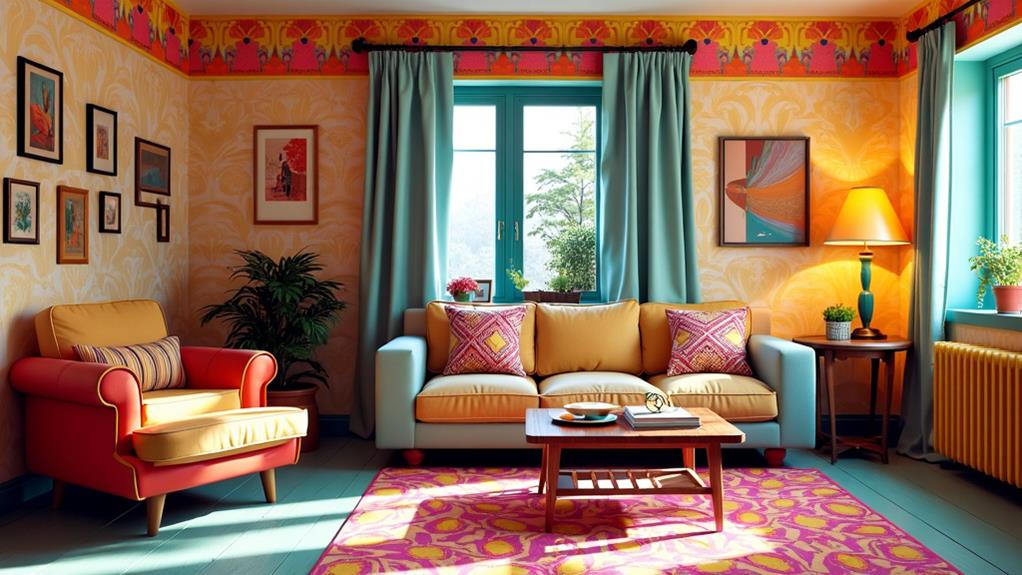
The 1980s and 1990s saw the distinctive resurgence of wallpaper borders, decorative strips that had once fallen out of favor. These vibrant borders transformed homes with bold patterns and lively colors, cleverly masking imperfections and adding a personal touch to living spaces. What drove this revival, and why did it eventually fade away in favor of minimalism? This revival was driven by cultural and design trends that favored personalization and elaborate decor. However, the subsequent shift towards minimalist aesthetics and cleaner lines eventually led to their decline.
Historical Context
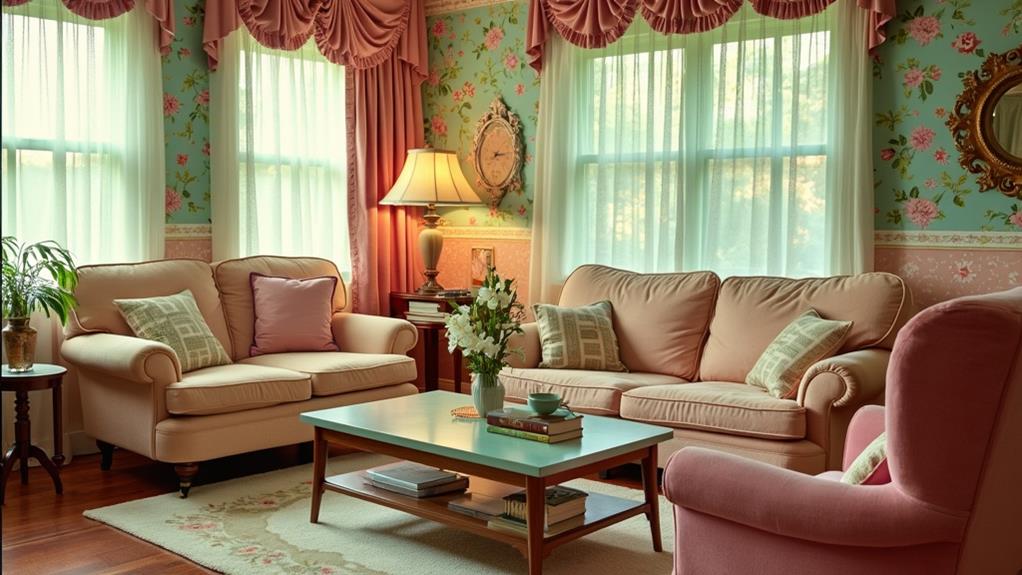
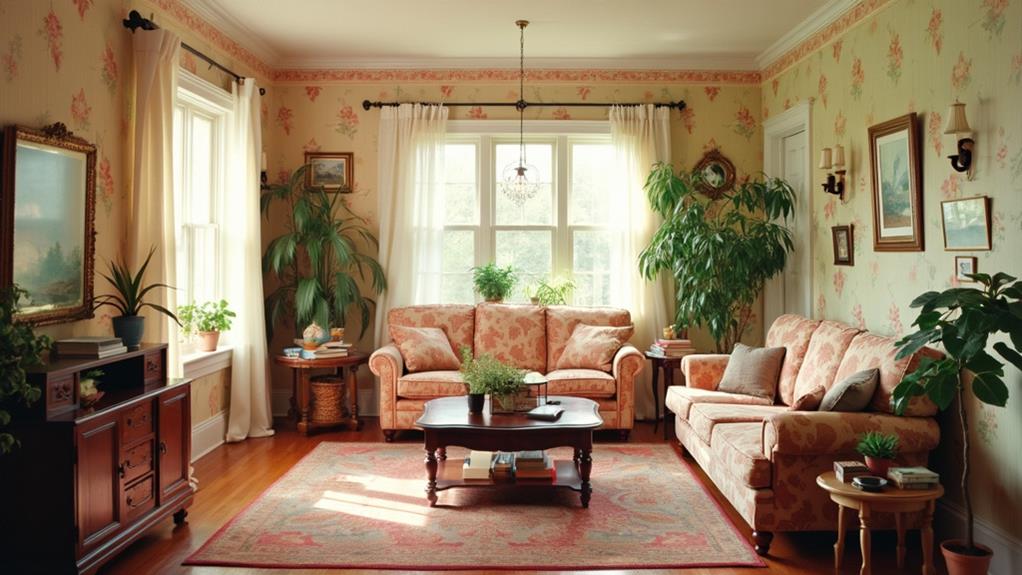
In the 1980s and 1990s, wallpaper borders gained popularity as a distinctive design element, adding character and defining spaces in homes. This decorative trend allowed homeowners to conceal imperfections in wallpaper applications and create visual interest without covering entire walls. Bold patterns and lively colors were the hallmarks of these borders, reflecting the eclectic and spirited aesthetic of the period, with floral designs being particularly favored for their touch of nature and elegance.
During these decades, wallpaper borders marked a shift from more traditional wall décor. Instead of opting for plain walls or fully wallpapered rooms, homeowners could personalize their spaces with these stylish accents. This eclectic approach made interior design more accessible and customizable, encouraging experimentation with different looks and themes.
However, as styles evolved, the popularity of wallpaper borders began to decline in the late 1990s. The trend waned as modern décor shifted towards minimalism and cleaner lines. Despite their decline, wallpaper borders left a lasting impact on the personalization and enhancement of living spaces.
Popular Designs
When you think of popular designs from the 1980s and 1990s, floral patterns and geometric shapes come to mind immediately. Floral motifs experienced a revival, bringing a touch of nature indoors with vibrant, intricate designs. Meanwhile, bold geometric shapes added a modern, dynamic flair to interiors, making spaces feel both stylish and contemporary.
Floral Patterns Revival
Floral patterns experienced a significant revival in the 1980s and 1990s, turning wallpaper borders into vivid style statements. These floral designs, often featuring bright colors and intricate details, became synonymous with wallpaper borders, adding instant character to interiors. Whether depicting roses, daisies, or tropical flowers, these motifs often echoed traditional fabric patterns, infusing spaces with a nostalgic charm.
Particularly popular in kitchens and dining rooms, floral wallpaper borders enhanced these areas by complementing other decorative elements. Many of these designs were printed on vinyl, which made them both durable and easy to clean, appealing to homeowners who valued both aesthetics and practicality.
This resurgence of floral patterns in wallpaper borders was part of a broader trend toward retro styles, attracting maximalist designers and those seeking a nostalgic touch in their homes. These designs enabled the integration of 1980s and 1990s decor with modern sensibilities, offering a blend of past and present.
Geometric Shapes Popularity
Geometric shapes gained significant popularity in the 1980s and 1990s, turning wallpaper borders into dynamic design features. Bold patterns and vibrant colors adorned walls, creating striking visual interest in homes. Common designs included stripes, chevrons, and abstract shapes, reflecting the period's eclectic decor styles. These geometric shapes made it easy to frame doorways and accent walls, adding a unique touch to your space.
A key appeal of these wallpaper borders was their diverse color palettes. Bright primary colors brought energetic vibes, while pastel hues offered a softer, playful aesthetic. This versatility allowed for choices that matched personal taste and home decor.
The repeating patterns of geometric shapes added a sense of rhythm and movement to interiors. This design approach aligned with modernist and postmodernist principles, emphasizing form and function. By incorporating geometric wallpaper borders, you could create a visually engaging environment that felt both contemporary and timeless. Whether you preferred bold patterns or subtle designs, these borders provided an easy way to enhance your home's style.
Installation Techniques
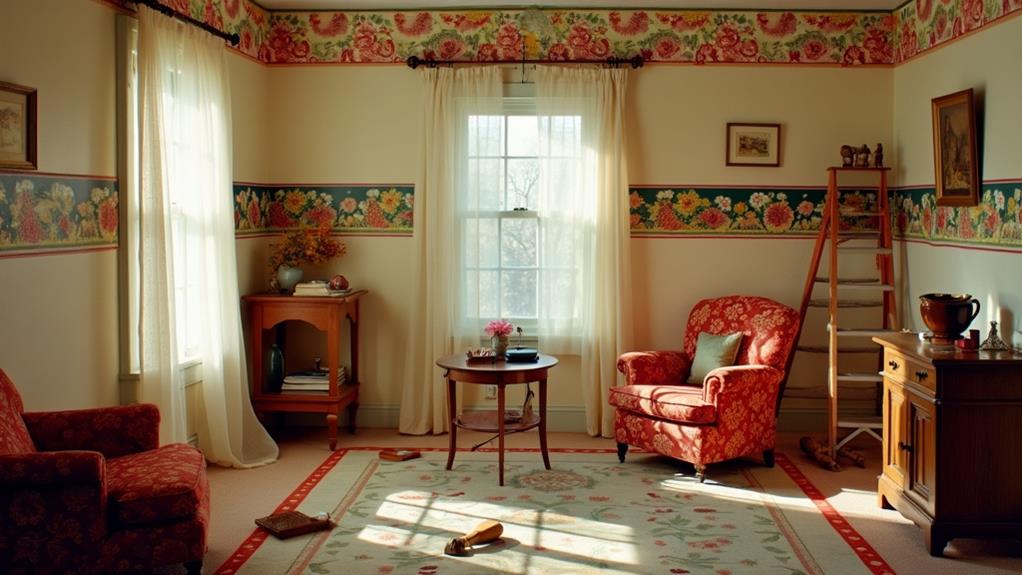
Installing wallpaper borders in the 1980s and 1990s required precision and attention to detail to achieve a polished look. Start with a clean surface to guarantee proper adhesion and longevity. Use a level or measuring tape to mark a straight line where the border will be applied, typically at the top of the wall or just below the ceiling. Apply wallpaper paste or adhesive evenly on the back of the border, making sure to cover all edges to prevent peeling.
Carefully align the border with the marked line, pressing it firmly against the wall. Smooth out any air bubbles using a plastic smoother or your fingers to ensure the surface is flat and even. When you reach corners, cut the border at a 45-degree angle. This technique ensures that the edges meet seamlessly, providing a cohesive look and professional finish. Proper alignment and smoothing not only improve the visual appeal but also contribute to the durability of the wallpaper borders.
Cultural Impact
The cultural impact of wallpaper borders during the 1980s and 1990s was substantial, as they became a popular method for homeowners to express their personal style and creativity. These decorative elements allowed for easy room transformation, resonating with the maximalism trend of the era. Bold patterns and vibrant colors were highly favored, making wallpaper borders instrumental in crafting visually captivating spaces.
Beyond aesthetics, wallpaper borders had practical benefits. They could conceal imperfections in wallpaper application, blending function with style seamlessly. Their cultural significance was also intertwined with the DIY home improvement movement, enabling homeowners to personalize their living spaces without professional assistance.
As wallpaper borders became common household items, they contributed to a nostalgic decor style that many find appealing today. Modern maximalist enthusiasts and fans of retro-inspired designs view these borders as charming nods to the past.
| Decade | Trend | Cultural Impact |
|---|---|---|
| 1980s | Maximalism | Bold patterns, personal style |
| 1990s | DIY Home Improvement | Accessible, creative decor |
| Both | Nostalgic Decor | Revival among enthusiasts |
Modern Applications
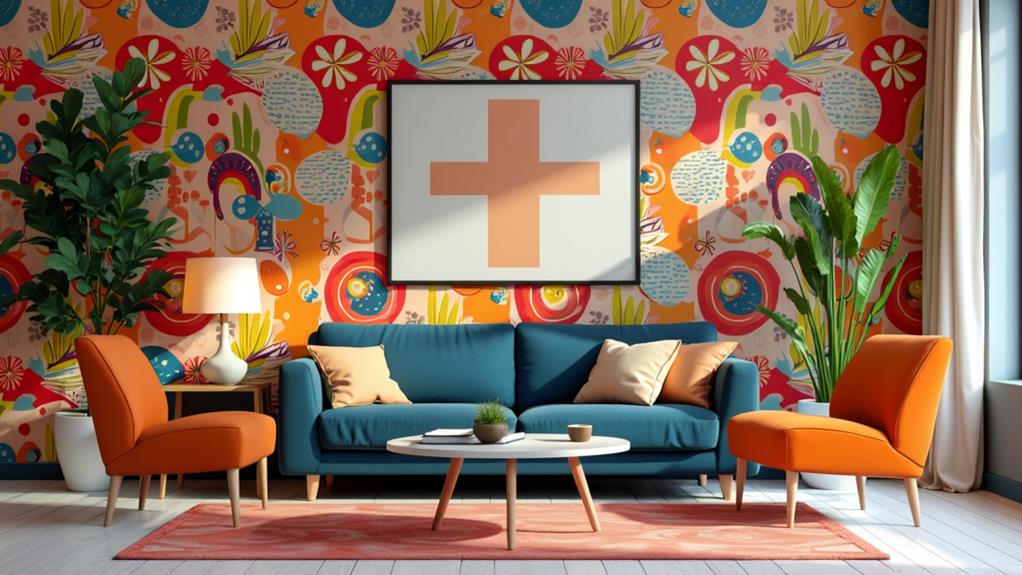
Wallpaper borders are making a stylish comeback in contemporary interior design. They are versatile, enhancing doorways, windows, and staircases, or even serving as a substitute for crown molding. Additionally, they are an easy DIY project, allowing you to add a personal touch to any room.
Contemporary Interior Design Trends
Contemporary interior design trends, while often emphasizing sleek lines and minimalism, are seeing a resurgence in wallpaper borders to add character and delineate spaces. These borders, far from being outdated, are making a stylish comeback in modern applications.
- Accentuate Architectural Features: Highlight doorways, windows, or crown molding with wallpaper borders to add sophistication and depth to your decor.
- Peel and Stick Convenience: Peel and stick borders offer easy application and removal, ideal for renters or those who frequently update their interiors.
- Ceiling Borders: Applying wallpaper borders to ceilings can create visual interest and unexpected pops of color, transforming a plain ceiling into an enchanting focal point.
- Frame Focal Points: Use borders to outline fireplaces, artwork, or other focal points, providing a stylish frame that enhances the overall aesthetic.
These trends reflect a shift toward maximalist decor, where wallpaper borders are valued for their layering capability and personality. They serve as both functional and creative tools to make your interior design stand out.
Versatile Decorative Uses
Wallpaper borders are experiencing a contemporary resurgence, offering versatile decorative uses that can transform interior spaces effortlessly. A vintage wallpaper border, for instance, adds a decorative edge that enhances the room's overall aesthetic. These borders are practical as well, concealing imperfections in wallpaper applications and ensuring a seamless transition between different wall coverings.
Wallpaper borders can accentuate architectural features such as doorways and windows, adding visual interest and depth. For an unexpected design element, consider applying them to ceilings for pops of color. Additionally, outlining focal points like fireplaces or artwork with a wallpaper border draws attention to these areas, adding character and making your decor feel more curated and intentional.
Not only functional, wallpaper borders are also a stylish way to introduce unique design elements into your home. Whether aiming for seamless transitions between wall coverings or highlighting architectural features, the versatile decorative uses of wallpaper borders make them an indispensable tool for modern interior design.
Easy DIY Projects
Wallpaper borders are an easy and impactful DIY project to refresh your living space. They can accentuate various elements in your home, adding layers of visual interest and depth. Here are some creative ways to use them:
- Windows and Doors: Frame these areas with wallpaper borders to add elegance and visual appeal.
- Ceilings: Apply borders to your ceilings for unexpected color pops, turning flat surfaces into dynamic decor elements.
- Focal Points: Outline fireplaces or artwork with borders to draw attention and enhance your space's overall aesthetic.
- Substitute for Molding: Use wallpaper borders instead of traditional crown molding or wall trim for a fresh, stylish, and easy-to-apply alternative.
Expert Opinions
Experts have varied opinions on the relevance of wallpaper borders in contemporary design. While wallpaper borders were a significant trend in the 1980s and early 1990s, opinions differ on their place in modern decor. Laura Aguilar, a prominent designer, advocates for their revival, linking them to the broader resurgence of wallpaper in today's interiors. She believes they can add a unique touch, especially for maximalists seeking distinctive design elements.
Conversely, designers like Erika Twohig argue that wallpaper borders are outdated and should be excluded from contemporary design discussions. They prefer clean, borderless walls that align with the minimalist trends dominating today's interiors.
Despite these contrasting views, there is a general consensus among design experts that wallpaper borders, while unlikely to dominate future design trends, can have niche appeal. Peel-and-stick options are particularly recommended for their easy application and removal, making them renter-friendly and less permanent. This flexibility allows experimentation with borders without committing to a long-term change, accommodating the evolving tastes of contemporary design enthusiasts.