The Role of Flamingos in Zoos and Conservation Efforts
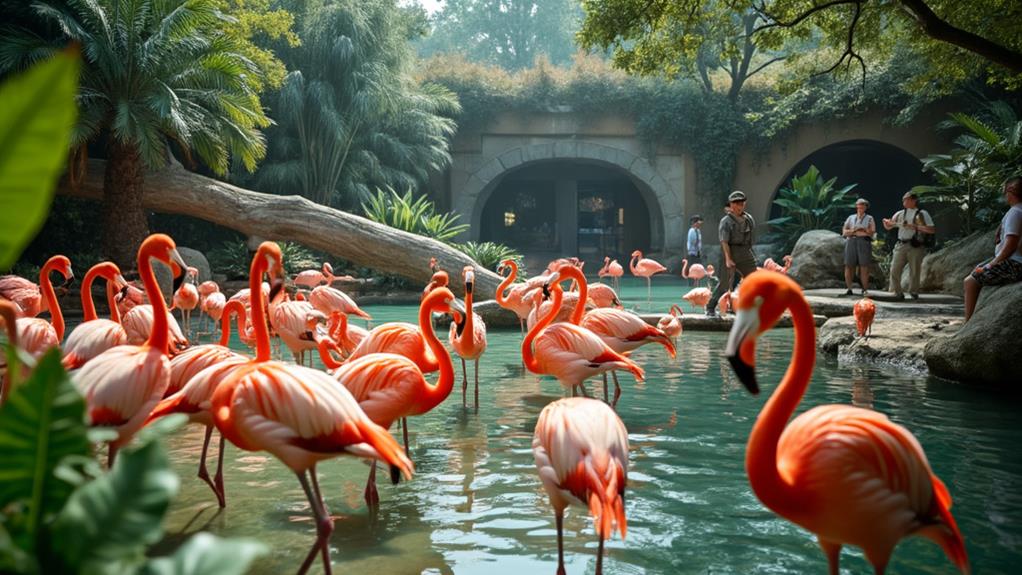
When you visit zoos, you're seeing flamingos not just for their beauty but for their vital role in conservation. Zoos use them to highlight wetland preservation and educate the public about these delicate ecosystems. They participate in breeding programs to guarantee species diversity and maintain genetic health. By protecting their habitats and collaborating with wildlife organizations, zoos help combat threats like pollution and climate change. Through interactive displays and research initiatives, you learn about flamingo behavior and ecological significance. Keep uncovering how these efforts make a lasting impact on flamingo conservation and beyond.
Importance of Flamingos in Zoos
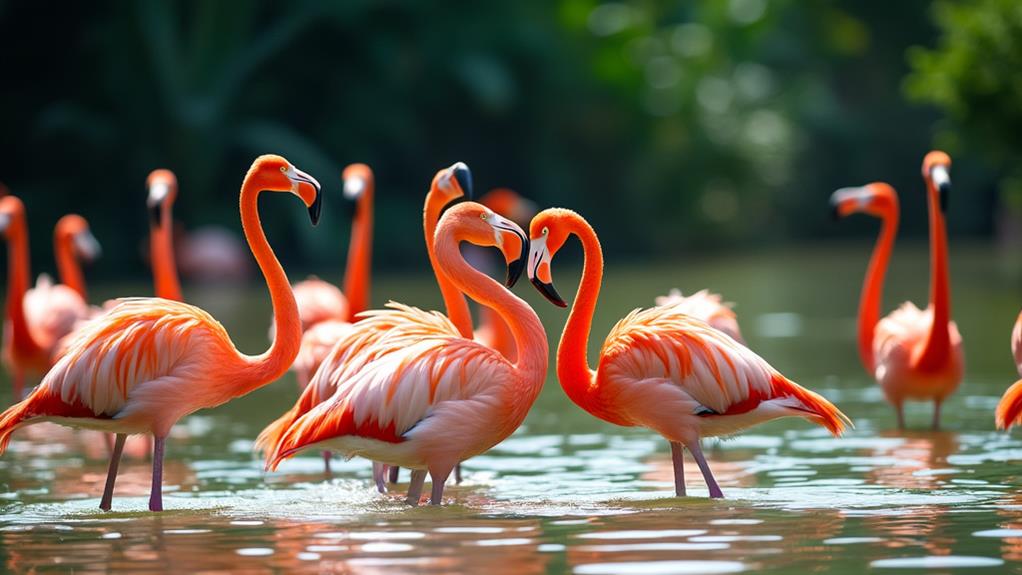
Flamingos in zoos frequently play a crucial role in conservation and education efforts. When you visit a zoo, you might notice flamingos standing gracefully on one leg, their lively pink feathers catching your eye. These fascinating birds aren't just beautiful to look at; they also hold significant cultural symbolism. Across diverse cultures, flamingos represent beauty, grace, and balance. In ancient Egypt, they were considered sacred and associated with the god Ra.
By observing flamingos in a zoo, you gain insight into their natural behaviors and habitats, which fosters a deeper appreciation for their role in the ecosystem. Zoos use flamingos to educate the public about the importance of wetland conservation, highlighting the delicate balance required to maintain these environments.
Additionally, flamingos serve as ambassadors for other lesser-known species that share their habitats. When you learn about the flamingo's cultural significance and the threats they face in the wild, it can inspire you to support conservation efforts. Zoos often provide interactive experiences and informative displays, making it easier for you to understand and engage with these majestic birds and the broader conservation message they embody.
Breeding Programs
Regarding breeding programs, zoos play an essential role in guaranteeing the survival and genetic diversity of flamingo populations. By maintaining well-structured breeding programs, zoos help manage and monitor flamingo behavior, making sure that these birds thrive in captivity. You'll find that zoos carefully create environments that mimic the natural habitat requirements of flamingos, including the right mix of water bodies, nesting areas, and appropriate social structures.
When engaging in breeding programs, zoos don't just throw birds together and hope for the best. They study the specific behavior patterns of flamingos to encourage successful mating. This includes understanding their social dynamics, mating rituals, and even the time of year they are most likely to breed. Zoos often collaborate internationally, sharing knowledge and even exchanging birds to maintain genetic diversity.
Moreover, zoos monitor the health and well-being of each flamingo, providing medical care and nutritional support tailored to their specific needs. By doing so, they guarantee that the birds are in prime condition for breeding. This all-encompassing approach not only increases the flamingo population but also improves the genetic pool, making it more resilient to diseases and environmental changes.
Habitat Preservation
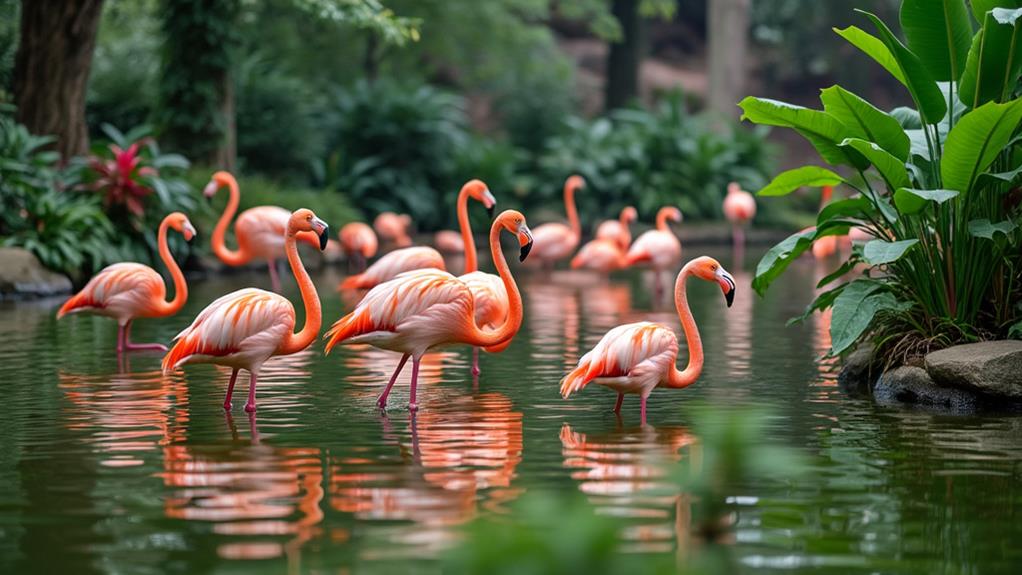
In relation to habitat preservation, zoos play a significant role beyond their walls. When you visit a zoo, you're not just seeing animals; you're supporting important conservation projects. Zoos are actively involved in wetland restoration, which is fundamental for maintaining the ecosystem balance that flamingos and other species rely on.
By funding and participating in wetland restoration projects, zoos help create and maintain the natural habitats these birds need to thrive. These efforts guarantee that flamingos have safe breeding grounds and ample food sources. Zoos often collaborate with local and international conservation organizations to tackle habitat destruction and degradation, making a considerable impact on preserving these significant ecosystems.
Moreover, zoos contribute to scientific research that informs better habitat management practices. They gather data on flamingo behaviors, dietary needs, and breeding habits that are crucial for effective wetland restoration. When you support your local zoo, you're also supporting these broader efforts to maintain ecosystem balance and protect natural habitats.
Education and Awareness
A significant aspect of zoos' missions is education and awareness, which play a critical role in conservation efforts. When you visit a zoo, you're not just seeing animals; you're learning about their habitats, behaviors, and the challenges they face in the wild. Flamingos, with their striking appearance and unique behaviors, become powerful tools for education. Through exhibits and interactive programs, zoos highlight flamingo symbolism and their cultural significance across diverse societies.
Here are three ways zoos educate visitors using flamingos:
- Interactive Displays: Touchscreens and information boards provide fun facts about flamingos' diet, mating rituals, and migratory patterns.
- Guided Tours and Talks: Zookeepers share stories about flamingos, emphasizing their role in ecosystems and the importance of protecting their habitats.
- Cultural Exhibits: Special sections investigate flamingos' roles in art, mythology, and traditions around the world, showcasing their cultural significance.
Research Contributions

While educating visitors plays a key role, zoos also make substantial research contributions to conservation efforts. By studying flamingo behavior, researchers can gain valuable insights into their social structures, mating rituals, and parenting techniques. Understanding these behaviors helps in creating effective breeding programs and guarantees the survival of these lively birds in captivity and the wild.
Zoos also investigate the ecological impact of flamingos in their natural habitats. Through this research, you can learn how flamingos influence the ecosystems they inhabit, such as their role in nutrient cycling and their interactions with other species. This knowledge is essential for developing conservation strategies that protect both flamingos and their environments.
Additionally, zoos collaborate with universities and conservation organizations to publish findings that advance the field of ornithology. These collaborations often lead to breakthroughs that benefit not just flamingos, but a wide range of species. By supporting and conducting research, zoos play an indispensable role in the broader effort to preserve biodiversity.
Species Diversity
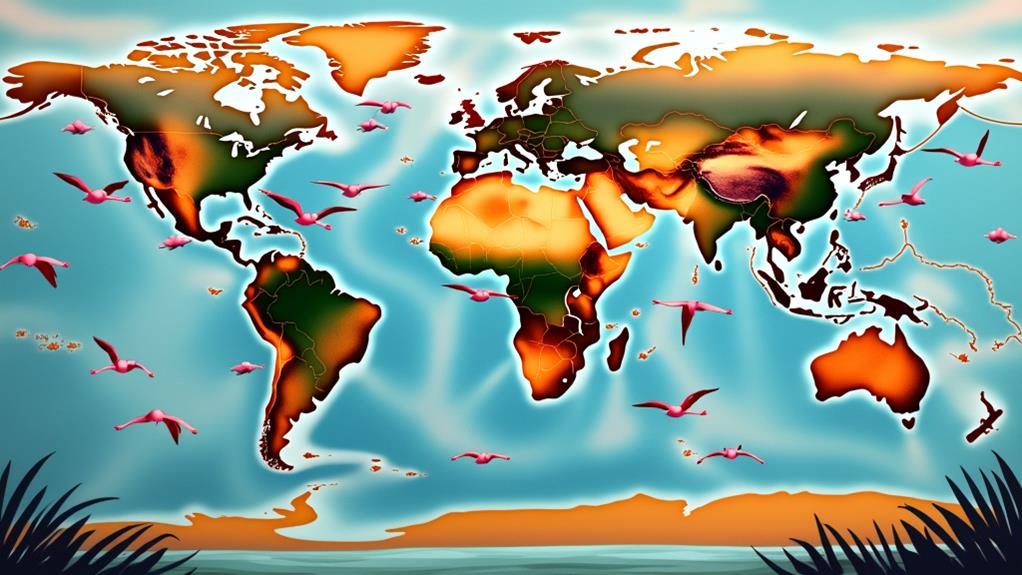
Flamingos boast a remarkable species diversity, with six distinct species gracing our planet. Each species has unique characteristics and thrives in different environments, making flamingo habitats incredibly varied. As you investigate these beautiful birds, you'll notice their adaptability to diverse regions, from the high-altitude lakes in the Andes to the alkaline lakes of Africa.
Understanding the diversity among flamingo species is vital for their conservation. Here's a quick rundown of their variety:
- Greater Flamingo: Found in parts of Africa, Southern Europe, and South Asia, these are the largest and most widespread.
- Lesser Flamingo: Mainly in Sub-Saharan Africa and India, they are smaller but boast the most lively pink feathers.
- Andean Flamingo: Residing in the high Andean plateaus of South America, these are the rarest and only flamingos with yellow legs.
Each species has specific dietary requirements that influence their habitats. For instance, the Lesser Flamingo primarily feeds on cyanobacteria, thriving in highly alkaline lakes. Meanwhile, the Greater Flamingo's diet includes a mix of small invertebrates and algae, allowing them to inhabit a broader range of wetlands. Recognizing these dietary needs is important for maintaining healthy flamingo populations in both zoos and the wild.
Collaboration With Wildlife Organizations
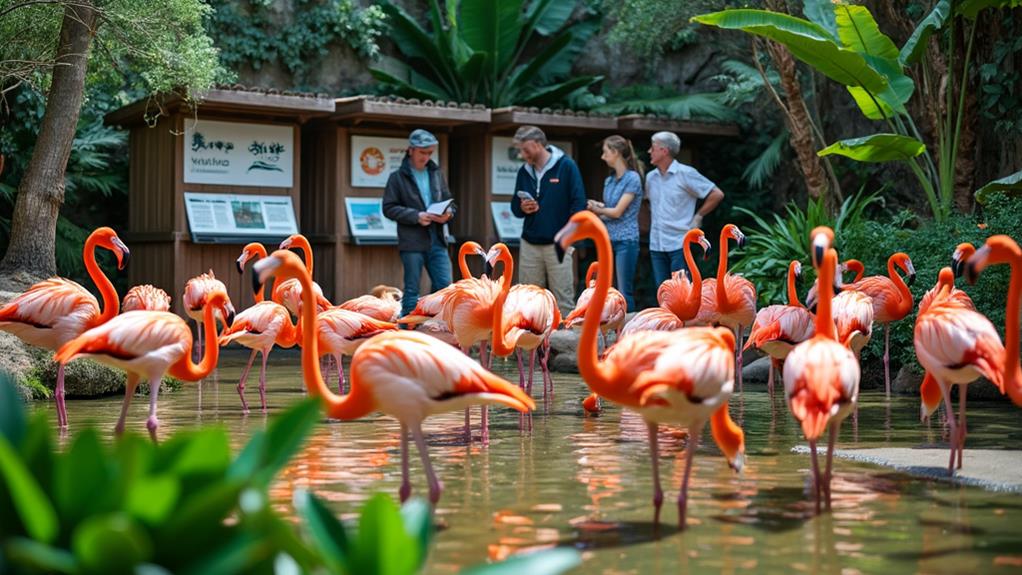
Understanding the diversity among flamingo species lays the groundwork for effective conservation strategies. When you collaborate with wildlife organizations, you can amplify your efforts to protect these magnificent birds. Flamingo partnerships are essential because they pool resources, expertise, and reach, making conservation initiatives more impactful.
You can partner with organizations like the World Wildlife Fund (WWF) or the International Union for Conservation of Nature (IUCN). These groups have extensive networks and experience in wildlife conservation. By joining forces, you can work on habitat restoration, anti-poaching measures, and community education programs. These efforts increase the chances of flamingo populations thriving in the wild.
Furthermore, flamingo partnerships often involve data sharing and research collaborations. You can help collect significant information on flamingo behavior, migration patterns, and breeding habits. This data is invaluable for shaping effective conservation measures. Moreover, joint fundraising initiatives can attract more donors and grants, providing the financial backbone for long-term projects.
Threats to Flamingos in the Wild
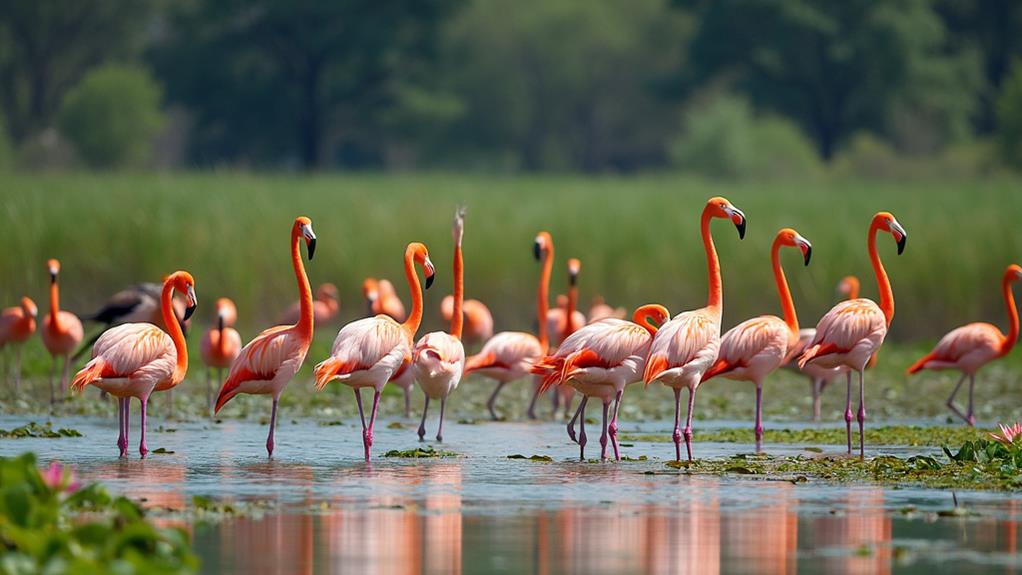
Many threats endanger flamingos in the wild, greatly impacting their survival. You might not realize it, but these majestic birds face numerous challenges that jeopardize their existence. From habitat loss to poaching threats, flamingos need our attention and action.
- Habitat Loss and Climate Change: Due to human activities, such as urban development and agriculture, flamingos lose their natural habitats. Climate change exacerbates this by altering water levels and temperatures, making it difficult for flamingos to find suitable breeding grounds.
- Pollution and Disease Outbreaks: Pollution effects from industrial waste and plastic litter contaminate their feeding areas, leading to food scarcity and health issues. Disease outbreaks, often fueled by these polluted environments, further threaten their populations.
- Human Interference and Invasive Species: Nesting disturbances caused by tourism and other human activities disrupt the flamingos' breeding cycles. Invasive species compete for food resources, causing further stress on the flamingos' survival.
Water resource management is vital as well; poor practices can dry up lakes and wetlands, depriving flamingos of important feeding and nesting sites. By understanding these threats, you can better appreciate the significance of conservation efforts to protect flamingos in the wild.
Success Stories in Conservation
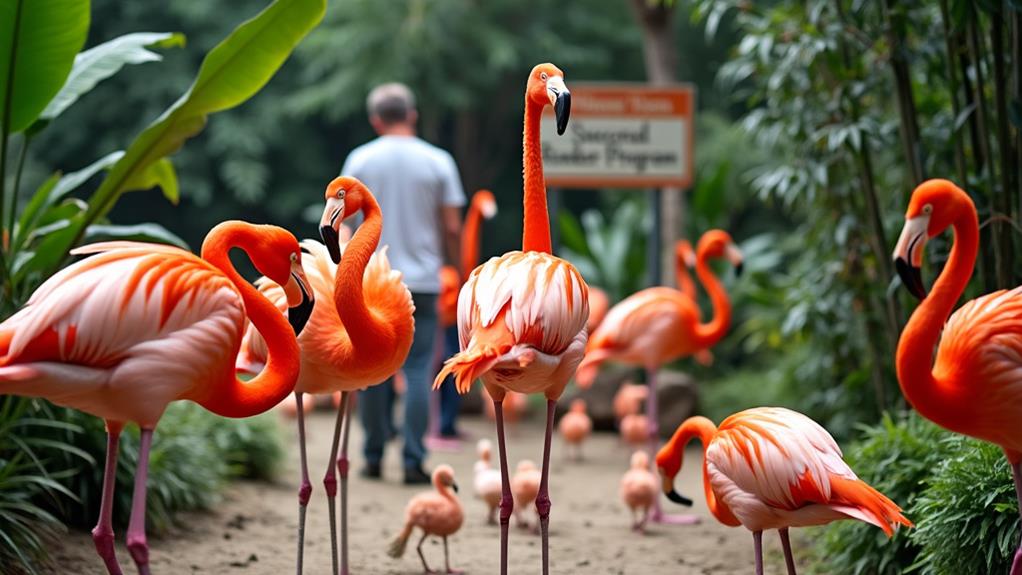
You'll be inspired to learn about the remarkable success stories in flamingo conservation. Dedicated efforts from zoos and conservationists have led to incredible achievements. For instance, flamingo rehabilitation programs have played an essential role in nursing injured or sick birds back to health. These programs often involve specialized care, proper nutrition, and medical treatment, ensuring that flamingos can return to their natural habitats stronger than ever.
Another remarkable success is the tracking and understanding of flamingo migratory patterns. By using advanced GPS technology, researchers have been able to map out the routes these magnificent birds take. This data has been instrumental in identifying critical stopover points that need protection. Efforts to safeguard these key areas have resulted in more successful migrations and healthier flamingo populations.
Moreover, collaborative international projects have resulted in the creation of protected wetlands, ensuring that flamingos have safe breeding grounds. These sanctuaries are essential for the survival of flamingo chicks and have greatly increased population numbers.
These success stories highlight the impact of dedicated conservation efforts. Thanks to the collaboration between zoos, scientists, and conservation organizations, flamingos are thriving once again.
Future Challenges and Opportunities
While the successes in flamingo conservation are indeed inspiring, the future holds both challenges and opportunities that demand our attention. You'll need to address several key issues to guarantee the continued well-being of these fascinating birds.
First, climate change and habitat loss pose significant threats. Flamingos rely on specific wetland habitats that are increasingly under threat from rising temperatures and human encroachment. It's imperative to advocate for policies that protect these crucial ecosystems.
Second, improving public engagement and community involvement can drive conservation efforts forward. By educating the public and involving local communities, you can create a strong support base for flamingo conservation. Engaging people directly fosters a sense of responsibility and stewardship.
Third, leveraging groundbreaking technology and developing robust funding strategies are fundamental. Using tech to monitor flamingo populations and genetic diversity can provide critical data. Furthermore, securing diverse funding sources guarantees that conservation efforts remain sustainable.
Here are three actionable steps you can take:
- Champion policy advocacy to protect flamingo habitats.
- Increase public engagement through educational programs and community events.
- Invest in groundbreaking technology for effective monitoring and data collection.