The Role of Garden Gnomes in Folklore and Mythology
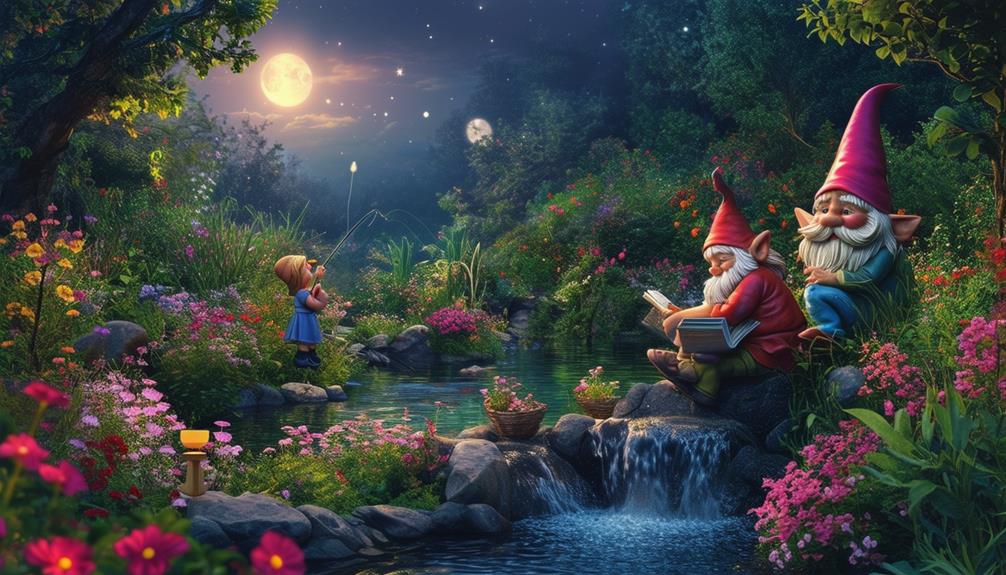
When you think about garden gnomes, you likely picture those enchanting, bearded figures nestled among your flower beds. However, these statues have origins in ancient Roman soil fertility beliefs. Over time, they've been woven into European folklore, embodying a blend of trickery and benevolence, and are even thought to communicate with animals and ward off negative energies.
Imagine your garden being protected by such magical guardians. Curious about how these myths began and why gnomes remain enduring symbols in our gardens? There's much more to uncover about their fascinating journey through folklore and mythology.
Origins of Garden Gnomes
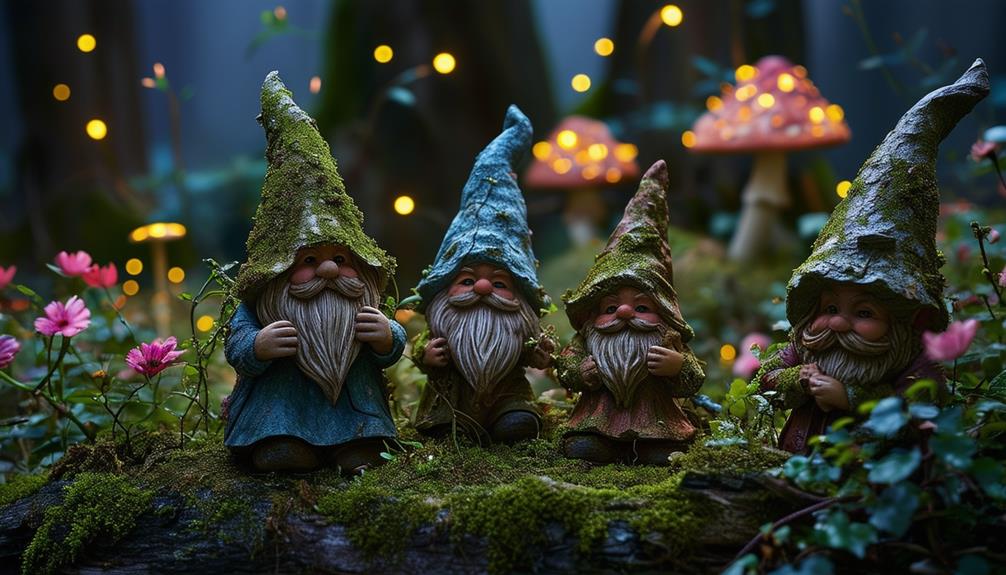
Garden gnomes have their roots in ancient Rome, where statues resembling gnomes were placed in gardens to welcome visitors and ensure a bountiful harvest. These early figures served as protectors, believed to enhance soil fertility and ward off evil spirits. Over the centuries, the tradition evolved, drawing from various cultural influences, including European folklore.
The Renaissance period saw a shift in the perception of garden gnomes, partly influenced by the alchemist Paracelsus, who described gnomes as elemental earth spirits. According to Paracelsus, these small, reclusive beings were guardians of hidden treasures, adding an element of mysticism and wonder to their image.
Gnomes in European Folklore
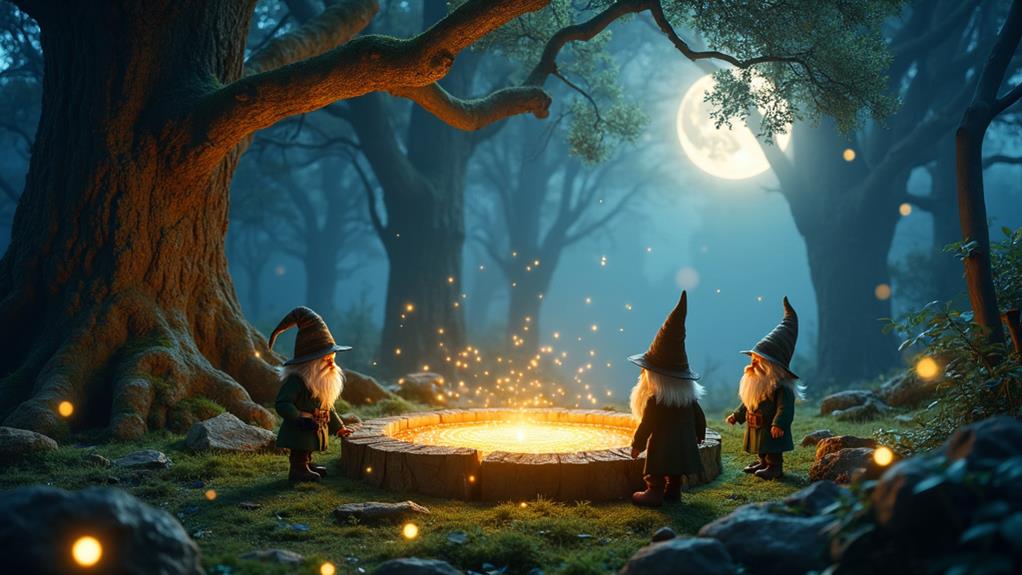
In European folklore, gnomes are depicted as small, subterranean spirits that guard hidden treasures and influence human emotions. Rooted in the tales of various European cultures, these mythical beings can move through solid earth as easily as fish swim through water.
Beyond protecting underground riches, they also serve as guardians of nature. Gnomes are known to impact human behaviors, with Gob, the king of gnomes, specifically linked to melancholic temperaments.
Garden gnomes, those charming statues often seen in yards, draw inspiration from these ancient stories. Their origins trace back to gnome-like creatures described in different fairy tales. Folklore gnomes are similar to other mythical beings who play significant roles in shaping the natural world and human experiences within these tales.
The term 'gnome' was popularized by the 16th-century Swiss alchemist Paracelsus, adding a mystical aura to their rich folklore presence. Placing a garden gnome in your yard taps into a deep vein of European myth, where these small, magical beings continue to captivate the human imagination.
Symbolism and Characteristics
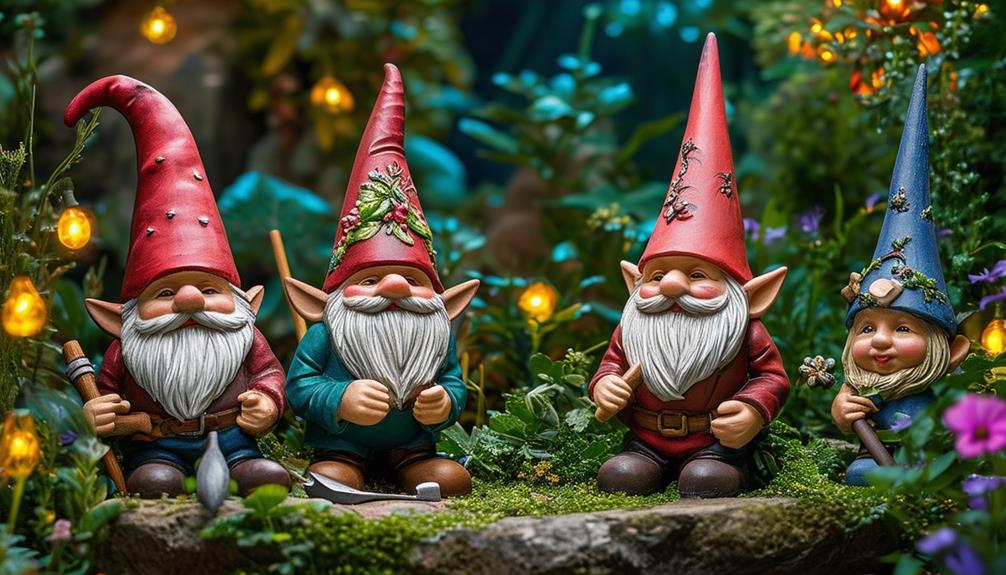
When you think of garden gnomes, envision not just their charming appearance but their deeper roles in folklore. They symbolize protective guardianship, watching over gardens and nature. Despite their mischievous antics, they often help humans and safeguard wildlife, blending trickery with benevolence.
Protective Guardianship
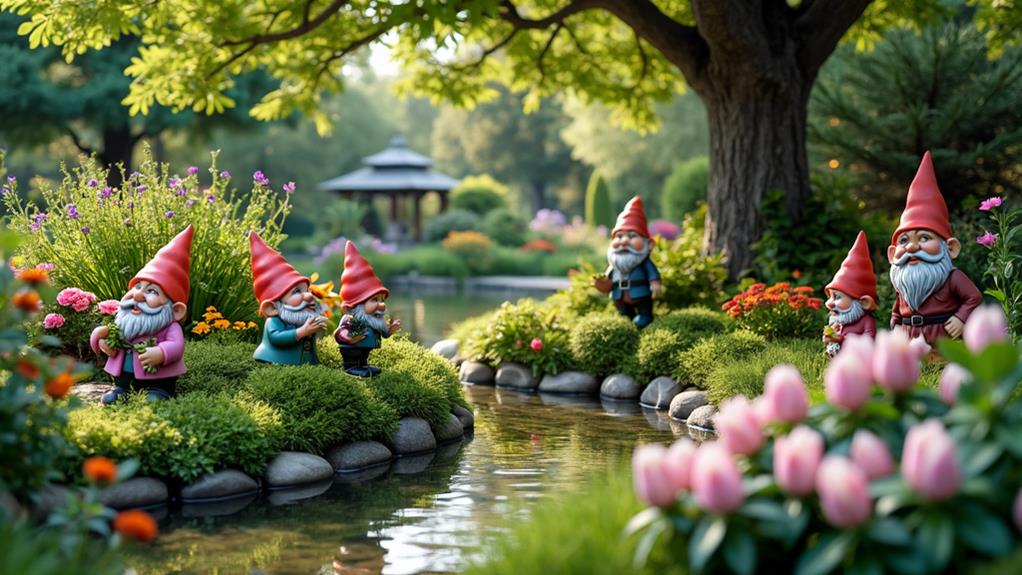
Gnomes, with their small stature and pointed hats, symbolize protective guardianship due to their deep connection to nature and hidden riches. Far from being mere decorative figures, garden gnomes embody magical powers and wisdom. These beings are known for their benevolent protection, ensuring the well-being of gardens and wildlife. Often found nestled among flowers or near ponds, they silently oversee the natural world.
Their magical abilities aren't mere folklore. Gnomes are believed to communicate with animals and possess extensive knowledge of herbal medicine, making them invaluable allies to those who honor the earth. They reward kind-hearted individuals with happiness and secret treasures, reinforcing their role as guardians.
Moreover, gnomes are vigilant protectors, warding off negative energies and punishing those who harm the environment. Their presence in your garden symbolizes a mutual respect between you and nature.
Mischief and Trickery
In folklore, garden gnomes are often depicted as playful yet cunning beings who delight in harmless pranks on unsuspecting visitors. These enchanting creatures engage in mischief not just for fun, but also to impart wisdom. Their antics, ranging from hiding small objects to devising elaborate schemes, serve to entertain and test a person's wits or kindness.
The trickery of gnomes often carries deeper moral undertones. Through their cunning tricks, they reveal character traits and teach valuable lessons. For instance, an annoying prank might test someone's patience or serve as a lesson in humility. Despite their mischievous nature, gnomes are ultimately benevolent. Their antics bring joy and laughter, solidifying their role as charming yet wise entities within folklore.
Gnomes as Garden Protectors
Throughout history, people have believed that gnomes protect gardens by warding off pests and ensuring a plentiful harvest. These small, bearded figures are thought to possess magical powers that help maintain the health and vitality of gardens. Imagine a gnome standing guard, using its mystical abilities to keep harmful insects and animals at bay. Their presence is said to create an environment where plants can flourish, leading to a more productive and beautiful garden.
Folklore describes gnomes as active nurturers of the soil and plants. You might envision a gnome gently tending to the roots, ensuring they receive the necessary nutrients. These stories often portray gnomes as caretakers of the earth, fostering harmony and balance in the natural world. With a gnome in your garden, you're inviting good fortune and prosperity into your outdoor space.
In essence, gnomes are depicted as tireless protectors of nature. Their magical powers and dedication to the garden make them invaluable allies. By placing a gnome in your garden, you're tapping into centuries of belief in their ability to safeguard and enrich your green haven.
Modern Depictions of Gnomes
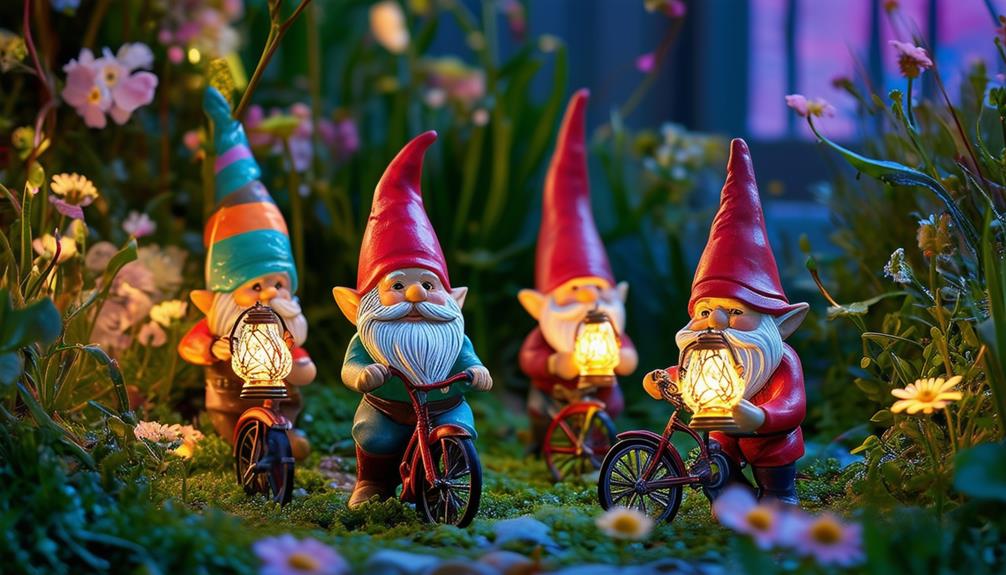
Historically cherished as garden protectors, gnomes have evolved in modern literature and media into more playful and enchanting beings. Today, they're often depicted as magical creatures that captivate the imaginations of both children and adults. In children's books, movies, and TV shows, gnomes are frequently portrayed as friendly and helpful, guiding characters through adventures and offering wise counsel.
Contemporary artists and creators have expanded beyond traditional garden decorations, reimagining gnomes in various fantastical forms. These modern gnomes inhabit fantasy worlds where each possesses unique powers, personalities, and roles that breathe new life into these beloved figures. Their versatility underscores their charm and secures their place in contemporary storytelling.
Modern depictions often emphasize the whimsical nature of gnomes, placing them in vibrant, imaginative settings. Whether casting spells, tending mystical gardens, or embarking on daring quests, these gnomes add a touch of magic to any narrative. Their transformation from simple garden guardians to complex, enchanting characters showcases their enduring appeal and adaptability in an ever-changing cultural landscape.
Gnomes in Popular Culture
Gnomes are ubiquitous in popular culture. They appear in films like 'Amélie' and 'Gnomeo and Juliet', as well as in classic fairy tales. They're also prevalent in marketing, frequently seen in commercials and as collectible items. These enchanting figures captivate our imaginations and add a magical touch to everyday life.
Film and TV Appearances
Garden gnomes have charmed audiences in movies like 'Gnomeo and Juliet' and TV shows like 'Gravity Falls,' solidifying their place in popular culture. Their appearances often blend their traditional roles as garden ornaments with a modern twist. For instance, the movie 'Amélie' features the famous traveling gnome prank, where a garden gnome is spirited away and photographed in different global locations, adding an adventurous flair to the gnome's image.
In 'Sherlock Gnomes,' these pint-sized characters embark on thrilling detective adventures, showcasing their playful and magical qualities. TV series like 'The World of David the Gnome' and 'The 7D' present gnomes as wise and helpful beings, drawing from their folkloric roots. These portrayals not only entertain but also keep the traditional aspects of gnome mythology alive in contemporary media.
The Roaming Gnome, a beloved advertising character for a travel website, reinforces the adventurous and mischievous side of gnomes. This character's travels evoke the spirit of the traveling gnome prank, blending folklore with modern marketing. Through these various appearances, garden gnomes continue to captivate audiences, bridging the gap between ancient lore and modern storytelling.
Literary Representations
In literature, gnomes often emerge as wise and magical beings who protect nature and communicate with animals. Frequently depicted as guardians of the forest, they wield magical powers and are knowledgeable in herbal medicine, often capable of granting wishes. These attributes add layers of enchantment to their character.
One of the most famous literary representations of gnome-like beings is found in the fairy tale 'Snow White,' where dwarfs play an essential role in aiding the protagonist, showcasing their protective and magical nature. Beyond this classic tale, gnomes continue to appear in modern literature, evolving while remaining rooted in traditional folklore.
Consider these notable literary examples:
- 'The Chronicles of Narnia' by C.S. Lewis: Gnomes are depicted as underground dwellers with a deep connection to the earth.
- 'Harry Potter' by J.K. Rowling: Gnomes appear as garden pests, adding a playful twist to their portrayal.
- 'The Spiderwick Chronicles' by Tony DiTerlizzi and Holly Black: Gnomes are part of the magical creatures catalogued in the series.
These diverse portrayals highlight the enduring appeal and versatility of gnomes in literature.
Merchandise and Collectibles
Literary depictions of gnomes have enchanted readers for years, and their charm extends into popular culture through a thriving market for garden gnome merchandise and collectibles. Often crafted from terracotta clay, garden gnomes add a whimsical touch to any outdoor space. Collectors seek rare and unique designs, turning gnome collecting into a niche hobby. The market can be surprisingly competitive, especially for limited edition or themed gnomes, such as those created for holidays or sports events.
If you're a collector, you may have engaged in trading or selling gnomes to acquire specific pieces. This activity not only helps complete collections but also fosters a community of enthusiasts who share your passion. The magical attributes of gnomes in folklore add to their allure, making each piece feel like a tiny guardian of your garden.
The market for garden gnomes continues to grow, with collectors proudly displaying their finds in various settings. Whether adorning your garden or gracing a shelf, these delightful figures bring a sense of magic and joy into your life.
Conclusion
Garden gnomes are more than mere decorations; they're seen as vigilant protectors who blend mischief with kindness to nurture gardens and promote harmony with nature. Originating from ancient Roman mythology and prominent in European folklore, gnomes symbolize the guardianship of the natural world. Though they've evolved in modern culture, their mythical essence as earth's protectors remains unchanged.