The Scandinavian Design Influence: Hygge and Cozy Minimalism
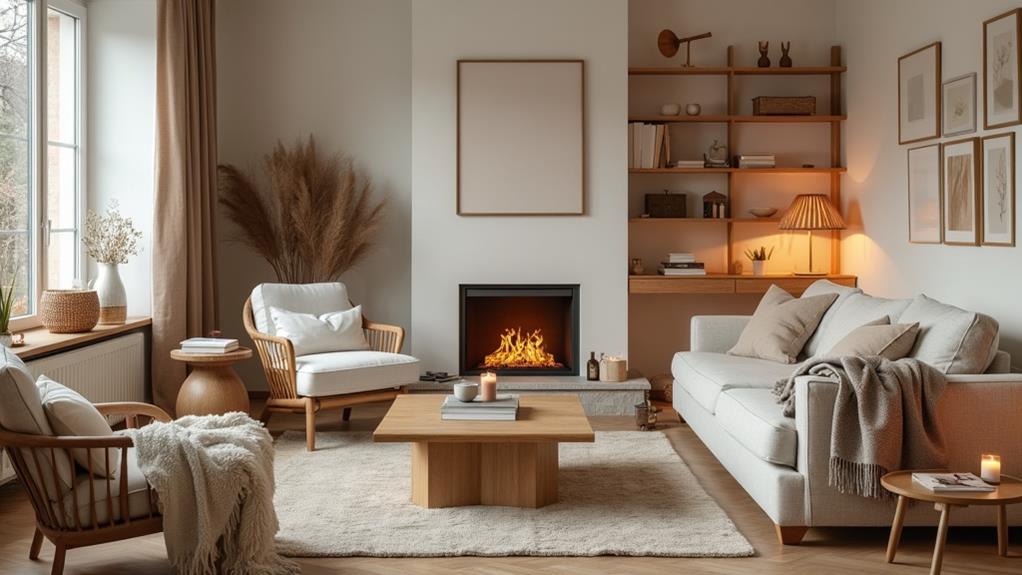
The rising trend of Scandinavian design beautifully combines hygge and cozy minimalism to create inviting, functional spaces. This design philosophy goes beyond aesthetics to emphasize simplicity, comfort, and sustainability. Picture your home with neutral palettes, layered textures, and ample natural light, making each room feel warm and welcoming. But what makes this seemingly effortless style so effective at fostering well-being? How do these principles translate into everyday living? Let's explore these elements to understand their true impact.
Core Principles of Scandinavian Design
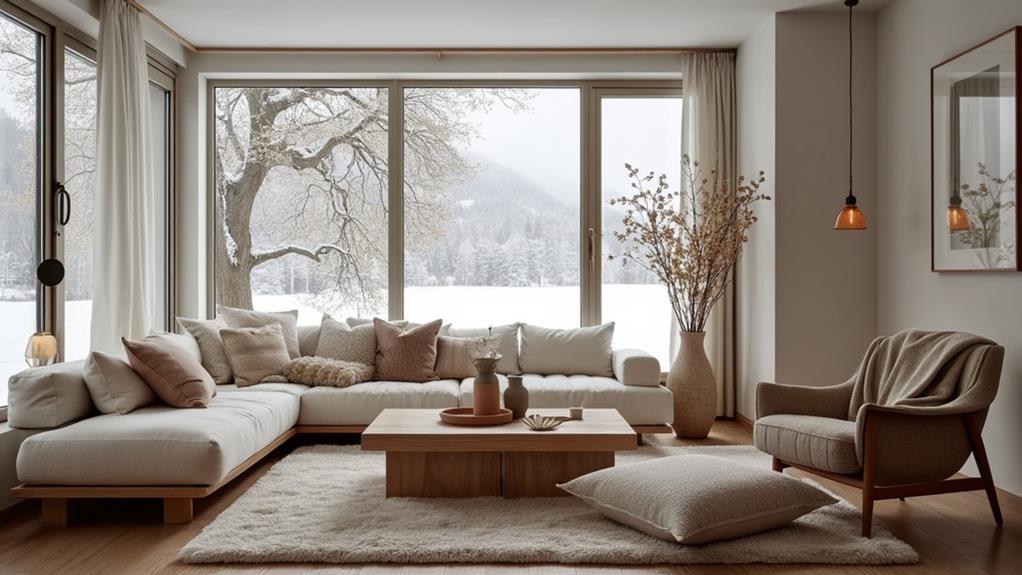
Scandinavian design is founded on the principles of simplicity, functionality, and beauty, creating spaces that are both inviting and practical. Embracing minimalist design helps cultivate an environment that feels open, airy, and uncluttered. By prioritizing clean lines and understated elegance, each piece can serve a purpose and enhance the overall aesthetic.
Functionality is another cornerstone of Scandinavian design. Every item in your space should be not only beautiful but also highly practical. Multifunctional furniture, such as pieces that double as storage, helps maintain an organized and efficient home. This balance of form and function ensures your living space is both stylish and livable.
Incorporating natural elements like wood, stone, and plants brings a touch of the outdoors inside, enhancing tranquility. Maximizing natural light is crucial, so choose large windows and light, sheer curtains. Neutral color palettes, dominated by whites, grays, and soft pastels, enhance luminosity and create a cohesive look.
Color Schemes and Textures
In Scandinavian design, neutral color palettes such as whites, beiges, and pale shades are predominant, creating open and tranquil spaces. To add warmth without causing clutter, incorporate varied textures like leather, wool, and wood. Soft furnishings, including sheepskin rugs and chunky knit blankets, are essential for enhancing comfort in these minimalist interiors.
Neutral Color Dominance
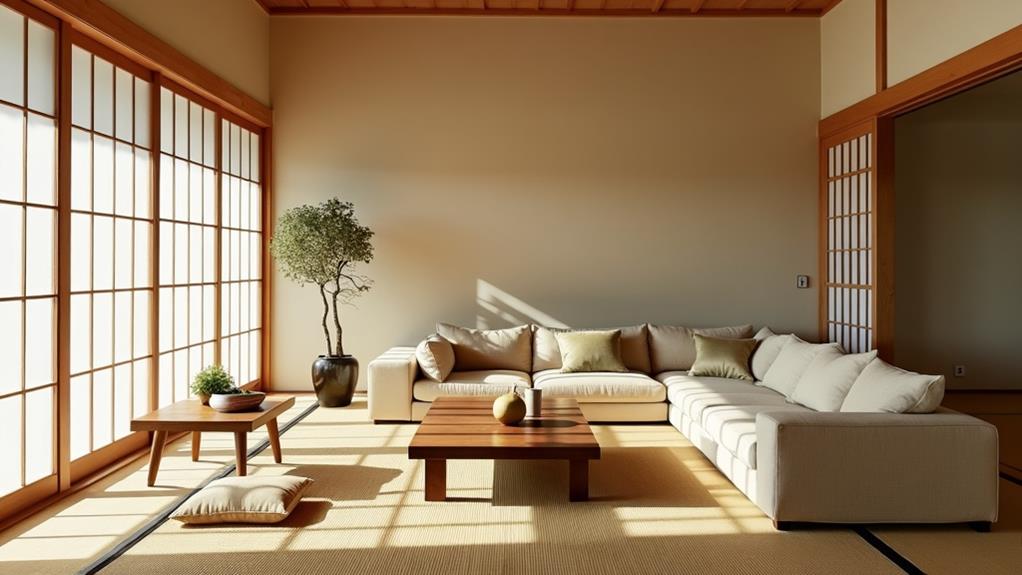
Neutral colors such as white, beige, pale shades, and trending greys are fundamental in Scandinavian design for creating serene and cohesive interiors. These hues enhance luminosity and evoke a sense of calm and openness. By focusing on a neutral color palette, Scandinavian interiors seamlessly blend simplicity with elegance, making spaces feel airy and uncluttered.
To effectively incorporate neutral colors into your home, consider the following:
- Light Flooring: Opt for raw or painted wood floors. Light flooring options improve brightness and align perfectly with the Scandinavian emphasis on maximizing natural light.
- Monochromatic Schemes: Use varying shades of the same color to craft a harmonious and serene atmosphere. This approach helps maintain a cohesive and balanced feel.
- Mixing Materials: Incorporate materials like leather, metal, and wood. Even within a neutral palette, the interplay of different materials adds depth and interest without disrupting the minimalist aesthetic.
Textures for Added Warmth
Textures are essential in adding warmth to Scandinavian interiors, ensuring minimalist spaces avoid feeling cold or sterile. By combining leather, wool, metal, and wood, you can create depth and interest without visual clutter. These varied textures are key to making a room cozy and inviting.
Soft furnishings like sheepskin rugs and chunky knit blankets not only enhance warmth but also add an extra layer of coziness, transforming your space into a true sanctuary. The neutral color schemes in Scandinavian design—whites, beiges, and pale shades—are beautifully complemented by these textures, preventing the space from feeling too cold or clinical.
Seasonal changes in texture are another hallmark of Scandinavian design. Heavier fabrics in winter and lighter materials in summer ensure your home remains cozy year-round. Open-plan designs particularly benefit from varied textures, helping to define different zones within the space. This approach balances comfort and functionality, making shared living areas harmonious and inviting. By focusing on textures, you can achieve a warm, cozy atmosphere that embodies the essence of Scandinavian design.
Lighting Design and Candle Culture
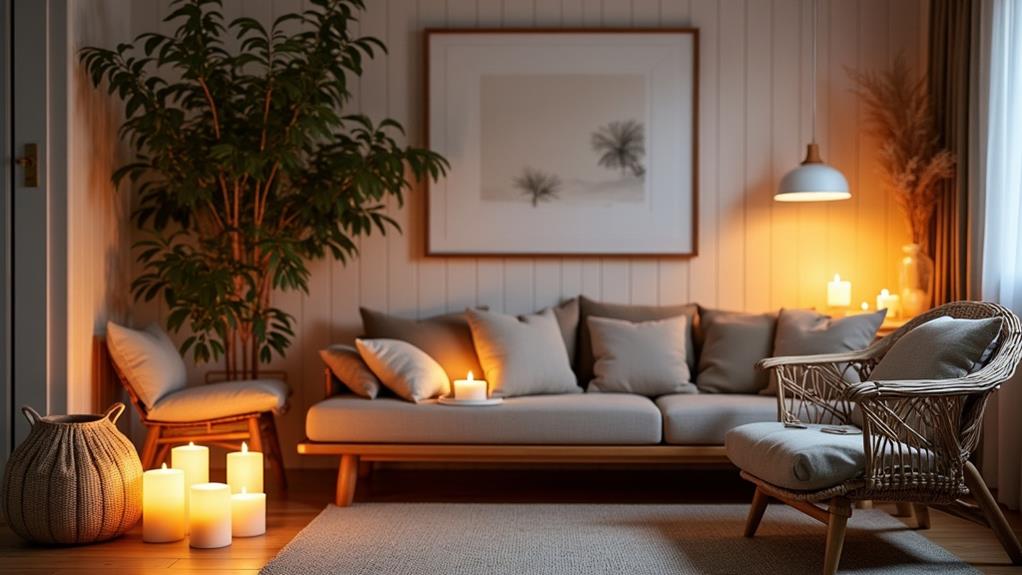
Scandinavian design prioritizes natural light, making it essential for creating inviting and harmonious spaces. Homes often feature large, unobstructed windows to optimize daylight, enhancing the overall ambiance.
Layered lighting is crucial in Scandinavian interiors. Instead of relying solely on overhead fixtures, a mix of pendant lights, floor lamps, and table lamps is used to create a warm and welcoming environment. Dimmers are frequently incorporated to adjust the lighting based on the time of day or activity.
Candle culture is integral to Scandinavian living, especially during the dark winter months. Scandinavians lead the world in candle consumption per capita, using candlelight to elevate hygge and create a sense of togetherness. Stylish candle accessories, such as the HAY Lup candleholder, often add a cozy touch to homes.
Key elements to consider:
- Optimize natural light: Use large, unobstructed windows.
- Layered lighting: Combine various light sources.
- Candle culture: Incorporate candles for warmth and ambiance.
Hygge and Social Aspects
Imagine curling up by the fireplace with friends, sharing stories and laughter while the glow of candlelight bathes the room in warmth. This scene epitomizes hygge, a Danish concept that emphasizes comfort, warmth, and togetherness. Hygge fosters social interactions through cozy gatherings, especially during the cold winter months. By focusing on creating inviting home environments, you can enhance your social experiences and create lasting memories.
Warm lighting, particularly from candles, plays a significant role in setting the mood for communal dining and social interactions. Picture a dinner table adorned with flickering candles, where conversations flow as freely as the seasonal meals being served. Traditional dishes like Fårikål not only nourish the body but also the soul, reinforcing the sense of community and shared experience.
Danes, who consistently rank among the happiest people globally, attribute much of their well-being to the hygge lifestyle. By prioritizing cozy, inviting spaces for social interaction, you too can cultivate happiness and connection. Hygge is adaptable, making it easy to incorporate into different design styles and cultures, all while maintaining its core focus on comfort and social well-being.
Scandinavian Inspirations and Trends
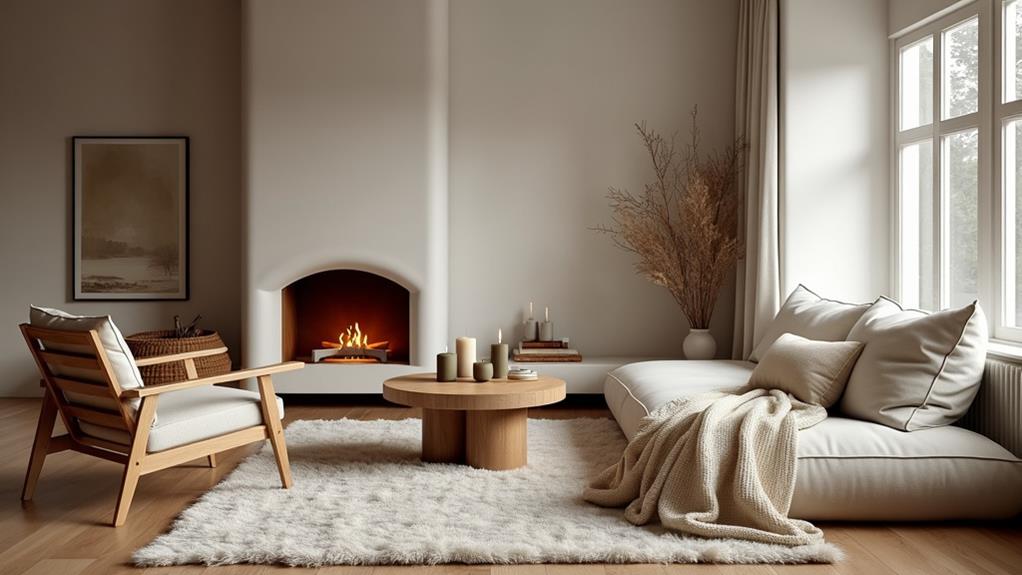
The modern embrace of Scandinavian aesthetics has sparked a global trend towards minimalism and the use of natural materials, creating spaces that are both functional and serene. This surge in popularity highlights how Scandinavian style embodies the concept of hygge, promoting comfort and warmth in your home. It's not just about empty spaces; it's about creating a cozy, inviting atmosphere through thoughtful design choices.
Key Influences of Scandinavian Style:
- DIY Projects: Inspired by Scandinavian aesthetics, DIY projects let you infuse personal creativity while adhering to simplicity and functionality. Whether crafting a minimalist bookshelf or reimagining old furniture, these projects help personalize your space.
- Versatility: Scandinavian design's adaptability allows it to blend seamlessly into different interior styles. Its timeless appeal makes it a favorite for those looking to merge various design elements harmoniously.
- Quality Craftsmanship: Iconic designs, such as the Eames DSW chair, reflect the enduring nature of Scandinavian principles, emphasizing high-quality craftsmanship and aesthetic elegance.
Minimalism and Scandinavian Design
Scandinavian design embraces minimalism by prioritizing essential form and function, using nature-inspired materials and neutral, light palettes. Clean lines and multifunctional furniture contribute to open, uncluttered spaces. Natural light, organic materials, and soft colors create a serene, inviting environment.
Essential Form and Function
Scandinavian design seamlessly blends minimalism and functionality, focusing on creating spaces that are both aesthetically pleasing and practical. In Scandinavian interior design, the concept of essential form and function is paramount. Every piece of furniture and decor serves a purpose, ensuring that spaces remain uncluttered and efficient.
Here are three key principles to keep in mind:
- Multi-functional Furniture: Scandinavian design favors furniture that serves multiple purposes, such as a sofa bed or a storage ottoman. This approach maximizes utility while maintaining a clean aesthetic.
- Neutral Color Palettes: Neutral tones such as whites, grays, and beiges dominate Scandinavian interiors. These colors create a calm, serene atmosphere and help visually declutter the space, aligning perfectly with minimalist ideals.
- Clean Lines and Simple Forms: The "less is more" philosophy shines through in the design's emphasis on clean lines and simple forms. This not only enhances visual appeal but also ensures functionality, making everyday living more efficient and enjoyable.
Nature-Inspired Materials Usage
Scandinavian design embraces fundamental form and function while celebrating the beauty of nature through its material choices. Natural materials like wood, wool, and leather are staples, promoting warmth, comfort, and a strong connection between your home's interior and the surrounding environment.
Incorporating nature-inspired elements such as plants and organic textures is key to achieving the cozy and inviting atmosphere synonymous with Scandinavian design. These elements reflect the importance of natural light, a critical aspect of Scandinavian living spaces.
Sustainability is another cornerstone of Scandinavian design. Responsibly sourcing materials not only minimizes environmental impact but also supports an eco-friendly lifestyle. Light-colored woods like birch and pine brighten spaces, fostering a sense of calm and tranquility. The interplay between rough and smooth textures enhances your interior's aesthetic without adding visual clutter.
Neutral and Light Palettes
Neutral and light palettes are integral to Scandinavian design, fostering serene and cohesive spaces that radiate calm and tranquility. By using neutral colors like white, beige, and pale shades, you can create a luminous environment that feels spacious and inviting. These light palettes are essential for reflecting natural light, making rooms appear larger and more welcoming, particularly during the long, dark winter months.
Light flooring options, such as raw or painted wood, complement neutral wall colors, enhancing the airy atmosphere typical of Scandinavian interiors. Monochromatic color schemes maintain harmony and simplicity while providing a perfect backdrop for bold accents through accessories and decor.
To ensure your space feels warm and inviting rather than cold, consider the following:
- Layer Textures: Combine soft furnishings with natural materials like wool and linen for added warmth and comfort.
- Light Flooring: Use light-colored wood for floors to complement neutral walls and enhance the sense of space.
- Monochromatic Schemes: Maintain a unified look with a single color palette, adding bold accents through decor items.
Related posts