The Shabby Chic Craze of the 1990s: Distressed Furniture and Pastel Colors
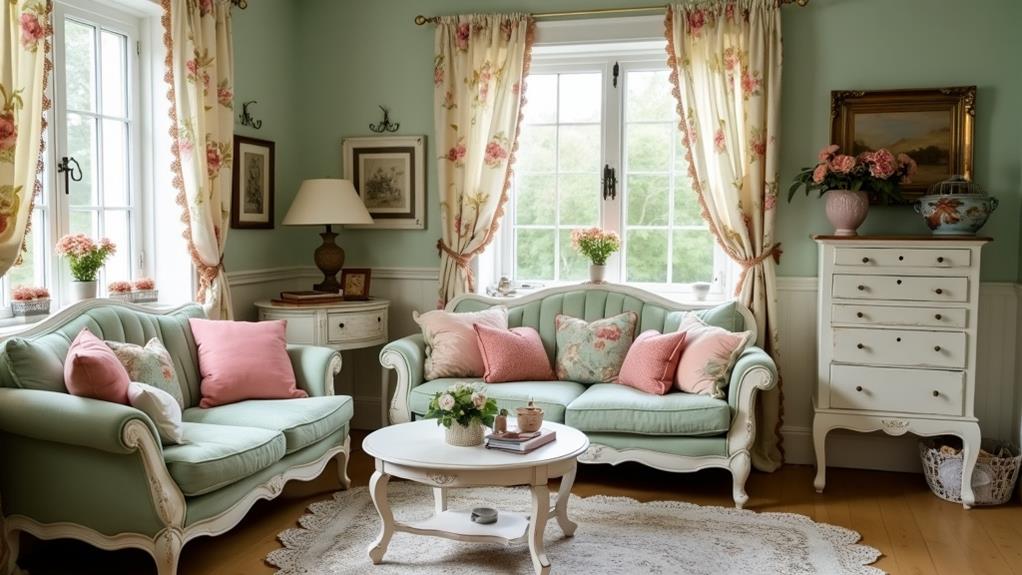
Reflecting on the 1990s, the Shabby Chic craze stands out with its hallmark distressed furniture and pastel colors. Led by Rachel Ashwell, this decor style celebrated vintage charm and the beauty of imperfection, encouraging the upcycling and repurposing of found items. Overstuffed sofas, weathered wooden tables, and a calming palette of whites and pastels created spaces that radiated warmth and nostalgia. But what cultural and economic factors fueled this shift towards comfort and individuality in home design? The answers might surprise you.
Definition of Shabby Chic
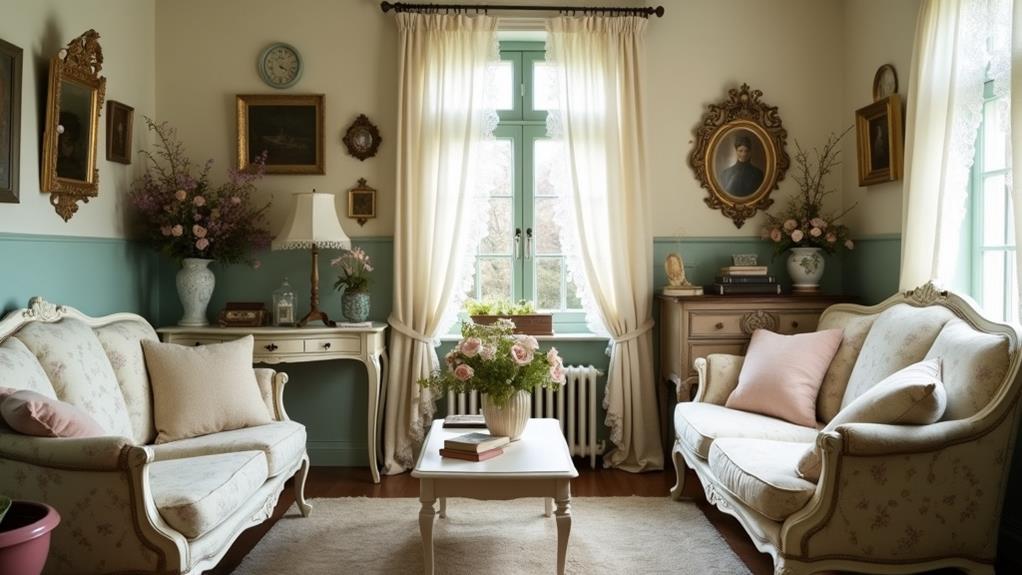
Shabby chic is a decor style that blends comfort and elegance, emphasizing vintage furnishings to create a nostalgic atmosphere. Originated by Rachel Ashwell in 1989, this style rose to popularity in the 1990s as a refreshing alternative to urban and modern design trends. Shabby chic celebrates the beauty of imperfection, featuring distressed furniture often painted with chalk paint to convey a lived-in, well-loved feel.
Soft colors dominate the palette, with whites, pastels, and muted tones creating a serene and welcoming environment. These hues work harmoniously to enrich the charm of each vintage piece. Floral patterns, another hallmark of shabby chic, bring a touch of nature indoors, enhancing the cozy, romantic vibe.
This decor approach emphasizes individuality, making every room feel distinctively personal. By combining these elements, shabby chic promotes a cozy, inviting atmosphere that's both stylish and comfortable. Its timeless appeal continues to inspire, allowing for the creation of spaces that are both charming and uniquely yours.
Key Elements of Decoration
To create an authentic shabby chic ambiance, incorporate soft, comfortable furniture that invites relaxation. Adding fresh flowers in vintage vases not only enhances visual appeal but also brings a romantic scent to the space. These elements are essential for achieving the cozy and inviting atmosphere characteristic of shabby chic decor.
Cozy Furniture Essentials
Why is cozy furniture essential for creating the perfect shabby chic space? Cozy furniture forms the cornerstone of shabby chic decor, transforming your room into a sanctuary of comfort and relaxation. Prioritizing soft, inviting pieces fosters an environment that radiates warmth and charm. Vintage furnishings, with their distressed finishes, add character and tell a story, enhancing the overall aesthetic. A neutral palette provides the perfect backdrop, highlighting the intricate details and textures of your furniture.
Here are some key elements for achieving the ideal cozy, shabby chic look:
- Overstuffed Sofas and Armchairs: Choose pieces with generous cushioning and soft fabrics that invite you to sink in and unwind.
- Distressed Wooden Tables: Vintage coffee tables or side tables with a weathered finish introduce a touch of rustic elegance.
- Neutral-Colored Slipcovers: Use slipcovers in shades of white, beige, or soft pastels to create a clean, cohesive look that complements the overall style.
- Layered Textiles: Incorporate a variety of throws, pillows, and rugs in different textures to add depth and warmth to your space.
Fresh Flowers Appeal
Imagine entering a room and being immediately greeted by the sight and scent of fresh flowers, instantly uplifting your mood and enhancing the space's ambiance. In a shabby chic setting, fresh flowers are more than mere decorations; they are essential elements that define the room's character. Placing seasonal blooms like roses and peonies in vintage vases can evoke a sense of nostalgia and romance that aligns perfectly with the shabby chic aesthetic.
The key to mastering this look is to select flowers that complement the muted color palette typical of shabby chic designs. Soft pastel hues blend seamlessly with distressed furniture and soft textiles. Arranging these blooms loosely rather than in rigid, formal styles adds to the effortless elegance that defines shabby chic.
Remember the dynamic aspect of fresh flowers. Regularly updating your floral arrangements keeps the decor lively and allows you to express your personal taste while maintaining a connection to nature. Incorporating fresh flowers into your shabby chic space creates a warm, inviting atmosphere that feels both timeless and invigorating.
Color Palette
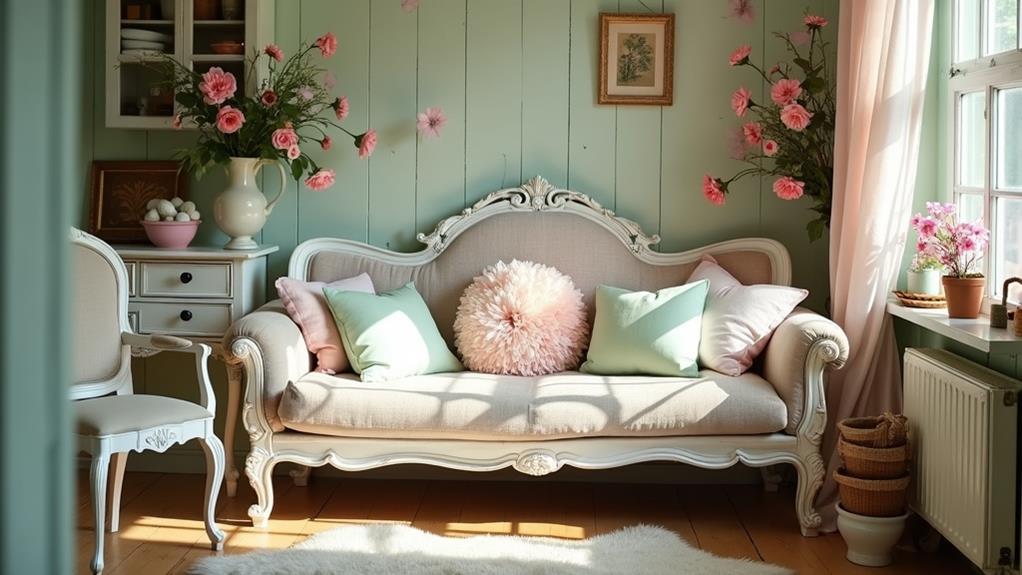
The color palette of shabby chic design often begins with a tranquil base of simple white, creating a nostalgic and romantic ambiance. Pastel colors are central to this style, providing a light and airy feel throughout the space. Soft hues like pale pink, muted grey, and faded green complement the vintage aesthetic that shabby chic embodies. These colors evoke a sense of calm and nostalgia, making your space both inviting and timeless.
To achieve this look, consider integrating the following elements:
- White and Natural Wood: White-washed floorboards and natural wood elements enhance the soft, muted tones of the color palette.
- Pastel Walls: Opt for pale pink or faded green on your walls to maintain the light and airy atmosphere.
- Soft Fabrics: Incorporate muted grey or other soft hues in your textiles, such as curtains and cushions.
- Vintage Accessories: Add items like distressed picture frames and antique mirrors in pastel shades to enhance the vintage aesthetic.
Texture and Patterns
To embrace the shabby chic aesthetic, use soft patterns like stripes, checks, and delicate florals to add visual interest. Choose fabrics such as linen, lace, and distressed wood to create a rich textural blend. Thoughtfully pairing these materials will help you achieve a cozy, inviting atmosphere without overwhelming your space.
Popular Fabric Choices
Soft, feminine materials like lace, linen, and cotton are essential for creating the inviting and romantic atmosphere characteristic of shabby chic decor. Lace adds a delicate, vintage touch, while linen and cotton provide both durability and comfort. Pastel hues such as pale pink, soft blue, and muted green are commonly used to harmonize with the overall shabby chic palette.
Consider these fabric choices to enhance your shabby chic decor:
- Lace: Ideal for tablecloths, curtains, and pillow covers to add an elegant, vintage feel.
- Linen: Perfect for slip-covered furniture, offering a casual yet sophisticated look.
- Cotton: Great for bed linens and cushion covers, providing comfort and versatility.
- Pastel-colored textiles: Use soft shades to keep the space light and airy, enhancing the romantic vibe.
Recommended Patterns
When selecting fabrics to enhance your shabby chic decor, the right patterns and textures are crucial in bringing the aesthetic to life. Shabby chic design thrives on the charm of floral patterns, especially roses, which imbue the space with romance and warmth. These soft, floral motifs add a touch of femininity and nostalgia that is central to the style.
To add visual interest, consider incorporating stripes and checks. These patterns offer a striking contrast to the softness of florals, enhancing the overall aesthetic without overwhelming it. Remember, the "less is more" principle is key in shabby chic, so use patterns sparingly to maintain simplicity.
Bold patterns can be balanced with neutrals and earth tones, such as white or ivory, to preserve the serene and airy ambiance typical of shabby chic interiors.
Textural diversity is equally important. Combining fabrics like lace, linen, and cotton creates a warm, cozy, and lived-in feel. This blend not only enhances the aesthetic but also ensures your space feels welcoming and comfortable. Embrace textural diversity to fully capture the essence of shabby chic design.
Textural Balance Tips
Achieving textural balance in shabby chic decor is essential for creating a cozy and inviting space. Start by incorporating a variety of textures such as soft linens, distressed wood, and delicate lace. These elements add warmth and visual interest, enhancing the overall cozy ambiance of your room. Additionally, mixing patterns like stripes, checks, and florals with neutral color palettes helps maintain a balanced aesthetic without overwhelming the eye.
Here are some fundamental tips for achieving textural balance:
- Layer different materials: Combine soft fabrics with rougher textures like burlap or distressed wood for both visual and tactile appeal.
- Embrace the "less is more" principle: Use bold patterns sparingly and offset them with white or ivory backgrounds to achieve harmony.
- Mix vintage and contemporary patterns: Ensure they share a cohesive color palette to create a visually appealing contrast true to the shabby chic style.
- Add delicate touches: Incorporate lace or crochet elements to soften harder textures and add a touch of elegance.
Variants of Shabby Chic
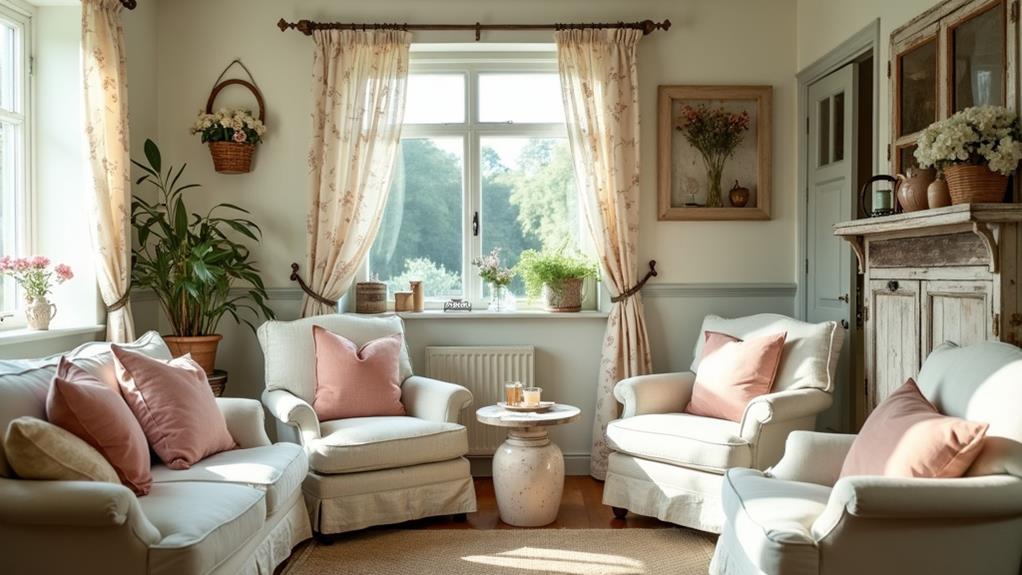
Shabby chic has evolved into several distinct variants, each offering unique charm and appeal. One popular variant is cottage chic, which combines shabby aesthetics with farmhouse-inspired rustic decor. This style features natural materials and cozy elements, making any space warm and inviting. Think weathered wood, soft linens, and simple, charming details.
Another variant is vintage-inspired French country shabby chic, which leans heavily on vintage elements and neutral tones. Ornate furniture, soft fabrics, and delicate details evoke elegance and sophistication. This style is perfect for those who love a refined yet comfortable ambiance.
For a breezy, relaxed vibe, beach cottage chic is ideal. This variant uses soft florals and coastal colors, blending the laid-back feel of seaside living with the romantic aspects of shabby chic. Imagine pastel blues, whites, and gentle greens mixed with vintage decor.
Each shabby chic variant showcases unique items and themes, allowing for endless interpretations. The adaptability of these styles lets you mix and match elements to craft your personalized shabby chic haven. Embrace your creativity and let your space reflect your individual taste.
The Ashwell Effect
In 1989, Rachel Ashwell revolutionized home decor by opening her Santa Monica store, championing a vintage aesthetic that prioritized comfort. This moment marked the advent of the shabby chic style, which swiftly captivated America. The Ashwell Effect refers to her significant influence on home design, making distressed furniture and vintage decor highly sought after. Before Ashwell, old and worn pieces were often disregarded, but she redefined them as charming and elegant.
Ashwell's rise to national prominence was accelerated by her feature on *The Oprah Winfrey Show* in 1996. This appearance greatly increased the visibility of shabby chic decor, making it a household term. Ashwell also authored several books, which became essential guides for anyone looking to recreate this relaxed yet sophisticated style at home.
Consider the widespread appeal of shabby chic during the 1990s:
- Monica's apartment in *Friends*: An iconic representation of the style.
- DIY enthusiasts: Countless individuals inspired to adopt the aesthetic.
- Distressed furniture: Once discarded, now coveted.
- Vintage decor: Elevated to a desirable, mainstream trend.
Rachel Ashwell's vision turned the shabby chic style into a cultural phenomenon, one that continues to influence home decor today.
Cultural and Environmental Context
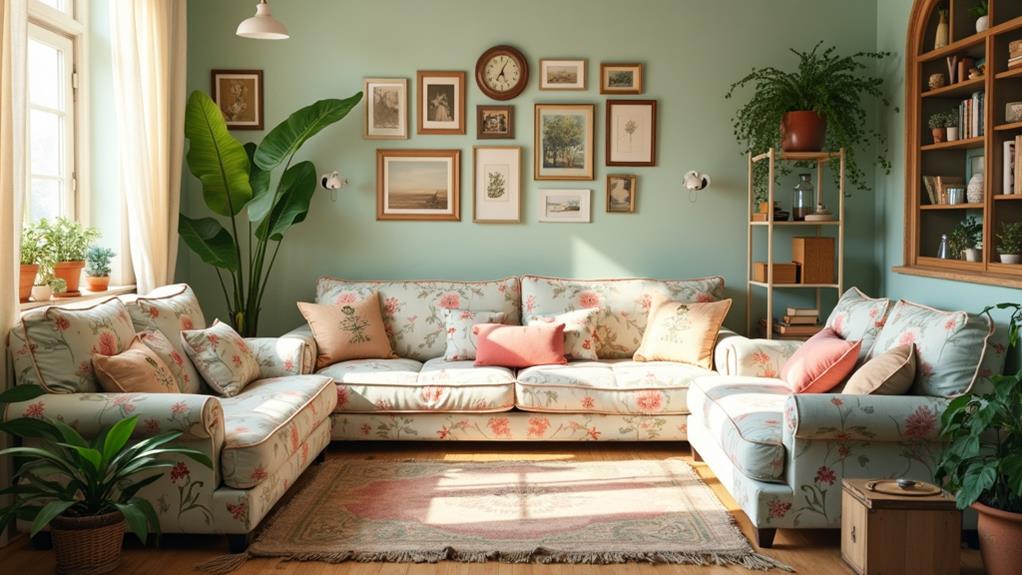
Rachel Ashwell's impact on home decor resonated deeply with the cultural and environmental shifts of the 1990s. During this decade, there was a significant rise in environmental consciousness, leading many to adopt sustainable practices like upcycling and reusing vintage furniture, which became hallmarks of the shabby chic style.
As the U.S. population grew by 33 million, concerns about resource consumption heightened. This prompted a move towards more individualistic and eclectic home decor. Instead of matching sets, people began to appreciate the charm and character of vintage furniture. Shabby chic offered a practical solution for families, making use of slipcovers and vintage items that allowed for easy maintenance and a welcoming atmosphere.
The period also marked a backlash against the minimalism of the previous decade. People craved warmth, familiarity, and personal expression in their living spaces. Shabby chic décor, with its distressed furniture and pastel colors, provided a comforting and affordable way to achieve this. It wasn't just a style; it was a reflection of a broader cultural and environmental consciousness emerging in the 1990s.
Economic Influences
Economic challenges in the 1990s significantly contributed to the rise of shabby chic decor. Following the 1987 stock market crash, many people sought cost-effective ways to decorate their homes. Shabby chic provided a solution by emphasizing thriftiness and creativity, allowing individuals to find unique pieces at thrift stores and flea markets, blending old and new items to create a cozy, personalized space.
The economic recession prompted a rethinking of spending habits, leading to more sustainable practices. Upcycling and reusing vintage items became both a necessity and a trend, perfectly aligning with shabby chic's ethos of giving new life to old furniture.
Culturally, there was a shift towards comfort over luxury. The "greed is good" mentality of the 1980s gave way to a desire for homey, relaxed environments. Shabby chic decor, featuring distressed furniture and pastel colors, offered a sense of individuality and comfort that resonated with many.
Key influences include:
- Economic recession driving thriftiness
- Rise of sustainable and upcycling practices
- Shift towards comfort and individuality
- Accessibility of affordable vintage finds
These economic and cultural factors made shabby chic a defining style of the 1990s.