The Trend of Using Pallets for DIY Furniture in the 2010s
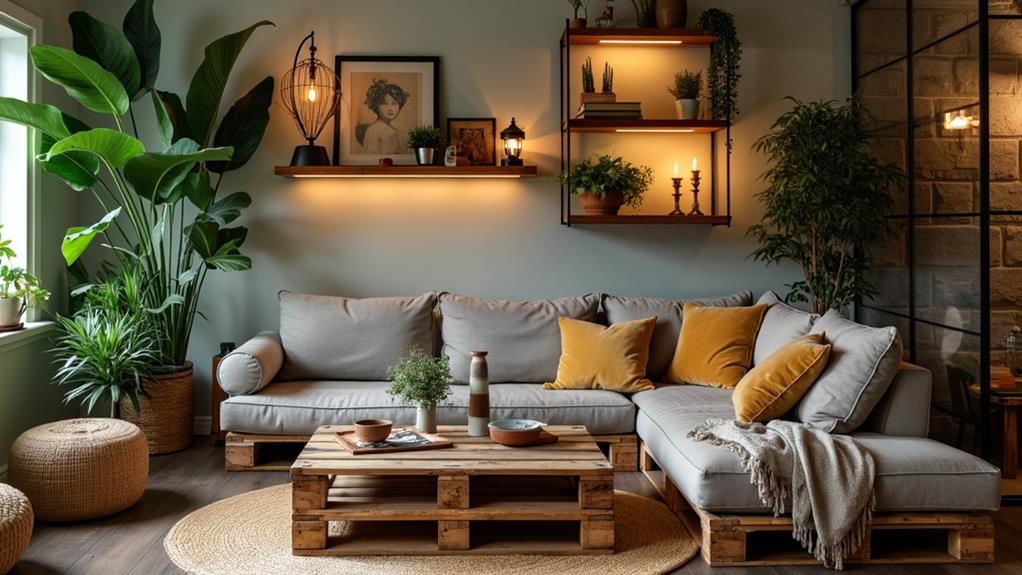
In the 2010s, the use of pallets for DIY furniture saw a significant rise, driven by a blend of sustainability and creativity. Platforms like Pinterest facilitated access to inspiration and tutorials, transforming discarded materials into stylish home decor. But what made this trend so appealing? It wasn't just the rustic charm or the cost savings—there was a deeper significance. Key factors included the challenges of sourcing quality materials, the impact on community interactions, and contributions to environmental sustainability. So, what was behind the allure of pallet furniture?
Rise of Pallet Furniture
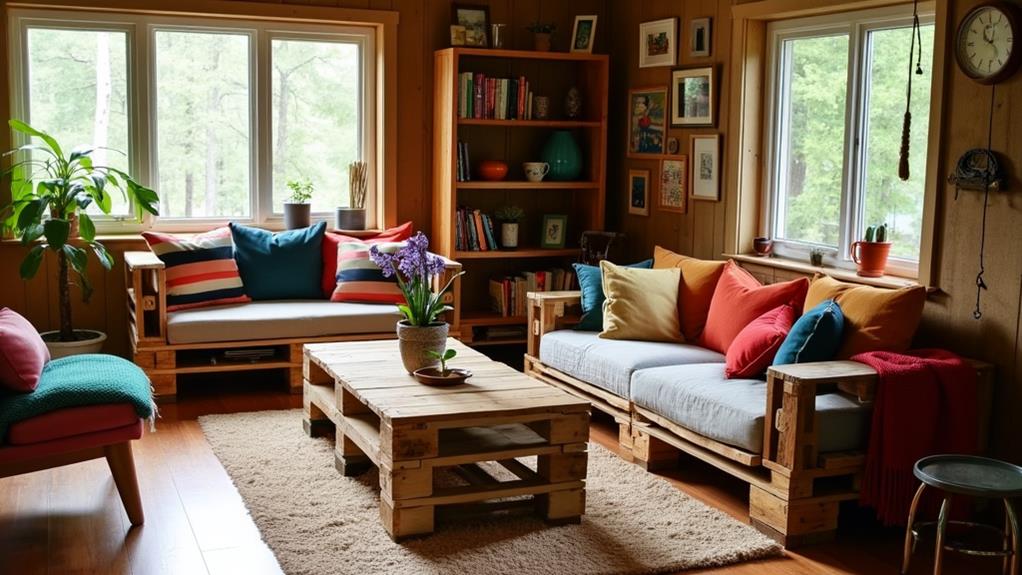
The rise of pallet furniture in the 2010s marked a significant shift in DIY culture, driven by the pursuit of affordable and imaginative home decor solutions. Pallet furniture projects quickly became popular, featuring items like coffee tables, headboards, and outdoor seating. The rustic aesthetic and customization options made pallet furniture a favored choice.
Increased demand for pallet wood during this time led to shortages, prompting DIY enthusiasts to get creative by sourcing materials from various places or repurposing old pallets. This challenge spurred innovative adaptations and alternative strategies, pushing the boundaries of DIY skills.
Social media platforms, especially Pinterest, played a crucial role in this trend. Users could browse countless ideas and techniques for inspiration, while the online community shared tips and tutorials, making it easier to embark on new projects with confidence.
The appeal of pallet furniture was further enhanced by its emphasis on sustainability. Repurposing pallets contributed to waste reduction and promoted eco-friendly practices in home improvement. It wasn't just about creating beautiful pieces; it was also about making a positive environmental impact.
Upcycling Vs. Downcycling
When creating DIY furniture with pallets, you'll need to choose between upcycling and downcycling. Upcycling transforms pallet wood into higher-quality, aesthetically pleasing pieces, enhancing both appearance and function. Downcycling repurposes the wood into simpler, lower-quality items, often suitable for basic needs. Consider the material quality and sustainability of your project to achieve the best results for your home decor.
Creative Repurposing Techniques
In the realm of DIY furniture, creativity truly shines, especially when it comes to repurposing old pallets. By upcycling pallet wood, you can transform what was once considered waste into stunning, high-value pieces of furniture or decorative items. The natural imperfections and diverse types of pallet wood add unique character and appeal, making your projects genuinely one-of-a-kind.
Upcycling has gained immense popularity, driven by a growing desire for sustainability and the charm of handcrafted furniture. However, it's crucial to be aware of potential downsides. Some pallets may have been treated with toxic pesticides, posing health risks, making it essential to source quality pallet wood for your DIY projects.
Conversely, downcycling, which became more common during the 2016 pallet wood shortages, involves repurposing materials into lower-quality products. While less glamorous, downcycling still promotes material reuse, reflecting shifts in material availability and consumer preferences.
Material Quality Considerations
Understanding material quality is crucial in DIY furniture projects, especially when using pallets. You can either upcycle or downcycle pallet wood. Upcycling transforms pallet wood into higher-quality pieces, such as a stylish coffee table, while downcycling repurposes it into lower-value products. Consider these factors:
- Material Safety: Pallets may contain toxic pesticides, making them unsuitable for furniture requiring food safety. Always check for stamps indicating the treatment methods before starting your project.
- Durability: The unique aesthetic of pallet wood comes from mixed species, which can expand at different rates, potentially leading to joint failure. Reinforce your furniture, particularly items like coffee tables, to ensure longevity.
- Maintenance: Proper care, such as sealing and balanced finishing, is essential. This not only enhances the appearance but also extends the life of your upcycled pallet furniture, making it more durable and sustainable.
Sustainable Home Decor
When considering materials for your DIY pallet furniture, it's crucial to understand their impact on sustainable home decor. Upcycling wooden pallets transforms waste into valuable items, blending creativity with sustainability. This trend gained popularity in the 2010s as DIY enthusiasts sought weathered wood for unique projects. By upcycling, you create custom pieces that add charm and eco-conscious flair to your home while reducing waste.
Conversely, downcycling repurposes materials into lower-quality products. During the 2016 pallet wood shortages, practicality often overshadowed aesthetics. While downcycling extends the life of materials, it may not provide the same creative satisfaction or high-end results as upcycling. It's a pragmatic choice when resources are limited but doesn't cater to those seeking distinctive decor.
Both upcycling and downcycling contribute to sustainability, but upcycling particularly appeals to those looking for unique, eco-friendly decor on a budget. As you embark on your DIY project with wooden pallets, consider the value of transforming these materials into extraordinary pieces. This aligns with the growing consumer demand for distinctive, sustainable home decor.
Material Sourcing Challenges
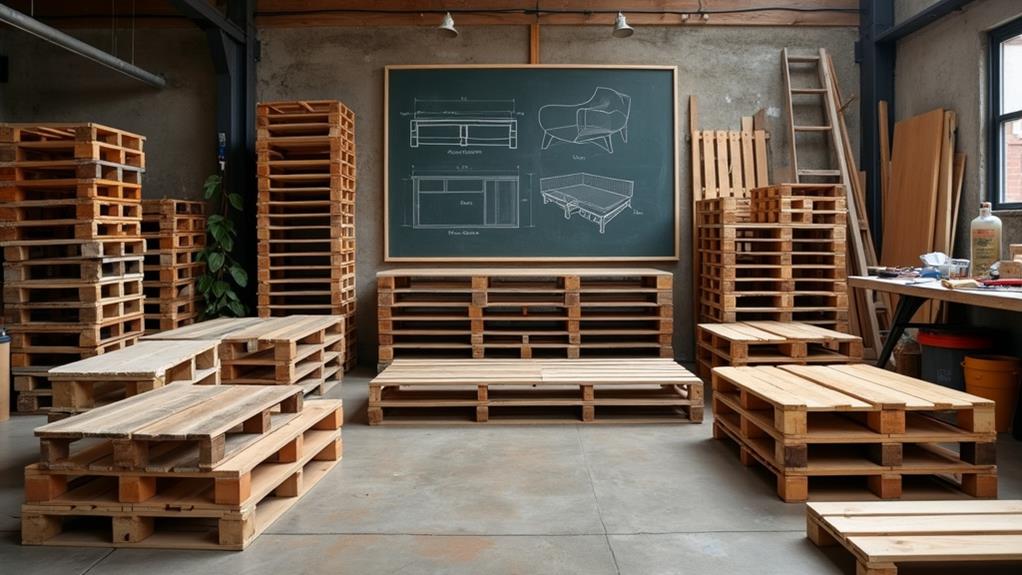
Finding good-quality pallet wood has become increasingly challenging due to its popularity, shortages, and concerns about toxic treatments. To navigate these obstacles, consider exploring alternatives like reclaimed wood and sharing inventive ideas with fellow DIYers. This approach can help ensure your projects remain safe and sustainable.
Pallet Wood Shortages
In 2016, a sudden surge in demand for pallet wood among DIY enthusiasts led to significant shortages, making it tough to find the weathered, character-laden pallets ideal for creative projects. The rising popularity of upcycling and DIY designs caused widespread competition for these prized materials, presenting serious challenges in sourcing enough pallet wood for your projects.
You might recall the frustration of visiting multiple suppliers only to come up empty-handed. This shortage was more than just an inconvenience; it posed a significant roadblock for many DIYers. Here are three key impacts of the pallet wood shortages:
- Increased Competition: The high demand led to more people vying for fewer available pallets.
- Higher Prices: Scarcity often resulted in inflated prices, making DIY projects more expensive.
- Quality Issues: With the best pallets quickly snapped up, you were often left with lower-quality, less desirable options.
As a consequence of these shortages, some DIYers turned to downcycling, repurposing other materials into lower-quality products instead of traditional pallet-based designs. This trend underscored the need for innovation in the DIY community, pushing you to think outside the box to maintain your projects despite these material limitations.
Creative Adaptation Strategies
Facing challenges in sourcing quality pallet wood, DIY enthusiasts like yourself had to develop innovative strategies to obtain materials. By the mid-2010s, the increased demand had led to significant shortages, prompting the search for alternatives. Reclaimed wood from old furniture or construction sites emerged as a popular option, adding historical character to projects while maintaining upcycling efforts.
You also explored downcycling techniques, transforming less desirable materials into functional items, thereby preserving a unique aesthetic even when pallet wood was scarce. Community engagement through blogs and social media became crucial, enabling the sharing of knowledge and innovative ideas to collectively overcome sourcing challenges.
Here are the key strategies you employed:
| Strategy | Description |
|---|---|
| Reclaimed Wood | Sourcing wood from old furniture or construction sites |
| Downcycling | Repurposing less desirable materials into functional items |
| Community Engagement | Utilizing blogs and social media for knowledge and idea sharing |
Additionally, you emphasized responsible sourcing of pallet wood, considering potential health risks associated with its treatment and origin, which added a layer of caution to your creative projects.
Sustainable Sourcing Solutions
Navigating the challenges of material sourcing for your DIY furniture projects, you've likely noticed the rising demand and subsequent shortages of pallet wood. This spike in popularity during the 2010s has driven many DIY enthusiasts to seek sustainable sourcing solutions to maintain their creative momentum and ensure safety.
Consider these sustainable sourcing solutions:
- Reclaimed Wood Suppliers: These suppliers offer high-quality materials that meet aesthetic and safety standards, reducing reliance on potentially toxic pallet wood.
- Local Lumber Yards: Often stocking reclaimed wood, salvaged barn wood, or discarded furniture, local lumber yards provide a similar rustic aesthetic while enhancing sustainability.
- Online Platforms and Local Markets: These avenues have emerged as popular sources for reclaimed materials, fostering a community-driven approach. They help you find verified wood sources, ensuring the absence of harmful chemicals.
As awareness of health risks associated with pallet wood grows, sourcing from verified reclaimed wood sources is essential. Advocating for these sustainable solutions not only protects your health but also supports a more environmentally friendly approach to DIY furniture. Embrace the trend of repurposing other materials to maintain the rustic charm you love while contributing to sustainability.
Popular DIY Projects
Over the past decade, DIY projects using pallets have surged in popularity, leading to a variety of creative and functional home furnishings. One popular trend is crafting coffee tables. By whitewashing the pallets and adding wheels for easy mobility, you can achieve a charming farmhouse style. These tables not only look great but also offer practicality.
Garden furniture made from pallets, such as benches and planters, has become popular for its rustic charm and ease of customization. Imagine lounging on a bench you built yourself or showcasing your garden in pallet-made planters. The possibilities are endless and cost-effective.
Storage solutions are another area where pallets excel. Wall-mounted wine racks and bathroom towel storage are perfect for maximizing space while maintaining a cohesive look. These projects are not only functional but also add a unique touch to your home.
Unique projects like wall-mounted bookcases and headboards allow for personal flair in your decor. Repurposing pallets into these items is a fun and budget-conscious way to get creative. For students, pallet furniture offers stylish, affordable solutions without compromising on aesthetic appeal.
Community and Feedback
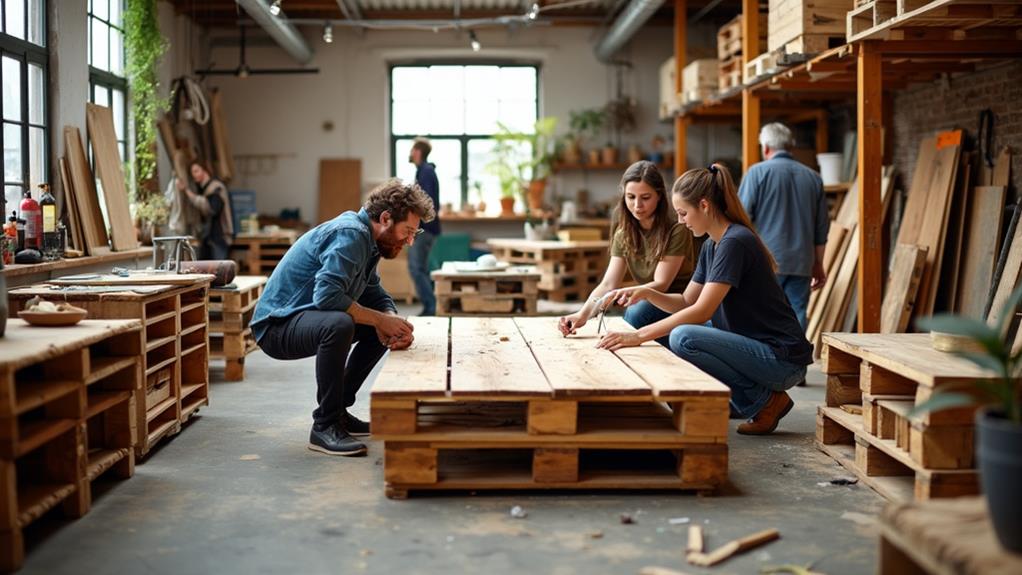
Engage with the vibrant community centered around DIY pallet furniture, and you'll discover a treasure trove of shared knowledge and inspiration. Over the past decade, community engagement on blogs and social media has surged, with enthusiasts eagerly exchanging tips and showcasing their creations. These platforms have become invaluable resources for both novice and experienced DIYers.
Positive feedback from community members often highlights the transformative power of pallet projects. Many share stories of turning simple pallets into functional, stylish pieces. The community bonds over several key aspects:
- Aesthetic Appeal: Users value the rustic charm and adaptability of pallet furniture, which complements various design styles.
- Innovation: The collaborative environment encourages exploring new designs and techniques, resulting in diverse and creative outcomes.
- Skill Development: Forums and comment sections act as hubs for sharing tips, refining methods, and advancing projects.
This feedback loop within the community fosters a sense of accomplishment and continuous learning. The collaborative spirit not only drives creativity but also helps individuals enhance their skills. By participating, you contribute to a dynamic, supportive network that thrives on innovation and shared success.
Sustainability and Trends
The DIY pallet furniture trend of the 2010s signified more than a mere fashion statement; it represented a significant move towards sustainability in home decor. This surge in the use of pallets was fueled by a growing demand for eco-friendly options, as upcycling pallets not only reduced waste but also offered a cost-effective way to create unique furniture pieces.
Social media platforms like Pinterest played a crucial role in popularizing this movement, showcasing numerous creative DIY projects that inspired a community-driven approach to home improvement. Whether crafting a cozy coffee table or a striking feature wall, the possibilities seemed endless.
The 2016 pallet wood shortage prompted many DIY enthusiasts to explore alternative reclaimed wood sources, illustrating a broader commitment to sustainable material practices. This shift underscored the growing market for upcycled furniture, as more consumers began prioritizing sustainability and craftsmanship over mass-produced items.
Ultimately, the 2010s demonstrated that choices in home decor could significantly impact sustainability, emphasizing the importance of creativity and eco-consciousness in everyday life.