What Are Female Gnomes Called in Mythology?
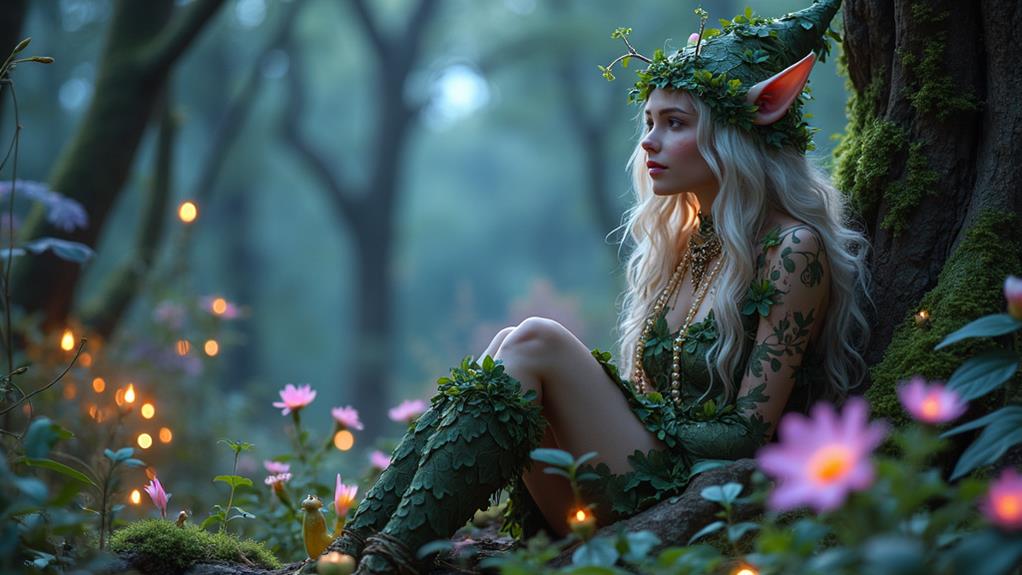
Female gnomes in mythology are often called "nisse" or "tomte" in Scandinavian traditions. They're depicted as small, wise women who protect households and nature. Unlike their male counterparts, they focus on nurturing and maintaining balance within their communities. You'll find them as skilled herbalists, guardians of the forest, and respected leaders. These roles show their importance in folklore, symbolizing nature's caretakers. Curious about how else these enchanting beings fit into mythology?
Origin of Gnomes
The origin of gnomes is steeped in the rich tapestry of European folklore, where their presence is both mysterious and enchanting. You might find it fascinating that gnomes, initially seen in medieval texts, were considered earth-dwellers with a deep connection to nature. Over time, the gnome evolution has shifted them from being merely mystical creatures to beloved symbols in our gardens.
In the early stages of gnome evolution, they were primarily depicted as guardians of valuables hidden within the earth. This idea later morphed, especially in the Renaissance period, where alchemists like Paracelsus described them as elemental beings. Their protective nature made them ideal figures in garden symbolism, where they came to represent good luck and safeguarding the home.
As you stroll through a garden today, those charming little statues aren't just decorative items. They embody a rich history that spans centuries, reflecting cultural shifts and evolving beliefs. So, next time you spot a gnome tucked among the flowers, keep in mind that it's not just a cute figure but a symbol steeped in ancient lore and the fascinating odyssey of gnome evolution.
Female Gnomes in Folklore
In folklore, female gnomes often hold unique roles that are just as crucial and intriguing as their male counterparts. You'll find that female gnome roles frequently revolve around the wellbeing and harmony of the gnome family dynamics. They are typically depicted as nurturing figures, responsible for maintaining the home and crafting remedies from natural herbs and plants. This knowledge makes them indispensable in gnome communities.
Female gnomes aren't confined to domestic duties, though. They often serve as guardians of their woodland homes, using their deep connection with nature to protect their families and surroundings. You might also encounter tales where female gnomes possess magical abilities, sometimes even more potent than those of male gnomes. These abilities allow them to communicate with animals, manipulate the earth, or even foresee future events.
In gnome family dynamics, female gnomes are seen as the glue that holds the family together. Their wisdom and intuition guide their families through challenges, making them respected leaders in their own right. So, when exploring gnome folklore, you'll learn that female gnomes play multifaceted and crucial roles that enrich the tapestry of these enchanting stories.
European Mythology
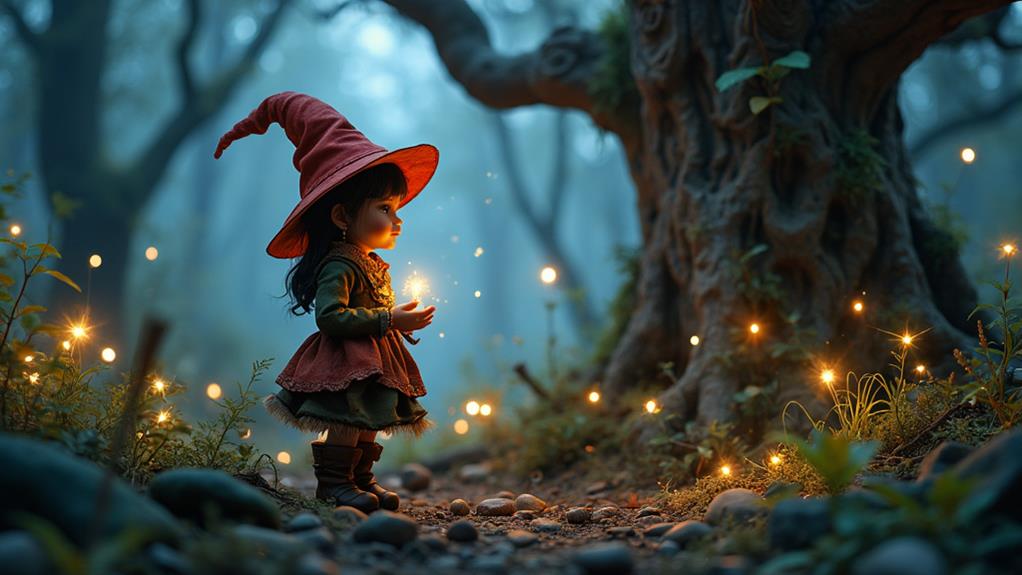
Across Europe, mythology imbues female gnomes with distinct characteristics that reflect the region's varied cultural landscapes. You'll find that these mythical beings often symbolize nature's guardians, blending seamlessly into their specific environments. Female gnomes are frequently depicted as wise and nurturing, playing pivotal roles in maintaining the balance of nature.
In numerous European cultures, gnome symbolism differs, but it generally revolves around themes of protection and fertility. Female gnomes are seen as protectors of the forest, often living in natural habitats like woodlands, gardens, and even underground burrows. These habitats are vital to their identity, offering them a place to nurture both plant and animal life.
You'll notice that the role and depiction of female gnomes differ slightly from country to country, yet they share common threads:
- Woodland Guardians: Female gnomes act as caretakers of forests, ensuring the well-being of flora and fauna.
- Healers: Known for their knowledge of herbal remedies, they often serve as healers in folklore.
- Household Protectors: Some myths place them inside homes, where they protect the family and domestic animals.
- Agricultural Symbols: They are sometimes linked to the fertility of the land, ensuring bountiful harvests.
Understanding these aspects of female gnomes helps you appreciate their rich cultural significance across Europe.
Scandinavian Traditions
Scandinavian traditions bring a unique perspective to the lore of female gnomes, where they are often called "nisse" or "tomte." These mythical figures are deeply woven into the fabric of Scandinavian culture, embodying the spirit of guardianship and domestic harmony. You'll find that Scandinavian gnome lore portrays female gnomes as protectors of the home and farm, guaranteeing the well-being of both people and animals.
Female gnome characteristics in these traditions are quite distinct. They're often depicted as small, elderly women with a wise and nurturing demeanor. Unlike their male counterparts, who might engage in playful mischief, female nisse are more focused on caretaking and maintaining order. They often wear traditional Scandinavian attire, including aprons and headscarves, which emphasizes their role as the heart of the household.
In your exploration of Scandinavian gnome lore, you'll notice that these female gnomes are not just passive figures; they actively engage in tasks that guarantee the prosperity of the household. They clean, mend, and sometimes even perform magical acts to safeguard their domain. Their presence is a cherished element of Scandinavian folklore, symbolizing the importance of home and hearth.
Modern Interpretations
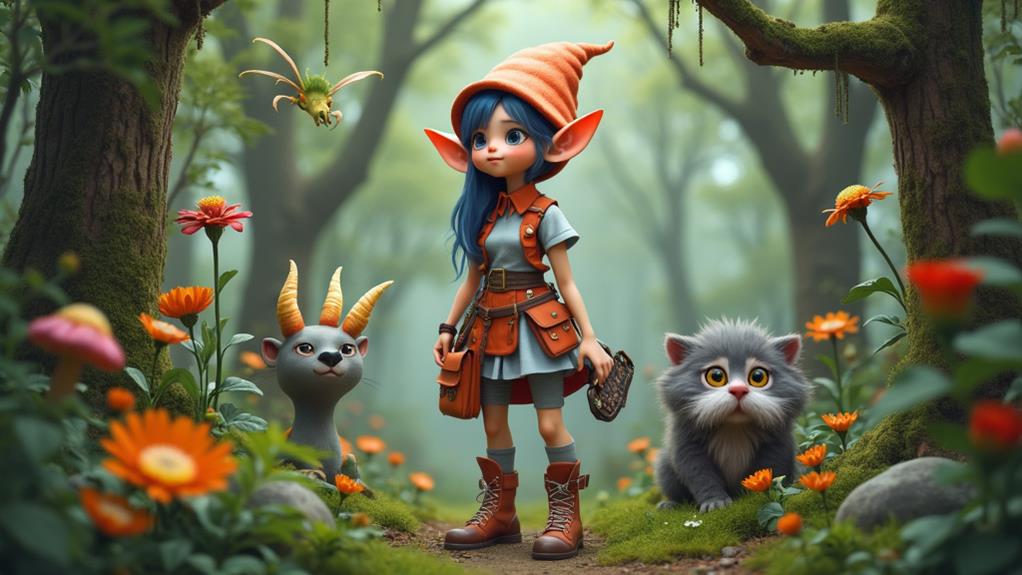
The rich tapestry of Scandinavian traditions provides a foundation for understanding how modern interpretations of female gnomes have evolved. Currently, you'll find them depicted in ways that challenge and expand on traditional gender roles. These contemporary portrayals often emphasize equality and complexity, giving female gnomes a broader range of characteristics and stories.
In literature and media, female gnomes aren't just relegated to domestic duties; they can be warriors, scholars, or leaders. This shift reflects societal changes towards gender equality and a desire to see more varied roles for women, even in mythological contexts.
You might notice these trends:
- Empowerment: Female gnomes are often depicted as strong and independent, breaking away from traditional subservient roles.
- Diverse Roles: They take on multiple professions and responsibilities, from healers to hunters.
- Complex Characters: Modern portrayals give them intricate backstories and personalities, making them more relatable and multidimensional.
- Equality: Relationships between male and female gnomes are more balanced, reflecting contemporary views on partnership and mutual respect.
These modern interpretations breathe new life into the ancient lore, making female gnomes relevant and inspiring in the present world.
Pop Culture References
How have female gnomes captured the imagination of popular culture? You've probably seen them in movies, TV shows, and books. Female gnome representations often break traditional gnome gender roles, showing them as more than just homemakers or sidekicks. For example, in "David the Gnome," Lisa, David's wife, is an equal partner in their adventures, showcasing strength and wisdom.
In the gaming world, female gnomes are portrayed with diverse roles. In World of Warcraft, female gnomes are engineers, warriors, and healers, emphasizing their versatility. They challenge the typical gnome gender roles by taking on leadership positions and engaging in combat, proving they're just as capable as their male counterparts.
Animated films like "Gnomeo & Juliet" bring female gnomes to the forefront. Juliet, the female protagonist, is not only brave but also intellectually curious, subverting the damsel-in-distress trope. These pop culture references demonstrate that female gnomes can embody a range of characteristics, from nurturing to fiercely independent.
Unique Names and Traits
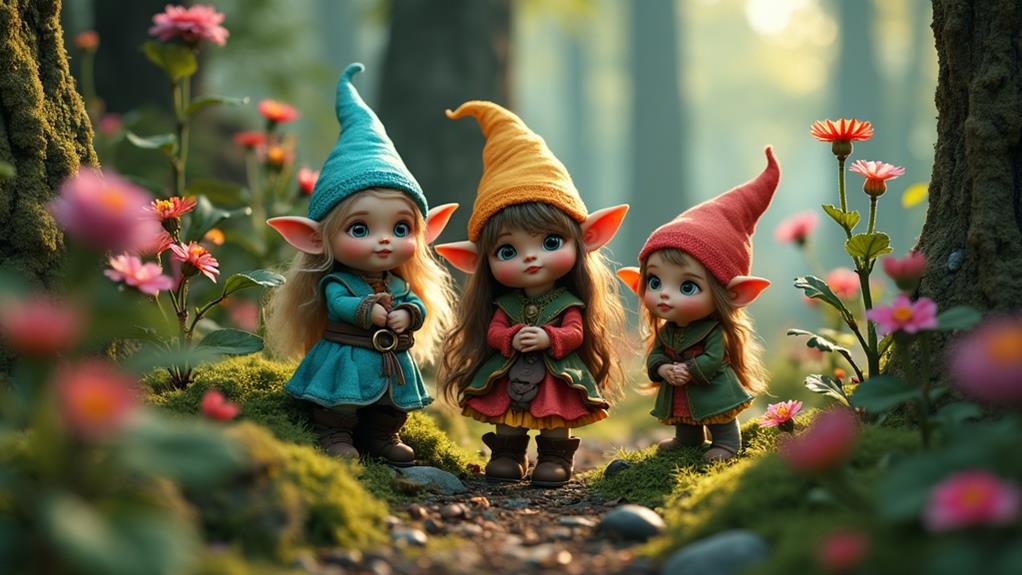
Unique names and traits make female gnomes stand out in mythology. You'll notice that these mystical beings often have names that reflect their environment or role within the gnome community. Naming conventions usually draw from natural elements like flora, fauna, and even minerals, giving each gnome a unique identity.
Gnome characteristics often emphasize their close connection to nature, their wisdom, and their skill in crafts. Female gnomes are frequently depicted as knowledgeable herbalists, skilled artisans, or guardians of ancient secrets.
Here are some unique traits and naming conventions of female gnomes:
- Natural Names: Names such as "Fernleaf" or "Mossberry" highlight their deep ties to the natural world.
- Craftsmanship Skills: Female gnomes are often portrayed as exceptional artisans, creating intricate jewelry or weaving elaborate fabrics.
- Herbal Knowledge: They possess extensive knowledge of herbs and potions, making them vital healers and wise women in their communities.
- Guardianship Roles: Many myths describe female gnomes as protectors of ancient knowledge or sacred places, emphasizing their importance and reverence within gnome society.