What Are Gnomes in Celtic Folklore?
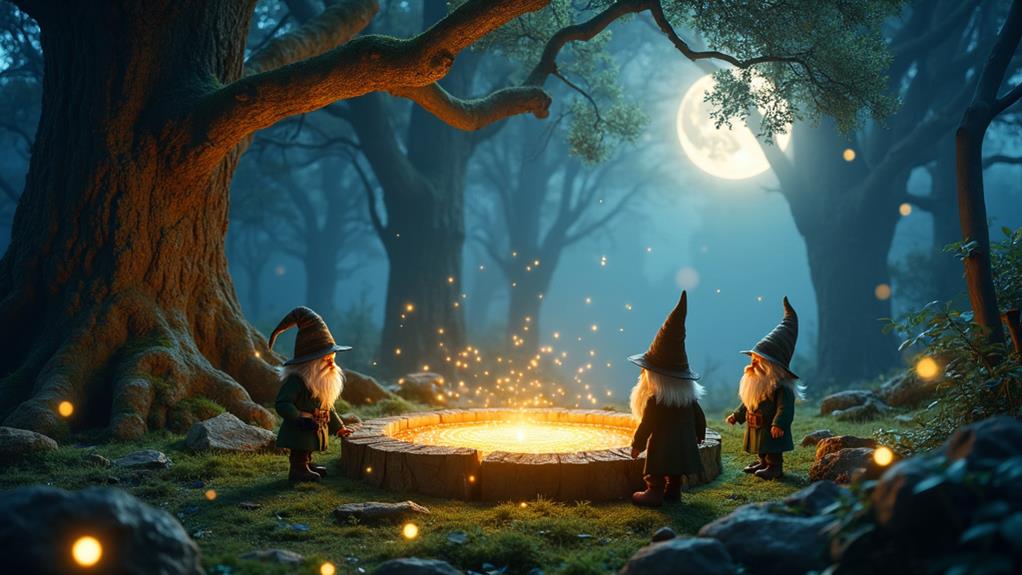
In Celtic folklore, gnomes are mystical earth spirits that protect buried valuables and symbolize fertility, protection, and wisdom. They're typically small and blend into natural surroundings, wearing practical clothes with pointed hats. Gnomes act as guardians of nature, mediators between the physical and mystical domains, and possess magical abilities like healing and invisibility. They're often depicted with round faces, rosy cheeks, and sparkling eyes, and symbolize a deep connection to the earth. Their legends illustrate both their benevolent and mischievous sides, making them fascinating figures in Celtic myths. Uncover more about their intriguing roles and stories.
Origins and History
When delving into the origins and history of gnomes in Celtic folklore, you'll find that these mythical creatures have deep roots in ancient European traditions. Gnomes, often associated with the earth and underground domains, are believed to have been protectors of valuables buried within the earth. Their significance in Celtic traditions is tied to their role as guardians and nature spirits, embodying the ancestral connection to the land.
Celtic traditions view these beings as more than just fantastical figures; they are woven into the fabric of the natural world and daily life. Historically, gnomes were not just playful characters but were seen as significant symbols of fertility, protection, and wisdom. They were often invoked in rituals and storytelling, serving as reminders of the mysticism and magic inherent in the natural world.
Historical interpretations suggest that the gnome's role in folklore evolved over centuries. Initially, they might have been considered deities or spirits of the earth, revered and respected by ancient Celts. Over time, their image transformed through tales and legends, adapting to the cultural changes and societal beliefs of diverse European communities, but their essence as protectors and wise beings remained consistent.
Physical Appearance
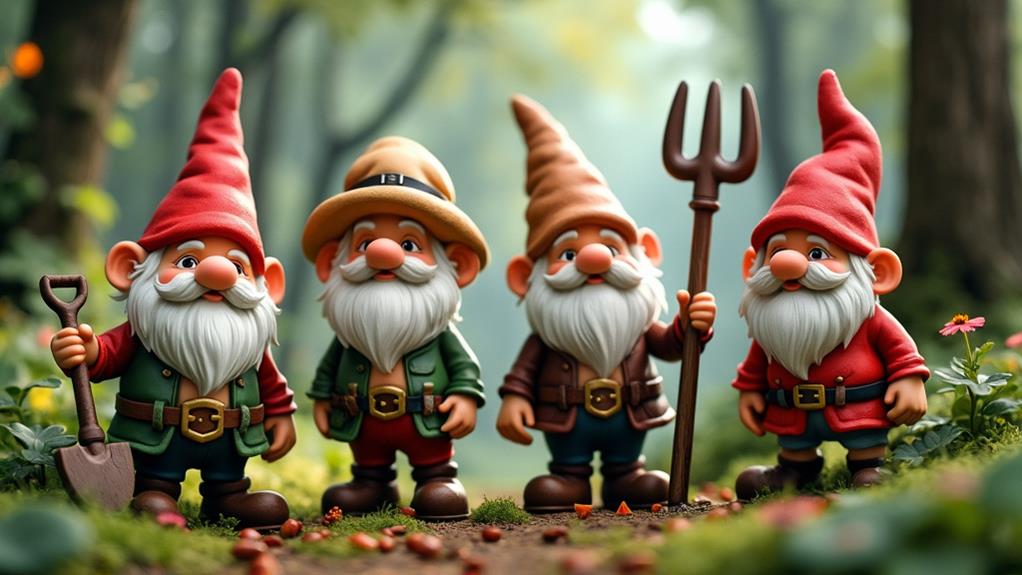
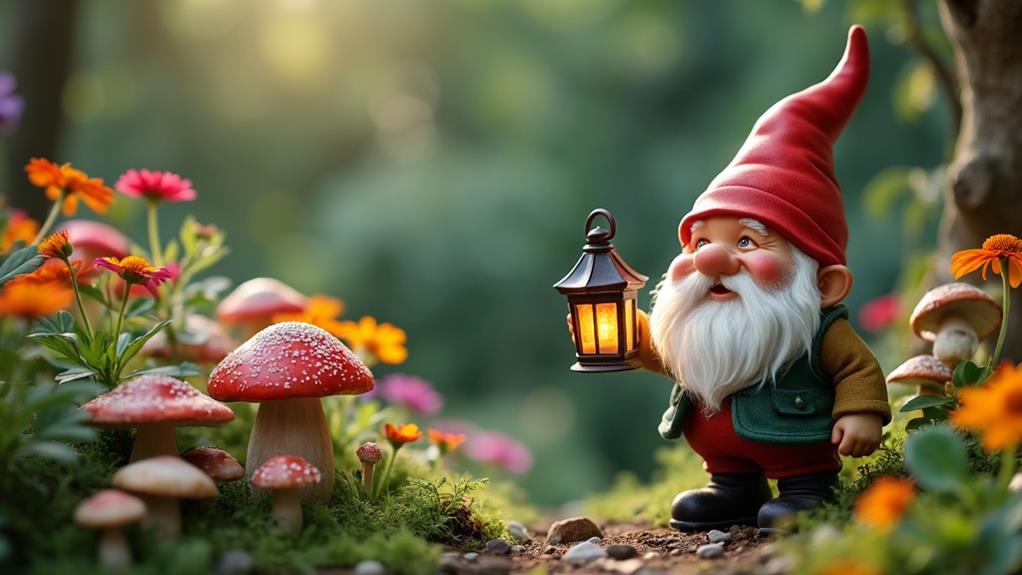
Gnomes in Celtic folklore are often depicted with a distinct and charming physical appearance that sets them apart from other mythical beings. Typically, they're portrayed as small, standing just a few inches tall, which allows them to blend seamlessly into their natural surroundings. One of the notable gnome characteristics is their round, cherubic faces, often adorned with rosy cheeks and sparkling eyes that reflect their mischievous yet kind nature.
When it comes to gnome attire, they opt for practical yet quaint clothing. You'll often find them wearing pointed hats, usually red or green, which have become a signature element of their look. Their outfits are crafted from natural materials like wool and leather, dyed in earthy tones to help them remain inconspicuous while traversing through forests and meadows. They typically wear sturdy boots, perfect for their woodland wanderings.
Their beards are another defining feature, particularly among male gnomes, adding to their wise and ancient appearance. These beards are usually long and well-kept, enhancing their general charm. The combination of their tiny stature, distinctive attire, and expressive faces makes gnomes instantly recognizable and utterly enchanting.
Gnomes vs. Other Creatures
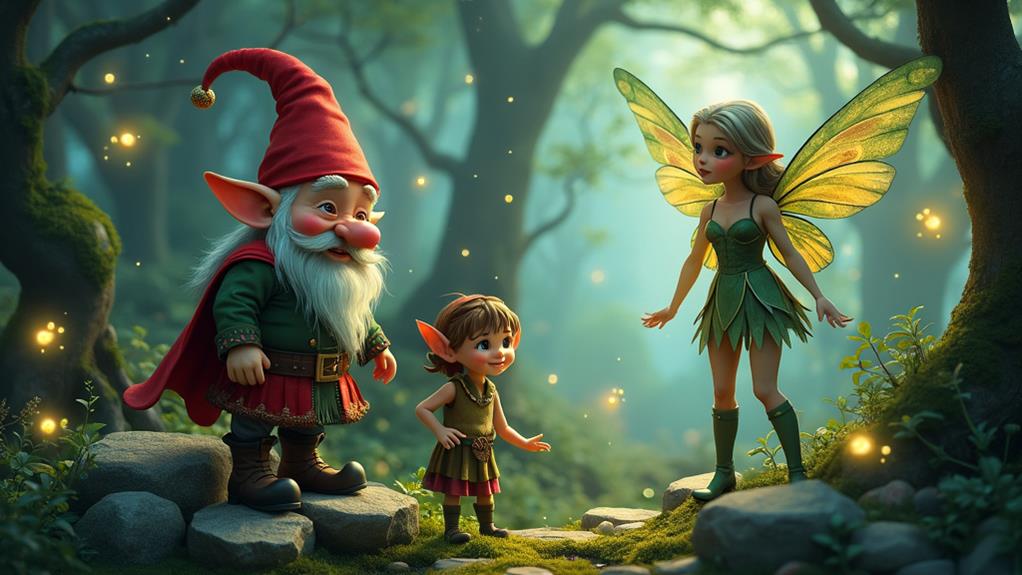
In the rich tapestry of Celtic folklore, gnomes stand out from other mythical creatures due to their unique characteristics and behaviors. When you think about gnomes, consider their diminutive stature, typically smaller than leprechauns or fairies. Gnomes are often depicted as wise and ancient beings with a deep connection to the earth. Unlike mischievous fairies, who love playing pranks, gnomes are generally more serious and reclusive.
Gnomes' habitats also set them apart. They prefer secluded, underground dwellings, often within the roots of ancient trees or hidden in dense forests. This contrasts sharply with the habitats of other creatures like mermaids, who inhabit bodies of water, or fairies, who are often found in open meadows or near flowers. Gnomes' affinity for the earth makes them excellent guardians of buried valuables and secret knowledge.
Another distinguishing feature is their attire. Gnomes are typically dressed in earthy tones, blending seamlessly with their natural surroundings. Fairies, on the other hand, are usually portrayed in bright, colorful clothing. By understanding these gnomes characteristics and gnomes habitats, you can easily differentiate them from other creatures in Celtic folklore.
Role in Mythology
Delving into Celtic mythology, you'll find that gnomes play a crucial role as guardians and keepers of ancient wisdom. These diminutive beings are more than just folklore; they symbolize the deep connection between the physical and spiritual domains. Gnome symbolism often highlights their role as protectors of nature and hidden riches. They are entrusted with safeguarding sacred sites and ancient knowledge, making them integral to the mythological landscape.
In numerous mythical interactions, gnomes serve as intermediaries between humans and the mystical world. They are often portrayed as wise and knowledgeable, sharing their insights with those deemed worthy. These interactions aren't just casual encounters but significant events that can alter the course of a hero's expedition or a community's fate. Gnomes' wisdom and guidance are sought after for solving complex problems and uncovering hidden truths.
Their presence in myths underscores the importance of respecting nature and the ancient traditions. By recognizing gnomes' role in Celtic mythology, you gain a deeper appreciation for the intricate tapestry of beliefs that shape this ancient culture. Their guardianship and wisdom continue to resonate, reminding us of the timeless connection between humanity and the mystical.
Magical Abilities
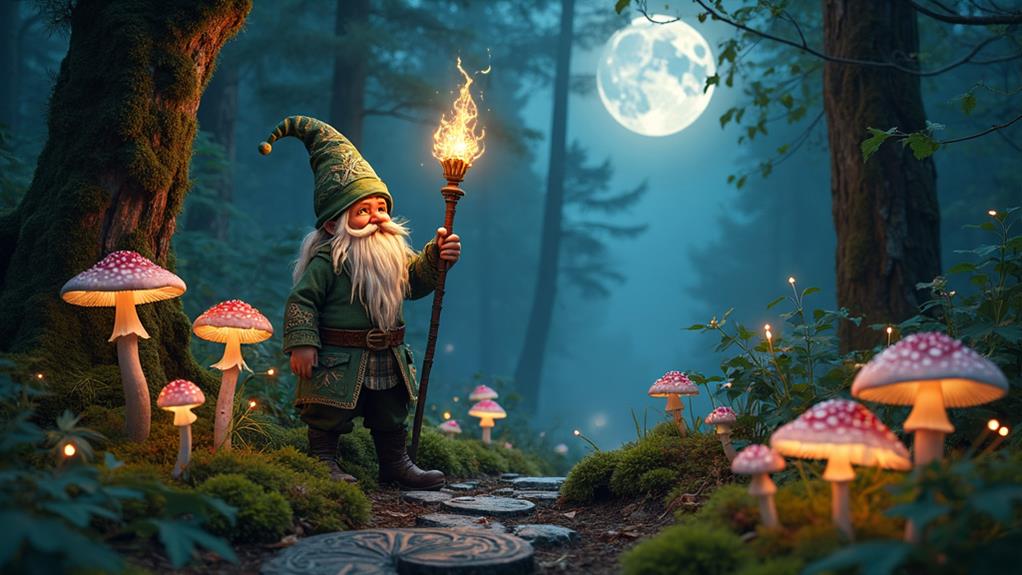
As guardians and keepers of ancient wisdom, these mystical beings possess a range of magical abilities that further enhance their significance in Celtic folklore. Gnomes are not just ordinary mythical creatures; their enchanted abilities make them powerful protectors and guides.
- Invisibility: One of the most notable gnome powers is their ability to become invisible at will. This helps them avoid danger and remain unseen while carrying out their duties.
- Healing: Gnomes are known for their healing abilities. They can cure ailments and injuries using their deep knowledge of herbs and natural remedies, often aiding humans and animals alike.
- Earth Manipulation: These beings can manipulate the earth, controlling soil, rocks, and plants. This power allows them to create hidden tunnels and protect their homes from intruders.
- Telepathy: Gnomes can communicate with each other and other creatures via telepathy. This ability guarantees they can coordinate their actions without being detected.
Gnomes and Nature
Throughout the ages, gnomes have held a special bond with nature, serving as its vigilant caretakers. These mystical beings are often found in secluded gnomes habitats, such as dense forests, lush gardens, or hidden groves, where they diligently work to maintain the natural balance. Their homes are intricately woven into the environment, with burrows and small dwellings camouflaged by foliage and earth.
You'll find that gnomes interactions with their surroundings are both harmonious and purposeful. They nurture plants, tend to animals, and even assist in the growth of trees and flowers. Gnomes are known to have an innate understanding of the natural world, allowing them to predict weather changes and sense ecological shifts. This connection enables them to act as mediators between the elements and living creatures, ensuring that each part of the ecosystem thrives.
Stories and Legends
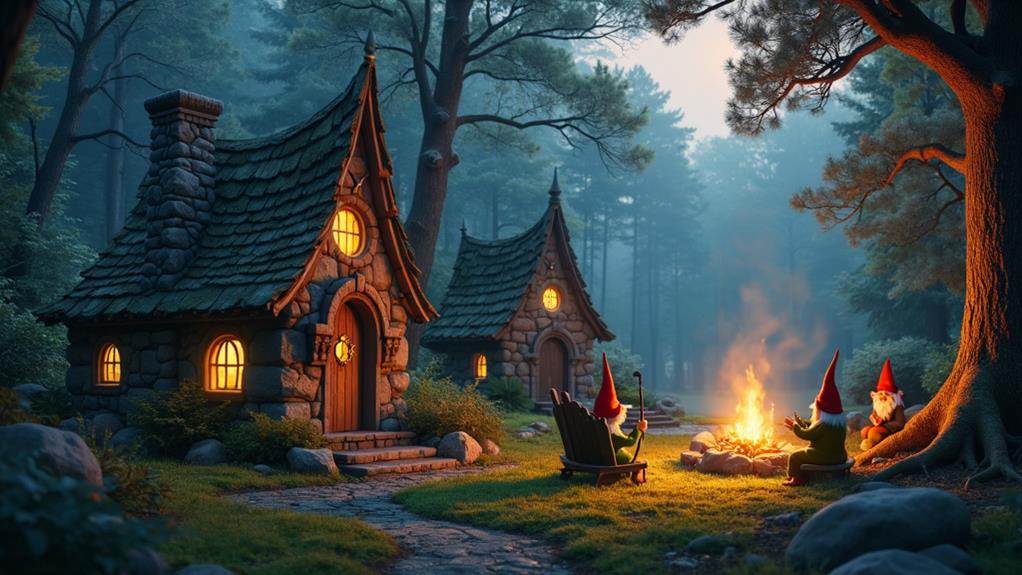
Gnomes in Celtic folklore are brought to life through a myriad of stories and legends, each illustrating their fanciful yet wise nature. These tales often depict gnomes as guardians of the natural world, using their ancient wisdom to guide and protect. You'll find that Celtic traditions are rich with these folk narratives, showcasing gnomes as both tricksters and benevolent beings.
Key Stories and Legends:
- The Gnome and the Farmer: In this classic tale, a gnome helps a struggling farmer by secretly tending to his crops at night, ensuring a bountiful harvest. This story highlights the gnome's generous spirit and deep connection to the earth.
- The Lost Traveler: Here, a lost traveler is guided safely through a dense forest by a gnome, who uses his intimate knowledge of the land to provide safe passage. It's a reflection of the gnome's role as a protector.
- The Mischievous Gnome: Not all gnomes are purely good; some stories feature gnomes playing tricks on humans, teaching them lessons about respect for nature and humility.
- The Hidden Wealth: In this legend, a gnome guards a hidden wealth, rewarding those who show kindness and respect with a share of the riches.
These tales, deeply rooted in Celtic traditions, highlight the complex and multifaceted nature of gnomes in folk narratives.
Gnomes in Modern Culture
In the current world, gnomes have transcended their Celtic folklore origins to become beloved fixtures in modern culture. You'll find them in gardens, homes, and even pop culture references. Gnome gardening has become particularly popular, where these small, fanciful statues add a touch of magic to your outdoor spaces. They're not just decorative; many believe they bring good luck and protection to the garden.
Beyond gardens, gnome collectibles have carved out their own niche among enthusiasts. You might have seen them as intricate figurines, plush toys, or even in themed merchandise like mugs and calendars. Collectors often seek unique designs, making gnome collectibles a diverse and ever-growing market. This modern fascination keeps the folklore alive, albeit in new and creative ways.
Gnomes have also made appearances in movies, TV shows, and books, often depicted as quirky, mystical beings. This widespread representation has further cemented their status in popular culture. So regardless of your arranging a gnome in your garden or adding a new collectible to your shelf, you're part of a tradition that bridges the ancient and the modern, celebrating the enduring charm of these mythical creatures.
Symbolism and Meaning
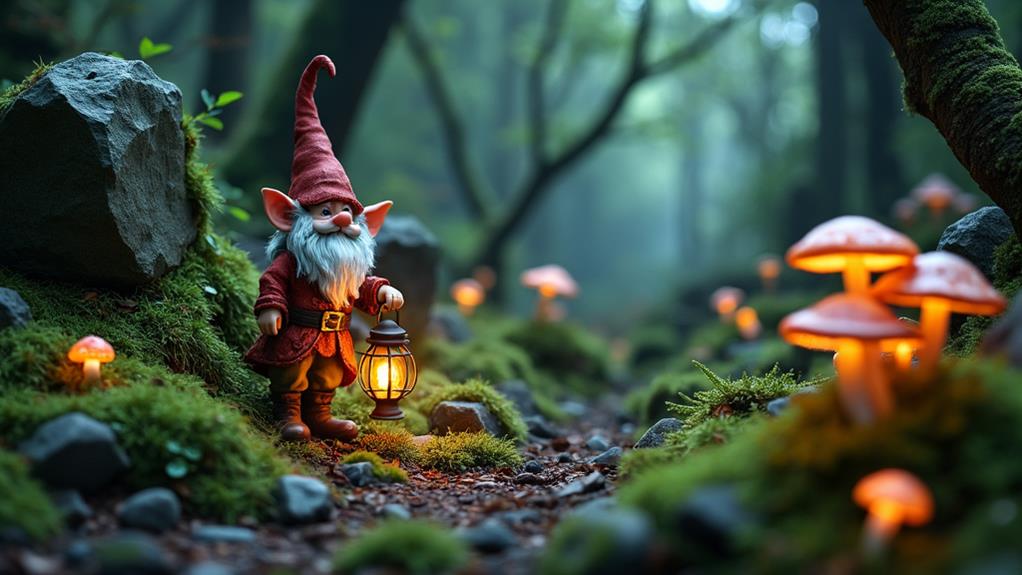
While gnomes have found a place in modern culture, their roots in Celtic folklore imbue them with rich symbolism and meaning. You might be surprised to learn that these small, bearded beings are more than just garden ornaments. In Celtic traditions, gnomes symbolize the guardians of the earth and its riches. Their presence is a reminder of the hidden mysteries and the spiritual beauty of nature.
Here's a breakdown of gnome symbolism and gnome meaning in Celtic folklore:
- Protection: Gnomes are often seen as protectors of the earth, safeguarding its minerals, plants, and animals from harm.
- Wisdom: They are considered wise beings, possessing ancient knowledge about the natural world and the secrets of the earth.
- Hard Work: Gnomes are a symbol of industriousness and diligence, often depicted as miners or craftsmen.
- Connection with Nature: They represent a deep connection to the earth, emphasizing the importance of living in harmony with the environment.