What Is the Superstition About Gnomes?

Gnome superstitions stem from ancient folklore, attributing magical powers to these garden ornaments. You'll find that many believe gnomes protect homes and bring good luck when placed outdoors. However, mistreating or breaking a gnome is thought to invite misfortune. Some cultures warn against bringing gnomes inside, while others caution against stealing them from gardens. Gnomes are often associated with hidden treasures and secret knowledge of the earth. Modern interpretations view gnomes as benign protectors rather than fearsome creatures. If you're curious about the rich fabric of beliefs surrounding these fanciful figures, there's much more to uncover.
Origins of Gnome Superstitions
For centuries, gnomes have captured the imaginations of people across Europe, spawning a rich quilt of superstitions. These beliefs often stem from the dual nature attributed to gnomes in European mythology. The origins of gnome superstitions can be traced back to their association with nature and the earth. It was believed that gnomes could serve to protect your home and garden, but they were also easily angered. This led to the superstition that disrespecting nature could incur their wrath. Interestingly, gnomes were sometimes illustrated as child-eating giants, further fueling fears about their potentially dangerous nature.
Another source of gnome-related superstitions was their connection to human emotions. The belief that gnomes were linked to the melancholic temperament of man led to superstitions about their ability to influence your well-being. This complex web of beliefs resulted in the widespread superstition that breaking a gnome or treating them poorly could bring bad luck to your household.
Protective Powers of Garden Gnomes
While gnome superstitions often stem from fear, many people welcome these mythical creatures for their supposed protective powers. Garden gnomes are believed to safeguard your property from various threats, including thieves, pests, and general misfortune. They're thought to act as vigilant guardians, watching over your garden and farm while warding off bad luck.
If you're looking to attract wealth, placing a garden gnome on your property might be a good idea. Folklore suggests that these little figures know where hidden treasures are buried, potentially bringing prosperity to their owners. However, it's essential to treat your gnome with respect. Breaking or mistreating a garden gnome is considered extremely unlucky, as you'd be damaging its protective abilities.
You should also resist the temptation to "borrow" a gnome from someone else's garden. Stealing these protective figures is said to invite bad luck into your life. If you want to leverage a gnome's protective powers indoors, consider placing one in your conservatory or on your front porch. This placement is believed to safeguard your home and may even augment fertility.
Gnomes and Household Luck
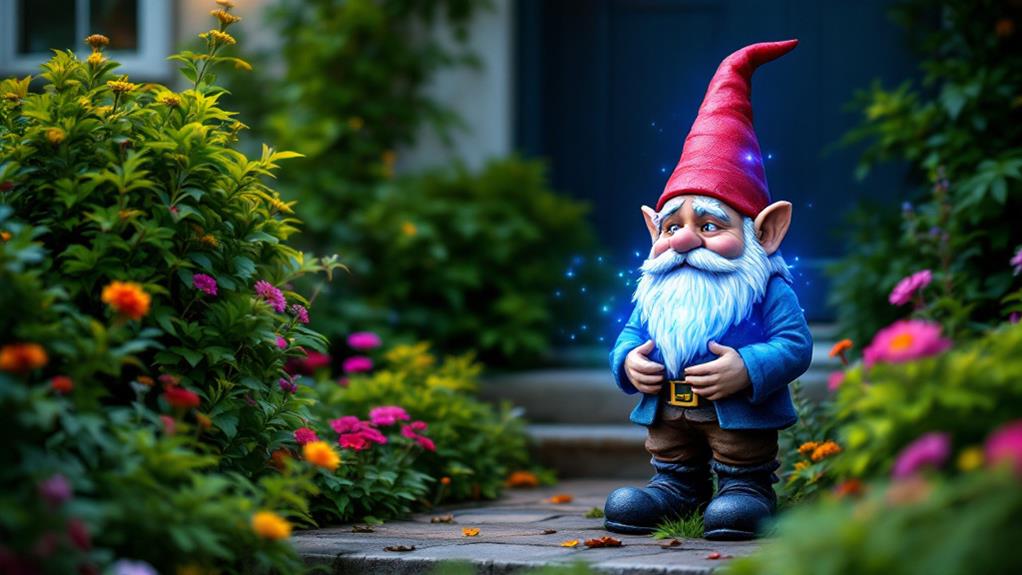
According to folklore, gnomes play a significant role in shaping a household's fortune. These mythical creatures are believed to possess extensive knowledge of the earth's treasures and use their powers to protect and bring good luck to the homes they inhabit.
If you're looking to harness the positive energy of gnomes, you'll want to place them strategically in your home. The front porch or conservatory are ideal locations, as they're thought to safeguard your household's wealth and possessions. However, it's essential to treat your garden gnomes with respect and care. Breaking or mistreating them isn't just unkind; it's considered bad luck and could lead to misfortune for your family.
You should also be wary of gnome thieves. While it might seem harmless to "borrow" a gnome from someone else's garden, this act is believed to bring bad luck to the thief. Instead, focus on nurturing a positive relationship with your own gnomes. By treating them well and acknowledging their presence, you're more likely to benefit from their protective powers and enjoy the good fortune they're said to bring.
Taboos Surrounding Gnome Ownership
Just as there are practices to invite good fortune through gnomes, there are also taboos surrounding their ownership that you should be aware of. Around the world, these small garden guardians are subject to various superstitions and beliefs about proper treatment and placement.
One of the most significant taboos is breaking a gnome or treating it with ill intentions. This is considered extremely bad luck and may invite misfortune into your life. Similarly, stealing a garden gnome from its home is believed to bring bad luck to the thief. It's essential to respect these little figures and their supposed protective powers.
Interestingly, some people believe it's unlucky to bring garden gnomes inside the home. They should remain in their intended outdoor habitat to maintain their positive influence. Whether you're a believer in gnome folklore or not, it's wise to handle these figurines with care and respect. Disrespecting or mishandling them could lead to negative consequences, according to superstition. By observing these taboos, you can avoid potential misfortune and maintain a harmonious relationship with your garden guardians.
Cultural Variations in Gnome Beliefs
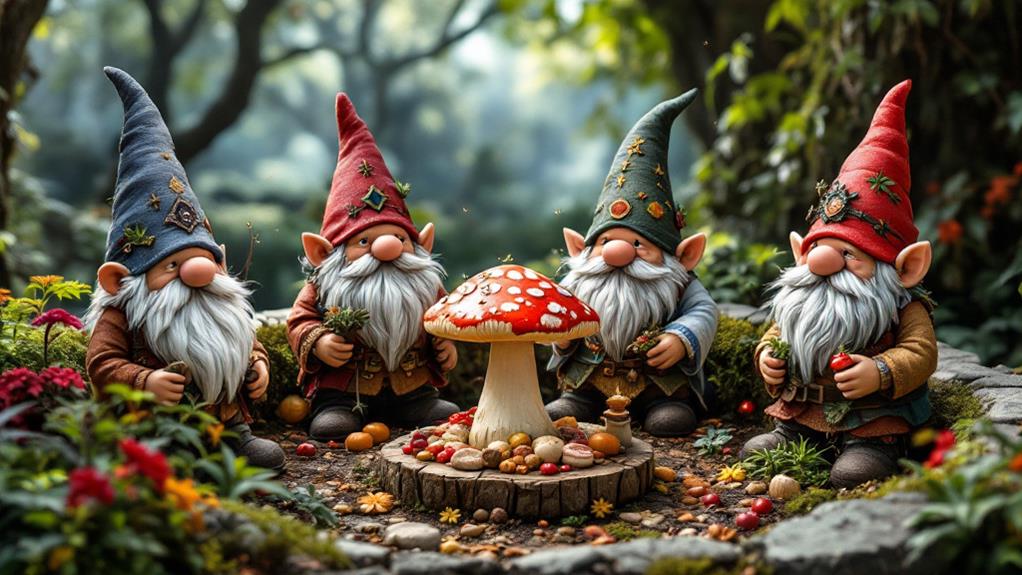
Gnome beliefs fluctuate markedly across cultures, reflecting diverse folklore and traditions. In Germany, you'll find that gnomes were once considered real, mischievous beings capable of influencing household luck and temperament. This belief contrasts sharply with the French and Italian viewpoint, where some activists viewed garden gnomes as "prisoners" needing liberation from private gardens.
Across various mythologies, you'll encounter the common thread of gnomes as guardians of hidden riches and secret knowledge. This protective role extends to the modern practice of placing gnomes in gardens and homes. In German literature, gnomes are often portrayed as wise, ancient protectors of the earth, symbolizing knowledge, mystery, and the unseen forces in the world. If you're considering adding a gnome to your new home, be aware that many cultures believe mistreating or breaking these figures brings bad luck.
The superstition surrounding gnome theft is particularly widespread. You might think it's harmless to "borrow" a garden gnome, but many believe this act invites misfortune. Gnomes are seen as safeguards of the properties they inhabit, so removing them disrupts this protective function. Whether you're a believer or skeptic, these cultural variations highlight the enduring fascination with these small, enigmatic figures in gardens worldwide.
Modern Interpretations of Gnome Folklore
Modern-day gnome lore has taken on new dimensions, blending traditional beliefs with current interpretations. You'll find that while some ancient superstitions persist, they've evolved to fit our present understanding and lifestyle.
The idea of gnomes bringing luck or misfortune to households remains prevalent. However, the child-eating giant image has largely faded, replaced by a more benign gnome personification. Today's garden gnomes are seen as protectors of the home and garden, rather than mischievous creatures to be feared.
You might notice that the belief in gnomes influencing human temperament has shifted. Instead of causing melancholy, they're now often associated with bringing joy and whimsy to outdoor spaces. The superstition about breaking or disrespecting gnomes persists, reflecting a modern emphasis on respecting nature and the environment.
Interestingly, the notion that stealing a garden gnome brings bad luck has gained traction. This superstition aligns with the contemporary view of gnomes as guardians of the home. As you encounter these current interpretations, you'll see how gnome folklore continues to adapt, maintaining its relevance in today's world.