What Role Did Ethnic and Cultural Diversity Play in Disco Fashion?
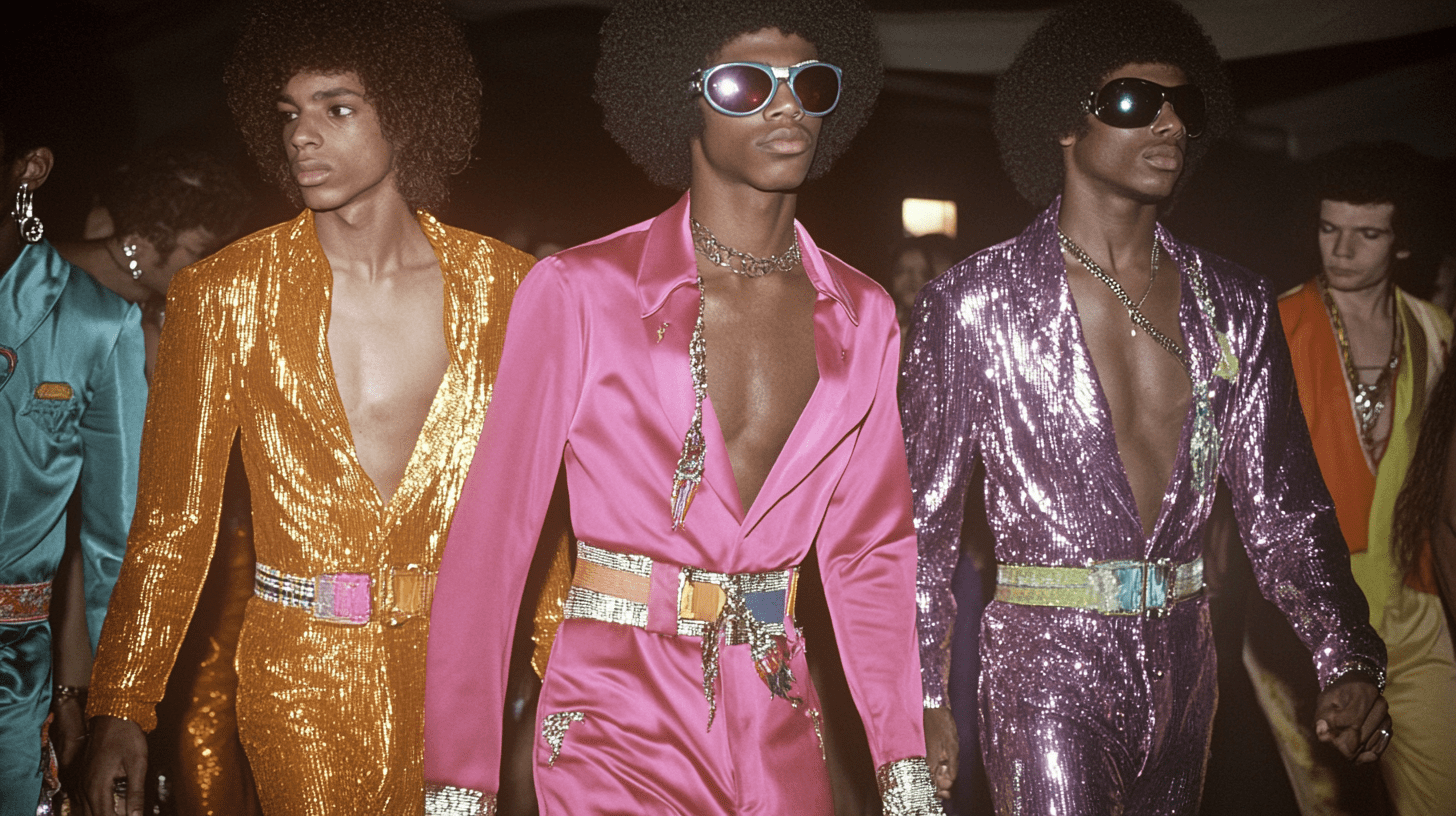
Ethnic and cultural diversity played a crucial role in shaping disco fashion. Influences from African-American designers like Stephen Burrows, Latinx artists, and Asian aesthetics contributed unique elements, resulting in an eclectic mix of bold colors and playful designs.
Disco clubs served as melting pots where individuals from various backgrounds felt welcomed and free to express themselves through fashion. How did these diverse influences shape the iconic styles we associate with disco today? Let's explore the intricate ways these cultural threads wove together to create a lasting legacy in fashion.
Influence of African-American Designers
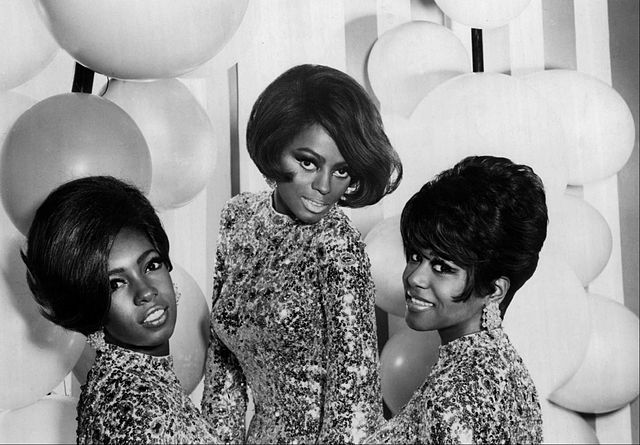
African-American designers like Stephen Burrows transformed disco fashion with their vibrant and bold aesthetic. When you think of disco fashion, the first thing that should come to mind is the explosion of colors and playful designs that became iconic during the 1970s. Burrows, an African-American designer, pioneered trends that captured the energetic spirit of the time. His signature 'lettuce hem' design was a testament to the diverse cultural influences that African-American designers brought to disco fashion.
You can't talk about disco fashion without mentioning its androgynous and bold look, heavily influenced by African-American designers. They challenged conventional norms by blending masculine and feminine elements, creating an inclusive and eclectic fashion scene. This wasn't just about clothes; it was a cultural movement that welcomed diversity and self-expression.
African-American designers played a significant role in making disco fashion a celebration of individuality and community. Their influence turned disco clubs into vibrant melting pots where everyone could shine.
Next time you see those iconic disco outfits, remember the African-American designers who helped shape this unforgettable period in fashion history. Their contributions were more than just aesthetic; they were revolutionary.
Latinx Contributions to Disco Style
Latinx contributions to disco style were groundbreaking, infusing vibrant colors, bold patterns, and dynamic rhythms that defined the era's fashion and music. This influence is evident in the dazzling outfits worn by disco icons and the energetic beats that filled the clubs. Latinx artists like Gloria Gaynor and Giorgio Moroder didn't just elevate hits; they integrated their cultural heritage into the very fabric of disco.
In cities like New York and Miami, Latinx communities became cultural epicenters for this vibrant exchange. These hubs saw the blossoming of fashion trends, with Latinx dancers and performers leading the popularization of disco culture. Their flair for fashion was unmistakable, with sequined dresses, flared pants, and colorful, flowing fabrics becoming disco staples. Latinx fashion influences made dance floors come alive, turning every night out into a visual spectacle.
Musicians like Tito Puente and Celia Cruz further enriched disco by blending Latin rhythms with the genre's pulsating beats. This fusion created a unique sound that set dance floors ablaze and inspired countless fashion statements. Latinx contributions didn't just enhance disco; they defined its essence, making it a truly multicultural phenomenon.
Asian Inspirations in Disco Fashion
Asian inspirations brought an element of elegance and exoticism to disco fashion through kimono sleeves, mandarin collars, and silk fabrics. Japanese designers like Hanae Mori and Issey Miyake played significant roles in shaping this trend with their innovative designs. Intricate embroidery, bold patterns, and luxurious fabrics reflected the fascination with Asian aesthetics in disco fashion.
Disco fashion was a head-to-toe experience, incorporating traditional Asian accessories like bamboo earrings, chopsticks in hair, and geisha-inspired makeup. These elements added flair and symbolized cultural diversity and artistic expression. Black American disco-goers, in particular, embraced these styles, finding a unique way to stand out and express their individuality.
Asian-inspired designs were integral to the disco period's aesthetic. The blend of diverse influences created a rich tapestry that made disco fashion unforgettable. Flowing kimono sleeves and vibrant silk fabrics carry significant cultural meaning, making them more than just stylish choices.
European Trends in Disco Attire
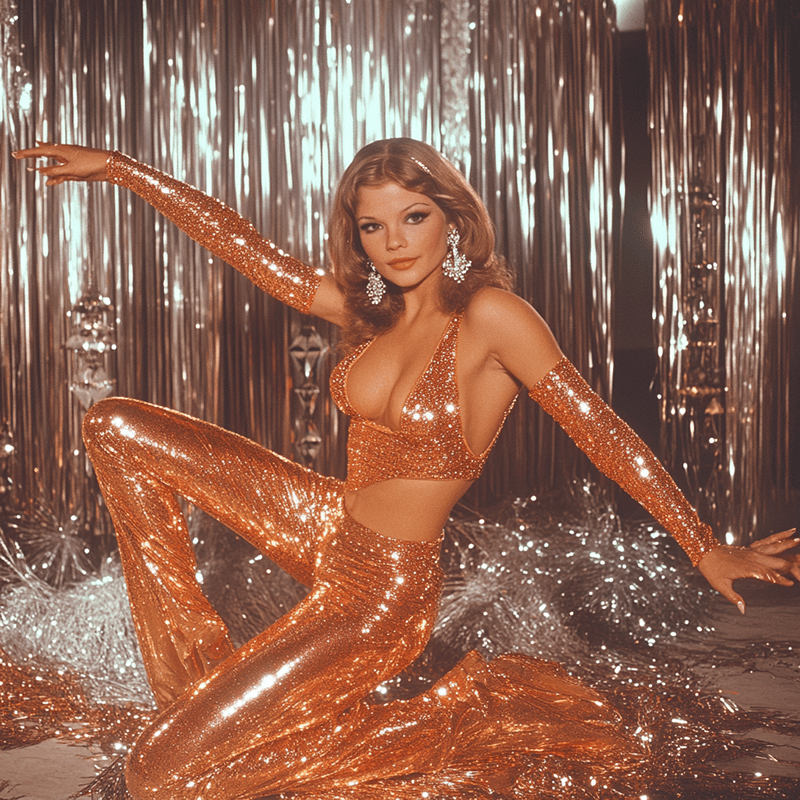
European disco fashion was defined by bold colors, glamour, and futuristic elements, creating an unforgettable nightlife experience. Shimmering fabrics and platform shoes were the hallmarks of this era, reflecting individuality and extravagance. Italian designers like Emilio Pucci and Gianni Versace were at the forefront, infusing the scene with bold prints and luxurious fabrics. Their creations featured vibrant hues and intricate patterns, ensuring you stood out on the dance floor.
Androgyny played a significant role, with both men and women embracing flamboyant and daring looks. Imagine donning a black sequined jumpsuit or a metallic silver dress—these styles were adopted by all genders, breaking traditional fashion boundaries. Statement accessories like oversized sunglasses, chunky jewelry, and feathered boas added extra flair to any ensemble.
European disco clubs like Studio 54 in London and Le Palace in Paris were trendsetters, attracting diverse crowds with unique styles. These venues were more than just nightlife spots; they served as fashion runways showcasing the latest trends. The European influence on disco fashion embodied luxury, boldness, and a touch of the avant-garde.
Cultural Symbols and Patterns
Disco fashion embraced global influences, incorporating traditional patterns from diverse cultures. Designers reimagined these patterns, blending them with modern elements to create unique, vibrant looks. This fusion celebrated diversity and made Disco fashion a melting pot of cultural expressions.
Global Influences in Fashion
Drawing from a rich tapestry of global influences, Disco fashion celebrated cultural symbols and patterns with an exuberant flair. The spirit of Josephine Baker, known for embracing cross-cultural styles, was reflected in the diverse and vibrant looks of the period. Disco fashion didn't merely borrow; it honored African prints, Latin American flair, and Asian-inspired silhouettes, creating a global fusion that was both contemporary and deeply rooted in tradition.
Cultural symbols played a pivotal role. Egyptian motifs adorned many garments, while intricate Indian embroidery added a touch of exotic elegance. Bold, bright Caribbean colors lit up the dance floors. The patterns were equally diverse. Geometric shapes, tribal designs, and psychedelic prints from around the world created a visual feast that was unmistakably Disco.
Ethnically diverse communities contributed significantly to this eclectic mix, bringing a rich palette of colors and textures to the forefront. Disco fashion was a celebration of global influences, showcasing an array of traditional garments blended with contemporary trends. This diversity in fashion echoed the inclusive spirit of the Disco period and set the stage for future fashion revolutions.
Traditional Patterns Reimagined
Disco fashion reimagined traditional patterns like African kente cloth and Native American fringe with a bold, contemporary twist. Vibrant colors and geometric designs from kente cloth were incorporated into eye-catching outfits. These patterns weren't just preserved but amplified, often paired with shimmering fabrics and exaggerated silhouettes that epitomized the disco era's love for drama and flair.
Donna Summer, the 'Queen of Disco,' frequently wore outfits featuring these reimagined traditional patterns. Her stage presence celebrated global influences, including Latin American ruffles and Asian-inspired silks. These elements added richness and diversity to her wardrobe, resonating with the eclectic spirit of the disco scene.
Diversity in Disco Accessories
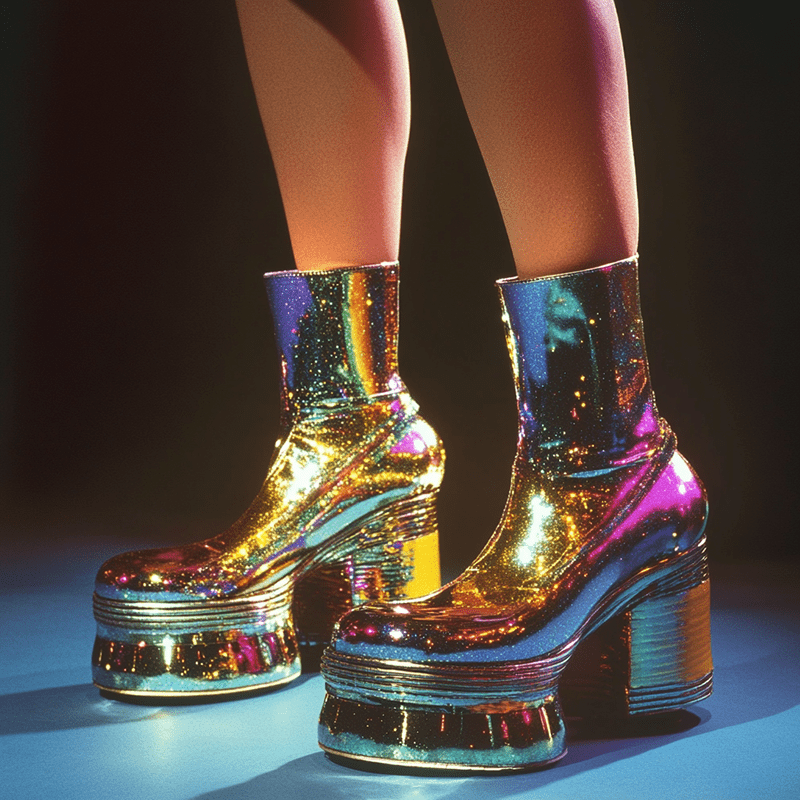
How did the vibrant mix of ethnic and cultural influences make disco accessories a vivid demonstration of diversity and self-expression? Disco accessories were a melting pot of styles from various communities, turning dance floors into runways of cultural celebration. Afro-centric elements played a key role, with patterns and African-inspired jewelry making bold statements. Hoop earrings, kente cloth sashes, and intricate beaded necklaces reflected the rich heritage of Black culture.
Latino influences added another layer of vibrancy, with feathered boas and colorful scarves showcasing their flair for dramatic, eye-catching accessories. These communities didn't just participate in the disco scene; they reshaped it, bringing their unique styles into the mainstream. Platform shoes, a staple of disco fashion, often featured vibrant colors and patterns that echoed the diverse backgrounds of the people wearing them.
Inclusive Atmosphere of Disco Clubs
Disco clubs created an inclusive atmosphere that celebrated diversity and fostered unity among people from various ethnic and cultural backgrounds. Upon entering, you'd immediately feel the energy of acceptance. Black, Latinx, and Queer communities found a safe haven to express themselves freely and without judgment. The inclusivity was evident not only in the diverse crowd but also in the eclectic fashion choices.
The fashion in these clubs was a vibrant mix inspired by African, Latin American, and European aesthetics. Bold patterns, vibrant colors, and androgynous styles broke traditional gender norms. Disco fashion was more than just about looking good; it was a celebration of individual expression and cultural identity. The inclusive atmosphere encouraged everyone to wear whatever made them feel fabulous.
At the heart of the disco scene were unity and acceptance. The fashion exemplified this fusion of global styles, creating an environment where everyone felt they belonged. You could express your cultural identity freely, knowing that the disco club was a space of celebration and inclusion for all.
Legacy of Multicultural Disco Fashion
The significant influence of multicultural disco fashion is evident in today's vibrant, eclectic styles and inclusive fashion movements. Modern fashion celebrates diversity through bold patterns, vibrant colors, and a mix of cultural elements, a legacy rooted in disco's acceptance of ethnic and cultural diversity.
Black and Brown communities were instrumental in shaping disco fashion, with African-inspired prints and Latin American flair becoming mainstream. These influences are now seen in everything from streetwear to haute couture. The spirit of unity and acceptance that disco embodied continues to inspire designers to adopt a more inclusive approach to fashion.
Moreover, the legacy of LGBTQ+ expression in disco fashion has paved the way for today's gender-fluid and non-binary styles. By incorporating diverse cultural elements, disco fashion broke down barriers and set a precedent for the imaginative, boundary-pushing trends we see today. The enduring legacy of multicultural disco fashion is present in every vibrant, inclusive collection in the fashion world.
Conclusion
Ethnic and cultural diversity profoundly influenced disco fashion, transforming it into a vibrant and eclectic celebration. African-American designers, Latinx contributions, Asian inspirations, and European trends all played pivotal roles.
Cultural symbols and diverse accessories added even more flair. The inclusive atmosphere of disco clubs welcomed everyone, fostering unity and self-expression. Today, the legacy of multicultural disco fashion continues to inspire contemporary styles, reminding us that diversity is the key to creativity and innovation in fashion.