What Were the Coolest Fashion Styles of the 2010s?
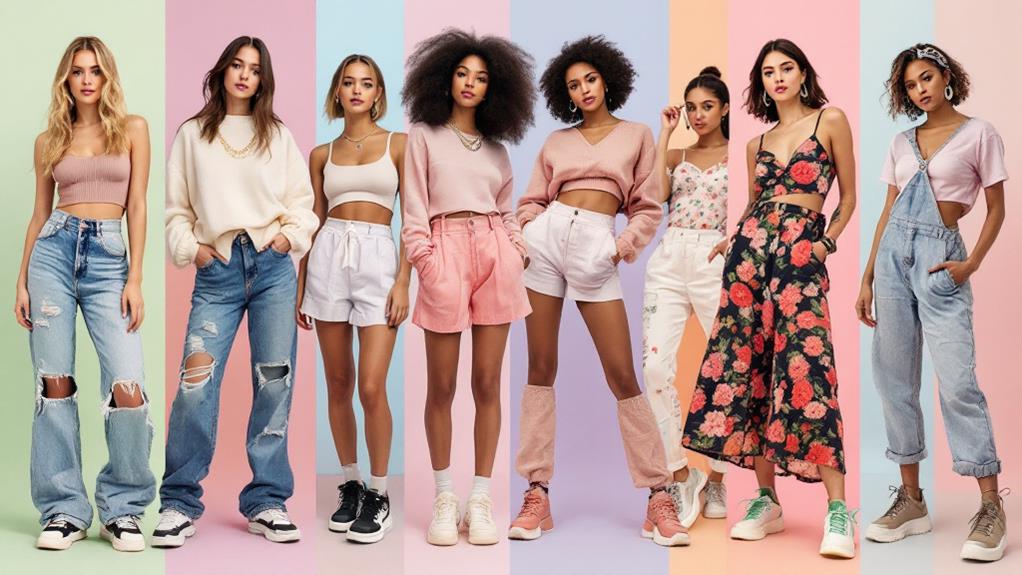
The coolest fashion styles of the 2010s welcomed, adopted, or took on comfort, functionality, and self-expression. You'd find athleisure dominating wardrobes, with stylish activewear becoming everyday wear. Streetwear went mainstream, making hoodies and sneakers high-fashion staples. Festival fashion took center stage during summer, with boho-chic looks ruling Instagram. Minimalism and capsule wardrobes gained traction, focusing on versatile, quality pieces. Sustainable and ethical fashion became increasingly important, with secondhand shopping and eco-friendly brands on the rise. These trends not only changed how you dressed but also reflected broader cultural shifts towards wellness, inclusivity, and environmental consciousness. There's more to uncover about each of these game-changing styles.
Athleisure Takes the Spotlight
Throughout the 2010s, athleisure emerged as a dominant fashion trend, blurring the lines between workout wear and everyday clothing. This shift was driven by the wellness movement and an increased demand for fashionable activewear. You'd find yourself gravitating towards brands like Lululemon, Sweaty Betty, and Athleta, which became key players in the rapidly growing athleisure market.
As the decade progressed, you'd notice athleisure becoming a staple in many wardrobes, with the pandemic further accelerating the shift towards comfortable, functional fashion. This trend also contributed to the mainstreaming of streetwear and the blurring of boundaries between high and low fashion. Geek fashion has transitioned nerdy and geeky identities from the fringes to celebrated expressions of individuality, which has also influenced the rise of athleisure.
Alongside athleisure, you'd see the rise of the minimalist capsule wardrobe trend, focusing on versatile, high-quality pieces that could be mixed and matched. This approach aligned with the growing interest in sustainable fashion and a desire for long-lasting clothing options.
The athleisure market's explosive growth, expected to reach over $138 billion in the next four years, reflects how comfort fashion has become an integral part of our daily lives and personal style choices.
Streetwear Goes Mainstream
The 2010s witnessed a seismic shift in fashion as streetwear burst onto the mainstream scene. You couldn't ignore the rise of brands like Supreme, Off-White, and Yeezy, which changed from niche labels to major fashion players. Suddenly, sneakers, hoodies, and graphic tees were no longer just casual wear; they became coveted high-fashion items. The evolution of nerd culture and the popularity of video games played a significant role in the increased acceptance and desirability of geek chic fashion, enabling streetwear's rise.
One of the decade's most significant fashion trends was the blurring of lines between high and low fashion. You'd see collaborations like Louis Vuitton x Supreme, which brought streetwear aesthetics to luxury houses. This fusion revolutionized the industry, making streetwear acceptable in high-fashion spheres.
The emergence of "hypebeast" culture and a thriving resale market fueled streetwear's desirability. You'd find people camping outside stores for limited-edition drops, while others made fortunes flipping rare pieces online. This phenomenon cemented streetwear's influence on street style and its widespread adoption across the fashion world.
Festival Fashion Dominates Summer
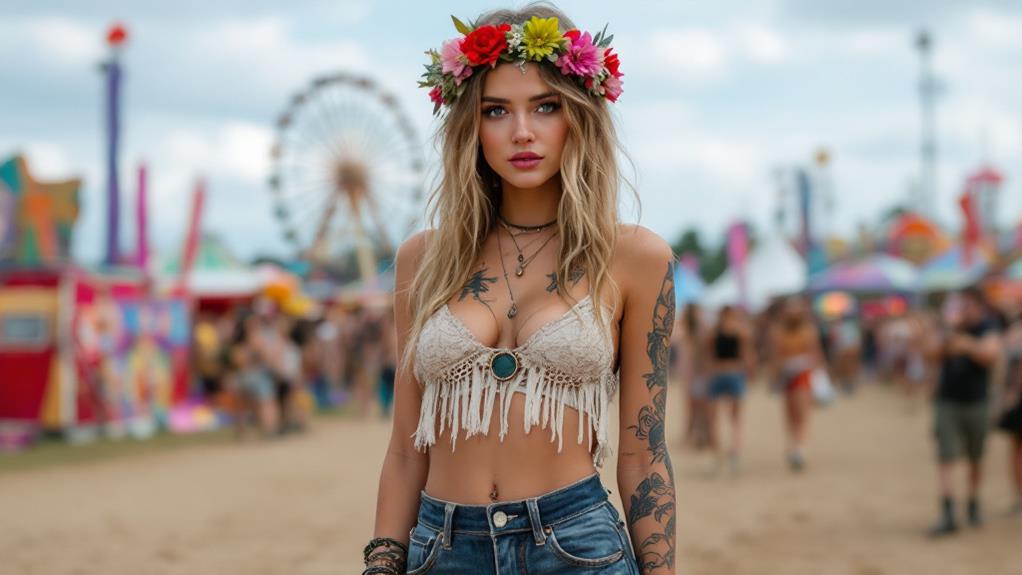
Summer fashion trends in the 2010s were dominated by the explosive growth of festival style. You couldn't escape the influence of music festivals like Coachella on your wardrobe. Festival fashion became a spectacle in itself, with attendees donning boho-chic looks that included fringe, flower crowns, and other bohemian-inspired attire.
Social media, especially Instagram, played a pivotal role in amplifying this trend. You'd see your feed flooded with carefully curated festival fashion aesthetics, as attendees shared their looks online. Influencers and celebrities like Vanessa Hudgens became trendsetters, driving demand for these styles.
Brands quickly caught on, collaborating with influencers and sponsoring content to market their products to the music festival audience. You'd find yourself bombarded with festival-inspired collections and accessories.
This shift towards more casual, expressive, and experiential fashion was a defining characteristic of the decade. Festival fashion wasn't just about the clothes; it was about creating a visual story for social media. The trend reflected a broader cultural movement that welcomed free-spirited, bohemian aesthetics and prioritized shareable experiences.
Minimalism and Capsule Wardrobes
While festival fashion celebrated excess and spectacle, a contrasting trend emerged in the 2010s: minimalism and capsule wardrobes. This new fashion movement prioritized quality over quantity, focusing on versatile, long-lasting pieces that could be mixed and matched effortlessly. As sustainability concerns grew, you likely found yourself reconsidering your relationship with fast fashion and embracing a more thoughtful approach to your wardrobe.
The pandemic accelerated this shift, making comfortable and functional clothing essential. You may have noticed how athleisure brands like Outdoor Voices and Vuori Clothing capitalized on this trend, offering fashionable, minimalist activewear perfect for capsule wardrobes. Heritage brands such as Lululemon and Athleta also solidified their positions as key players in this movement.
Throughout the decade, designers and brands increasingly catered to the demand for timeless, versatile pieces that could form the foundation of a capsule wardrobe. This fashion history shift reflected a growing desire for simplicity and sustainability in your closet. By embracing minimalism, you could create a wardrobe that was both stylish and practical, aligning with the values of conscious consumption that defined the era.
Sustainable and Ethical Fashion
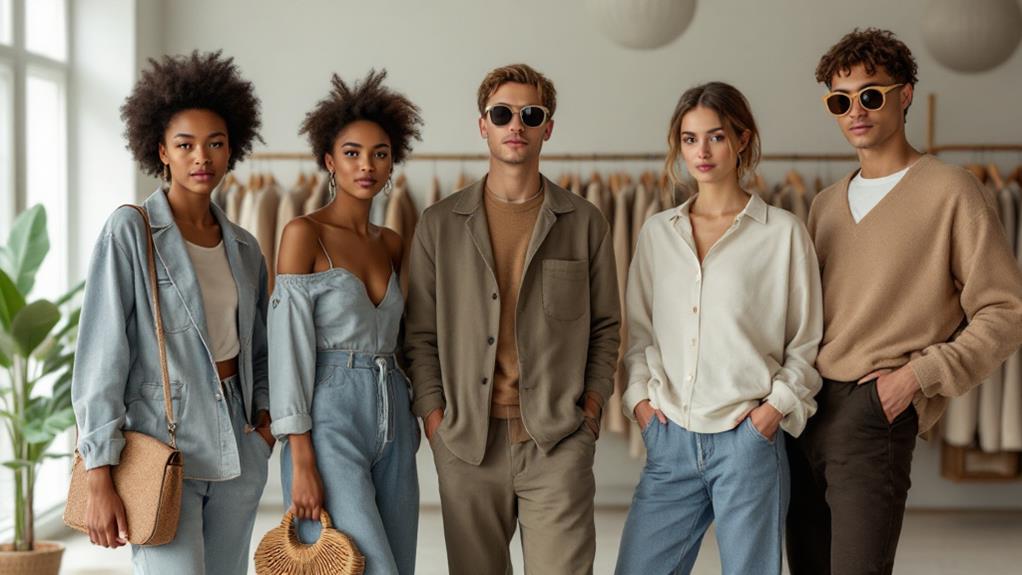
Sustainability became a defining force in fashion during the 2010s, reshaping the industry's scenery and your shopping habits. As you became more conscious of fashion's environmental impact, resale platforms like The RealReal and Vestiaire Collective flourished, driving the growth of the luxury secondhand market. You plunged into pre-owned and vintage pieces, fueling a shift towards a circular fashion economy.
Recognizing this trend, mainstream retailers like Nordstrom and Macy's launched their own resale programs, catering to your demand for sustainable fashion options. Brands began to incorporate upcycling and circularity into their practices, showcasing their commitment to reducing fashion's ecological footprint.
The push for ethical fashion extended beyond environmental concerns. You witnessed increased representation of marginalized communities and collaborations with diverse designers, as the industry endeavored for greater inclusivity. This comprehensive approach to sustainability reshaped your wardrobe choices, encouraging you to ponder the social and environmental impact of your fashion purchases. The 2010s marked a turning point where sustainable and ethical fashion moved from niche to mainstream, forever changing how you engage with style.