What Were the Coolest Fashion Styles of the 60s?
The 60s were a fashion revolution, and you'd find plenty of cool styles to choose from. You could rock the mod look with slim-fitting suits and Chelsea boots, or embrace the space age with futuristic designs and synthetic materials. The mini skirt became a symbol of youth culture, while psychedelic prints and colors reflected the decade's rebellious spirit. Hippie chic brought flowing silhouettes and natural fabrics, while Jackie Kennedy's refined influence remained strong. Don't forget the rise of unisex clothing, challenging traditional gender norms. These iconic styles barely scratch the surface of this transformative era in fashion history.
The Swinging Sixties Look
The Swinging Sixties fashion revolution took London by storm, altering the city into a global style hub. If you were around during this era, you'd have seen the streets bursting with vibrant colors and daring new styles. The iconic mini skirt, popularized by designer Mary Quant, became a symbol of the youth-driven fashion movement. You'd have paired your mini with go-go boots and bright, psychedelic designs for the ultimate Swinging Sixties look.
For the guys, the Mod style was all the rage. You'd have rocked slim-fitting suits, narrow pants, and Chelsea boots to embody the cool, sophisticated vibe of the era. This look was a stark departure from the conservative styles of the previous decade. Primary colors like red, yellow, and blue were central to many 1960s interiors, reflecting the lively and energetic essence of the era.
Carnaby Street became the epicenter of Swinging Sixties fashion, where you'd find the latest trends in youth-oriented clothing and accessories. As you strolled down this famous street, you'd be surrounded by shops showcasing bold designs, innovative materials, and eye-catching window displays. The Swinging Sixties look wasn't just about clothing; it was a cultural statement that reflected the era's spirit of freedom and rebellion.
Space Age Fashion
Rocketing into the fashion scene alongside the space race, Space Age fashion took off in the 1960s. This futuristic style welcomed the era's technological advancements and optimism about the future. You'd see designers like Pierre Cardin and Courreges creating looks that seemed straight out of science fiction.
Space Age fashion was all about synthetic materials, with PVC and polyester taking center stage. These fabrics allowed for sleek, streamlined aesthetics that captured the high-tech spirit of the time. You'd find yourself drawn to vibrant colors and bold patterns that reflected the modernist vibe of the space age.
The mod silhouettes of this style were unmistakable. Space-inspired jumpsuits, go-go boots, and helmet-like hats became must-have items for fashion-forward youth. Chunky accessories and angular shapes completed the look, giving you a truly out-of-this-world appearance.
Even evening wear got the Space Age treatment. Designers incorporated circular cutouts and sleek lines into their creations, resulting in avant-garde pieces that pushed the boundaries of fashion. By donning these garments, you'd be adopting the excitement and innovation of the space race in your everyday style.
Mod Style Revolution
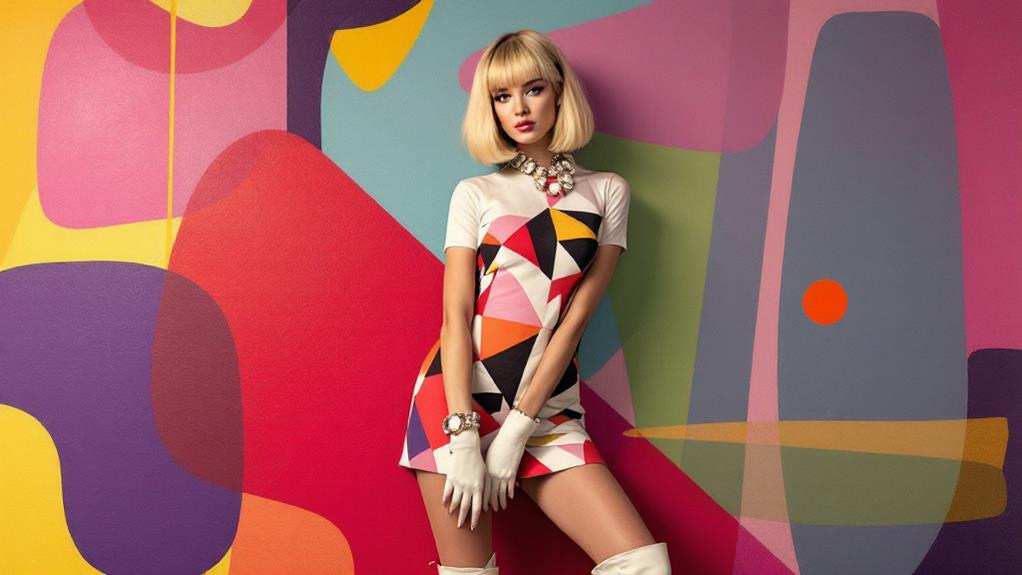
Where did the rebellious spirit of 1960s fashion truly take root? Look no further than London's Mod style revolution of the late 1950s. This groundbreaking movement rejected the conservative fashions of the previous decade, ushering in a new era of youthful, stylish British subculture.
You'd instantly recognize a Mod by their:
- Sharp, tailored suits
- Slim-fitting trousers
- Sleek, collarless jackets
Mods didn't shy away from bold statements. They embraced bright colors and daring geometric patterns, pushing the boundaries of fashion with innovative materials like vinyl and plastics. This avant-garde approach to style perfectly captured the spirit of the swinging sixties.
Icons like The Who, The Kinks, and The Small Faces popularized the androgynous Mod look, inspiring countless young people to adopt this cutting-edge aesthetic. The movement's influence extended beyond its immediate circle, playing a pivotal role in shaping the Peacock Revolution of the late 1960s.
Hippie Chic Movement
As Mod style dominated the early 1960s, a new fashion movement began to take shape, offering a stark contrast to the sharp lines and customized looks of its predecessor. The hippie chic movement emerged, welcoming flowing silhouettes and natural fabrics like suede. You'd see a shift towards non-Western influences, with headbands and kaftans becoming popular accessories.
Janis Joplin rose as a prominent style icon, epitomizing the bohemian aesthetic with her signature fringe, beads, and effortless look. The movement challenged high fashion's dominance, as secondhand clothing and street style gained traction. You'd find yourself drawn to the visually striking counterculture look, which blended inspiration from Art Nouveau, Hollywood, and William Morris designs.
The hippie chic aesthetic stood in stark contrast to the earlier space-age and pop art-inspired fashions of the decade. As you investigated this new style, you'd uncover a rich patchwork of influences, from Eastern philosophies to vintage clothing. The movement's acceptance of free-flowing fabrics, natural materials, and eclectic accessories created a unique and enduring fashion legacy that continues to influence designers today.
Elegant Jackie Kennedy Influence
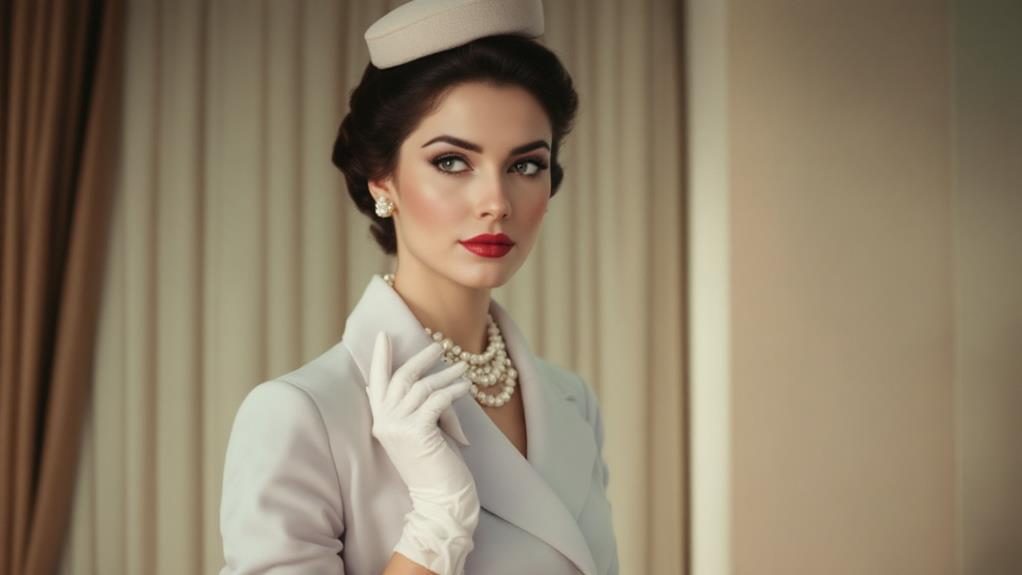
In sharp contrast to the hippie chic movement, Jacqueline Kennedy's refined style dominated the early 1960s fashion scene. As First Lady, she became a major fashion influence, captivating the nation with her sophisticated and compelling look. You couldn't help but notice her tailored skirt suits, sheath dresses, and A-line skirts paired with iconic pillbox hats and elegant accessories.
Kennedy's feminine aesthetic was characterized by:
- Coordinating outfits with luxurious coats
- White gloves and pearls for a polished finish
- Timeless, ladylike ensembles
Designers like Hubert de Givenchy played a pivotal role in creating many of Kennedy's iconic looks, solidifying her status as a style icon. Her fashion choices during state visits, such as her 1961 trip to Venezuela, were closely followed and imitated by women eager to emulate her sophisticated appearance.
Even after her husband's assassination in 1963, Kennedy's influence on fashion continued to grow. Her timeless style transcended the decade, cementing her place as a lasting fashion inspiration. You'll find that her elegant approach to dressing still resonates today, proving that true style is indeed timeless.
Psychedelic Prints and Colors
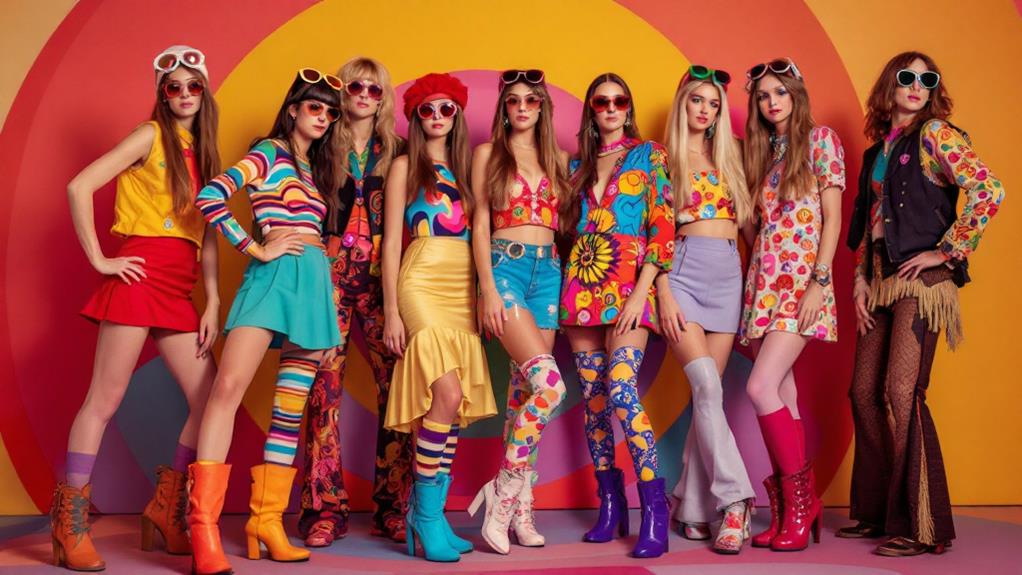
From the refined simplicity of Jackie Kennedy's style, the 1960s fashion scene took a dramatic turn towards the bold and psychedelic. You couldn't escape the explosion of vibrant, neon colors and swirling, kaleidoscopic patterns that defined this era's fashion. Designers like Mary Quant welcomed these experimental prints, incorporating them into mod mini-dresses, blouses, and other garments that captured the decade's counterculture spirit.
As a girl or woman in the 60s, you'd find yourself drawn to these eye-catching designs that reflected the cultural revolution sweeping through society. The fashion world was abuzz with psychedelic prints, which extended beyond clothing to home furnishings and album covers. These bold colors and patterns perfectly complemented other iconic 60s trends like Space Age fashions and go-go boots.
The rise of psychedelic fashion was intrinsically linked to the hippie movement and the era's drug culture. As you walked down the street, you'd see these daring styles everywhere, a visual representation of the decade's rebellious spirit. The psychedelic trend truly embodied the 60s' ethos of experimentation and breaking free from conventional norms.
The Rise of Unisex Clothing
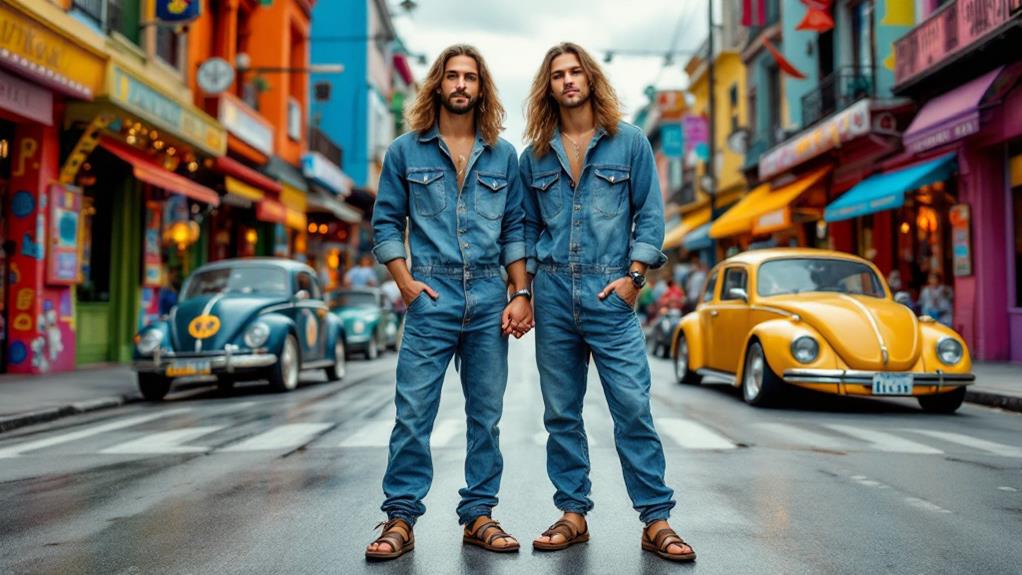
During the 1960s, a revolutionary fashion trend emerged that would challenge traditional gender norms and reshape the way people dressed. Unisex clothing burst onto the scene, offering a fresh, androgynous aesthetic that appealed to the counterculture movement. This new style allowed for greater self-expression and individuality, while promoting comfort and casualness.
Key aspects of unisex fashion included:
- Gender-neutral styles like jeans and t-shirts
- A-line dresses that could be worn by anyone
- Innovative designs like Rudi Gernreich's monokini
Pioneering designers like Gernreich pushed the boundaries of traditional fashion, creating pieces that blurred the lines between men's and women's wear. The monokini, a one-piece swimsuit, exemplified this bold approach to unisex clothing.
As the popularity of these styles grew, they reflected broader social changes happening in the 1960s. Traditional gender roles were being challenged and revised, and fashion became a powerful tool for expressing these new ideals. Unisex clothing allowed you to break free from conventional expectations and adopt a more fluid approach to personal style, ultimately facilitating greater freedom of expression in fashion.