What Were the Most Popular Fabrics and Textures in Disco Fashion?
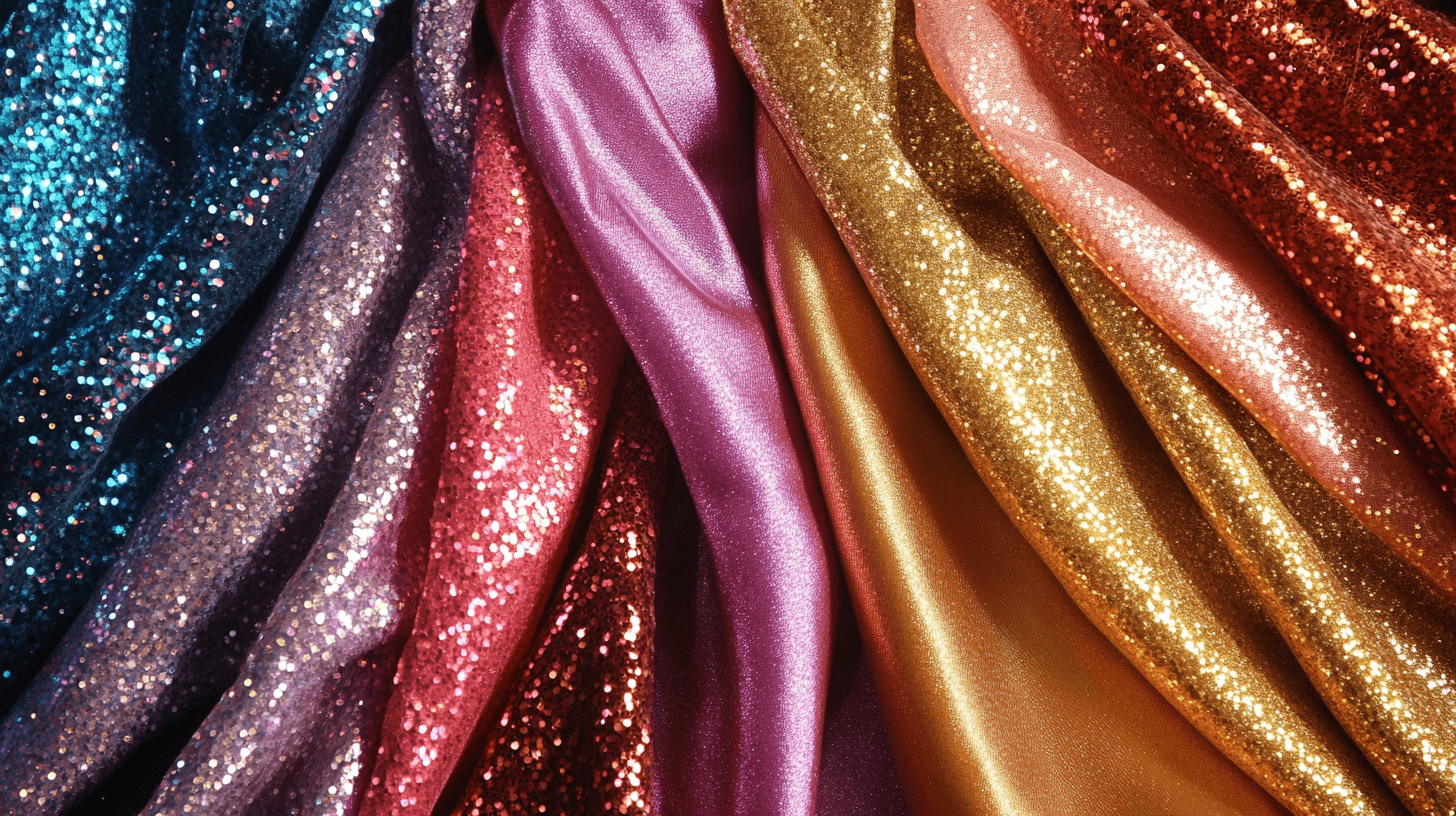
Disco fashion is synonymous with shimmering, vibrant fabrics that defined the era. Polyester was favored for its durability and vivid colors, perfect for creating flashy, eye-catching styles. Lurex added essential shimmer, while satin's luxurious sheen was a staple. Velvet contributed opulence, silk brought elegance, and chiffon provided a light, airy feel. Distinct textures like sequins, metallic fabrics, and spandex created the dazzling, dynamic look emblematic of disco. Curious about why these materials were so iconic? Let's delve into that next.
Polyester
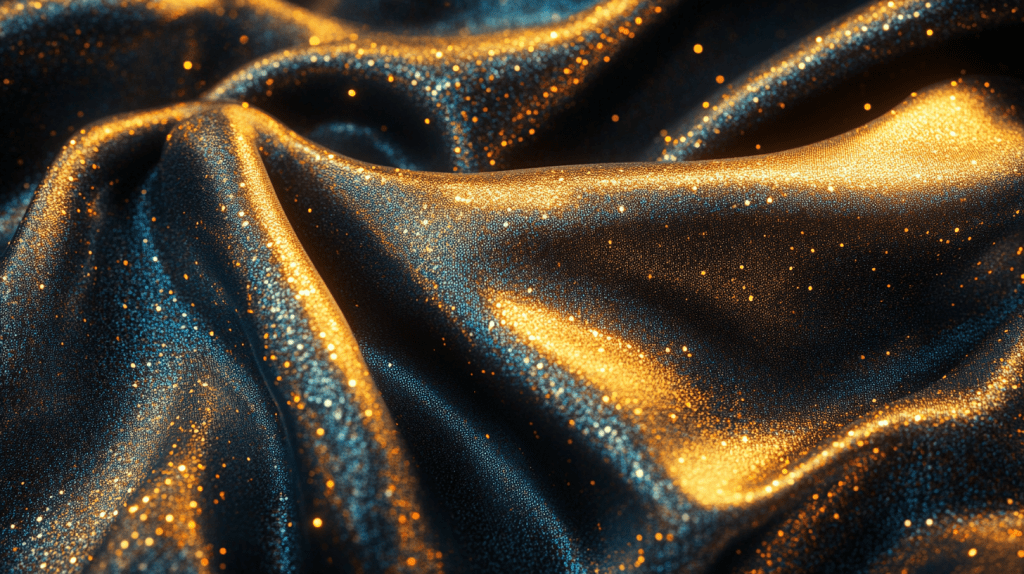
Polyester was the fabric of choice in disco fashion due to its durability, ease of care, and ability to hold vibrant colors and metallic finishes. This synthetic material was both affordable and widely accessible, making it ideal for the flashy and dynamic styles of the 1970s dance floors.
Polyester was essential for creating iconic disco pieces like flared pants, jumpsuits, and shiny tops. These garments weren't only eye-catching but also practical for the energetic dance floors of disco clubs. The fabric's lightweight and breathable nature allowed for comfort while dancing the night away.
Polyester's ability to drape well and create flowing silhouettes significantly contributed to the glamorous and exaggerated styles of the era. Whether it was a sleek jumpsuit or a dazzling top, polyester's versatility made these looks possible. Its capacity to hold vibrant colors and metallic finishes ensured that outfits stood out, enhancing the disco diva aesthetic that defined the period.
Lurex
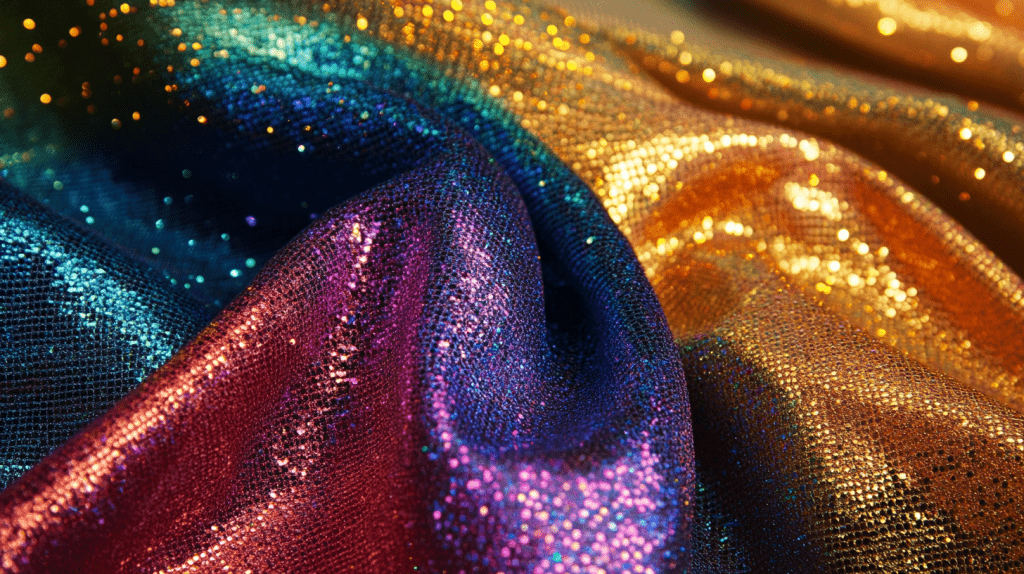
Lurex, known for its shimmering and glittering appearance, was a cornerstone of disco fashion, infusing outfits with a touch of glamour. This distinctive fabric is crafted from metallic yarn blended with polyester, giving it a signature sparkle that epitomized the disco era.
Disco attire often featured lurex in dresses, tops, skirts, and accessories, ensuring you turned heads under the vibrant dance floor lights. The lightweight and stretchy properties of lurex made it ideal for a night of dancing, allowing you to move freely while maintaining a striking and glamorous look. The fabric's reflective quality mirrored the vibrant and flashy spirit of disco culture, ensuring you stood out in any crowd.
Lurex represented more than just sparkle; it embodied the bold and flamboyant style synonymous with disco. Wearing lurex meant embracing the glitz and glamour of the period, making every night out memorable. Whether it was a sparkly dress or a shimmering top, lurex added an extra flair to your disco outfits, ensuring you were always the center of attention.
Satin
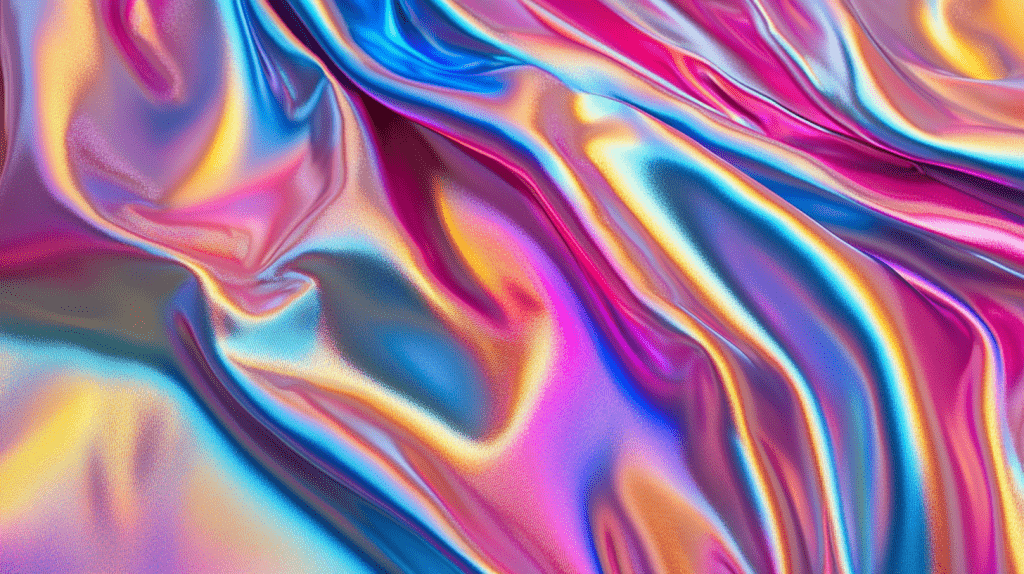
When you think of disco fashion, satin's lustrous sheen immediately comes to mind. Its smooth drape and vibrant colors make it perfect for eye-catching outfits. Under the glimmering disco lights, satin truly stands out, adding a glamorous touch to the dance floor.
Lustrous Sheen Appeal
Satin's lustrous sheen was pivotal in disco fashion, lending outfits a luxurious and eye-catching appeal on the dance floor. Its light-reflective quality made it essential for creating standout looks. Satin was often seen in vibrant colors and bold designs, crucial for the period's glamorous aesthetic. Whether it was a dazzling dress, a chic blouse, or a statement jumpsuit, satin provided the extra oomph needed to turn heads under the disco ball's glimmer.
In disco fashion, satin wasn't just about shine—it was about making a statement. The fabric's glossy texture heightened color vibrancy, making every hue pop in the flashing lights. Satin's reflective properties intensified the sparkle, ensuring you were the center of attention as you danced the night away. From wide-legged pants to fluid jumpsuits, satin gave each piece a touch of sophistication and glamor.
When you think of disco, the impact of satin is undeniable. Its lustrous sheen wasn't just visually appealing; it captured the essence of the period's bold, extravagant style. Satin ensured you didn't just enter the disco—you commanded it.
Smooth Draping Elegance
How does satin manage to effortlessly drape over the body, creating an elegant silhouette that embodies the glamor of disco fashion? Known for its smooth and shiny texture, satin was a cornerstone of disco fashion, making it a popular choice for evening wear, including dresses, blouses, and jumpsuits. The fabric's luxurious feel and ability to drape elegantly over the body added a touch of opulence, perfectly complementing the sophisticated and vibrant vibe of the disco era.
Satin's sheen and softness were crucial in enhancing the bold designs and shimmering effects typical of disco clothing. Its shiny texture would catch and reflect light on the dance floor, creating a dazzling effect that made you the center of attention. This fabric not only looked elegant but also felt indulgent against the skin, making it a preferred choice for those wanting to embody the height of disco glamor.
- Smooth and shiny texture: Satin's inherent qualities made it ideal for reflecting light and enhancing vibrant designs.
- Elegant drape: The fabric's ability to flow beautifully over the body added sophistication to any outfit.
- Opulent feel: Satin's luxurious texture contributed significantly to the glamour of disco fashion.
Vibrant Color Choices
In the disco era, vibrant color choices in satin were as significant as the fabric's luxurious texture. Satin's shiny, light-reflecting surface made it the perfect canvas for vivid colors like electric blue, neon green, and hot pink. These hues weren't only eye-catching but also embodied the glitz and glamour of the disco age, ensuring you stood out on the dance floor.
Imagine slipping into an electric blue satin blouse—the way it shimmered under the disco ball lights was mesmerizing. Neon green satin trousers could transform any outfit into a statement piece, while hot pink satin dresses radiated bold, confident energy. The luxurious feel of satin, combined with these vibrant colors, created a look that was both sophisticated and daring.
Satin's ability to reflect light enhanced the overall glamour of your ensemble, making every movement dazzling. Whether you wore a sleek satin dress or shiny satin pants, the combination of vibrant colors and luxurious texture perfectly captured the essence of disco fashion. The glamorous appeal of satin in these striking shades defined the period's iconic style.
Velvet
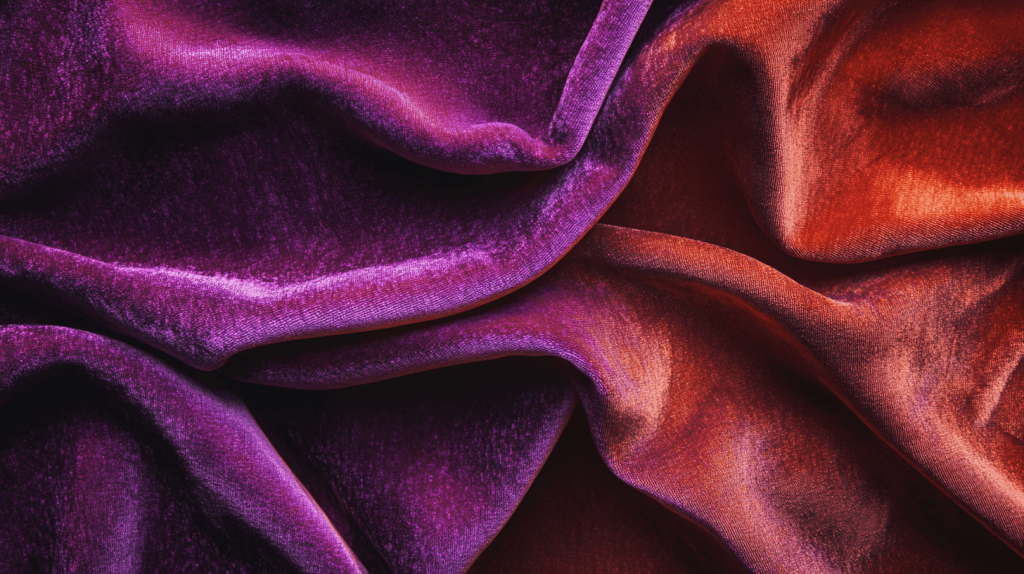
Velvet, with its luxurious texture and rich appearance, was a standout choice in disco fashion, adding opulence to any outfit. Celebrated for its soft, smooth feel, velvet made every garment look and feel extravagant. Whether it was a blazer, pants, or dress, velvet ensured you stood out on the dance floor. Its unique ability to amplify light enhanced its allure, making you shine brightly under the disco ball.
Disco fashion wasn't just about the clothes; it was about creating an aura of glamour and sophistication. Velvet played a significant role in achieving this. The texture and appearance of velvet garments added a touch of elegance and luxury to the complete look.
Here are a few ways velvet made its mark:
- Blazers: A velvet blazer epitomized disco chic, suitable for both men and women.
- Accessories: Velvet shoes, bags, and headbands were essential for completing a disco ensemble.
- Pants: Velvet pants made a bold statement, offering both comfort and style.
Silk
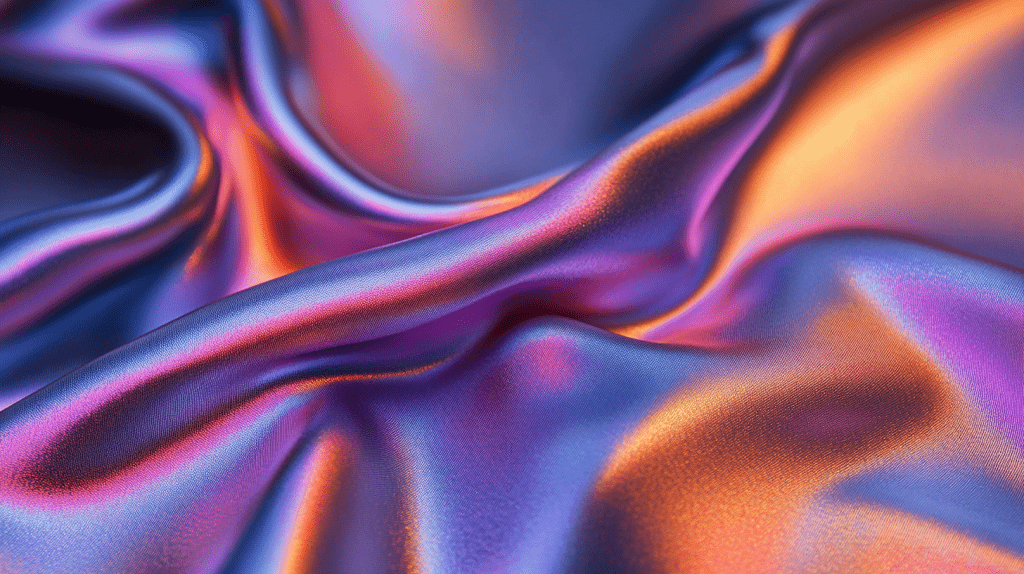
Silk, with its luxurious and smooth texture, brought an air of elegance to disco fashion, much like velvet did with its opulence and rich appearance. When you think of the disco era, silk often comes to mind for its ability to instantly elevate any outfit. This fabric wasn't just about looks; it offered a delightful feel that made you want to dance all night long.
In disco fashion, silk garments were a staple, often seen in vibrant colors like electric blue and neon pink. These eye-catching hues added to the overall glamour of the disco scene. Whether it was a silk blouse, dress, or shirt, the luxurious texture of silk made these pieces stand out. The sheen and drape of silk were perfect for creating flowing and glamorous ensembles that would catch the light on the dance floor.
Silk fabric was commonly used to design iconic discofashion pieces like halter tops, wide-legged pants, and flowing maxi dresses. Each garment added a touch of elegance, making you feel as stylish as you looked.
Chiffon
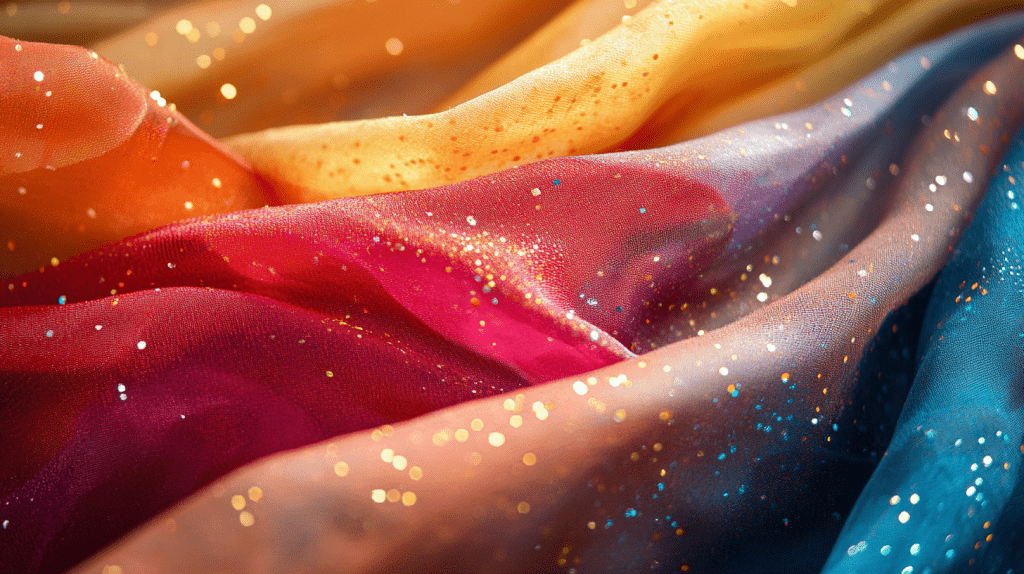
Chiffon was a disco favorite due to its light and airy texture, ideal for flowy, glamorous outfits like blouses, dresses, and scarves. The fabric's sheer elegance caught the light on the dance floor, making it perfect for statement sleeves and ruffles that embodied the period's flamboyant style.
Light and Airy
When you think of disco fashion, the light and airy texture of chiffon immediately comes to mind, transforming any outfit into a statement of elegance and glamour. Popular during the disco era, chiffon was cherished for its delicate and ethereal quality. Its light and airy texture made it perfect for creating flowing maxi dresses, blouses, and scarves that floated and swayed with every dance move.
Chiffon's versatility was a key factor in its widespread use. The fabric's ability to layer beautifully allowed designers to incorporate ruffles and pleats, adding depth and movement to any ensemble. This made chiffon ideal for evening wear, ensuring you stood out on the dance floor.
The softness of chiffon also provided a comfortable yet chic option for disco-goers. Its sheer quality added an extra touch of sophistication, making it a go-to choice for those wanting to exude elegance effortlessly.
Key Features of Chiffon in Disco Fashion:
- Flowing maxi dresses: Created a dramatic, eye-catching look.
- Blouses: Added lightness and grace to any outfit.
- Scarves: Served as versatile accessories that enhanced the disco aesthetic.
Sheer Elegance
Imagine yourself gliding across the dance floor, your outfit's airy and sheer elegance catching the light and turning heads. Chiffon, with its lightweight and translucent qualities, was a defining fabric of disco fashion. Its ability to create elegant, flowing silhouettes made it a staple for those aiming to embody the glamorous and sophisticated style of the era.
In evening wear, chiffon was unmatched. Its delicate and translucent nature added a touch of sophistication, making it perfect for blouses, tunics, dresses, and flowing sleeves. These elements enriched the ethereal and feminine aesthetic while allowing for fluid movement, crucial for capturing the vibrant spirit of disco dancing.
The fabric's ethereal texture and ability to drape beautifully ensured that every twist and turn on the dance floor was accentuated. Chiffon's knack for catching and reflecting light made wearers shimmer and sparkle, ensuring all eyes were on them. This glamorous quality solidified chiffon as a go-to fabric for unforgettable disco nights. Whether stepping out for a night on the town or attending a sophisticated evening event, chiffon ensured you truly shined.
Sequins
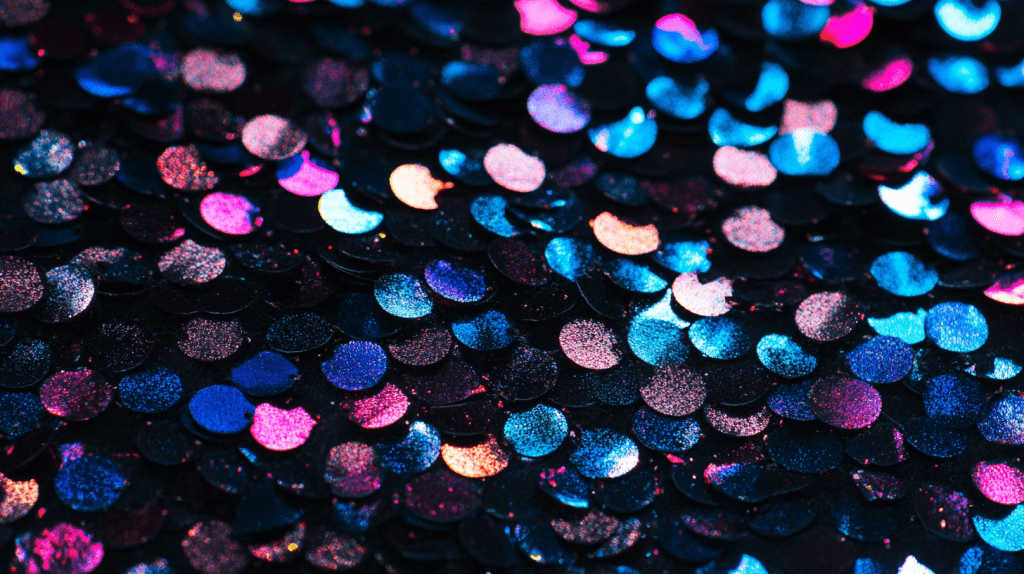
During the disco era, sequins were a staple of fashion, adding a dazzling touch to dresses, tops, jackets, and accessories. It was impossible to enter a disco club without seeing someone sparkling under the lights. Sequins provided an unmatched level of glamour and shine, creating a mesmerizing effect that perfectly complemented the flashy and flamboyant aesthetic of the time.
Their versatility was impressive, available in various colors, sizes, and shapes, making each outfit unique. Sequins were synonymous with glitz and luxury, embodying the extravagance that defined the disco scene. Iconic disco looks often featured sequined pieces, reflecting the era's love for eye-catching fashion.
Here's why sequins were so popular:
- Glitz and glamour: Sequins instantly conveyed luxury and extravagance, ideal for nightlife.
- Sparkling effect: Under disco lights, sequins created a dazzling shine, making you the center of attention.
- Flamboyant aesthetic: The flashy appeal of sequined outfits matched the bold, expressive spirit of disco fashion.
Embracing sequins was all about standing out and making a statement on the dance floor.
Metallic Fabrics
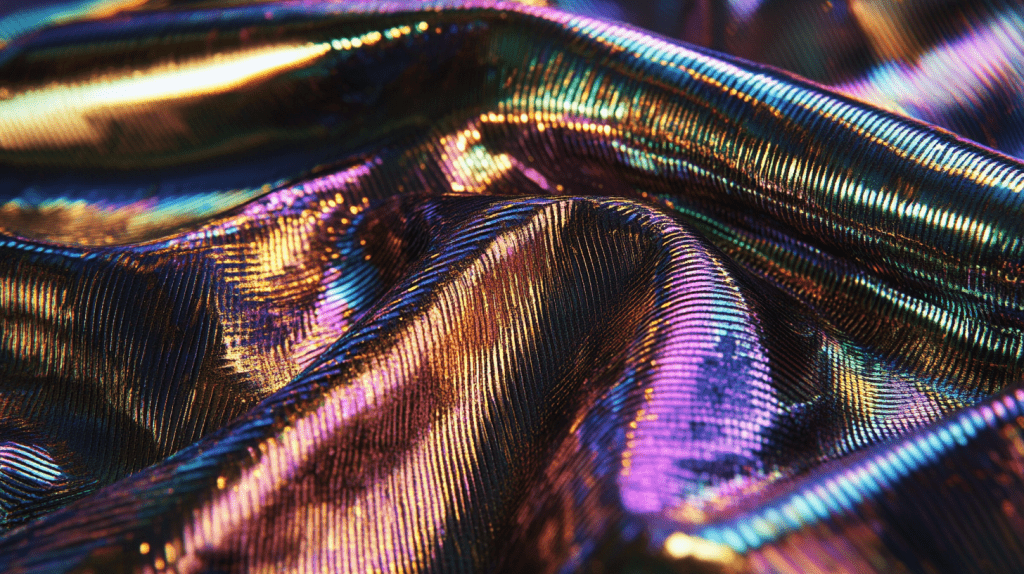
Just as sequins brought a dazzling shine to disco fashion, metallic fabrics like lamé and Lurex introduced an equally mesmerizing sparkle to the dance floor. These materials were designed to reflect light, creating a sparkling effect that epitomized the period's glitz and glamour.
Lamé, a fabric woven or knit with metallic yarns, was a staple in disco fashion. Its glamorous and eye-catching qualities made it perfect for standout outfits. Whether worn as a dress, top, or pants, lamé ensured you turned heads under the disco ball.
Lurex, another popular choice, consisted of metallic yarn made from synthetic fibers like polyester. This material added a shimmering, glittering appearance to any garment, making it a go-to for those looking to dazzle on the dance floor. Its ability to reflect light created a dynamic, sparkling effect that was impossible to ignore.
Incorporating metallic fabrics like lamé and Lurex into your disco wardrobe wasn't just about fashion; it was about embodying the vibrant, glamorous spirit of the disco era. These materials helped you shine, literally, making every night out an eye-catching event.
Spandex
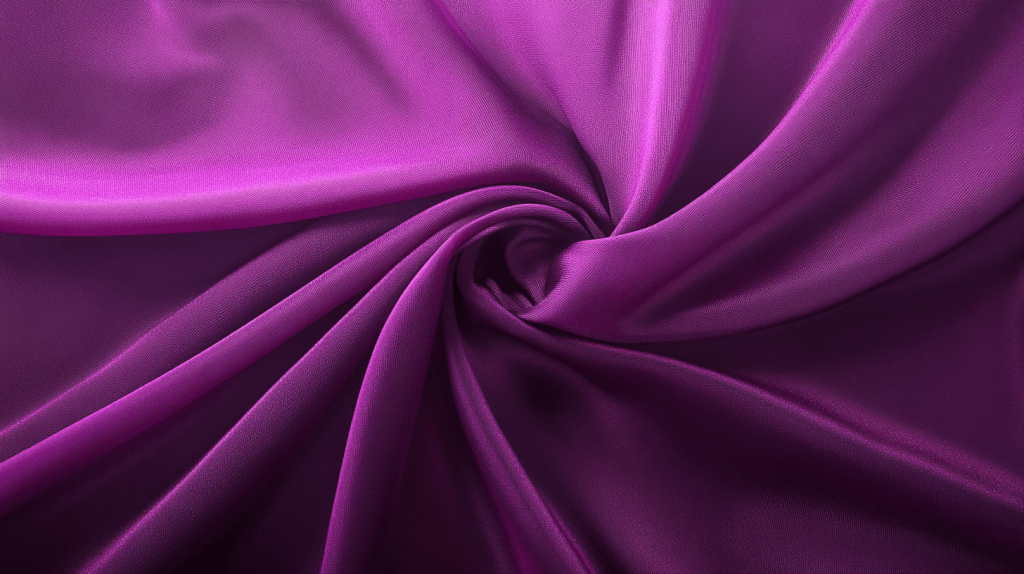
Spandex became a cornerstone of disco fashion due to its stretchy and form-fitting nature, offering body-hugging silhouettes that emphasized the period's sleek and glamorous style. This fabric was prevalent in various disco outfits, including tops, pants, jumpsuits, and dresses. Spandex wasn't merely about comfort; it was about making a statement. Its body-hugging quality allowed dancers to move freely while showcasing their figures, perfectly suited for the energetic atmosphere of the disco floor.
The shiny finish of spandex significantly enhanced the overall shimmer of disco attire. Under the glimmering disco ball lights, spandex would reflect and catch light, adding a dazzling effect to any outfit. This made it a go-to fabric for creating iconic disco looks.
Spandex's versatility also contributed to its popularity. Whether for simple or extravagant designs, this fabric could adapt to a variety of styles. It was a crucial component in creating truly unforgettable disco fashion.
Conclusion
In disco fashion, vibrant polyester, shimmering lurex, and luxurious satin dominated the scene. Velvet's richness, silk's elegance, and chiffon's airy charm added to the glam. Sequins, metallic fabrics, and spandex brought dazzling shine and form-fitting allure. These fabrics and textures together created the iconic disco aesthetic that still inspires fashion today. When you think disco, remember the incredible blend of these stylish elements!