70s Disco Colors: Bringing Back the Vibrant Palette
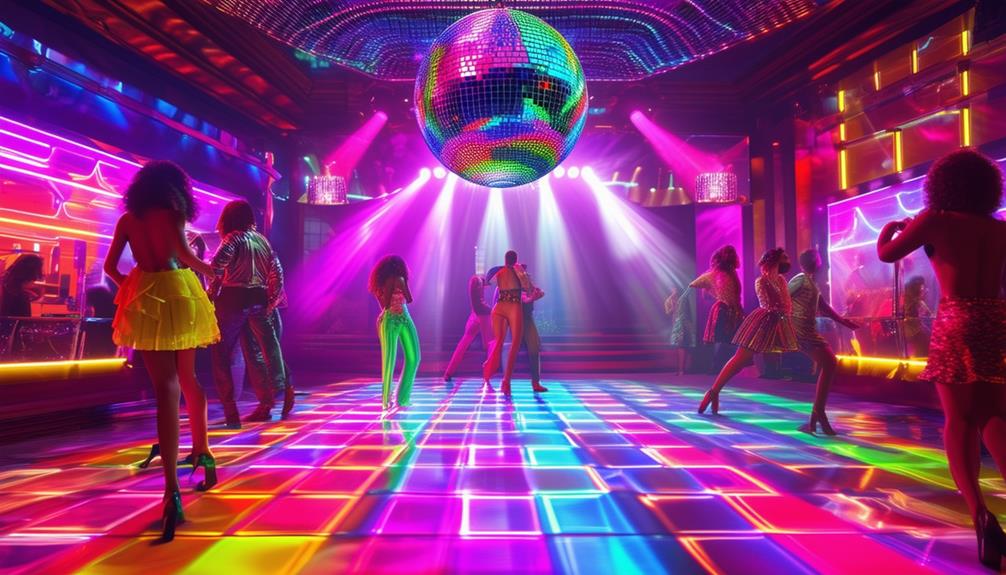
When you think about the '70s disco era, you likely envision a dance floor lit up with vibrant, electric hues, each color narrating its own story. These bold palettes are making a resurgence, infusing contemporary aesthetics with new energy.
Picture integrating electric blues and radiant golds into your wardrobe or home decor, creating a dynamic atmosphere reminiscent of neon lights and glittering disco balls. But how can you capture that daring spirit without going overboard? Let's explore how to balance these iconic shades in today's trends.
The Essence of '70s Disco Colors
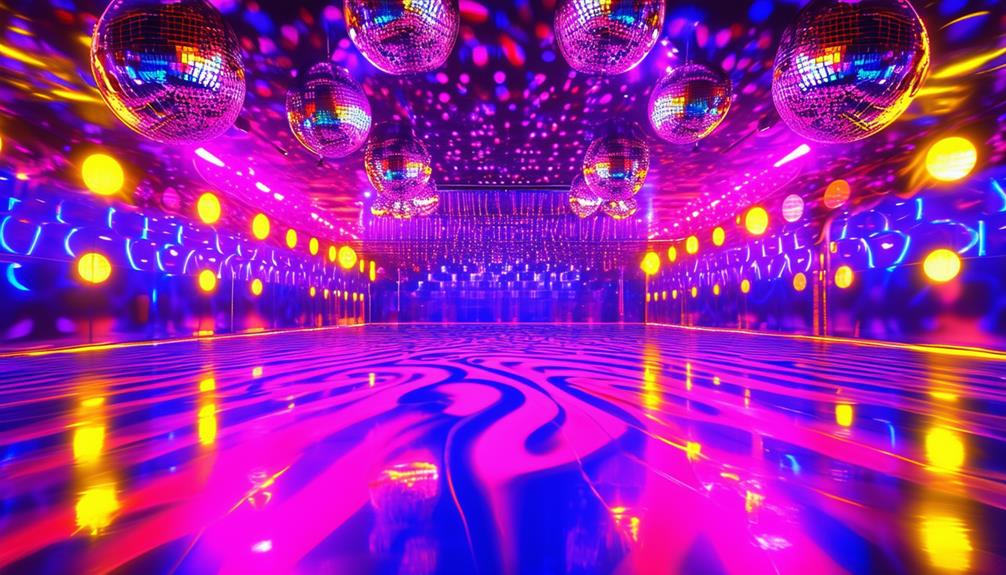
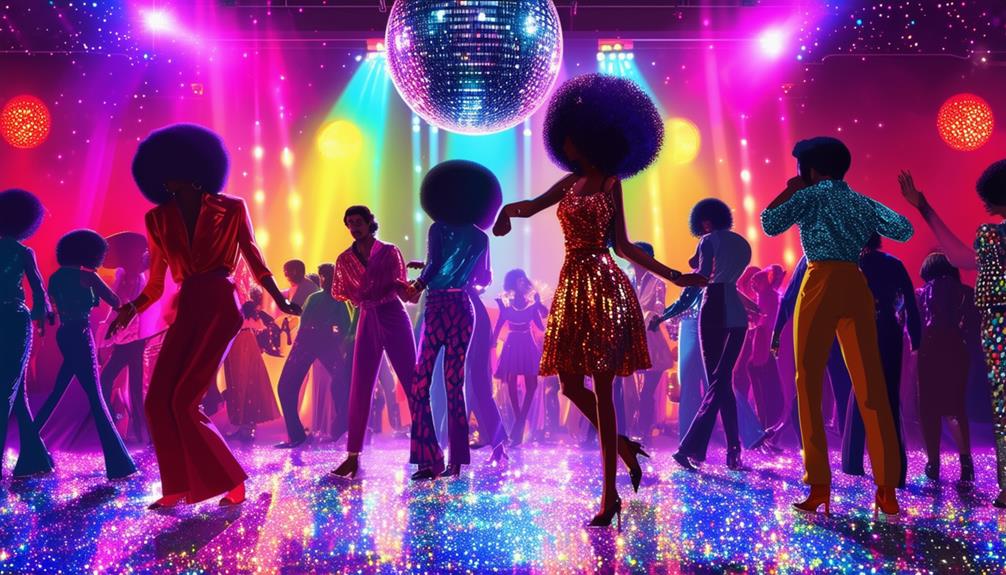
The essence of '70s disco colors lies in their ability to transform any space into a vibrant, immersive party atmosphere. Think of neon hues, bold metallics, and pastels that dominated disco fashion in the '70s. These bright colors weren't limited to clothing; they extended to the entire disco experience. Color blocking was a common trend, enhancing the palette's importance and ensuring you stood out on the dance floor.
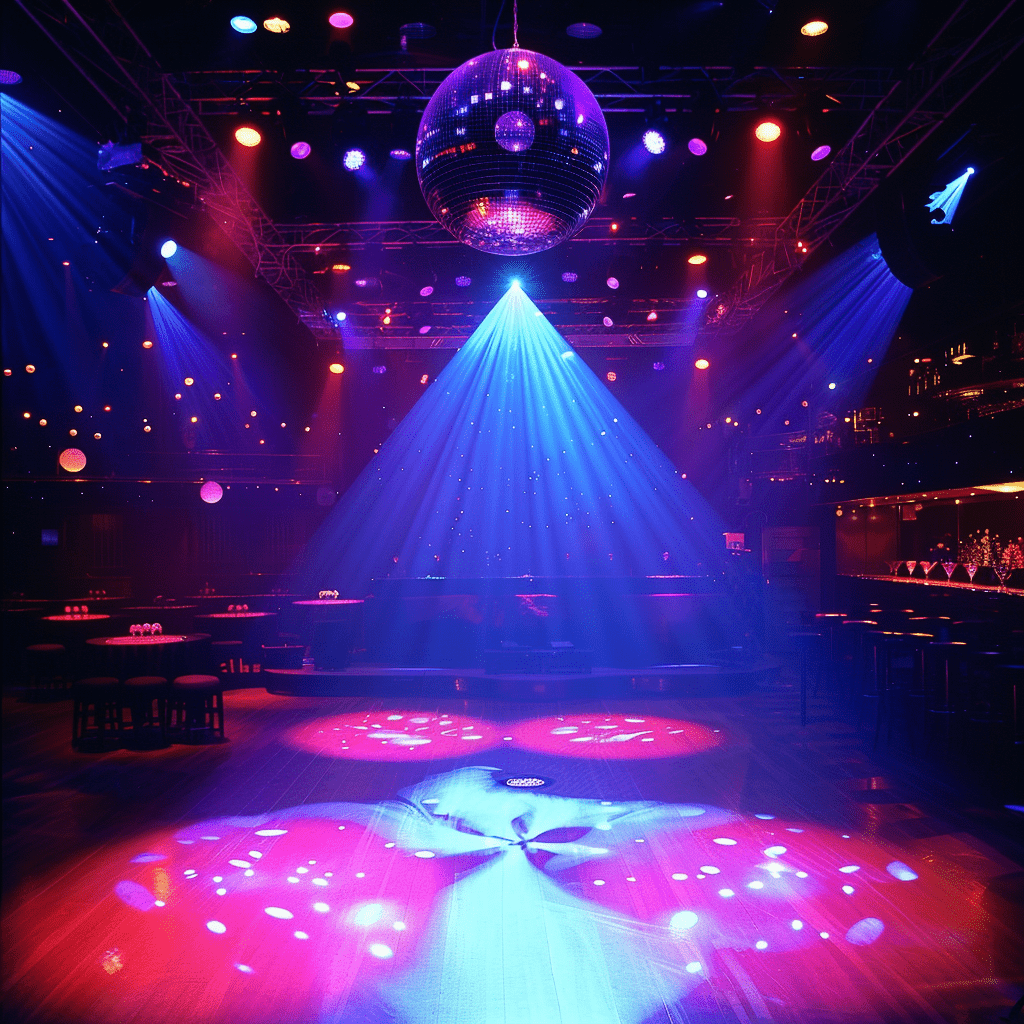
Shiny fabrics like satin and sequins played a significant role in intensifying these vibrant colors. Imagine yourself in a dazzling outfit that catches every light, making you the center of attention. Disco venues were designed to reflect this colorful exuberance. Colorful lighting created an immersive experience, turning each party into a kaleidoscope of vibrant hues.
Even the use of rainbow colors carried deeper meanings, symbolizing diversity and inclusion in disco culture. This reflected the era's celebratory and expressive nature, making every night out feel like a unified, colorful celebration.
Iconic Disco Hues
Iconic disco hues like Electric Blue Sensation, Radiant Disco Gold, and Psychedelic Purple Vibes didn't just trend; they defined the era's style and energy. Each color added a distinct flair to the dance floor, transforming every night into a visual spectacle.
Electric Blue Sensation
Step into the pulsating world of 70s disco, and you'll find electric blue dominating the scene with its vibrant and futuristic allure. This iconic hue wasn't just a color; it was a statement, symbolizing the forward-thinking, dynamic energy of the disco period. Its vibrant tones brought an electrifying presence to the dance floors, making every outfit pop with compelling intensity.
Electric blue was often paired with silver or black, creating a bold contrast that drew everyone's attention. Shiny fabrics like satin and sequins were the go-to choices for showcasing this color, as their glossy surfaces amplified its striking appearance. Whether it was a dazzling dress or a sharp suit, electric blue garments ensured you stood out in the crowd.
Disco venues went beyond fashion, incorporating electric blue in their lighting to create an immersive atmosphere. Blue lights bathed the dance floors, intensifying the futuristic vibes and making every night feel like an exploration into a vibrant, pulsating world of endless possibilities.
Radiant Disco Gold
Radiant Disco Gold, a symbol of glamour and opulence, shimmered everywhere during the 70s disco era. This hue wasn't merely a color; it was an experience. Embedded in metallic fabrics, Disco Gold adorned everything from jumpsuits to mini skirts, transforming ordinary outfits into statements of luxury and sophistication.
Disco venues were awash with gold accents that paired seamlessly with vibrant colors like silver, red, and blue, creating striking visual contrasts under the dazzling lights. Accessories such as gold hoop earrings and shimmering belts added extra sparkle, making dancers feel like stars on the dance floor.
Even the decor embraced this opulence. Gold elements in interior design brought a touch of luxury to disco clubs, with glittering gold walls and shimmering decor pieces reflecting light in every direction. This created an atmosphere of glitzy charm that's hard to replicate.
Today, Disco Gold remains a popular choice for retro-themed events, fashion, and interior design, allowing modern times to capture a bit of that 70s glamour.
Psychedelic Purple Vibes
In disco culture, psychedelic purple played a pivotal role, electrifying dance floors and fashion with its vibrant and energetic vibes. This bold hue symbolized creativity, individuality, and freedom of expression. Psychedelic purple was ubiquitous, appearing in dazzling outfits, mesmerizing décor, and even the lighting that set the mood for unforgettable nights.
In disco fashion, purple wasn't just a color; it was a statement. Often paired with striking hues like pink, blue, and silver, it created a visual spectacle that captured disco's bold and unconventional style. The mystical and enchanting touch of psychedelic purple made it an iconic choice that still resonates with fans of the period.
Here's a quick look at how psychedelic purple compared with other popular disco colors:
| Color | Symbolism | Common Pairings |
|---|---|---|
| Psychedelic Purple | Creativity, individuality, freedom | Pink, blue, silver |
| Radiant Disco Gold | Luxury, glamour, celebration | Black, red, white |
| Electric Blue | Energy, excitement, modernity | Silver, white, purple |
| Hot Pink | Passion, fun, playfulness | Purple, gold, silver |
This comparison highlights the distinct symbolism and pairings of each color, showcasing their unique contributions to the vibrant disco era.
Influences and Inspirations
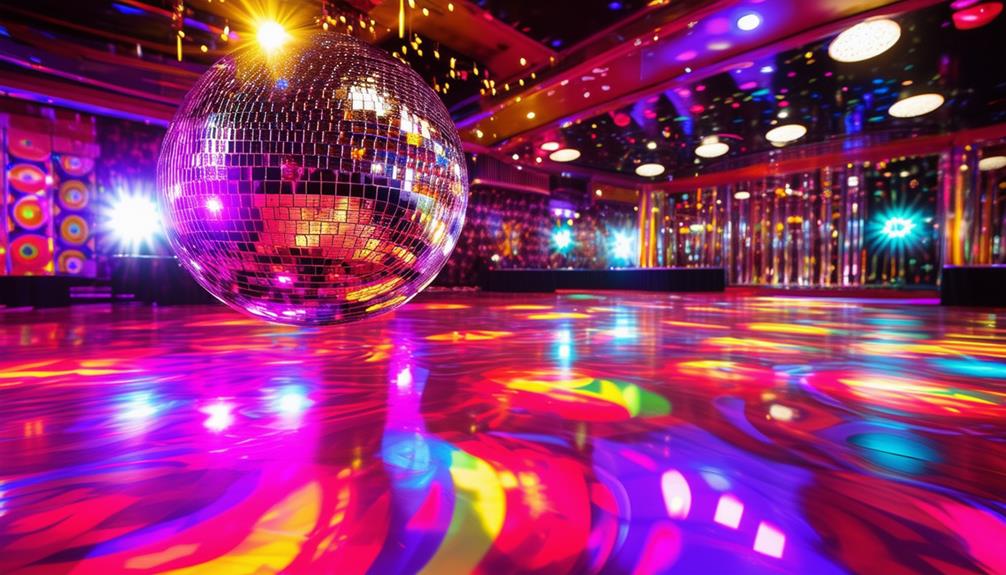
The iconic disco color palette of the 1970s was heavily influenced by the vibrant and bold fashion trends of the disco era. This period was all about making a statement, and the colors used mirrored that sentiment perfectly. Neon, metallics, and pastels were staples, creating a dynamic and lively atmosphere both on the dance floor and in fashion.
Color blocking was a common feature in outfits, adding to the visual excitement. Disco venues amplified this effect with colorful lighting, making every night feel like a visual spectacle.
Key influences driving these choices included:
- Fashion: The bold and daring fashion of the 70s encouraged striking color combinations like black and silver or gold and white.
- Venues: Clubs and discos used colored lights to enhance the immersive experience, making the dance floor come alive with hues of red, blue, and silver.
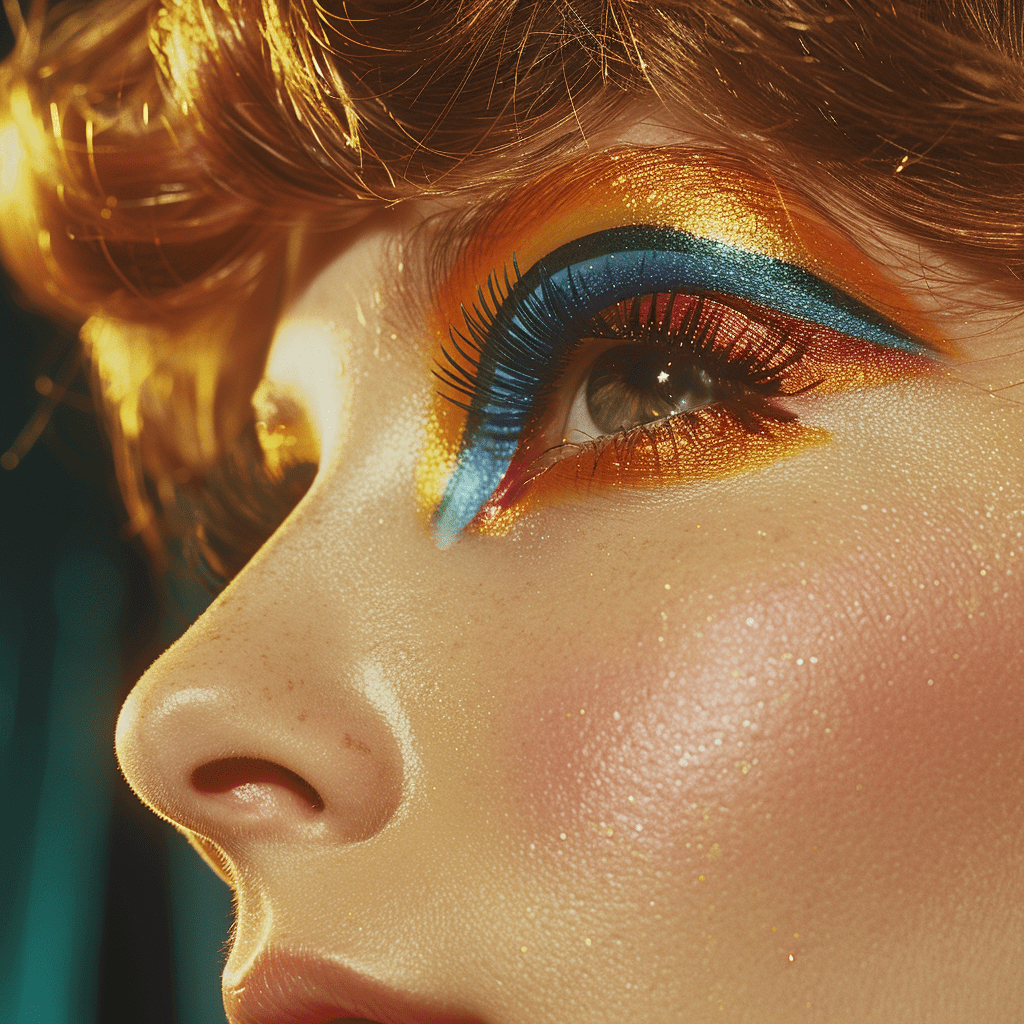
- Makeup and Nails: Beauty trends of the time reflected the same vibrant palette, featuring glittery, metallic shades, and bright, eye-catching colors.
These elements combined to create a color palette that's as unforgettable as the period itself, capturing the essence of disco's lively and flamboyant spirit.
Integrating Disco Colors Today
Incorporating disco colors into today's fashion, makeup, and interior design infuses a vibrant retro twist that's both stylish and nostalgic. Fashion designers are embracing the bright hues reminiscent of the disco era, seamlessly integrating them into modern collections. This approach results in eye-catching pieces that evoke a sense of nostalgia, with bold colors like electric blue and vibrant pink making statements on the runway and in everyday wear.
Makeup brands are also tapping into this trend by launching disco-inspired palettes. These collections feature bright, vivid colors that can help you achieve a dazzling, dance-floor-ready look. From striking eyeshadows to bold lip colors, you can easily add a touch of disco glamour to your beauty routine.
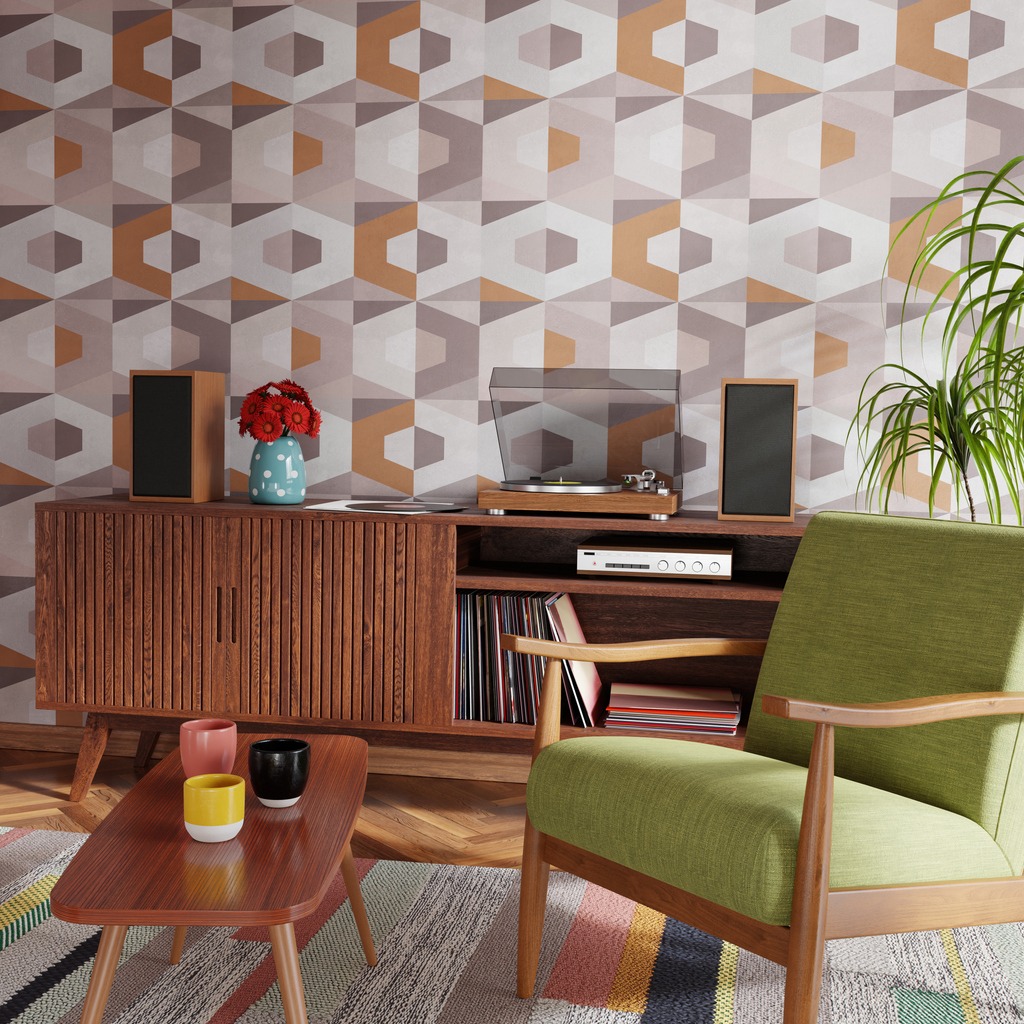
Interior designers aren't left out, transforming spaces with retro color palettes that have a contemporary twist. Imagine rooms adorned with bright yellows, lush greens, and deep purples, creating lively environments that honor the 70s while maintaining a fresh and modern feel.
Social media influencers are amplifying this trend by showcasing disco-inspired looks with bright, bold colors. They're effectively bringing the vibrant spirit of the disco period to a new generation, ensuring the trend's relevance and appeal.
Color Combinations and Patterns
When you think of '70s disco, bold color contrasts like red and black or blue and silver come to mind. These striking combinations were often paired with geometric patterns, creating a visually dynamic and energetic atmosphere.
These elements defined the period's unmistakable style and continue to inspire designs today.
Bold Color Contrasts
Bold color contrasts defined 70s disco fashion, with iconic combinations like black and silver or red and black making a striking statement. These bold palettes weren't just about the clothes; they were about creating an entire atmosphere.
Neon lights amplified the vividness of these colors, turning dance floors into electrifying spectacles. Disco venues strategically used colorful lighting to magnify the impact of these bold contrasts. Imagine a room where black and silver outfits shimmered under neon lights, transforming the ordinary into the extraordinary.
This wasn't just about looking good; it was about feeling alive in a vibrant, immersive experience. Shiny fabrics like satin and sequins played a significant role in this dazzling display. They caught the neon lights perfectly, adding an extra layer of brilliance to every outfit.
To fully embody the disco spirit, consider:
- Pairing metallic fabrics: Think gold and white or blue and silver to catch every glint of light.
- Color blocking: Strategic placement of bold, vibrant colors to make your outfit pop.
- Bold makeup and nails: Bright, eye-catching hues like blue, purple, or metallic silver and gold to complete your look.
Geometric Patterns Influence
Geometric patterns in vibrant disco colors capture the dynamic and energetic essence of the 70s, making every outfit and space visually electrifying. You'll find bold and contrasting color combinations like red and black, blue and silver, and vibrant rainbow hues in these patterns. The striking designs reflect the vibrant spirit of disco culture, adding a playful yet modern touch to retro-inspired fashion and decor.
Color blocking is a key geometric pattern in disco fashion, integrating multiple bright colors into distinct blocks or sections. This style isn't just limited to clothing; it also influences interior decor and disco-themed events, creating visually enchanting and dynamic environments.
Here's a quick breakdown of common geometric shapes and their color combinations in disco designs:
| Geometric Shape | Common Color Combinations |
|---|---|
| Stripes | Red and Black |
| Chevron | Blue and Silver |
| Zigzag | Rainbow Hues |
| Triangles | Pink and Purple |
This integration of geometric patterns and bold colors not only pays homage to the 70s disco era but also brings a lively and contemporary element to modern design.
Modern Artists Reviving Disco
Modern artists are reviving the vivacious spirit of the 70s by infusing their work with disco-inspired colors, creating pieces brimming with energy and nostalgia.
Influenced by the fashion and culture of the disco era, they're reintroducing bold and bright color palettes that capture the timeless vibrancy of that period. Artworks featuring neon, metallics, and pastels radiate energy, creating visually striking and immersive experiences that transport viewers back to the exuberant dance floors of yesteryear.
By incorporating color blocking, shiny fabrics, and sequins, contemporary artists pay homage to iconic disco trends, ensuring each piece pulsates with life.
This revival isn't merely a retrospective glance but a fresh perspective on the nostalgic disco aesthetic. Through vivid colors and bold combinations, artists breathe new life into a beloved era.
- Bold neons and metallics that emulate disco lights
- Pastel shades juxtaposed with striking hues for visual intrigue
- Intricate color blocking and sequins adding depth and texture
Conclusion
You can't resist the allure of '70s disco colors making a splash today. Their electric blues, radiant golds, and vibrant neons aren't just nostalgic; they're a bold statement of energy and style.
By integrating these hues into your life, you're embracing a fun, daring spirit that's infectious. So, go ahead, channel your inner disco diva, and let these iconic colors transform your wardrobe, makeup, and home.
Dive into the disco age and let those colors shine!